 MomSkoop

Life doesn’t come with a manual, and for many people in their 30s and 40s, that becomes clearer than ever. These decades often bring a powerful urge to rethink old choices and build something new.
Whether it’s a career shift, a relationship reset, or a complete lifestyle overhaul, midlife has become a launchpad for transformation instead of a time to settle.
1. Growing Self-Confidence and Clarity About What They Want

Somewhere between your first job and your tenth birthday party as an adult, something shifts. You stop caring as much about pleasing everyone else and start tuning into your own voice. That inner compass gets louder and clearer with every year of experience.
By your 30s and 40s, you’ve likely tried enough things to know what lights you up and what drains you. This self-awareness is like a superpower. It helps you make choices that actually fit who you are, not who you thought you should be.
Confidence grows when you realize your opinions matter and your needs are valid. This newfound clarity becomes the foundation for rebuilding a life that feels authentic and right.
2. Gaining Life Experience That Enables Better Decision-Making

Remember that time you made a terrible choice because you didn’t know any better? We all have those stories. The good news is that mistakes become teachers, and by midlife, you’ve had plenty of lessons.
Experience gives you a mental library of what worked and what didn’t. You’ve seen patterns play out in relationships, jobs, and personal projects. This wisdom helps you spot red flags faster and recognize opportunities more clearly.
When you’re rebuilding your life, this knowledge is gold. You’re not guessing anymore; you’re making informed choices based on real-world data. That’s why so many people feel ready to take bold steps in their 30s and 40s.
3. Stronger or More Meaningful Relationships and Social Networks

Quality over quantity becomes the motto for friendships as you age. You’ve probably let go of surface-level connections that felt draining or fake. What remains are the people who truly get you and support your growth.
These deeper relationships provide a safety net when you’re making big changes. Friends who’ve known you through different chapters can offer perspective and encouragement. They remind you of your strength when doubt creeps in.
Having a solid support system makes rebuilding less scary. You’re not alone in the journey. Whether it’s a career pivot or a personal transformation, meaningful relationships give you the courage to leap.
4. Improved Financial Stability or Resources That Make Change More Feasible

Let’s be honest: money matters when you’re trying to change your life. By your 30s and 40s, many people have built up some savings or at least have steadier income than they did in their 20s.
This financial cushion creates breathing room. Maybe you can afford to take a few months off to retrain for a new career. Perhaps you’ve saved enough to start that business you’ve been dreaming about. Even small amounts of financial security reduce the panic that comes with change.
Money isn’t everything, but it does buy options. When you’re not living paycheck to paycheck, rebuilding becomes possible instead of just wishful thinking.
5. Desire for More Purposeful or Fulfilling Work

Clocking in and collecting a paycheck might have felt fine at 25, but by midlife, many people crave something more. The question shifts from “What pays well?” to “What actually matters to me?”
You’ve spent enough years working to know the difference between a job and a calling. Maybe you’ve climbed the ladder only to realize it was leaning against the wrong wall. That realization can be uncomfortable but also liberating.
Rebuilding often starts with career because we spend so much time working. Finding purpose in your daily efforts transforms everything. It’s not just about making money anymore; it’s about making a difference that feels real.
6. Awareness That Time Is Limited and a Wish to Prioritize What Truly Matters
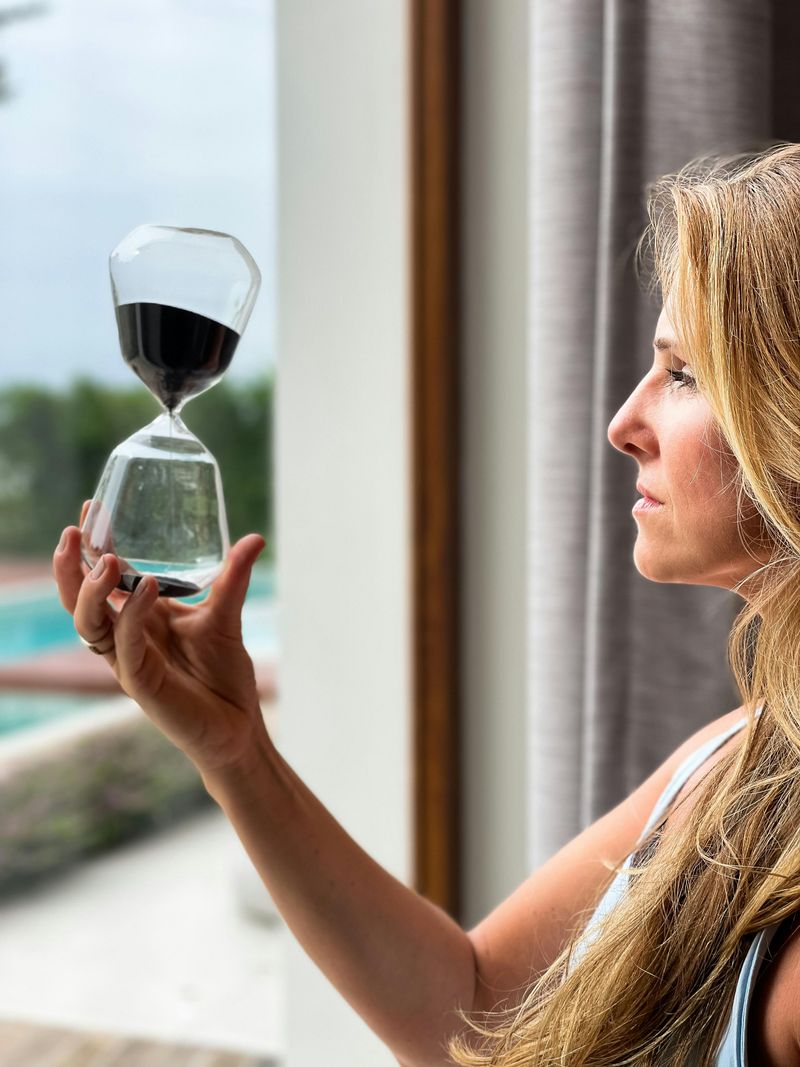
Did you know? By your 30s, you’ve already lived more than a third of your expected life. That math hits differently than it did at 22.
Suddenly, wasting time on things that don’t matter feels painful. You start asking bigger questions about legacy, happiness, and impact. The urgency isn’t about panic; it’s about focus. You want to spend your days on what actually counts.
This awareness drives people to rebuild because staying stuck feels like a betrayal of their limited time. Whether it’s repairing relationships, chasing dreams, or simply being happier, the clock becomes a motivator. Life’s too short to keep living someone else’s version of success.
7. Emotional Intelligence and Self-Understanding Have Matured

Here’s something they don’t teach in school: understanding your emotions is a skill that takes years to develop. By midlife, most people have gotten much better at recognizing why they feel certain ways and what triggers them.
This emotional maturity changes everything. You can communicate needs without blowing up. You recognize patterns in your reactions and work to change them. Self-understanding helps you break cycles that kept you stuck.
When you know yourself deeply, rebuilding becomes intentional rather than reactive. You’re not running away from problems; you’re moving toward solutions. That emotional foundation makes transformation sustainable and real instead of just another impulsive restart.
8. Shifting Health and Lifestyle Realities Prompting Reassessment

Your body starts sending messages in your 30s and 40s that you can’t ignore. Maybe you can’t pull all-nighters like you used to, or that junk food diet finally catches up with you. Physical changes demand attention.
These wake-up calls often trigger bigger life reassessments. If your health is suffering because of stress or poor habits, you’re forced to examine the lifestyle creating those problems. Sometimes a health scare becomes the push needed to change everything.
Rebuilding with health in mind isn’t vanity; it’s survival. People want energy to enjoy their lives, not just endure them. Prioritizing wellness often means restructuring work, relationships, and daily routines completely.
9. Recognizing That Previous Foundations May Have Cracks Needing Repair

Think of your life like a house. In your 20s, you’re building it quickly, excited to have something standing. But by your 30s and 40s, you notice the cracks. Maybe that career path was built on someone else’s expectations. Perhaps that relationship had shaky ground from the start.
Ignoring structural problems doesn’t make them go away. Eventually, they get worse. Recognizing these cracks takes courage because it means admitting that some things aren’t working, even if they looked fine from the outside.
Rebuilding means going back to fix the foundation properly. It’s harder than starting fresh, but it creates something solid that can actually last.
10. Changing Personal Values and Priorities

What mattered at 25 might seem silly or shallow by 40. Maybe you chased status symbols, impressive titles, or external validation. Then one day, those things feel empty, and you wonder why you cared so much.
Values shift as you mature. Authenticity might replace ambition. Connection might trump competition. These internal changes create external friction when your life is still built around old priorities.
Rebuilding becomes necessary when your values and your life no longer match. You’re not the same person who made those original choices. Creating alignment between who you are now and how you live brings peace that external success never could.
11. Wanting Greater Autonomy, Flexibility and Control Over Life and Work

Being told what to do, when to do it, and how to do it gets old. By midlife, many people are tired of living by someone else’s rules and schedule. The desire for autonomy grows stronger with every passing year.
This isn’t about being difficult or irresponsible. It’s about recognizing that you’re capable of directing your own life. You’ve proven yourself enough times. Why not build something where you call the shots?
Rebuilding with autonomy in mind might mean freelancing, starting a business, or negotiating remote work. It could mean leaving relationships where you feel controlled. Freedom becomes non-negotiable when you’ve tasted what it’s like to live on your own terms.
12. Openness to Reinventing Yourself and Exploring New Passions

Who says you have to be one thing forever? By your 30s and 40s, you realize that identities aren’t fixed. You can be a lawyer who becomes a chef, or a teacher who starts a podcast. Change is allowed.
This openness to reinvention is liberating. Maybe you’ve always been curious about something but never had time to explore it. Now you’re ready to experiment, even if it means being a beginner again. That takes confidence.
Rebuilding with curiosity at the center keeps life interesting. You’re not just fixing what’s broken; you’re discovering new parts of yourself. Passions you explore now might become the foundation of your next chapter.