 MomSkoop

Remember the days when you carried a worn-out guidebook and hoped to find a payphone to call home? Travel has transformed dramatically since your backpacking adventures.
Technology, sustainability, and global connectivity have reshaped how we explore the world. Whether you’re planning a comeback trip or just curious about what’s changed, these insights will bring you up to speed on today’s travel landscape.
1. Digital Nomadism is Mainstream

Working while wandering isn’t just a dream anymore—it’s become a legitimate lifestyle for millions worldwide. Remote work policies exploded after 2020, giving people freedom to earn income from anywhere with decent Wi-Fi.
Coworking spaces have popped up in cities from Bali to Buenos Aires, offering reliable internet, comfortable desks, and communities of fellow travelers. You’ll find networking events, workshops, and even coffee included in monthly memberships.
Countries now compete for digital nomads with special visas lasting six months to two years. Portugal, Croatia, and Thailand have become hotspots where you can legally live and work without complicated paperwork hassles.
2. Budget Travel Tools Have Evolved
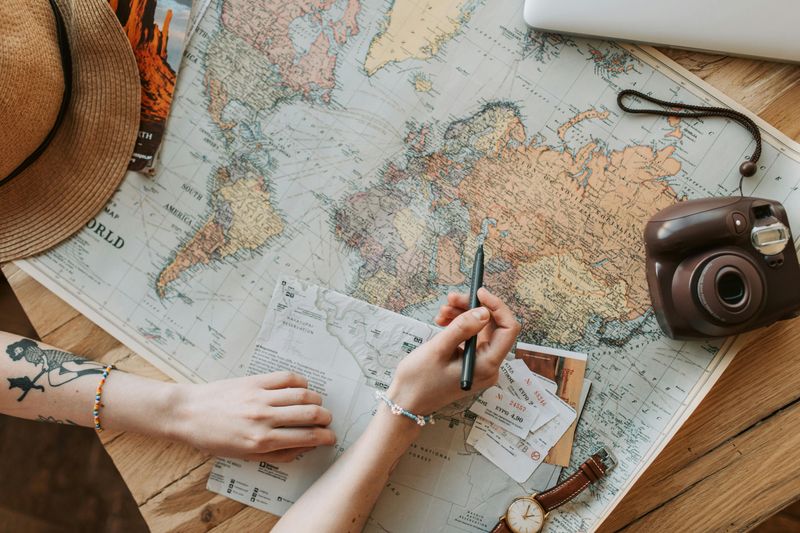
Gone are the days of visiting multiple travel agencies or calling airlines directly to compare prices. Apps like Skyscanner, Hopper, and Hostelworld put thousands of options at your fingertips instantly.
These platforms use smart algorithms to predict when flight prices will drop or rise. Hopper even tells you whether to book now or wait, potentially saving you hundreds of dollars on tickets.
Price alerts notify you the moment deals appear for your dream destination. You can set flexible date searches, compare nearby airports, and book everything from flights to accommodations without leaving your couch or switching between websites.
3. Cashless Travel Rules

Your money belt stuffed with traveler’s checks? That’s ancient history now. Contactless payments and digital wallets like Apple Pay and Google Pay dominate transactions across most developed countries.
Many European cities have businesses that refuse cash entirely, preferring the speed and security of card payments. Even street vendors in places like Stockholm and Amsterdam use portable card readers for transactions.
Currency exchange booths are disappearing as multi-currency cards and apps offer better rates with lower fees. Just watch out—some remote villages still operate on cash only, so carrying small amounts remains smart for those off-the-beaten-path adventures you loved.
4. Sustainable Travel Matters

Eco-consciousness has moved from fringe concern to mainstream priority among modern travelers. Carbon offsets, plastic-free packaging, and supporting local communities now influence booking decisions significantly.
Slow travel—spending weeks in one place instead of rushing through countries—reduces your carbon footprint while deepening cultural experiences. Many travelers choose trains over planes when possible, enjoying scenic routes with lower environmental impact.
Accommodations advertise their green credentials proudly, from solar panels to water conservation systems. Certification programs help you identify genuinely sustainable options versus greenwashing. Your travel choices now carry weight in protecting destinations for future generations of wanderers.
5. Travel Insurance is Smarter

Basic coverage for lost luggage doesn’t cut it anymore. Modern travel insurance has adapted to cover pandemic-related cancellations, adventure sports injuries, and even cyber threats like hacked accounts.
Policies now include telemedicine consultations, letting you video chat with doctors from remote locations. Some plans cover quarantine accommodations if you test positive for illnesses while abroad, which became essential recently.
Adventure coverage extends to activities that were once excluded—think bungee jumping, scuba diving, or mountain trekking. Compare plans carefully because prices vary wildly, and the cheapest option might leave you vulnerable when emergencies strike in faraway places.
6. Hostels Have Upgraded

Remember squeezing into cramped bunk beds with questionable mattresses and sketchy showers? Today’s hostels would blow your mind with their transformation into stylish, comfortable spaces.
Pod beds offer privacy with curtains, personal outlets, and reading lights—no more climbing over roommates in darkness. Female-only dorms provide safe spaces, while some hostels feature private rooms rivaling budget hotels in quality.
Digital check-ins mean no waiting in line, and many properties include rooftop bars, organized tours, and Instagram-worthy common areas. Prices remain budget-friendly, but you’ll enjoy cleanliness standards and amenities that simply didn’t exist during backpacking’s grungier era.
7. Visas are Digital

Spending hours at embassies waiting in endless queues? That nightmare has largely vanished thanks to e-visas and electronic travel authorization systems implemented by dozens of countries.
India, Turkey, Australia, and many others let you apply online from home, receiving approval via email within days or even hours. You simply show your digital confirmation at immigration—no stickers or stamps required beforehand.
Electronic systems reduce processing times and costs while improving security through digital verification. Some countries even grant visa-on-arrival options that you can pre-register for online. The bureaucracy that once consumed precious travel time has become remarkably streamlined and traveler-friendly.
8. Connectivity is Everywhere
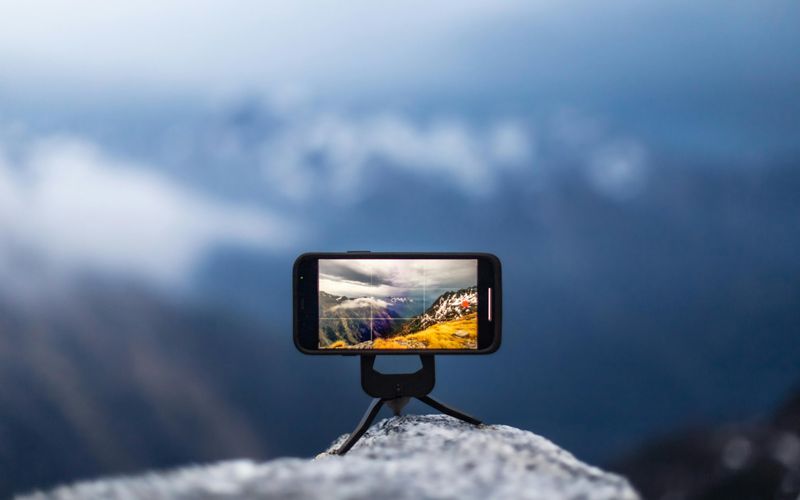
Finding internet cafes to check email was once a daily mission. Now you can video call from mountaintops or post photos from deserts thanks to portable Wi-Fi devices and eSIM technology.
Physical SIM cards are becoming obsolete as eSIMs let you download data plans instantly for any country. Switch between providers without fumbling with tiny cards or hunting for mobile shops in unfamiliar cities.
5G coverage reaches surprisingly remote areas, keeping you connected for navigation, translation, and communication. Portable hotspots ensure your whole travel group stays online. Being unreachable for weeks isn’t romantic anymore—it’s just inconvenient when you need directions or reservations.
9. Social Media Drives Destinations

Word-of-mouth recommendations from fellow travelers shaped your old adventures. Today, Instagram and TikTok wield enormous influence over where crowds flock, sometimes overwhelming once-peaceful spots.
Viral posts can transform unknown villages into tourist magnets overnight. That hidden beach you discovered? It might have ten thousand tagged photos now, complete with selfie queues and vendors selling souvenirs.
Influencers partner with tourism boards to promote destinations, creating carefully curated images that don’t always match reality. This phenomenon brings economic benefits to communities but also challenges like overtourism and environmental strain. Authenticity competes with aesthetics in ways that would’ve seemed bizarre during your backpacking days.
10. Health and Safety Have Changed
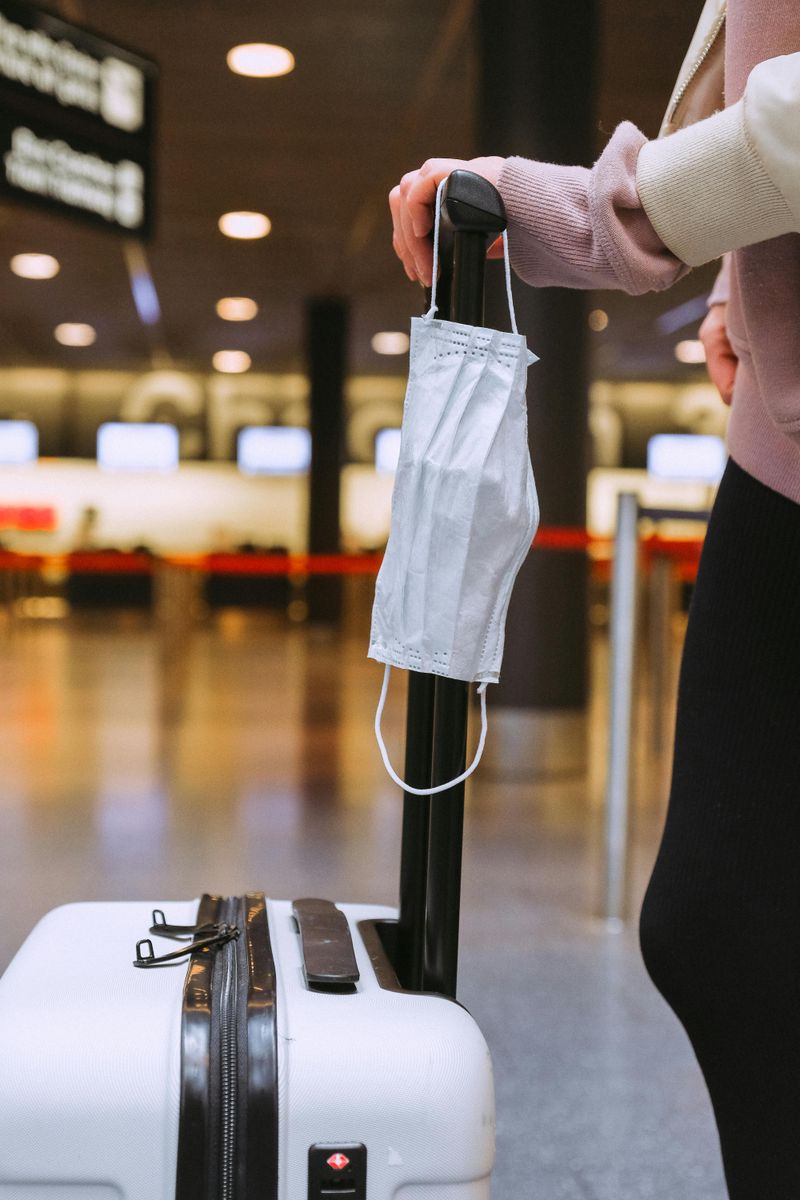
Health considerations barely crossed your mind beyond maybe getting a hepatitis shot. Now vaccination records, health declarations, and proof of insurance are standard entry requirements for many countries.
Digital health passports store your vaccination history, test results, and medical information securely on your phone. Immigration officers scan QR codes instead of reviewing paper documents, speeding up border crossings significantly.
Travel restrictions can change rapidly based on health situations, requiring flexibility in planning. Many destinations mandate specific vaccines or recent negative tests for entry. Staying informed about health requirements has become as important as checking visa rules before booking flights.
11. Accommodation Sharing Transformed Lodging

Platforms like Airbnb and Vrbo revolutionized where travelers stay, offering everything from spare rooms to entire apartments and unique properties like treehouses or boats.
Staying in local neighborhoods instead of tourist districts gives you authentic experiences and often better value than hotels. You’ll have kitchens to prepare meals, saving money while eating healthier than constant restaurant food.
Reviews from previous guests help you avoid unpleasant surprises, though standards vary wildly. Some hosts provide local tips that guidebooks miss. The personal connection with locals enriches your journey, though the rise of professional hosts managing multiple properties has somewhat diluted the original community spirit.
12. Language Barriers Have Shrunk
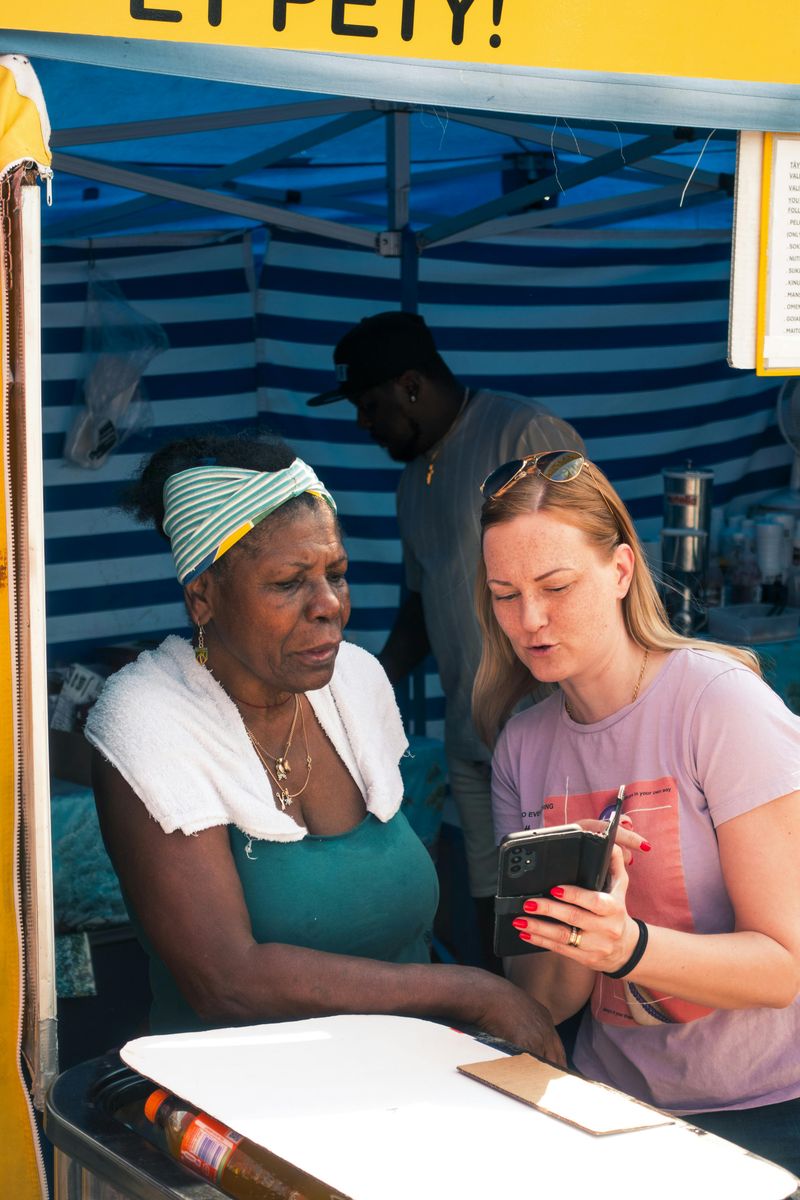
Phrasebooks and wild hand gestures used to be your primary communication tools in foreign countries. Real-time translation apps now break down language barriers with remarkable accuracy and speed.
Google Translate’s camera feature lets you point your phone at signs, menus, or documents for instant translation. Conversation mode enables back-and-forth dialogue between languages, though it works better in some language pairs than others.
Voice translation helps with pronunciation when your attempts at local languages fall flat. While learning basic phrases still shows respect and enriches experiences, technology provides a safety net. Miscommunications that once led to hilarious or frustrating situations now get resolved with a few smartphone taps.