 MomSkoop
When planning your next adventure, most travelers dream of Paris, London, or Tokyo. But what about the hidden gems that rarely make it onto Instagram feeds?
Around the world, there are capital cities bursting with culture, history, and beauty that somehow fly under the radar.
These overlooked destinations offer authentic experiences without the overwhelming crowds and sky-high prices of more famous spots.
1. Tirana, Albania
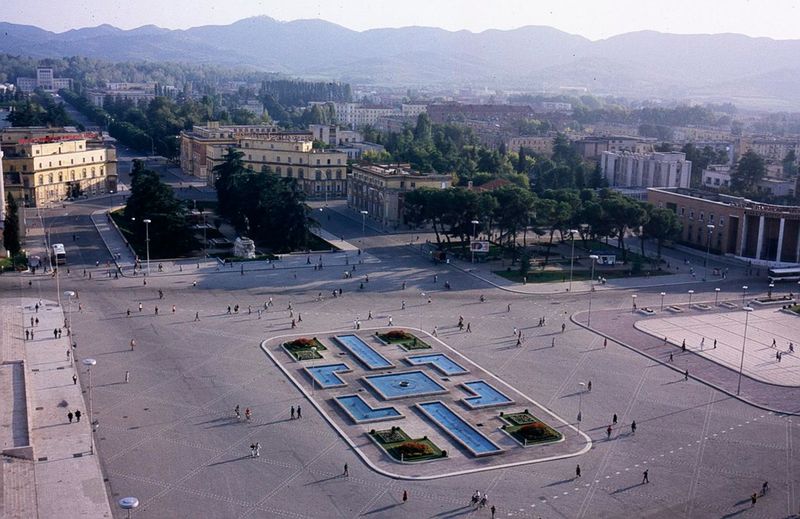
Bursting with color and energy, Tirana surprises visitors with its rainbow-painted buildings and lively café culture. Once hidden behind decades of isolation, Albania’s capital has transformed into one of Europe’s most exciting emerging destinations.
Walking through Blloku, the former restricted area for communist elites, you’ll find trendy restaurants and boutiques lining tree-shaded streets. The city blends Ottoman mosques, Italian-style architecture, and Soviet-era relics into something uniquely Albanian. Skanderbeg Square anchors the city center, surrounded by museums and the distinctive National History Museum with its massive socialist-realist mosaic.
Mount Dajti looms over the city, accessible by cable car for stunning panoramic views. Best of all, Tirana remains incredibly affordable compared to Western European capitals.
2. Tbilisi, Georgia
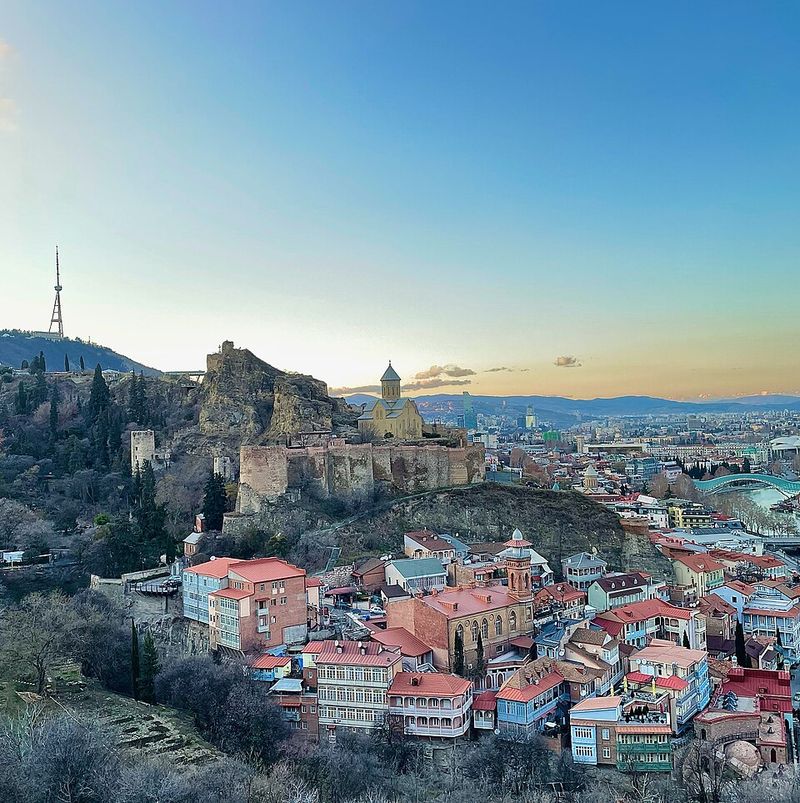
Perched along the banks of the Kura River, Tbilisi feels like a city caught between centuries. Ancient sulfur baths steam beneath carved wooden balconies while ultra-modern glass bridges span the water nearby. This fascinating contrast defines Georgia’s capital perfectly.
The Old Town’s narrow cobblestone streets wind past Orthodox churches, art galleries, and cozy wine bars serving Georgia’s famous orange wines. Narikala Fortress watches over everything from its hilltop perch, reachable by cable car or a scenic hike. Georgian hospitality shines through in every restaurant, where tables overflow with khachapuri cheese bread and aromatic khinkali dumplings.
Did you know Tbilisi’s name comes from the Georgian word for warm, referring to its natural hot springs? Locals still soak in traditional bathhouses today.
3. Ljubljana, Slovenia
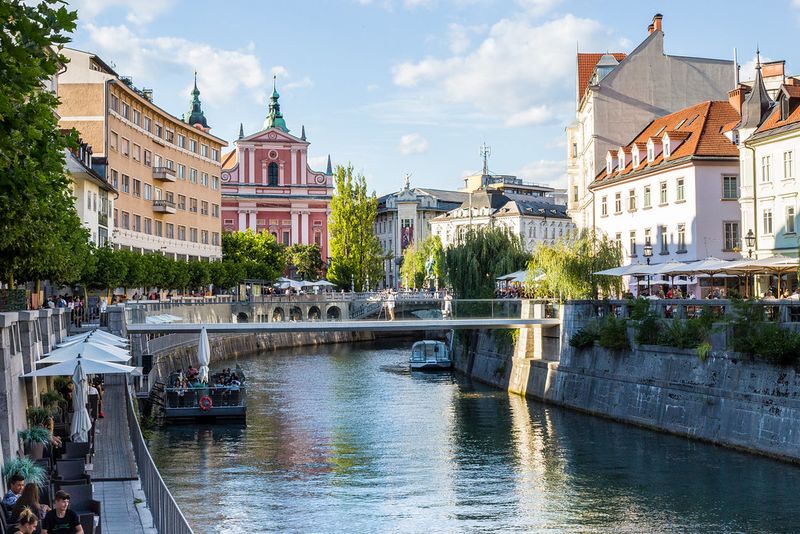
Small enough to explore on foot yet packed with charm, Ljubljana might be Europe’s most underrated capital. The Ljubljanica River flows through the heart of the city, lined with willow trees and outdoor cafes where locals gather for coffee and conversation.
Architect Jože Plečnik transformed this city in the early 1900s, designing elegant bridges, markets, and public spaces that give Ljubljana its distinctive character. Ljubljana Castle crowns the hilltop, offering sweeping views of the terracotta rooftops below. The entire city center is car-free, making it perfect for leisurely strolls past baroque churches and Art Nouveau buildings.
Slovenia’s capital regularly ranks among Europe’s greenest cities, with parks and bike paths everywhere. Summer brings open-air concerts and festivals along the riverbanks.
4. Valletta, Malta
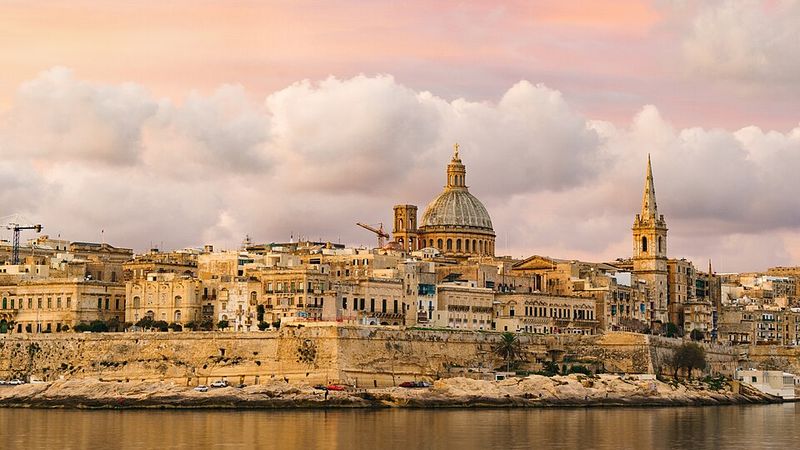
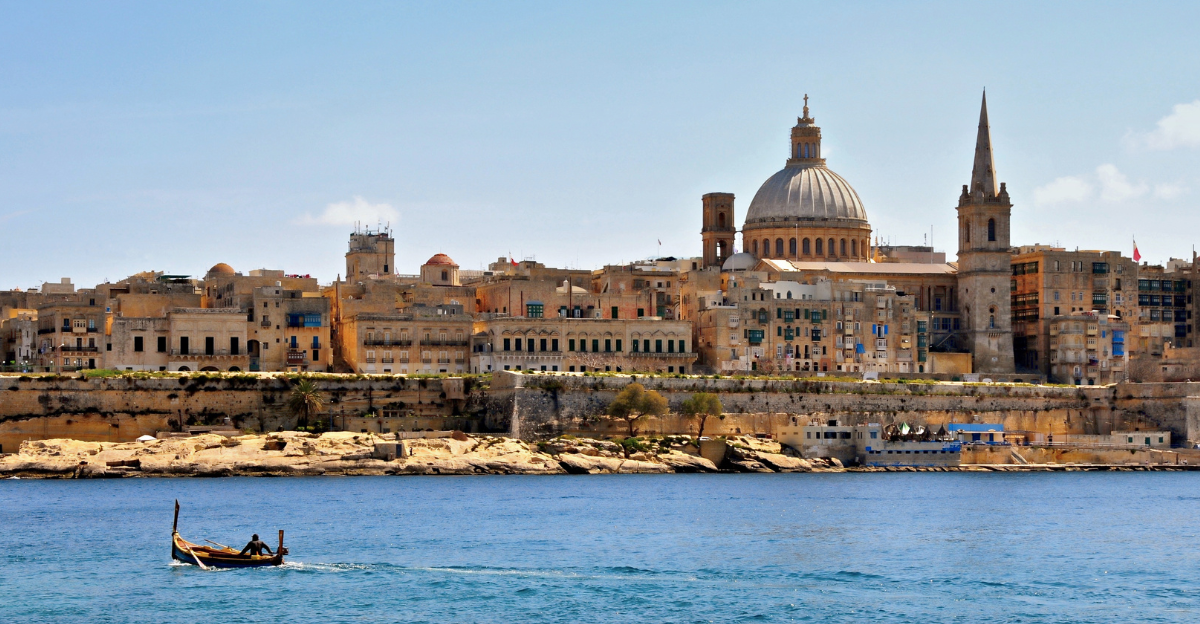
Built by knights and fortified against invaders, Valletta rises dramatically from the Mediterranean on a rocky peninsula. Honey-colored limestone glows in the intense sunlight, giving Malta’s capital an almost magical quality. Every street seems to end with a view of brilliant blue water.
The entire city is a UNESCO World Heritage site, packed into just half a square mile. St. John’s Co-Cathedral houses Caravaggio masterpieces, while the Grand Harbour has witnessed centuries of maritime history. Traditional wooden balconies jut from baroque facades, painted in cheerful greens and blues.
Steep staircases connect different levels of the city, rewarding climbers with stunning harbor vistas. Despite its tiny size, Valletta punches above its weight with world-class museums, restaurants, and cultural events.
5. Yerevan, Armenia
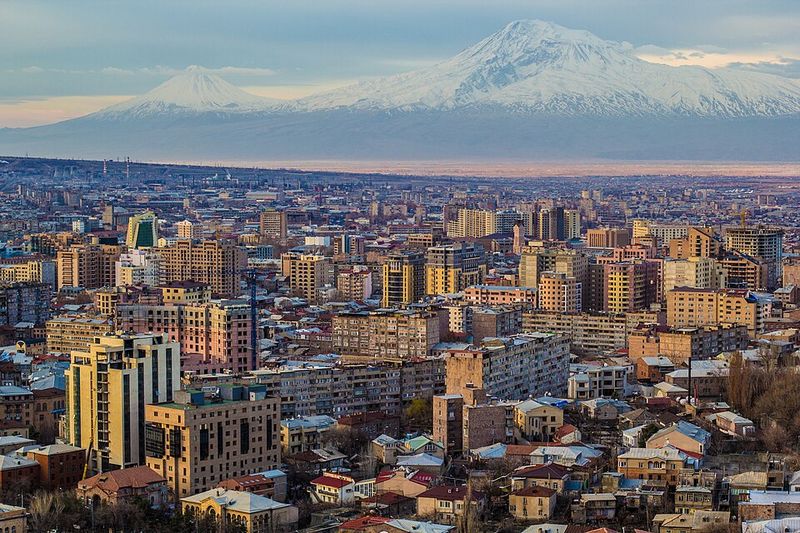
Known as the Pink City for its distinctive rose-colored volcanic stone, Yerevan is one of the world’s oldest continuously inhabited cities. Mount Ararat dominates the skyline, a snow-capped giant visible from almost everywhere in Armenia’s capital despite sitting across the border in Turkey.
Republic Square comes alive each evening with a spectacular fountain show set to music and lights. The massive Cascade monument climbs the hillside like a modern ziggurat, its steps flanked by contemporary art installations and cafes. Armenian cuisine deserves far more recognition than it gets—try lavash bread, khorovats grilled meats, and sweet gata pastries.
History buffs will appreciate the sobering Genocide Memorial and the ancient Erebuni Fortress ruins. Yerevan’s café culture rivals any European city.
6. Bishkek, Kyrgyzstan
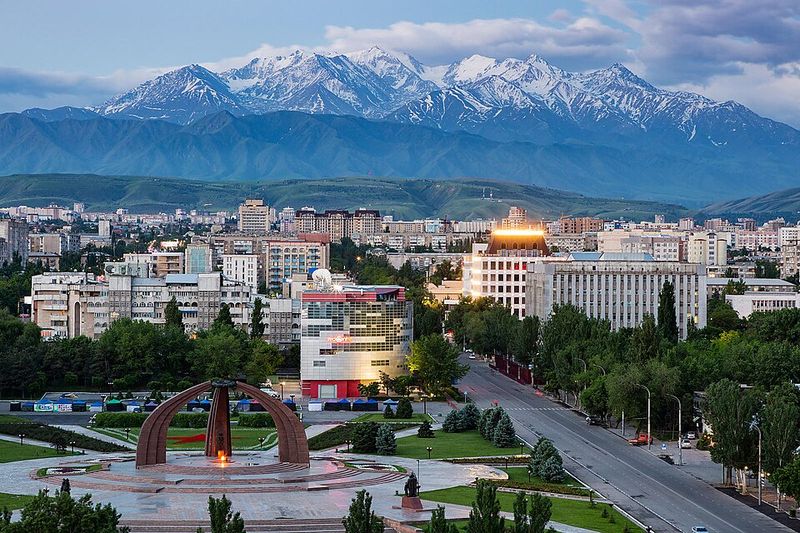
Where Soviet planning meets nomadic culture, Bishkek serves as the gateway to Central Asia’s most dramatic mountain landscapes. The snow-capped Tian Shan range rises just beyond the city limits, visible from nearly every street corner. Wide boulevards lined with oak trees give the capital an unexpectedly green and spacious feel.
Ala-Too Square anchors downtown, where the changing of the guard ceremony happens daily with impressive precision. Osh Bazaar explodes with colors, sounds, and smells—vendors sell everything from fresh honey to traditional felt carpets. Soviet-era buildings mix with modern shopping centers and traditional Kyrgyz restaurants serving hearty beshbarmak and manti dumplings.
Adventurous travelers use Bishkek as a base for exploring nearby mountain valleys and alpine lakes.
7. Ulaanbaatar, Mongolia
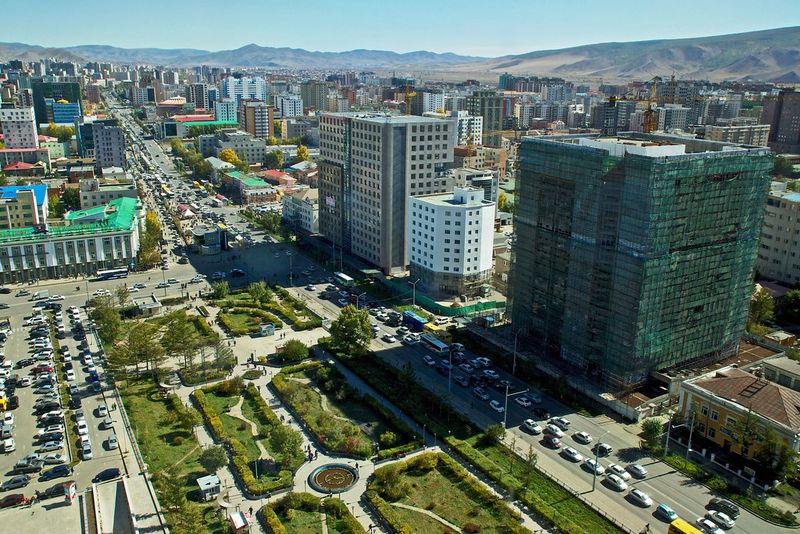
Sandwiched between Russia and China on the vast Mongolian steppe, Ulaanbaatar feels like nowhere else on Earth. Modern high-rises tower over traditional ger districts where nomadic families maintain their ancestral lifestyle within city limits. Mountains ring the capital, offering hiking trails and Buddhist monasteries just minutes from downtown chaos.
Sukhbaatar Square showcases Mongolia’s complex history, with statues of Genghis Khan flanked by Soviet-style government buildings. Gandan Monastery brings spirituality to the urban landscape, its golden Buddha statue visible from blocks away. Mongolian cuisine centers on meat and dairy—try buuz dumplings and airag fermented mare’s milk if you’re feeling adventurous.
Winter temperatures can drop below minus forty degrees, making summer the ideal visiting season.
8. Dushanbe, Tajikistan
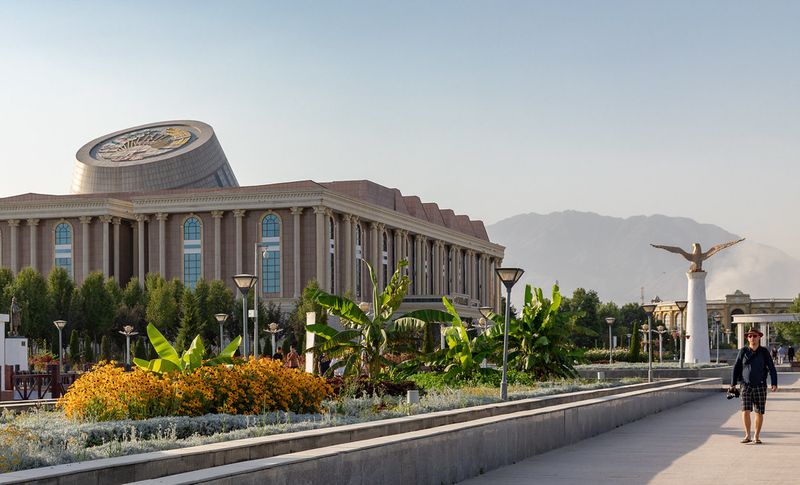
Nestled between towering mountain ranges, Dushanbe feels like a secret waiting to be discovered. Most travelers skip Central Asia entirely, but this capital surprises visitors with its tree-lined boulevards, colorful bazaars, and incredibly friendly locals.
The city boasts one of the world’s tallest flagpoles and beautiful parks perfect for afternoon strolls. Traditional teahouses serve delicious plov and fresh bread while you sip sweet chai.
Adventure seekers can use Dushanbe as a base for exploring the nearby Pamir Mountains. The cost of visiting is refreshingly low, and you’ll have most attractions practically to yourself, making every photo opportunity feel special and unique.
9. Podgorica, Montenegro
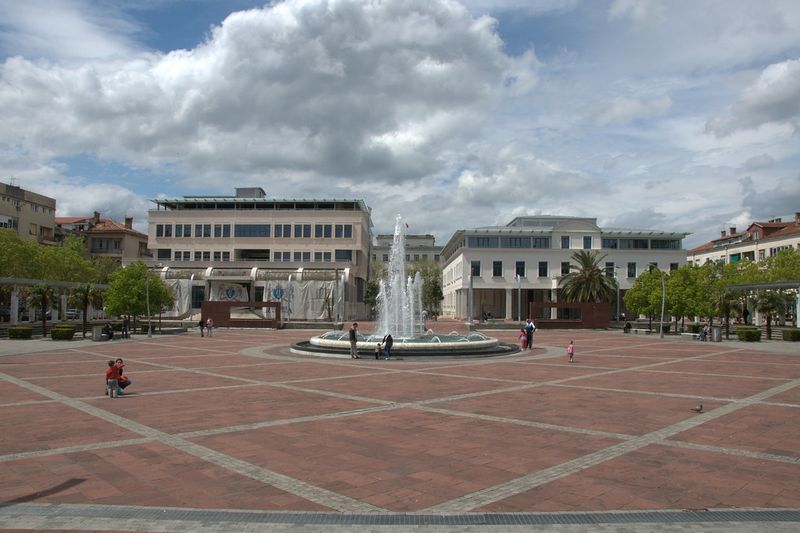
While tourists flock to Montenegro’s stunning coastline, they completely overlook its charming capital tucked inland. Podgorica offers an authentic Balkan experience without the inflated prices or overwhelming crowds found in coastal hotspots.
Wander through the old Ottoman quarter with its tiny shops and cozy cafes serving strong Turkish coffee. The city sits at the meeting point of two rivers, creating gorgeous natural scenery right in the urban center.
Day trips to nearby Lake Skadar or ancient monasteries are easy and affordable. Local restaurants serve mouthwatering grilled meats and fresh cheeses that showcase Montenegro’s rich culinary traditions, giving food lovers plenty to celebrate during their stay.
10. Windhoek, Namibia
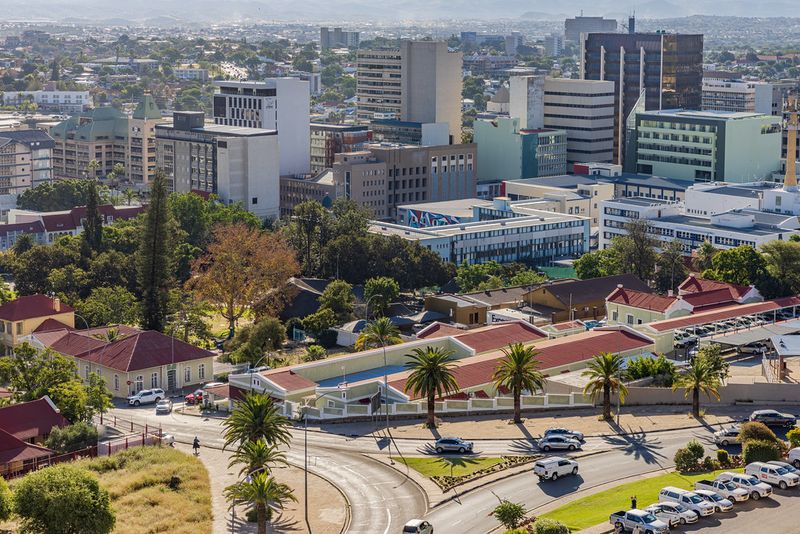
Few African capitals blend European colonial history with vibrant African culture quite like Windhoek does. German-style buildings stand alongside modern skyscrapers, while traditional craft markets burst with colorful handmade goods and artwork from local communities.
The city serves as the perfect starting point for Namibia’s incredible natural wonders, including the famous red dunes of Sossusvlei. Wildlife enthusiasts can spot giraffes and antelopes just outside city limits.
Windhoek’s restaurants offer everything from traditional kapana street food to fine dining featuring game meats like kudu and oryx. The weather stays pleasant year-round, and English is widely spoken, making navigation and communication surprisingly easy for international visitors.