 MomSkoop

Losing someone you love changes you in ways you never expect. Grief teaches lessons that no book or conversation can prepare you for. These truths are painful, but they help us understand life and love more deeply, reminding us what truly matters.
1. Tomorrow Is Never Promised

We all assume there will be more time. Another chance to say what we mean, to fix what went wrong, or just to spend one more ordinary day together. But loss shatters that comfortable illusion quickly.
When someone dies, all those plans for later disappear instantly. The phone calls you meant to make and the visits you kept postponing become impossible. You realize that every goodbye could be the last one.
This truth feels heavy, but it can also change how you live. You start treating each moment with people as precious because now you know it might be all you get.
2. Words Left Unsaid Hurt the Most
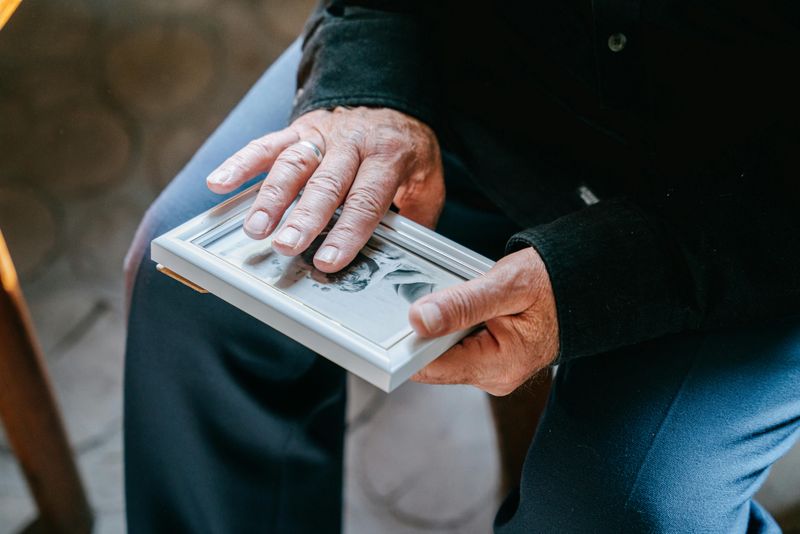
The conversations you avoided haunt you after someone is gone. Maybe you never said I love you enough, or you held onto anger from an old argument. Perhaps you wanted to apologize but kept waiting for the right moment.
Death doesn’t wait for perfect timing. Those unsaid words become a weight you carry forever. You replay scenarios in your mind, wishing desperately for just five more minutes to speak your heart.
Learning this teaches you to be braver with your feelings. Express love openly. Apologize quickly. Share what matters before silence becomes permanent and regret moves in.
3. Grief Doesn’t Follow a Schedule

People expect grief to work like a broken bone that heals in predictable stages. They think you’ll be sad for a while, then gradually get better, and eventually move on completely. Reality works much differently.
Grief hits you at random moments. You might feel fine for weeks, then completely fall apart hearing a song or smelling a familiar scent. Holidays, birthdays, and ordinary Tuesdays can all trigger overwhelming sadness.
There’s no timeline for healing. Some days you’ll feel strong, others you’ll barely function. Both are normal. Grief becomes something you learn to carry, not something you simply get over.
4. Small Moments Matter More Than Big Ones

Everyone remembers big events like weddings and vacations. But after someone dies, you find yourself missing the tiny, unremarkable moments most. The way they laughed at bad jokes. Their spot on the couch. How they made their morning coffee.
These ordinary moments formed the actual fabric of your relationship. You took them for granted because they seemed endless and unimportant. Now they’re the memories you’d give anything to experience one more time.
This realization transforms how you appreciate daily life. You start noticing small joys with the people still here. Simple routines become sacred because you finally understand their true value.
5. People Disappear When You Need Them

After the funeral ends, most people return to their normal lives. Friends who promised to be there stop calling. Invitations dry up because others feel uncomfortable around your sadness or simply don’t know what to say.
This abandonment adds another layer of pain to your loss. You discover who really shows up during hard times. Some relationships you thought were strong fade away, while unexpected people step forward with genuine support.
This harsh lesson changes how you view friendship forever. You learn that true connection isn’t about good times only. Real friends sit with you in the darkness without trying to fix everything immediately.
6. Anger Is Part of Grieving Too

Nobody warns you about the rage that comes with loss. You feel angry at the person for leaving, at the doctors for not saving them, and at others for having what you lost. You even get mad at yourself for not doing more.
This anger feels wrong and confusing. Society expects sadness, not fury. But rage is a natural response to the unfairness of death. It’s your heart protesting against something it cannot accept or change.
Accepting your anger as valid helps you process grief more honestly. These feelings don’t make you a bad person. They make you human, struggling with an impossible situation beyond your control.
7. You Can’t Protect Yourself from Pain

Some people try guarding their hearts after loss, thinking if they love less deeply, future pain will hurt less, too. They build walls and keep others at a distance. But this strategy backfires completely.
Avoiding connection doesn’t prevent suffering. It just makes you lonely while you’re still alive. The pain of loss is actually proof that love was real and mattered. You can’t have one without risking the other.
This truth teaches a difficult but important lesson. Opening your heart again takes courage after losing someone. But a life without love and connection isn’t really living at all, just existing.
8. Life Goes On Without Them

The world keeps spinning even though yours has stopped. People laugh, make plans, and complain about trivial things while you’re drowning in grief. This disconnect feels shocking and almost offensive at first.
You have to participate in normal life again eventually. Bills need paying. Work continues. Others expect you to function. Slowly, painfully, you rejoin the world that moved on without pausing for your loss.
This adjustment brings guilt alongside healing. Laughing again feels like betrayal. But gradually you learn that living fully honors their memory better than staying frozen in grief. They would want you to keep going.
9. Things Don’t Fill the Emptiness

After losing someone, you might try filling the void with distractions. Shopping, eating, working constantly, or staying busy every minute. You hope staying occupied will ease the ache inside your chest.
But no amount of stuff or activity truly helps. The emptiness remains because what you’re missing isn’t something you can replace or distract yourself from permanently. You lost a person, not a possession.
Understanding this helps you stop running from pain. Healing requires feeling the hurt, not avoiding it. Sitting with grief, as uncomfortable as that is, becomes the only real path through it to the other side.
10. Their Absence Is Everywhere
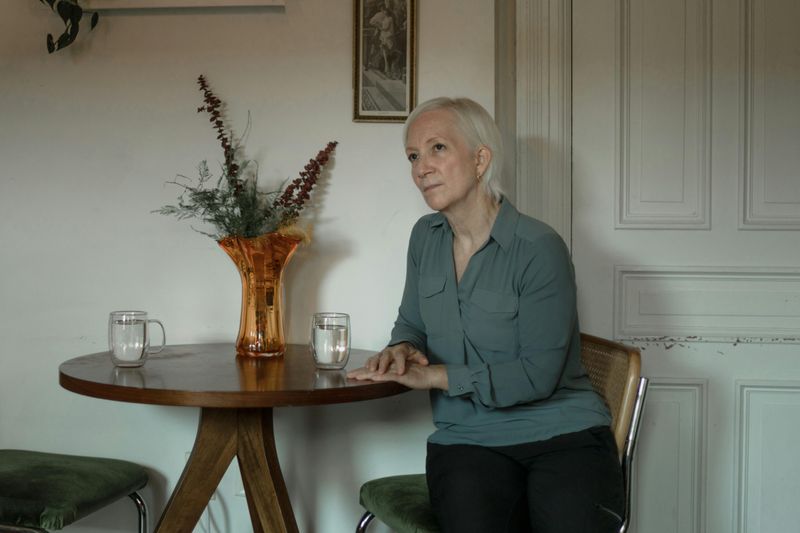
You notice the missing person in every space they used to occupy. Their empty chair at dinner. The phone that never rings with their call. The holidays without their presence. Even happy moments carry sadness because they’re not there to share them.
Absence becomes its own presence. You feel it constantly, like a phantom limb that still aches even though it’s gone. Every milestone and ordinary day includes the awareness of who should be there but isn’t.
Learning to live with this absence takes time. Eventually, the empty spaces hurt less sharply. But you never stop noticing them or wishing things were different.
11. Love Doesn’t End with Death
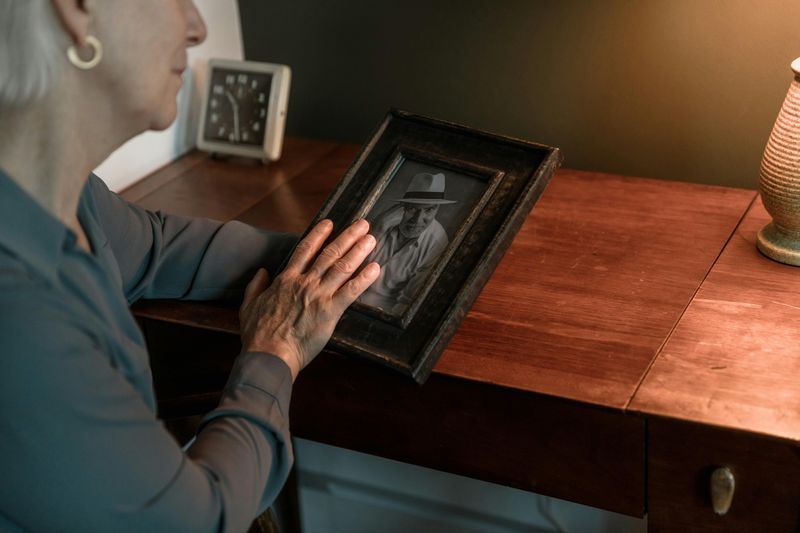
Perhaps the most surprising truth is that your love for them continues growing even after they’re gone. You still think about them daily. You talk to them in your head. You wonder what they’d say about current events or how they’d react to changes in your life.
Death ends a life but not a relationship. The connection you shared transforms but doesn’t disappear. They live on in your memories, your habits, and the ways they shaped who you are.
This ongoing love brings both comfort and pain. But it proves that what you had was real and lasting. They may be physically gone, but their impact on your heart remains forever.