 MomSkoop

As people grow older, some become noticeably quieter, more reserved, or less interested in conversations they once enjoyed. This change does not always come from sadness or isolation, as shifting priorities and life experiences can naturally influence how much someone wants to speak.
For many, silence becomes a source of comfort rather than something that needs to be filled. From protecting their peace to becoming more selective about relationships, these 14 reasons can help explain why some people gradually grow quieter with age.
1. They Finally Realize Energy Is Expensive

Young people often give their time freely to everyone around them.
But something changes as birthdays pile up—you start noticing how exhausting certain people can be.
Every conversation, every commitment, every social obligation costs something precious: your energy.
Older folks learn to guard their peace like treasure.
They stop explaining themselves to people who won’t understand anyway.
Instead of arguing or defending their choices, they simply step back and preserve what matters most.
This isn’t about being antisocial or rude.
It’s about recognizing that peace costs far less than relationships that constantly drain you emotionally and mentally.
2. They’ve Learned That Not Everyone Deserves Access

Kindness doesn’t require you to be available 24/7.
Maturity brings this powerful lesson: your time and emotional energy belong to you first.
Not everyone who wants your attention deserves unlimited access to your life.
Psychology experts agree that setting emotional boundaries is healthy growth, not coldness.
When someone goes quiet, they might be practicing this newfound wisdom.
They’re choosing who gets their energy and who doesn’t.
This selective availability protects mental health and relationships that truly matter.
People who understand boundaries won’t take offense—they’ll respect the space you need to stay balanced and healthy.
3. They Value Inner Peace More Than Social Validation
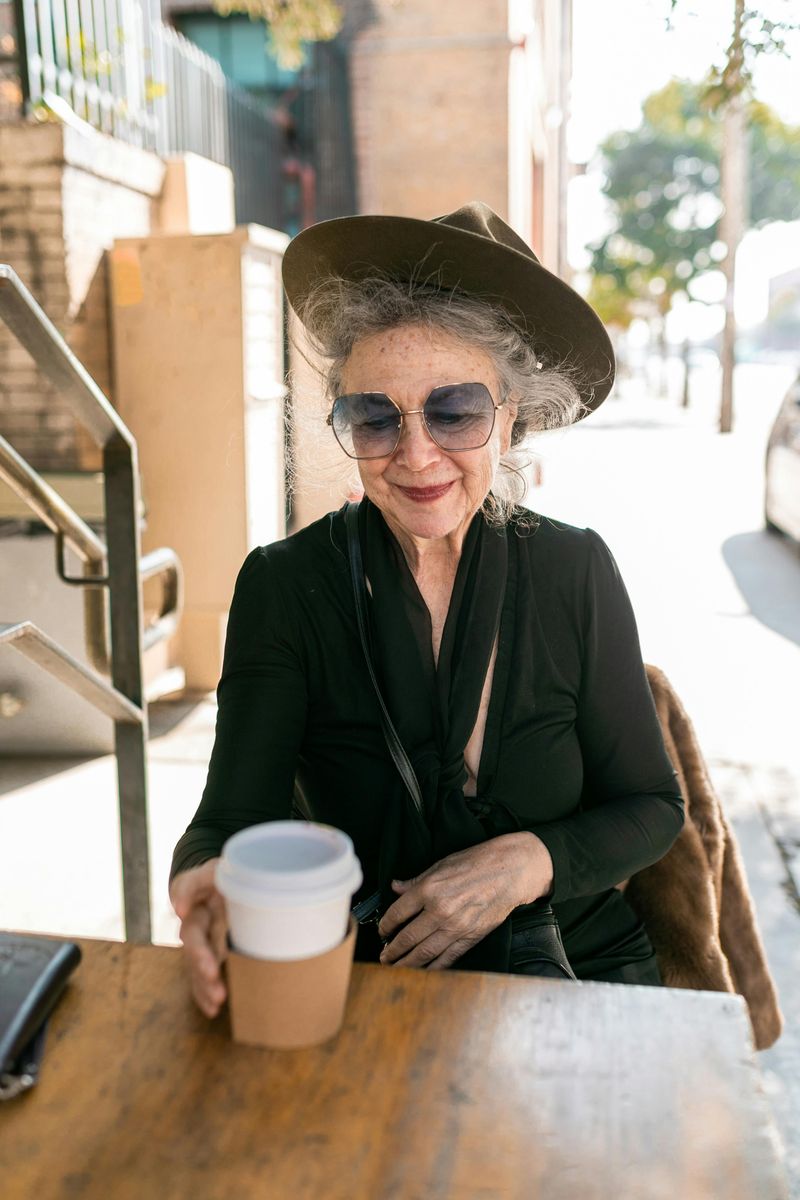
Younger years often revolve around getting likes, approval, and attention from others.
But aging shifts your priorities dramatically.
Quiet mornings with coffee become more valuable than loud parties.
Slow, meaningful conversations beat surface-level chatter every time.
The craving for external validation fades when you discover something better: alignment with your true self.
You stop performing for audiences and start living authentically.
Social media becomes less important than real moments.
This transformation isn’t about giving up on life.
It’s about finding deeper satisfaction in simplicity and genuine connection rather than constant noise and approval-seeking behavior.
4. They’re Tired of Surface-Level Connections

Small talk loses its appeal as you accumulate life experience.
Questions like “How’s the weather?” or “How was your weekend?” start feeling empty and meaningless.
Shallow friendships that never go deeper than gossip or sports scores become exhausting.
What they truly crave is depth—people who ask how their heart is doing, not just how their day went.
They want conversations about dreams, fears, growth, and real struggles.
Anything less feels like wasting precious time.
Going quiet often means waiting for connections worth having.
They’d rather have silence than fill their lives with people who never really see them or care about what’s beneath the surface.
5. They’ve Been Burned Before

Betrayal leaves scars that change how you interact with the world.
After experiencing enough ghosting, manipulation, or broken trust, silence becomes the safest option.
It’s not about being bitter or holding grudges forever.
Psychologists recognize that withdrawn behavior often stems from trauma responses.
When someone pulls back, they’re protecting themselves from repeating painful patterns.
They’ve learned that not everyone has good intentions, no matter how friendly they seem.
This self-protection is actually healthy and wise.
They’re not shutting everyone out forever—they’re being selective and careful about who gets close enough to potentially hurt them again.
6. They Understand Growth Requires Solitude

Real transformation doesn’t happen in crowded rooms or constant social activity.
Growth requires quiet seasons where you can think, reflect, and rebuild yourself.
Noise drowns out the inner voice guiding you toward who you’re meant to become.
When older people disappear temporarily, they’re not avoiding life.
They’re realigning with their purpose and values.
Solitude provides space for honest self-examination that’s impossible when you’re always surrounded by others.
This intentional withdrawal fuels personal evolution.
They emerge from these quiet periods stronger, clearer, and more authentic than before.
Silence isn’t their enemy—it’s their greatest tool for positive change.
7. They See Through Pretenses

Experience teaches you to read people like books.
Fake smiles, empty compliments, and hidden agendas become obvious with practice.
You start noticing inconsistencies between what people say and what they actually do.
This isn’t cynicism or negativity—it’s pattern recognition developed over decades.
They’ve seen enough situations play out to predict outcomes accurately.
When someone’s words don’t match their energy, older folks notice immediately.
Rather than calling out every fake person they encounter, they simply withdraw.
Why waste energy confronting pretenders?
Silence and distance protect them from unnecessary drama and disingenuous relationships that lead nowhere good.
8. They’ve Accepted That Not Everyone Will Understand Them

Explaining yourself repeatedly becomes exhausting, especially when people are determined to misunderstand you.
Some folks will twist your words no matter how clearly you communicate.
Defending every choice and decision drains your spirit.
Acceptance brings incredible freedom: not everyone needs to understand your journey.
Your life doesn’t require their approval or comprehension.
This realization allows older people to stop justifying themselves constantly.
They choose silence over endless explanations that go nowhere.
Their energy goes toward living authentically rather than convincing others.
This isn’t giving up—it’s choosing peace over pointless battles that nobody really wins anyway.
9. They’re Focused on What Actually Matters
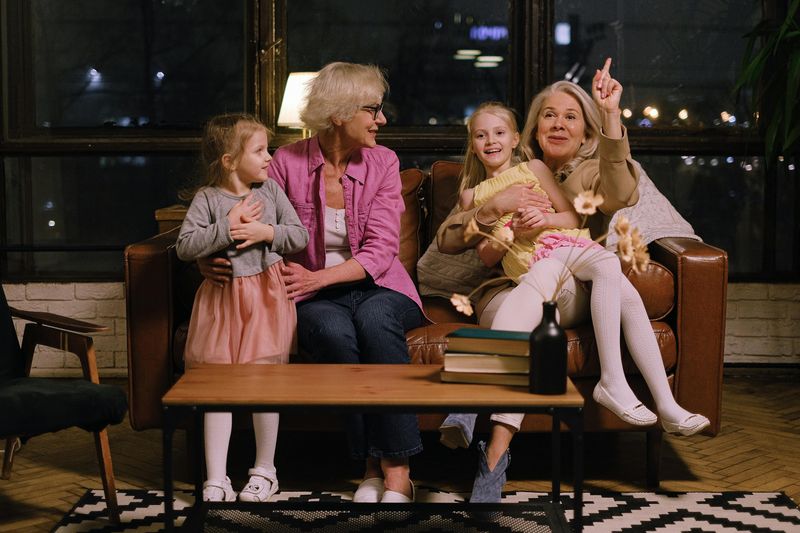
Family, health, peace, and purpose rise to the top of priority lists as years pass.
Drama, gossip, and seeking approval drop to the bottom or disappear completely.
This shift in values naturally changes how someone spends their time and energy.
Emotional maturity means prioritizing meaning over noise.
They’d rather spend Saturday with grandchildren than at a party full of acquaintances.
A peaceful walk beats scrolling through social media arguments every single time.
Psychologists identify this focus shift as a hallmark of healthy aging.
Going quiet doesn’t mean giving up on life—it means investing energy where it creates real value and lasting fulfillment.
10. They’ve Outgrown Their Old Identity

Sometimes silence signals transformation happening beneath the surface.
You no longer fit the version of yourself that everyone remembers and expects.
Your interests change, your values evolve, and your personality shifts in ways others don’t recognize.
This outgrowing process can feel isolating.
Old friends might not understand the new you.
Former activities lose their appeal.
Rather than forcing themselves to fit outdated molds, they retreat to figure out who they’re becoming.
They’re not lost or confused—they’re evolving quietly and intentionally.
This metamorphosis requires space away from people who keep trying to squeeze them back into boxes they’ve outgrown completely.
11. They’ve Realized Peace Feels Better Than Proving a Point

Nothing beats the feeling of not needing to react to every provocation.
Younger years often involve defending your opinions and proving yourself right in every argument.
Age teaches a better way: choosing stillness over struggle.
Winning arguments stops mattering when you discover how good peace feels.
They let people believe whatever they want without jumping into debates.
Their silence isn’t weakness—it’s strength and wisdom combined.
This choice transforms relationships and mental health.
Stress decreases dramatically when you stop fighting unnecessary battles.
They’ve learned that being right isn’t worth losing their calm, and that lesson changes everything about how they engage with the world.
12. They’ve Stopped Explaining Themselves To Everyone

After enough years, many people get tired of turning every choice into a public debate.
They no longer feel a need to explain why they changed, why they said no, or why they want a quieter life.
That shift can make them seem distant, but it often means they trust themselves more.
In younger days, being understood can feel urgent.
Later, peace matters more than winning approval.
If someone older has grown quieter, try not to push for reasons away.
Give them room, listen without judging, and respect that private people are not always hiding.
Sometimes they are settled inside.
13. They Know Silence Can Say More Than Words

A crowded room can teach a strange lesson: the loudest voice is not always the wisest one.
Many older adults learn that silence helps them notice motives, moods, and small details others miss.
Instead of filling every pause, they let moments breathe.
That habit can look like withdrawal, yet it often comes from deeper attention.
Friends and family sometimes mistake that pause for sadness or anger.
Often it is careful thinking.
A check-in works better than pressure.
If you care about someone who has quiet, ask questions, wait patiently, and remember that silence can be sign of strength, not distance.
14. They’re Protecting Parts of Themselves That Took Years to Heal

Some stories leave marks you cannot see.
After heartbreak, betrayal, loss, or years of carrying other people’s problems, a person may become more guarded with age.
Quietness can be part of healing.
They are not trying to be cold.
They are learning how to keep tender parts of themselves safe in a world that was not always gentle.
If an loved one seems harder to reach, kindness matters more than force.
Build trust slowly through actions, not demands.
A short call, a visit, or a message can help.
People who protect their hearts often speak again when they feel secure.