 MomSkoop
Some places treat food as more than just fuel for the body. In certain cities around the world, meals are sacred rituals, recipes are passed down like holy texts, and the dining table becomes a place of worship.
These destinations celebrate their culinary traditions with such passion that eating becomes a spiritual experience, connecting people to their history, culture, and each other in profound ways.
1. Tokyo, Japan
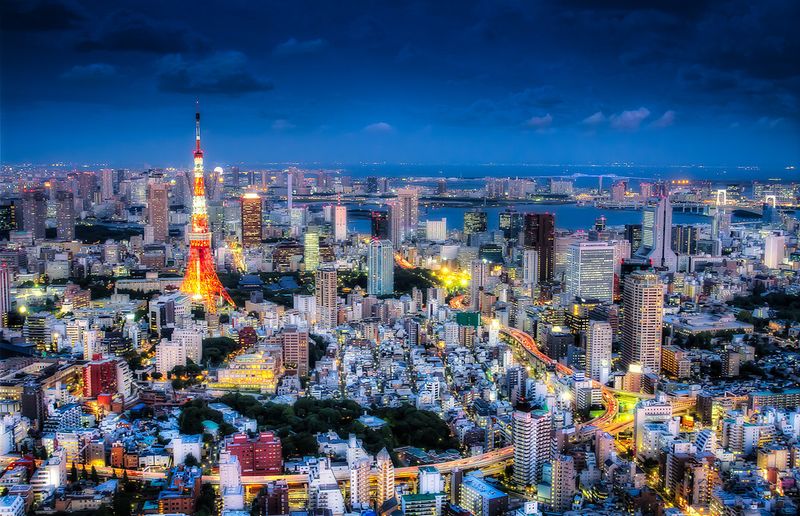
Every morning before dawn, Tokyo’s fish markets come alive with buyers inspecting tuna like art collectors at an auction. Precision matters here more than anywhere else on Earth.
Chefs spend decades perfecting a single dish, whether it’s the ideal rice temperature for sushi or the exact moment to flip a tamagoyaki omelet. Restaurants earn Michelin stars by the dozen, yet the best meal might come from a tiny ramen shop with six seats.
Street vendors bow to customers with the same respect priests show worshippers. Food here isn’t just eaten—it’s honored, studied, and elevated to an art form that demands lifelong devotion.
2. Paris, France
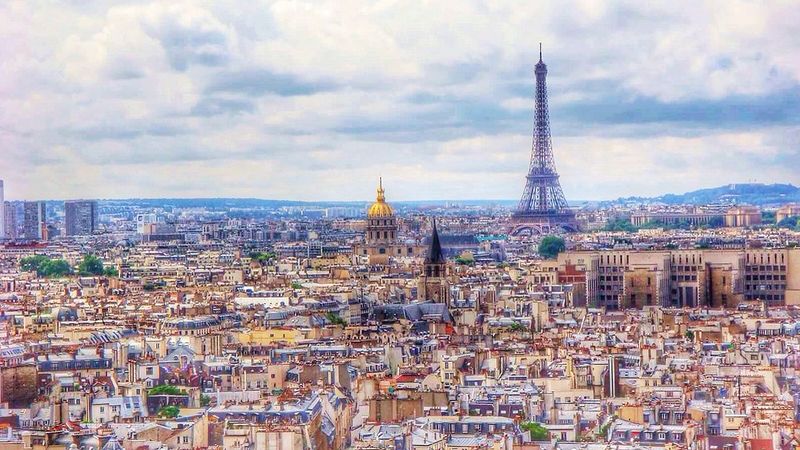
Parisians don’t just eat bread—they debate it. The perfect baguette sparks conversations as heated as political discussions, with crust texture and crumb structure analyzed like philosophy.
Lunch isn’t a quick sandwich at your desk; it’s a two-hour ceremony where business stops and pleasure begins. Cafes serve as temples where locals worship espresso and buttery croissants with religious regularity.
Cheese shops offer hundreds of varieties, each with its own story and proper serving temperature. Markets overflow with ingredients treated like treasures. Here, cooking techniques passed through generations aren’t just recipes—they’re cultural inheritance that shapes national identity.
3. Mexico City, Mexico
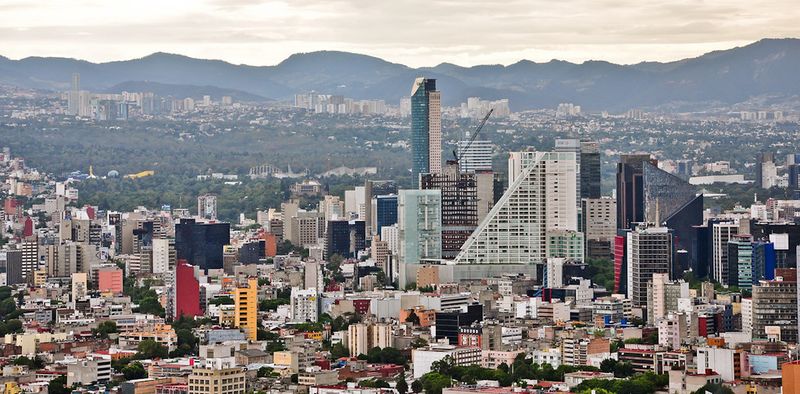
Tacos aren’t fast food here—they’re an ancient ritual dating back to Aztec times. Families guard salsa recipes more carefully than bank passwords, with ingredients and techniques kept secret for generations.
Street vendors start preparing mole sauce days in advance, grinding dozens of ingredients into complex pastes that taste like history itself. Markets explode with colors: crimson chiles, golden corn, emerald cilantro.
Abuelitas wake at 4 a.m. to make fresh tortillas by hand, the rhythmic pat-pat-pat echoing through neighborhoods. Every meal connects people to indigenous roots, Spanish influences, and a culinary heritage that UNESCO recognizes as cultural treasure.
4. Bangkok, Thailand
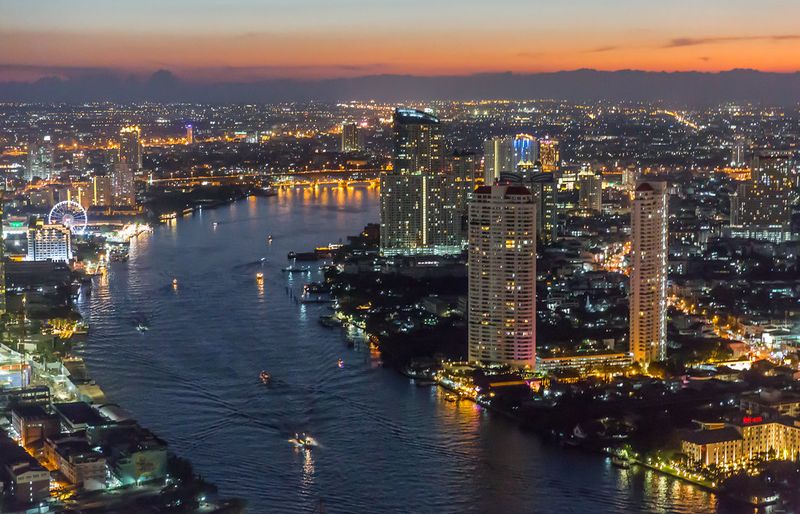
Bangkok never stops eating. At 3 a.m., noodle carts still serve hungry souls searching for the perfect bowl of boat noodles, rich with dark broth and tender meat.
Street food isn’t considered lesser here—it’s often better than fancy restaurants. Vendors spend lifetimes mastering one dish, whether it’s pad thai with the ideal balance of sweet, sour, salty, and spicy, or mango sticky rice with coconut cream that tastes like clouds.
Thais believe food feeds more than bodies—it nourishes spirits and builds community. Sharing meals creates bonds stronger than blood, and refusing food insults the cook’s soul. Balance matters: hot and cool, soft and crunchy, always harmonious.
5. Barcelona, Spain
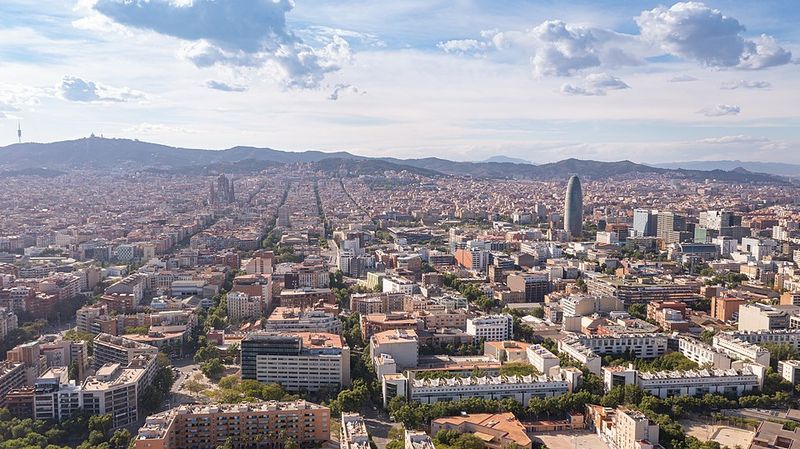
Catalans don’t eat dinner until 10 p.m., because rushing a meal is practically sinful. Tapas culture transforms eating into a social marathon, hopping between bars like pilgrims visiting shrines.
La Boqueria market stands as Barcelona’s cathedral, where vendors arrange tomatoes and peppers like stained glass windows. Paella isn’t just rice with stuff—it’s a Sunday ritual that brings entire families together around a massive pan.
Jamón ibérico hangs in shops like sacred relics, sliced paper-thin by masters who train for years. Wine flows freely because meals without it feel incomplete. Food here celebrates life itself, with every bite honoring Catalan pride and Mediterranean sunshine.
6. Lima, Peru
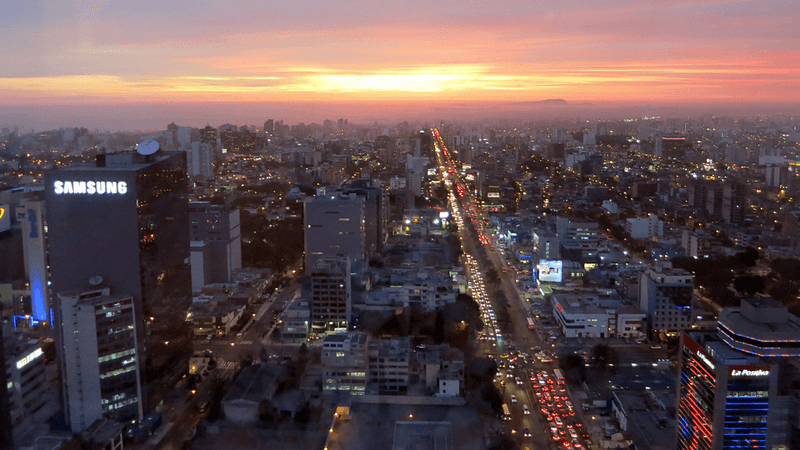
Peruvians will argue for hours about proper ceviche preparation—the fish type, lime juice timing, and chile heat level all matter intensely. Getting it wrong isn’t just bad cooking; it’s cultural disrespect.
Lima sits where mountains meet ocean, creating ingredient diversity that chefs treat as divine gifts. Potatoes come in 4,000 varieties, each with specific uses passed down through Incan traditions.
Restaurants blend indigenous techniques with Japanese, Chinese, and Spanish influences, creating fusion that feels sacred rather than trendy. Markets sell exotic fruits that look like alien specimens. Food connects modern Lima to ancient civilizations, making every meal a history lesson you can taste.
7. Istanbul, Turkey
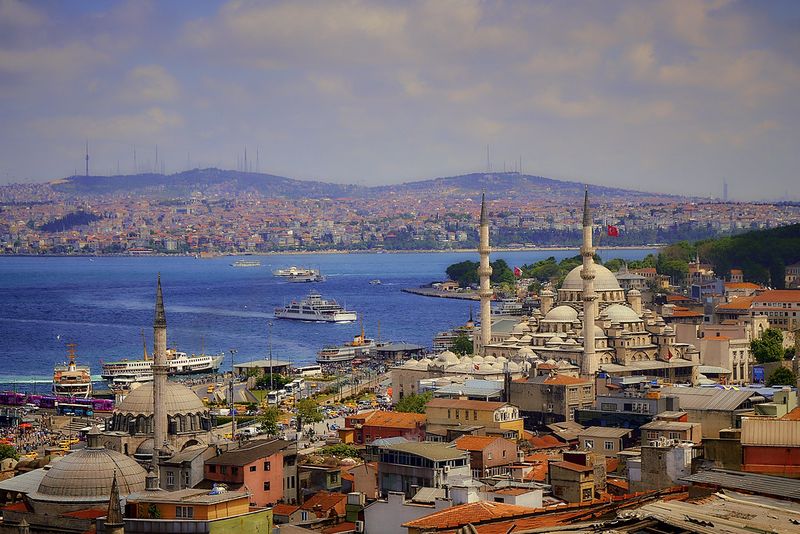
Turkish breakfast isn’t a meal—it’s a two-hour celebration featuring twenty small dishes, from creamy cheeses to honey dripping from combs. Rushing through it would be almost blasphemous.
The Grand Bazaar’s spice market assaults your senses in the best way: saffron, sumac, and dried roses piled high like treasure. Tea flows constantly from tulip-shaped glasses, offered to strangers and friends alike.
Kebab masters tend rotating meat spits with the focus of monks in meditation. Baklava requires forty paper-thin layers of phyllo dough, each brushed with butter by patient hands. Food bridges Istanbul’s European and Asian sides, Ottoman past and modern present, always generous and deeply meaningful.
8. Ho Chi Minh City, Vietnam
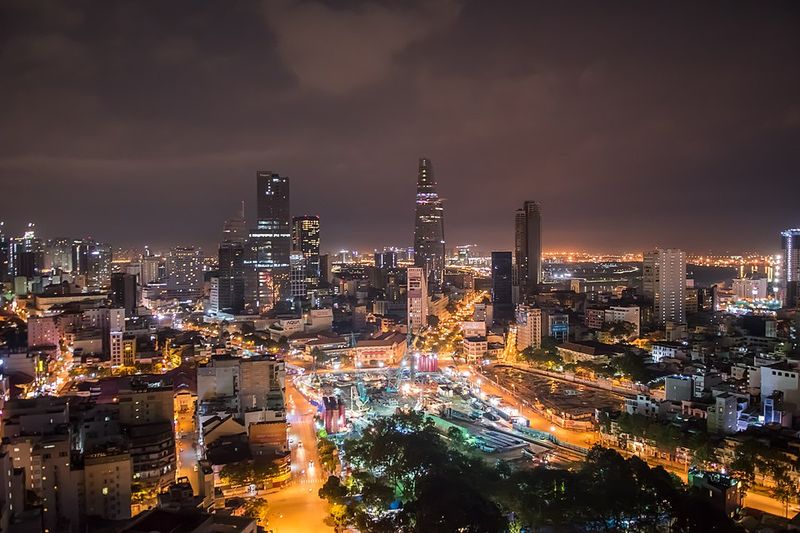
Pho isn’t just soup—it’s Vietnam’s soul in a bowl. Broth simmers for twelve hours minimum, bones releasing flavor that grandmothers say heals everything from colds to heartbreak.
Tiny plastic stools line sidewalks where locals slurp noodles at breakfast, lunch, and dinner. Fresh herbs arrive in mountains: basil, cilantro, mint, and saw-leaf, letting diners customize each bite.
Banh mi sandwiches stuff French baguettes with Vietnamese ingredients, creating fusion born from colonial history. Coffee drips slowly through metal filters, strong enough to wake ancestors. Every dish tells stories of resilience, adaptation, and a culture that survived war by preserving its culinary identity with fierce determination.
9. Lahore, Pakistan
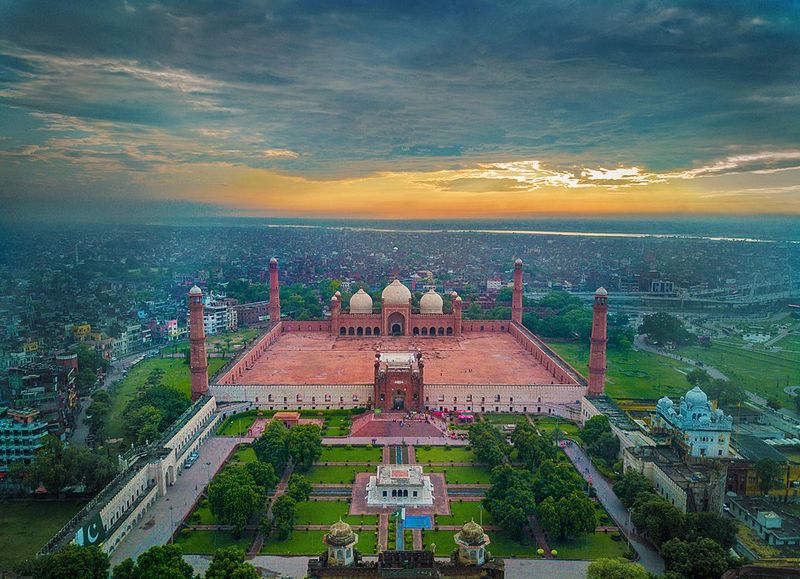
Lahore’s food street transforms into a carnival after sunset, with smoke rising from hundreds of grills like incense offerings. Locals say you haven’t truly eaten until you’ve tasted Lahori cuisine.
Nihari stews bubble overnight in massive pots, creating breakfast so rich it requires an afternoon nap. Tandoor ovens glow red-hot, baking naan that emerges blistered and perfect.
Families guard biryani recipes like state secrets, with spice blends varying by neighborhood and grandmother. Lassi comes sweet or salty, thick enough to coat your throat. Hospitality here means feeding guests until they can barely move, because empty plates suggest stinginess that brings family shame.
10. Penang, Malaysia
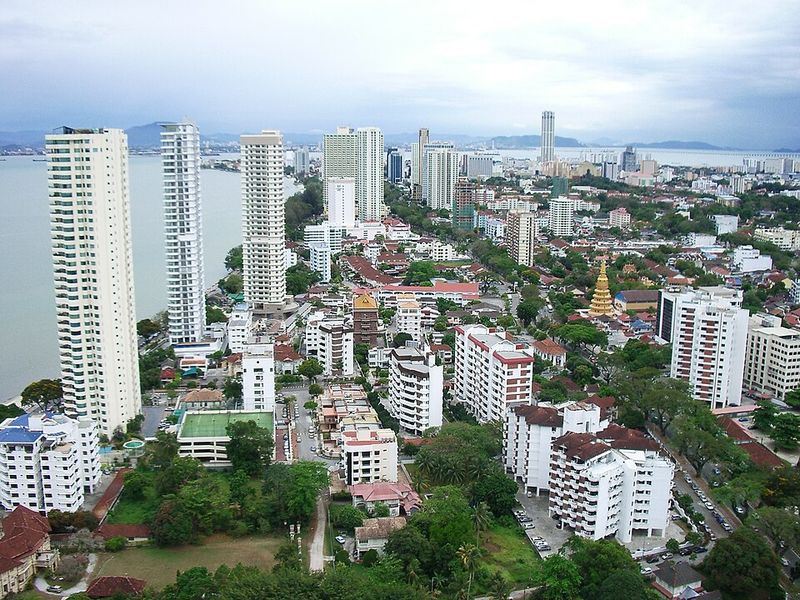
Penangites take their char kway teow so seriously that vendors have fan clubs. This isn’t exaggeration—people travel across the island following specific cooks like devoted disciples seeking enlightenment through noodles.
Hawker centers function as community temples where Malay, Chinese, and Indian cuisines exist side-by-side in delicious harmony. Laksa soup comes in two styles, sparking friendly rivalries that last generations.
Breakfast might be roti canai with curry, lunch could be nasi kandar with fifteen side dishes, and dinner demands cendol dessert with shaved ice and palm sugar. Food defines identity here, mixing cultures into something uniquely Penang that residents defend with passionate pride.
11. Naples, Italy
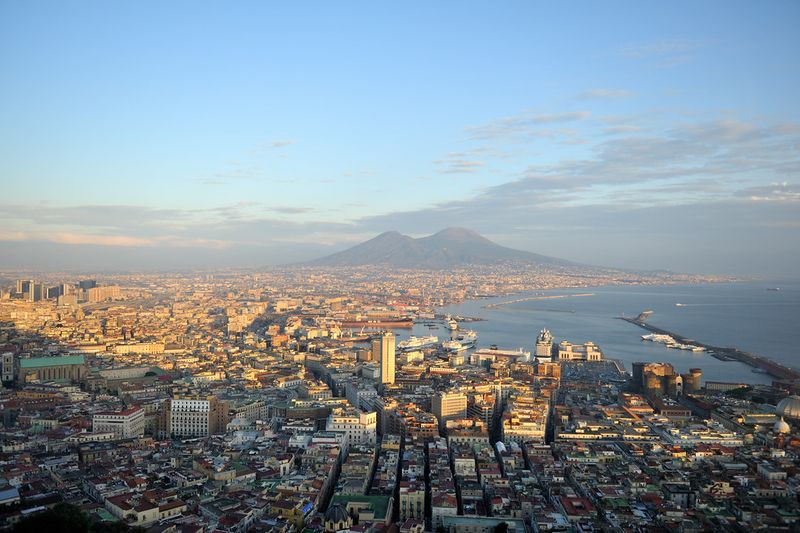
Neapolitans invented pizza, and they’ll never let you forget it. Rules govern everything: dough must rise exactly 24 hours, ovens burn only wood, and anything beyond simple toppings is considered heresy.
Sunday lunch lasts four hours minimum, with pasta courses followed by meat, then vegetables, then fruit, then espresso, then limoncello. Skipping stages insults the cook and disrupts cosmic order.
Mozzarella di bufala gets delivered fresh daily, still warm and dripping. Tomatoes grow on Vesuvius’s volcanic soil, tasting like sunshine concentrated into red orbs. Food here isn’t just tradition—it’s identity, pride, and the thing that makes being Neapolitan mean something sacred and unshakeable.
12. New Orleans, USA
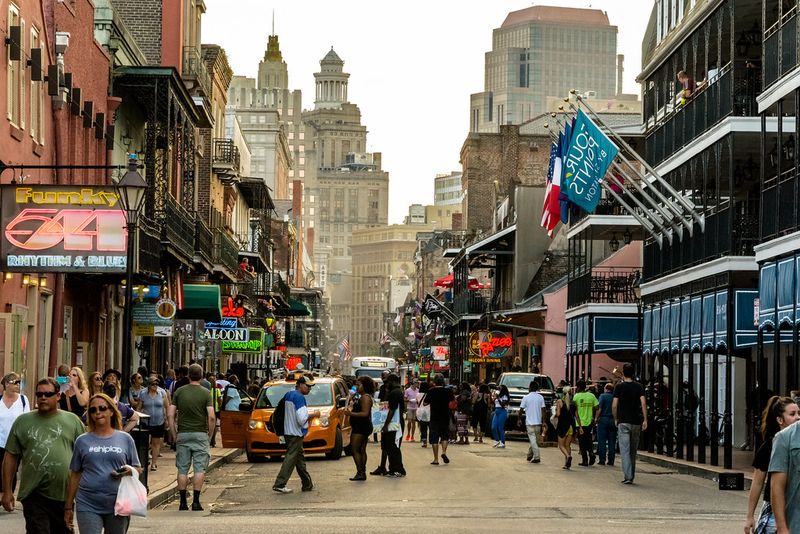
Gumbo starts with a roux that cooks for an hour, stirred constantly like meditation. Getting the color wrong—too light or burnt—ruins everything and disappoints ancestors watching from above.
Crawfish boils bring neighborhoods together in backyards, where spicy crustaceans get dumped on newspaper-covered tables. Po-boys aren’t just sandwiches; they’re edible history, born when streetcar workers needed affordable meals during strikes.
Beignets arrive buried under powdered sugar mountains at Cafe Du Monde, open 24 hours because sugar emergencies happen anytime. Creole and Cajun cuisines blend African, French, Spanish, and Native American influences into something found nowhere else—food as cultural gumbo itself.