 MomSkoop
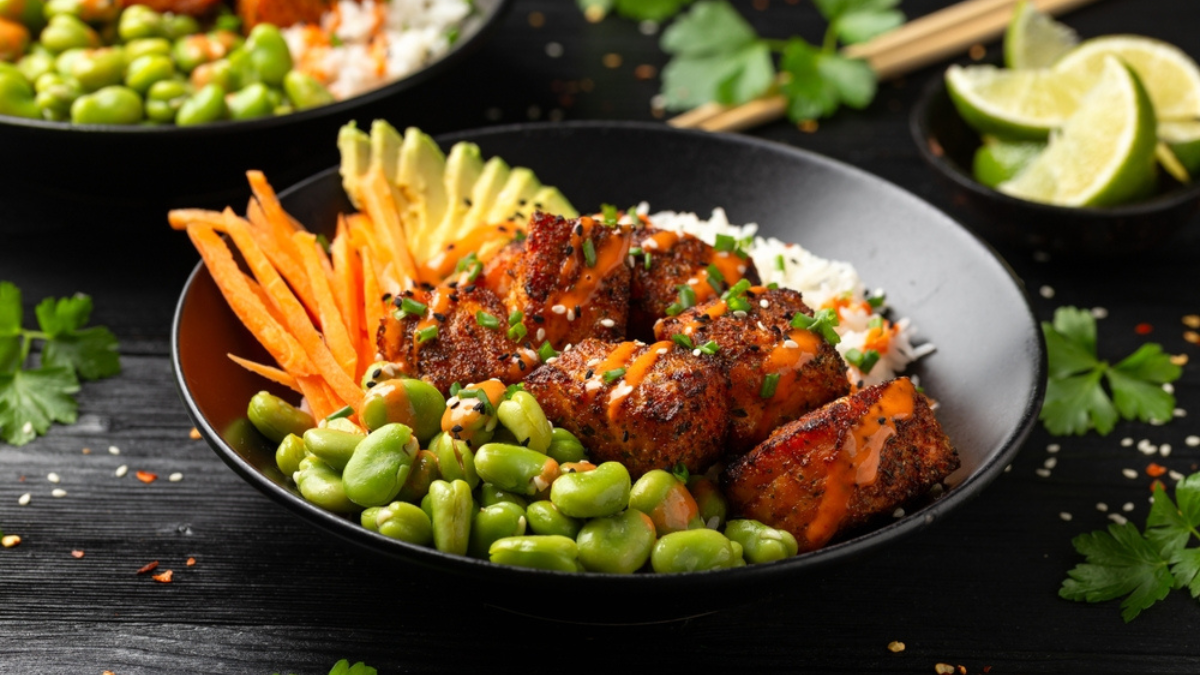
As we age, our bodies need more protein to maintain muscle mass, support bone health, and keep energy levels steady throughout the day. Many people think protein shakes are the only convenient option, but there are plenty of tasty, whole-food alternatives that pack a powerful protein punch. Whether you’re looking to stay strong, recover faster, or simply feel better, these delicious options will help you meet your protein goals without ever reaching for a blender.
1. Greek Yogurt Parfaits
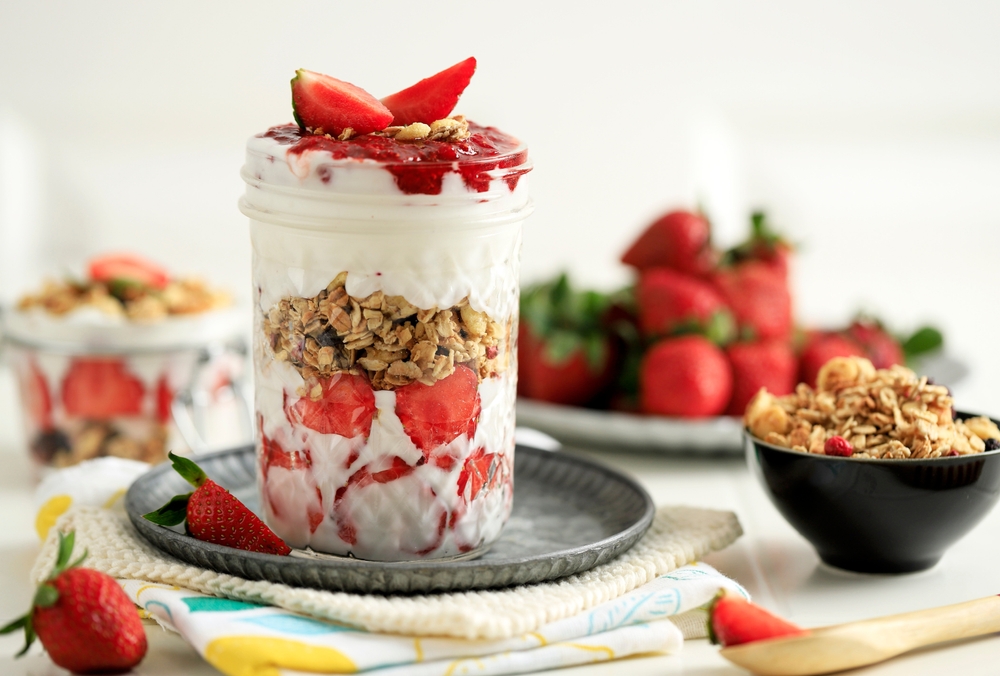
Creamy, tangy, and incredibly satisfying, Greek yogurt delivers nearly double the protein of regular yogurt. A single cup can provide around 15-20 grams of protein, making it an excellent breakfast or snack choice. Layer it with fresh berries, a handful of almonds, and a drizzle of honey for a treat that tastes like dessert but fuels your body like a power meal.
The thick texture keeps you full for hours, and the probiotics support gut health as a bonus. You can enjoy it sweet or savory—try adding cucumber, dill, and a pinch of salt for a Mediterranean twist. Greek yogurt is versatile enough to replace sour cream in recipes, adding protein to dishes you already love.
2. Cottage Cheese Bowls
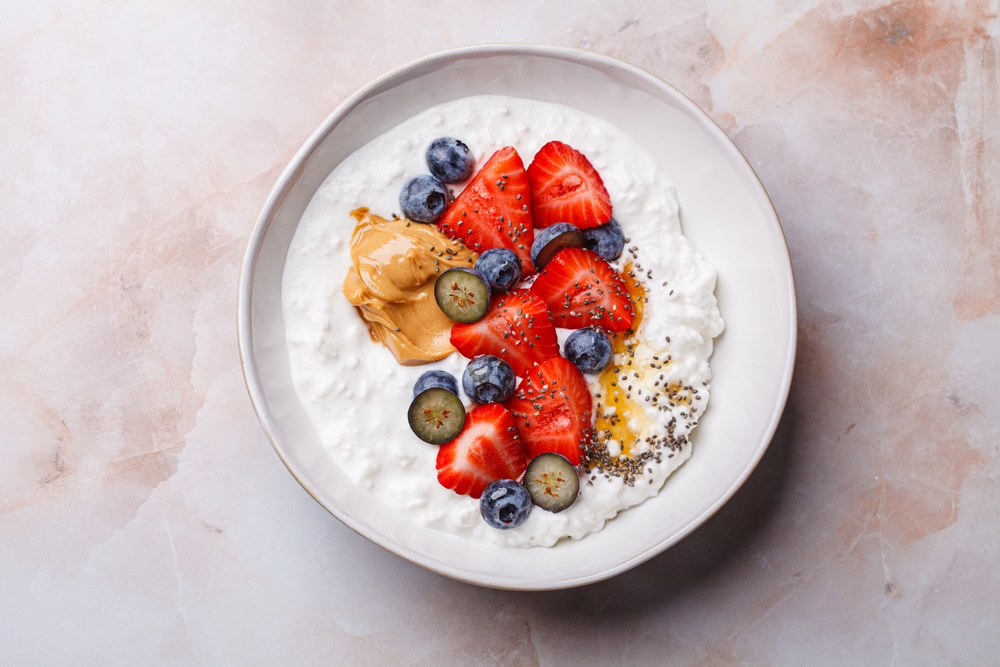
Cottage cheese might remind you of old-school diets, but it’s making a serious comeback for good reason. With about 14 grams of protein per half-cup, it’s a nutrient powerhouse that works for any meal. The curds have a mild flavor that pairs beautifully with both sweet and savory toppings, from sliced peaches to cherry tomatoes and basil.
Its high casein protein content digests slowly, keeping you satisfied longer and supporting muscle repair overnight if eaten before bed. Mix in some chia seeds for extra fiber and omega-3s. Cottage cheese also contains calcium and phosphorus, essential minerals for maintaining bone density as we age, making it a smart choice for overall health.
3. Hard-Boiled Eggs
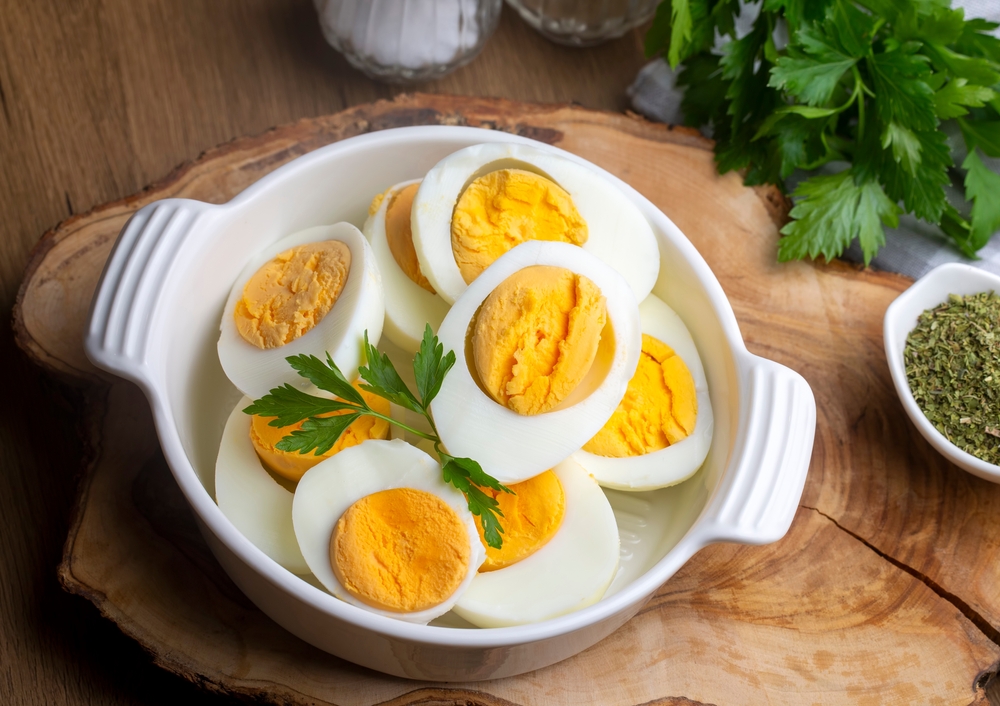
Simple, portable, and packed with about 6 grams of complete protein each, hard-boiled eggs are nature’s perfect snack. They contain all nine essential amino acids your body needs but can’t produce on its own. Keep a batch in your fridge for grab-and-go convenience throughout the week.
The yolk holds most of the vitamins and minerals, including vitamin D and choline, which support brain health. Sprinkle them with everything bagel seasoning, smoked paprika, or hot sauce for extra flavor without extra calories. You can slice them onto salads, mash them for egg salad, or simply peel and eat. They’re budget-friendly and require minimal cooking skills, making them accessible for everyone.
4. Canned Tuna or Salmon
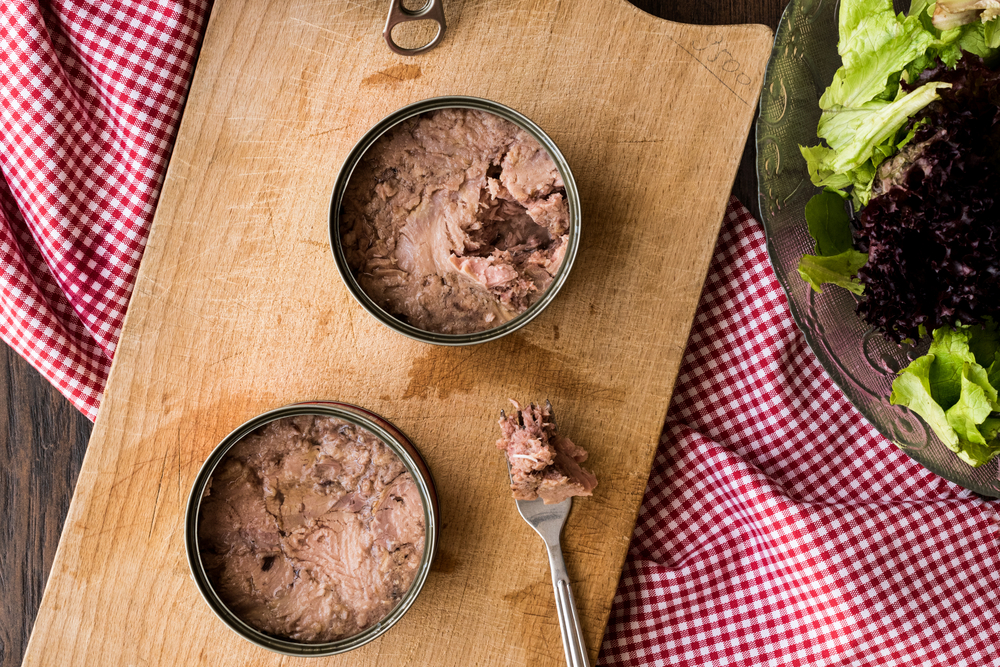
Straight from the pantry to your plate, canned fish offers an impressive 20-25 grams of protein per serving. Tuna and salmon are rich in omega-3 fatty acids, which help reduce inflammation and support heart health—especially important as we get older. Mix them with a little Greek yogurt or avocado instead of mayo for a lighter, protein-packed lunch.
These fish are also loaded with vitamin B12 and selenium, nutrients that support energy production and immune function. Spread your tuna salad on whole-grain crackers, stuff it into a tomato, or toss it with pasta for a quick dinner. Canned fish is affordable, shelf-stable, and incredibly versatile for busy lifestyles.
5. Edamame Snacks
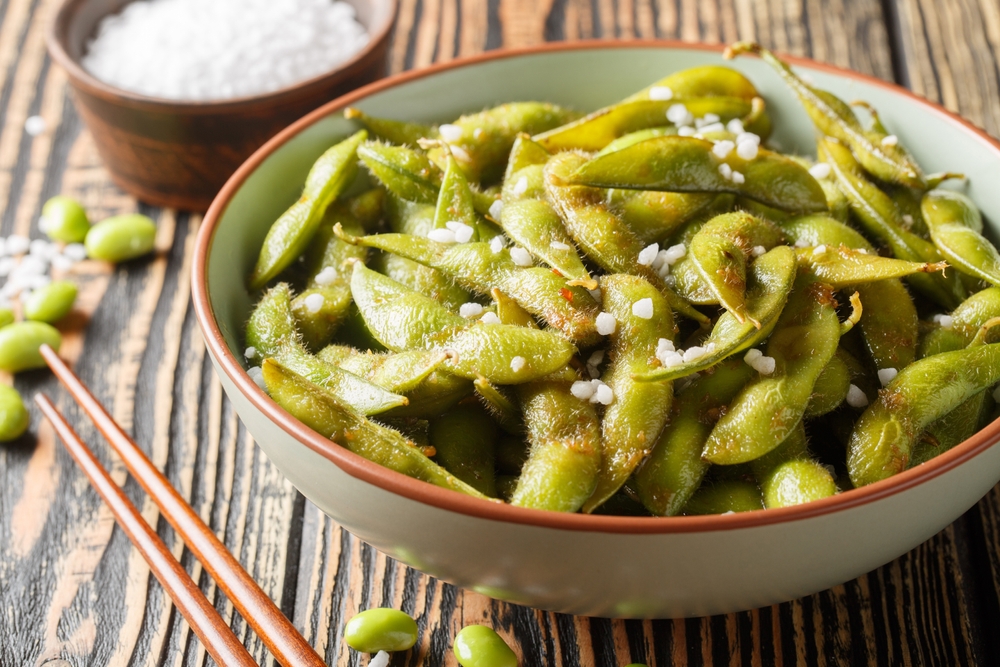
These young soybeans pack a surprising 17 grams of protein per cup, making them one of the best plant-based protein sources available. Edamame contains all essential amino acids, a rarity among plant foods, and offers fiber to support digestive health. Steam them, sprinkle with sea salt, and enjoy them straight from the pod as a fun, interactive snack.
Beyond protein, edamame provides isoflavones that may help with bone health and hormone balance during menopause. You can toss shelled edamame into stir-fries, salads, or grain bowls for added texture and nutrition. They’re available fresh or frozen year-round, making them a convenient addition to your weekly grocery list without any hassle.
6. Lean Chicken Breast
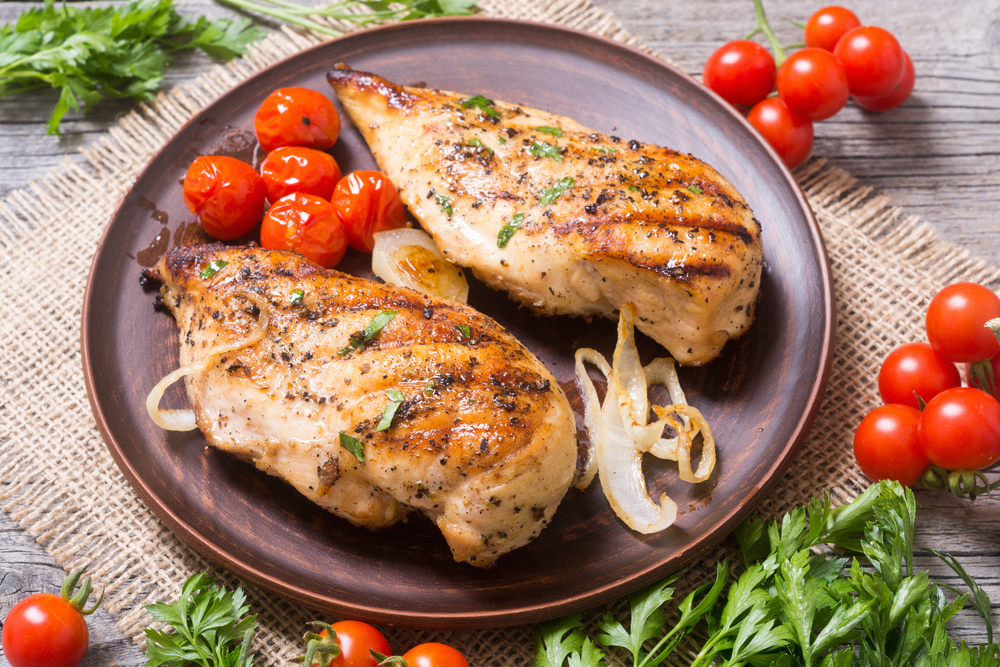
A 3-ounce serving delivers about 26 grams of lean protein with minimal fat, making chicken breast a staple for anyone focused on muscle maintenance. Season it with herbs, garlic, and lemon juice, then grill, bake, or sauté for endless meal possibilities. The mild flavor works as a blank canvas for whatever cuisine you’re craving.
Chicken is rich in niacin and selenium, supporting metabolism and immune function. Meal prep several breasts at once to slice over salads, wrap in lettuce leaves, or dice into soups throughout the week. Buying in bulk and freezing portions saves money and ensures you always have protein ready. It’s a reliable, familiar option that never gets old when prepared creatively.
7. Lentil Soups and Stews
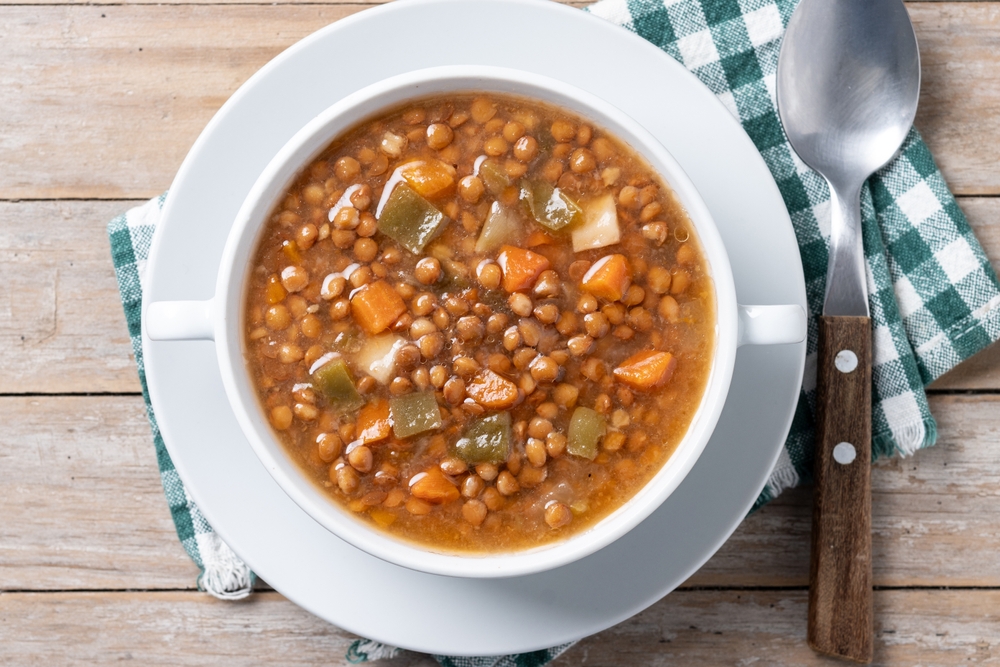
One cup of cooked lentils provides about 18 grams of protein along with abundant fiber that keeps your digestive system happy. Unlike animal proteins, lentils are incredibly affordable and shelf-stable, making them perfect for batch cooking. Their earthy flavor absorbs spices beautifully, whether you’re making Indian dal, Italian soup, or Mediterranean stew.
Lentils cook faster than most beans and don’t require soaking, saving you precious time in the kitchen. They’re loaded with iron and folate, nutrients that support energy and cell health. Add them to salads, mix them into pasta sauce, or use them as a base for veggie burgers. Lentils prove that plant-based protein can be both delicious and deeply satisfying for any palate.
8. Cheese and Whole-Grain Crackers
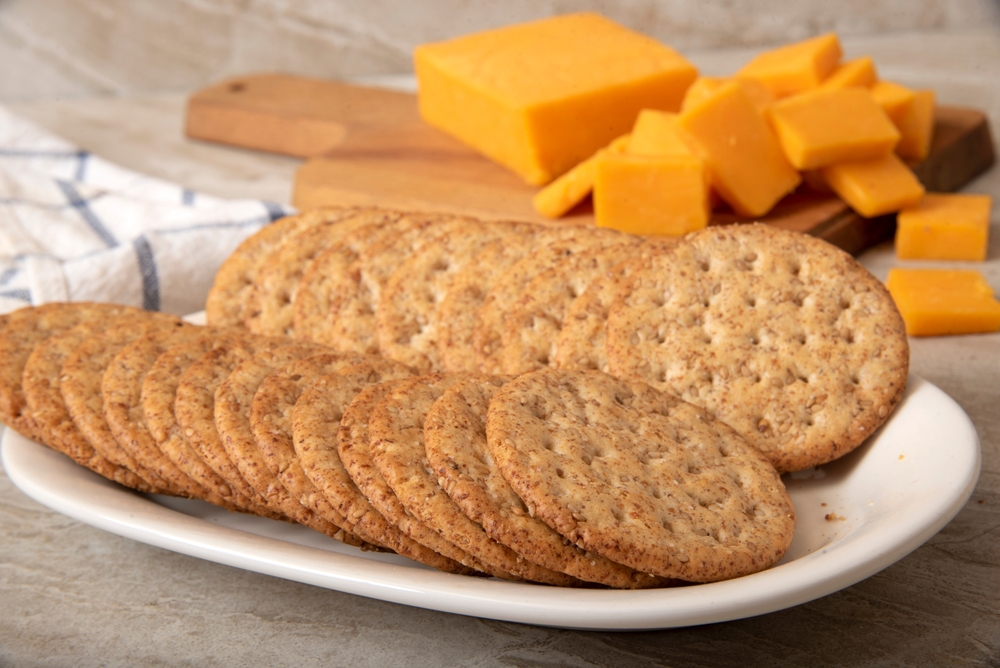
A one-ounce serving of cheese provides about 7 grams of protein, and pairing it with whole-grain crackers adds fiber for sustained energy. Cheddar, Swiss, mozzarella, and provolone all work beautifully for quick snacks or light meals. The combination of protein, healthy fats, and complex carbs keeps blood sugar stable and hunger at bay between meals.
Cheese also delivers calcium and phosphorus for bone strength, critical considerations after 50. Choose crackers made with seeds or nuts for extra protein and crunch. This classic pairing is portable, requires no preparation, and satisfies both savory cravings and nutritional needs. It’s comfort food that actually works for your body, not against it.
9. Roasted Chickpeas
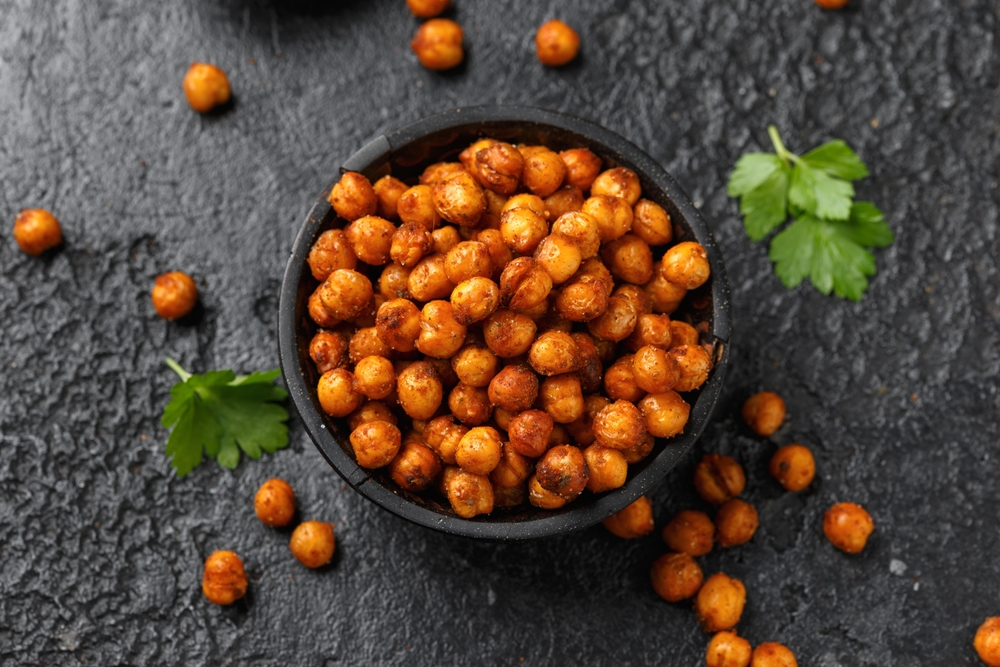
Crunchy, flavorful, and surprisingly filling, roasted chickpeas offer about 15 grams of protein per cup. Season them with smoked paprika, garlic powder, or cinnamon sugar, then roast until crispy for a satisfying alternative to chips. They’re high in fiber too, supporting healthy digestion and helping you feel full longer after eating.
Chickpeas contain folate and iron, nutrients that combat fatigue and support red blood cell production. Make a big batch on Sunday to snack on all week, or toss them onto salads for added crunch and protein. They’re budget-friendly and endlessly customizable with your favorite spice blends. Roasted chickpeas prove healthy snacking doesn’t have to be boring or tasteless.
10. Nut Butter on Toast
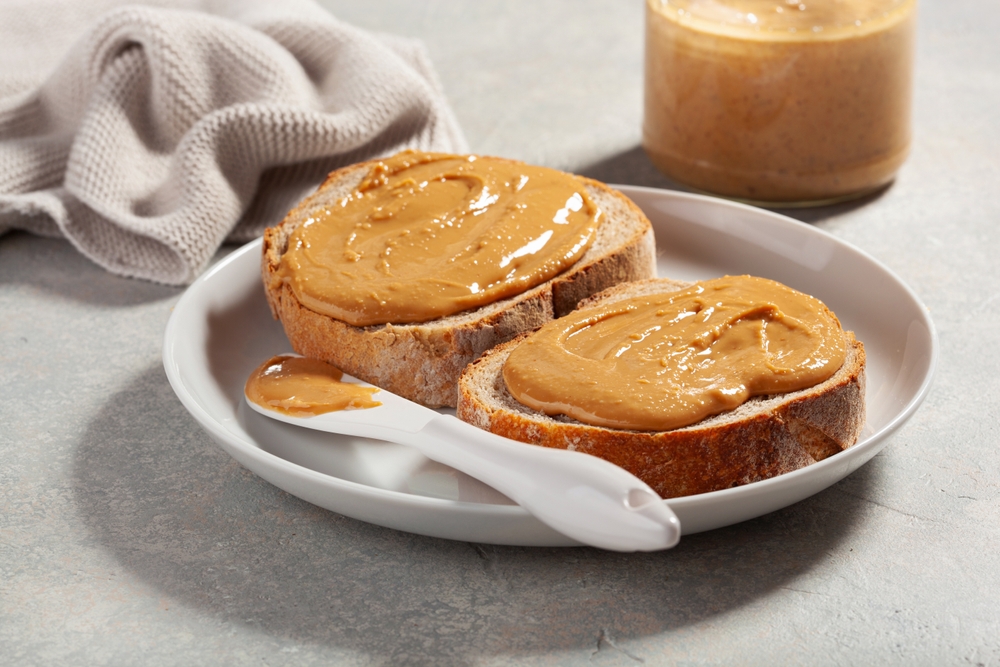
Two tablespoons of almond, peanut, or cashew butter provide about 7-8 grams of protein plus healthy fats that support brain and heart health. Spread it thick on whole-grain or sprouted bread for a breakfast that energizes without weighing you down. Add sliced banana, a drizzle of honey, or a sprinkle of chia seeds for extra nutrition and flavor.
Nut butters contain vitamin E, magnesium, and potassium, supporting everything from skin health to muscle function. Choose natural versions without added sugar or hydrogenated oils for maximum benefit. This simple meal comes together in under two minutes but delivers sustained energy for hours. It’s nostalgic comfort with grown-up nutritional benefits you can feel good about eating daily.