 MomSkoop
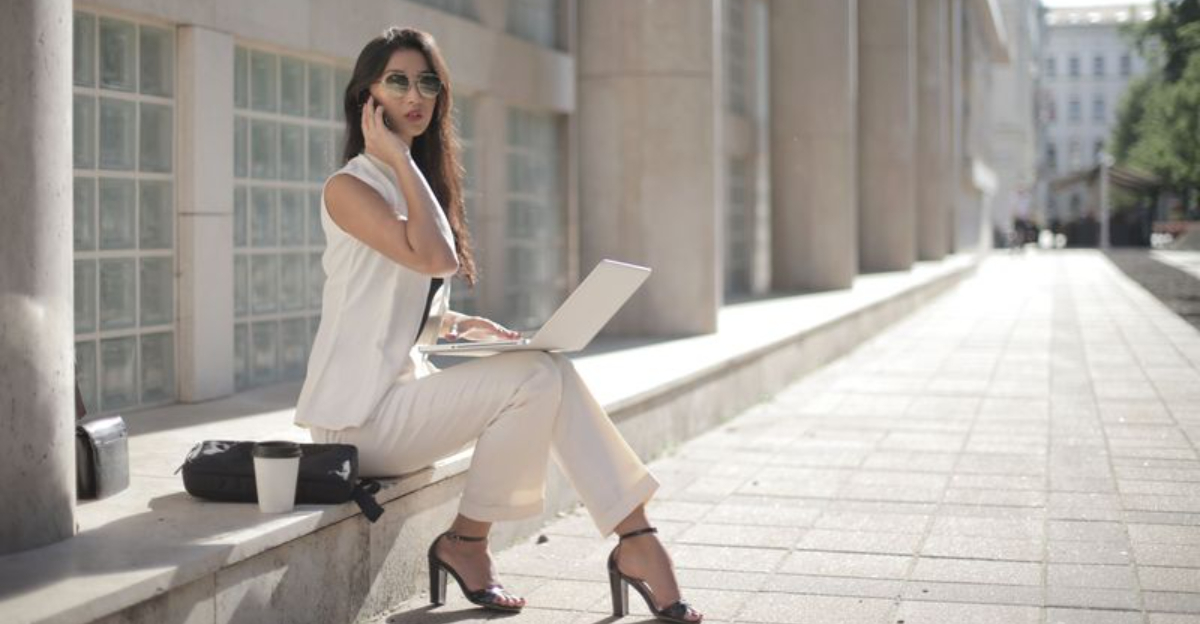
When temperatures soar, it can be tempting to throw dress codes out the window and reach for the most comfortable thing in your closet. But staying cool and looking professional at work are not mutually exclusive goals.
There are plenty of breathable, stylish options that keep you comfortable without crossing the line into inappropriate territory. Before you grab those flip-flops or that sheer top, take a look at the eight outfit choices that consistently miss the mark in a professional setting.
1. Beach Flip-Flops
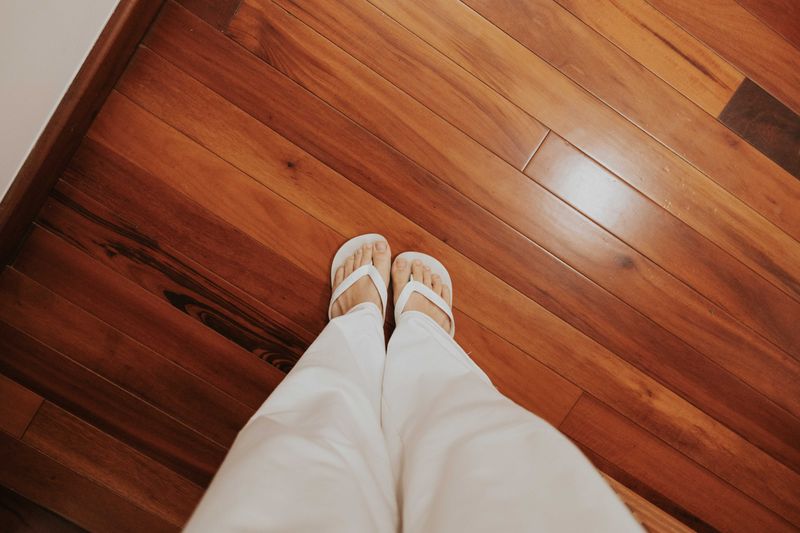
There is something undeniably freeing about slipping on a pair of flip-flops on a hot day.
The problem?
That slapping sound echoing down the hallway is not exactly the impression you want to make in a meeting room.
Flip-flops signal beach, pool, or backyard barbecue — not boardroom confidence.
Beyond the noise factor, most flip-flops offer zero arch support, making long workdays genuinely uncomfortable.
They also expose your feet entirely, which many dress codes specifically prohibit.
Even in casual offices, beach-style sandals tend to read as a lack of effort rather than a smart style choice.
A strappy leather sandal or a supportive slide with a clean finish can keep your feet cool while still looking polished and put-together.
2. Ultra-Short Shorts
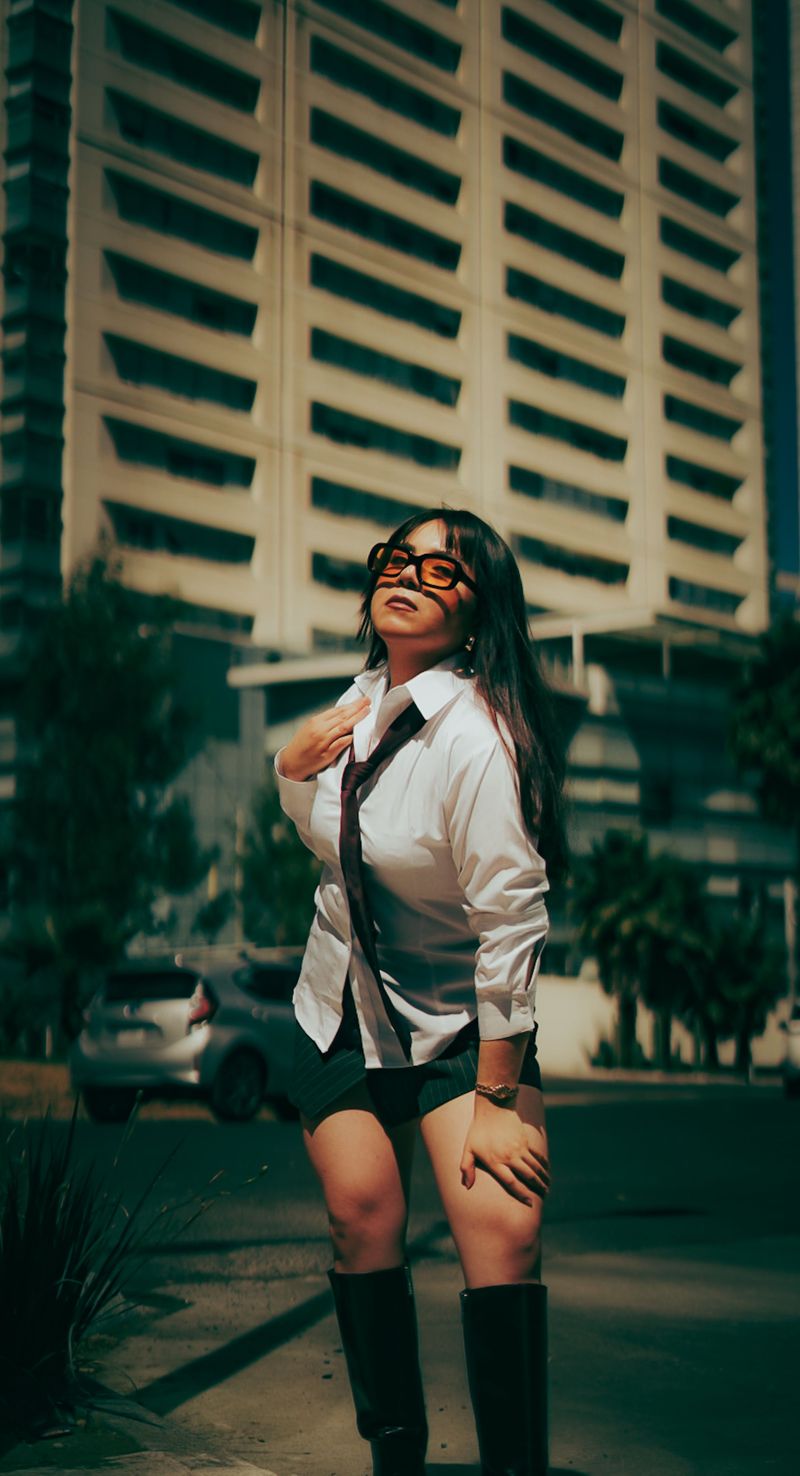
Short shorts might be the go-to weekend uniform during a heatwave, but they rarely translate well once you walk through the office door.
Length matters enormously in professional settings, and anything that sits significantly above the knee tends to draw attention for all the wrong reasons.
Most workplace dress codes — even relaxed ones — draw the line somewhere around mid-thigh at the shortest.
Ultra-short styles can make colleagues uncomfortable and may signal to management that you are not taking the environment seriously.
That perception, fair or not, can affect how your work is evaluated.
Opt for tailored shorts or wide-leg cropped trousers that hit at or just above the knee.
You stay cool, comfortable, and completely appropriate for any summer workday.
3. Sheer or See-Through Clothing
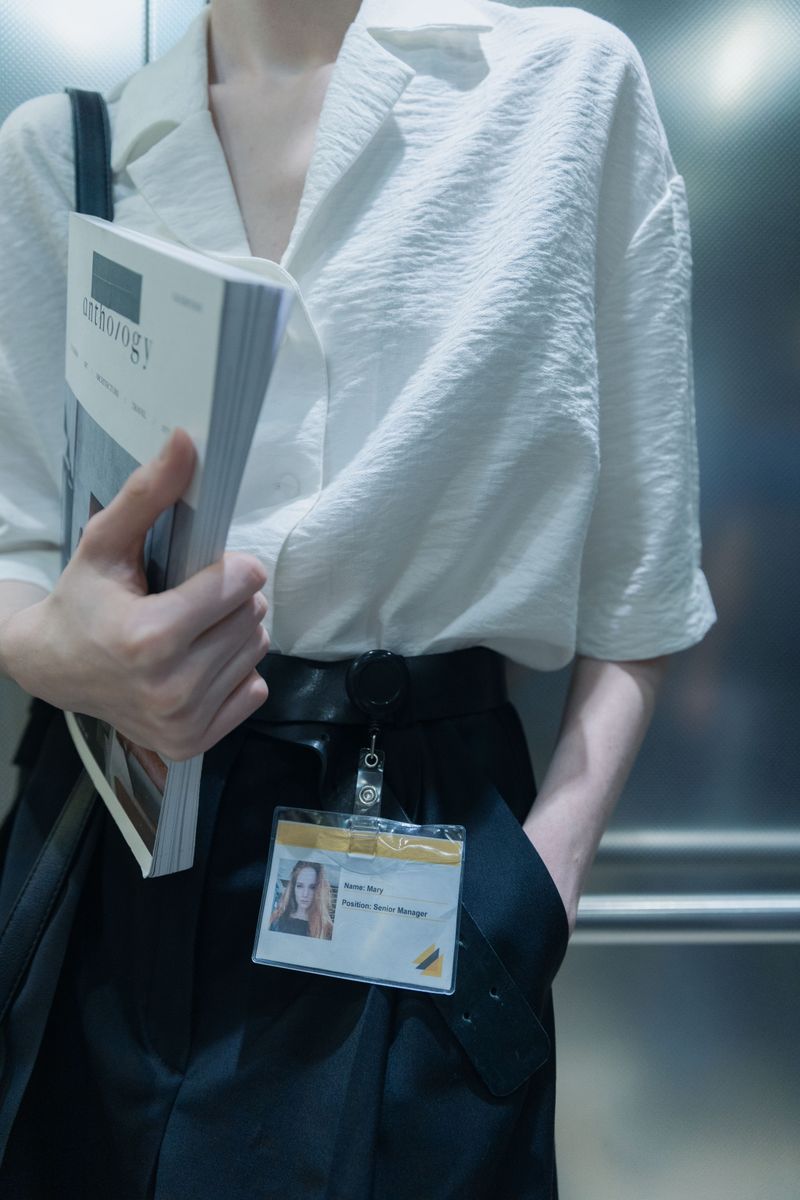
Lightweight fabrics are genuinely your best friend during a heatwave.
Chiffon, linen, and cotton voile all allow airflow and keep you from overheating at your desk.
The issue arises when lightweight tips over into fully transparent.
Wearing a sheer top without an appropriate layer underneath sends a mixed message in most professional environments.
It can appear as though you prioritized trend over context, which is not the signal you want to send during a presentation or client meeting.
Even in fashion-forward workplaces, visible undergarments tend to cross a widely acknowledged line.
The fix is simple: add a fitted camisole, a slip dress underneath, or choose a semi-sheer fabric in a structured cut.
Breezy and professional can absolutely coexist with a little planning.
4. Athletic Gym Wear
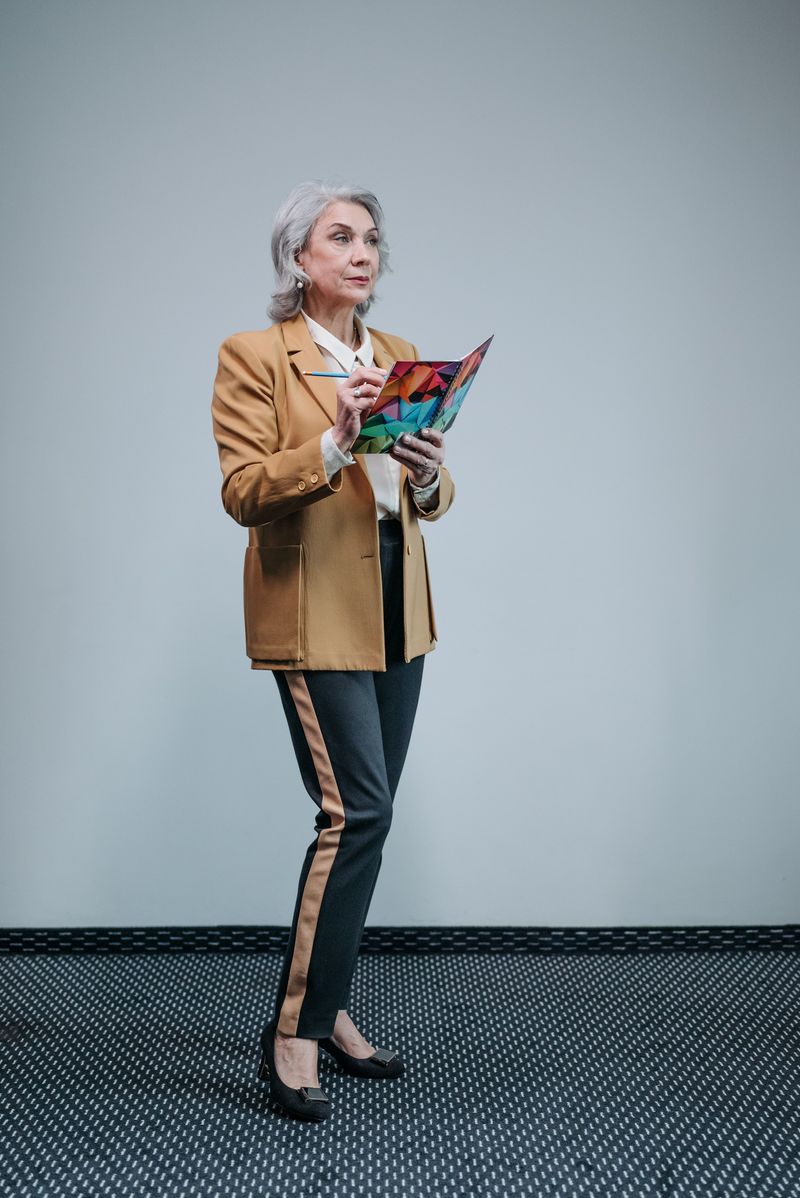
Picture this: you roll out of bed, skip the gym, and tell yourself your workout leggings are basically just slim trousers.
Most of us have been there mentally, but acting on it is a different story.
Athletic wear is engineered for movement and sweat — not strategy sessions and client calls.
Performance fabrics like moisture-wicking polyester and spandex blends have a distinct look that reads as athletic no matter how you style them.
Running shorts, racerback tanks, and compression leggings all fall firmly into this category.
Even in startups with relaxed cultures, gym wear tends to signal that you are just passing through.
Breathable alternatives like jersey-knit trousers or a structured polo keep the comfort level high while ensuring you look like you actually planned your outfit that morning.
5. Swimwear-Inspired Tops
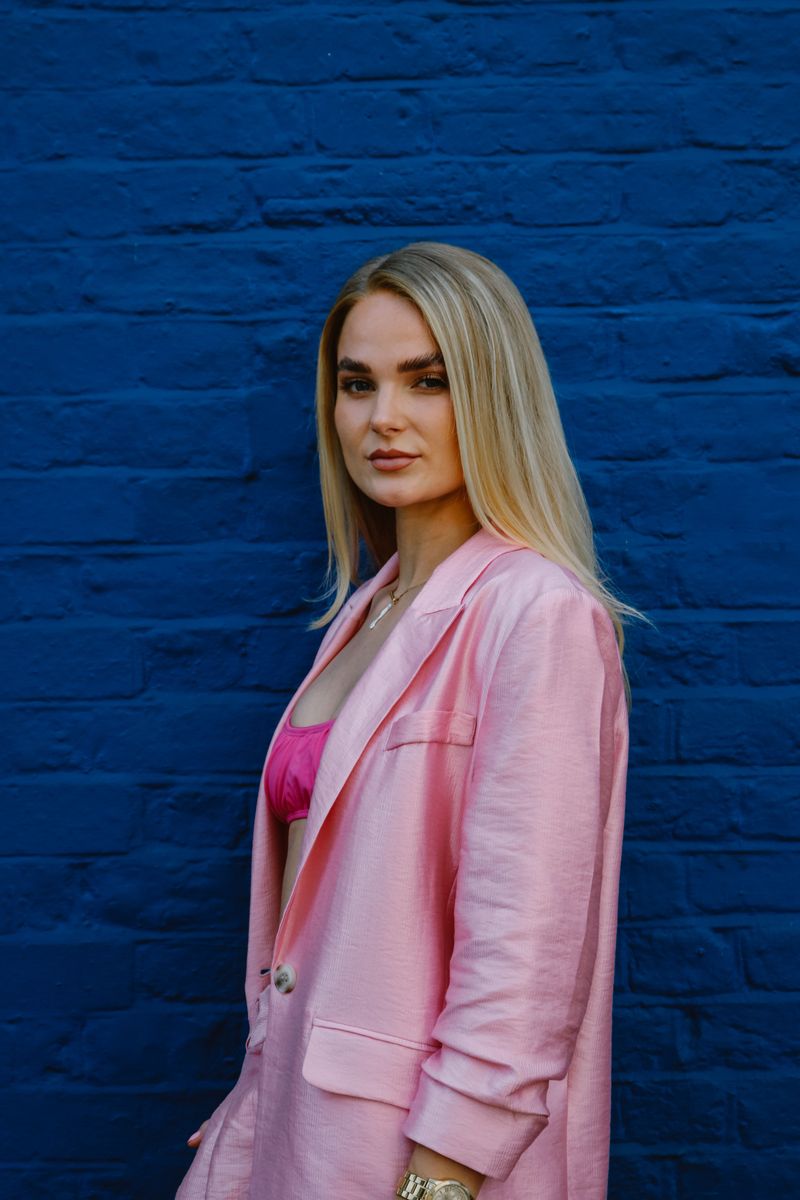
Fashion has a habit of blurring lines, and swimwear-inspired tops are one of the trendiest examples.
Bandeau tops, tie-front bikini halters, and bralette-style pieces have made their way from the beach to the runway — but the office is still a different destination entirely.
Even when these tops are made from non-swimwear fabric, the silhouette and styling instantly read as casual or beachy.
Bare shoulders, exposed midriffs, and minimal back coverage are all details that most professional settings consider too revealing, regardless of the heat outside.
If you love the relaxed aesthetic, try a linen wrap top or a sleeveless blouse with a similar vibe but more structure and coverage.
You get the breezy summer feeling without the raised eyebrows from HR.
6. Oversized Graphic Tank Tops

Concert tanks and slogan tees carry a lot of personality, which is exactly what makes them great for weekends and absolutely tricky for work.
An oversized graphic tank top announces your interests loudly before you have even said a word — and in a professional setting, that first impression matters.
Beyond the messaging, the cut itself tends to work against a polished look.
Wide armholes, dropped shoulders, and thin straps create a silhouette that reads as relaxed to the point of carelessness in most offices.
Even ironed and styled carefully, the casual DNA of a graphic tank is hard to disguise.
A fitted, solid-color tank layered under a lightweight blazer or paired with tailored trousers is a far smarter move.
Save the band merch for the weekend show.
7. Wrinkled Linen From Head to Toe

Linen is genuinely one of the smartest fabric choices you can make during a heatwave.
It breathes beautifully, feels lightweight, and looks effortlessly stylish when worn well.
The catch?
Linen wrinkles at a speed that seems almost personal.
Wearing a fully creased linen outfit from collar to hem can make even the sharpest professional look like they slept in their clothes.
In a work environment, visible disorganization in your appearance often gets unconsciously linked to disorganization in your work — whether that is fair or not.
The solution is not to abandon linen entirely but to manage it wisely.
A light steam before leaving the house, choosing a linen blend, or wearing just one linen piece at a time can keep the look intentional rather than accidental.
8. Revealing Cut-Out Dresses or Tops
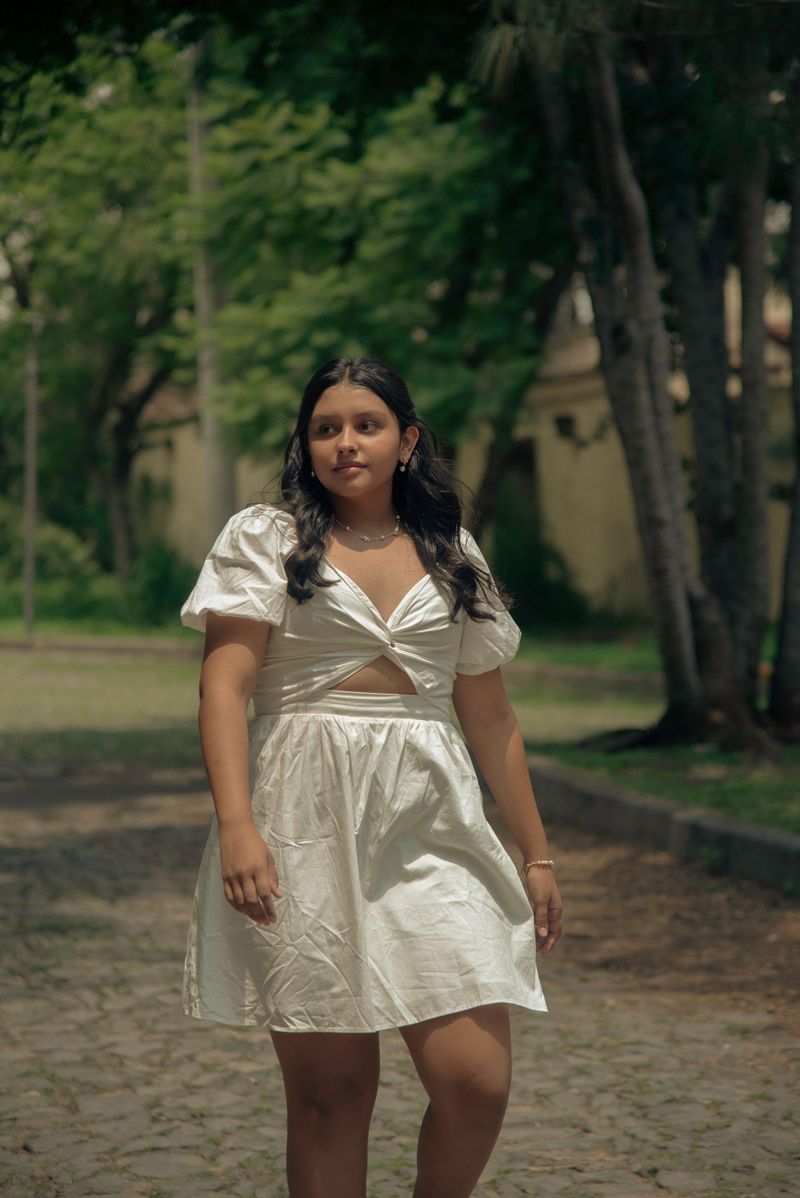
Cut-out designs have been everywhere on runways and social media feeds for the past few seasons, and it is easy to see the appeal.
They add visual interest, feel modern, and can be genuinely flattering.
The problem is that strategic skin exposure tends to clash with most professional dress codes, no matter how stylish the piece.
Large cut-outs at the waist, back, or sides draw the eye directly to skin rather than to you as a professional.
In client-facing roles especially, that kind of distraction can subtly undermine how your ideas and contributions are received in a room.
Subtle details like a single keyhole neckline or a small back cut-out on an otherwise conservative dress can satisfy the trend craving without crossing the line.
Fashion and professionalism can share the same outfit with a little restraint.