 MomSkoop
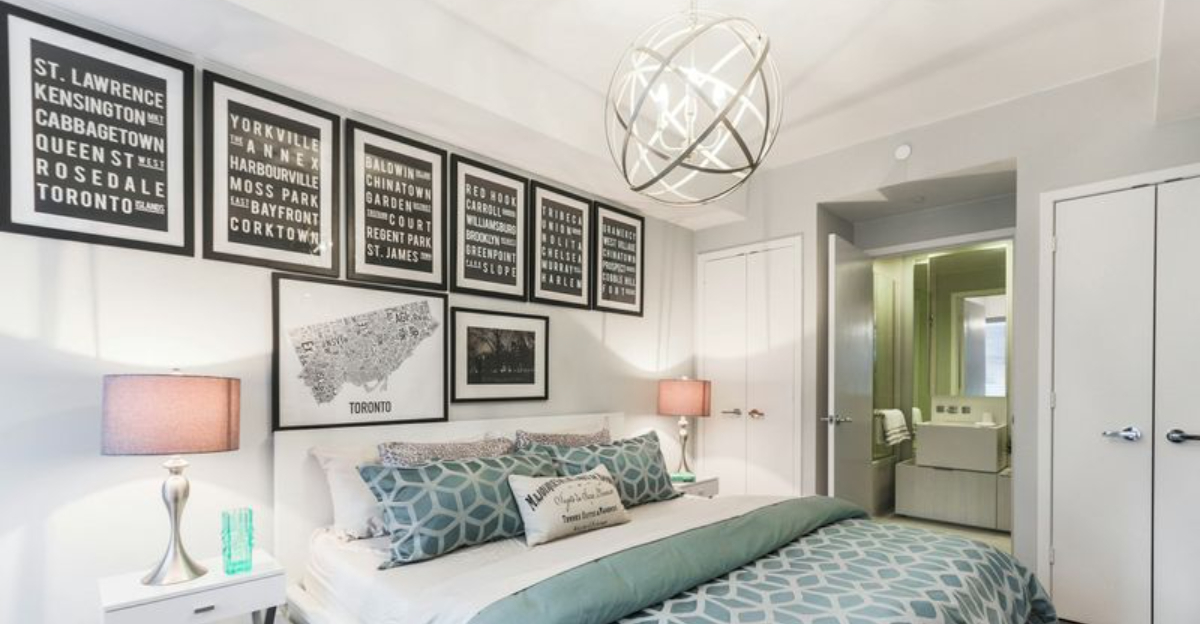
Your bedroom should be your personal escape from the busyness of everyday life. But sometimes, without even realizing it, we fill our sleeping spaces with things that actually make it harder to relax.
Designers say certain common items are quietly ruining the calm and comfort our bedrooms are supposed to provide. Here are the top ten things that experts agree just don’t belong in a bedroom.
1. Excess Clutter

Walk into a cluttered bedroom and your brain instantly starts working overtime.
Piles of clothes, stacked papers, and random objects scattered around send stress signals to your nervous system, making it nearly impossible to truly unwind.
Designers consistently point out that visual noise is one of the biggest enemies of restful sleep.
When your eyes have nowhere calm to land, your mind follows suit.
Even a small pile of stuff in the corner can quietly disrupt your sense of peace.
Start small by clearing one surface at a time.
A tidy bedroom isn’t just prettier, it genuinely helps you breathe easier and sleep better every single night.
2. Work Equipment

Bringing your work life into the bedroom is one of the most common sleep-disrupting mistakes people make.
When a desk piled with paperwork or a glowing laptop screen shares space with your bed, your brain struggles to shift into rest mode.
Sleep psychology research shows that the bedroom should be mentally associated with only two things: sleep and relaxation.
Office equipment sends the opposite signal, keeping your mind alert and problem-solving even when you want to wind down.
If a home office setup is unavoidable, try using a room divider or curtain to visually separate the work area from your sleeping space.
3. Exercise Machines

Few things kill a bedroom’s relaxing vibe faster than a looming treadmill staring at you from across the room.
Exercise machines are bulky, visually dominant, and carry a very specific energy, one that screams effort and exertion rather than rest.
Designers argue that every object in your bedroom sends a psychological message.
A stationary bike or set of heavy weights tells your brain it should be active, not asleep.
That subtle cue can interfere with how quickly and deeply you fall asleep each night.
Consider moving equipment to a garage, basement, or dedicated workout space.
Your bedroom will instantly feel calmer, and your workouts might actually improve with a proper dedicated area.
4. Harsh Overhead Lighting
Ever notice how a hospital waiting room never feels cozy?
A big reason for that is the lighting.
Bright, cool-toned overhead lights in a bedroom create exactly that same clinical, uncomfortable feeling that makes relaxation nearly impossible.
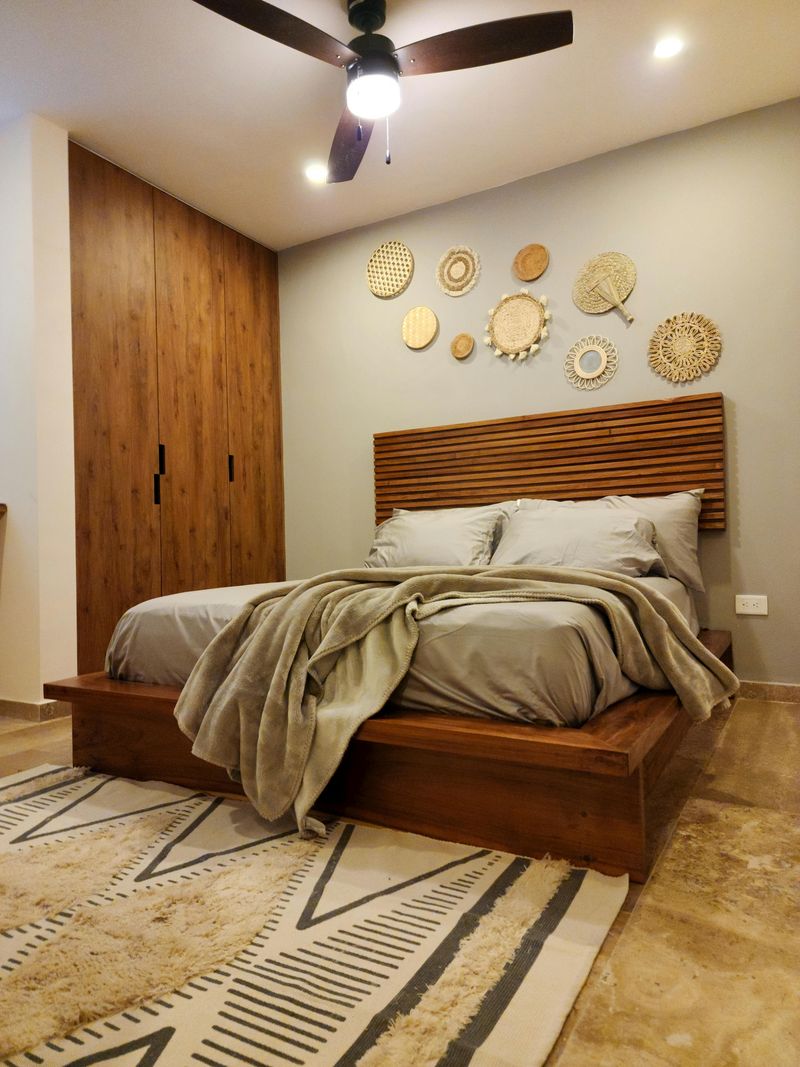
Designers strongly prefer layered lighting, think bedside lamps, soft wall sconces, or dimmable fixtures that cast a warm, amber glow.
This type of lighting signals to your brain that the day is winding down, naturally encouraging your body to prepare for sleep.
Swapping out a harsh ceiling bulb for a warmer alternative is one of the cheapest, easiest upgrades you can make.
The difference in mood and comfort is almost immediate.
5. Too Many Decorative Pillows
Somewhere along the way, bedroom styling took a turn into pillow overload territory.
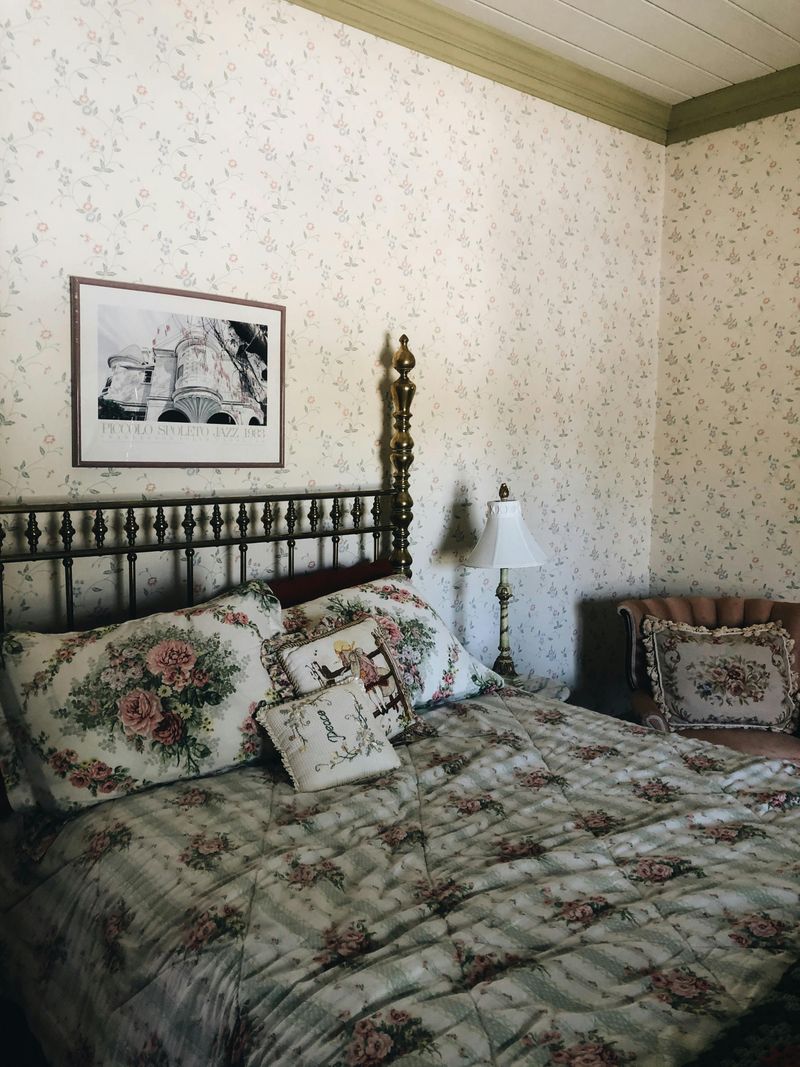
A carefully chosen throw pillow or two can add warmth and personality, but stacking eight to twelve decorative cushions on a bed crosses the line from stylish into excessive.
Designers point out that an overloaded pillow arrangement looks impressive in a magazine but becomes a nightly chore in real life.
Removing and storing a mountain of pillows every evening, then rebuilding the display each morning, adds unnecessary friction to your daily routine.
Three to four well-chosen pillows strike the perfect balance between aesthetics and practicality.
Your bed will still look polished, and your mornings will run a little smoother.
6. Electronics and Visible Cables
Screens and tangled cords have quietly taken over our bedrooms, and designers are sounding the alarm.
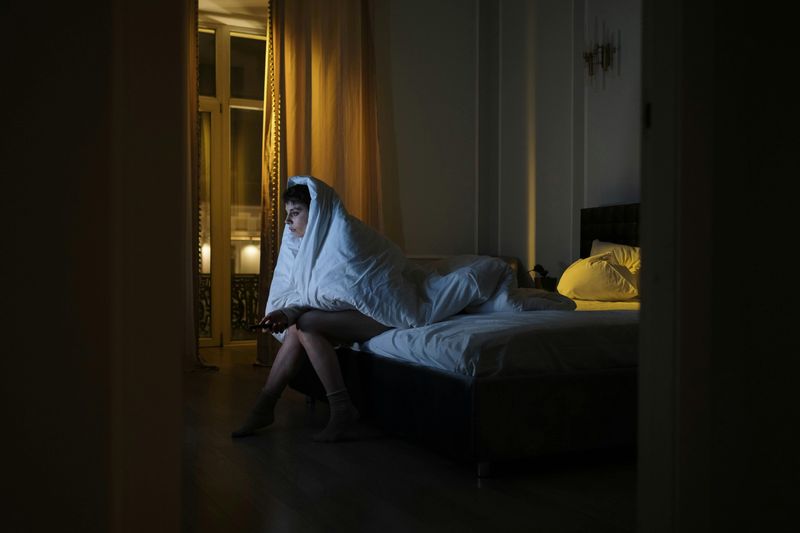
Televisions mounted across from the bed, gaming consoles blinking with standby lights, and a web of charging cables draped across nightstands all contribute to overstimulation in a space meant for stillness.
The blue light emitted by screens suppresses melatonin, the hormone your body needs to fall asleep naturally.
Beyond the science, there’s also a simple aesthetic problem: cables and electronics look chaotic and out of place in a room designed for rest.
Cable management boxes and cord organizers can help.
Even better, try keeping devices out of the bedroom entirely and notice how much faster you fall asleep.
7. Unfinished Storage Solutions
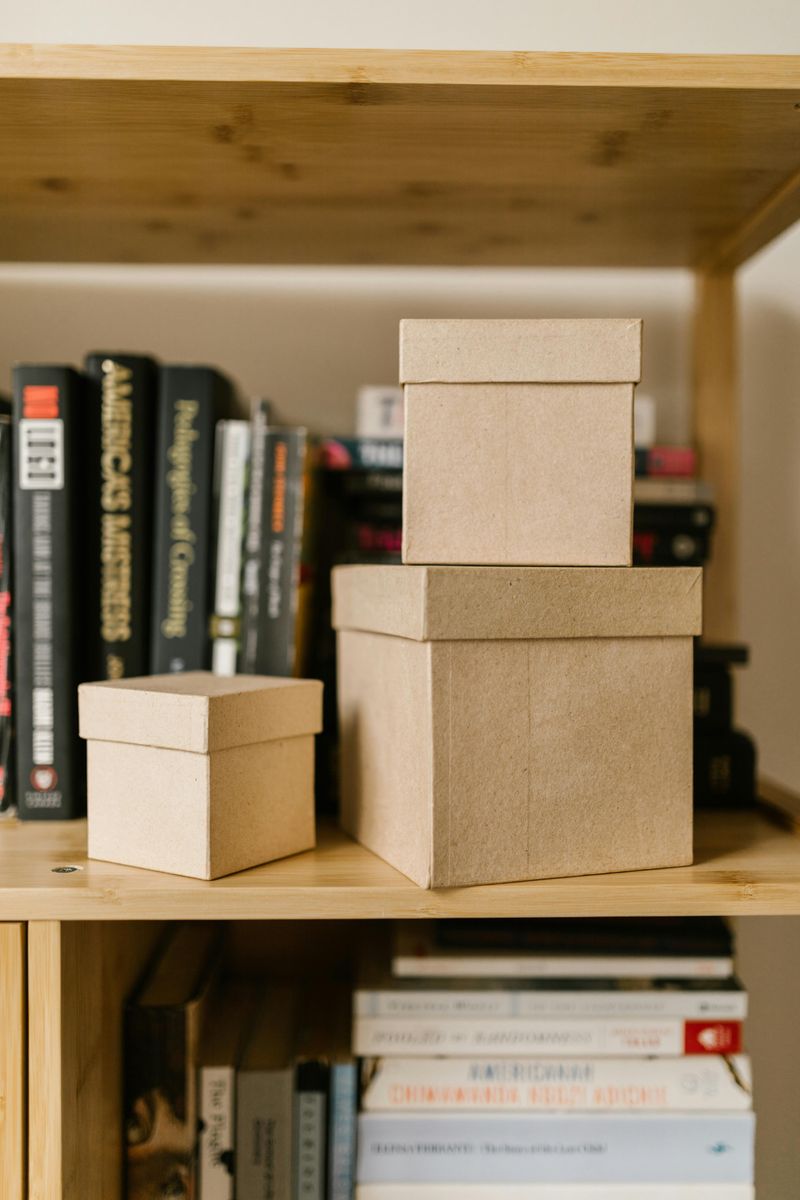
Plastic bins and cardboard boxes are wonderful tools for moving day or organizing a garage.
In a bedroom, though, they send a clear message: this space is still a work in progress.
That unfinished feeling quietly undermines the sense of comfort and intentionality a good bedroom should have.
Designers call this the “temporary storage trap,” where people use quick fixes that never actually get replaced.
Over time, those bins become invisible to you, but they still affect how your room feels on a subconscious level.
Investing in even a few affordable woven baskets or a simple dresser can completely transform the room’s cohesion.
Thoughtful storage makes a space feel finished and truly yours.
8. Oversized Furniture
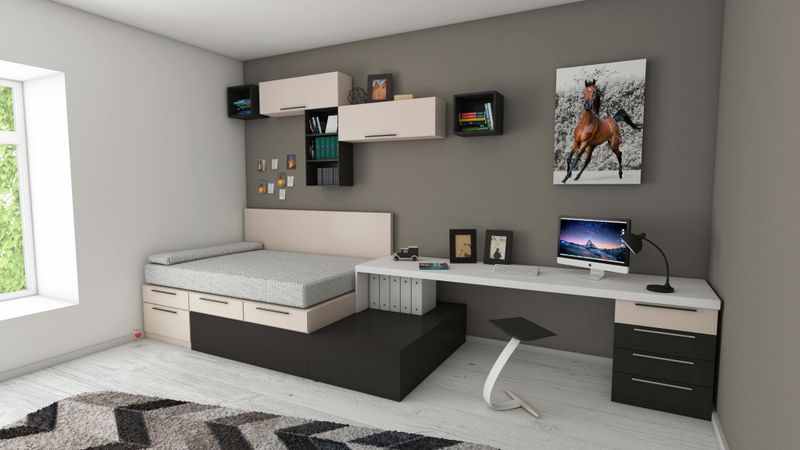
Bigger is not always better, especially in a bedroom.
An oversized bed frame or a massive dresser that practically touches all four walls might seem luxurious in a showroom, but inside an average-sized bedroom, it creates a suffocating, cramped atmosphere.
Designers emphasize the importance of flow, meaning the ease with which you can move around a space.
When furniture dominates a room, that flow disappears.
You end up squeezing past the bed to get to the closet, and the room never quite feels like a retreat.
Measure your room carefully before buying any large furniture pieces.
Choosing appropriately scaled items opens up the space and makes even a modest bedroom feel surprisingly airy and welcoming.
9. Distracting Artwork
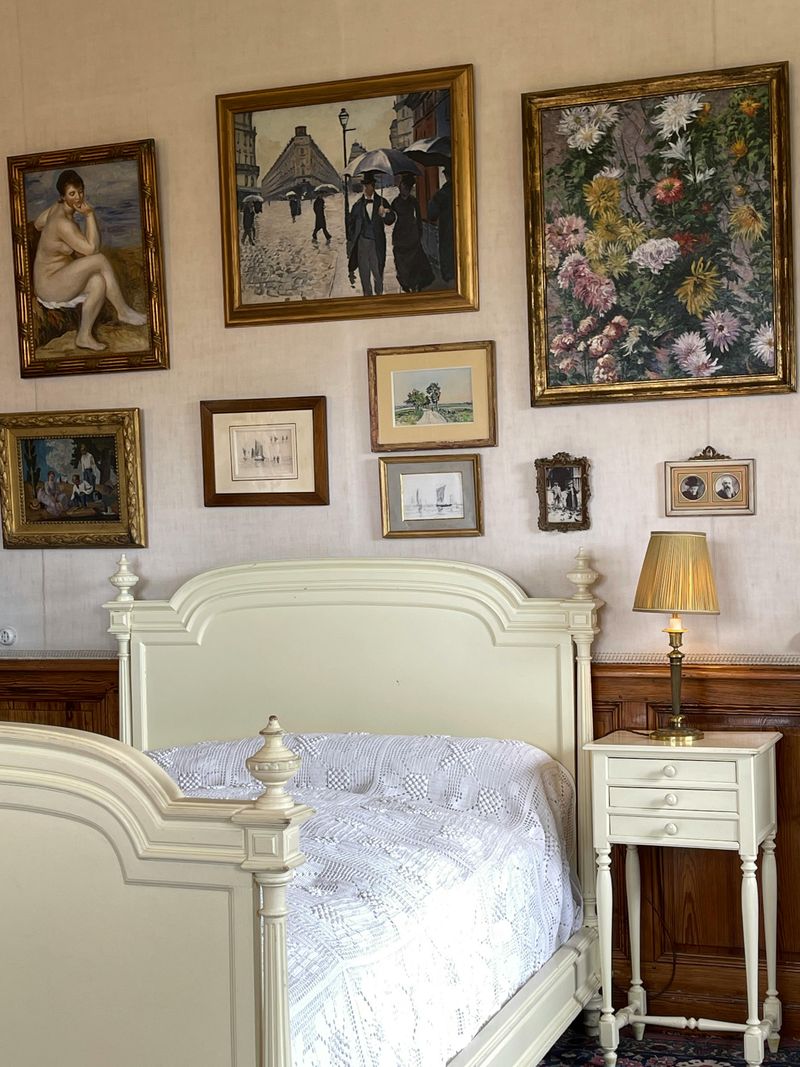
Art is deeply personal, and there are no universal rules about what you should hang on your walls.
That said, designers caution against placing emotionally intense, chaotic, or visually overwhelming artwork in the bedroom specifically.
Bold, aggressive imagery or frantic color combinations can subtly elevate your stress response, even when you’re just glancing at it before bed.
The bedroom is the one room where calming, soothing visuals genuinely serve a functional purpose beyond decoration.
Soft landscapes, abstract pieces in muted tones, or simple line drawings tend to work beautifully in sleeping spaces.
Save the dramatic statement pieces for your living room or hallway, where their energy can be fully appreciated.
10. Overpowering Air Fresheners

A light, pleasant scent in the bedroom can genuinely support relaxation, but there’s a significant difference between a subtle hint of lavender and an aggressive wall of fragrance that hits you the moment you open the door.
Heavy, synthetic air fresheners or too many competing scents can actually disrupt sleep quality.
Strong fragrances have been shown to cause headaches, trigger allergies, and keep your senses in a heightened state when they should be calming down for the night.
Designers suggest opting for a single, gentle scent source like a lightly scented linen spray or a small diffuser with natural essential oils.
Less is genuinely more when it comes to bedroom fragrance.