 MomSkoop
Horror is a genre that can thrill, disturb, and linger in the mind long after the credits roll. While plenty of scary movies have earned devoted audiences, only a select few seem to get nearly everything right, from atmosphere and suspense to unforgettable performances and genuinely frightening moments.
Fans often debate what makes a horror movie truly exceptional, but certain titles consistently rise above the rest. Whether they rely on psychological dread, supernatural terror, brutal surprises, or slow-building tension, these 17 horror movies come remarkably close to perfecting the genre.
1. The Exorcist (1973)
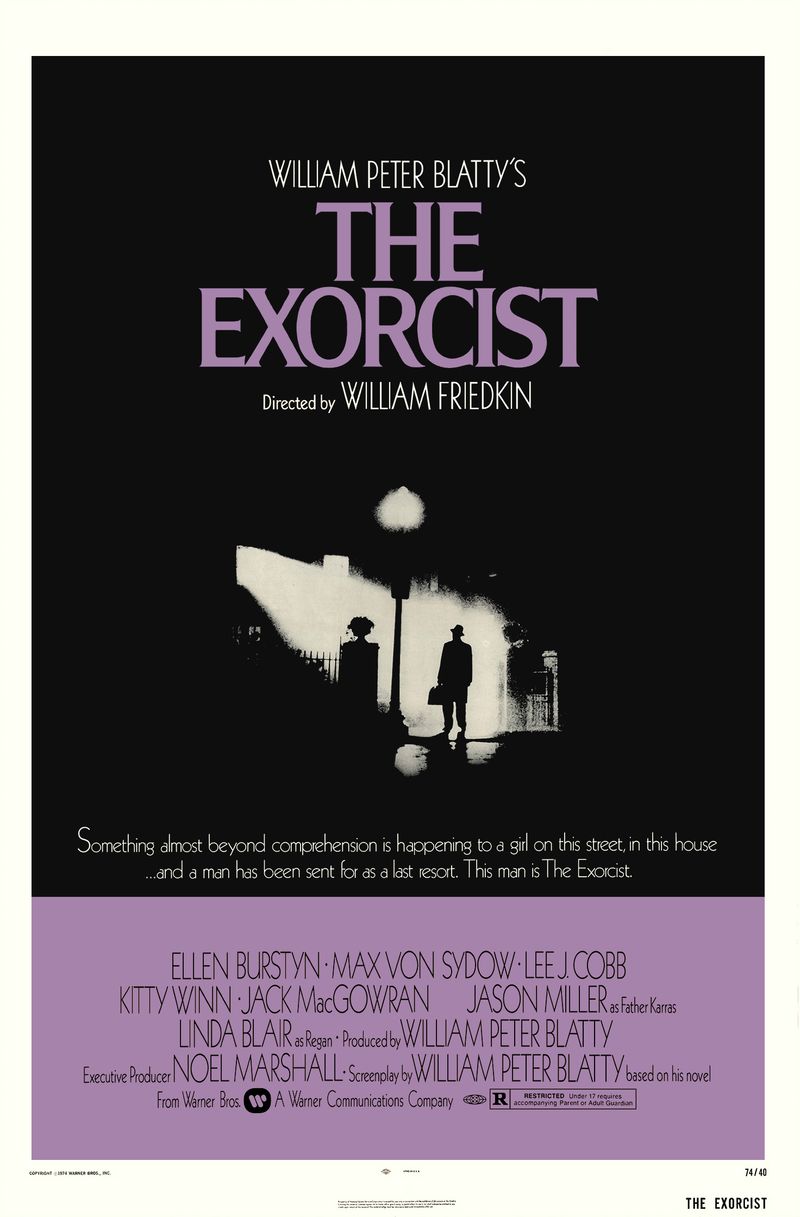
Few films have ever rattled audiences the way The Exorcist did when it first hit theaters in 1973.
People reportedly fainted, walked out, and had nightmares for weeks — and that was considered a success.
Director William Friedkin crafted something that felt less like a movie and more like a genuine warning from the dark.
The story follows a young girl named Regan whose behavior becomes increasingly terrifying, forcing her mother to seek help from two priests.
What makes the film so effective is how grounded and real everything feels.
The horror sneaks up on you slowly before exploding into full nightmare territory.
Fans consistently rank it among the greatest horror films ever made, and it still holds up today.
2. Halloween (1978)
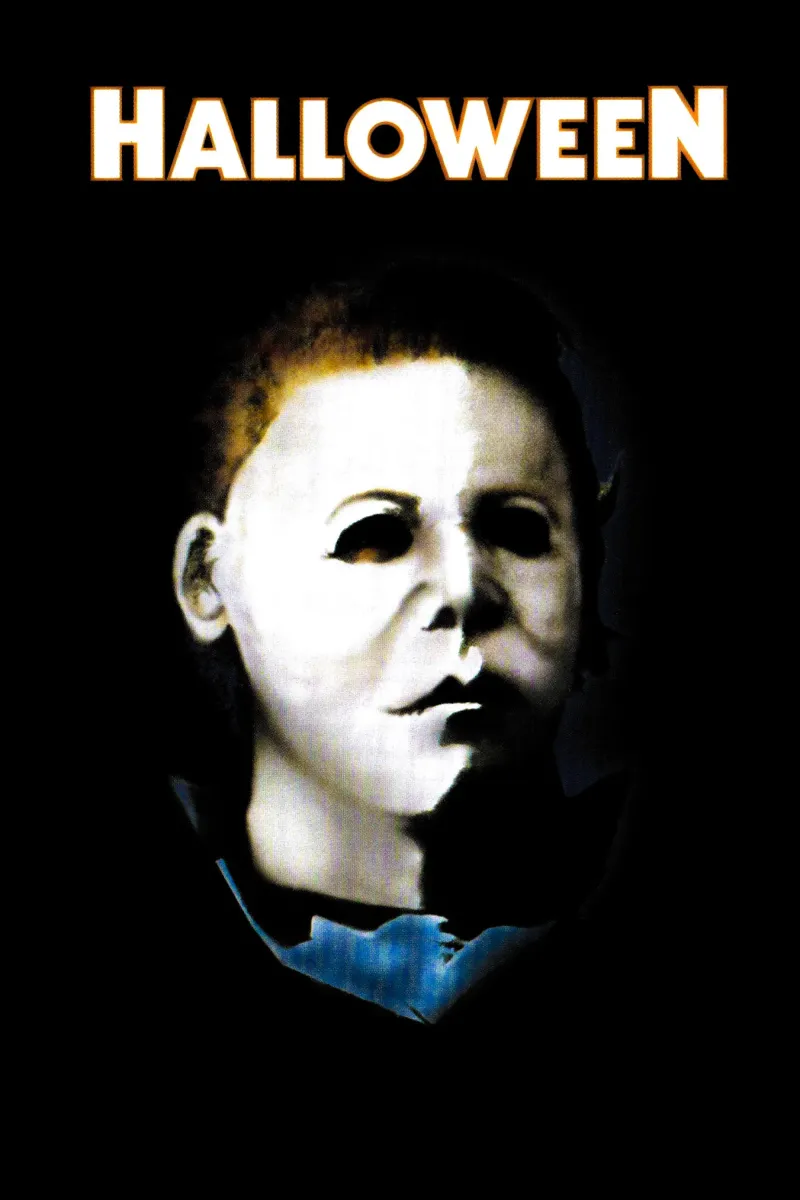
John Carpenter made Halloween on a shoestring budget and ended up changing horror forever.
The film introduced Michael Myers, a silent and emotionless killer who stalks babysitters on Halloween night in a quiet Illinois town.
There is something deeply unsettling about a villain who shows absolutely no feeling or motive.
The now-iconic score, composed by Carpenter himself, is one of the most recognizable pieces of music in film history.
Those simple piano notes signal danger in a way that gets under your skin instantly.
The movie proved that atmosphere and tension matter far more than blood and gore.
Fans love Halloween because it turns an ordinary holiday into something genuinely terrifying without ever relying on cheap tricks.
3. The Shining (1980)
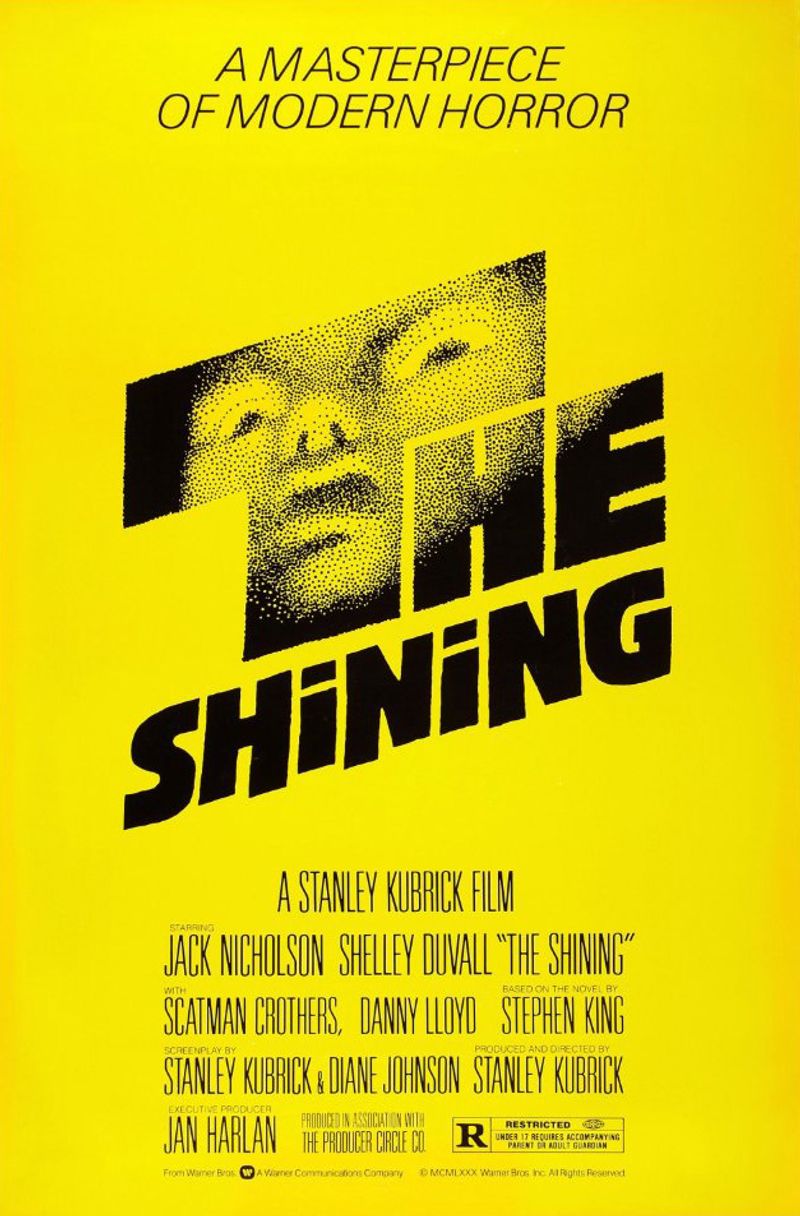
Stanley Kubrick took Stephen King’s novel and turned it into something that operates almost like a fever dream.
The Shining follows Jack Torrance, a struggling writer who takes a job as winter caretaker at the isolated Overlook Hotel, bringing his wife and young son along.
What happens next is a slow, suffocating descent into madness.
Jack Nicholson’s performance is absolutely electric — he goes from charming and a little tense to fully unhinged in a way that feels completely believable.
The hotel itself becomes a character, with its endless hallways and strange visions pressing down on everyone inside.
Fans argue endlessly about what the film really means, and that mystery is a big part of why it remains so fascinating decades later.
4. Alien (1979)
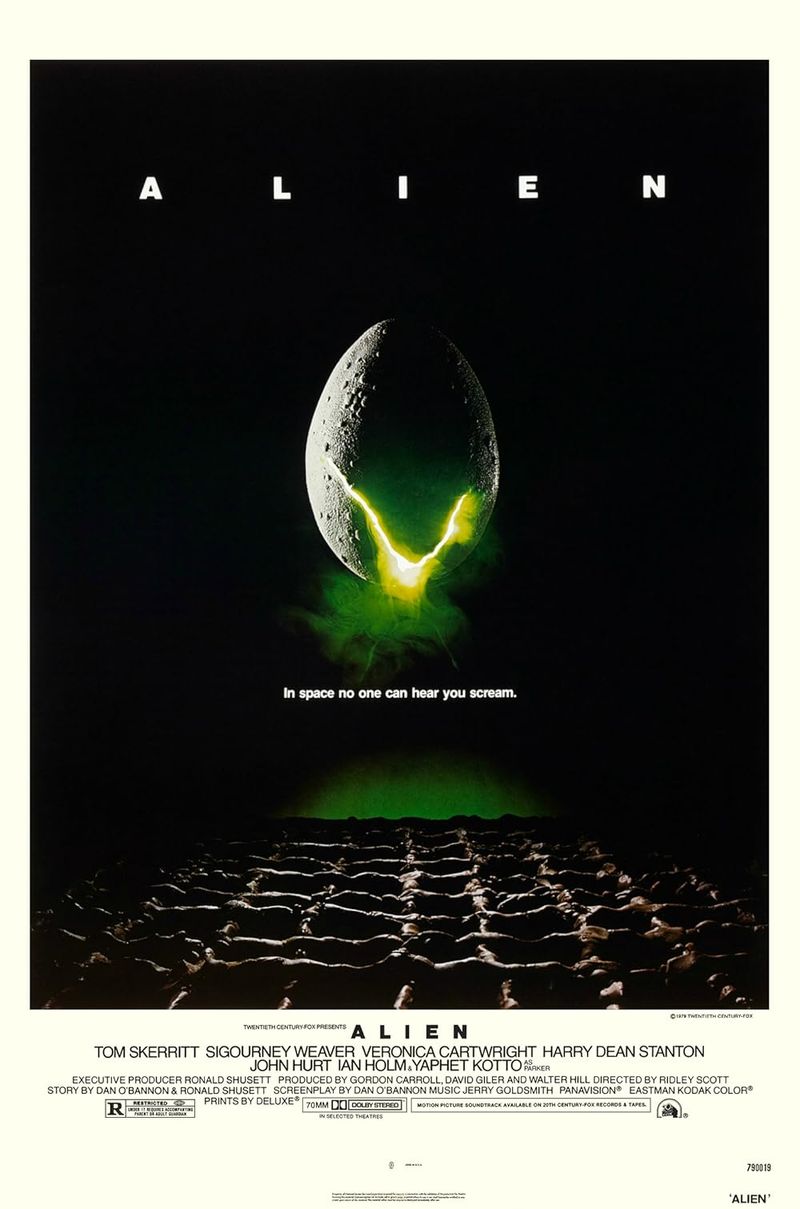
Ridley Scott’s Alien took the science fiction setting and turned it into a haunted house story set in space.
The crew of the commercial spacecraft Nostromo discovers something horrifying on a distant moon, and what follows is one of the most suspenseful survival stories ever filmed.
Space, it turns out, makes the perfect horror backdrop.
Sigourney Weaver’s Ripley became one of cinema’s most beloved heroes — tough, smart, and genuinely scared in all the right moments.
The alien creature itself, designed by H.R.
Giger, remains one of the most disturbing creations in movie history.
Every detail of its design feels deeply wrong in the best possible way.
Fans praise Alien for proving that less is always more when it comes to building real terror.
5. Psycho (1960)
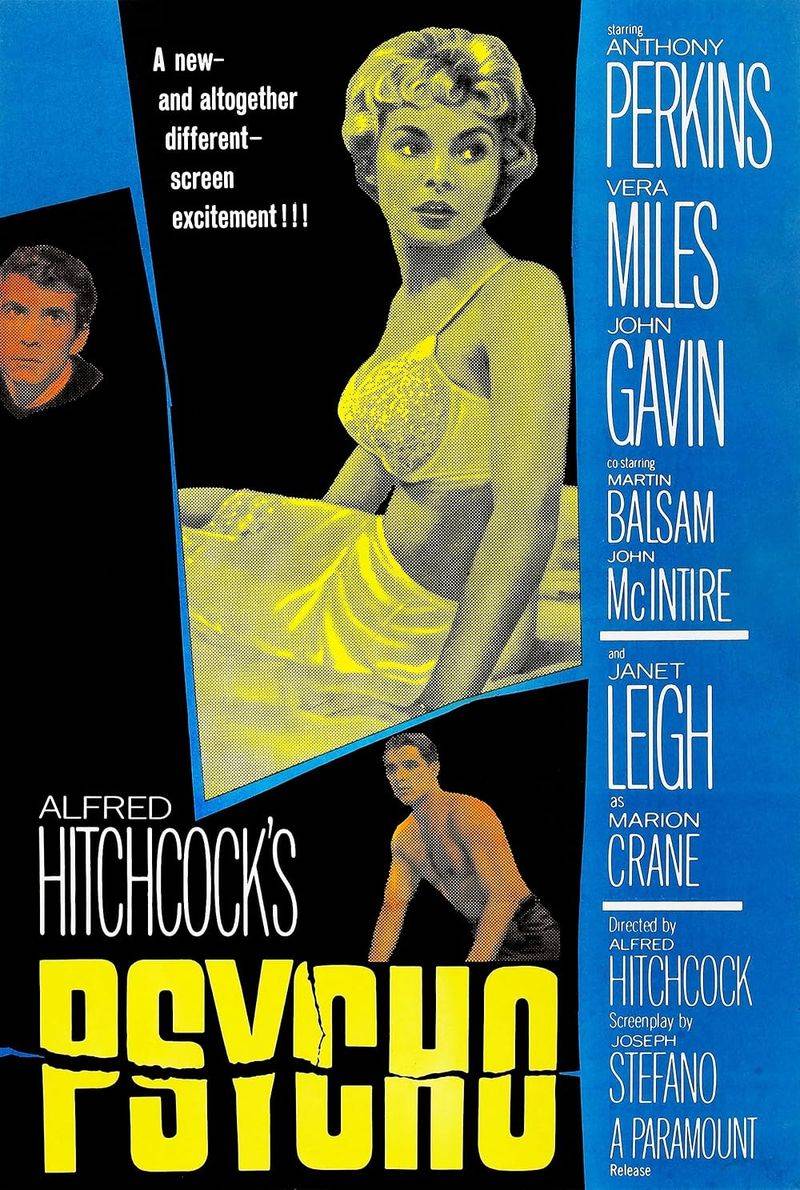
Alfred Hitchcock broke every rule audiences thought they knew about movies when he released Psycho in 1960.
He killed off his apparent main character before the film was even halfway over — a move so shocking that people genuinely could not believe what they had just watched.
Hitchcock was not interested in playing it safe.
Anthony Perkins gave the world Norman Bates, a soft-spoken motel owner with a very complicated relationship with his mother.
The famous shower scene remains one of the most studied and discussed sequences in all of cinema, even though very little is actually shown on screen.
Suggestion, Hitchcock understood, is scarier than anything explicit.
Psycho redefined what horror could be, and fans still consider it a masterclass in building dread through character and mystery.
6. The Texas Chain Saw Massacre (1974)
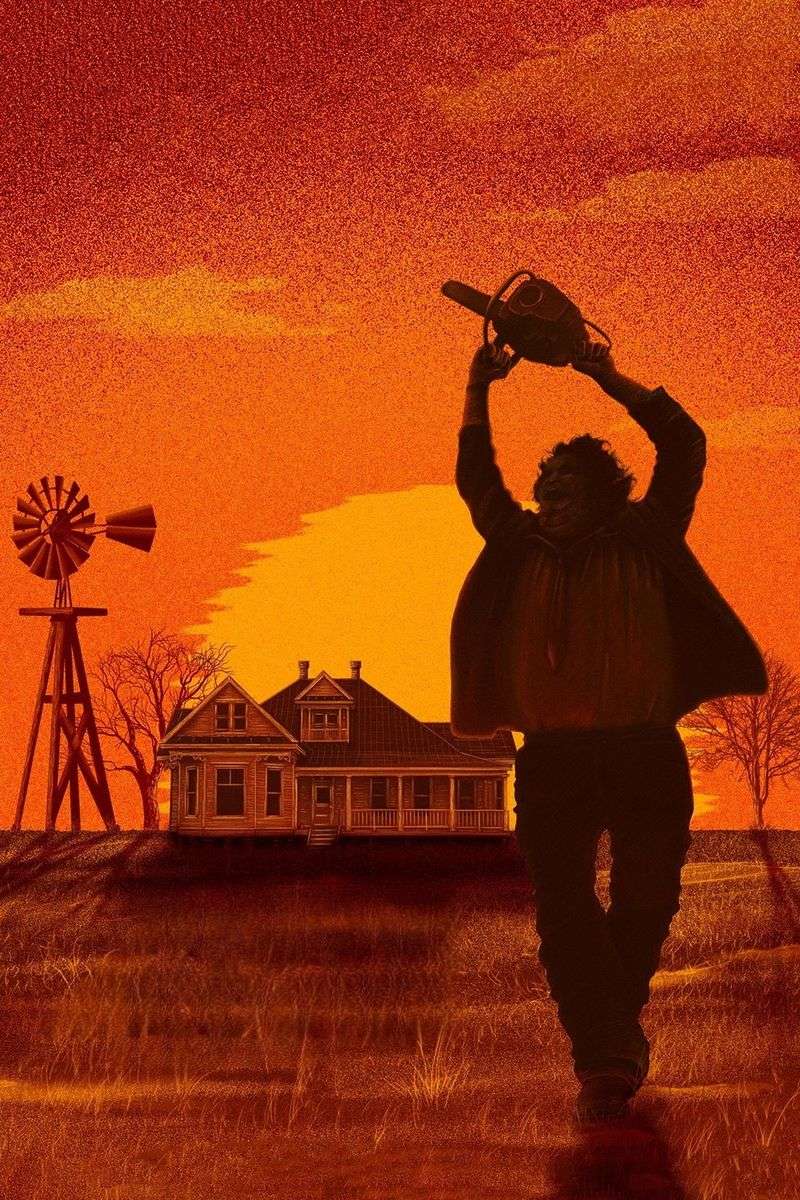
Tobe Hooper made The Texas Chain Saw Massacre feel like a documentary that was never supposed to be found.
Shot in the brutal summer heat of Texas, the film follows a group of young friends who stumble upon a family of cannibals in the middle of nowhere.
The raw, grainy look of the footage makes everything feel horribly real.
Leatherface, the chainsaw-wielding killer in a mask made of human skin, became an instant icon of pure, uncomplicated terror.
Unlike many horror villains, he never speaks — he only acts, and that silence makes him even more frightening.
The film moves at a relentless pace that barely gives the audience a moment to breathe.
Fans call it one of the most intense viewing experiences in horror history, even fifty years later.
7. Hereditary (2018)
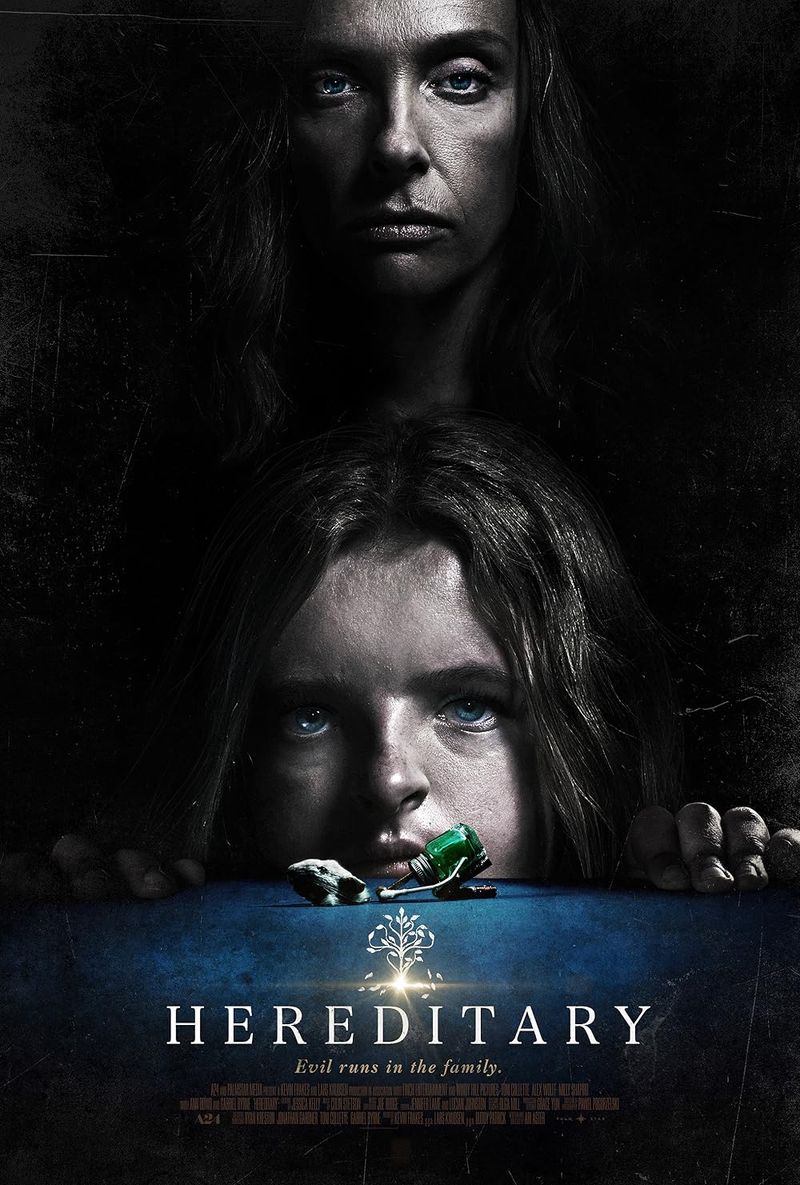
Hereditary arrived in 2018 and hit audiences like a truck they never saw coming.
Director Ari Aster crafted a film about grief, family trauma, and inherited darkness that operates on multiple levels at once.
On the surface, it is a supernatural horror film.
Underneath, it is one of the most emotionally devastating movies in recent memory.
Toni Collette delivers a performance so raw and so committed that many fans were genuinely upset she did not receive major awards recognition.
The film builds slowly and deliberately, planting seeds of dread long before anything overtly horrifying happens.
When the horror finally arrives, it is absolutely overwhelming.
Hereditary proves that the scariest stories are often the ones rooted in real human pain and loss.
8. The Thing (1982)
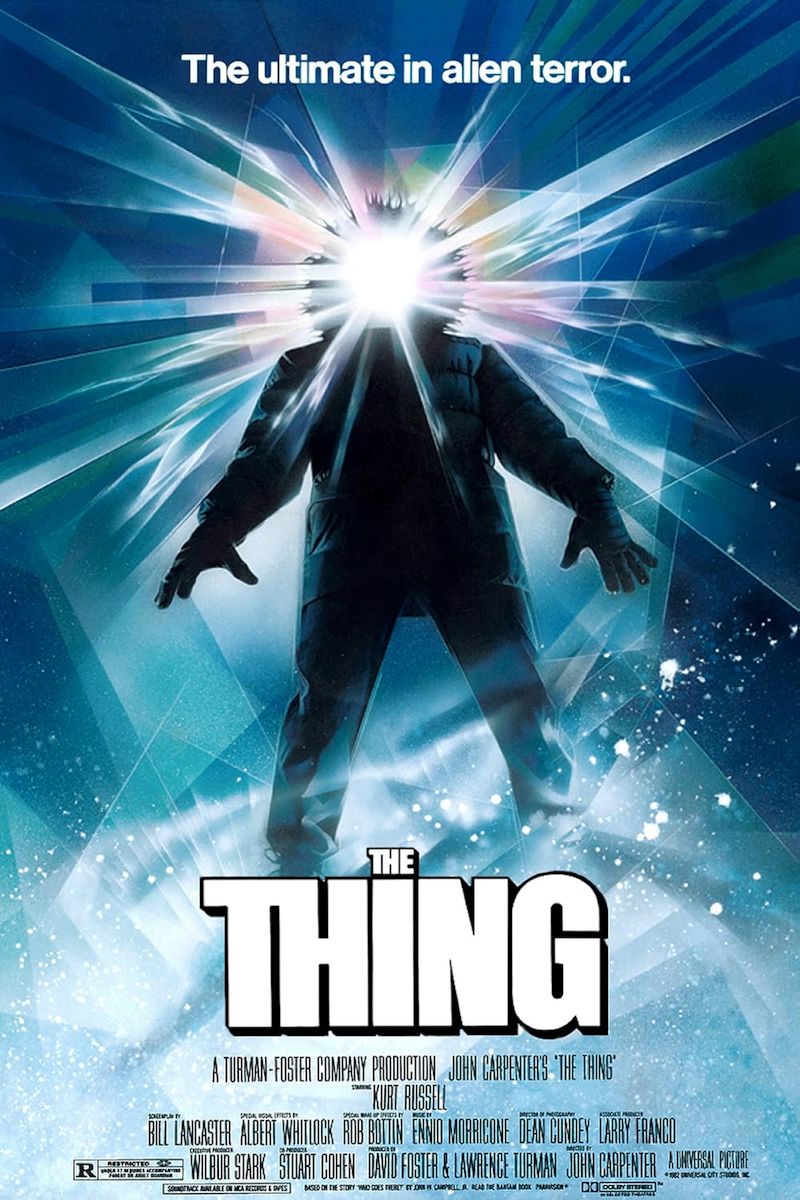
John Carpenter followed up Halloween with another genre landmark — The Thing, a paranoid survival horror set in an Antarctic research station.
A shape-shifting alien organism infiltrates the crew, able to perfectly imitate any living being it absorbs.
Suddenly, no one can trust anyone around them, and that distrust becomes as terrifying as the creature itself.
The practical special effects created by Rob Bottin are still jaw-dropping today.
Bodies twist, morph, and transform in ways that were genuinely shocking in 1982 and remain deeply unsettling now.
The film does not offer easy answers or a clean resolution, which fans find both maddening and brilliant.
The Thing is a masterpiece of claustrophobic tension and body horror that rewards multiple viewings with new details every time.
9. Get Out (2017)
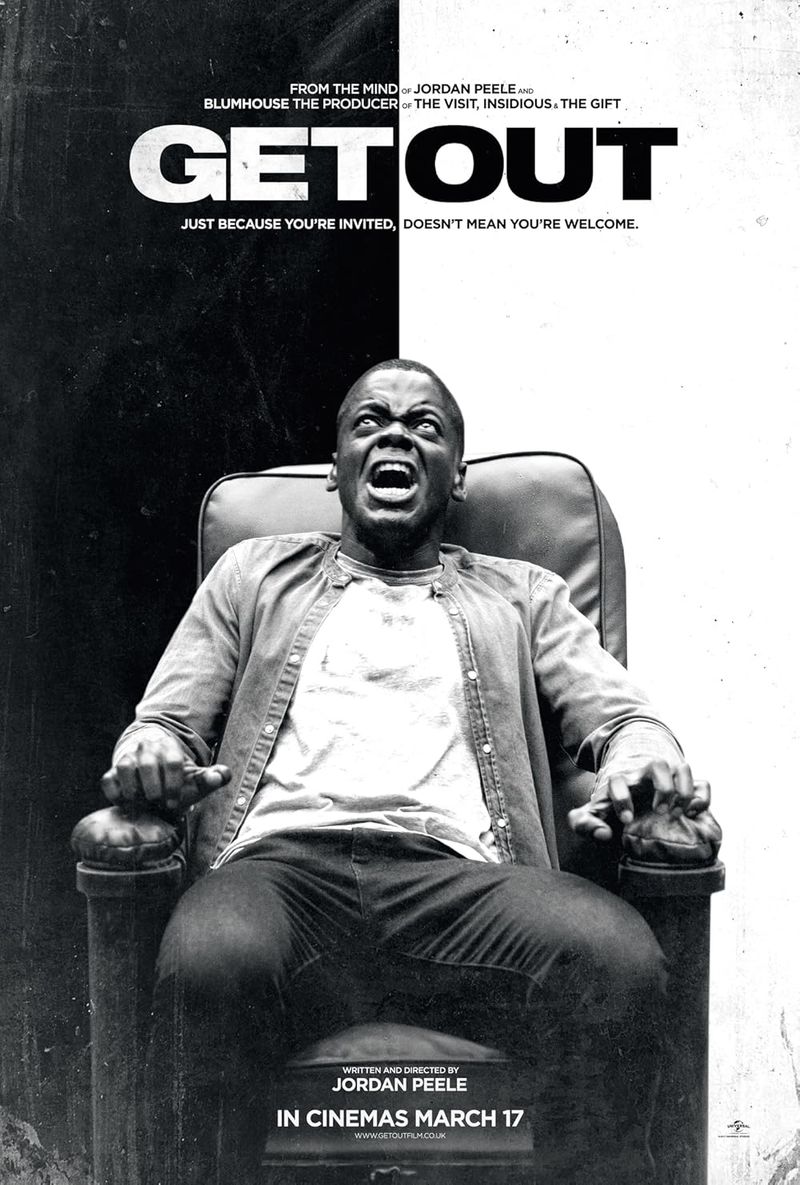
Jordan Peele turned his debut feature film into a cultural event that nobody saw coming.
Get Out follows Chris, a young Black man who visits his white girlfriend’s family estate for the weekend.
What starts as mild social discomfort quietly escalates into something far more sinister and deeply terrifying.
The film works on so many levels simultaneously — as a thriller, as social commentary, and as a genuinely scary horror movie.
Peele draws on real anxieties about race in America and weaponizes them into pure cinematic dread.
Every polite smile and awkward compliment in the film carries a hidden threat beneath it.
Fans celebrate Get Out for doing something rare: using horror to say something genuinely important while still delivering the scares audiences came for.
10. Rosemary’s Baby (1968)
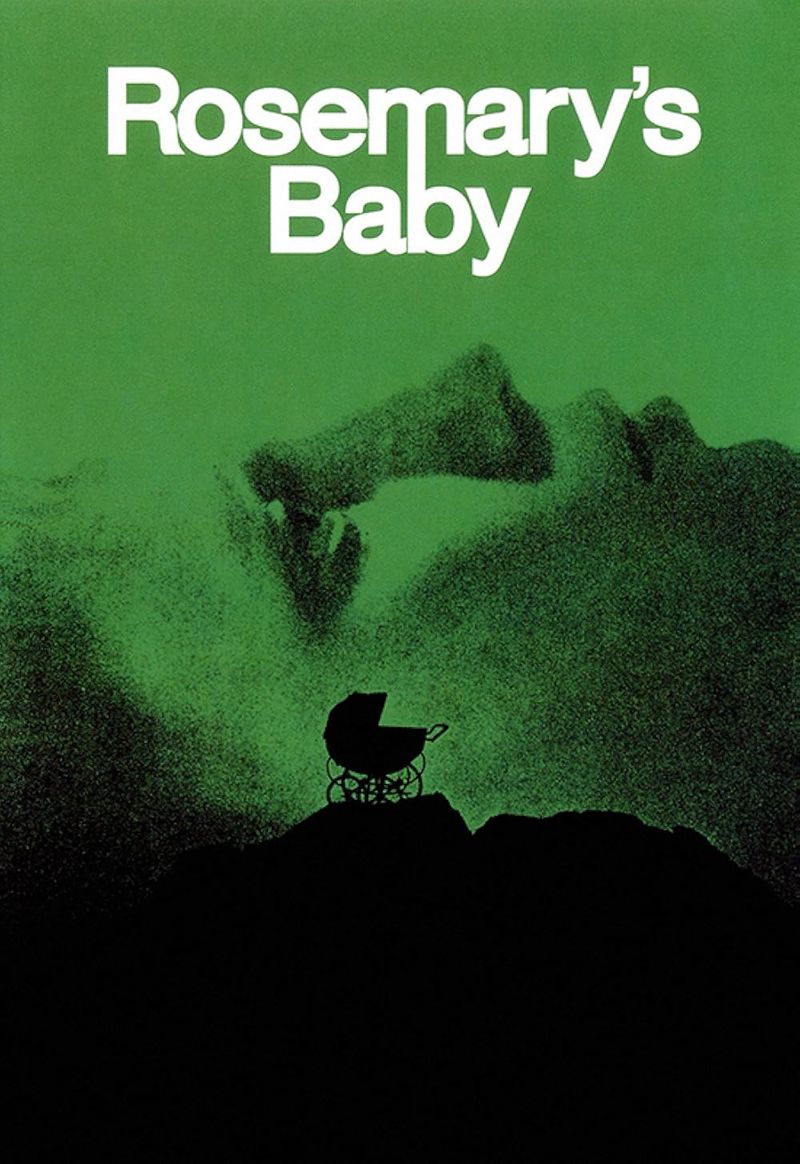
Roman Polanski’s Rosemary’s Baby is a slow-burn nightmare that gets under your skin so gradually you barely notice it happening.
Mia Farrow plays Rosemary, a young woman who moves into a New York City apartment with her ambitious husband and soon finds herself surrounded by disturbingly friendly neighbors.
Something about all of it feels just slightly off.
The horror here is rooted in paranoia and the terrifying idea that the people closest to you might have their own hidden agendas.
Rosemary’s growing suspicions are treated as possible hysteria by everyone around her, which taps into real anxieties about being dismissed and controlled.
That dynamic gives the film a sharp, uncomfortable edge.
Fans point to Rosemary’s Baby as proof that psychological horror can be far more effective than anything overtly shocking.
11. Jaws (1975)
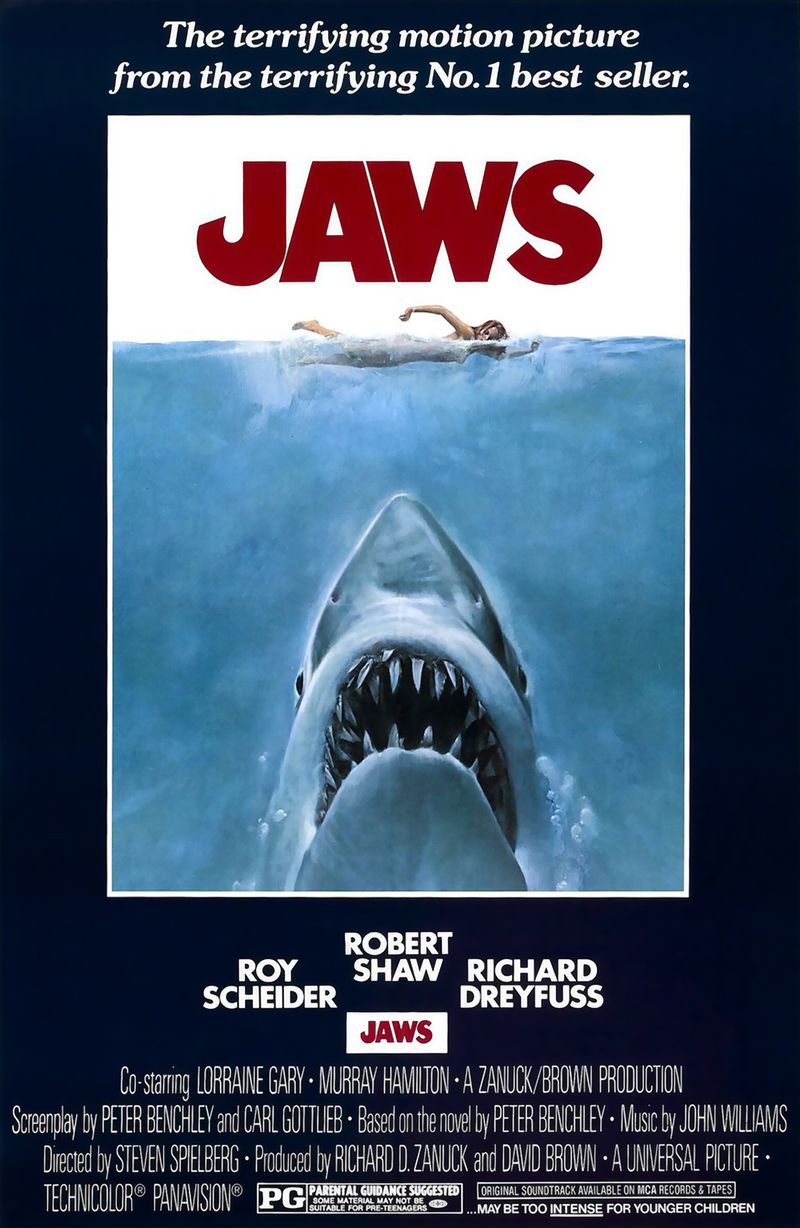
Steven Spielberg was only twenty-six years old when he made Jaws, and the film almost destroyed him before it became one of the biggest hits in Hollywood history.
A massive great white shark begins terrorizing a small beach community, and the town’s police chief, marine biologist, and grizzled fisherman team up to stop it.
Simple premise, extraordinary execution.
The mechanical shark kept breaking down during production, which accidentally forced Spielberg to suggest rather than show the creature — making the film far scarier than it might have been otherwise.
The famous two-note score by John Williams is one of the most effective pieces of tension-building music ever written.
Fans credit Jaws with essentially inventing the modern summer blockbuster while also creating a very real fear of open water in generations of viewers.
12. The Silence of the Lambs (1991)
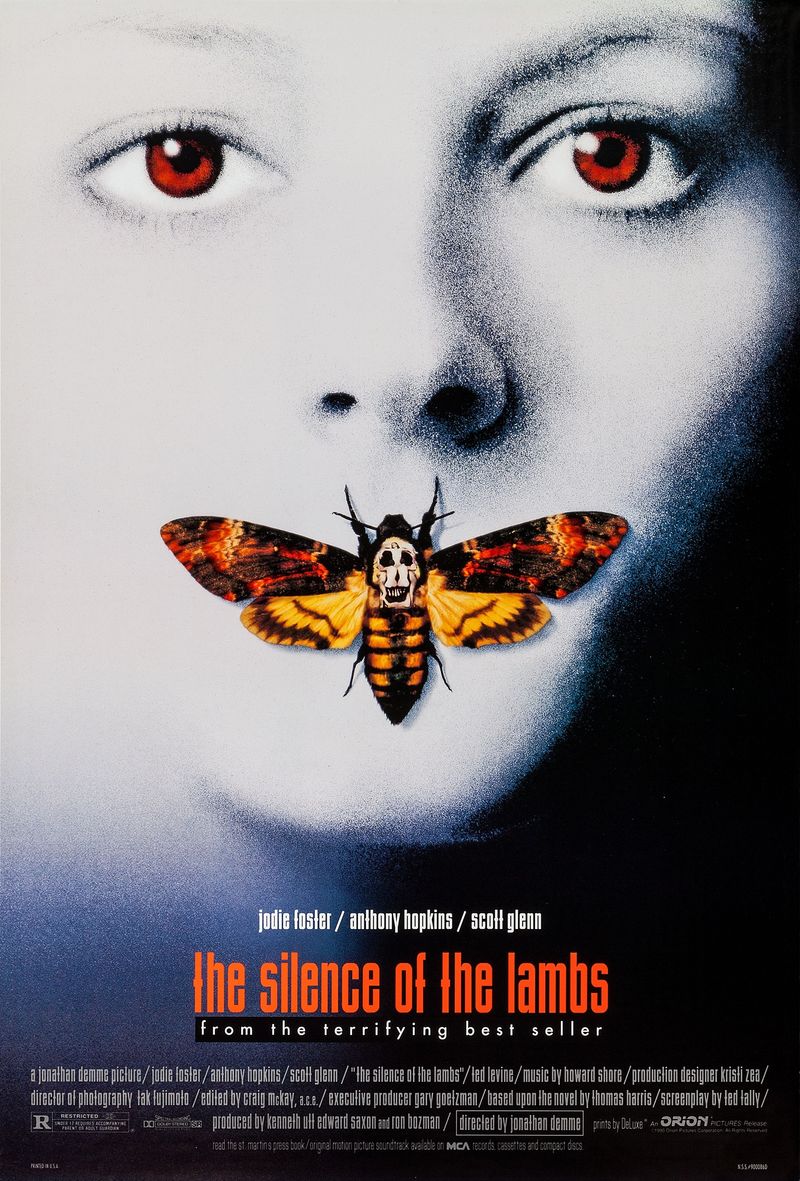
The Silence of the Lambs is one of the very few horror films to win the Academy Award for Best Picture, and it absolutely earned it.
Jodie Foster plays Clarice Starling, a young FBI trainee who must interview the brilliant and terrifying Dr. Hannibal Lecter to help catch another serial killer on the loose.
Every conversation between them feels like walking a tightrope over a very deep drop.
Anthony Hopkins won the Oscar for Best Actor despite appearing on screen for only about sixteen minutes total — a testament to how completely he commands every scene he is in.
Lecter is terrifying not because of what he does, but because of how charming and intelligent he is while doing it.
Fans call it the rare film that is equally a masterpiece of character study and pure, chilling horror.
13. A Nightmare on Elm Street (1984)
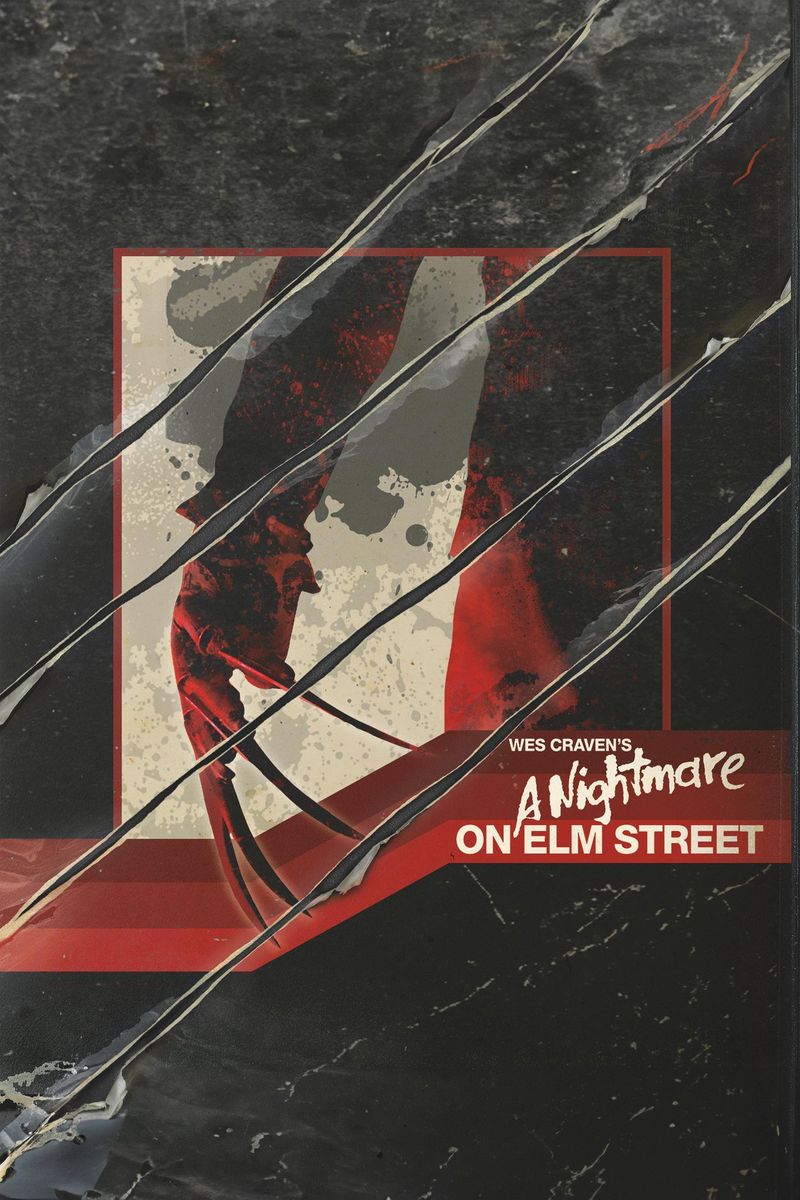
Wes Craven had a genuinely brilliant idea at the core of A Nightmare on Elm Street: what if the place where you go to feel safe — sleep — became the most dangerous place of all?
Freddy Krueger, a burned killer with a glove of razor-sharp blades, hunts teenagers in their dreams.
You cannot escape by waking up; you just bring the nightmare with you.
Robert Englund’s portrayal of Freddy is endlessly watchable — darkly funny, genuinely menacing, and utterly unique among horror villains of his era.
The film also launched the career of a young Johnny Depp, who appears in one of the movie’s most memorable scenes.
Fans adore A Nightmare on Elm Street because it tapped into a universal fear that no other horror film had ever fully explored before.
14. The Blair Witch Project (1999)
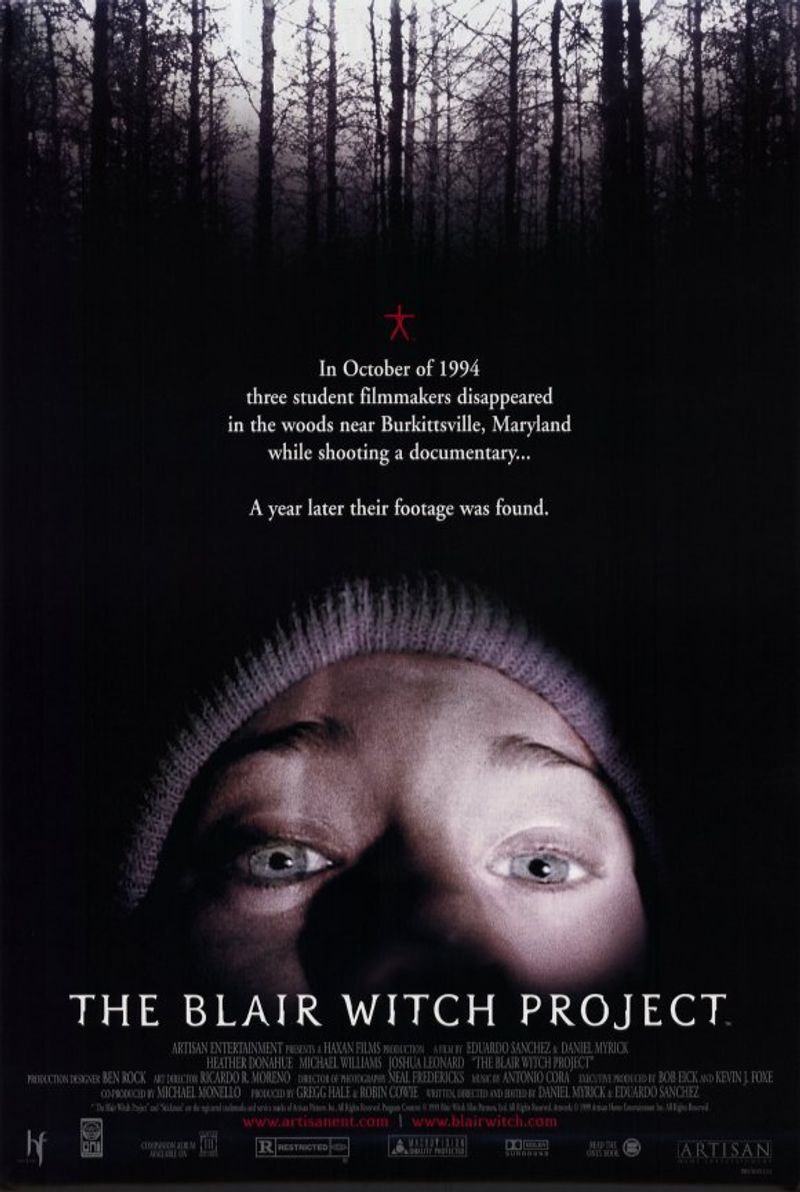
Made for roughly sixty thousand dollars, The Blair Witch Project grossed nearly two hundred fifty million dollars worldwide and permanently changed how horror movies are marketed and made.
Three student filmmakers head into the woods of Maryland to document a local legend and are never seen again — at least, that was the story the marketing team wanted audiences to believe.
Many people genuinely thought the footage was real.
The genius of the film is what it never shows.
There is no monster on screen, no jump scare payoff — just escalating panic, exhaustion, and the creeping certainty that something terrible is closing in.
The performances feel completely authentic because the cast was largely kept in the dark about what would happen each day.
Fans respect The Blair Witch Project for proving that imagination is the most powerful horror tool available.
15. The Witch (2015)
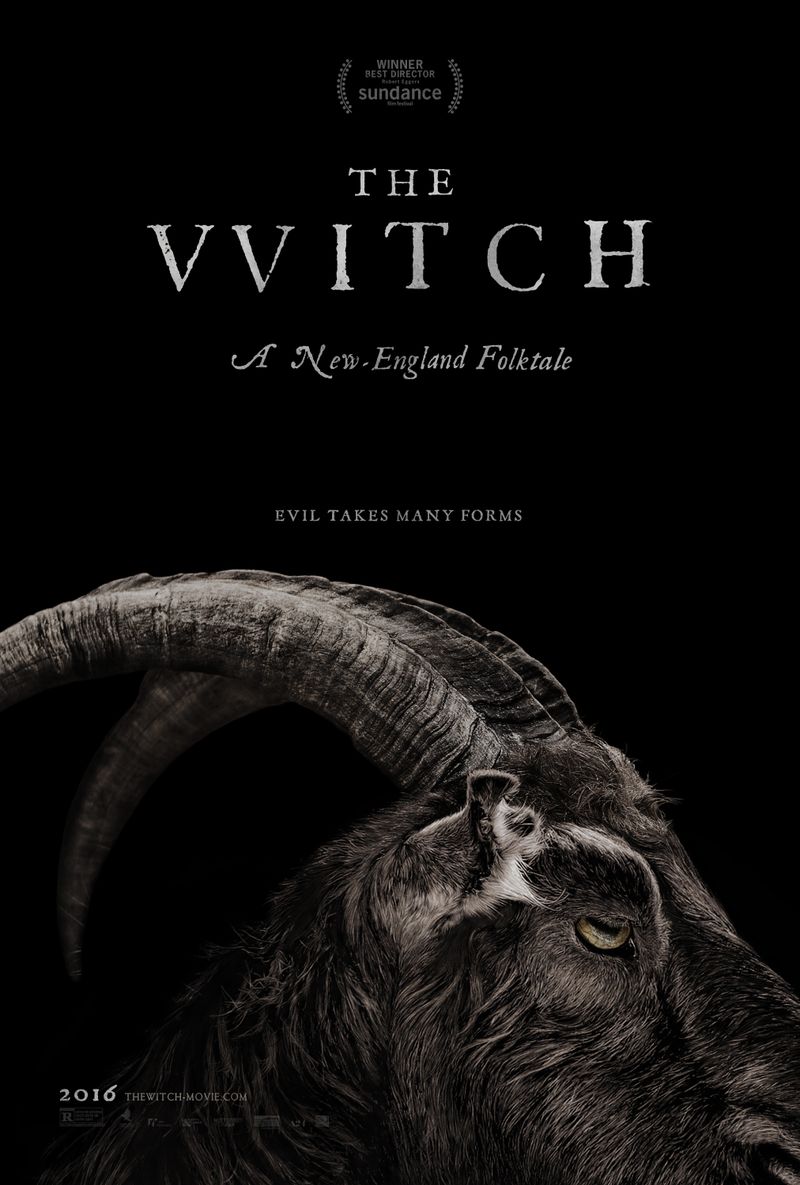
Robert Eggers had never directed a feature film before “The Witch,” yet he delivered one of the most suffocating horror experiences in recent memory.
Set in 1630s New England, the film follows a Puritan family slowly torn apart by paranoia, religious guilt, and something very wrong living in the woods nearby.
What makes it extraordinary is how real it feels.
Eggers used actual historical documents and period-accurate dialogue, which gives every scene an eerie authenticity.
Fans often describe watching it as feeling genuinely trapped.
The ending hits like a cold wave and lingers for days afterward.
16. It Follows (2014)
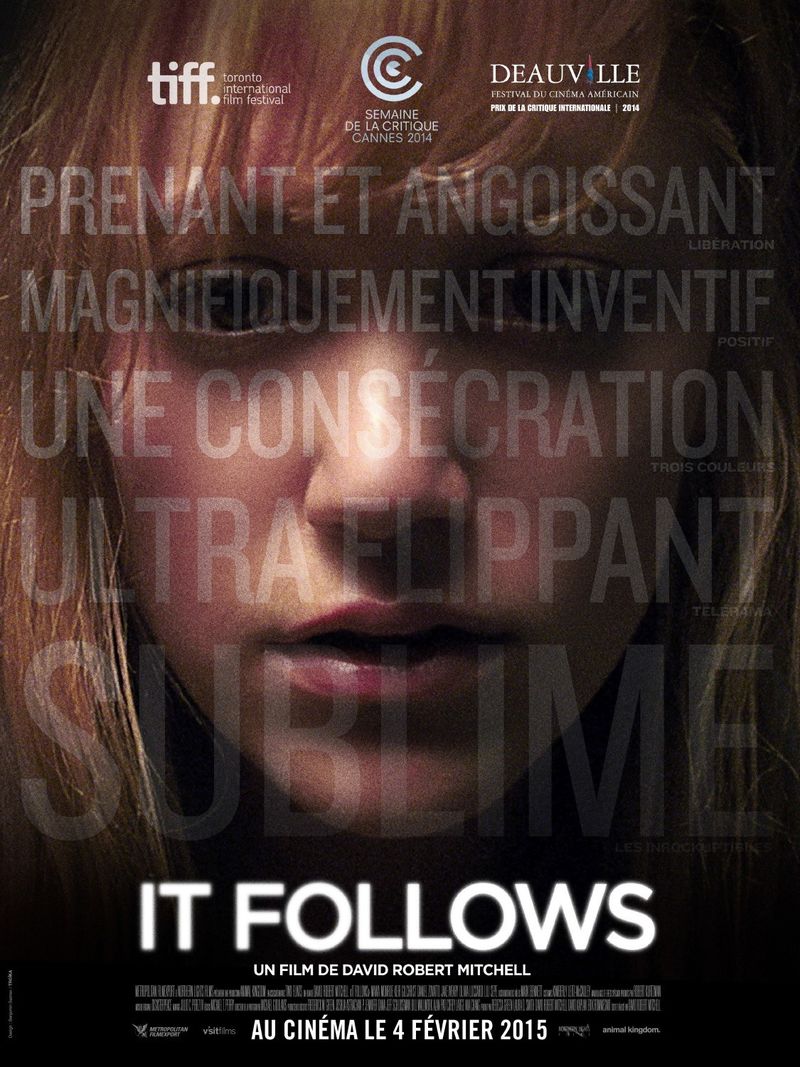
Few modern horror films have conjured such a simple yet deeply unsettling premise as this one.
A supernatural force, passed from person to person, follows its target at a slow and steady walk, never stopping, never rushing.
You can run, but only for so long.
Director David Robert Mitchell turned that creeping dread into something almost poetic.
The film is soaked in a strange, timeless quality – it could be set in the 1980s or today, and that ambiguity makes it feel universal.
Fans praise it for being genuinely scary without relying on cheap jump scares or loud sound effects.
17. Suspiria (1977)
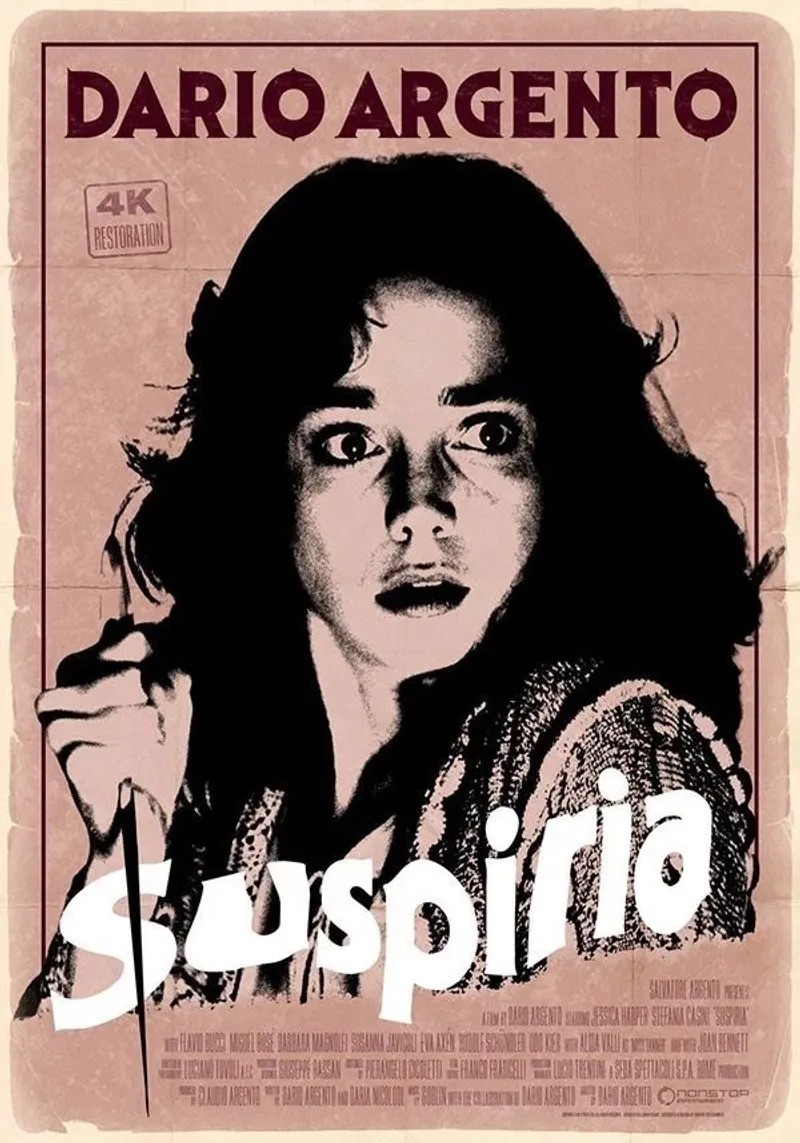
Dario Argento’s “Suspiria” is less a movie and more an assault on the senses.
An American ballet student arrives at a prestigious European dance school and quickly realizes something ancient and evil is hiding behind its glamorous walls.
Logic takes a backseat to atmosphere here, and that is entirely the point.
The film’s neon color palette and pounding Goblin soundtrack create a dreamlike terror that no amount of darkness can match.
Fans who first saw it describe the experience as genuinely disorienting in the best possible way.
It proved horror could be visually stunning while still being deeply, profoundly scary.