 MomSkoop
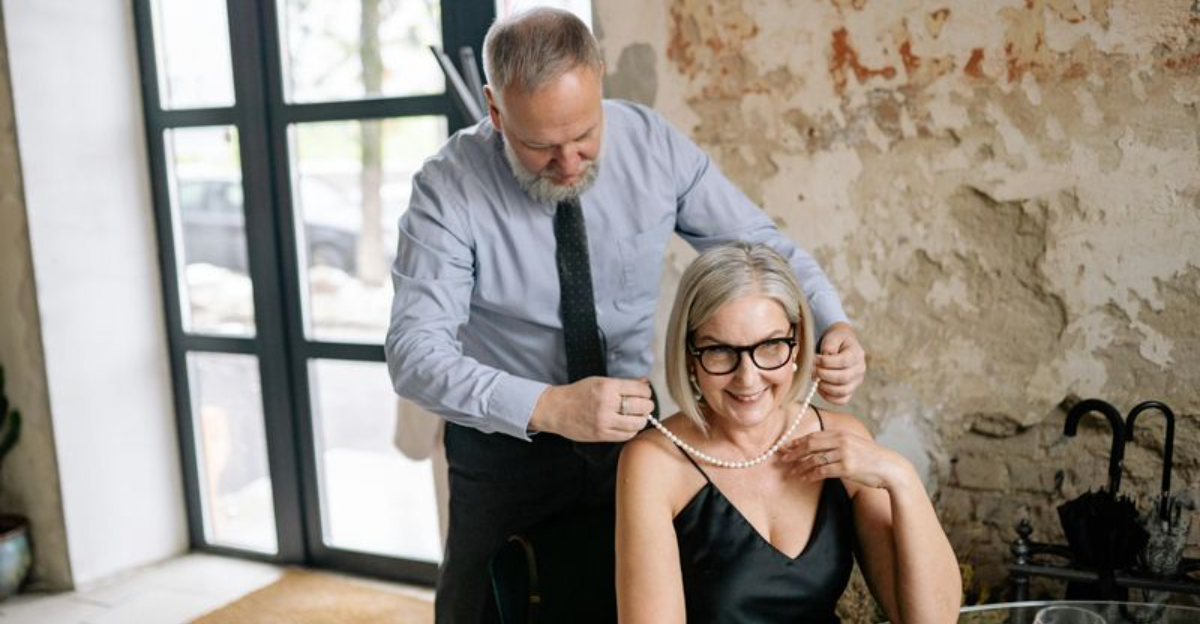
Turning 50 often brings a fresh perspective on what really matters in life, especially when it comes to love and partnership. Many couples find that the habits they carried for decades no longer serve them the way they once did.
By letting go of certain patterns and behaviors, relationships can grow stronger, more fulfilling, and surprisingly more joyful than ever before.
1. Avoiding honest conversations

Sweeping issues under the rug might seem easier in the moment, but it creates invisible walls between partners.
Choosing silence over clarity often builds resentment instead of peace.
When difficult topics go unaddressed, they don’t disappear—they fester and grow into bigger problems.
After 50, many couples realize that time is too precious to waste on unspoken frustrations.
Opening up about feelings, needs, and concerns can feel vulnerable, but it’s also deeply healing.
Honest conversations create a foundation of trust that makes everything else easier.
Partners who communicate openly tend to feel more connected and less alone.
Even uncomfortable discussions can strengthen the bond when handled with care and respect.
Transparency becomes the glue that holds relationships together through life’s challenges.
2. Assuming your partner should know what you need

Mind reading sounds romantic, but it’s a setup for disappointment.
No matter how long you’ve been together, your partner can’t always guess what’s going on inside your head.
Clear communication beats unspoken expectations every time, especially as life becomes more complex after 50.
People change over the years, and so do their needs and desires.
What made you happy at 30 might not satisfy you at 55.
Instead of waiting for your partner to figure it out, speaking up directly saves both of you unnecessary confusion and hurt.
Asking for what you need isn’t demanding—it’s respectful and mature.
It gives your partner the chance to show up for you in meaningful ways.
When both people communicate their needs openly, the relationship becomes a place of clarity and mutual support.
3. Keeping score of past mistakes

Holding onto a mental tally of who did what wrong turns love into a competition nobody wins.
Relationships improve when issues are addressed, not archived and reused as ammunition during future arguments.
Bringing up old wounds repeatedly prevents healing and keeps couples stuck in negative cycles.
After 50, carrying decades of grievances can weigh heavily on both partners.
Forgiveness doesn’t mean forgetting or excusing bad behavior—it means choosing to move forward without dragging the past into every conversation.
Letting go of scorekeeping creates space for growth and renewal.
Couples who release old resentments often report feeling lighter and more hopeful.
They focus on the present moment rather than rehashing ancient history.
This shift allows the relationship to breathe and evolve into something healthier and more joyful.
4. Putting everyone else ahead of the relationship
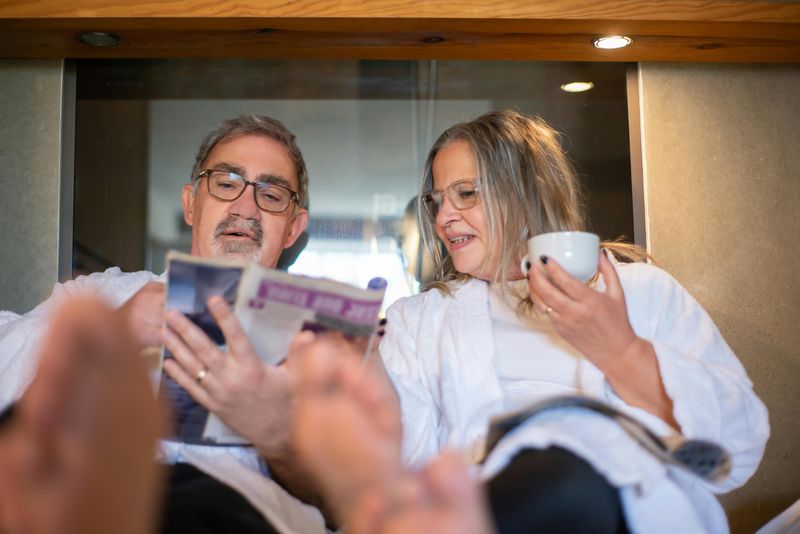
Work demands, aging parents, adult children, and endless obligations can easily push your partnership to the back burner.
Constantly prioritizing everything else can erode intimacy and leave both people feeling disconnected.
After 50, many couples realize they’ve been living parallel lives instead of shared ones.
Making time for each other doesn’t mean neglecting responsibilities—it means recognizing that your relationship deserves attention too.
Even small gestures like a weekly date night or a morning coffee together can rebuild closeness.
When the relationship gets nurtured, it becomes a source of strength for handling life’s demands.
Partners who prioritize their connection report greater satisfaction and resilience.
They understand that a strong relationship supports everything else they care about.
Choosing each other, even amid chaos, is a powerful act of love.
5. Reacting defensively instead of listening

When your partner brings up a concern, the instinct to defend yourself can kick in fast.
But listening to understand—not to win—changes the tone of conflict completely.
Defensiveness shuts down communication and makes the other person feel unheard and dismissed.
After 50, many people find that they’re tired of fighting the same battles over and over.
Taking a breath and truly hearing your partner’s perspective can defuse tension and open the door to real solutions.
It’s not about admitting defeat; it’s about valuing connection over being right.
Couples who master this skill experience fewer arguments and deeper understanding.
They create a safe space where both people feel respected and valued.
Listening with an open heart transforms disagreements into opportunities for growth and intimacy.
6. Trying to fix instead of empathize

Jumping in with solutions when your partner shares a problem can feel helpful, but it often misses the mark.
Many moments call for understanding, not solutions.
Sometimes people just need to be heard and validated rather than handed a to-do list.
After 50, emotional intelligence becomes more important than ever.
Recognizing when to listen quietly and when to offer advice takes practice and awareness.
Empathy creates emotional intimacy that fixing problems alone can never achieve.
Partners who feel truly understood are more likely to open up and share vulnerably.
They know their feelings matter, not just the outcome of the situation.
This shift from problem-solving to emotional presence deepens the bond and builds lasting trust between two people who’ve weathered life together.
7. Holding onto rigid roles and outdated expectations

Who does the cooking, who handles the finances, who makes the plans—these roles often get set early in a relationship.
But relationships evolve, and flexibility strengthens connection.
Clinging to rigid expectations can create frustration when circumstances or abilities change over time.
After 50, retirement, health changes, or shifting interests can make old patterns feel outdated or unfair.
Being willing to renegotiate roles shows respect and adaptability.
It allows both partners to grow and contribute in new ways that feel more balanced and meaningful.
Couples who embrace flexibility report feeling more like teammates and less like adversaries.
They adjust to life’s changes together rather than resisting them.
This willingness to evolve keeps the relationship fresh, fair, and full of mutual respect.
8. Avoiding vulnerability

Showing your true feelings can feel risky, especially if you’ve spent years building emotional walls.
But emotional openness deepens trust, especially later in life.
Vulnerability isn’t weakness—it’s courage that invites your partner to know and love the real you.
After 50, many people discover that pretending to be strong all the time is exhausting and lonely.
Sharing fears, hopes, and insecurities creates intimacy that surface-level interactions can’t match.
When both partners allow themselves to be seen, the relationship becomes a safe haven.
Couples who practice vulnerability report feeling more connected and less isolated.
They stop performing and start truly relating to each other.
This authenticity transforms the partnership into something deeper, richer, and far more satisfying than ever before.
9. Letting routines replace intentional connection

Dinner at six, TV at seven, bed by ten—routines provide comfort and structure.
But habits without intention slowly distance partners.
When every day looks the same, relationships can start to feel more like roommate arrangements than romantic partnerships.
After 50, breaking out of autopilot mode can breathe new life into a relationship.
It doesn’t require grand gestures—small acts of intentionality like asking meaningful questions or trying something new together make a difference.
Connection requires attention and effort, not just proximity.
Couples who prioritize intentional moments report feeling more alive and engaged with each other.
They rediscover curiosity and playfulness that routine had buried.
Choosing presence over habit transforms ordinary days into opportunities for deeper love and appreciation.
10. Expecting happiness to come from your partner alone

Placing the responsibility for your happiness entirely on your partner creates an unfair burden.
Shared joy grows when both people take responsibility for their own fulfillment.
After 50, discovering or rediscovering personal passions enriches not just your life but your relationship too.
When you bring your own sense of purpose and contentment to the partnership, you have more to offer.
You become more interesting, more energized, and less dependent on your partner to fill every emotional need.
This independence paradoxically creates a healthier, more balanced connection.
Couples who maintain individual interests alongside shared ones tend to appreciate each other more.
They avoid the trap of codependency and instead celebrate each other’s growth.
This approach creates a relationship built on mutual enhancement rather than neediness.
11. Taking the relationship for granted

Familiarity can breed complacency, making it easy to stop saying thank you or noticing the little things your partner does.
Appreciation and effort matter at every stage of life.
After 50, expressing gratitude can reignite feelings that years of routine may have dulled.
Acknowledging your partner’s contributions—big or small—reminds both of you why you’re together.
Simple acts like saying thank you, leaving a loving note, or planning a surprise show that you still care.
These gestures combat the erosion that taking each other for granted creates.
Couples who actively appreciate each other report higher satisfaction and deeper affection.
They don’t wait for special occasions to express love and gratitude.
Making appreciation a daily practice keeps the relationship vibrant, valued, and full of warmth.