 MomSkoop
Hollywood has a funny way of making stars shine bright and then shifting the spotlight without warning. Some actors land a massive hit that puts them on every magazine cover and talk show, only to find that the leading roles slow down after that peak moment.
Whether by choice or circumstance, many well-known performers ended up stepping back from the front of the marquee. Their stories are fascinating, surprising, and sometimes deeply human.
1. Linda Blair – The Exorcist (1973)
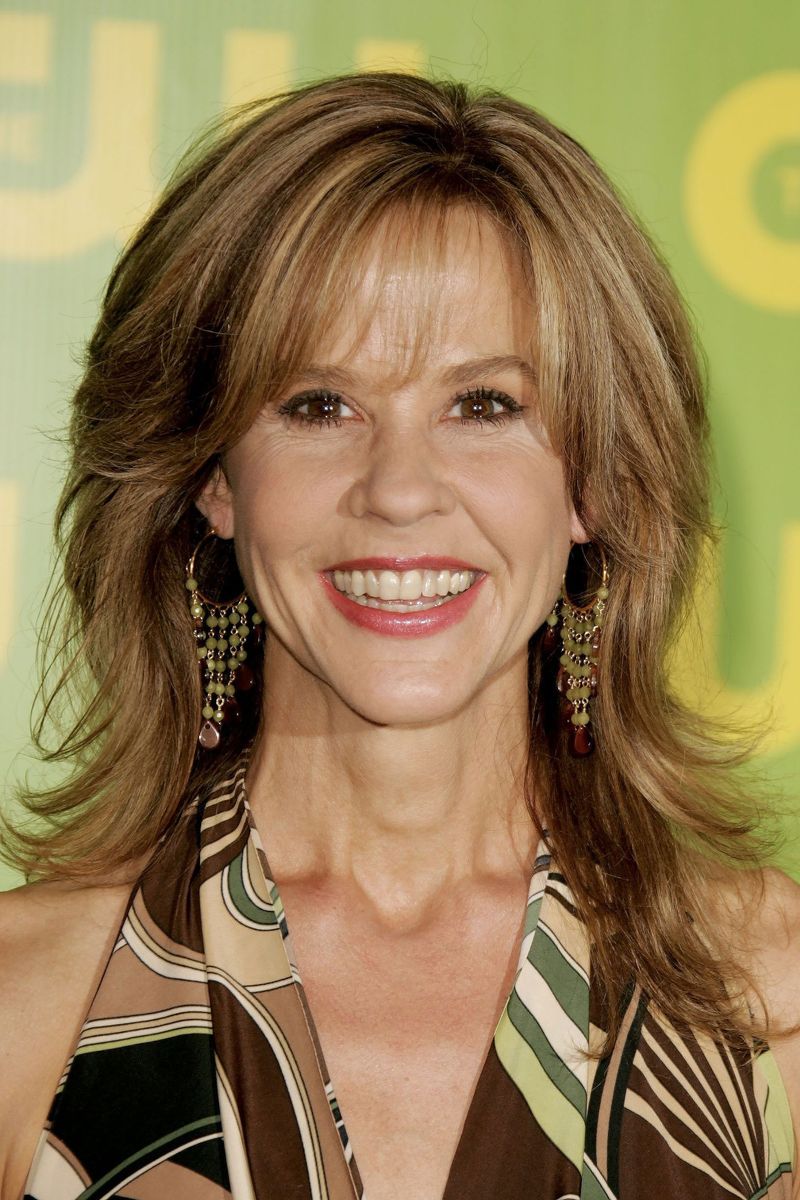
Few film debuts have ever shaken audiences quite like Linda Blair’s turn in The Exorcist.
At just 14 years old, she delivered one of the most terrifying performances in cinema history, earning an Academy Award nomination in the process.
The film became a cultural phenomenon almost overnight.
After that kind of explosive introduction, finding a follow-up that matched the intensity was nearly impossible.
Blair continued working steadily in horror films and television throughout the late 1970s and 1980s.
But major studio productions with her name above the title became increasingly rare.
Her story is a reminder that sometimes a role is so defining it becomes both a gift and a ceiling at the same time.
2. Brandon Routh – Superman Returns (2006)
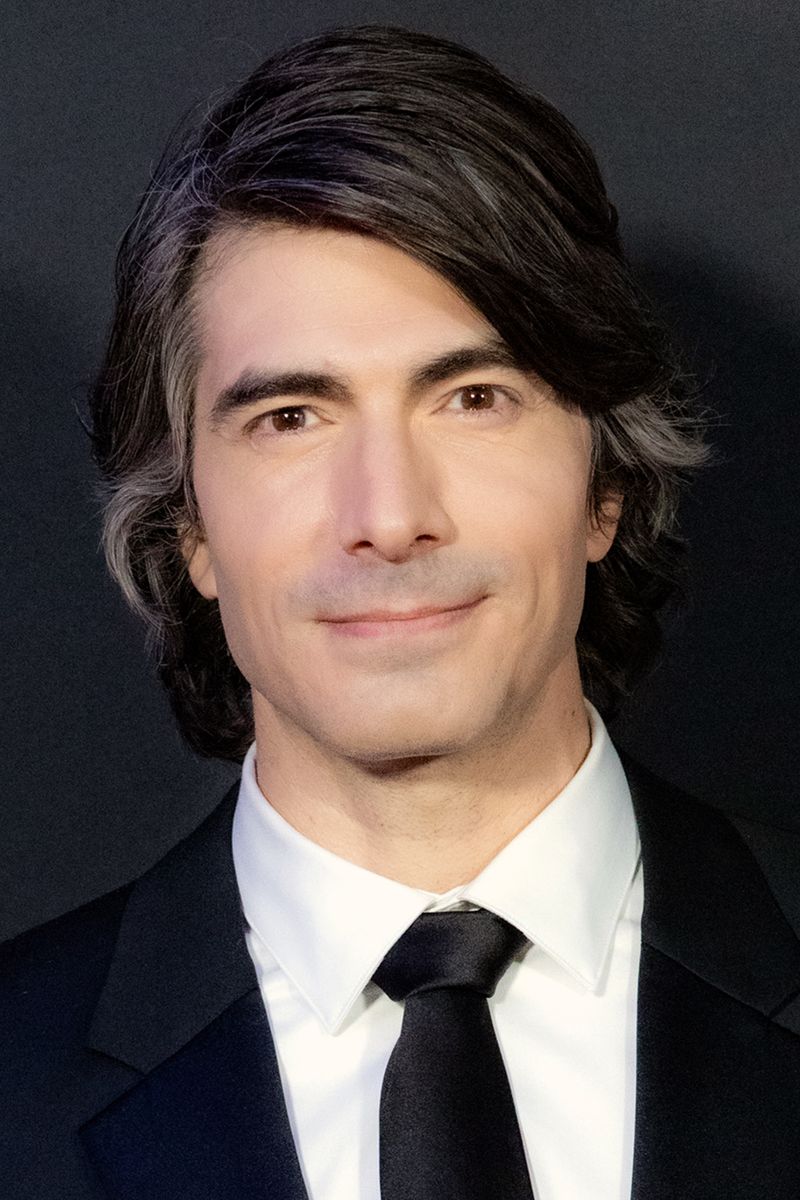
Brandon Routh had one of the most pressure-filled debuts imaginable.
Stepping into the iconic red cape as Superman in 2006, he carried the weight of an entire franchise’s legacy on his shoulders.
Critics gave him credit for the performance, even if the film itself received a mixed reception.
The problem was the box office.
Superman Returns did not perform well enough to launch a new series of films, leaving Routh without the franchise momentum that often fuels a leading man’s career.
He found success later through ensemble television, particularly as Ray Palmer on Legends of Tomorrow.
It was a different kind of stardom, but a loyal fanbase followed him there all the same.
3. Taylor Kitsch – John Carter (2012)
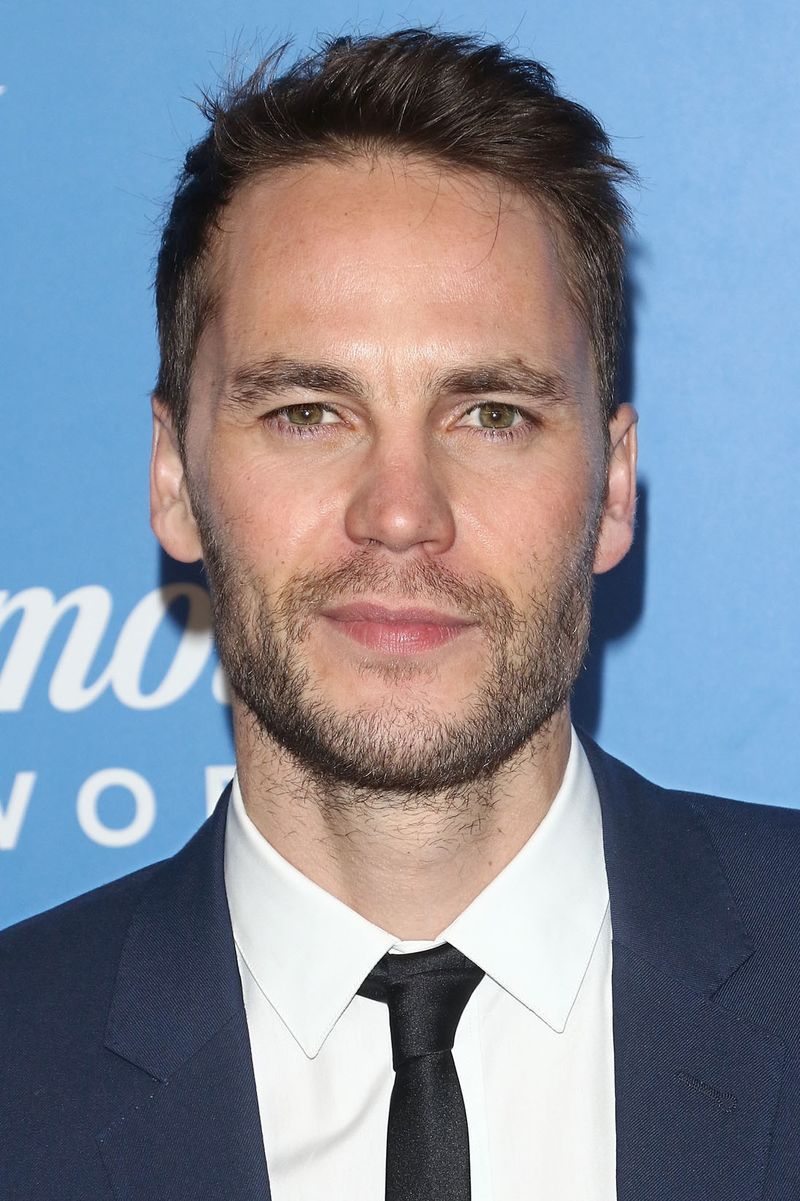
Taylor Kitsch had already won fans as Tim Riggins on the beloved TV series Friday Night Lights, so Hollywood had high hopes when he was cast as the lead in John Carter.
The film was one of the most expensive productions in Disney history at the time of its release.
When it flopped at the box office, losing an estimated 200 million dollars, the fallout was significant.
Kitsch found himself associated with one of Hollywood’s most famous financial disasters, which made studios hesitant to hand him the keys to another major franchise.
He moved toward supporting roles and limited series work, showing real range as an actor but rarely returning to the top-billed position that John Carter was meant to cement.
4. Alicia Silverstone – Clueless (1995)
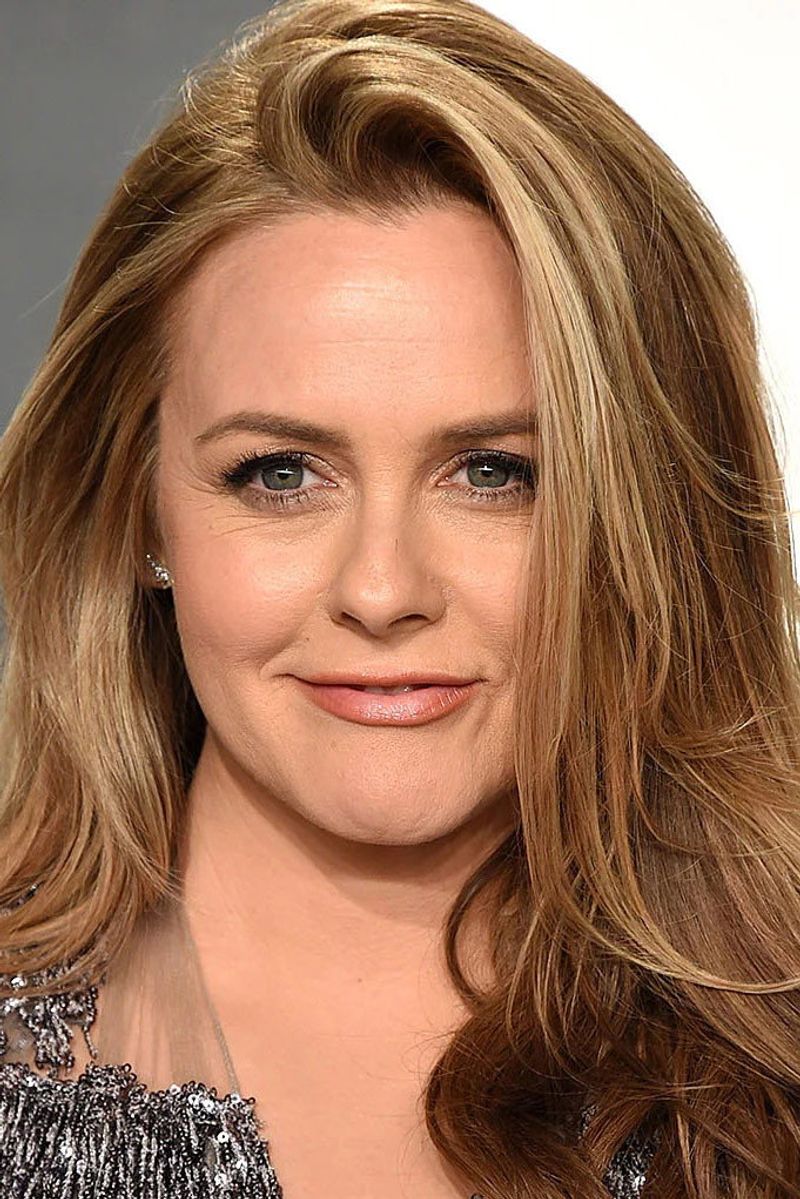
Nobody owned the 1990s quite like Alicia Silverstone did after Clueless hit theaters.
Her portrayal of Cher Horowitz was sharp, funny, and surprisingly layered, turning what could have been a shallow comedy into a genuinely beloved film.
She became the face of a generation almost instantly.
Studio offers poured in, and her follow-up film Batman and Robin arrived just two years later.
But the critical response was brutal, and the momentum from Clueless began to fade faster than anyone expected.
Silverstone never disappeared from acting, but major theatrical leads became less frequent over time.
She found a comfortable home in television and independent projects, proving her talent outlasted the wave that first carried her to fame.
5. Sam Worthington – Avatar (2009)
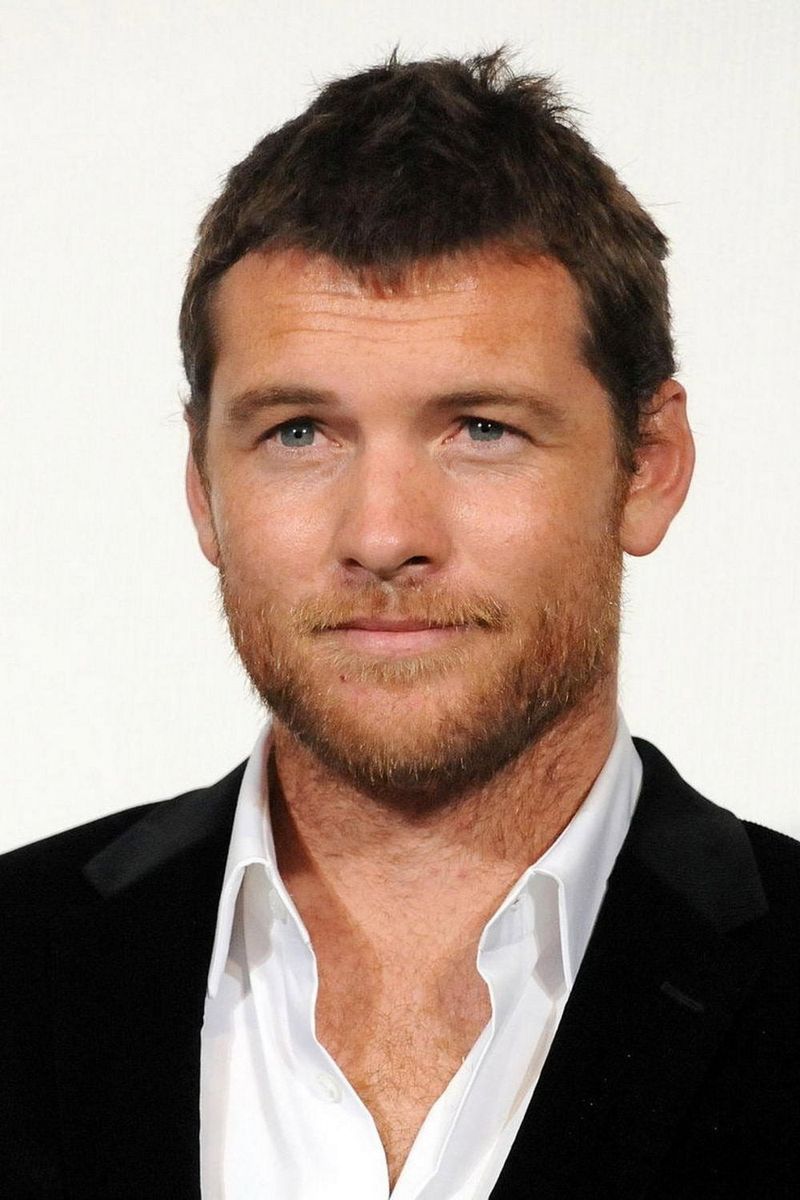
Sam Worthington starred in the highest-grossing film ever made at the time of its release.
Avatar was a global sensation, and his face was plastered on screens around the world in late 2009.
By any measure, he had arrived at the top of the Hollywood food chain.
What followed was a string of films that performed respectably but never quite matched that peak.
Clash of the Titans, Wrath of the Titans, and Man on a Ledge all came and went without establishing him as a bankable lead outside the Avatar universe.
He remained active and returned for Avatar sequels, but the years between those films saw him quietly accepting fewer high-profile starring opportunities, letting the work speak rather than chasing the spotlight.
6. Leelee Sobieski – Joan of Arc (1999)

Leelee Sobieski was being called the next Helen Hunt and the next Jodie Foster before she was even 20 years old.
Her performance in the TV miniseries Joan of Arc earned her a Golden Globe nomination and put her on the radar of every major studio in Hollywood.
She followed that with strong work in Eyes Wide Shut and other films, building a resume that pointed toward a long career at the top.
But somewhere along the way, the trajectory changed.
The leading roles slowed, and Sobieski became more selective about her projects.
By the early 2010s, she had largely stepped away from acting altogether, eventually retiring from the profession.
Her brief but impressive run remains one of the more intriguing what-ifs in modern Hollywood history.
7. Josh Hartnett – Pearl Harbor (2001)
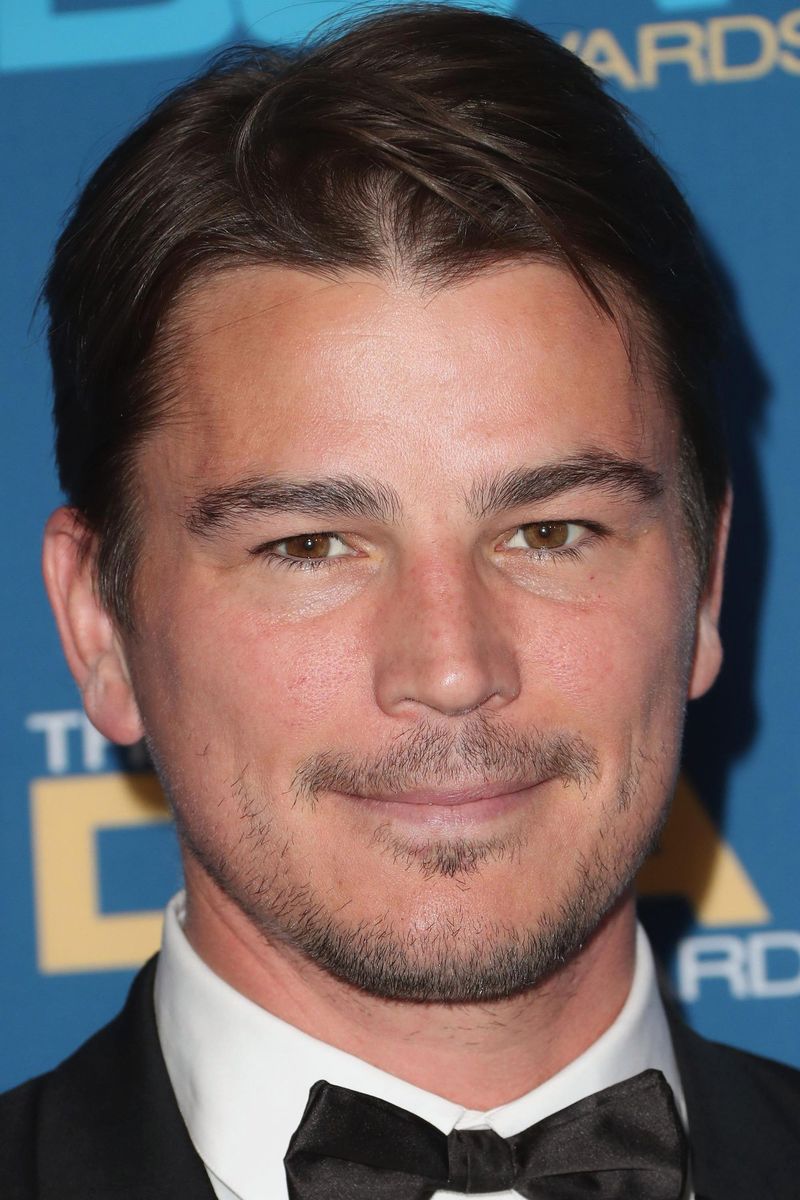
At the turn of the millennium, Josh Hartnett was everywhere.
Pearl Harbor and Black Hawk Down both hit in the same year, making him one of the most talked-about young actors in Hollywood.
Magazines named him one of the sexiest men alive, and studios were lining up to cast him.
Then he did something unexpected: he started saying no. Hartnett has spoken openly about turning down major roles, including parts in blockbuster franchises, because he wanted to protect his artistic integrity.
It was a bold choice that surprised many industry insiders.
He shifted toward independent films and eventually television, earning critical praise for his work on Penny Dreadful.
His career became quieter by design, not by accident, which makes his story genuinely refreshing.
8. Geena Davis – Thelma and Louise (1991)
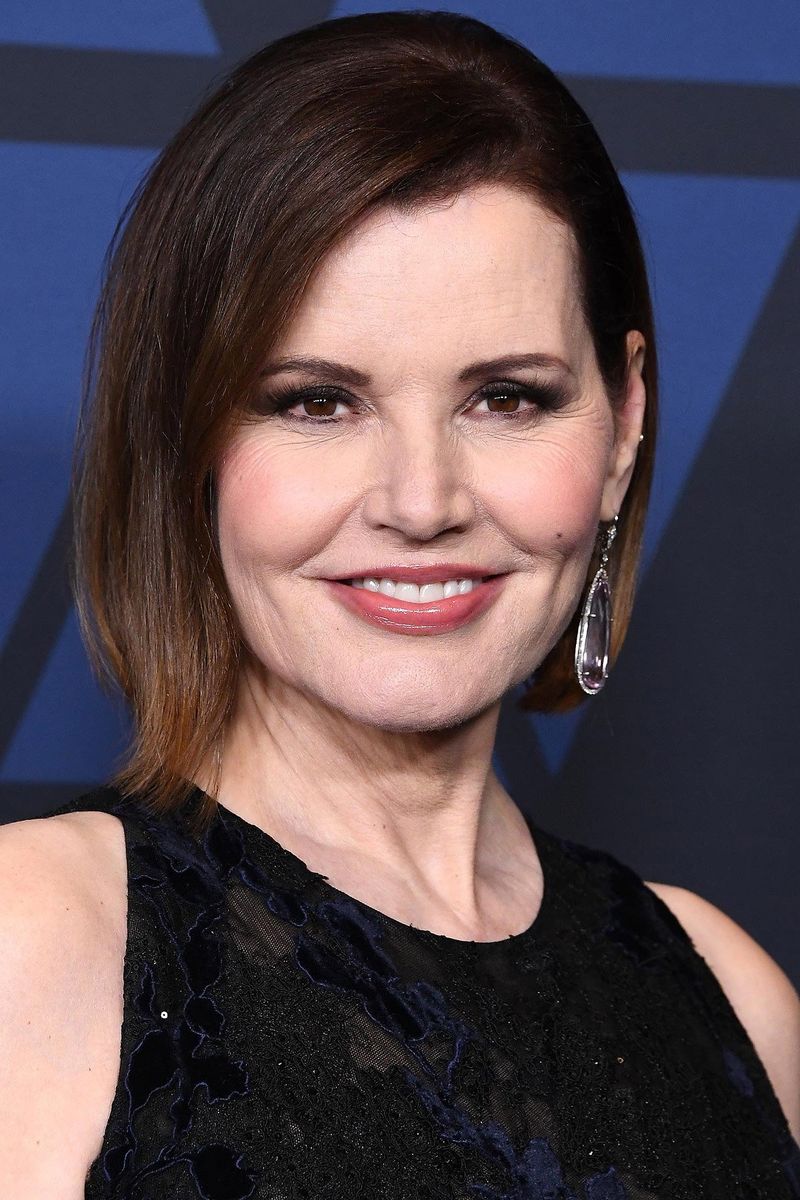
Thelma and Louise was a landmark film, and Geena Davis was at the center of it.
The road movie became a feminist touchstone, and Davis earned an Academy Award nomination for her unforgettable performance.
Coming off her Oscar win for The Accidental Tourist and the hit A League of Their Own, she seemed unstoppable.
But the mid-to-late 1990s brought some high-profile misfires, including Cutthroat Island and The Long Kiss Goodnight.
While both have developed cult followings over time, neither performed well enough to keep her at the top of studio casting lists.
Davis remained active and became a powerful advocate for gender equality in media.
Her legacy grew larger in many ways, even as the leading film roles became less frequent after that remarkable early peak.
9. Michael Beck – The Warriors (1979)
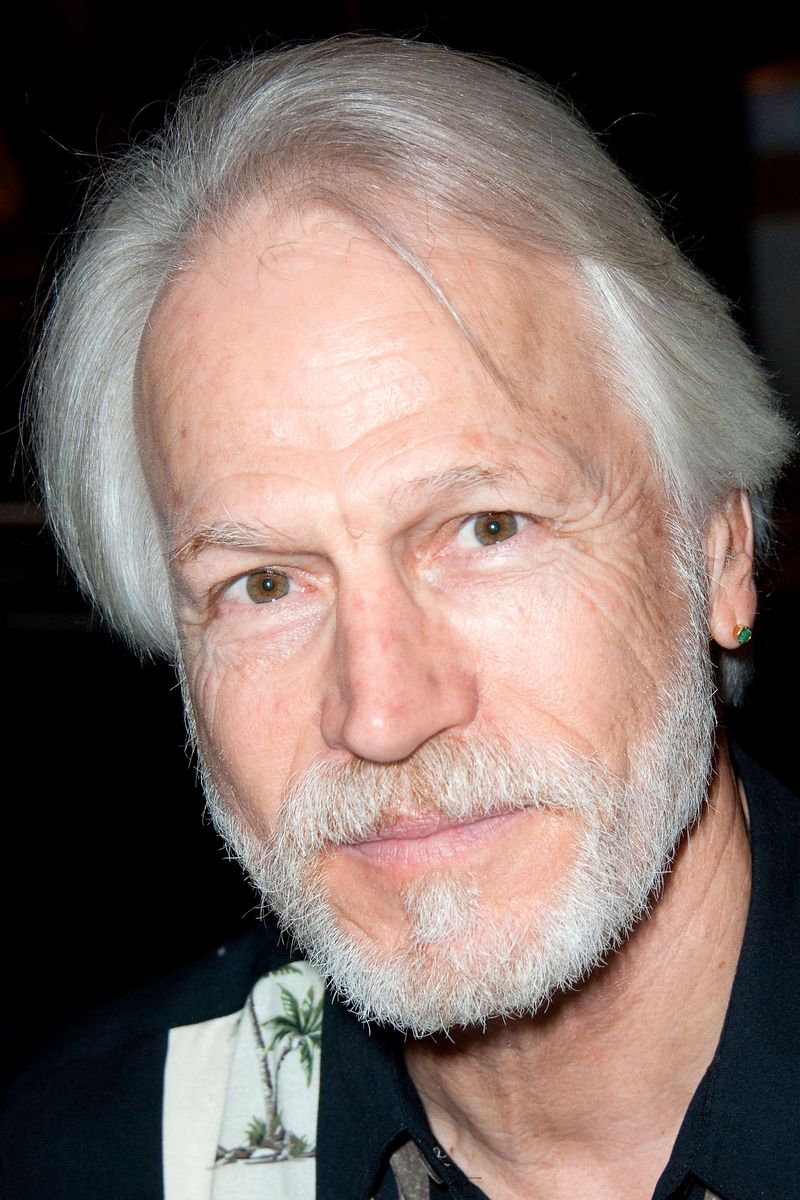
The Warriors is one of those films that only gets more beloved with time.
Michael Beck played Swan, the cool and quietly commanding leader of the Warriors, and he did it with a magnetic screen presence that had audiences rooting for him from the first frame.
The film became an instant cult classic.
Expectations were high for what Beck would do next.
He starred in Xanadu alongside Olivia Newton-John, but the film was savaged by critics and failed to build on the momentum from The Warriors.
After that, major studio leading roles became hard to come by.
Beck continued working in television and smaller projects, but he never quite recaptured the cultural buzz that surrounded him in that brief, electric window of the late 1970s.
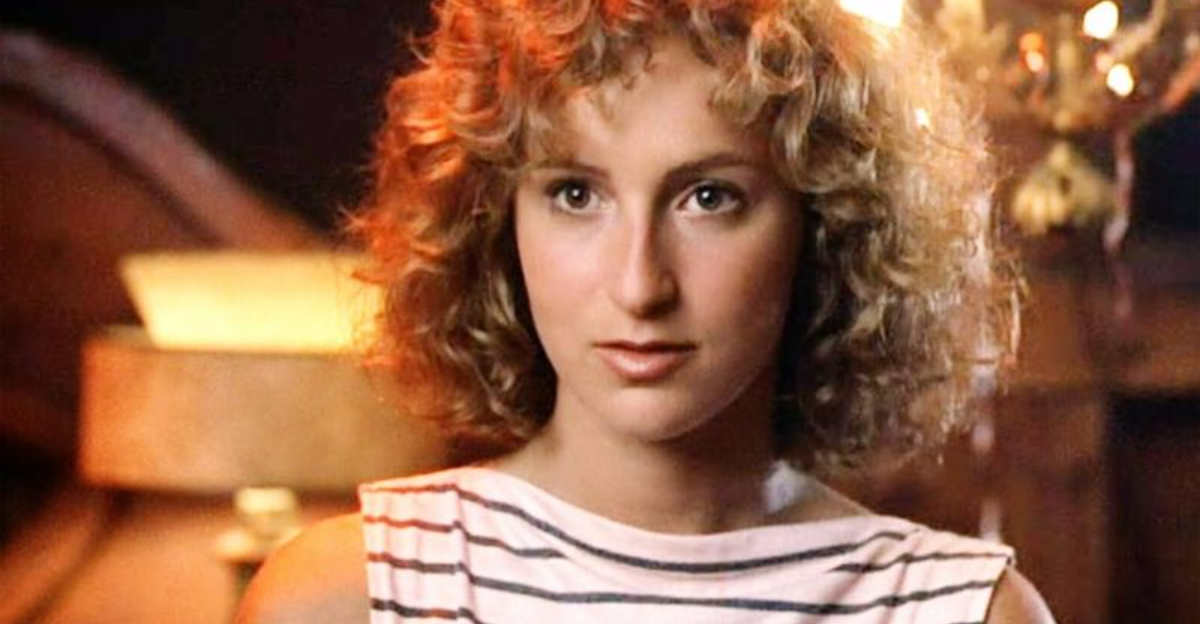
10. Jennifer Grey – Dirty Dancing (1987)
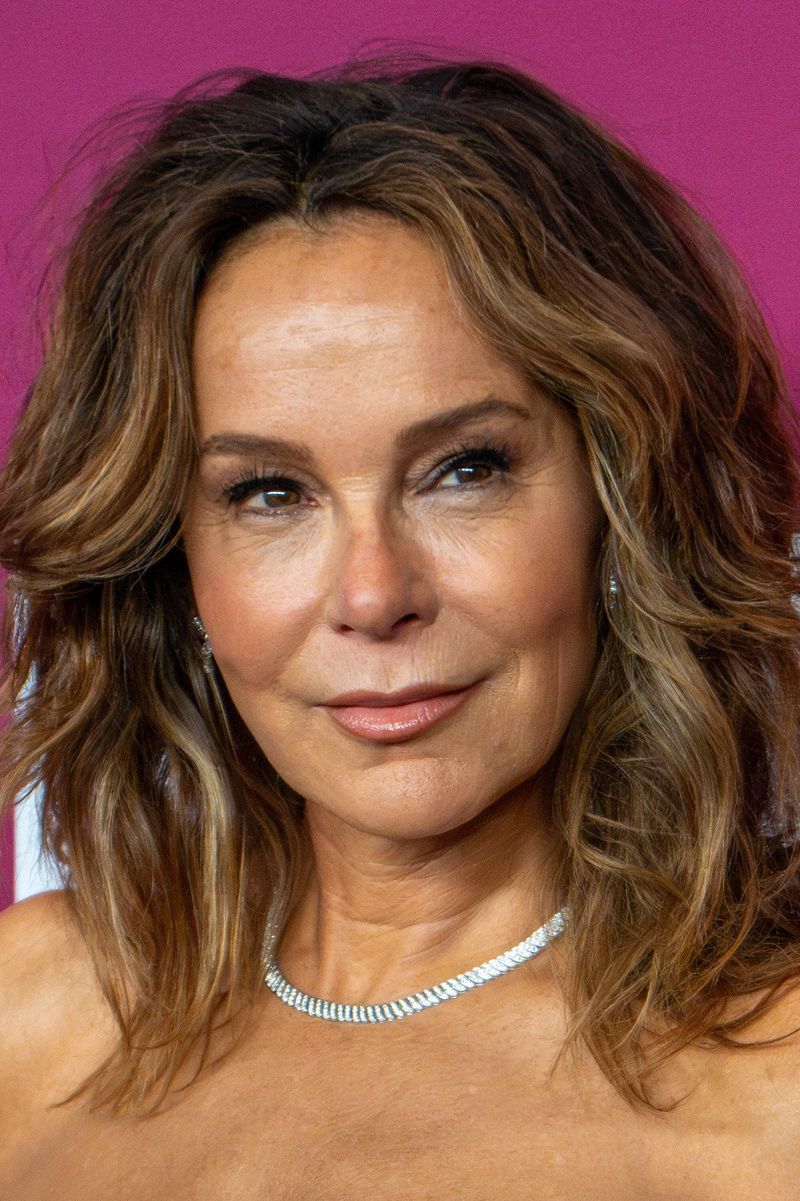
Nobody puts Baby in a corner, and nobody who saw Dirty Dancing in 1987 forgot Jennifer Grey.
Her chemistry with Patrick Swayze was electric, and the film became one of the defining pop culture moments of the decade.
The soundtrack sold millions, and Grey became a household name almost overnight.
What came next, though, was complicated.
Grey later spoke about undergoing a nose job that left her looking different enough that audiences and casting directors struggled to recognize her.
She has described the experience as deeply disorienting, both personally and professionally.
She continued acting in film and television over the years, but the leading roles in major theatrical releases never came back with the same frequency.
Her talent was never in question, only the circumstances surrounding it.
11. Haley Joel Osment – The Sixth Sense (1999)
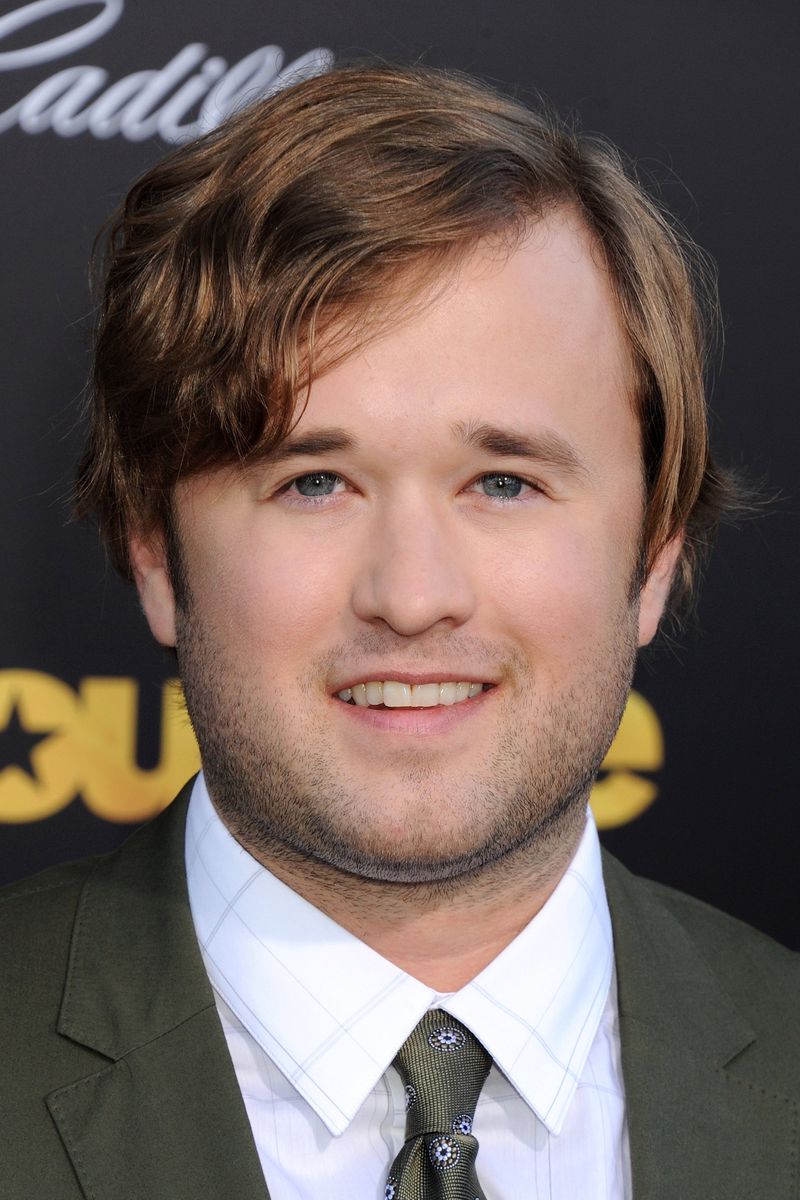
I see dead people.
Those four words, delivered by a wide-eyed Haley Joel Osment, became one of the most quoted lines in film history.
His performance in The Sixth Sense earned him an Academy Award nomination at just 11 years old, making him one of the most celebrated child actors of his generation.
Growing up in the spotlight is never easy, and the transition from child star to adult actor is one of Hollywood’s most difficult journeys.
Osment navigated it with quiet determination, taking on supporting roles in films and television rather than chasing the blockbuster lead roles that once seemed inevitable.
His adult work, including projects like Silicon Valley, earned him genuine respect.
But the days of carrying a major studio film on his own shoulders became a chapter of the past rather than the present.
12. Mark Hamill – Star Wars (1977)
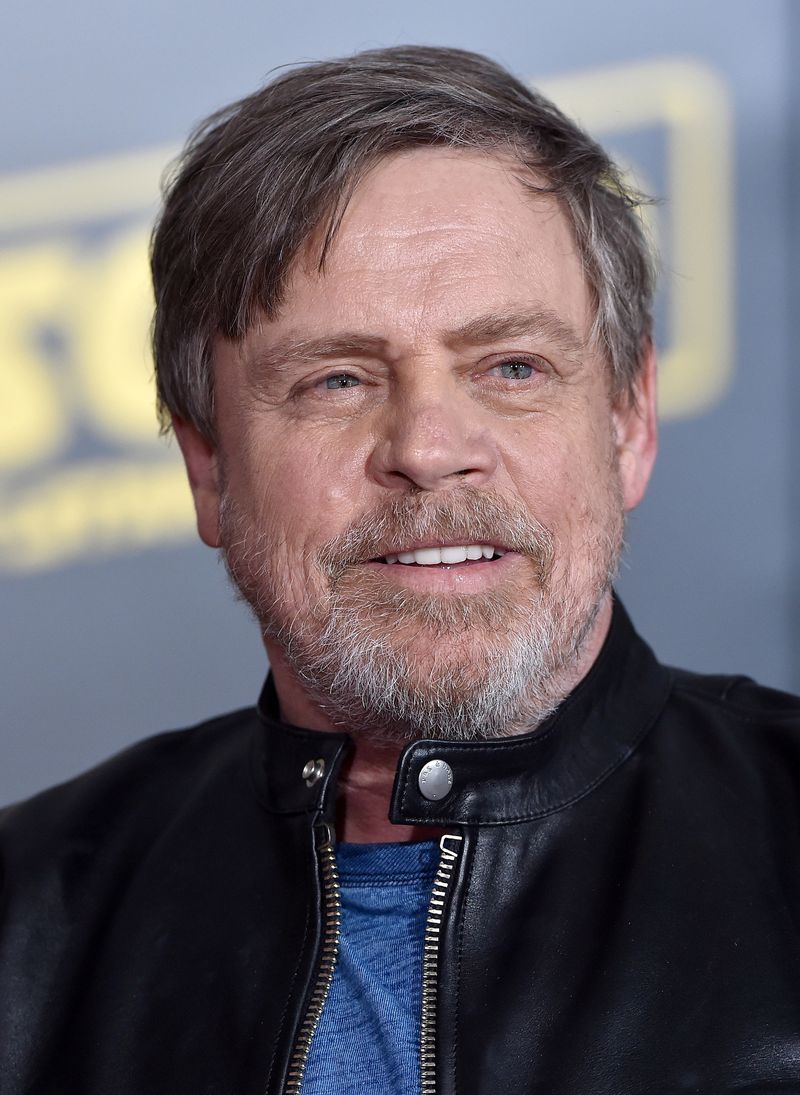
Luke Skywalker is one of the most iconic characters in the history of cinema, and Mark Hamill brought him to life across three original films that changed pop culture forever.
When Star Wars opened in 1977, it was a phenomenon unlike anything audiences had experienced before.
Hamill worked steadily after the trilogy ended, but live-action leading roles in major films were scarce.
He appeared in independent movies and genre projects, but the Hollywood machine never positioned him as the front-runner for big-budget productions the way his Star Wars fame might have suggested.
What he built instead was an extraordinary voice acting career, most famously as the Joker in Batman: The Animated Series.
His second act became legendary in its own right, proving that stardom can take many unexpected and rewarding forms.
13. Cary Elwes – The Princess Bride (1987)
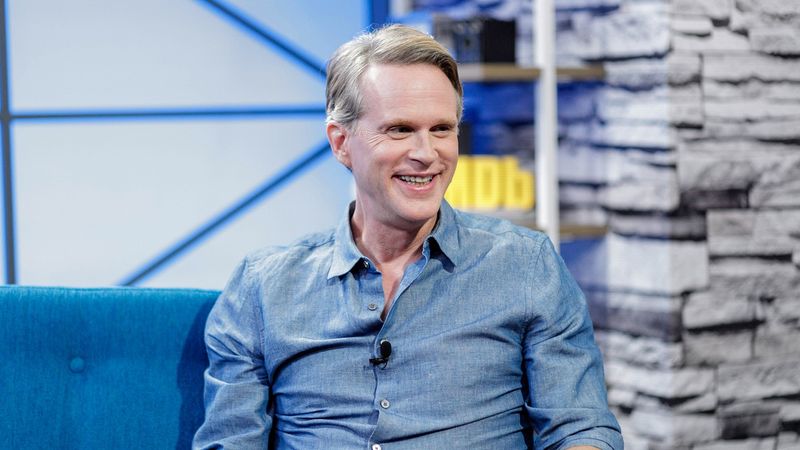
As you wish.
Two simple words from Cary Elwes as Westley in The Princess Bride turned into one of the most romantic lines in movie history.
The film was a charming blend of adventure, comedy, and fairy tale magic, and Elwes was perfectly cast as the dashing hero at the center of it all.
Despite strong work in Robin Hood: Men in Tights and other films throughout the 1990s, Elwes never quite landed the kind of leading role that would have elevated him to the very top tier of Hollywood stars.
He remained busy for decades, appearing in supporting parts and ensemble casts across film and television.
Fans never stopped loving him for Westley, which speaks to just how lasting a truly perfect performance can be, even without a string of blockbusters to follow it.
14. Rachael Leigh Cook – She’s All That (1999)
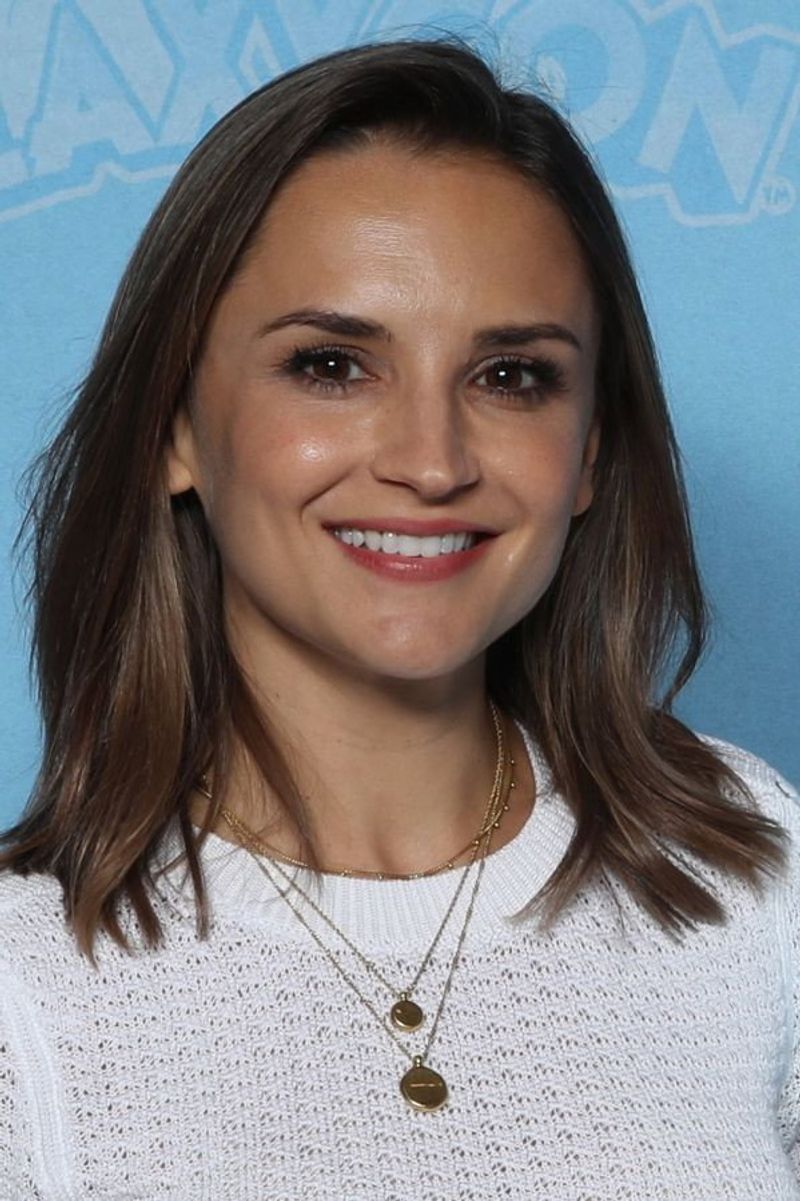
The makeover scene in She’s All That, where Rachael Leigh Cook descends the staircase to the sound of a pop song, became one of the defining images of late-1990s teen cinema.
Her performance was warm, funny, and grounded, making her one of the most appealing young actresses of the era.
She followed up with several other teen comedies and dramas, but the transition to adult leading roles in major studio films proved elusive.
The late 1990s and early 2000s were crowded with talented young actresses, and standing out beyond that specific moment was genuinely difficult.
Cook kept working consistently, finding a second wave of popularity through Hallmark films and television projects.
Her career took a different shape than expected, but she stayed visible and well-liked by audiences who grew up watching her.
15. Alex Pettyfer – I Am Number Four (2011)
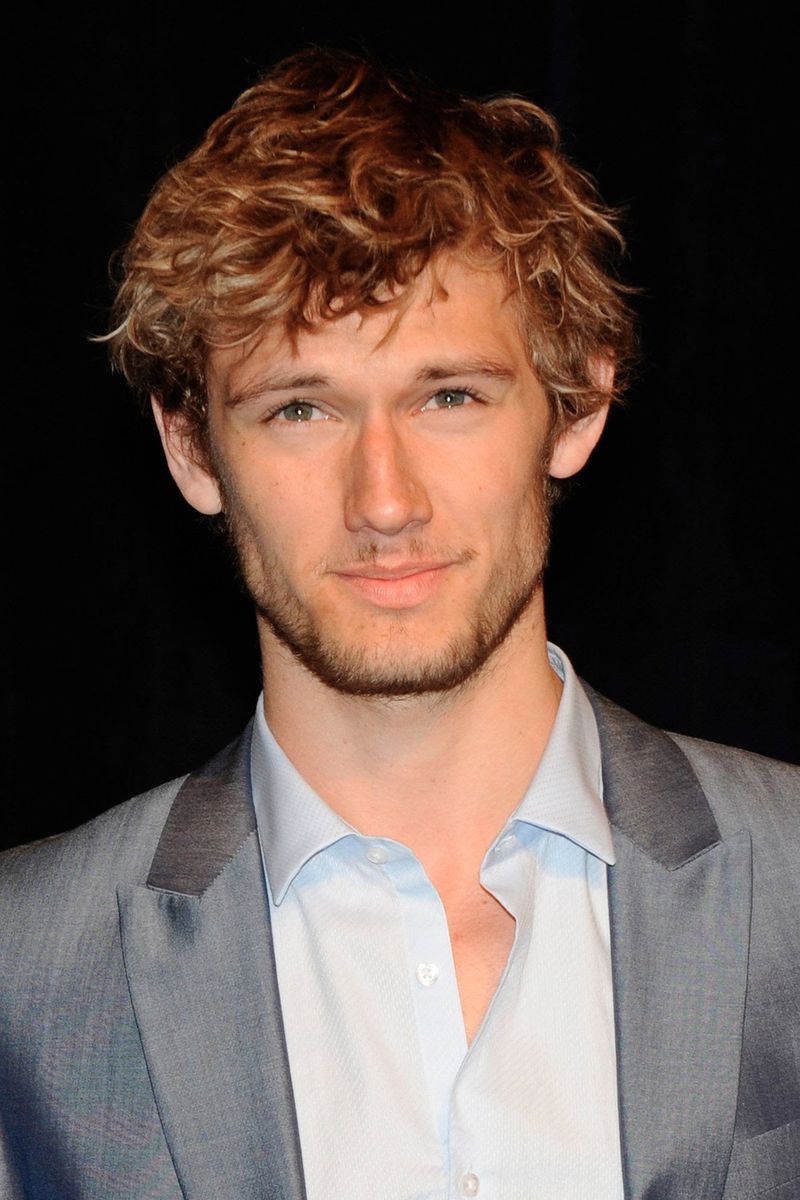
When I Am Number Four was released in 2011, the marketing campaign positioned Alex Pettyfer as the next big thing in action-hero cinema.
He had the looks, the physicality, and enough screen presence to make the comparison to early Tom Cruise seem at least plausible to studio executives.
The film underperformed, and a planned sequel never materialized.
Behind-the-scenes reports of on-set tensions also contributed to a reputation that made some producers hesitant.
In Hollywood, perception matters almost as much as box office numbers.
Pettyfer continued making films, including Magic Mike, where he appeared in a supporting capacity.
But the path to consistent leading man status never opened up the way that early buzz had suggested it would, leaving a career of intriguing near-misses and unfulfilled promise.
16. Edward Furlong – Terminator 2 Judgment Day (1991)
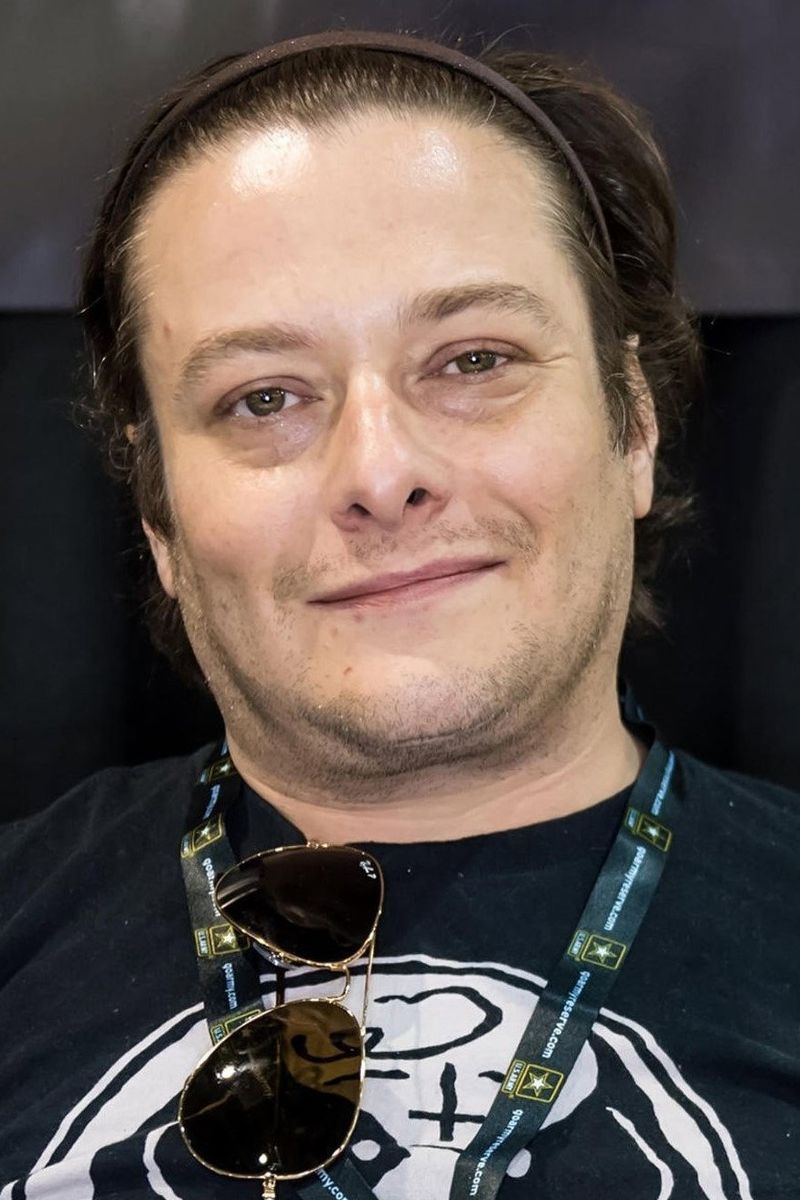
Edward Furlong was 13 years old when he appeared in Terminator 2: Judgment Day, one of the most successful action films ever made.
His chemistry with Arnold Schwarzenegger was surprisingly genuine, and he brought a real emotional weight to the role of young John Connor that critics and audiences responded to strongly.
The follow-up films came quickly.
American History X in 1998 showed he had serious dramatic range as an adult actor.
For a moment, it seemed like a long and substantial career was taking shape.
Personal struggles with addiction and legal troubles derailed much of what might have been.
He appeared in smaller projects and independent films over the years, but the leading roles that his early talent clearly warranted never became a consistent reality.
His story carries both sadness and resilience in equal measure.
17. Minnie Driver – Good Will Hunting (1997)

Minnie Driver received an Academy Award nomination for Best Supporting Actress for Good Will Hunting, sharing the screen with Matt Damon, Robin Williams, and Ben Affleck in one of the most celebrated films of the 1990s.
Her performance was natural, warm, and completely convincing, earning widespread praise from critics.
She followed that with leading roles in films like Return to Me and Grosse Pointe Blank, proving she could carry a story on her own.
But over time, the biggest studio lead opportunities shifted toward other actresses, and Driver found herself gravitating toward television and supporting film work.
Her TV career, especially on shows like The Riches and Speechless, was genuinely strong.
She never faded from view, but the path her career took was noticeably different from what that Oscar nomination might have originally suggested.
18. Macaulay Culkin – Home Alone (1990)
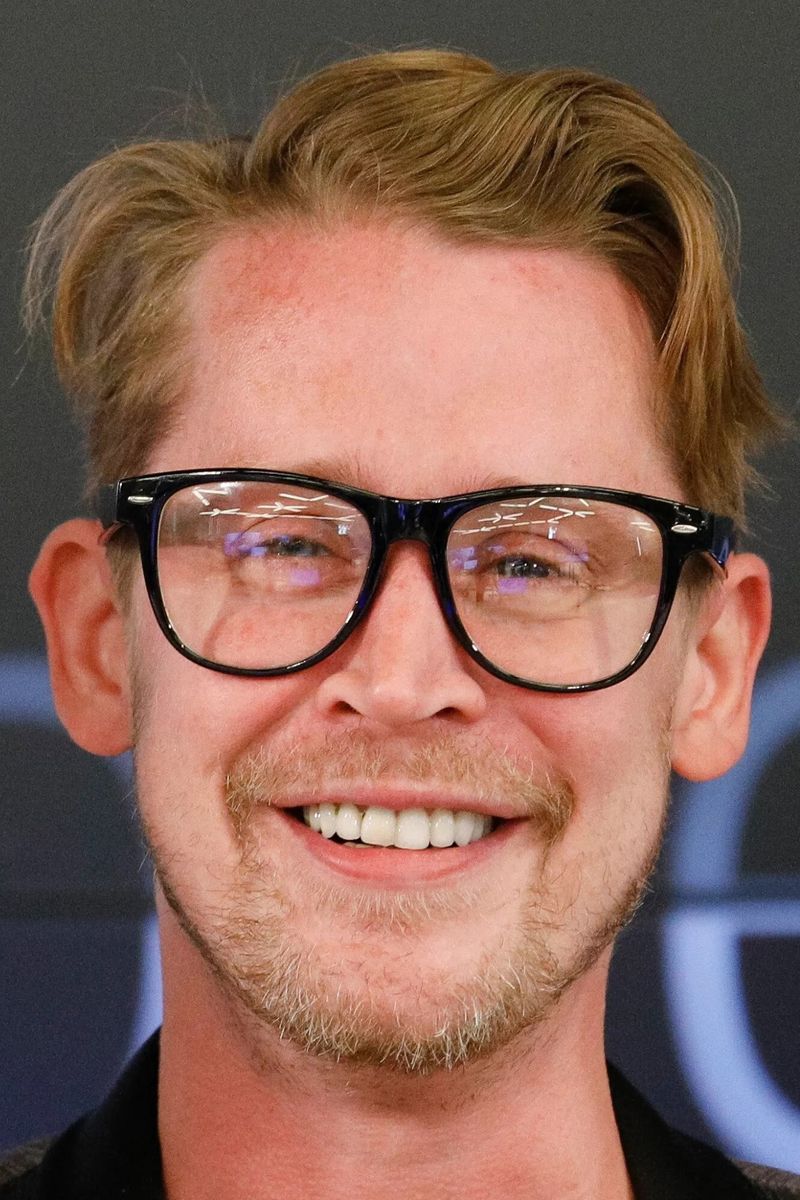
Few images from 1990s pop culture are more recognizable than a wide-eyed Macaulay Culkin pressing his hands to his cheeks on the Home Alone poster.
The film was a massive commercial hit, and Culkin became the highest-paid child actor in Hollywood history at the time.
He was, for a brief period, the biggest kid star on the planet.
He retired from acting as a teenager, stepping away from the industry entirely for several years.
When he returned, it was on his own terms, taking quirky and unconventional roles rather than trying to recapture the mainstream spotlight.
His adult career has been deliberately low-key, including web projects, a pizza-themed band, and occasional film appearances.
He seemed to make peace with his unusual childhood, turning it into something he could own rather than something that owned him.
19. Cuba Gooding Jr. – Jerry Maguire (1996)
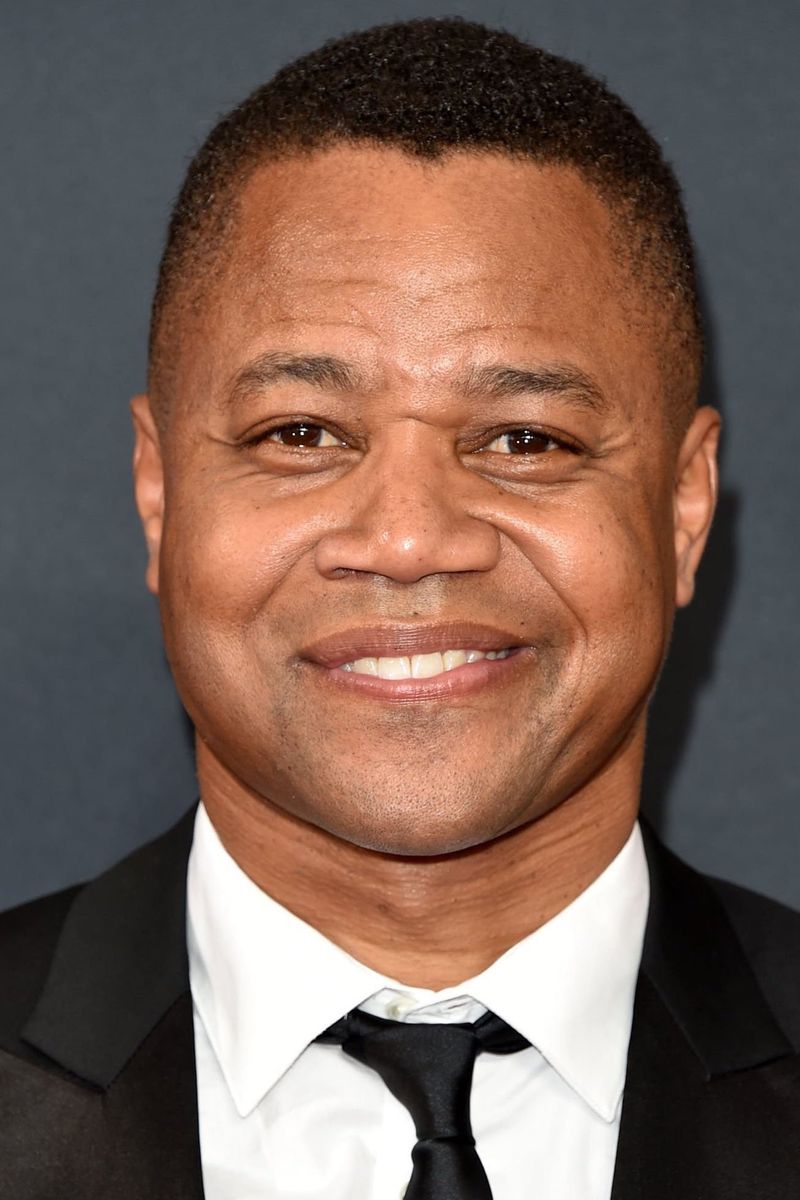
Show me the money!
Cuba Gooding Jr. delivered one of the most energetic and quotable performances of the 1990s in Jerry Maguire, winning the Academy Award for Best Supporting Actor in the process.
His acceptance speech at the Oscars was almost as memorable as the performance itself, full of pure, unfiltered joy.
He starred in several films after that win, including As Good as It Gets and Men of Honor, which showed he could handle a range of material.
But over time, the quality of the projects he was offered began to slip, and a string of direct-to-video releases followed.
His later career became a cautionary tale about how quickly Hollywood momentum can shift.
The talent was always there, but the right vehicles became harder to find, and major studio leading roles grew increasingly scarce with each passing year.