 MomSkoop
Movies have a funny way of teaching us lessons that feel completely obvious at the time, but look very different years later. As culture changes and conversations about relationships, power, and fairness evolve, so does the way we watch films.
A movie that once seemed totally romantic or inspiring can suddenly raise some serious questions. Looking back at these 20 classics and recent hits, you might be surprised by how much your perspective has shifted.
1. The Little Mermaid (1989)
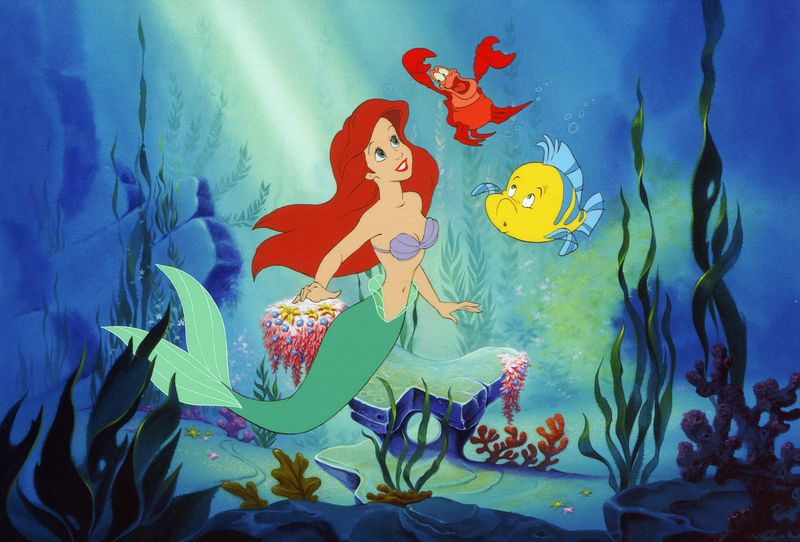
Ariel’s story captured hearts for decades with its message about chasing your dreams no matter what stands in your way.
Who could blame a curious teenager for wanting to explore a whole new world?
The adventure felt thrilling and romantic.
Watching it today, though, some viewers pause at a key detail: Ariel gives up her voice and fundamentally changes her life for a prince she has barely spoken to.
The trade feels uneven when you think about it carefully.
She sacrifices her identity, her family, and her home for someone who does not truly know her.
Modern audiences often ask whether following your heart should ever require erasing who you are to win someone’s love.
2. Beauty and the Beast (1991)
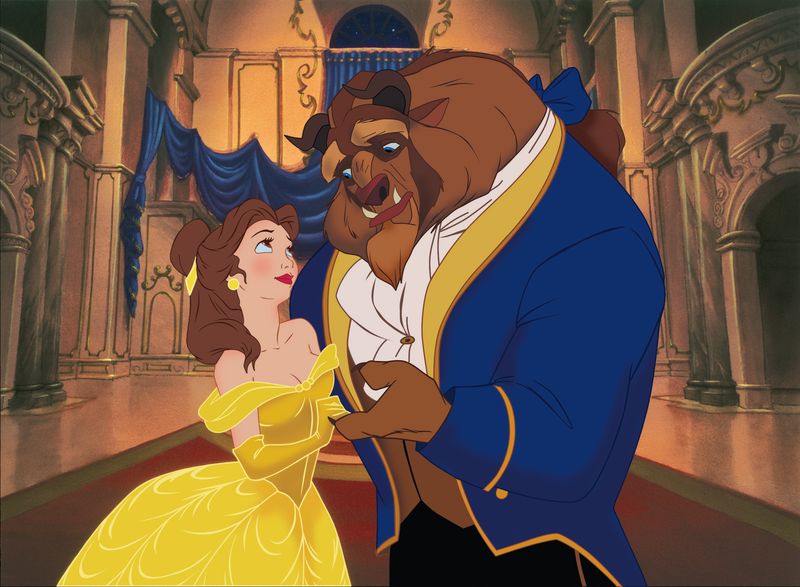
Few animated films feel as magical as Beauty and the Beast, with its sweeping ballroom dance and the idea that love can unlock goodness hidden inside even the scariest person.
Belle was celebrated as a bookish, independent heroine who saw beyond appearances.
Contemporary viewers, however, often notice something uncomfortable underneath the fairy tale.
The Beast holds Belle captive, controls her movements, and frightens her regularly before she develops feelings for him.
The story frames his behavior as something her patience and love can cure.
Today, audiences are more likely to recognize that pattern as a warning sign rather than a romance.
Loving someone should not require enduring fear or isolation to prove your commitment.
3. Grease (1978)
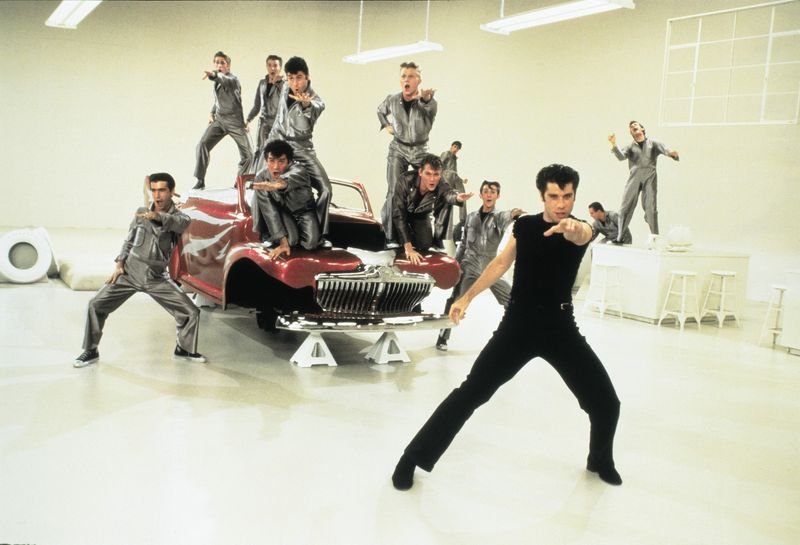
Grease is a feel-good musical packed with catchy songs, fun choreography, and a summer romance that seemed destined to last forever.
For generations, Sandy and Danny’s love story was pure entertainment, ending with that iconic carnival scene.
Look closer at the finale, and the message gets a little complicated.
Sandy completely transforms her appearance and personality to fit in with Danny’s crowd.
Meanwhile, Danny’s attempt to change for her lasts about thirty seconds before he abandons it entirely.
Modern viewers increasingly read Sandy’s transformation as trading her authentic self for acceptance, which feels like a steep price.
A relationship built on one person shrinking themselves to please the other raises real questions about what love should actually look like.
4. Pretty Woman (1990)
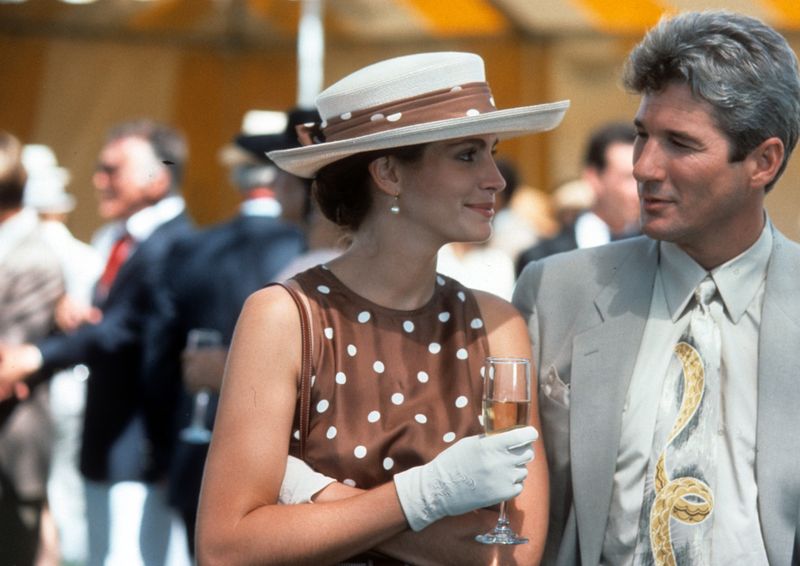
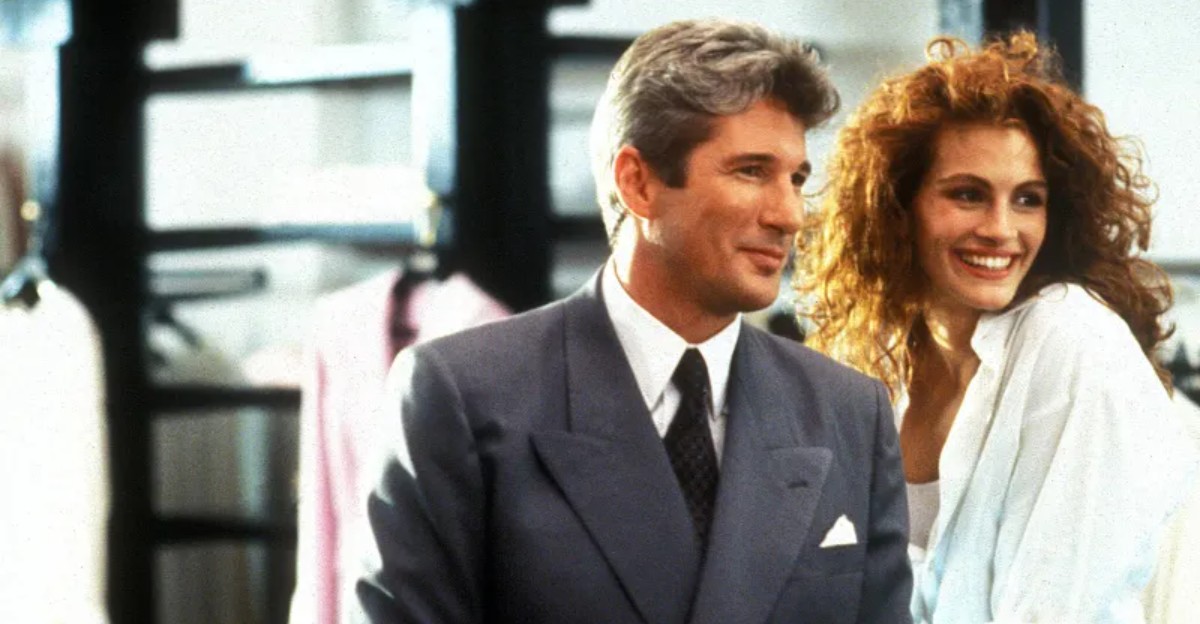
Pretty Woman arrived as a modern Cinderella story, charming audiences with its sparkling chemistry between Richard Gere and Julia Roberts.
The idea that love could leap across every social barrier felt hopeful and exciting in 1990.
Revisiting the film today, the power gap between Edward and Vivian is much harder to overlook.
He is a wealthy corporate executive who essentially purchases her time and companionship before deciding she deserves better.
The entire relationship begins as a financial transaction.
Audiences now are more likely to focus on how that imbalance shapes every decision Vivian makes throughout the story.
A romance where one person holds nearly all the economic power raises honest questions about freedom, choice, and what real equality between partners should feel like.
5. Mrs. Doubtfire (1993)

Robin Williams brought so much warmth and humor to Mrs. Doubtfire that it was easy to root for Daniel Hillard every step of the way.
His love for his children felt undeniable, and the film celebrated parental devotion above almost everything else.
Stepping back from the laughs, Daniel’s behavior throughout the film is genuinely alarming.
He deceives his ex-wife, violates a court custody order, secretly infiltrates her household, and repeatedly disregards boundaries set by the legal system.
His intentions may be loving, but his methods are manipulative.
Contemporary viewers are more likely to recognize that good intentions do not automatically justify deceptive or controlling behavior.
Parental love is powerful, but it does not grant someone the right to override another person’s boundaries and safety.
6. The Devil Wears Prada (2006)

The Devil Wears Prada was marketed as a cautionary tale about sacrificing your soul for career success, with Miranda Priestly as the villain and Andy’s eventual escape as the triumphant ending.
That reading made perfect sense in 2006.
Watching it now, many viewers find themselves genuinely rooting for Andy’s ambition and wondering whether the people in her personal life were being fair.
Her boyfriend and friends dismiss her demanding new job almost immediately, offering little actual support while she navigates a genuinely difficult professional environment.
Some audiences today question whether Andy was really wrong to prioritize her career growth.
Working hard and seizing a rare opportunity is not the same as losing your values, and the film’s ending can feel more ambiguous than it once did.
7. Fight Club (1999)
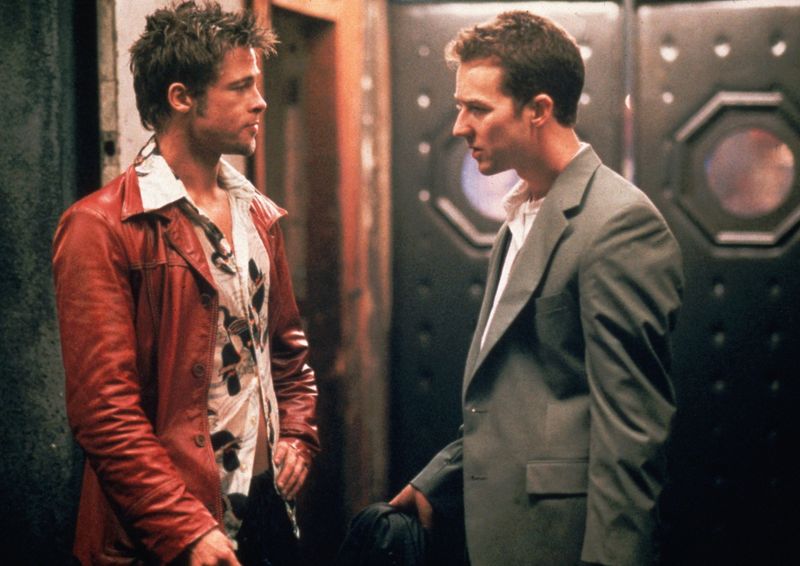
Fight Club hit theaters as a sharp, edgy critique of consumerism and the emptiness of modern corporate life.
Its attack on materialism still resonates deeply with viewers who feel trapped by expectations to buy, own, and perform success.
The conversation around the film has shifted considerably, though.
Many contemporary audiences notice that the movie’s critique gets tangled up with its own glorification of violence, chaos, and a very specific brand of toxic masculinity.
Tyler Durden is presented as magnetic and liberating, even as he leads people toward destruction.
Audiences today are more alert to how easily that energy can be misread as a genuine blueprint rather than a warning.
Critiquing conformity is valuable, but celebrating reckless violence as the cure creates its own serious problems worth examining carefully.
8. The Breakfast Club (1985)
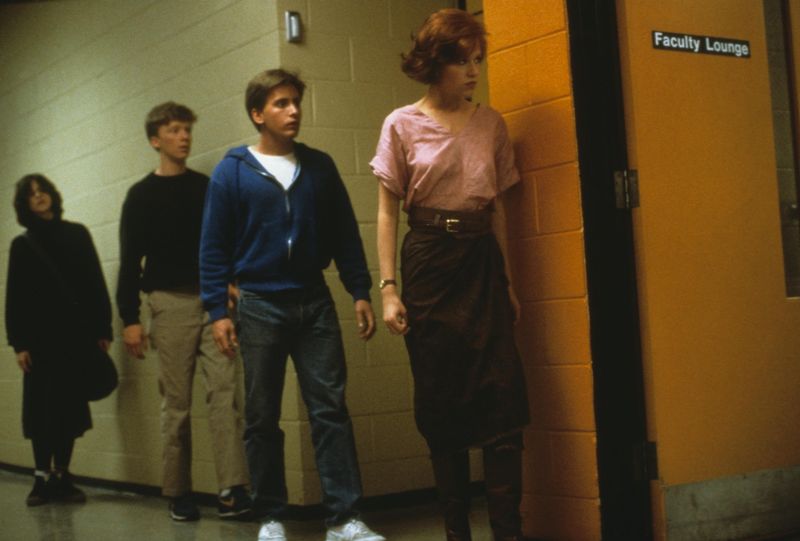
Few films captured the awkward, complicated reality of high school social life quite like The Breakfast Club.
Its central message, that every person is more layered than the label others slap on them, remains genuinely powerful and worth celebrating.
That core lesson holds up well.
What has aged less gracefully is some of the interpersonal behavior woven throughout the day’s events.
Bender’s aggressive treatment of Claire, including invading her personal space without her consent, reads very differently now than it did in 1985 when it led to a romantic conclusion.
Modern audiences are more likely to notice those moments and feel uncomfortable rather than charmed.
A film can carry a meaningful message and still contain behavior worth examining critically rather than accepting without question.
9. Rocky (1976)
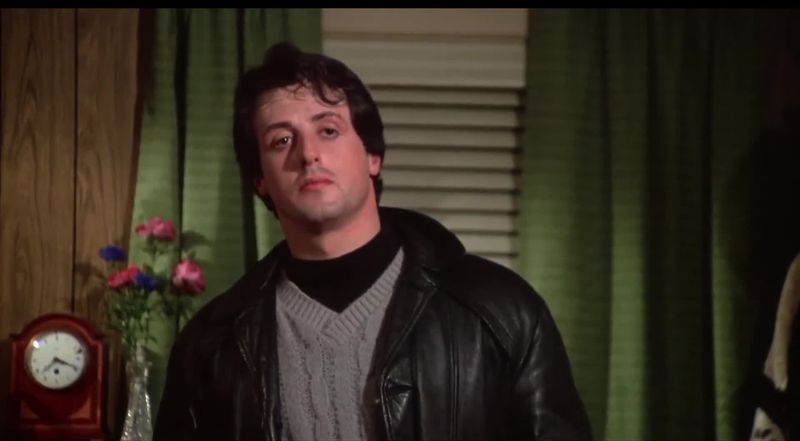
Rocky is one of cinema’s greatest underdog stories, built on the beautiful idea that heart and determination matter more than natural talent or a guaranteed win.
Sylvester Stallone’s performance made audiences everywhere believe that getting back up is what truly counts.
The boxing story still inspires.
What some viewers examine more carefully today is Rocky’s persistent pursuit of Adrian, who clearly signals discomfort and disinterest early in their relationship.
His repeated visits and pressure on her to spend time with him are presented as romantic dedication.
By today’s standards, that kind of persistence after someone has expressed hesitation raises real questions about respecting boundaries.
The film’s athletic message remains uplifting, but its romantic subplot deserves a more honest conversation than it typically receives.
10. Revenge of the Nerds (1984)
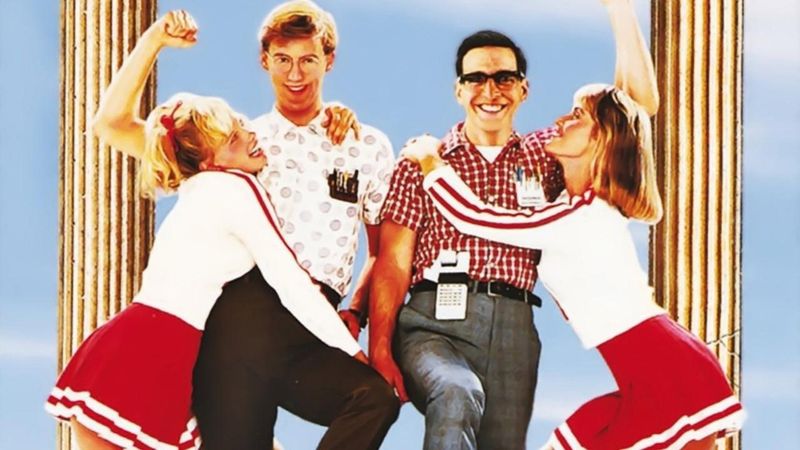
Revenge of the Nerds arrived as a crowd-pleasing comedy about underdogs finally getting their moment to shine against the popular bullies who made their lives miserable.
Audiences cheered for Lewis, Gilbert, and the rest of the Lambda Lambda Lambda crew throughout.
Rewatching it today is genuinely jarring.
Several scenes played as comedy in 1984 involve serious violations of privacy and consent, including secretly filming women without their knowledge and a scene where Lewis deceives a woman into intimacy by impersonating her boyfriend.
Those actions are not harmless pranks.
Contemporary audiences are far more likely to recognize them as assault and voyeurism rather than triumphant nerd victories.
The film’s feel-good framing makes its most troubling moments even more uncomfortable to sit through today.
11. Dead Poets Society (1989)
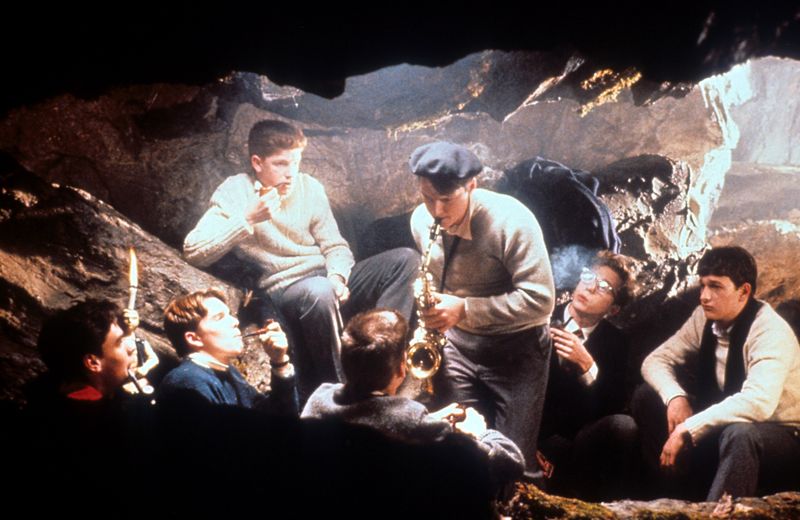
Carpe Diem.
Seize the day.
Few films made those words feel more electric than Dead Poets Society, where Robin Williams played the unforgettable Mr. Keating, urging his students to think boldly and live with genuine purpose.
The film’s spirit remains genuinely moving.
What modern audiences explore more deeply is the question of responsibility.
Mr. Keating powerfully encourages his students to challenge authority and follow their instincts, but the story ends in real tragedy without the film fully examining his role in that outcome.
Inspirational teachers carry enormous influence over impressionable young people.
Encouraging independence and creativity is wonderful, but audiences today also ask whether mentors have a duty to help students navigate the real consequences of challenging the institutions around them.
12. The Pursuit of Happyness (2006)

Will Smith’s performance in The Pursuit of Happyness is genuinely moving, portraying a father who refuses to surrender no matter how crushing the circumstances around him become.
Chris Gardner’s real-life story of perseverance is extraordinary and worth honoring.
Today, many viewers add an important layer to their reading of the film.
Gardner’s success required not just extraordinary effort but also a specific set of circumstances, opportunities, and luck that not everyone facing poverty can access.
The film largely frames his triumph as proof that hard work alone determines outcomes.
Structural barriers like housing instability, healthcare costs, and systemic inequality make success far harder for many people regardless of their effort.
Honoring individual determination does not have to mean ignoring the systems that make the climb so much steeper for some.
13. Forrest Gump (1994)
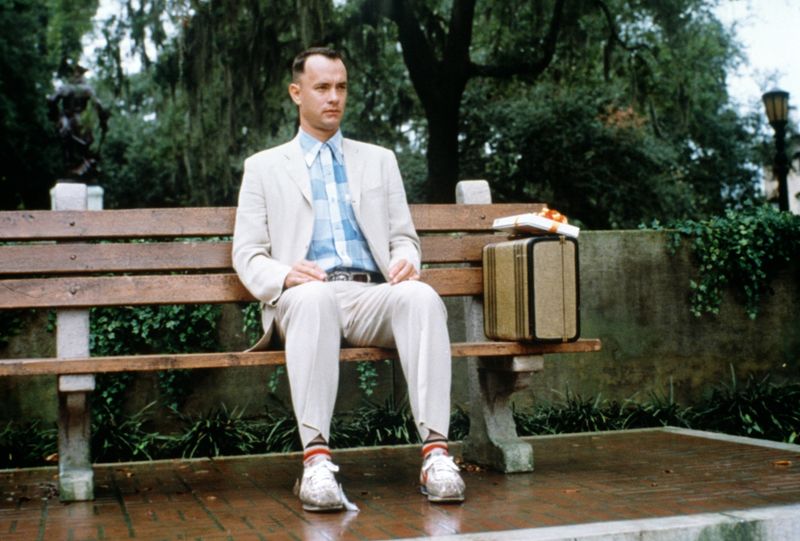
Forrest Gump is one of the most beloved American films ever made, weaving a gentle man’s accidental journey through decades of history with warmth, humor, and unexpected emotion.
Tom Hanks made Forrest impossible not to love.
Modern viewers, though, often notice a pattern in how the film treats its characters.
Forrest, who moves through life without questioning authority or social norms, is consistently rewarded.
Meanwhile, characters who rebel, protest, or challenge the status quo, including Jenny and Lieutenant Dan, are shown suffering for their choices.
Some audiences read that contrast as the film quietly endorsing conformity while painting counterculture movements in an unflattering light.
A story can celebrate kindness without suggesting that questioning the world around you is something to be punished or pitied.
14. The Wolf of Wall Street (2013)
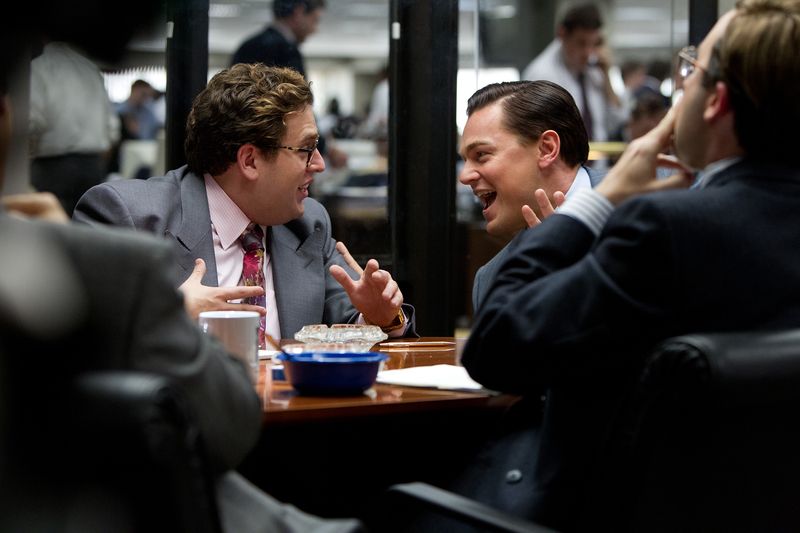
Martin Scorsese intended The Wolf of Wall Street as a blistering takedown of greed, fraud, and the moral bankruptcy hiding behind Wall Street’s glittering surface.
Jordan Belfort’s rise and fall was meant to horrify as much as it entertained.
The film is brilliantly made, which is part of the problem.
The energy, humor, and charisma Scorsese brings to Belfort’s lifestyle are so compelling that many viewers walk away feeling exhilarated rather than disgusted.
The three-hour runtime spends far more time celebrating excess than examining its real victims.
Audiences continue debating whether the movie condemns its protagonist or accidentally glamorizes him.
A satire that makes its target look irresistibly fun runs the risk of delivering the exact opposite message from the one its creator intended.
15. American Beauty (1999)
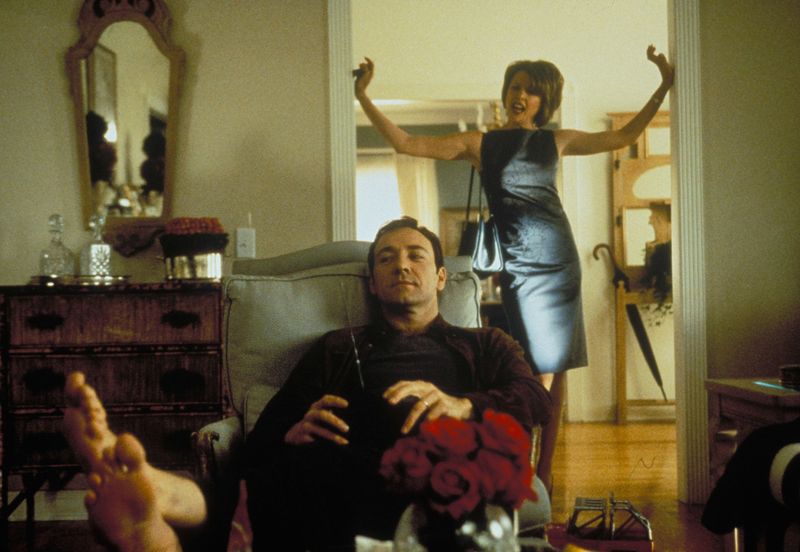
American Beauty swept the Academy Awards and was widely praised for exposing the quiet desperation hiding behind perfect suburban lawns and carefully curated family images.
Its critique of materialism and repression felt sharp and culturally urgent in 1999.
Watching it through a contemporary lens shifts the focus considerably.
The film asks audiences to sympathize with Lester Burnham’s midlife awakening, but his central obsession is a teenage girl his daughter’s age.
The movie frames his fixation as liberating self-discovery rather than something deeply inappropriate and harmful.
Today, audiences are far less willing to extend that sympathy without serious scrutiny.
A story about breaking free from suffocating conformity loses considerable moral footing when its protagonist’s freedom comes at the expense of a young person’s safety and dignity.
16. Shallow Hal (2001)

Shallow Hal arrived with the best of intentions, wrapping a body-positive message inside a broad comedy about a man who learns to see inner beauty after being hypnotized.
On paper, the idea of valuing personality over appearance sounds genuinely uplifting.
The execution, however, creates a significant contradiction.
Throughout the film, the humor repeatedly relies on Rosemary’s body size as the punchline.
Jokes about furniture breaking, clothing sizes, and physical space undercut the very message the movie claims to be delivering.
You cannot sincerely celebrate someone’s worth while simultaneously using their body as a source of comedy.
Modern audiences are more attuned to that disconnect, making Shallow Hal a film whose heart was in the right place but whose jokes kept undercutting its own message at every turn.
17. Love Actually (2003)

Love Actually became an instant holiday classic, celebrating the messy, surprising, and sometimes ridiculous ways love shows up in people’s lives.
Its sprawling cast and interconnected stories gave audiences plenty of moments to sigh over every December.
Some of those romantic gestures look quite different now.
Mark’s doorstep cue-card declaration to his best friend’s wife, for example, was designed to feel sweetly hopeless and poetic.
Today, many viewers read it as a man confessing feelings to someone who has not asked for them and cannot comfortably respond.
Romantic persistence after someone has made their situation clear can cross from charming into pressuring without much effort.
Love Actually still has genuine warmth, but several of its most celebrated moments now prompt honest conversations about what romantic boundaries actually look like in real life.
18. The Social Network (2010)
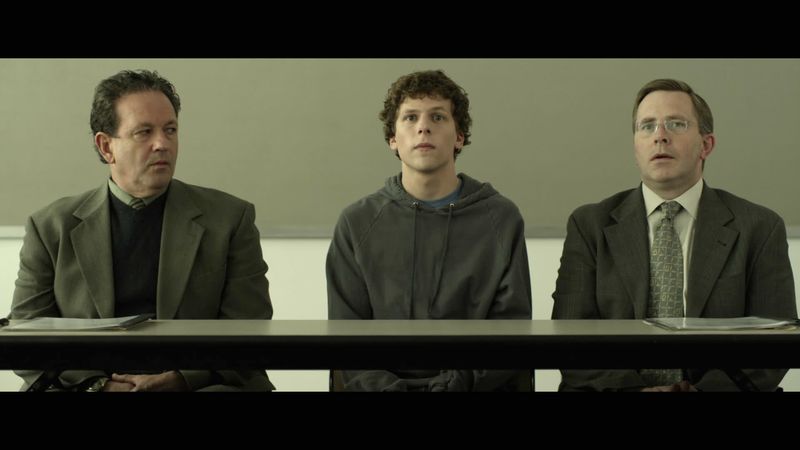
When The Social Network released in 2010, many viewers watched it as a gripping story about ambition, betrayal, and the personal costs of building something world-changing.
Mark Zuckerberg was a fascinating, flawed protagonist navigating a once-in-a-generation opportunity.
More than a decade later, the film plays like an early warning that nobody fully heeded.
Facebook’s real-world impact on privacy, democracy, mental health, and the concentration of technological power has transformed how audiences interpret every scene.
What once looked like entrepreneurial drama now feels more like an origin story for much larger problems.
Watching Zuckerberg dismiss concerns about users and relationships in 2010 hits very differently after years of congressional hearings and data scandals.
The film did not change, but the world it helped predict certainly did.
19. Wall Street (1987)
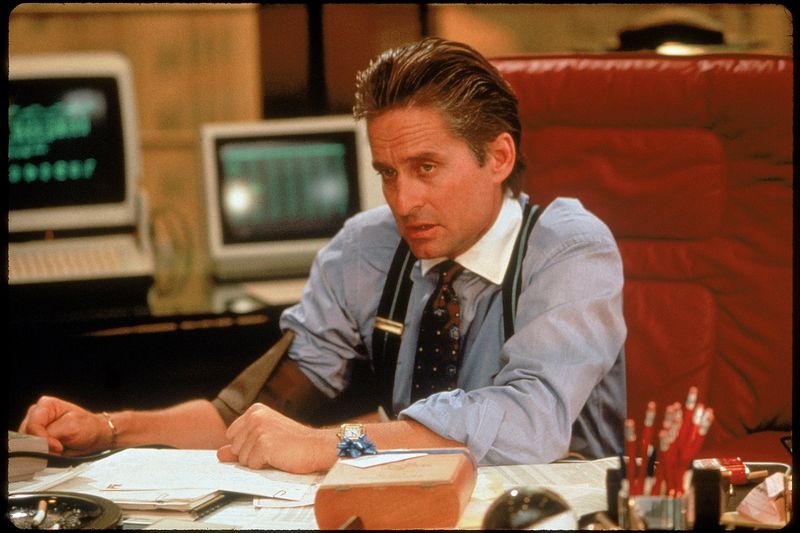
Oliver Stone made Wall Street as a moral warning, using Gordon Gekko’s famous “greed is good” speech as an indictment of 1980s financial culture rather than a motivational poster.
The villain was supposed to be unmistakably villainous.
What actually happened is one of cinema’s most fascinating misfires.
Gekko became an aspirational figure for many viewers, his ruthlessness reframed as admirable confidence.
Business schools reportedly saw an uptick in enrollment after the film released, with students citing Gekko as inspiration rather than caution.
That gap between intended message and audience takeaway reveals something important about how films communicate.
A filmmaker’s critique can become an audience’s instruction manual when the character delivering the wrong message is written to be magnetic enough.
Stone himself has noted the irony with considerable frustration over the years.
20. Barbie (2023)
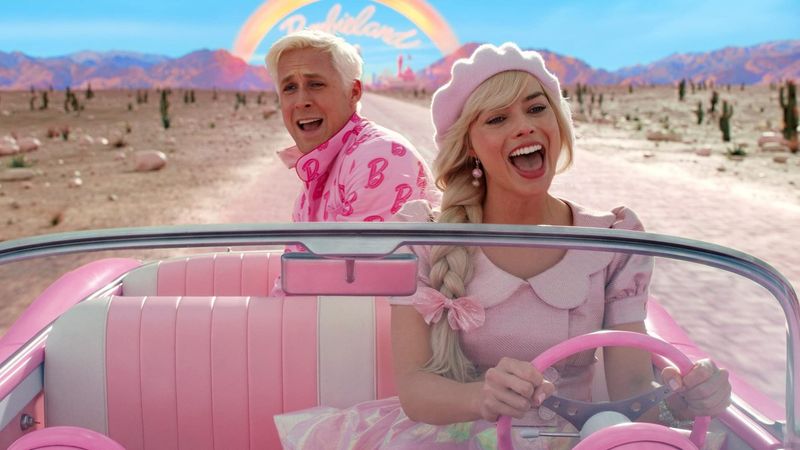
Barbie arrived in theaters as a cultural event, sparking conversations about gender, identity, feminism, and the expectations society places on both women and men.
Greta Gerwig packed an enormous amount of ideas into a film that looked, on the surface, like a toy commercial.
What makes Barbie genuinely fascinating is how differently audiences received its message.
Some viewers celebrated it as a feminist triumph.
Others felt it was too hard on men.
Some thought it did not go far enough in challenging gender norms, while others felt it overcorrected entirely.
That range of reactions is actually the most honest thing about the film.
When a movie about identity and social expectations produces wildly different interpretations depending on who is watching, it proves its own central point beautifully.
Cultural context does not just color a film’s lesson, it can completely rewrite it.