 MomSkoop

Baby Boomers are rewriting the rules of aging with a fresh focus on inner peace.
After decades of nonstop work, societal expectations, and the pressure to keep up, many are stepping back to reclaim their time and energy.
They’re shedding habits that no longer serve them and embracing a simpler, more intentional way of living.
Here are the ten habits they’re leaving behind to create a calmer, more fulfilling life.
1. Defining Identity Solely by Work or Job Title
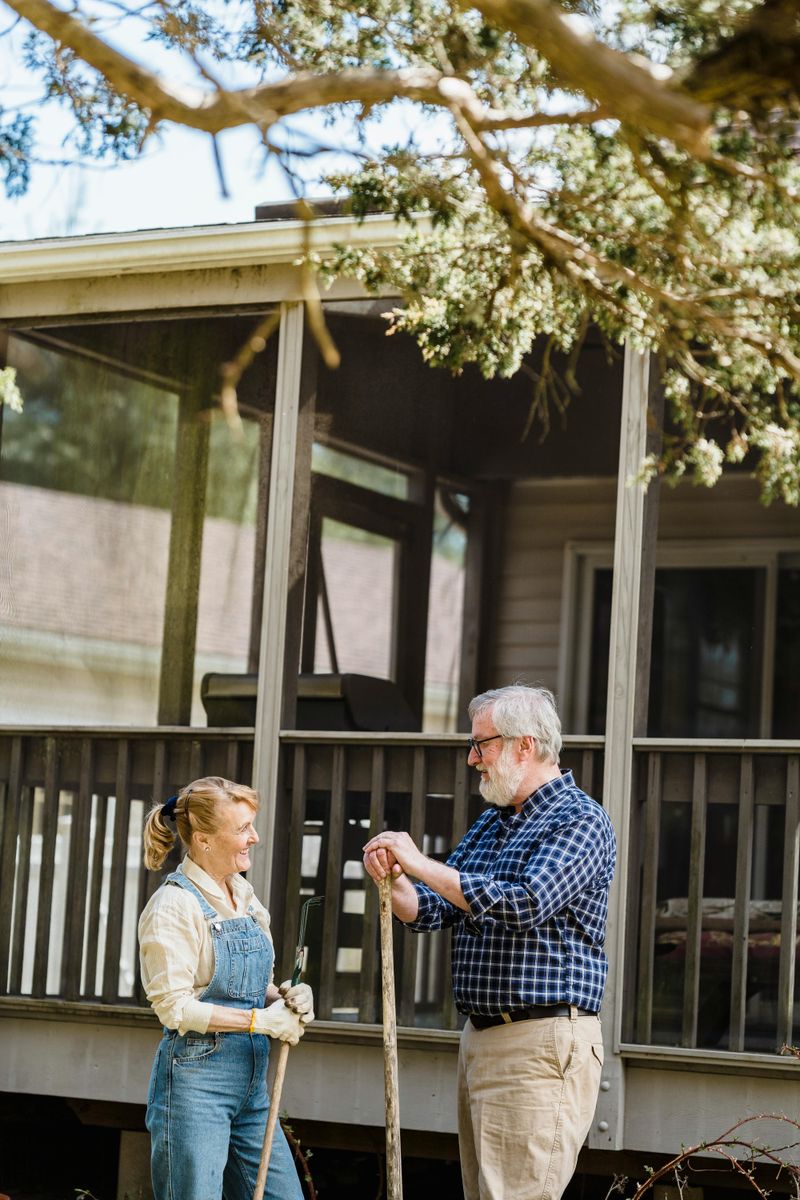
Retirement used to feel like the end of the road, especially for those who built their entire sense of self around their careers.
Now, Boomers are discovering that life after work can be just as rich and meaningful.
Instead of clinging to old titles, they’re exploring hobbies, volunteering, and spending time with loved ones.
This shift allows them to see themselves as more than what they did for a paycheck.
It opens the door to new passions and deeper connections.
Letting go of career-based identity brings freedom and a renewed sense of purpose that doesn’t depend on a business card.
2. Chasing Every New Trend or Keeping Up with All Tech Fads

There’s always a new gadget, app, or social media platform demanding attention.
For years, many felt the pressure to stay current with every digital trend.
But Boomers are now asking a smarter question: does this actually make my life easier?
They’re choosing technology that serves a real purpose and ignoring the rest.
Whether it’s a simple smartphone or a tablet for video calls, the focus is on usefulness, not novelty.
This selective approach reduces stress and saves both time and money, making everyday life more manageable and less overwhelming.
3. Getting Pulled Into Unnecessary Conflict or Online Drama

Social media can be a minefield of arguments, political rants, and endless negativity.
Many Boomers spent years engaging in heated debates online, only to realize it drained their energy and changed nothing.
Now, they’re hitting the unfollow button and stepping away from the noise.
Choosing peace over conflict doesn’t mean ignoring important issues.
It means protecting mental health by not getting sucked into every online argument.
This boundary creates space for more positive interactions and real-world connections that actually matter, leading to a calmer and more balanced daily experience.
4. Accepting Unpaid or Low-Value Commitments

The hustle culture glorified being busy for the sake of being busy.
Boomers spent years saying yes to every request, even when it meant sacrificing their own well-being.
They’re now recognizing that their time and energy are finite and valuable.
Turning down commitments that don’t bring joy or purpose isn’t selfish—it’s self-care.
Whether it’s a volunteer role that feels like a chore or a favor that goes unappreciated, they’re learning to say no. This shift helps them focus on what truly matters and reduces the exhaustion that comes from constant overextension and people-pleasing.
5. Enduring Loud, Crowded, or Overstimulating Environments

Concerts, packed malls, and noisy restaurants used to be the norm, even when they felt overwhelming.
Many Boomers pushed through the discomfort out of obligation or fear of missing out.
But now, they’re choosing comfort over conformity.
Quiet dinners at home, nature walks, and smaller gatherings are becoming the preferred options.
These calmer settings allow for genuine conversation and relaxation without sensory overload.
Prioritizing peaceful environments isn’t about becoming antisocial—it’s about honoring personal needs and creating experiences that feel nourishing instead of draining and chaotic.
6. Worrying About Outdated Expectations of Aging

Society used to have strict ideas about how older adults should look, act, and live.
Boomers were told to slow down, dress conservatively, and fade into the background.
But they’re rejecting those outdated stereotypes with confidence.
From traveling solo to starting new businesses to rocking bold fashion choices, they’re proving that aging doesn’t mean giving up on adventure or self-expression.
This mindset shift frees them from unnecessary judgment and allows them to live authentically.
Embracing this freedom brings joy and shows younger generations that life can be vibrant and exciting at any age.
7. Overcommitting and Saying Yes to Everything

For decades, many Boomers felt the need to be everywhere and do everything.
Whether it was family gatherings, community events, or work projects, saying no felt impossible.
But constant overextension led to burnout and resentment.
Now, they’re learning that less is often more.
By cutting back on commitments, they have more time for rest, hobbies, and meaningful connections.
This doesn’t mean becoming isolated—it means being intentional about where energy is spent.
The result is a calmer schedule and a deeper sense of satisfaction in the activities they do choose to participate in regularly.
8. Holding Onto Possessions Just in Case

Closets, garages, and attics filled with items “just in case” they might be needed someday.
For years, Boomers held onto things out of fear or habit.
But all that clutter became a source of stress rather than security.
Decluttering has become a liberating practice, helping them create simpler, more organized living spaces.
Letting go of unnecessary possessions makes homes feel lighter and more peaceful.
It also makes moving, downsizing, or simply finding what they need much easier.
This habit shift reflects a broader desire for simplicity and freedom from the weight of too much stuff.
9. Resisting Digital Tools Entirely
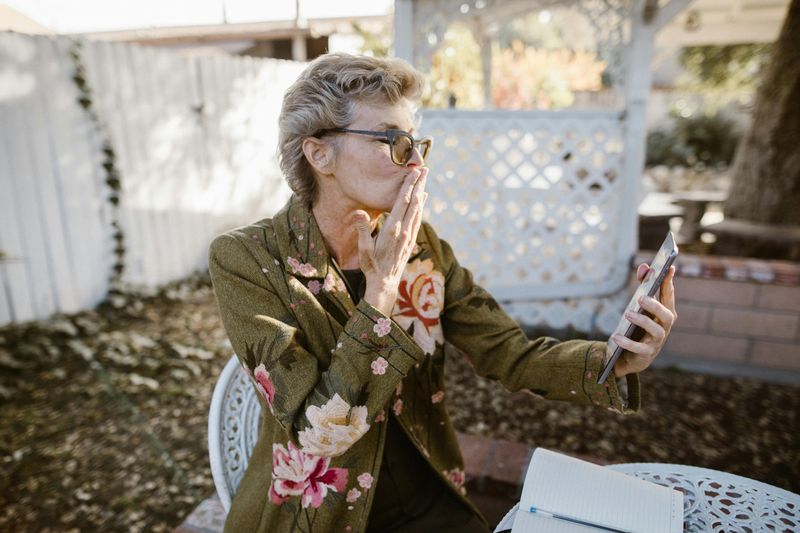
Some Boomers avoided digital tools for years, sticking to paper checks and phone calls out of stubbornness or fear of change.
But they’re realizing that certain technologies actually reduce hassle and save time.
Online banking, grocery delivery apps, and video calls make life easier, not harder.
Embracing these conveniences doesn’t mean abandoning all traditions.
It means being open to tools that genuinely help.
Learning new skills at any age keeps the mind sharp and builds confidence.
This shift reduces frustration and helps them stay connected with family and friends in a fast-changing world.
10. Deferring Personal Needs in Favor of Constant Busyness

Staying busy used to be a badge of honor.
Boomers filled every moment with tasks, errands, and obligations, often ignoring their own needs in the process.
But constant busyness left little room for rest or reflection.
Now, they’re slowing down and setting boundaries that prioritize their well-being.
Whether it’s taking a nap, enjoying a hobby, or simply doing nothing, they’re learning that downtime is essential.
This shift allows them to recharge and enjoy life at a more comfortable pace.
Choosing meaningful activities over endless busyness brings deeper fulfillment and a healthier, more balanced lifestyle overall.