 MomSkoop

First impressions happen faster than you think. Within seconds of meeting someone, your brain makes snap judgments based purely on what you see.
Before you even open your mouth to introduce yourself, people have already formed opinions about your personality, confidence, and trustworthiness.
Understanding these silent signals can help you make better connections and present your best self in any situation.
1. Eye Contact

Making eye contact shows confidence and interest in the person you’re meeting.
When you look someone in the eyes, it tells them you’re paying attention and that you value the conversation.
People who avoid eye contact often seem nervous, dishonest, or uninterested, even if that’s not true.
On the flip side, staring too intensely can make others uncomfortable.
The sweet spot is maintaining eye contact for about 60-70% of the conversation.
Practice this skill by looking at the bridge of someone’s nose if direct eye contact feels too intense.
Good eye contact creates trust and makes conversations feel more genuine and connected.
2. Your Smile

A genuine smile can instantly make you appear approachable and kind.
Scientists have discovered that smiles are contagious—when you smile at someone, their brain naturally wants to smile back.
Real smiles involve more than just your mouth; they reach your eyes and create small wrinkles at the corners.
Fake smiles only move the lower half of your face and people can usually tell the difference.
Smiling releases feel-good chemicals in your brain, making both you and the people around you feel happier.
Even if you’re feeling nervous, a warm smile helps break the ice and puts everyone at ease.
Remember, your smile is one of your most powerful tools for making positive first impressions.
3. Handshake

Did you know that a handshake can reveal your personality in just two seconds?
A firm, confident handshake suggests you’re trustworthy and self-assured.
Too weak, and people might think you lack confidence or enthusiasm.
Too strong, and you risk seeming aggressive or trying too hard to dominate.
The perfect handshake involves matching the other person’s grip strength while maintaining eye contact.
Keep it brief—two or three pumps is plenty.
Make sure your hand is dry and warm, as a sweaty or cold handshake can be off-putting.
This simple gesture sets the tone for your entire interaction.
4. Posture

Stand tall, and the world notices.
Your posture communicates volumes about your confidence and energy level before you say anything.
Slouching makes you appear tired, insecure, or disinterested in what’s happening around you.
Meanwhile, standing or sitting up straight with your shoulders back projects confidence and alertness.
Good posture also has physical benefits—it helps you breathe better and reduces back pain.
When you walk into a room with your head held high, people naturally perceive you as more capable and authoritative.
Practice checking your posture throughout the day by imagining a string pulling you up from the top of your head.
5. Clothing Style

Your outfit tells a story about who you are.
Whether fair or not, people make instant judgments based on what you’re wearing.
Dressing appropriately for the situation shows respect and awareness of social expectations.
Clean, well-fitted clothes suggest you take care of yourself and pay attention to details.
Wrinkled or stained clothing can make you seem careless or unprofessional.
You don’t need expensive designer brands to make a good impression—just clothes that fit well and match the occasion.
Colors also matter; darker tones often convey authority, while brighter colors suggest friendliness and creativity.
Choose outfits that make you feel confident and comfortable.
6. Body Language Openness

Crossed arms might feel comfortable, but they send a message of being closed off or defensive.
Open body language—like keeping your arms relaxed at your sides or using hand gestures while talking—makes you seem friendly and approachable.
When you face someone directly and lean slightly forward, it shows you’re engaged and interested.
Turning away or creating physical barriers between yourself and others suggests discomfort or disinterest.
People naturally feel more comfortable around those who display open, welcoming body language.
Pay attention to your hands too—fidgeting can make you appear nervous, while calm, purposeful movements suggest confidence.
Practice being aware of your body positioning during conversations.
7. Grooming and Hygiene
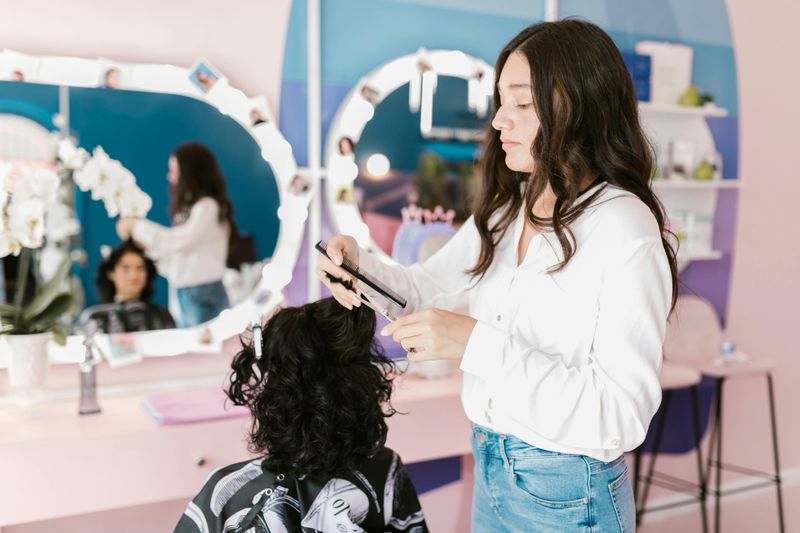
Personal grooming speaks louder than words.
Clean, styled hair and trimmed nails show that you respect yourself and the people you’re meeting.
Basic hygiene isn’t just about looking good—it’s about making others feel comfortable around you.
Messy hair or visible dirt under your nails can distract from everything else you’re trying to communicate.
Taking time for grooming demonstrates self-respect and consideration for others.
This doesn’t mean you need a salon-perfect look every day.
Simple habits like brushing your teeth, combing your hair, and keeping your face clean make a huge difference.
When you look put-together, you naturally feel more confident too.
8. Overall Facial Expression

Your face is constantly communicating, even when you’re not talking.
A relaxed, pleasant expression makes you seem friendly and easy to talk to.
Meanwhile, a tense jaw or furrowed brow can make you appear angry or stressed, even if you’re just concentrating.
Some people naturally have what’s called a resting expression that looks unfriendly without meaning to.
Being aware of your default facial expression helps you adjust it when meeting new people.
Try slightly raising your eyebrows and relaxing your mouth into a soft, neutral position.
This small change can make you appear more welcoming and open.
Your face sets the emotional tone for every interaction.
9. Energy and Warmth

Some people light up a room the moment they enter.
This isn’t magic—it’s about the energy and warmth you project through your presence.
Enthusiasm is contagious, and people naturally gravitate toward those who seem positive and engaged.
Low energy can make you seem bored or unfriendly, even if you’re just tired.
Warmth comes from genuine interest in others and showing kindness through your expressions and movements.
When you approach interactions with authentic positive energy, people feel valued and appreciated.
Even on tough days, making an effort to project warmth helps create better connections.
Your emotional energy is felt before you ever speak.
10. Your Scent

Smell is the sense most strongly linked to memory and emotion.
A pleasant, subtle scent can make you memorable in a positive way.
Too much cologne or perfume, however, can be overwhelming and drive people away.
The goal is to smell clean and fresh, not like you bathed in fragrance.
Bad body odor is one of the fastest ways to make a negative impression that’s hard to overcome.
Regular showering, clean clothes, and deodorant are the foundation of smelling good.
If you use fragrance, apply it lightly—others should only notice it when they’re close to you.
A neutral, clean scent is always better than overpowering perfume.
11. How You Walk

Watch someone walk across a room, and you’ll learn a lot about their confidence level.
A purposeful stride with your head up and shoulders back projects self-assurance and determination.
Shuffling or walking with your head down suggests low confidence or lack of energy.
The speed of your walk matters too—walking too slowly can seem lazy, while rushing everywhere appears frantic.
Your gait reveals your mood and personality before you’ve exchanged a single word.
Practice walking with intention, keeping your movements smooth and controlled.
When you walk like you know where you’re going, people perceive you as capable and confident.
Movement is communication.
12. Voice Tone Upon Speaking

The moment you say your first word, your voice tone reveals your emotional state.
A warm, steady voice suggests confidence and friendliness, while a shaky or quiet voice can indicate nervousness.
Speaking too loudly might come across as aggressive, but speaking too softly makes people strain to hear you.
The pitch, speed, and rhythm of your voice all contribute to how people perceive you.
Monotone voices can make even interesting topics sound boring, while varied tone keeps listeners engaged.
Smiling while you speak actually changes your voice tone, making it sound warmer and more pleasant.
Practice speaking clearly at a moderate pace with natural variation in your tone.
Your voice is your introduction.