 MomSkoop
Some of the greatest bands in rock history may be totally unknown to younger generations today. While Millennials and Gen Z grew up with streaming playlists and social media trends, Baby Boomers had a completely different musical landscape.
These groups ruled the radio airwaves, packed concert halls, and defined an era of unforgettable sound. If you grew up in the 1960s or 1970s, at least a few of these names are sure to bring back some serious memories.
1. The Hollies
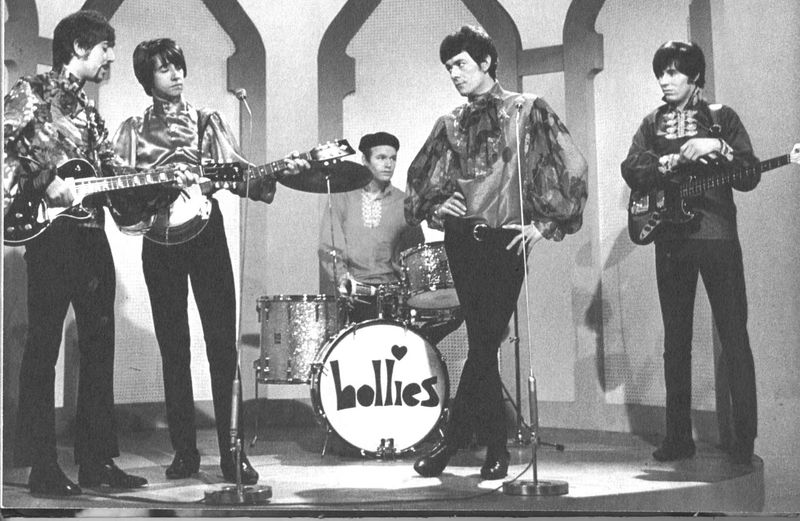
Few British bands from the 1960s could match the sheer polish of The Hollies.
Their tight, layered vocal harmonies set them apart from many of their contemporaries, giving their songs a sound that felt almost effortless.
Hits like “Bus Stop” and “Carrie Anne” became radio staples that Boomers could sing word for word.
The group kept their momentum going well into the 1970s, scoring a massive hit with “Long Cool Woman in a Black Dress.”
That song had a gritty edge that surprised fans used to their smoother pop style.
For anyone who grew up listening to AM radio, The Hollies were practically impossible to miss.
2. The Animals
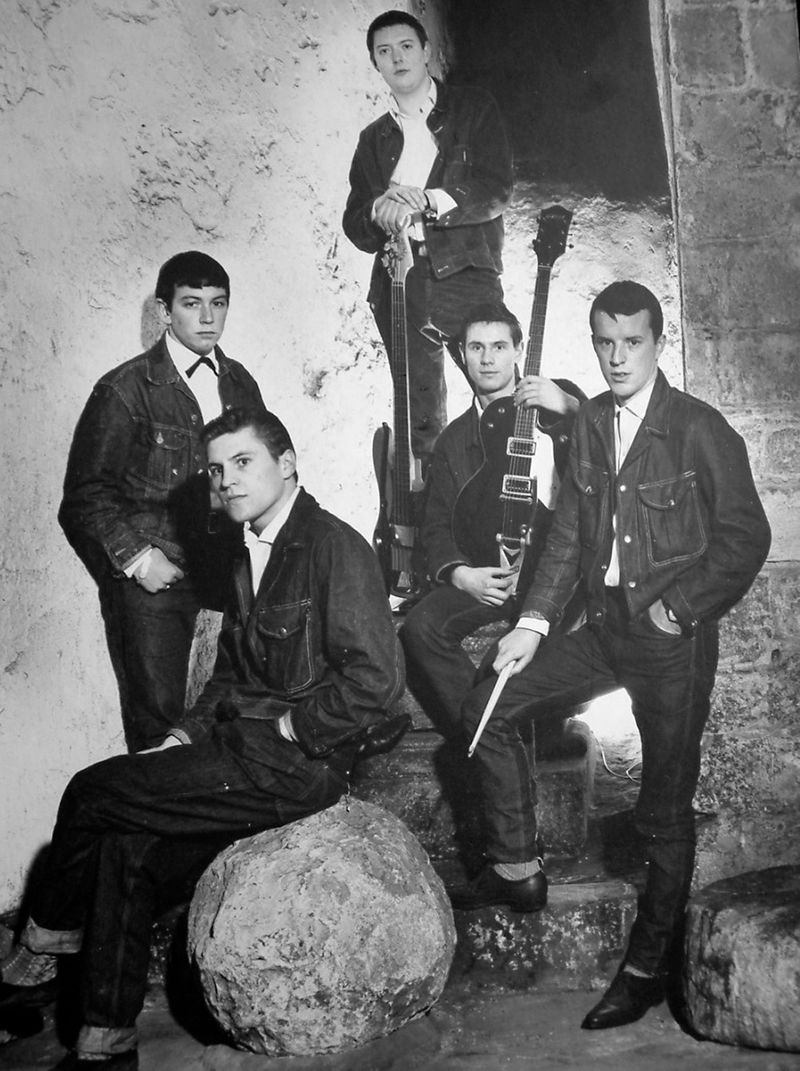
There was nothing quite like hearing Eric Burdon’s raw, powerful voice blast through a radio speaker for the first time.
The Animals brought a darker, moodier energy to the British Invasion, drawing heavily from American blues traditions that most pop bands of the era avoided.
“The House of the Rising Sun” became their defining moment, and it still gives listeners chills today.
Beyond that iconic track, songs like “We Gotta Get Out of This Place” carried a real emotional weight that resonated deeply with young Boomers.
The band’s gritty authenticity set them apart from cheerier pop acts of the time.
Younger generations rarely encounter their catalog, but Boomers know it well.
3. Herman’s Hermits
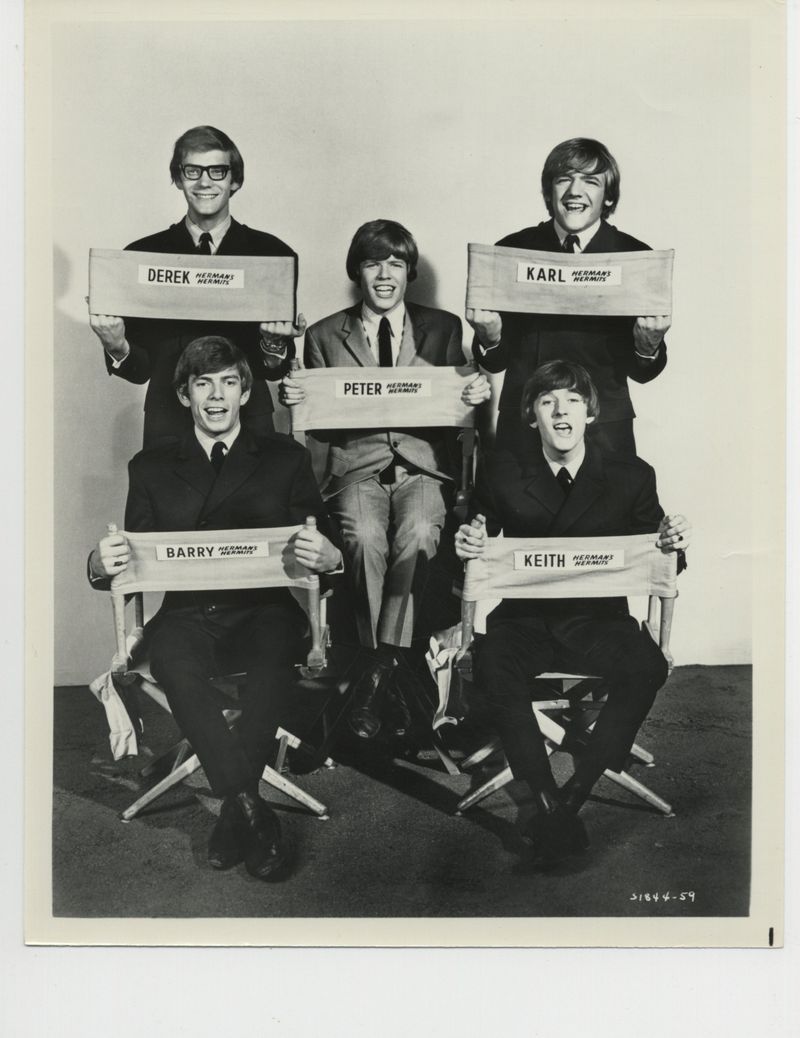
Herman’s Hermits had a gift for making people smile.
Led by the boyish and charming Peter Noone, the group specialized in upbeat, friendly pop songs that felt like a warm hug on a sunny afternoon.
“I’m into Something Good” and “Mrs. Brown, You’ve Got a Lovely Daughter” were practically inescapable on radio stations throughout the mid-1960s.
Their wholesome image made them a favorite among parents and teenagers alike, which was no small achievement during a decade full of controversy.
The band scored a remarkable number of Top 40 hits in a very short time.
Boomers who were kids in that era likely remember singing along to their catchy, carefree tunes without a second thought.
4. The Dave Clark Five
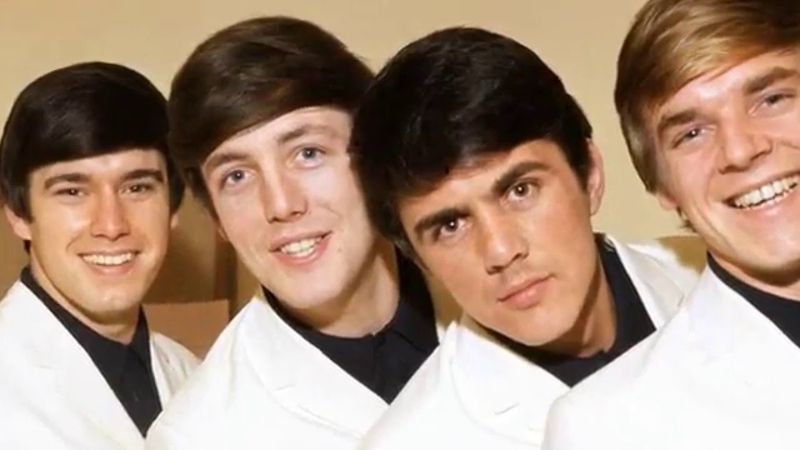
When The Beatles stormed America in early 1964, they opened a door that many British bands rushed through.
The Dave Clark Five were among the first and most successful to follow, landing on American shores with a punchy, high-energy sound that got crowds on their feet.
“Glad All Over” and “Bits and Pieces” hit the charts hard and fast.
What made the group stand out was their drummer-forward style, with Dave Clark himself driving the sound from behind the kit.
That thumping beat gave their records an almost physical energy.
While Millennials and Gen Z rarely stumble across their music today, Boomers who watched them on television variety shows remember the excitement they brought.
5. The Grass Roots
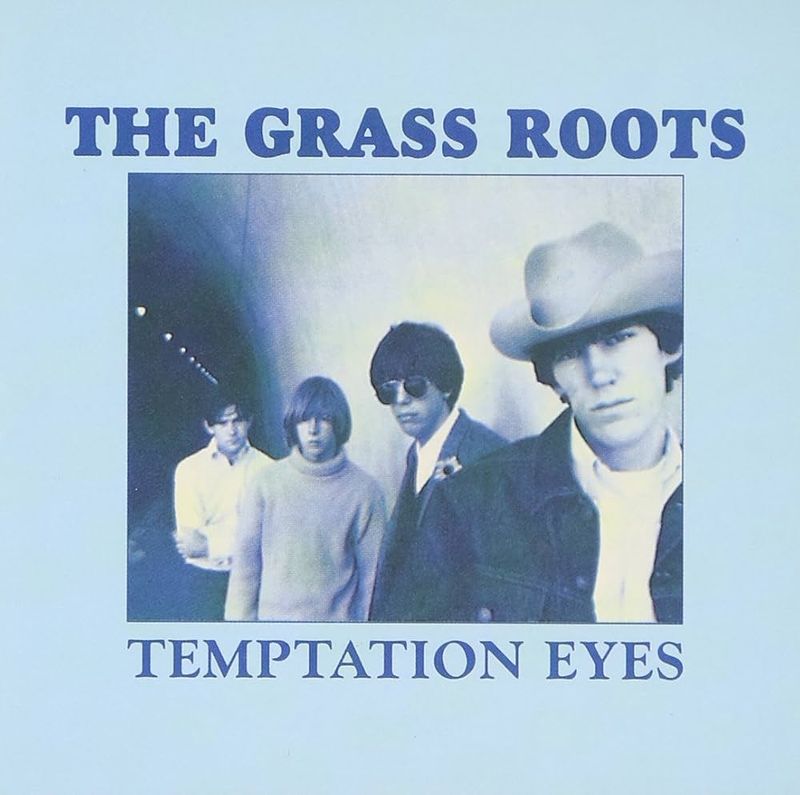
Turn on an AM radio station in 1969 and there was a very good chance you would hear The Grass Roots within the hour.
The California-based group had a remarkable run of radio hits that blended rock energy with a polished, accessible pop sensibility.
“Midnight Confessions” remains one of the most recognizable songs of the entire late-1960s era.
“Let’s Live for Today” carried a freewheeling spirit that perfectly captured the mood of the times.
The band understood what made a great radio song, and they delivered that formula consistently over several years.
For Boomers, their music is tied to specific memories of cruising in cars with the windows down and the volume turned all the way up.
6. Three Dog Night
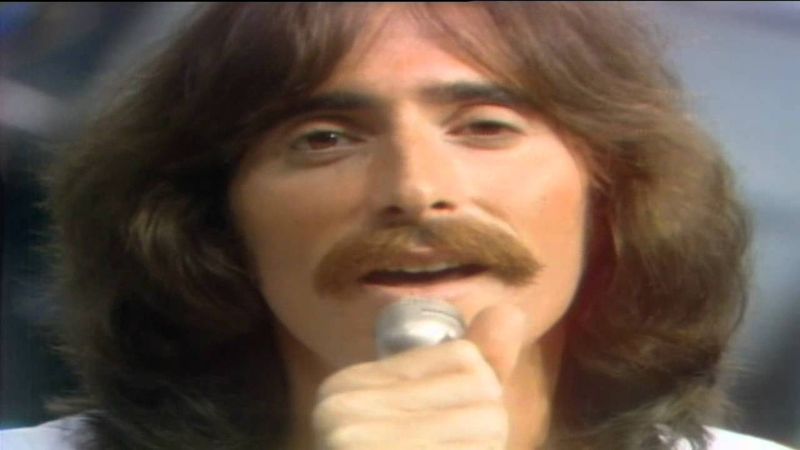
Three Dog Night had something most rock bands could only dream about: three genuinely great lead singers sharing the spotlight.
That vocal firepower helped them rack up an extraordinary string of hit records between 1969 and 1975.
Songs like “Joy to the World,” “One,” and “Mama Told Me (Not to Come)” became so well-known that even people who never owned an album could sing the choruses.
The band had a talent for choosing outside material and making it completely their own.
Many of their biggest hits were written by songwriters who became famous partly because of Three Dog Night’s recordings.
Boomers experienced this group at their commercial peak, while younger generations often recognize the songs without knowing who performed them.
7. The Turtles
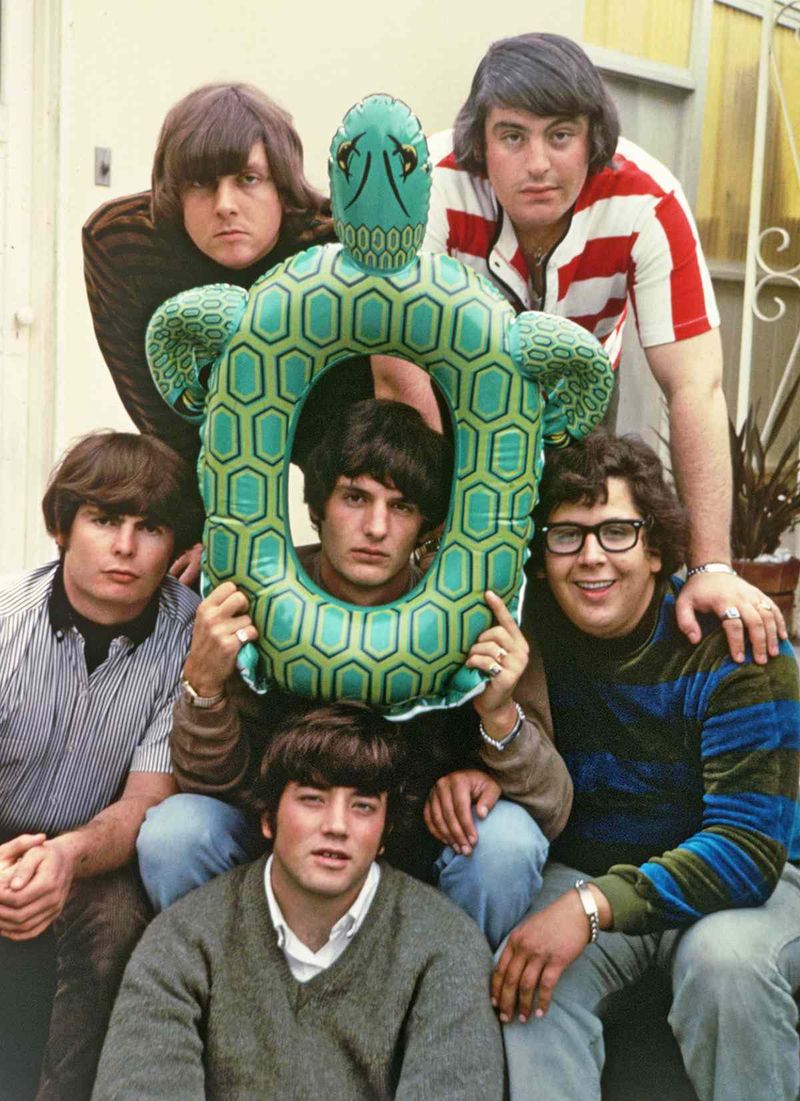
Ask almost anyone who lived through the late 1960s to hum a few bars of “Happy Together,” and they will do it instantly with a smile.
The Turtles had a knack for crafting pop songs with an irresistible, feel-good energy that made them impossible to dislike.
That song alone cemented their place in the soundtrack of an entire generation.
Beyond their signature hit, tracks like “She’d Rather Be with Me” and “Elenore” showed the group could deliver catchy hooks consistently.
There was always a playful quality to their recordings, as if the band was genuinely having fun in the studio.
Younger listeners may recognize “Happy Together” from commercials or films but rarely connect it to The Turtles by name.
8. Blood, Sweat and Tears
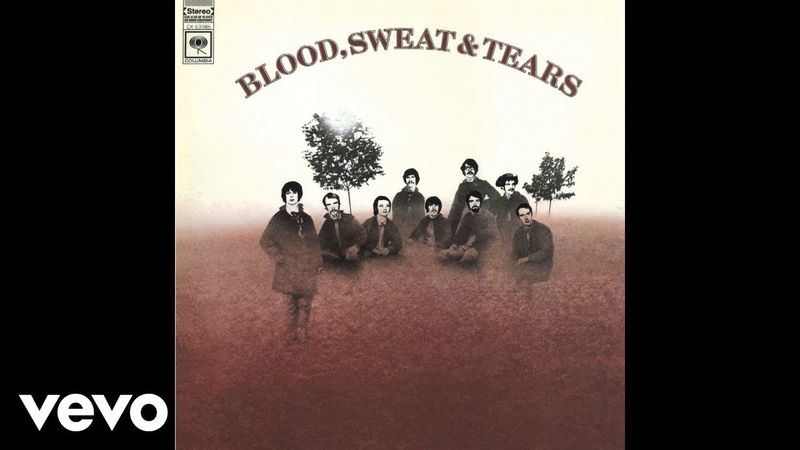
Not many rock bands could pull off blending brass instruments, jazz harmonics, and hard rock guitar without sounding like a mess.
Blood, Sweat and Tears did it brilliantly, creating a sophisticated sound that stood completely apart from their contemporaries.
Their 1969 self-titled album won the Grammy Award for Album of the Year, beating out the Beatles and Johnny Cash.
“Spinning Wheel” and “And When I Die” showcased their impressive range and musical ambition.
The group attracted listeners who wanted something more complex than straightforward pop or rock.
Boomers who appreciated music with real depth and artistry gravitated toward them naturally.
For younger generations raised on simpler production styles, the band’s layered arrangements can feel like a genuine discovery.
9. The Association
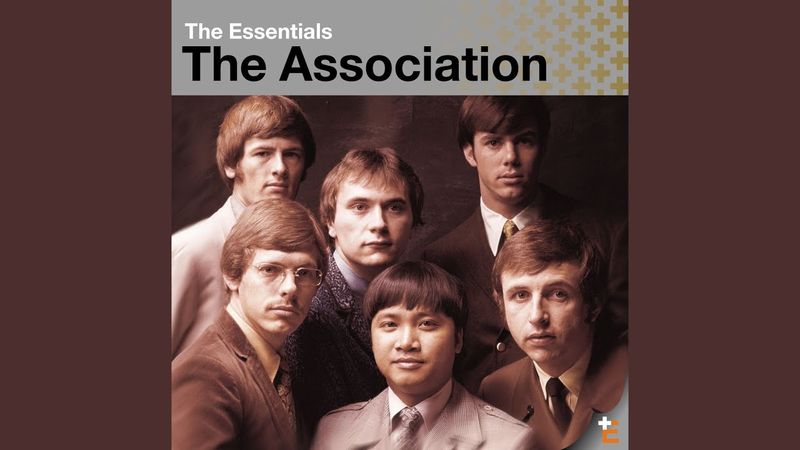
Soft, warm, and beautifully arranged, The Association carved out a lane in 1960s pop that was all their own.
Their songs felt like a gentle breeze compared to the louder, more experimental sounds swirling around them during that decade.
“Cherish” became one of the best-selling singles of 1966, proving that tenderness could compete with anything on the charts.
“Windy” and “Never My Love” followed, each showcasing the group’s extraordinary ability to stack harmonies in ways that sounded almost orchestral.
Many music historians consider “Never My Love” one of the most-played songs in radio history.
Boomers who preferred melody over mayhem found The Association to be a consistent source of comfort, while younger listeners rarely encounter their catalog today.
10. Paul Revere and the Raiders
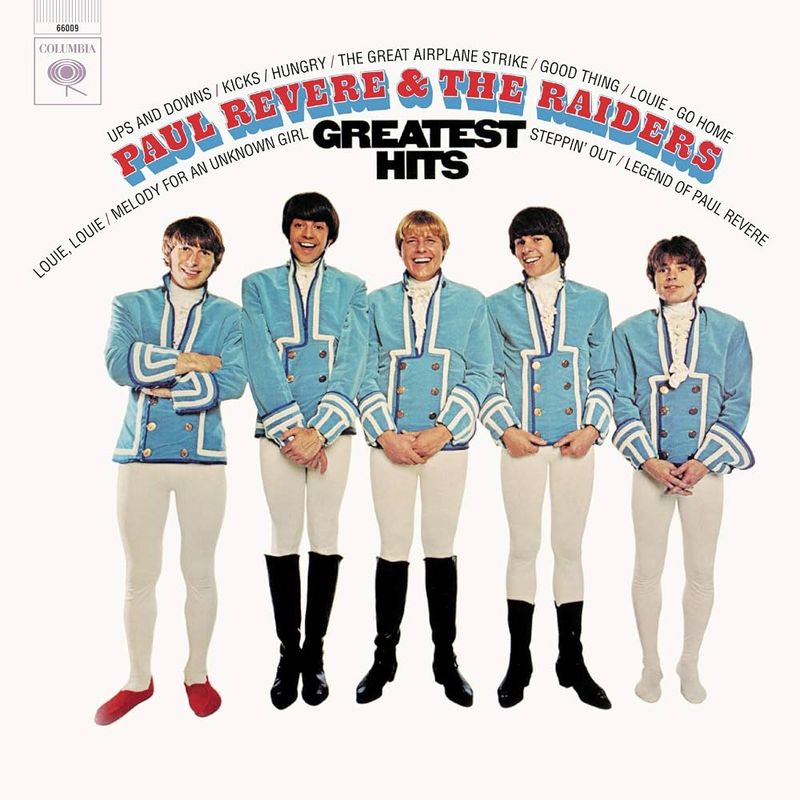
Wearing tricorn hats and colonial-era uniforms while playing hard-driving rock and roll was a bold choice, but Paul Revere and the Raiders pulled it off with genuine charisma.
The group’s theatrical image made them one of the most visually memorable acts of the 1960s, and their frequent appearances on television variety shows kept them in front of millions of viewers regularly.
“Kicks” was a sharp, anti-drug anthem that carried real punch, while “Hungry” and “Indian Reservation” showed the band could handle heavier subject matter.
Their garage-rock energy felt raw and exciting at a time when many pop acts were becoming increasingly polished.
For Boomers, the Raiders were a reliable source of rebellious fun wrapped in a patriotic costume.
11. The Guess Who
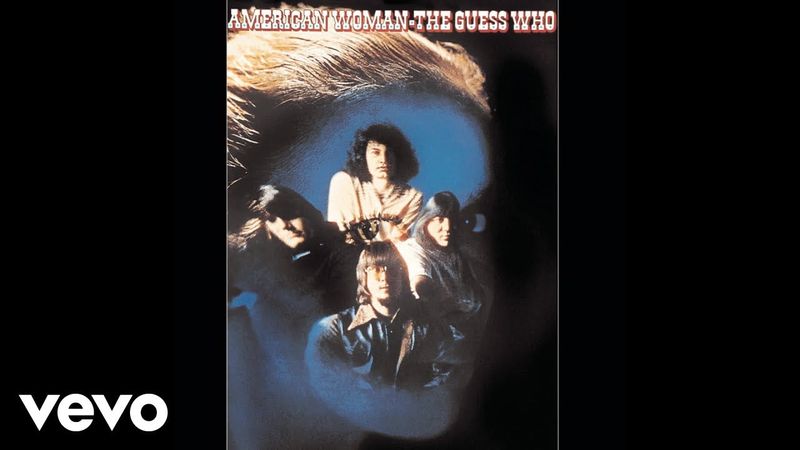
Canada does not always get enough credit for its contributions to classic rock, but The Guess Who made sure their country was represented at the highest level.
“American Woman” became a genuine phenomenon in 1970, hitting number one in the United States with a riff so recognizable that it still appears in movies and commercials decades later.
The irony of a Canadian band writing the definitive “American Woman” anthem was not lost on anyone.
Songs like “These Eyes” and “No Sugar Tonight” showed the group’s impressive stylistic range.
Lead singer Burton Cummings had a voice that could shift from tender to ferocious within a single song.
Boomers who lived through their chart run have a deep connection to this band that younger generations rarely share.
12. The Lovin’ Spoonful
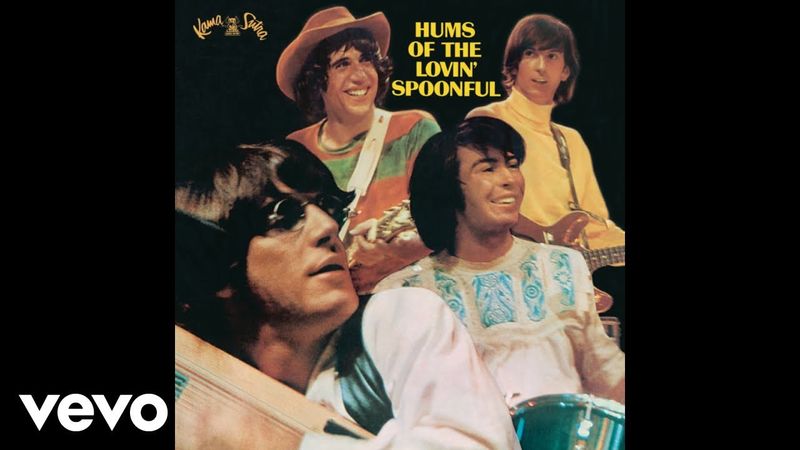
There is a certain sunny, carefree quality to The Lovin’ Spoonful’s music that feels like it was bottled straight from a perfect summer afternoon.
The New York-based group mixed folk, rock, blues, and jug-band influences into a sound that was completely their own and genuinely joyful.
“Do You Believe in Magic” captured that spirit perfectly when it became their debut hit in 1965.
“Summer in the City” took things in a grittier direction, painting a vivid picture of hot, restless urban life with a memorable piano-driven arrangement.
The contrast between their breezy side and their edgier recordings showed real artistic range.
Boomers associate this band strongly with the optimistic energy of the mid-1960s, a feeling that is hard to fully explain to younger listeners.
13. The Young Rascals
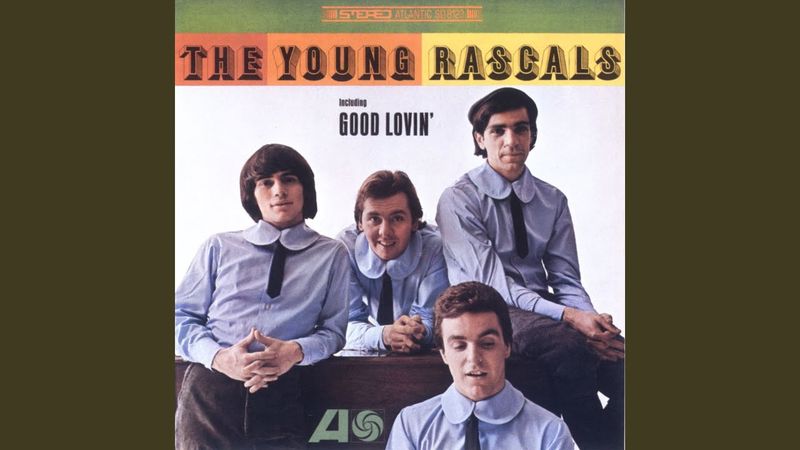
Starting out as The Young Rascals before eventually dropping the “Young,” this New Jersey-bred group had a soulful fire that most of their pop contemporaries simply could not match.
Their music was soaked in R&B influences at a time when many white rock acts kept a careful distance from that sound.
“Good Lovin'” hit number one in 1966 and made it clear these guys were the real deal.
“Groovin'” offered a completely different mood, with a lazy, warm groove that felt like a lazy Sunday afternoon stretched into song form.
“People Got to Be Free” carried a hopeful social message that resonated deeply in 1968.
Boomers who danced to their records carry a genuine affection for this band that younger generations have largely never had the chance to discover.