 MomSkoop

Getting older has a funny way of rearranging your priorities. The things you once chased — bigger houses, fancier cars, the latest gadgets — start to feel a lot less important than the moments and people you hold close.
By the time most people reach 70, they have a clear picture of what truly made life worth living. These nine lessons are what so many wish they had understood sooner.
1. Your Time Is More Valuable Than Your Possessions

Nobody ever reached the end of their life and wished they had spent more hours working overtime to buy another thing they did not need.
Time is the one resource that never refills once it is spent.
Every hour you trade for something that does not feed your soul is an hour you cannot reclaim.
Choosing how you spend your time is one of the most powerful decisions you make each day.
Saying no to draining commitments and yes to meaningful ones is not selfish — it is wise.
The richest people in the world cannot buy back a single lost afternoon with someone they love.
Protect your time like the treasure it truly is.
2. Good Health Is the Foundation of Every Other Joy
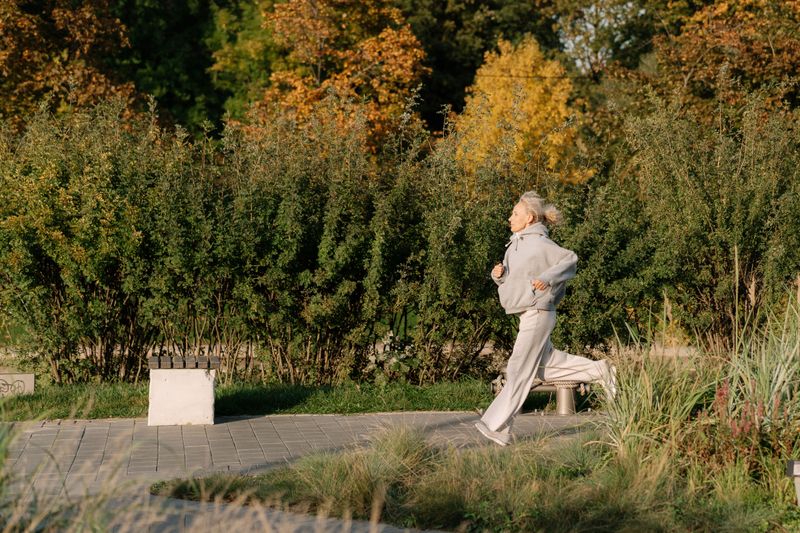
Ask anyone over 70 what they wish they had taken more seriously in their 30s and 40s, and most will say their health.
When your body feels strong, everything else in life becomes more enjoyable — travel, play, laughter, and even simple daily routines feel like gifts rather than chores.
Small habits built over years create the foundation you stand on later.
Regular movement, decent sleep, and eating well are not punishments — they are investments with enormous payoffs.
The compound interest of healthy choices shows up decades down the road in ways that no bank account can replicate.
Your body carries you through every experience life offers.
Treat it accordingly.
3. Strong Relationships Outlast Career Success and Wealth
Careers end.
Markets crash.
Titles disappear from business cards.
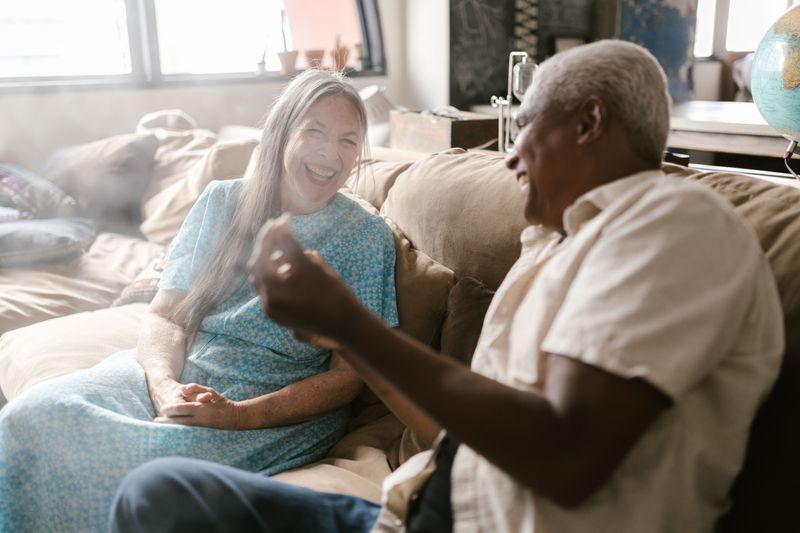
But the person who shows up at your door when everything falls apart — that relationship is worth more than any professional achievement you ever earned.
Research on aging consistently shows that social connection is one of the strongest predictors of happiness and even longevity.
People with deep, trusting friendships tend to live longer, recover faster from illness, and report far greater satisfaction with their lives.
The quality of your relationships is genuinely a health metric.
Nurturing the people in your corner takes effort, but the return is immeasurable.
Call the friend you have been meaning to reach out to.
Do it today, not someday.
4. Peace of Mind Is Worth More Than Being Right
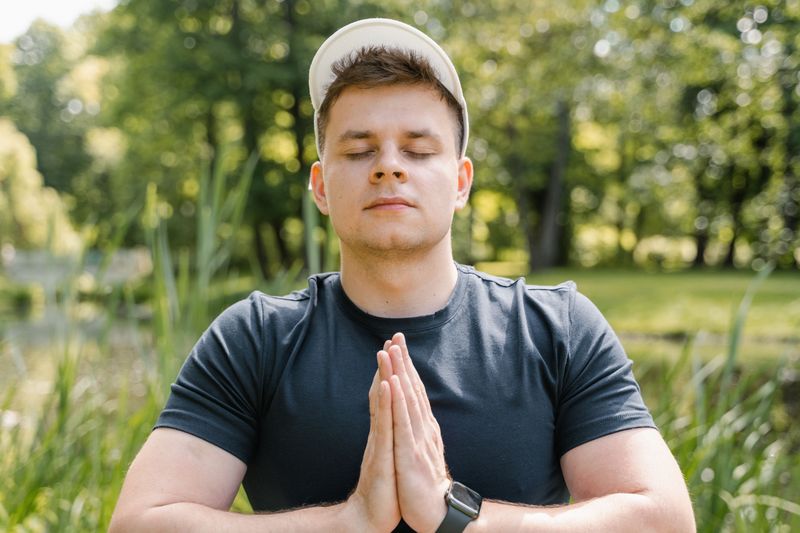
There is a certain kind of exhaustion that comes from always needing to win an argument.
Proving your point might feel satisfying for a moment, but the tension it leaves behind can linger for years — sometimes permanently damaging the relationships that matter most to you.
Choosing peace over being right is not weakness.
It actually takes considerable emotional strength to let something go when your ego is screaming otherwise.
Many people spend decades locked in conflicts that, in hindsight, were never worth the energy they consumed.
A calm mind is a clear mind.
When you stop fighting every battle, you create space for joy, creativity, and genuine connection.
That trade is almost always worth it.
5. Experiences Stay With You Longer Than Material Things

Think back to the five most vivid memories of your life.
Chances are, none of them involve an object you bought.
They are moments — a road trip, a conversation under the stars, a shared meal that turned into a three-hour laugh-fest.
Experiences carve themselves into who you are in ways that things simply cannot.
Psychologists call this the “experience advantage” — the proven tendency for experiential purchases to bring more lasting happiness than material ones.
The new car loses its shine in weeks.
The memory of dancing at your friend’s wedding stays warm for a lifetime.
Spend your energy collecting moments.
They travel with you everywhere, weigh nothing, and never lose their value.
6. Forgiveness Frees You More Than Holding Grudges Ever Will

Carrying a grudge is like hauling a heavy backpack everywhere you go — except the only person feeling the weight is you.
The person who hurt you may have moved on entirely, while you are still spending mental energy replaying the wound on a loop.
Forgiveness does not mean pretending something did not happen or excusing harmful behavior.
It means releasing yourself from the ongoing burden of anger.
Studies in psychology show that people who practice forgiveness report lower stress, better sleep, and stronger immune function.
It is genuinely good for your body, not just your soul.
Letting go is one of the most liberating acts available to any human being.
You deserve that freedom.
7. Personal Growth Never Has an Expiration Date

Somewhere along the way, society started selling the idea that learning is for young people and that after a certain age, you are simply who you are.
That idea is completely false — and frankly, a little boring.
The human brain retains remarkable adaptability well into old age, a quality scientists call neuroplasticity.
People who keep learning new skills, exploring unfamiliar ideas, and challenging their own assumptions tend to stay sharper, more engaged, and more fulfilled as they age.
Whether it is picking up a new language, learning to paint, or finally reading the classics you skipped in school — growth feeds something deep inside us.
Curiosity is not childish.
It is one of the best tools for a life well-lived.
8. Kindness Is the Legacy People Remember Most

At the end of a life, people are rarely remembered for their salary, their square footage, or how impressive their resume looked.
They are remembered for how they made others feel.
A small act of genuine kindness — a word of encouragement at the right moment, a meal brought to a grieving neighbor — can echo through someone’s life for decades.
Kindness is also quietly good for the giver.
Research shows that acts of generosity trigger the brain’s reward system, reducing stress hormones and boosting overall mood.
Being kind, in a very real biological sense, makes you feel better.
The legacy you leave is built one small interaction at a time.
Make those moments count — they are the ones that truly last.
9. Gratitude Makes an Ordinary Life Feel Extraordinary
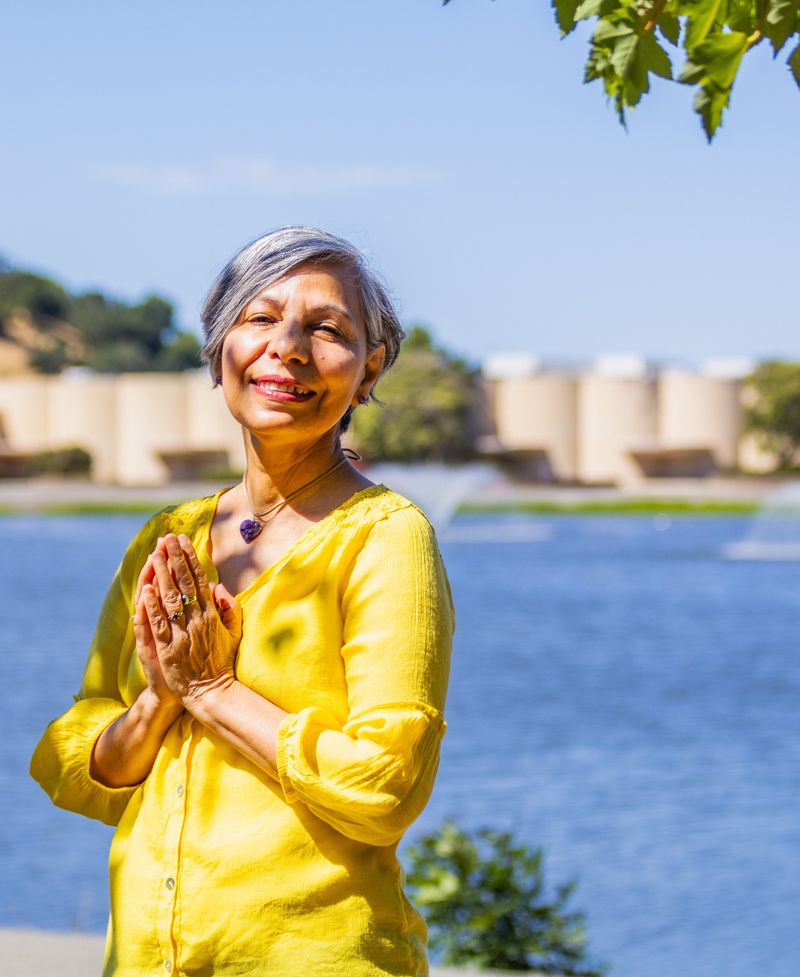
Here is a quiet truth that takes most people years to fully absorb: happiness is not a destination you arrive at after collecting enough good things.
It is a practice — a conscious decision to notice and appreciate what is already present in your life, even on imperfect days.
Gratitude rewires the brain over time.
People who regularly acknowledge what they are thankful for report higher levels of optimism, stronger relationships, and better physical health.
Even jotting down three small things each morning can shift how the entire day feels from the inside out.
An ordinary Tuesday morning with good coffee, a sleeping pet, and sunlight through the window can feel like abundance when you are paying attention.
That awareness is worth more than anything money can buy.