 MomSkoop
Crime dramas have become the ultimate binge-worthy television.
Once you start watching, it becomes nearly impossible to turn off.
From corrupt cops to brilliant serial killers, these shows pull you into dark worlds where every episode leaves you craving more.
Whether you love psychological thrillers or gritty police procedurals, this list features the most addictive crime series that will keep you glued to your screen for hours.
1. The Wire – The Most Realistic Crime Drama Ever Made
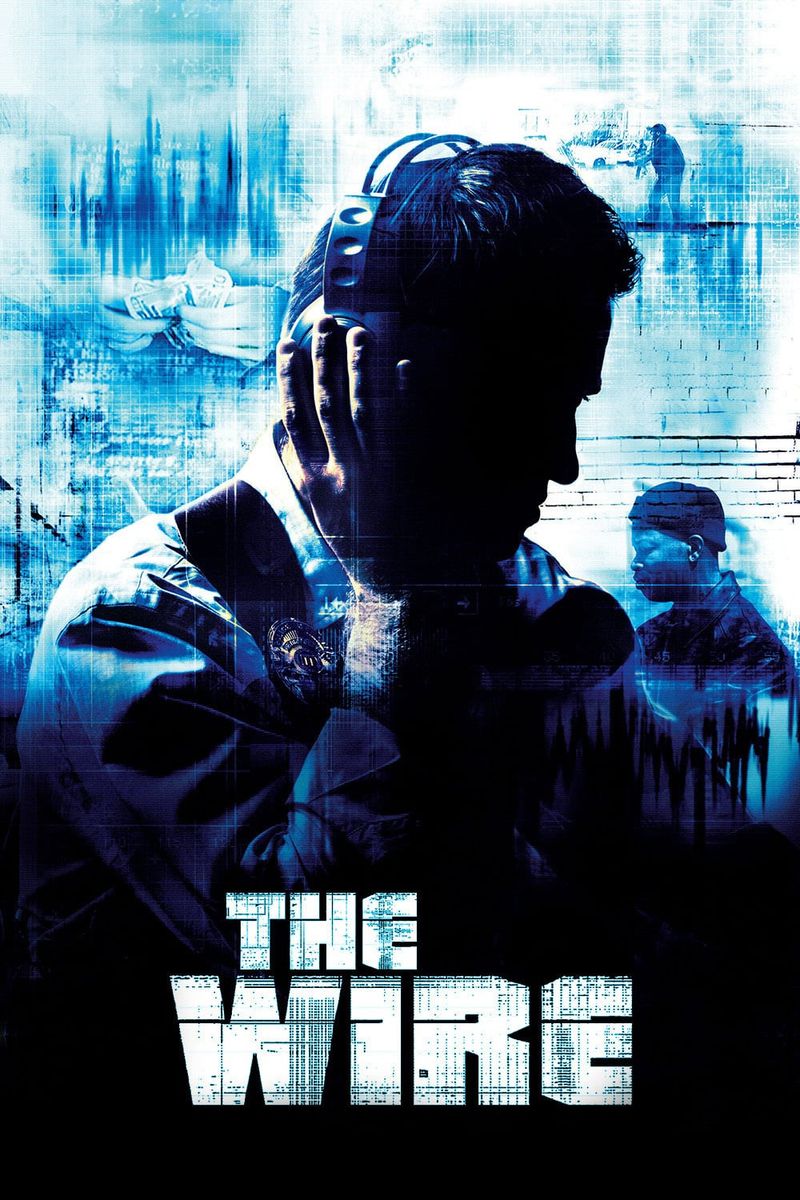
Baltimore comes alive in ways most TV shows never attempt.
The Wire doesn’t just show crime; it reveals how entire systems create and sustain it.
Police, drug dealers, politicians, teachers, and journalists all play their parts in a city struggling to survive.
What makes this show unforgettable is its refusal to pick heroes and villains.
Everyone has reasons for their choices, even when those choices lead to tragedy.
The writing treats every character with respect, giving even minor roles depth and purpose.
Five seasons explore different institutions, from the drug trade to the education system.
Each layer adds complexity to your understanding of urban America.
Watching feels less like entertainment and more like witnessing something profoundly true about how our world actually works.
2. The Sopranos – The Mob Boss Who Changed Television Forever
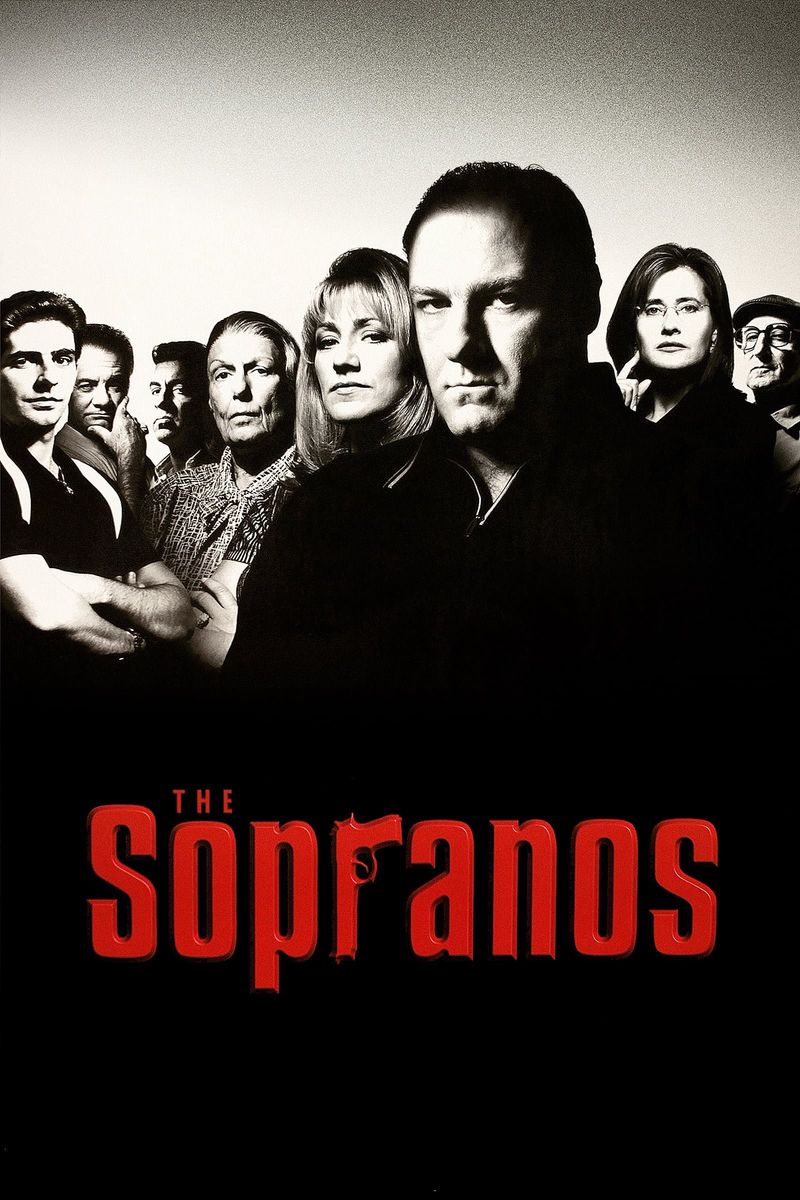
Tony Soprano sits in a therapist’s office, discussing panic attacks and family problems.
He also runs a violent criminal organization.
This contradiction created something television had never seen before: a deeply flawed protagonist you somehow root for despite his terrible actions.
The show balances brutal violence with surprising humor and genuine emotion.
One moment you’re watching a shocking crime, the next you’re laughing at family dinner chaos.
This tonal complexity feels remarkably real, showing how ordinary and extraordinary moments blend in actual life.
Beyond the mob storylines, the series explores depression, identity, and the American Dream’s dark side.
It proved TV could be as artistically ambitious as film.
Every prestige drama that followed owes something to what The Sopranos accomplished first.
3. Breaking Bad – Watching a Good Man Become a Monster
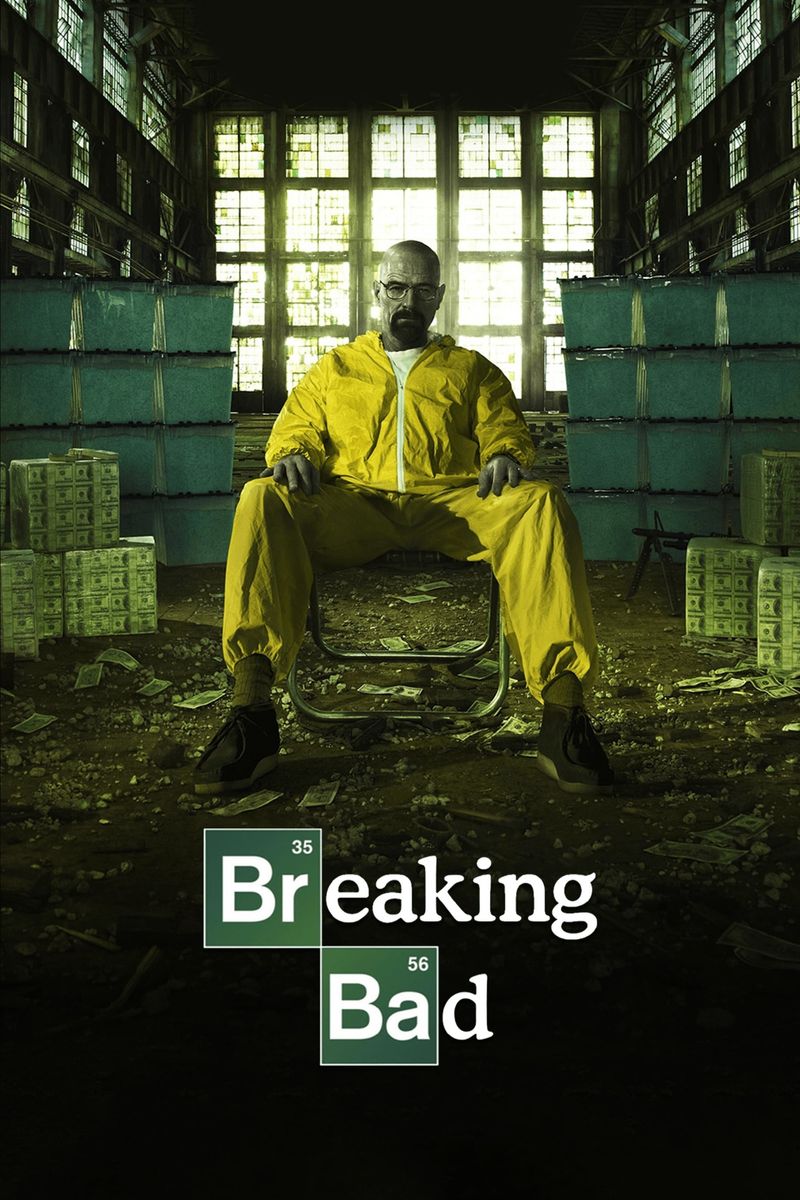
A high school chemistry teacher gets a cancer diagnosis and decides to cook methamphetamine.
That simple premise launches the most intense character transformation in television history.
Walter White’s journey from desperate father to calculating criminal mastermind happens so gradually you barely notice until it’s too late.
Every episode tightens the tension like a wire about to snap.
The show’s genius lies in making you understand Walter’s choices even when they become horrifying.
His partner Jesse provides the emotional heart, showing the human cost of Walter’s ambition.
The cinematography turns New Mexico into a character itself, with vast desert landscapes contrasting the claustrophobic choices trapping these characters.
Breaking Bad set a new standard for what crime television could achieve in storytelling craft.
4. Better Call Saul – The Prequel That Surpassed the Original
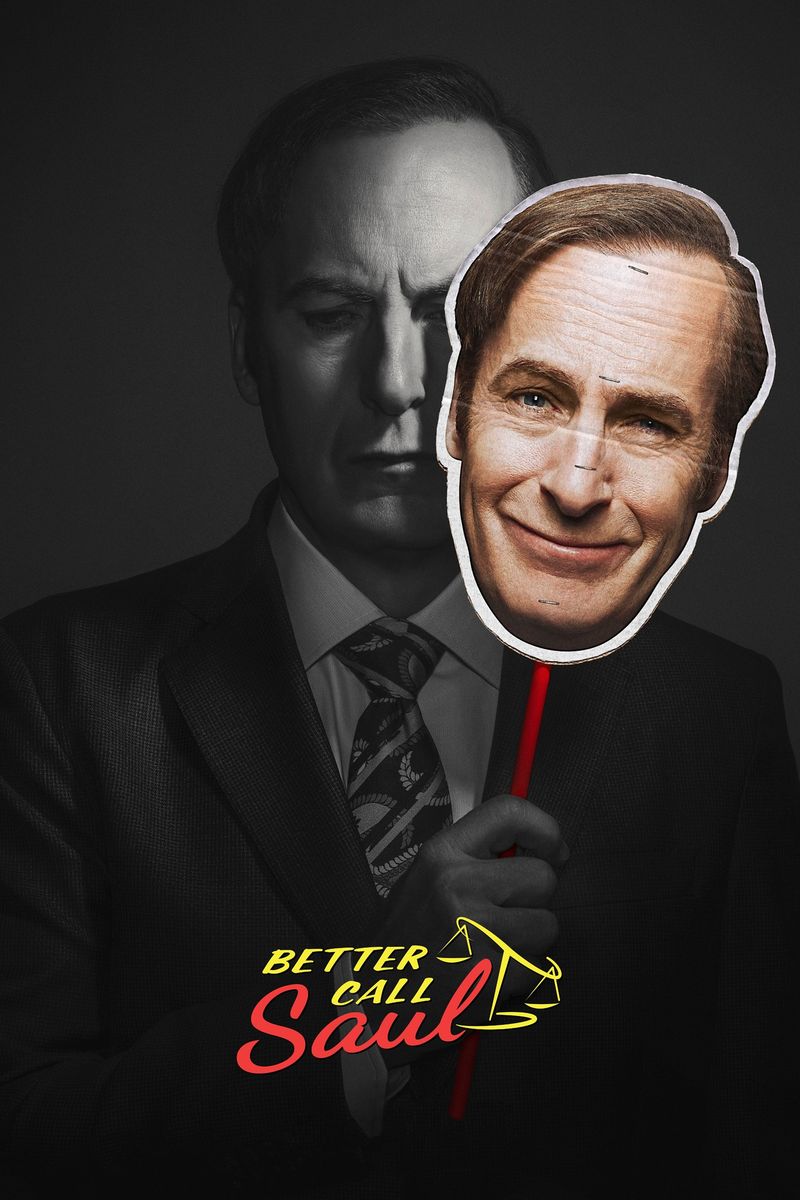
Before he became Walter White’s sleazy lawyer, Saul Goodman was Jimmy McGill, a struggling attorney trying to do right.
This prequel explores how good intentions curdle into corruption through small compromises and bitter disappointments.
The transformation happens even more slowly than Breaking Bad, making it somehow more heartbreaking.
Where Breaking Bad exploded with action, Better Call Saul simmers with quiet tension.
A conversation between brothers carries as much weight as any shootout.
The show trusts viewers to appreciate subtle character work and moral complexity.
Bob Odenkirk delivers a career-defining performance, showing Jimmy’s charm masking deep pain.
The supporting cast, especially Rhea Seehorn as Kim Wexler, adds layers of emotional depth.
This series proves prequels can stand alone as masterpieces.
5. The Shield – Corrupt Cops and Moral Chaos
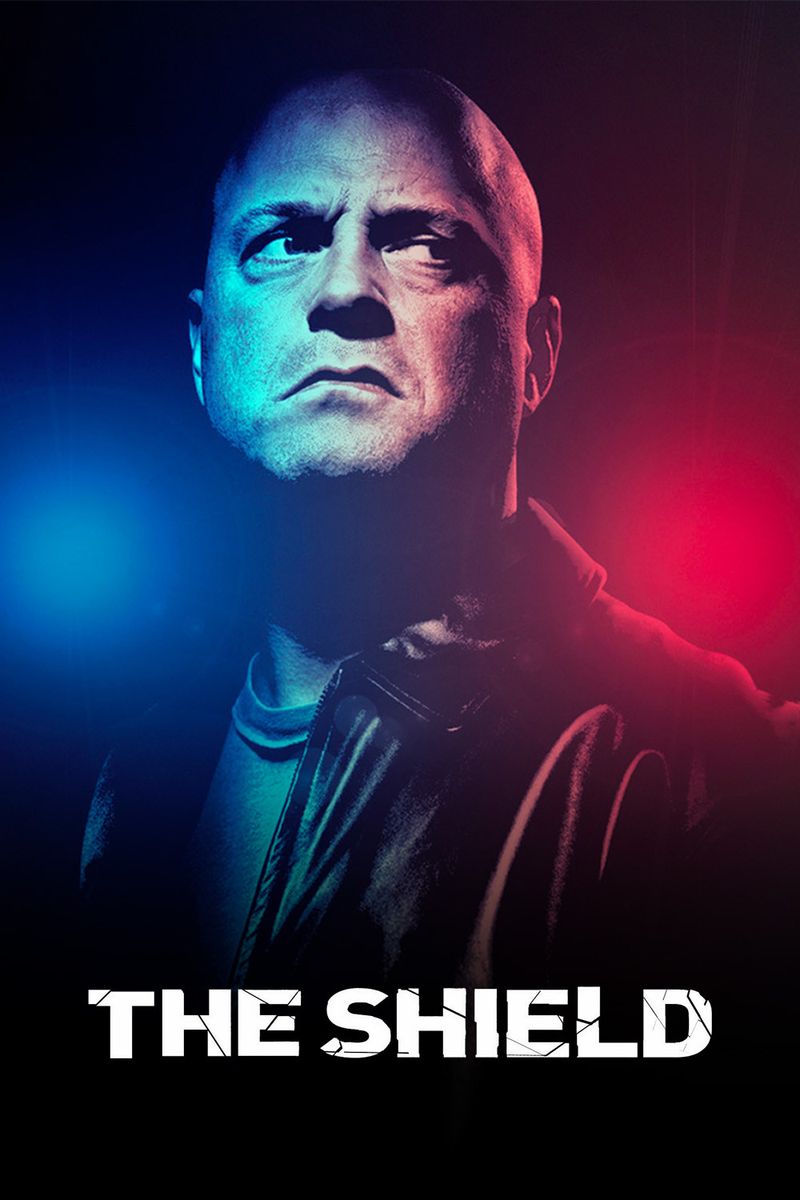
Vic Mackey is a corrupt Los Angeles cop who murders a fellow officer in the first episode.
Yet somehow, the show makes you understand his twisted logic for seven seasons.
The Shield grabbed viewers by asking impossible questions: Can terrible people do good work?
Where does protection end and tyranny begin?
The handheld camera style gives everything raw, documentary-like intensity.
You feel trapped in the chaotic streets alongside these flawed cops.
Unlike many police shows, The Shield never glorifies law enforcement or pretends justice always wins.
Michael Chiklis brings frightening intensity to Vic, creating one of television’s most complex antiheroes.
The series finale delivers consequences years in the making.
This show influenced every morally gray cop drama that followed.
6. Mindhunter – Inside the Minds of Serial Killers
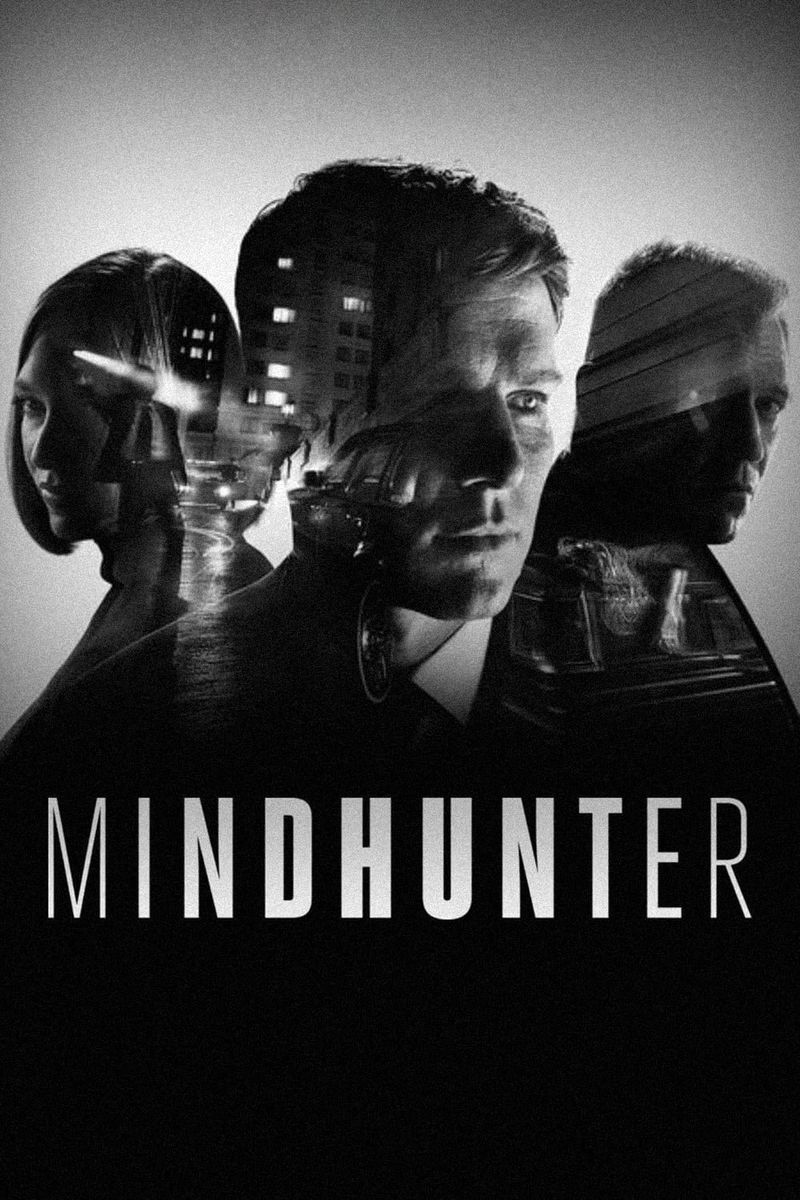
Two FBI agents in the 1970s develop criminal profiling by interviewing imprisoned serial killers.
Mindhunter takes a cerebral approach to crime, focusing on conversations rather than chases.
The tension comes from watching agents try to understand monsters without becoming monsters themselves.
Jonathan Groff and Holt McCallany play the agents with understated brilliance, showing how this dark work slowly affects their personal lives.
The serial killer interviews, based on real cases, feel disturbingly authentic.
You’re simultaneously fascinated and repelled by these conversations.
Director David Fincher brings his signature precision to every frame.
The 1970s period details immerse you completely in that era’s fashion, technology, and attitudes.
Though Netflix canceled it after two seasons, what exists stands as some of the smartest crime television ever produced.
7. Fargo – Dark Comedy Meets Violent Crime
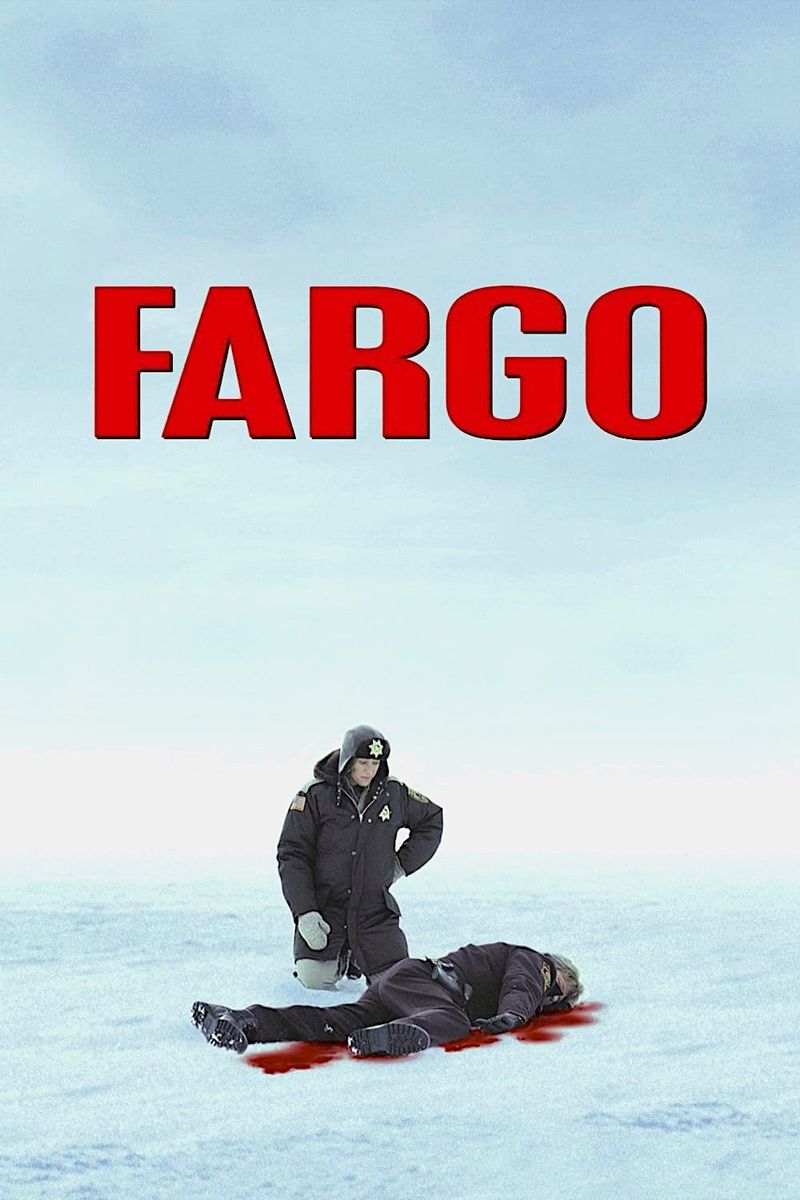
Inspired by the Coen Brothers film, this anthology series reinvents itself each season while maintaining a distinctive voice.
Ordinary people in Minnesota and the Dakotas stumble into extraordinary criminal situations, usually because of greed, pride, or plain bad luck.
The results mix shocking violence with absurd humor.
Each season tells a complete story with new characters, though clever connections link them together.
The writing balances quirky regional dialogue with genuine menace.
You’ll laugh at a conversation, then gasp at sudden brutality moments later.
The cast across all seasons delivers phenomenal work, from Billy Bob Thornton’s chilling hitman to Kirsten Dunst’s desperate beautician.
The snowy landscapes become almost another character, beautiful and isolating.
Fargo proves crime anthologies can maintain quality across multiple reinventions.
8. True Detective – Atmospheric Perfection
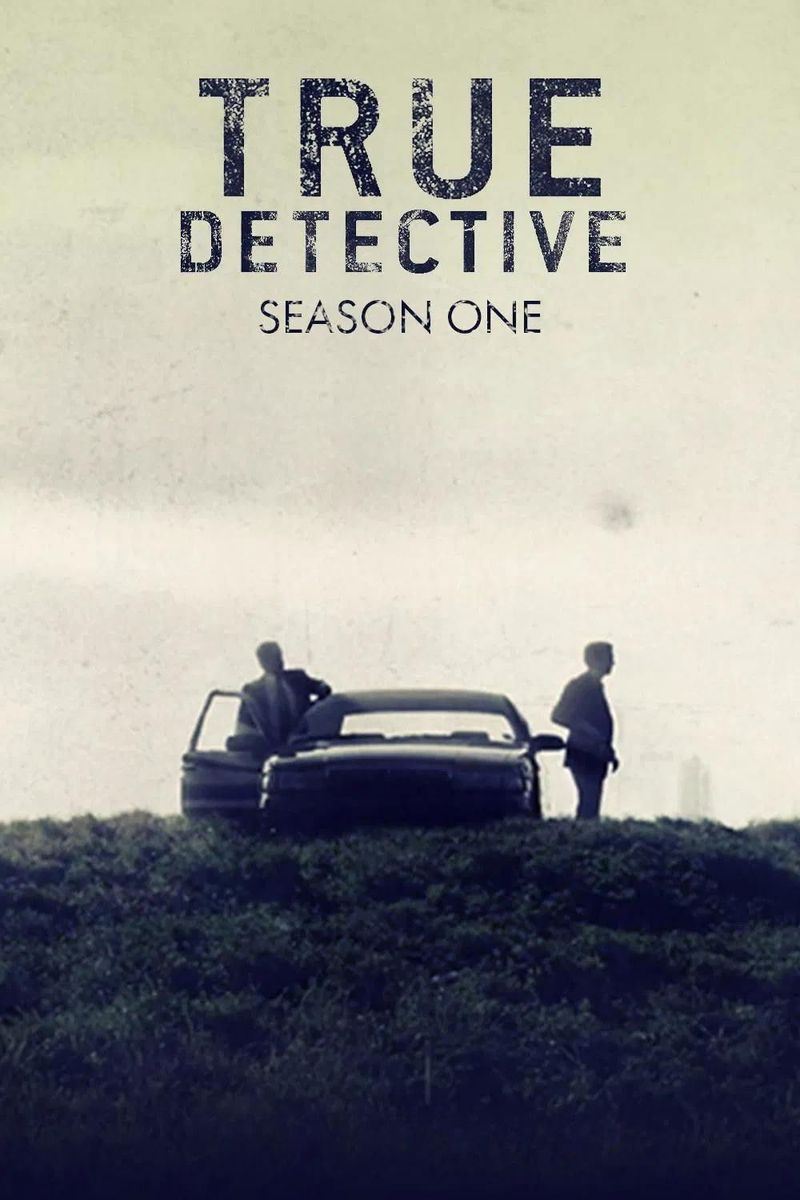
Two Louisiana detectives hunt a serial killer across seventeen years, but the real story explores time, memory, and meaning.
Matthew McConaughey and Woody Harrelson deliver career-best performances as partners with completely different worldviews.
Their philosophical arguments feel as important as the investigation itself.
Director Cary Fukunaga shoots Louisiana like a fever dream, with Spanish moss and decaying buildings creating oppressive atmosphere.
The single-take action sequence in episode four remains legendary.
Everything from the haunting soundtrack to the yellow color grading adds to the unsettling mood.
While later seasons disappointed fans, this first season stands alone as near-perfect television.
The finale may divide viewers, but the journey there remains absolutely gripping.
It’s crime drama elevated to art.
9. Line of Duty – Police Corruption Procedural Done Right
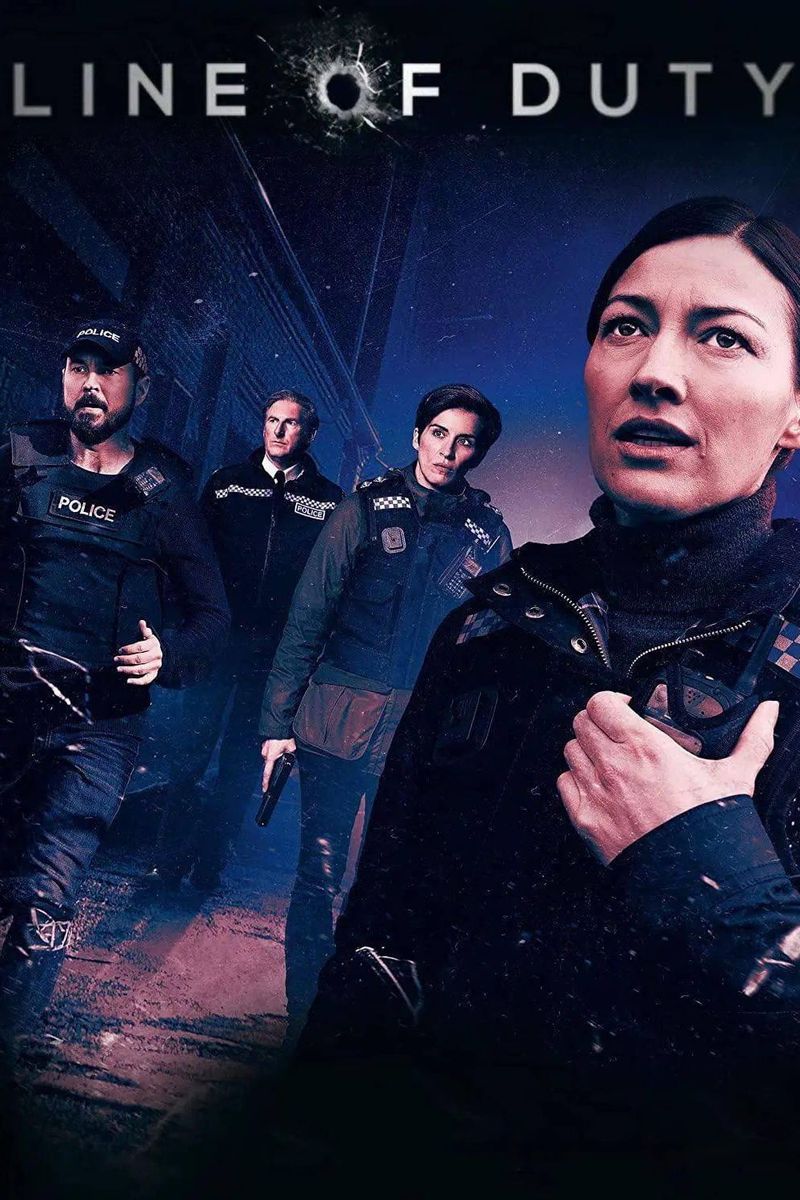
British anti-corruption officers investigate fellow police in this relentlessly tense procedural.
Each season focuses on a new case, but ongoing conspiracies connect everything.
The interrogation scenes become legendary for their intensity, with suspects and investigators engaged in verbal warfare.
The show creates its own police jargon that fans adopt enthusiastically.
Phrases like “bent coppers” and constant references to regulations add authenticity.
Unlike American cop shows, Line of Duty emphasizes paperwork, procedure, and institutional politics as much as action.
Lead actors Martin Compston, Vicky McClure, and Adrian Dunbar develop incredible chemistry as the anti-corruption team.
The twisting plots keep you guessing until the final moments.
Six seasons prove British television does police procedurals with unique sophistication.
10. Happy Valley – Small Town Sergeant Versus Pure Evil
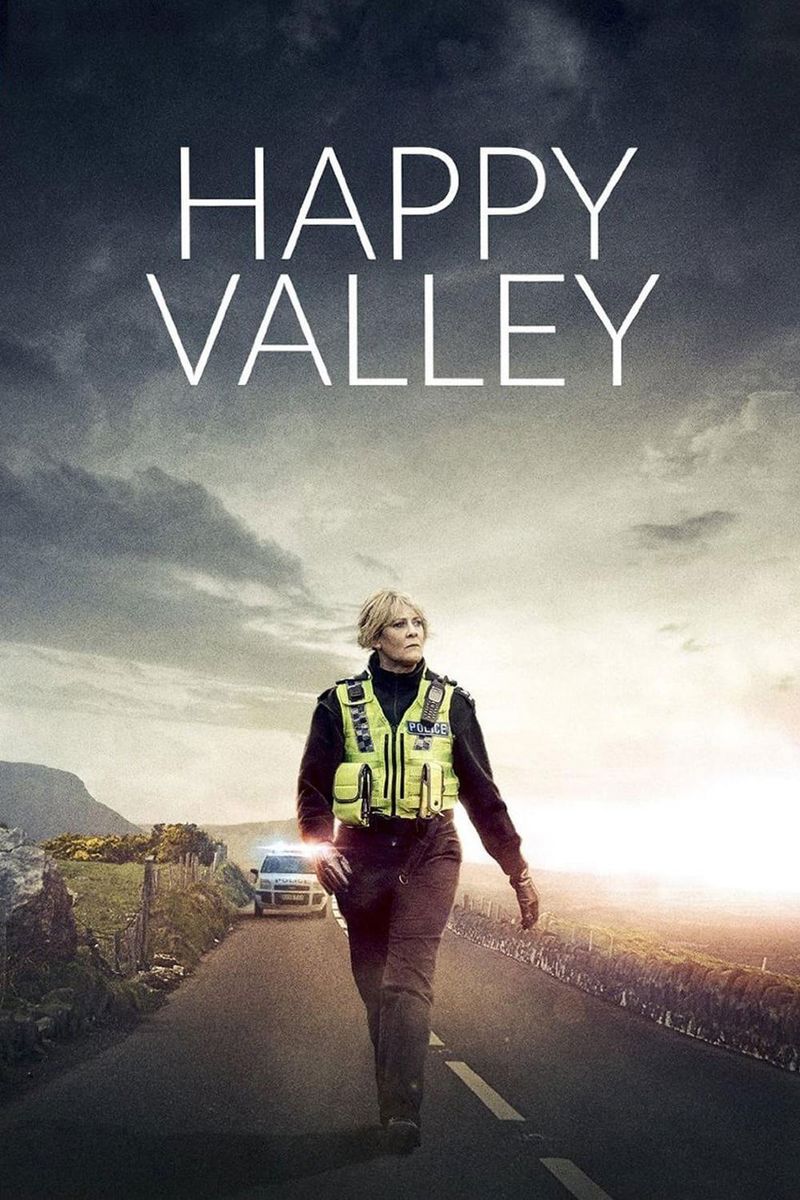
Sergeant Catherine Cawood patrols a Yorkshire valley town while dealing with personal tragedy.
When a kidnapping connects to her daughter’s death, professional duty and personal vengeance collide.
Sarah Lancashire delivers a powerhouse performance, creating one of television’s most compelling heroes.
The antagonist Tommy Lee Royce, played brilliantly by James Norton, ranks among TV’s most disturbing villains.
His charm and cruelty create genuine horror.
The cat-and-mouse game between Catherine and Tommy spans three seasons of unbearable tension.
Beyond the central conflict, the show portrays working-class British life with rare authenticity.
The Yorkshire setting feels completely real, from the accents to the economic struggles.
Happy Valley proves crime dramas can be both thrilling and deeply human.
11. Broadchurch – When Murder Destroys a Community
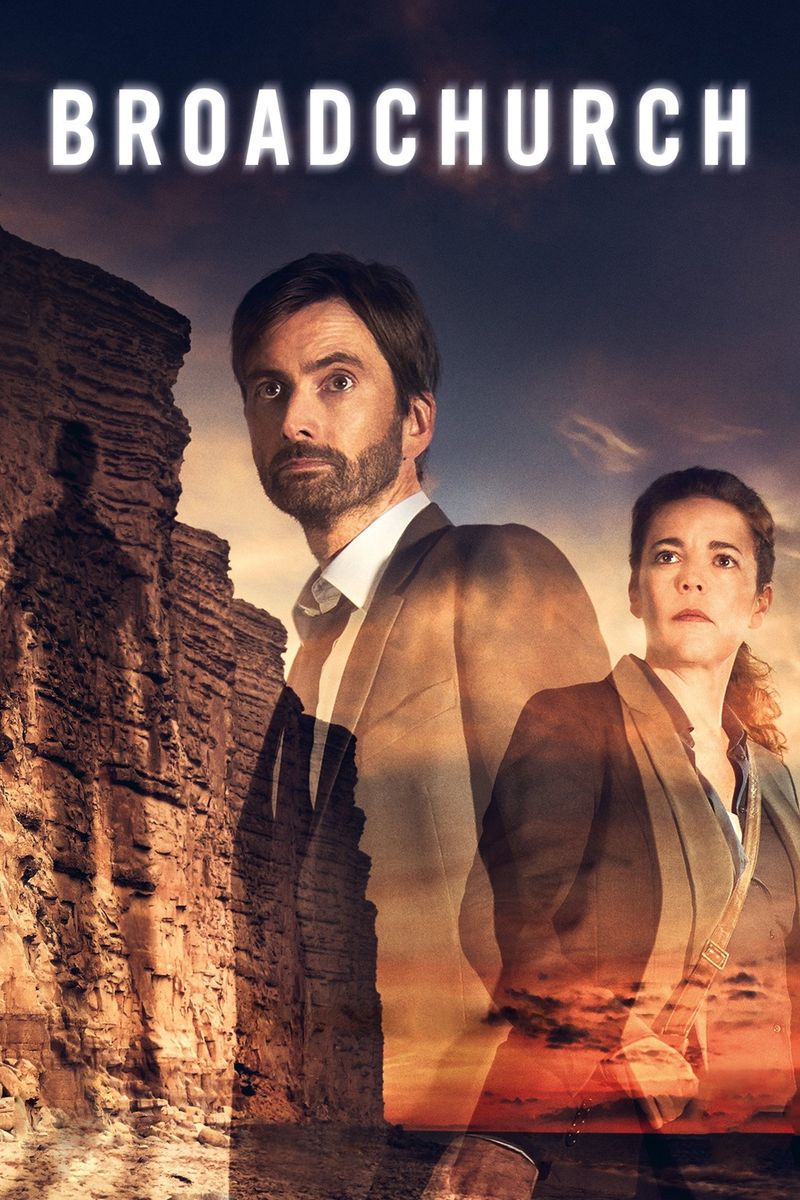
A young boy’s murder shatters a tight-knit coastal town in Dorset.
Two detectives, one local and one outsider, investigate while the community tears itself apart with suspicion.
David Tennant and Olivia Colman anchor the series with performances that balance professional determination and personal pain.
What separates Broadchurch from typical murder mysteries is its focus on grief’s ripple effects.
Every character suffers as secrets emerge and relationships fracture.
The beautiful coastal setting contrasts sharply with the darkness unfolding within it.
The first season builds to a revelation that feels both shocking and inevitable.
While later seasons explore different cases, that initial mystery remains the show’s peak.
Broadchurch demonstrates how crime affects entire communities, not just victims and perpetrators.
12. Narcos – The Rise and Fall of Drug Empires
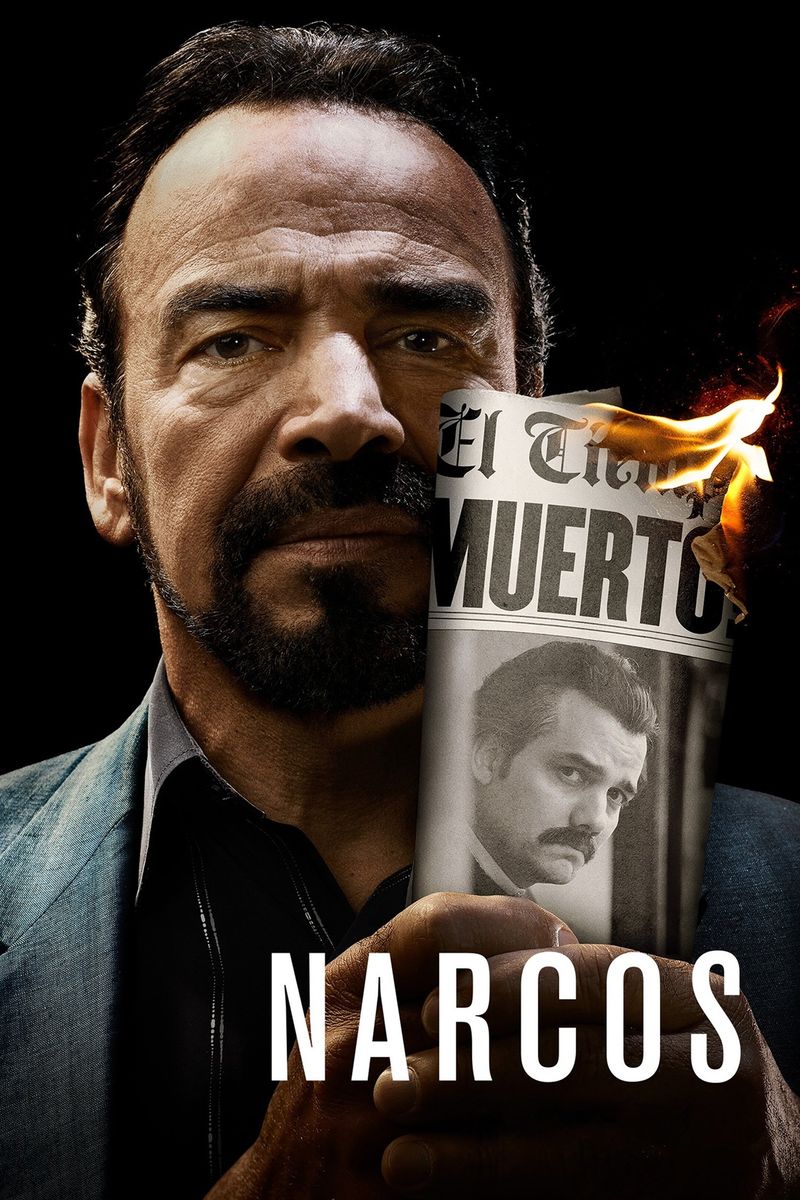
Pablo Escobar’s drug empire rises and falls across three seasons of stylish, brutal storytelling.
Narcos blends documentary-style narration with dramatized events, creating an educational yet thrilling experience.
The show doesn’t glorify Escobar but shows how charisma and violence built his power.
Wagner Moura’s performance as Escobar captures both the man’s charm and his monstrous nature.
The DEA agents pursuing him, played by Pedro Pascal and Boyd Holbrook, provide the American perspective.
Switching between Spanish and English adds authenticity without alienating viewers.
Later seasons shift focus to the Cali cartel and eventually Mexican cartels.
The scope expands to show how the drug trade operates as a global business.
Narcos succeeds in making complex geopolitics accessible and compelling.
13. The Americans – Cold War Spies and Moral Ambiguity
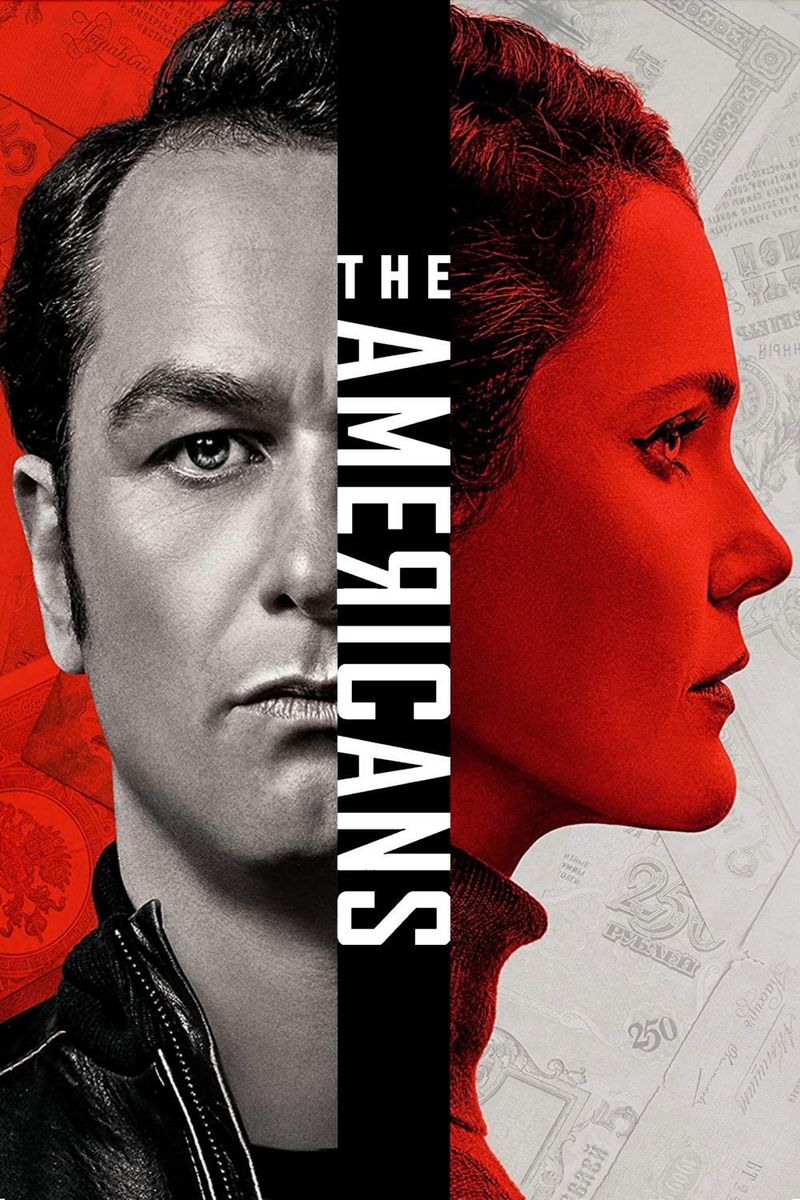
Soviet KGB agents pose as an American married couple in 1980s suburban Washington.
They conduct espionage while raising children who believe they’re ordinary Americans.
The premise sounds like a thriller, but The Americans focuses on identity, loyalty, and the cost of living a lie.
Keri Russell and Matthew Rhys deliver nuanced performances as the spy couple, showing how their fake marriage develops real feelings.
Their FBI agent neighbor, played by Noah Emrick, adds constant tension.
Every family dinner or neighborhood barbecue carries the threat of exposure.
The show explores moral complexity without easy answers.
Are these characters heroes defending their homeland or villains threatening America?
The final season builds to an emotionally devastating conclusion.
The Americans proves spy stories work best when they’re really about people.
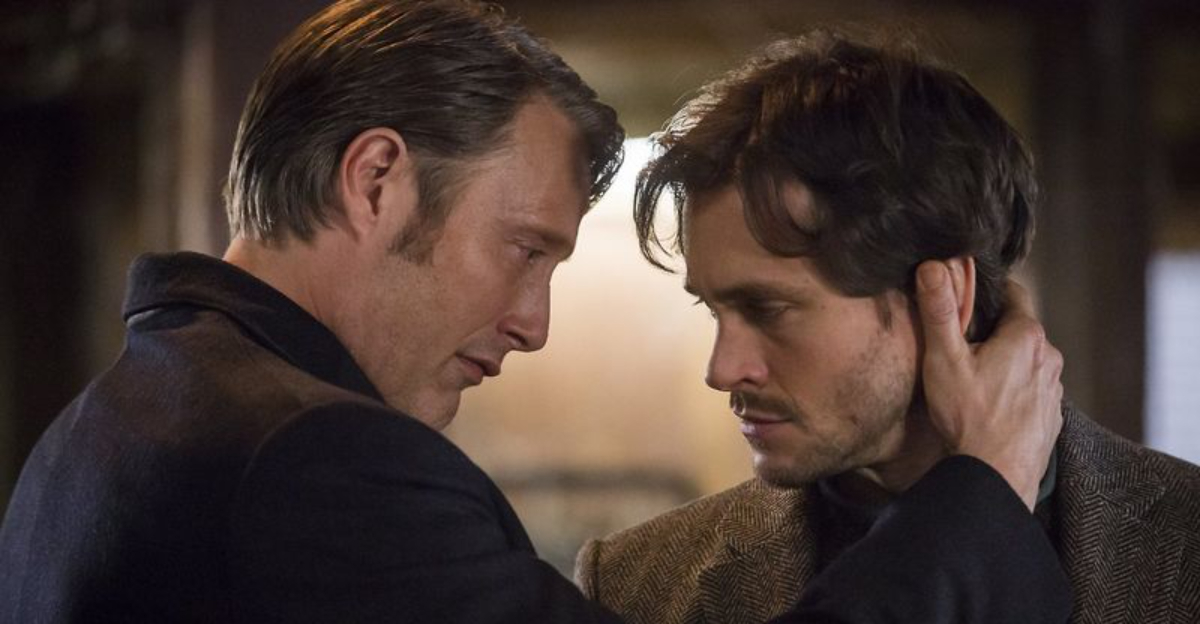
14. Hannibal – Artistic Horror Meets Psychological Thriller
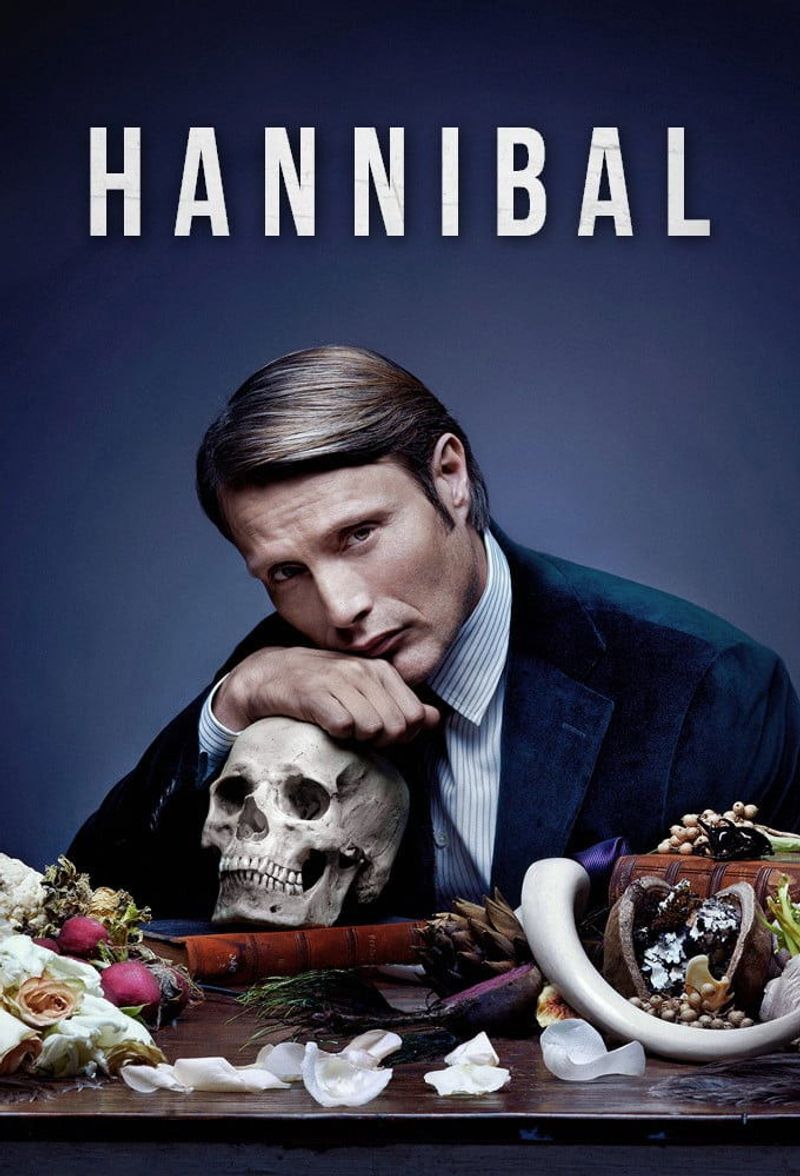
Before Silence of the Lambs, FBI profiler Will Graham and psychiatrist Hannibal Lecter formed a twisted friendship.
This series reimagines their relationship with stunning visual artistry.
Every frame looks like a painting, with food styled like art installations and crime scenes composed with disturbing beauty.
Mads Mikkelsen brings elegant menace to Hannibal, making him simultaneously attractive and terrifying.
Hugh Dancy’s Will Graham descends into psychological chaos as Hannibal manipulates him.
Their intellectual chess game provides constant tension beneath polite conversations.
The show pushes boundaries with graphic violence presented as high art.
It’s not for everyone, but fans appreciate its unique vision.
Though canceled after three seasons, Hannibal remains the most visually ambitious crime series ever attempted on network television.
15. Homicide: Life on the Street – The Foundation of Modern Crime Drama
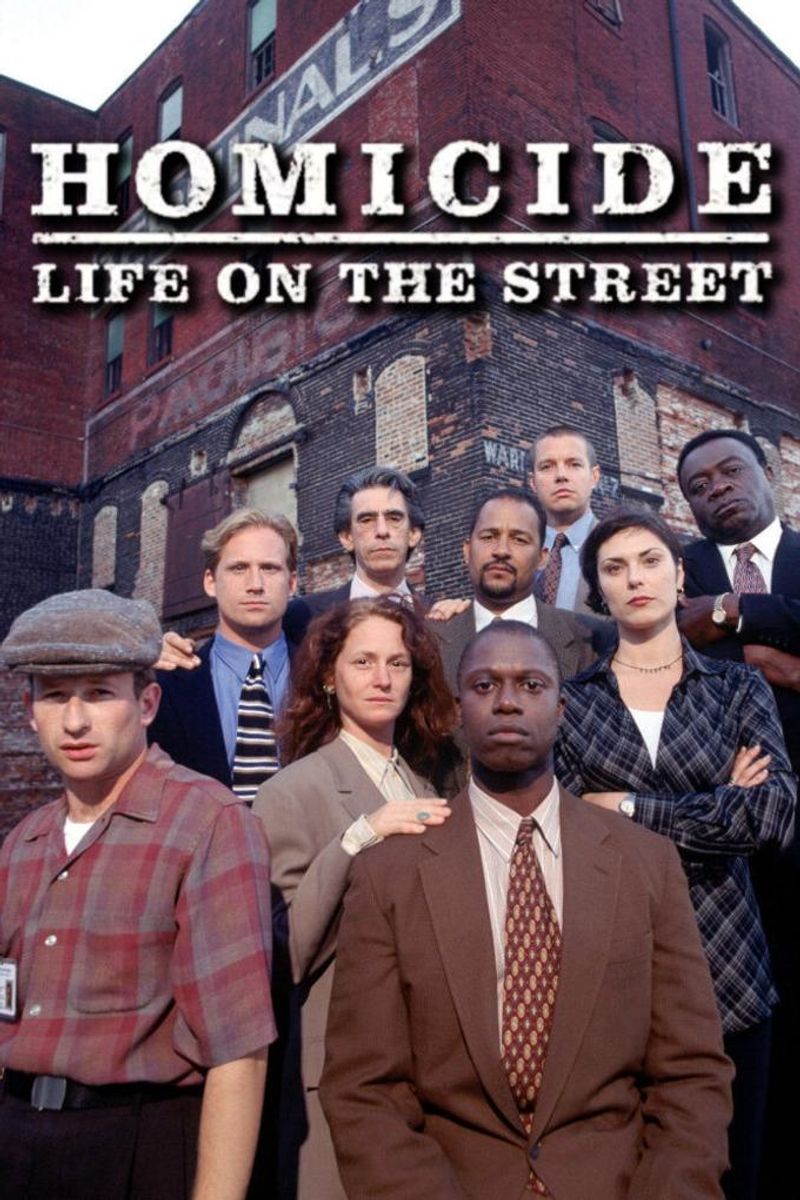
Based on David Simon’s book about Baltimore homicide detectives, this 1990s series pioneered the realistic cop show.
Before The Wire, there was Homicide, using handheld cameras and naturalistic dialogue to create documentary-like authenticity.
The show treated police work as a job, not a heroic calling.
The ensemble cast featured breakthrough performances from Andre Braugher, Yaphet Kotto, and Melissa Leo.
The writing room included future showrunners who would shape television for decades.
Episodes focused on the tedious, frustrating reality of investigations rather than neat resolutions.
Though less known today than shows it influenced, Homicide deserves recognition as a groundbreaking series.
It proved network television could handle complex, adult crime stories.
Every gritty police procedural since owes something to what Homicide accomplished first.