 MomSkoop
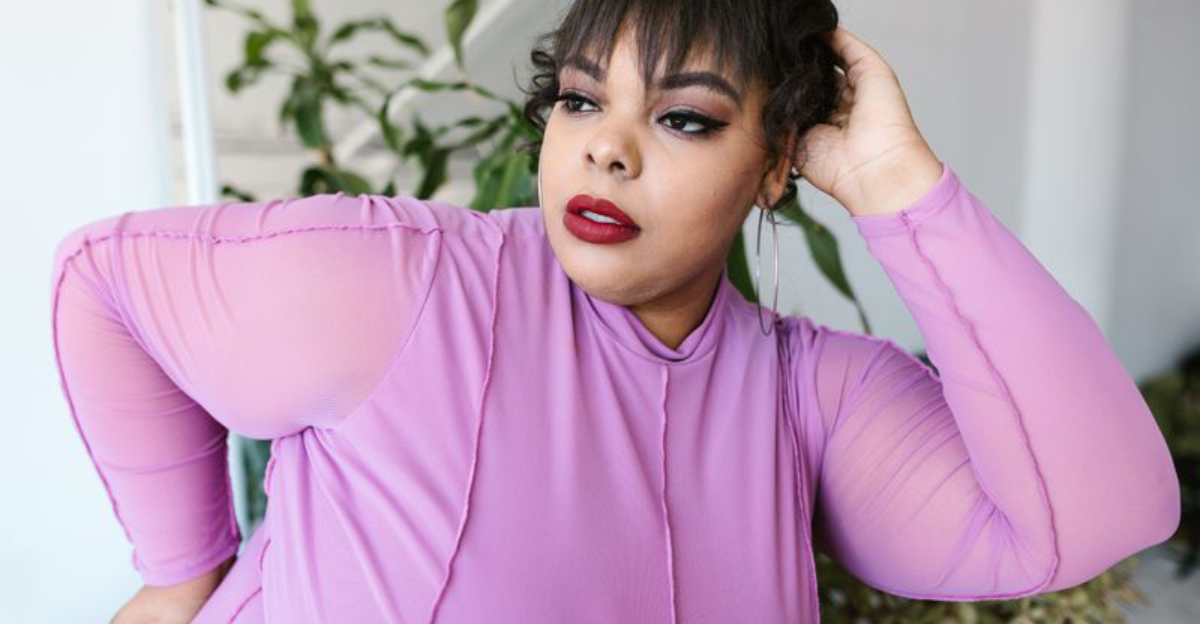
Fashion is always changing, and it can be tempting to follow every new trend or tip that promises a more flattering look. Many curvy women have made style shifts they thought would help, only to wish later they had kept some of their old favorites.
From ditching color to giving up belts, these changes often backfire in ways that are hard to spot at first. Here are 11 style choices that curvy women sometimes look back on and regret.
1. Switching to Oversized Clothing for Everything
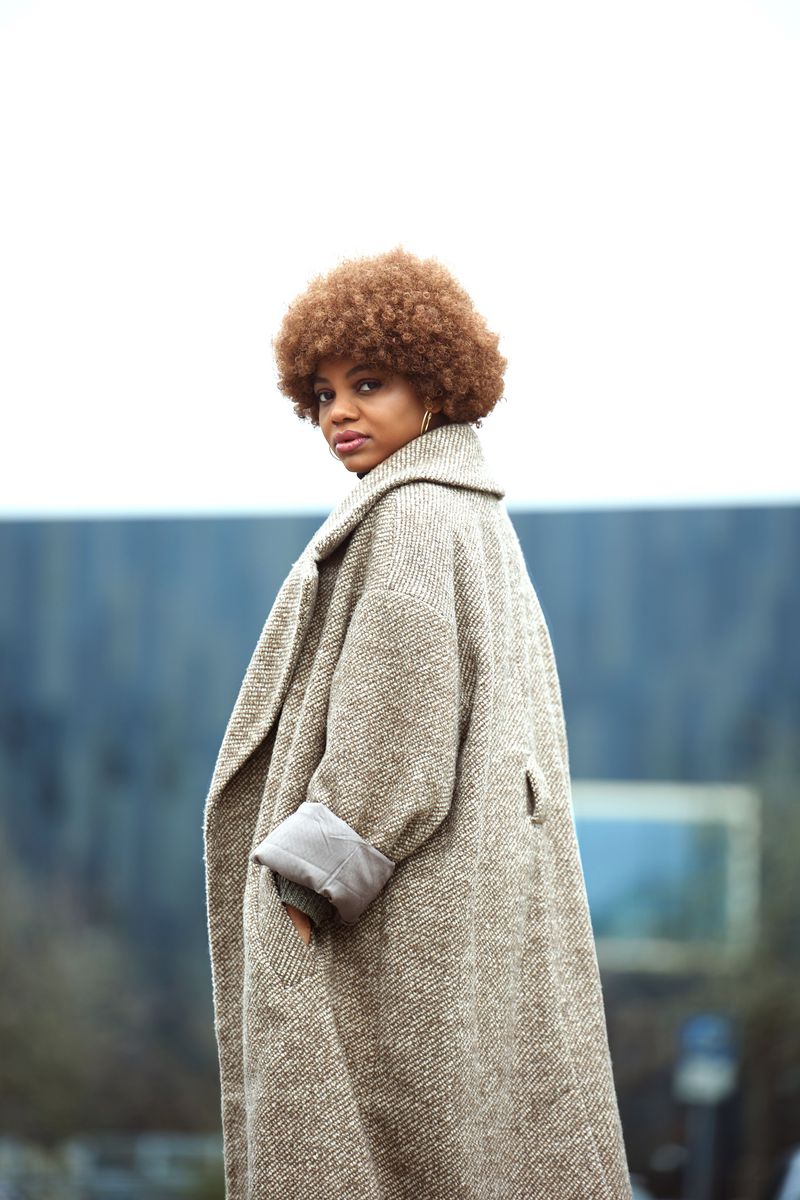
Picture opening your closet and reaching for a roomy sweater every single day because it feels safe.
Many curvy women fall into this habit, thinking oversized pieces will make them look smaller or more comfortable.
The truth is, wearing loose clothing from head to toe can actually work against you.
When every layer lacks shape, the overall effect tends to look boxy rather than balanced.
One oversized piece paired with something more fitted creates a relaxed but put-together look.
Mixing proportions is the real secret here.
Stylists often suggest pairing a flowy top with slim-cut pants, or a roomy jacket over a fitted dress.
That contrast is what creates a silhouette that feels intentional and stylish.
2. Giving Up High-Waisted Bottoms Too Soon
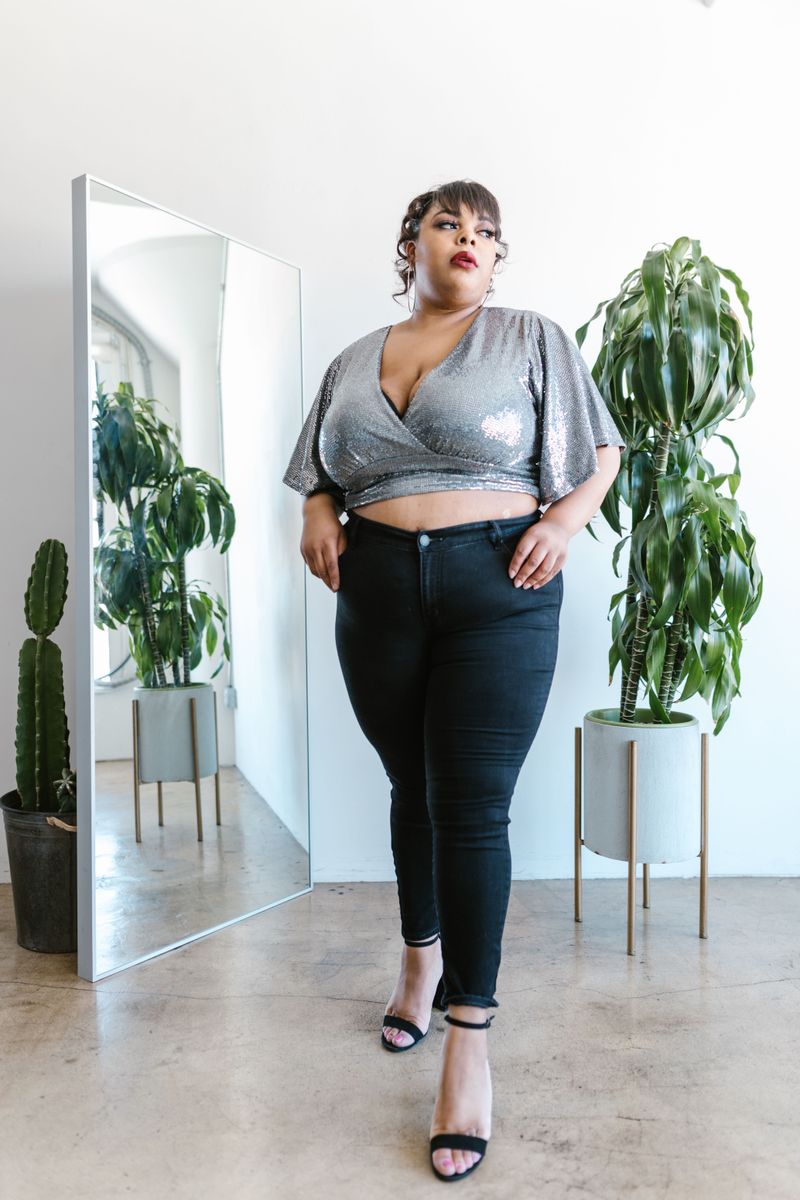
High-waisted bottoms have a kind of magic that is easy to overlook until you stop wearing them.
Jeans, trousers, and skirts that sit above the natural waist do something simple but powerful: they define where your waist is, giving your whole look more structure.
Some curvy women switch to low-rise styles thinking they will feel more relaxed.
But low-rise cuts often sit right at the widest part of the hips, which can create an unbalanced look and even less comfort throughout the day.
Coming back to high-waisted bottoms tends to feel like rediscovering an old friend.
They smooth the midsection, create a natural hourglass shape, and work beautifully with tucked-in tops or fitted blouses.
3. Replacing Tailored Blazers With Unstructured Layers
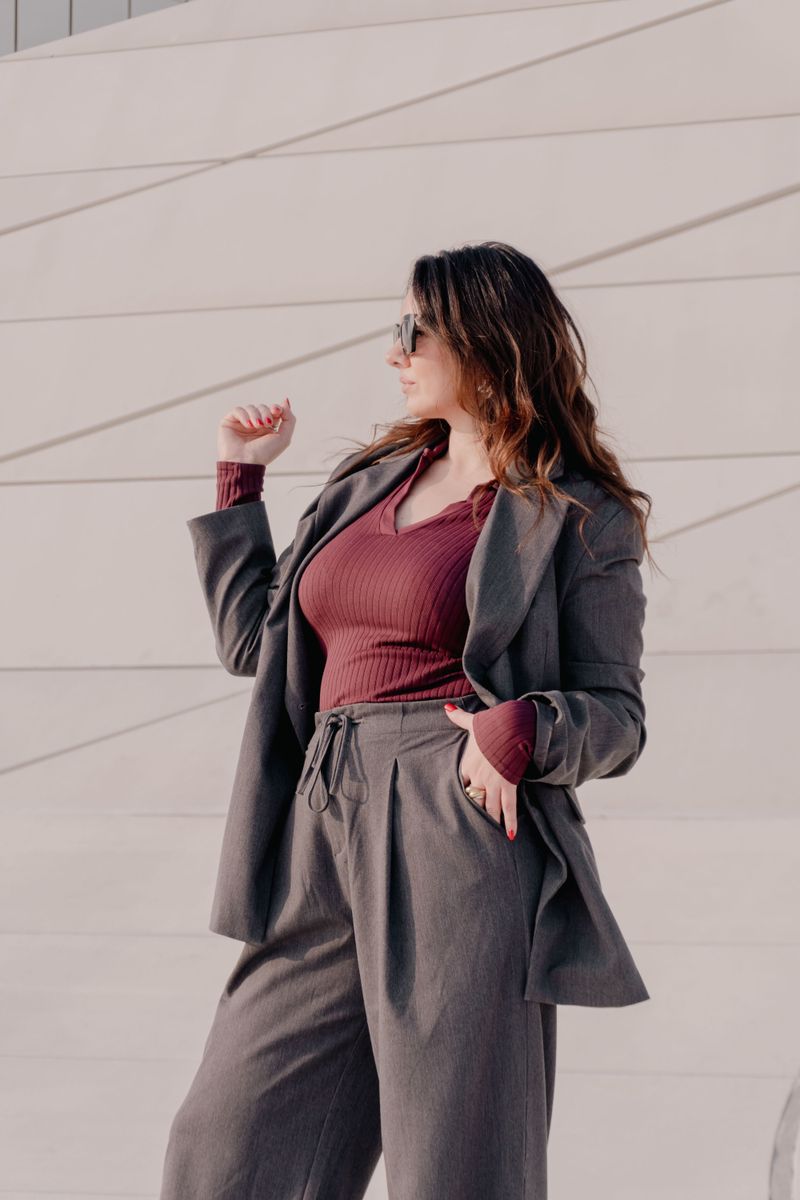
There is something about a well-fitted blazer that just works.
It pulls an outfit together, adds polish, and follows the natural lines of the body in a way that few other pieces can.
Many curvy women trade blazers for soft cardigans or oversized jackets, thinking the switch will feel more comfortable.
Unstructured layers can be cozy, but they rarely create the same clean silhouette.
Shapeless outerwear tends to add visual bulk without adding any definition, which can make an outfit feel unfinished rather than relaxed.
A tailored blazer with a nipped waist, on the other hand, does the heavy lifting for you.
It frames the shoulders, defines the waist, and instantly elevates even the most casual jeans-and-tee combination into something sharp.
4. Choosing Only Dark Colors
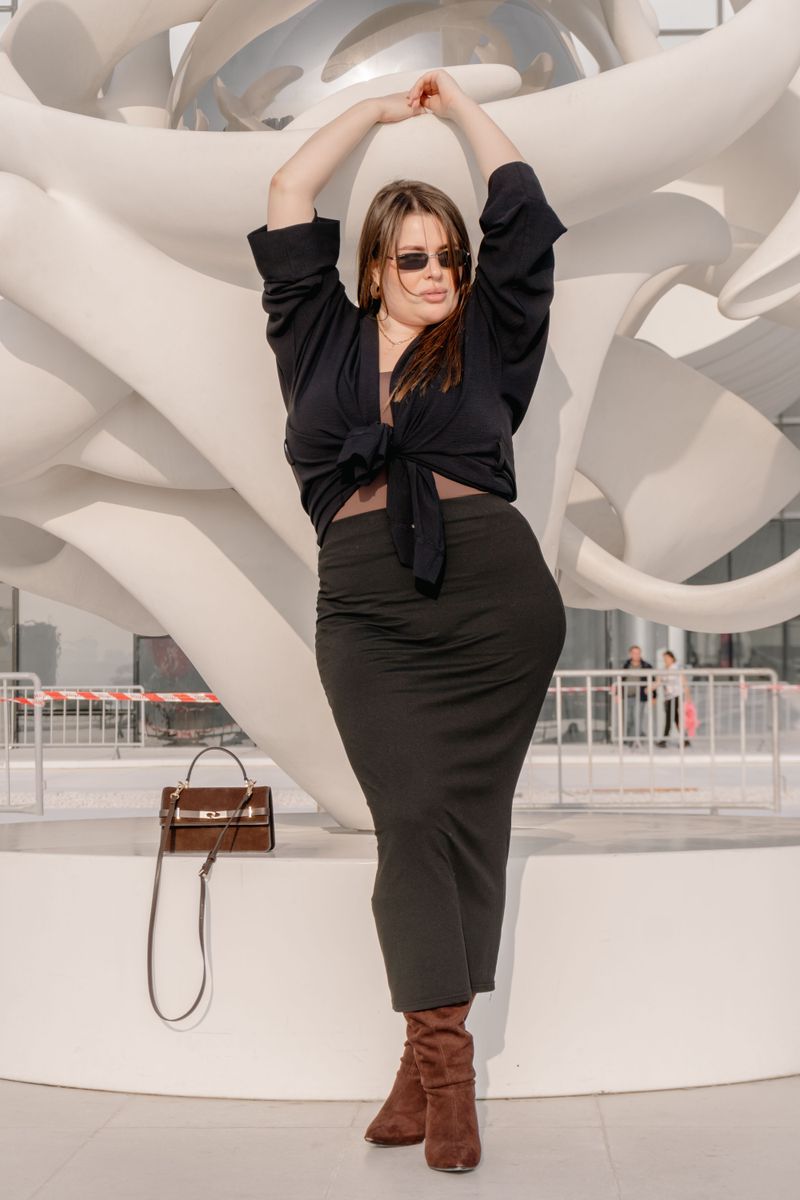
Black has a reputation as the ultimate slimming color, and it earned that reputation for a reason.
But here is the thing: an entire wardrobe in dark shades can start to feel like a uniform, and not the fun kind.
Many curvy women later admit that going exclusively dark made getting dressed feel boring.
Color and print have a way of expressing personality that no amount of black can replicate.
A rich burgundy, a soft sage green, or even a bold floral print can completely transform how an outfit feels to wear and to see.
Lighter shades and bright tones do not automatically make you look larger.
Fit, cut, and proportion matter far more than color.
Bringing variety back into a wardrobe often feels like a breath of fresh air.
5. Avoiding Belts Altogether
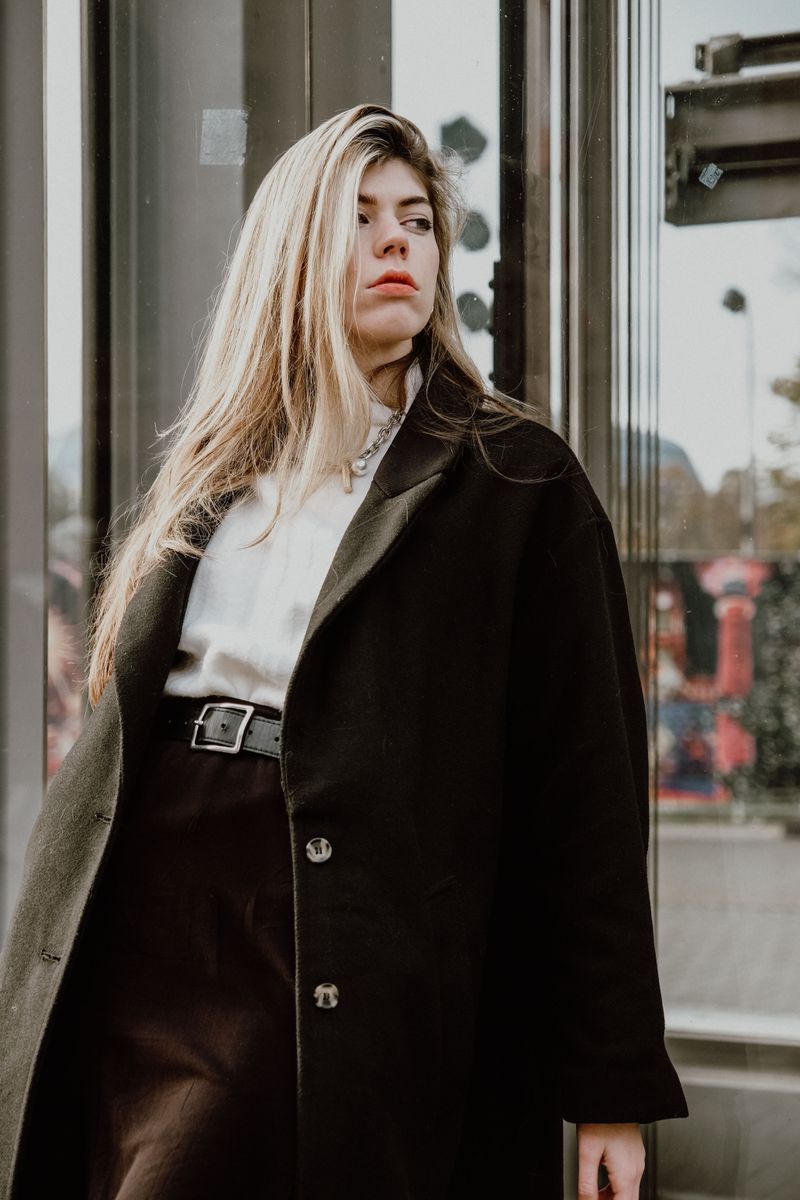
Belts got a bad reputation somewhere along the way, and many curvy women quietly removed them from their wardrobes.
The worry was simple: drawing attention to the midsection felt risky.
But avoiding belts entirely often means missing out on one of the easiest styling tools available.
A belt at the natural waist creates definition that loose clothing simply cannot provide on its own.
It takes a shapeless dress or an oversized blazer and gives it an anchor point, making the whole outfit look more intentional and put-together.
Wide belts, skinny belts, and even stretchy styles each offer different effects.
Experimenting with placement, whether at the natural waist or just above the hips, can completely change how an outfit reads.
The right belt truly earns its place.
6. Switching to Only Long, Loose Tops
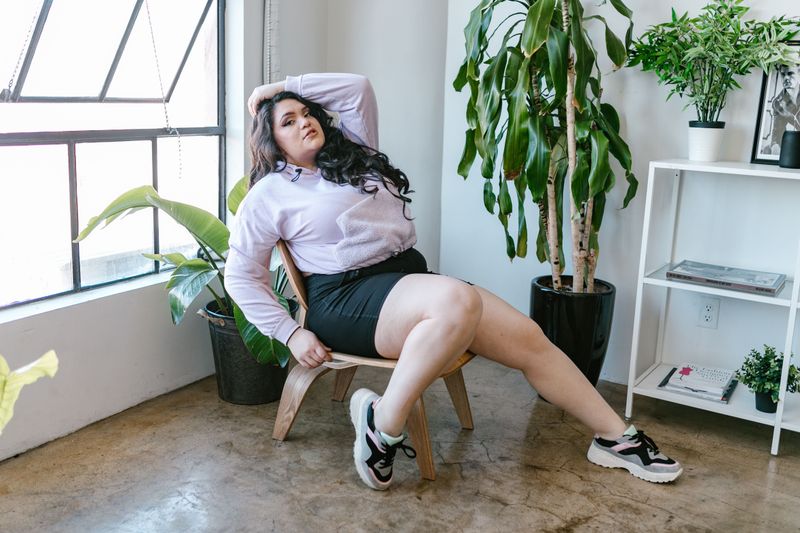
Long tunics paired with leggings became a go-to uniform for many curvy women, and honestly, the appeal makes sense.
They are comfortable, easy to style, and feel like they cover a lot.
The problem is that extra length comes with a trade-off most people do not notice right away.
When a top falls past the hip or mid-thigh, it visually cuts the leg line shorter.
Over time, this can make you appear shorter overall, even if that was never the goal.
Proportions matter more than coverage.
Tops that end around the hip bone or natural waist tend to create a longer, more balanced leg line.
This small shift can make a noticeable difference without giving up comfort.
Even a slight hem adjustment can change the whole picture.
7. Replacing Straight-Leg Pants With Only Skinny Jeans
Skinny jeans had a long run as the default denim choice, and for good reason.
They tuck neatly into boots, work under long tops, and have a sleek profile that pairs well with many outfits.
But relying on them exclusively can quietly shrink your styling options.
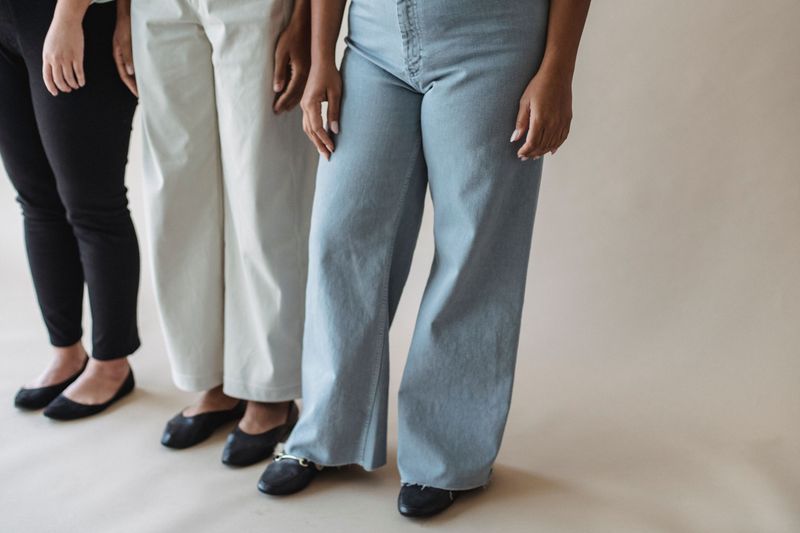
Curvy figures often look incredible in straight-leg, bootcut, or wide-leg trousers.
These cuts balance the hips by adding volume at the hem, which creates a more even silhouette from top to bottom.
Many women who try them for the first time wonder why they waited so long.
Wide-leg pants especially have had a strong fashion comeback.
They feel relaxed, look polished, and photograph beautifully.
Keeping a variety of cuts in your wardrobe means you always have the right option for any occasion.
8. Giving Up Structured Dresses for Loose Shift Styles
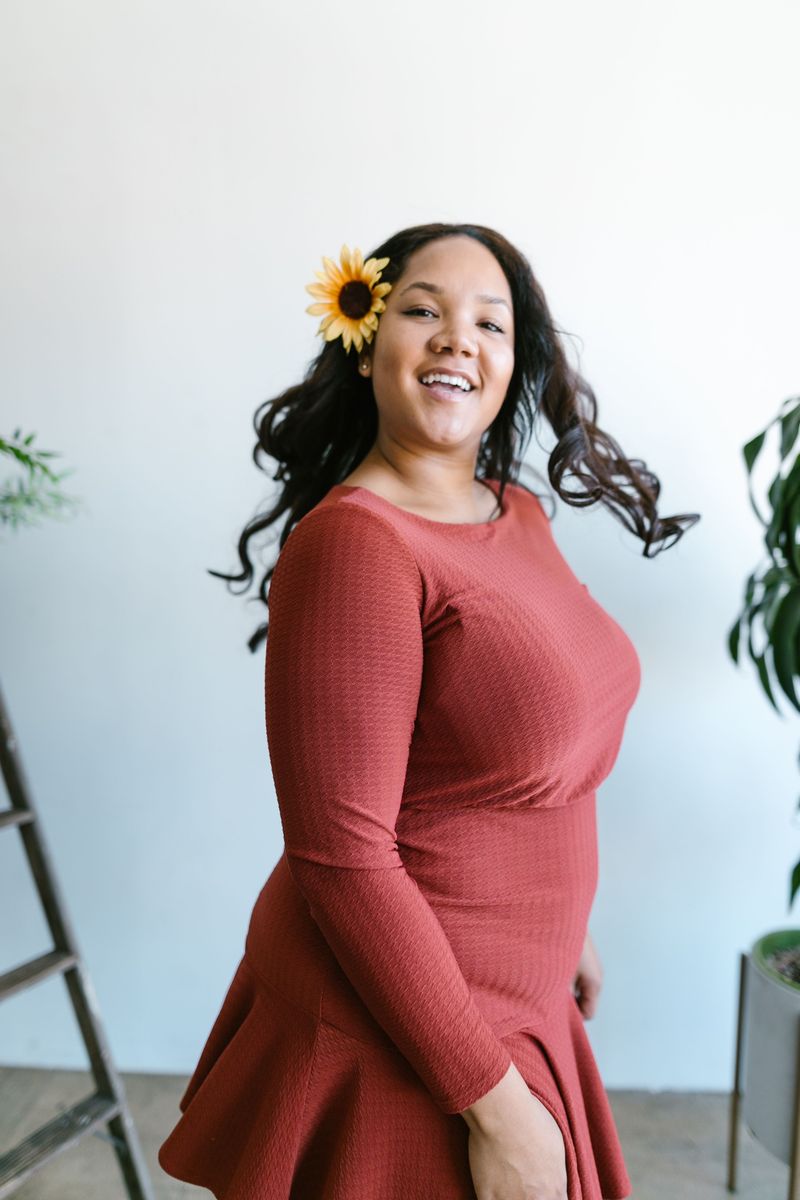
Shift dresses have comfort going for them, no question.
They slip on easily, require no fuss, and feel relaxed throughout the day.
But for many curvy women, the shift silhouette ends up feeling more like a box than a dress.
Without any shaping at the waist, a shift dress hangs straight from the shoulders and tends to add visual bulk rather than creating definition.
This is not a flaw in the fabric or the color.
It comes down to structure.
Wrap dresses, fit-and-flare styles, and tailored sheath dresses offer the same ease of wear with far more shape.
A wrap dress, for example, adjusts to your exact proportions and creates a defined waist naturally.
Comfort and flattering shape do not have to be opposites.
9. Choosing Only Flat Shoes
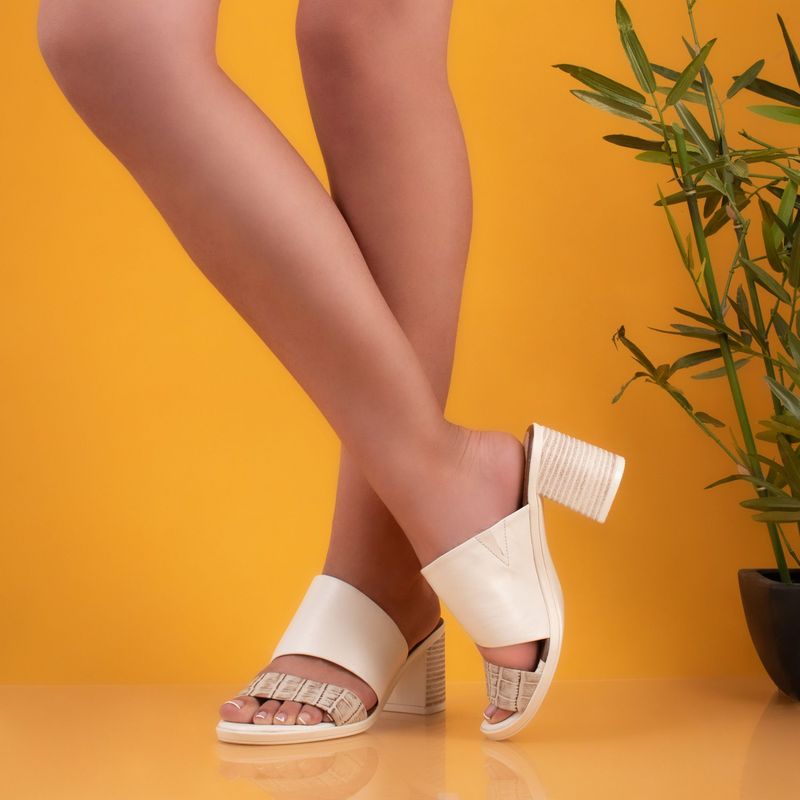
Flat shoes are practical, comfortable, and endlessly versatile.
Nobody is arguing against them.
But swapping out every single heeled shoe in favor of flats can have an effect on proportions that sneaks up on you over time.
Even a small heel, like a block heel, a wedge, or a kitten heel, subtly lengthens the leg line and shifts posture in a way that flatters most body types.
This does not mean suffering through stilettos for the sake of style.
There are plenty of low, stable heel options that feel just as comfortable as flats by the end of the day.
Heeled ankle boots are especially worth trying.
They add height without discomfort and pair well with everything from wide-leg trousers to midi skirts.
Small changes in footwear can shift an entire outfit’s energy.
10. Avoiding Prints Entirely
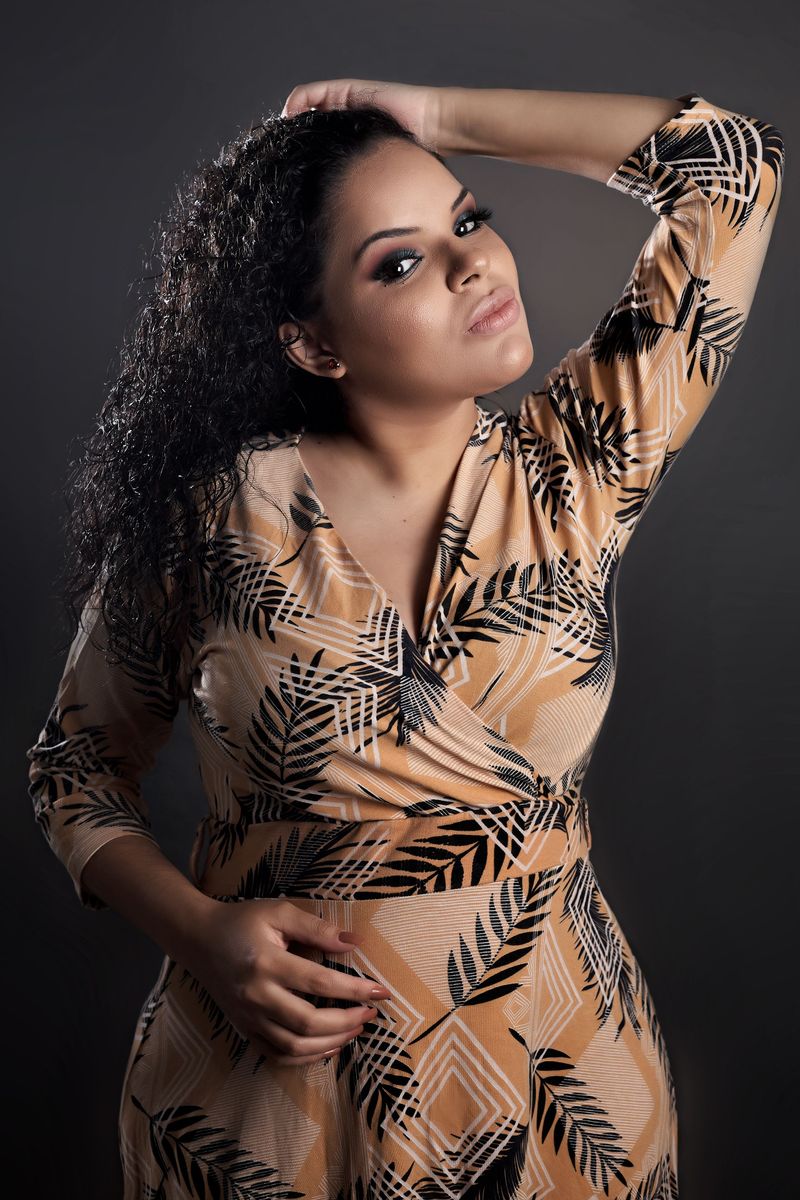
Somewhere along the way, the idea took hold that prints are risky for curvy bodies.
The result was a lot of women quietly packing away their patterned pieces and reaching for solids instead.
But prints are not the enemy.
Poorly scaled or poorly placed prints can be tricky, but that is a different problem entirely.
Well-chosen prints can actually be incredibly flattering.
Vertical motifs draw the eye up and down, creating a lengthening effect.
Medium-scaled florals or geometric patterns add visual interest without overwhelming an outfit.
The key is scale.
A print that feels proportionate to your frame will look balanced and stylish.
Many women who return to prints after avoiding them find that they actually love how their outfits look with a little more personality in the mix.
11. Buying Larger Sizes Instead of Better Fits
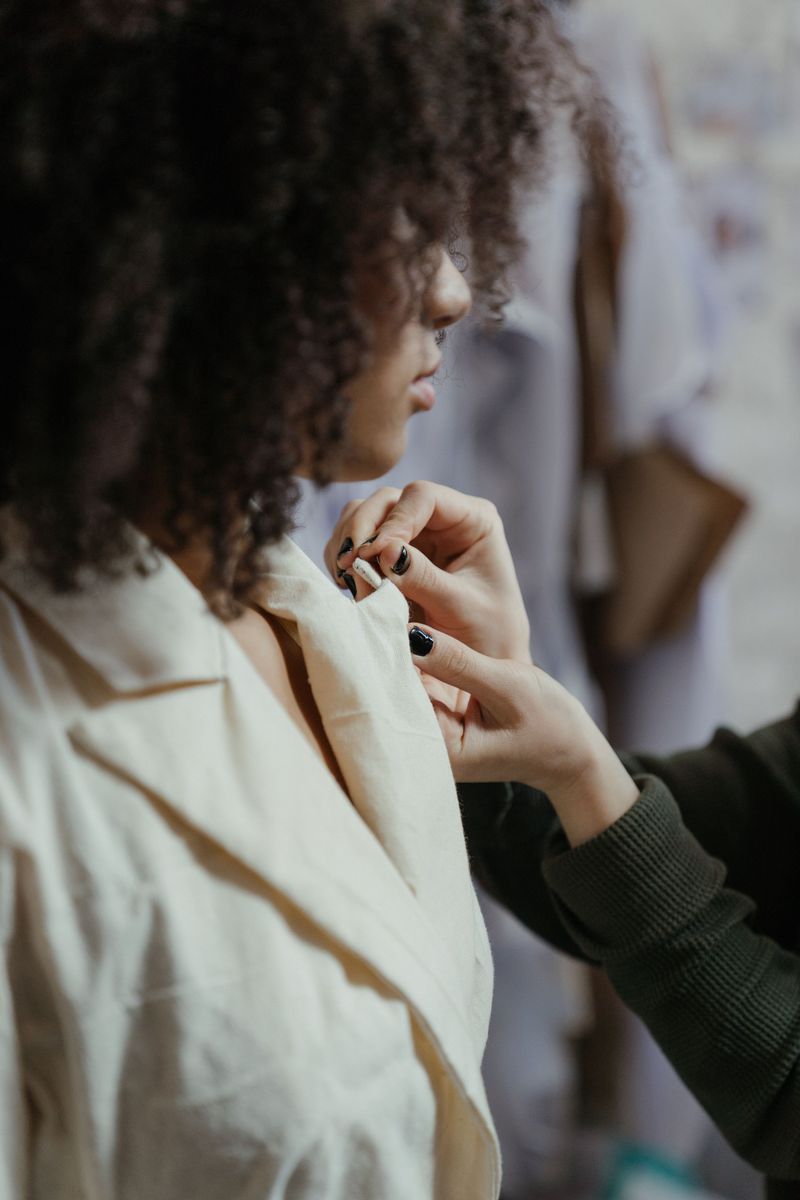
When something feels tight, the instinct is to size up.
It makes sense in theory.
But buying a larger size to gain comfort often creates a new set of problems.
Shoulders that hang too low, waistlines that gap, and excess fabric around the hips can make even a nice piece of clothing look sloppy.
Fit is the single most powerful styling tool available, and it does not depend on the size on the tag.
Clothes that fit the largest part of your body first, then get tailored to match the rest, will always look better than something one size too big worn straight off the rack.
Tailoring sounds expensive, but simple alterations are often surprisingly affordable.
Taking in a waist or hemming a pair of trousers can completely transform a garment into something that looks custom-made for your body.