 MomSkoop
Bathroom trends can make a space feel stylish and modern, but not every design choice stands the test of time. While some trends quickly become classics, others can look dated just a few years after they’re installed.
As homeowners look ahead to 2026, designers are already identifying popular bathroom features that may not age as gracefully as expected. Before committing to a costly renovation, consider these 13 bathroom trends experts warn could lose their appeal in the years to come.
1. Harsh Single-Source Lighting
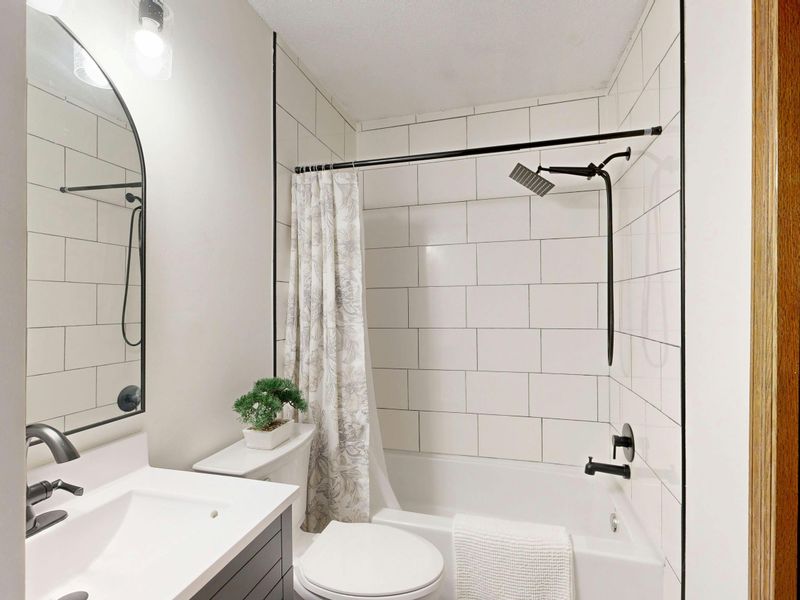
Overhead lighting alone creates unflattering shadows that make everyone look tired and washed out.
Bathrooms need multiple light sources at different heights to work properly for grooming tasks.
A single ceiling fixture might seem simple and modern, but it fails to provide the even illumination you need for applying makeup or shaving.
Designers recommend layering your lighting with sconces beside mirrors, recessed lights, and even toe-kick lighting.
This approach creates a more spa-like atmosphere while being functional.
Single-source lighting feels cold and institutional rather than welcoming.
Bathrooms with varied lighting options photograph better and feel more luxurious to use every day.
2. Farmhouse Aesthetics
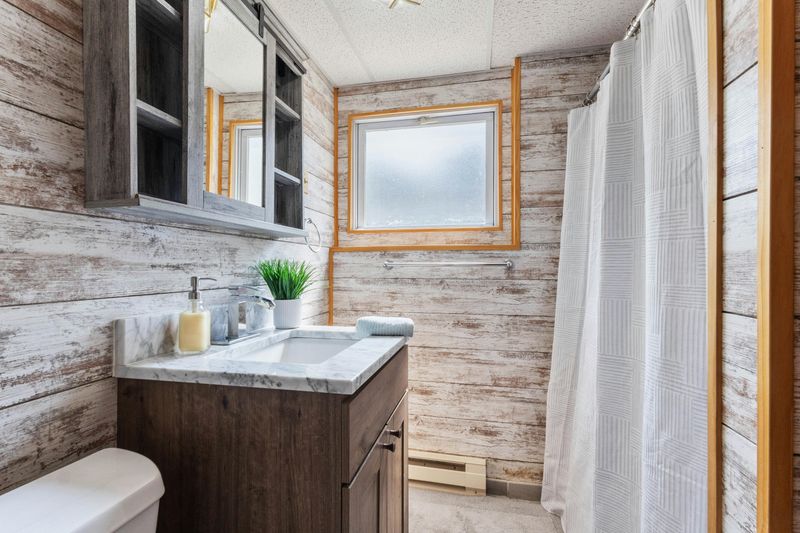
Shiplap walls and rustic barn doors had their moment, but that moment is quickly fading.
The farmhouse trend saturated homes across America, making bathrooms look like they belong in a country cottage rather than a modern house.
Distressed wood, galvanized metal accents, and mason jar accessories now feel overplayed and generic.
Designers are moving toward cleaner, more refined styles that feel fresh and timeless.
The problem with farmhouse style is that it became too recognizable and trendy.
When everyone has the same aesthetic, it loses its charm and personality.
Bathrooms designed with farmhouse elements will quickly signal a specific era rather than lasting style.
3. Cold Bathroom Walls that Fall Flat
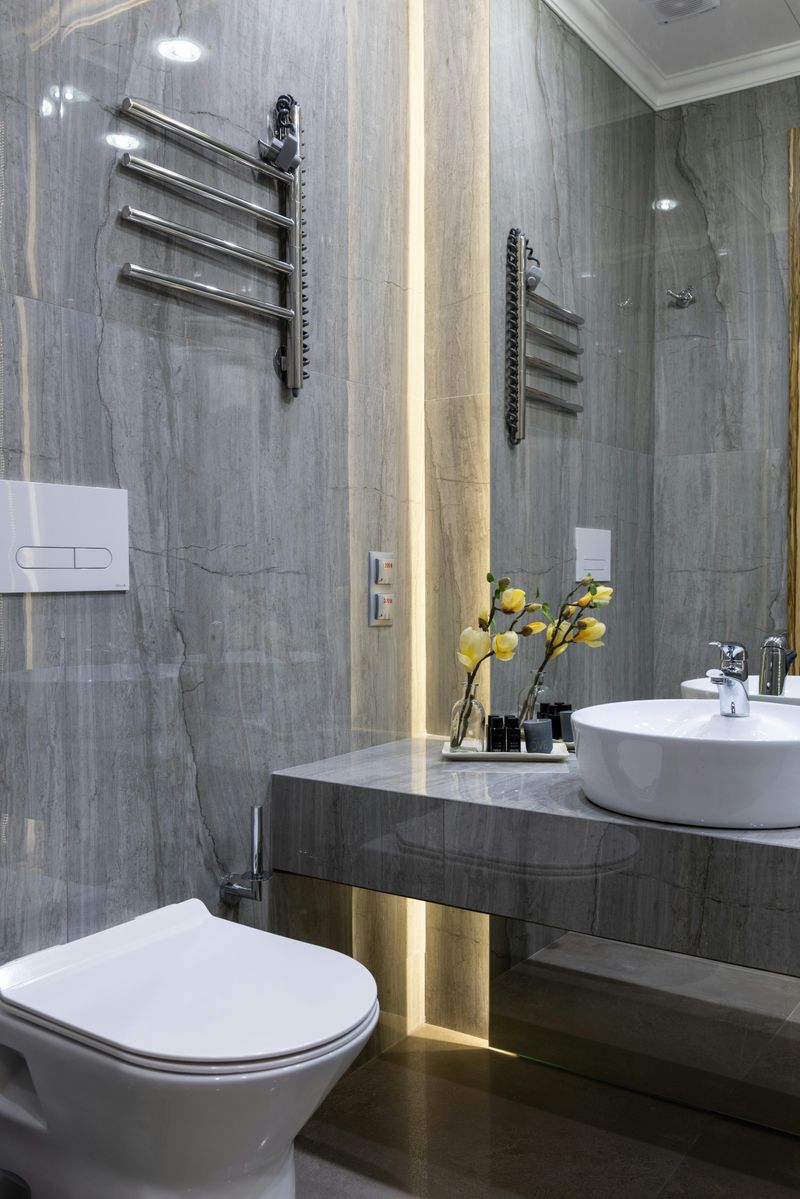
Stark, bare walls in cool gray or white tones create bathrooms that feel more like doctor’s offices than relaxing retreats.
While minimalism has its place, taking it too far removes all warmth and personality from the space.
Bathrooms should feel inviting, not sterile and unwelcoming.
Adding texture through wallpaper, wood accents, or warmer paint colors makes a huge difference in how comfortable a bathroom feels.
Cold walls reflect sound harshly and make the room feel uninviting.
Designers suggest incorporating natural materials and softer color palettes.
A bathroom should be a place where you want to spend time, not rush through quickly because it feels cold.
4. Taj Mahal Quartzite and White Oak Pairing
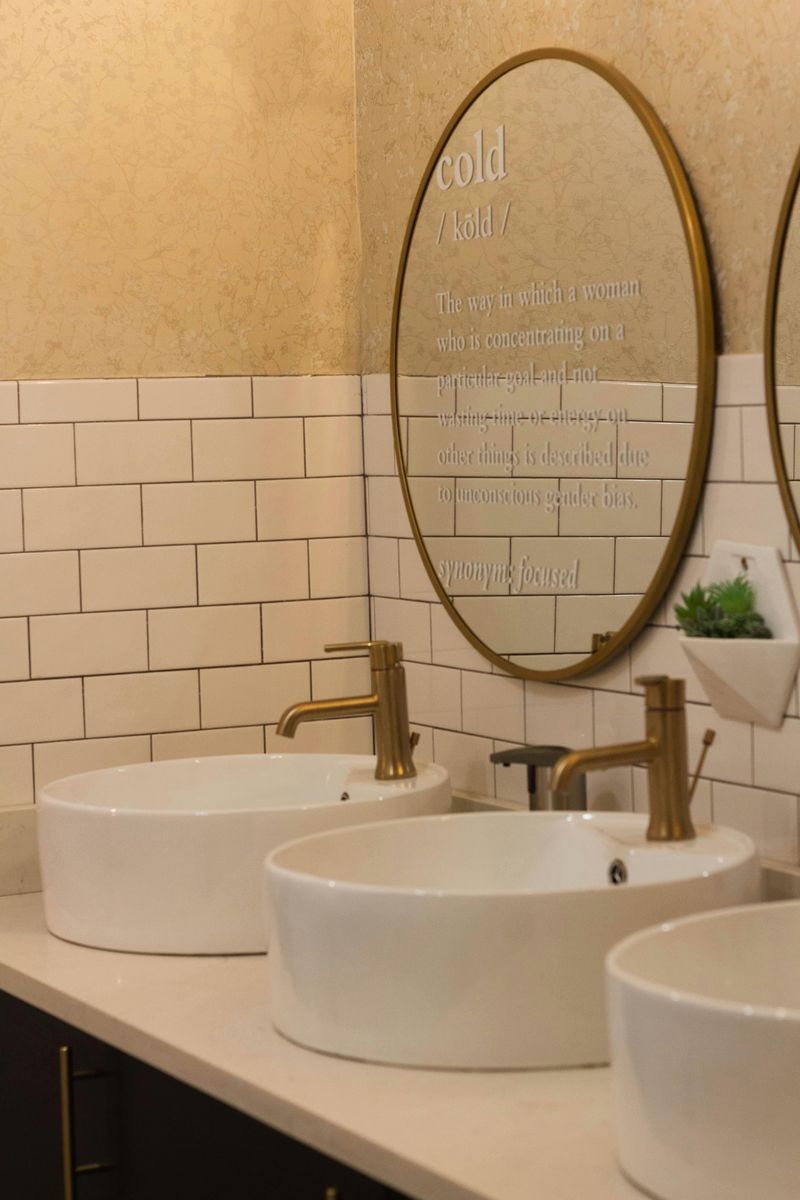
This ultra-specific combination became Instagram-famous but will date your bathroom faster than you can say renovation.
When a particular material pairing gets too popular on social media, it becomes a time stamp rather than a timeless choice.
Taj Mahal quartzite with white oak vanities flooded design feeds for months, making every bathroom look identical.
The problem isn’t the materials themselves but their overuse in this exact combination.
Designers warn that highly specific trends like this one scream a particular moment in design history.
Choosing materials based on your personal style rather than trending combinations helps your bathroom feel unique and lasting.
5. Large-Format Tiles with Harsh Contrasting Grout
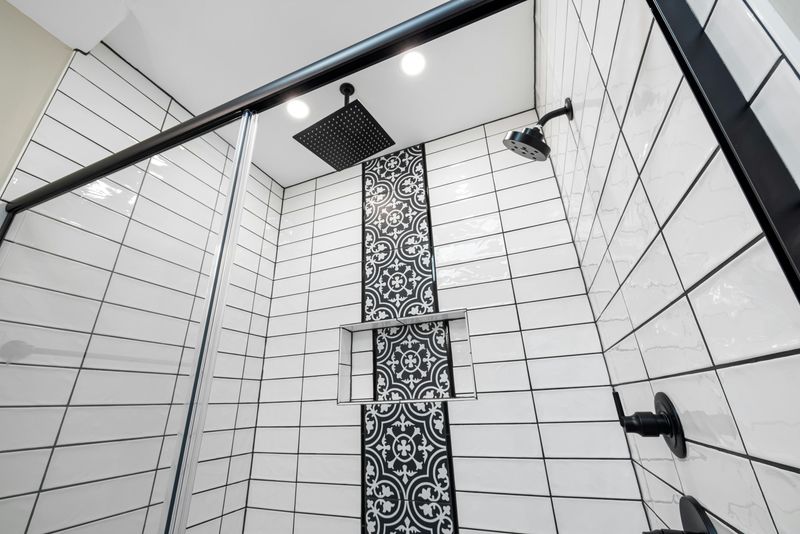
Bold black grout lines cutting through white tiles might look dramatic at first, but the effect quickly becomes overwhelming.
Large tiles are beautiful, but pairing them with starkly contrasting grout creates a grid pattern that dominates the entire room.
Your eye focuses on the lines rather than the overall design, making spaces feel busy and chaotic.
Grout that blends with your tile creates a more cohesive and calming look.
The harsh contrast trend feels dated because it prioritizes shock value over lasting beauty.
Subtlety in design choices typically ages better than dramatic statements.
Bathrooms benefit from visual calm rather than constant visual stimulation.
6. All-White and Stark Black and White Color Schemes
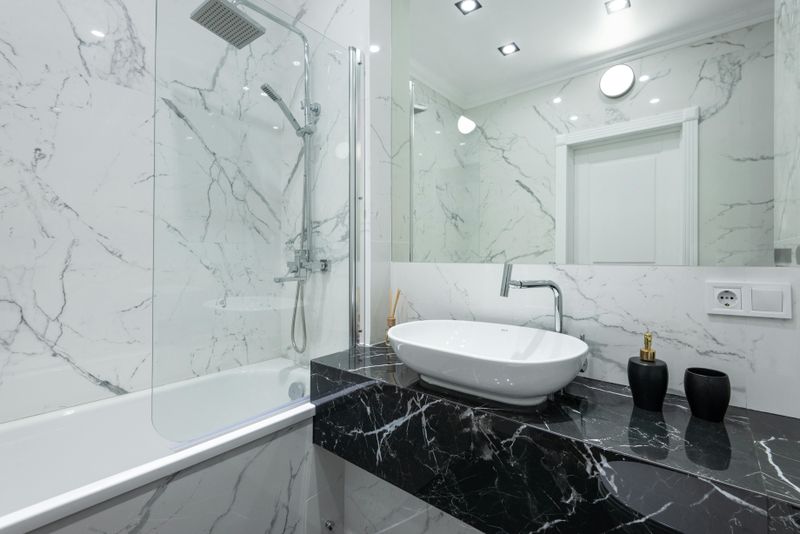
Completely white bathrooms or rigid black-and-white schemes lack the warmth that makes spaces feel livable.
While these color choices photograph beautifully, they often feel cold and unwelcoming in real life.
All-white bathrooms show every speck of dirt and require constant maintenance to look pristine.
Black-and-white schemes can feel too formal and reminiscent of old diners or checkerboard floors.
Designers are embracing softer neutrals, warm tones, and natural colors that feel more organic.
Adding even small amounts of wood, greenery, or warm metals transforms these stark schemes.
Color brings life and personality that pure black-and-white combinations simply cannot achieve.
7. Subway Tile Everywhere
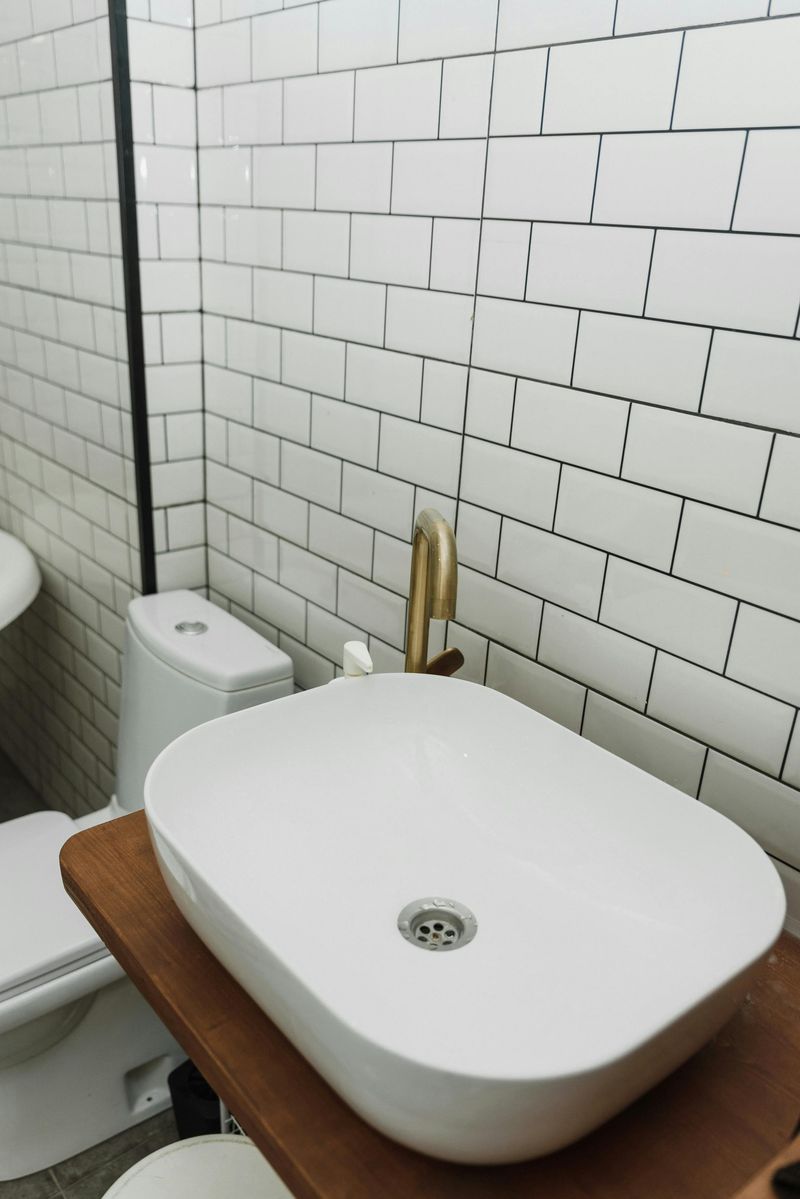
Classic subway tile became so popular that it lost all sense of originality and personality.
Every coffee shop, restaurant, and home bathroom seemed to install the same white rectangular tiles in the same horizontal pattern.
What was once a clean, timeless choice became a cliché that signals a lack of creativity.
Subway tile isn’t bad, but using it everywhere makes your bathroom blend into the background of sameness.
Designers recommend exploring different tile shapes, sizes, and patterns that express your personal style.
Zellige tiles, fish scales, or geometric patterns offer more character.
Your bathroom should reflect who you are, not just copy what’s easiest or most common.
8. Ultra-Glossy Finishes
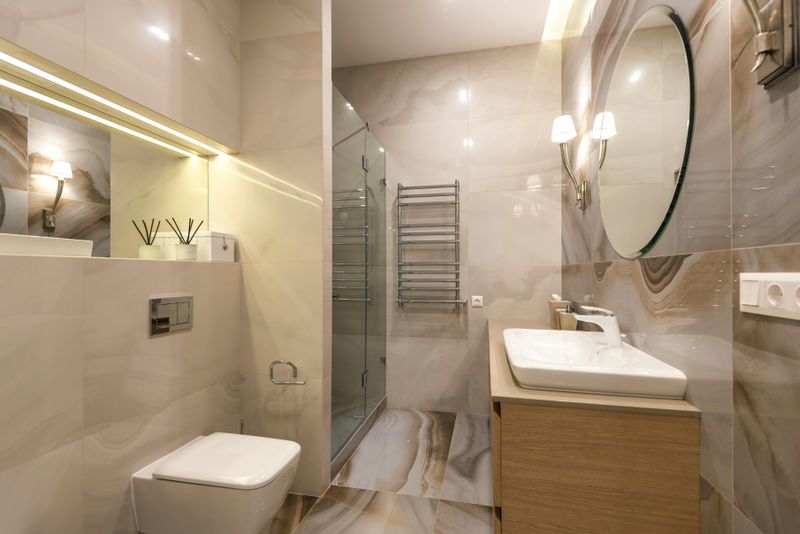
High-gloss surfaces on everything from tiles to cabinets create an overwhelming shiny effect that feels dated and impractical.
While some shine adds elegance, too much gloss makes bathrooms look like showrooms rather than comfortable spaces.
Glossy finishes show every fingerprint, water spot, and smudge, requiring constant cleaning.
The reflective surfaces can also create glare that’s unpleasant and unflattering.
Designers prefer mixing finishes with matte or satin options that feel more sophisticated and easier to maintain.
A completely glossy bathroom feels like stepping back into the 1980s.
Balance and texture create more interesting and livable spaces than one-note shiny surfaces throughout.
9. Pastel Tiles in Predictable Layouts
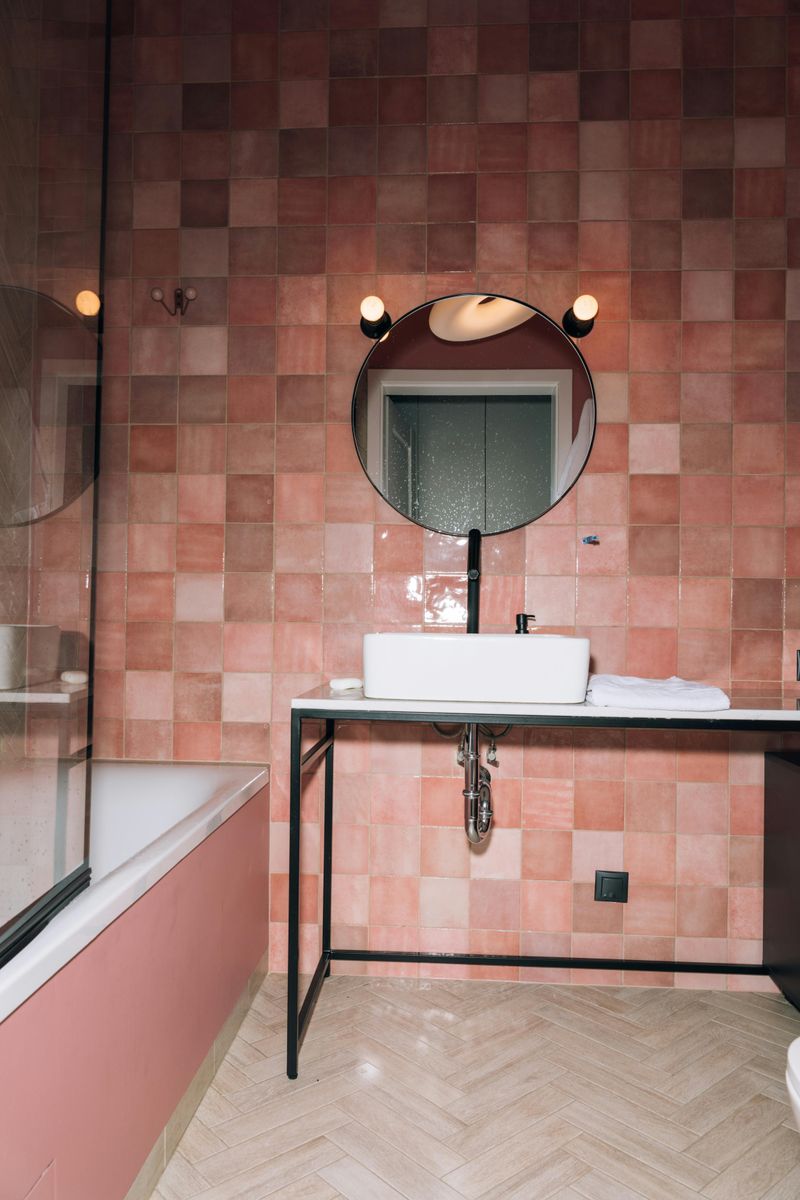
Soft pink, mint green, and baby blue tiles arranged in standard patterns feel more retro than refreshing.
Pastels experienced a revival, but using them in conventional ways makes bathrooms look like they’re trying too hard to be vintage.
The problem isn’t the colors themselves but the predictable, safe way they’re typically installed.
Standard grid layouts with pastel tiles lack the creativity needed to make the look feel current.
If you love pastels, designers suggest using them in unexpected ways with interesting shapes or mixed patterns.
Predictable design choices age poorly because they don’t take risks or show personality.
Bathrooms need character and thoughtfulness to remain appealing over time.
10. Too Much Open Shelving
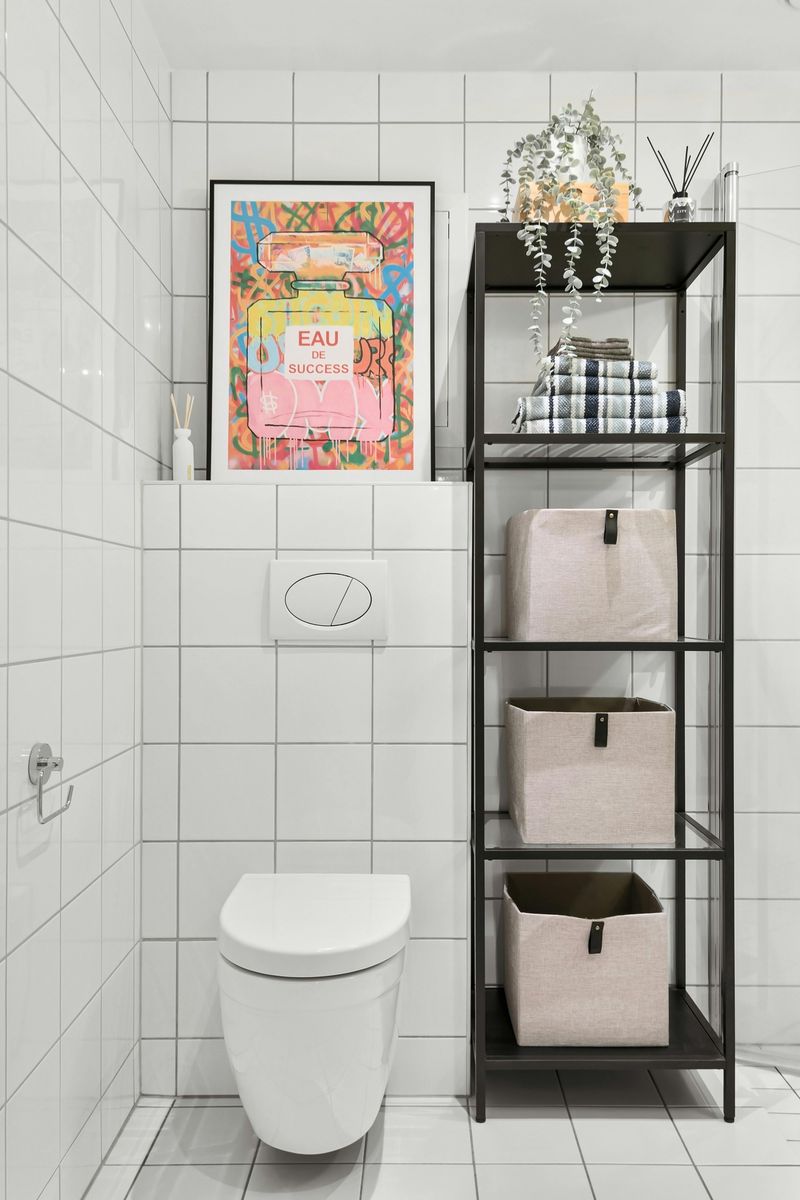
Open shelves might look airy and casual, but they create constant visual clutter and maintenance headaches in bathrooms.
Everything on display collects dust, gets splashed with water, and needs to look perfectly styled at all times.
Most people don’t want their toiletries, towels, and personal items constantly on show.
Bathrooms need practical storage that hides everyday mess behind closed doors.
A few open shelves for decorative items work fine, but relying entirely on open storage feels impractical and stressful.
Designers recommend a mix of closed cabinets with minimal open shelving.
Functional storage solutions age better than trendy display-focused designs that prioritize looks over livability.
11. Overdone Fluted Vanities
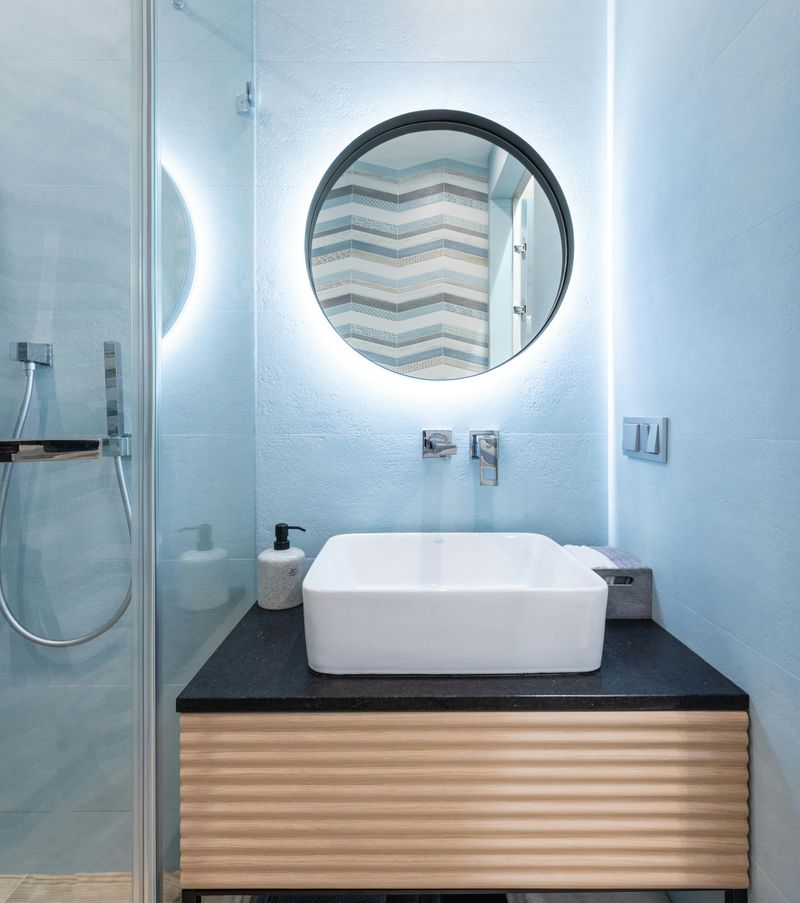
Fluted wood vanities had a strong moment because they add texture without relying on bold color or busy stone.
Lately, though, the look is showing up in every finish, every price point, and every style of bathroom.
When a detail becomes that widespread, it stops feeling special and starts reading like a shortcut to trendiness.
The grooves also collect dust, drips, and product residue in ways that are not especially charming in daily life.
If you want texture that lasts, cleaner-lined cabinetry with subtle grain feels easier to live with.
You still get warmth, but without locking your bathroom to one very specific era.
12. Oversized Freestanding Tubs in Tight Spaces
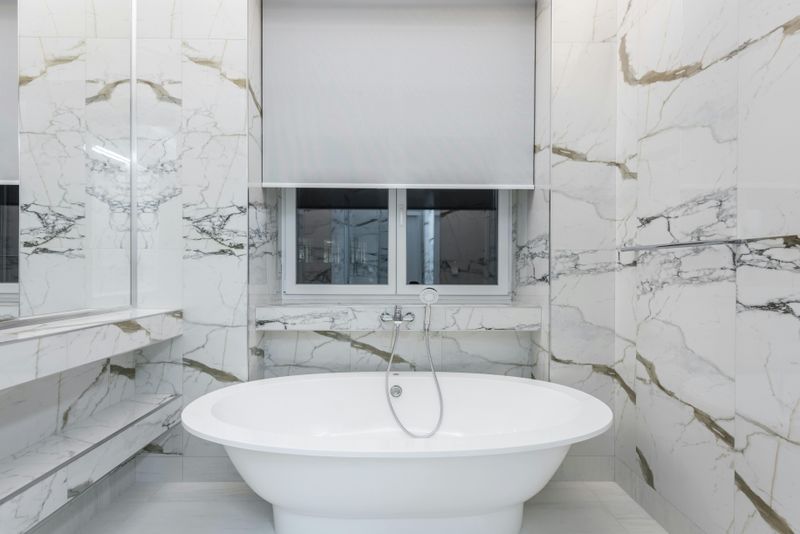
A sculptural freestanding tub can photograph beautifully, but squeezing one into an average-size bathroom often creates more frustration than luxury.
You lose valuable floor area, cleaning becomes awkward, and the room can feel cramped instead of calm.
Designers keep warning that what looks spa-like online may feel impractical once you actually have to move around it.
This trend ages fastest when the tub is chosen for shape alone, with little thought for scale or placement.
In many homes, a well-detailed alcove or deck-mounted tub simply works better and looks more integrated.
Comfort tends to outlast drama, especially in a room you use every single day.
13. Statement Vessel Sinks with No Counter Space
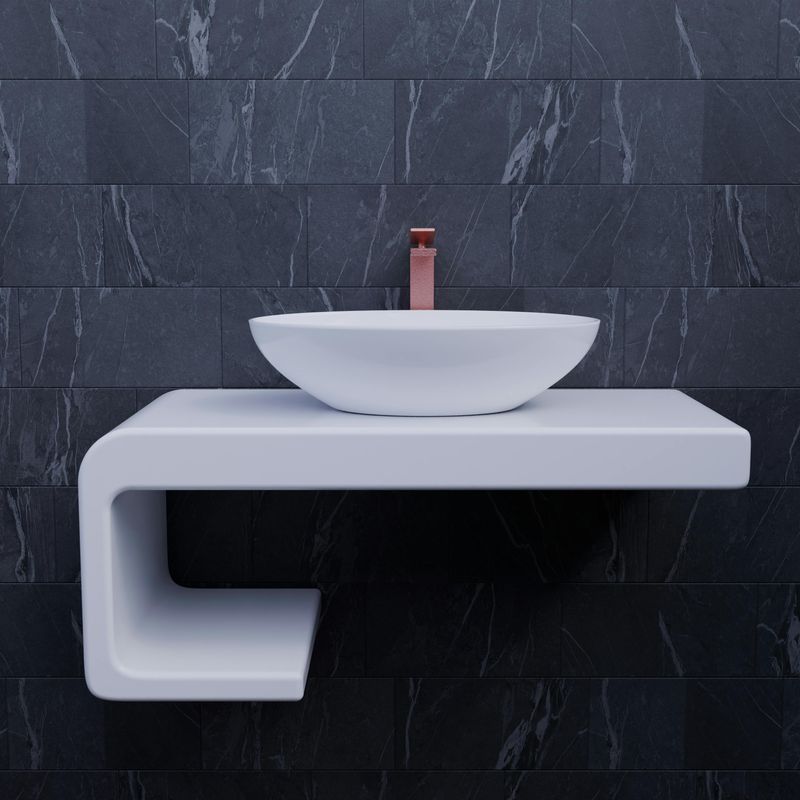
Vessel sinks still catch attention because they feel custom, sculptural, and a little more boutique than an undermount basin.
The problem shows up after the novelty fades and you realize the bowl steals surface area where you need it most.
In smaller bathrooms especially, that lost counter space quickly turns from design feature to everyday annoyance.
They can also splash more easily, sit at awkward heights, and leave cleaning seams that never look fully tidy.
Designers are moving back toward integrated sinks that feel quieter but work harder.
When the goal is a bathroom that still feels good in five years, less performance theater is usually the smarter choice.