 MomSkoop
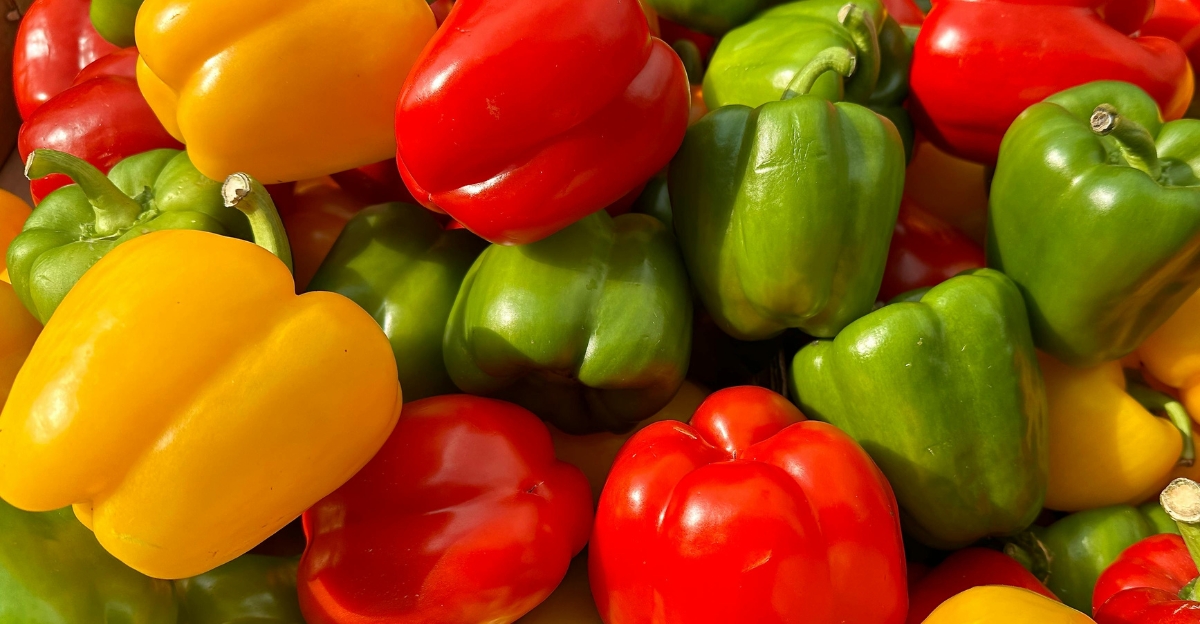
Walk down the frozen food aisle and you might think fresh is always best.
But dietitians have a secret: some frozen vegetables are actually more nutritious and convenient than their fresh counterparts.
Freezing locks in vitamins at peak ripeness, while fresh produce can lose nutrients sitting on shelves or in your fridge for days.
1. Broccoli
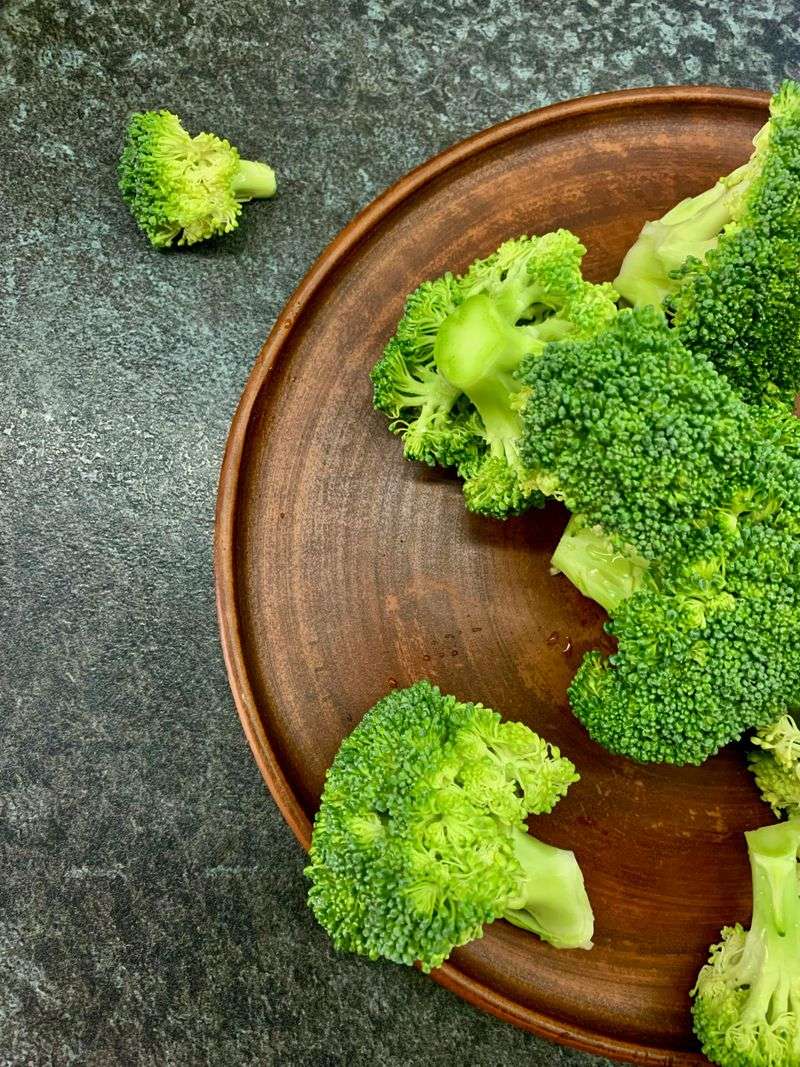
Frozen broccoli florets are flash-frozen right after harvest, which means they keep their vitamin C and other nutrients locked in tight.
Fresh broccoli sitting in your fridge for a week loses a lot of those good-for-you vitamins.
The texture holds up great when you steam or roast frozen florets straight from the bag.
You save time too since there’s no chopping or washing required.
Just toss them into stir-fries, pasta dishes, or steam them as a side.
Dietitians love that frozen broccoli is budget-friendly and reduces food waste since you only use what you need.
The convenience factor makes it easier to eat more vegetables throughout the week.
2. Spinach
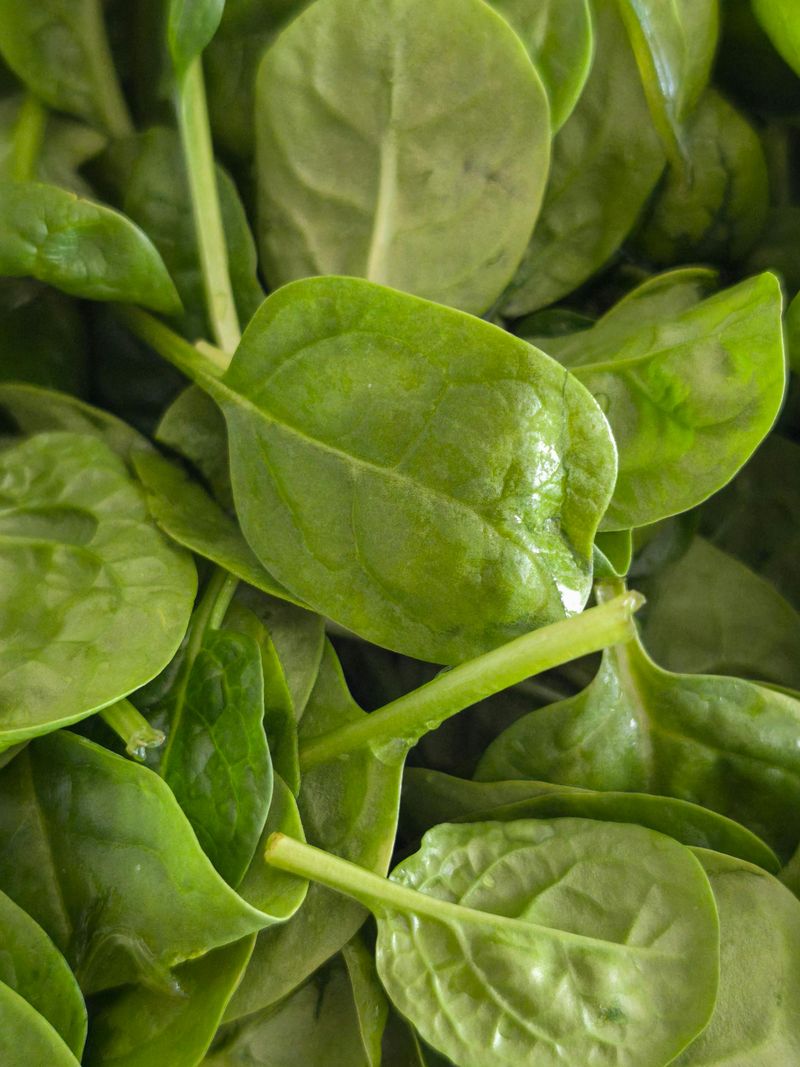
Bags of frozen spinach pack a serious nutritional punch without the hassle of washing sandy leaves.
Fresh spinach wilts quickly and often ends up slimy in the back of your crisper drawer.
Frozen spinach gets picked and frozen at its nutritional peak, preserving iron, calcium, and vitamins A and K.
One block of frozen spinach equals several cups of fresh leaves, making it perfect for smoothies, soups, and casseroles.
You can squeeze out the water and add it to eggs, pasta sauce, or dips without any prep work.
Dietitians recommend keeping a few boxes in your freezer for quick nutrient boosts.
It’s incredibly versatile and lasts for months.
3. Peas
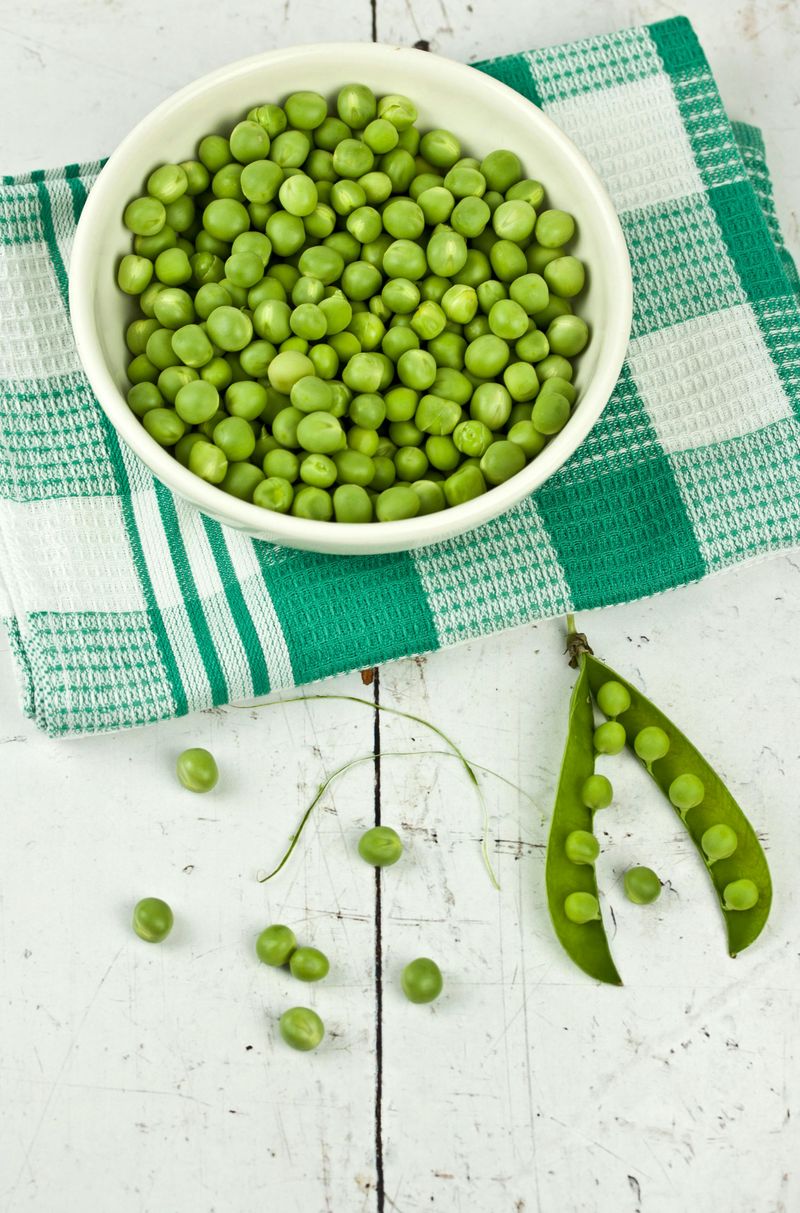
Sweet little green peas might surprise you with their protein and fiber content.
Frozen peas are picked at their sweetest moment and frozen within hours, keeping that natural sugar and bright color intact.
Fresh peas in pods are rare at most grocery stores, and shelling them takes forever.
These tiny powerhouses contain more protein than most vegetables and help keep you full longer.
Toss them into rice, pasta, or stir-fries during the last few minutes of cooking.
Kids often love their mild sweetness, making them an easy vegetable win at dinner.
Dietitians appreciate that frozen peas need zero preparation and cook in minutes.
4. Bell Peppers
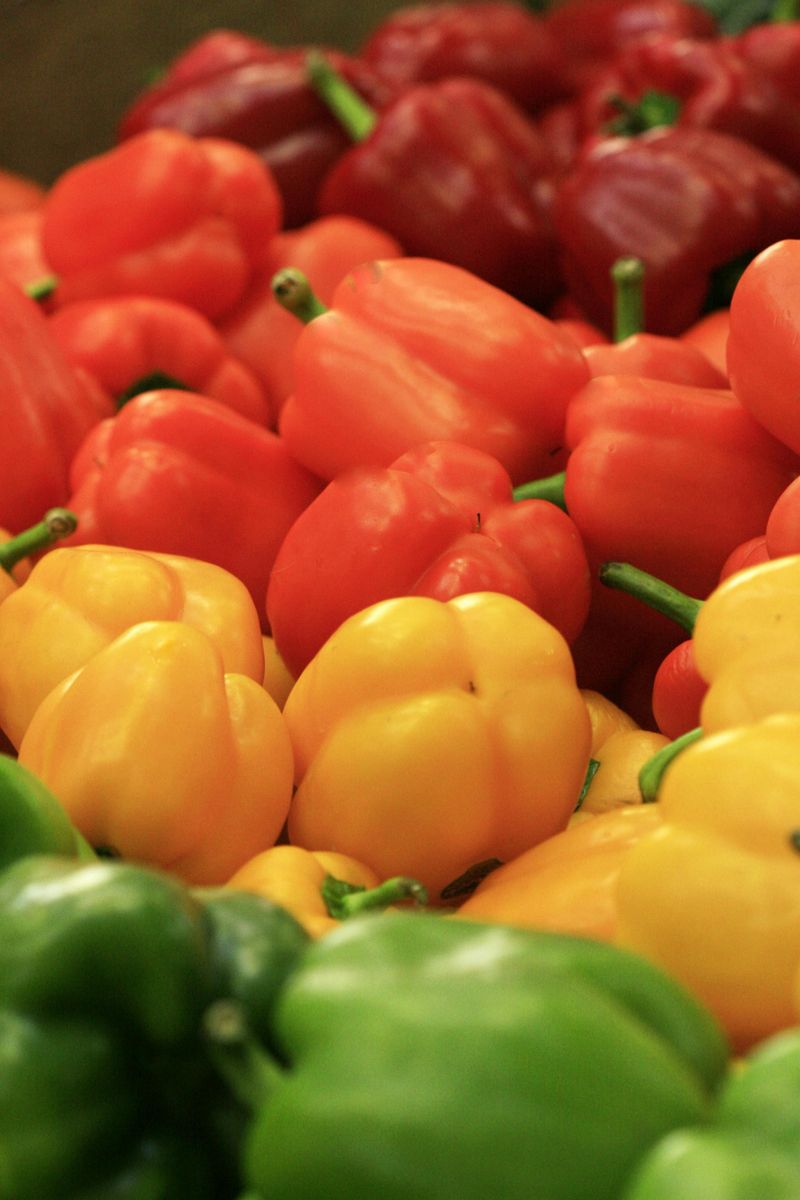
Colorful bell peppers lose their crunch when frozen, but that doesn’t matter for cooked dishes like fajitas, stir-fries, or soups.
What matters is that frozen peppers keep their vitamin C, vitamin A, and antioxidants beautifully.
Fresh peppers can get wrinkly and soft after just a few days in your refrigerator.
Pre-sliced frozen peppers save you tons of prep time on busy weeknights.
No more washing, seeding, or chopping—just pour them straight into your pan.
They work perfectly in omelets, sheet pan dinners, and casseroles where texture isn’t the main concern.
Dietitians recommend them for meal prep efficiency and consistent nutrition year-round.
5. Cauliflower
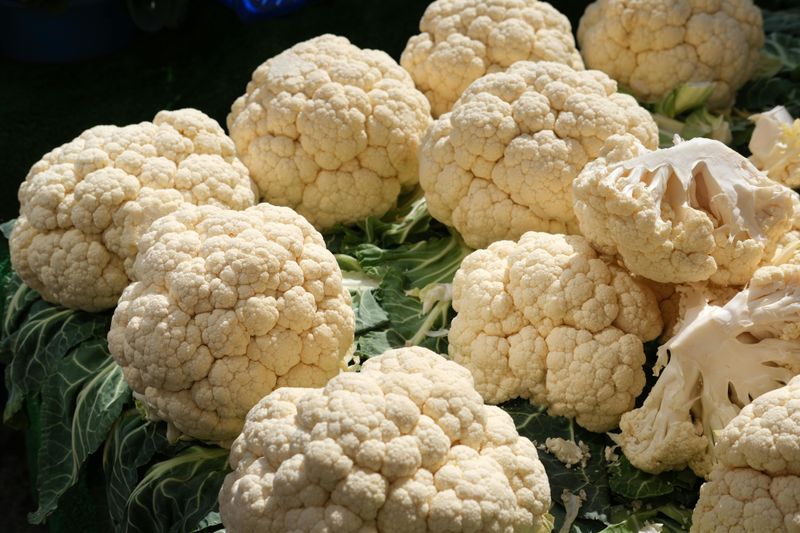
Cauliflower has become a superstar vegetable, and the frozen version is just as nutritious as fresh.
Whether you buy florets or riced cauliflower, freezing preserves the fiber, vitamin C, and cancer-fighting compounds.
Fresh cauliflower heads take up tons of fridge space and can develop brown spots quickly.
Frozen riced cauliflower is a game-changer for low-carb meals and sneaking vegetables into dishes.
You can make cauliflower pizza crust, add it to smoothies, or use it as a rice substitute.
Regular frozen florets work great for roasting, mashing, or adding to curries and soups.
The versatility makes it a dietitian favorite for creative healthy cooking.
6. Mixed Vegetables
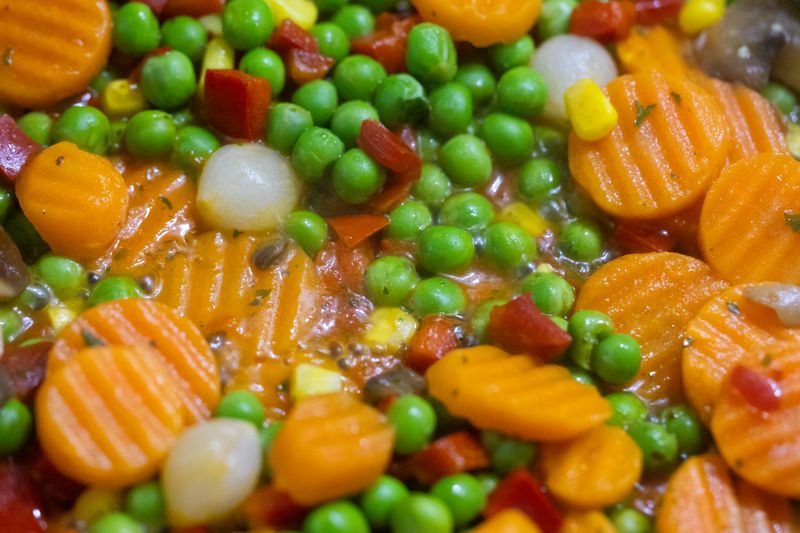
Grab a bag of frozen mixed vegetables and you’ve got an instant side dish or soup base ready to go.
These blends usually combine peas, carrots, corn, and green beans in one convenient package.
Each vegetable gets frozen at its peak, so you’re getting multiple nutrients in one scoop.
Mixed vegetables are perfect for busy families who want variety without buying five different fresh items.
Toss them into chicken noodle soup, fried rice, or shepherd’s pie for quick nutrition.
They cost less than buying each vegetable separately and nothing goes to waste.
Dietitians love recommending them to people just starting to cook more vegetables at home because they’re foolproof.
7. Carrots
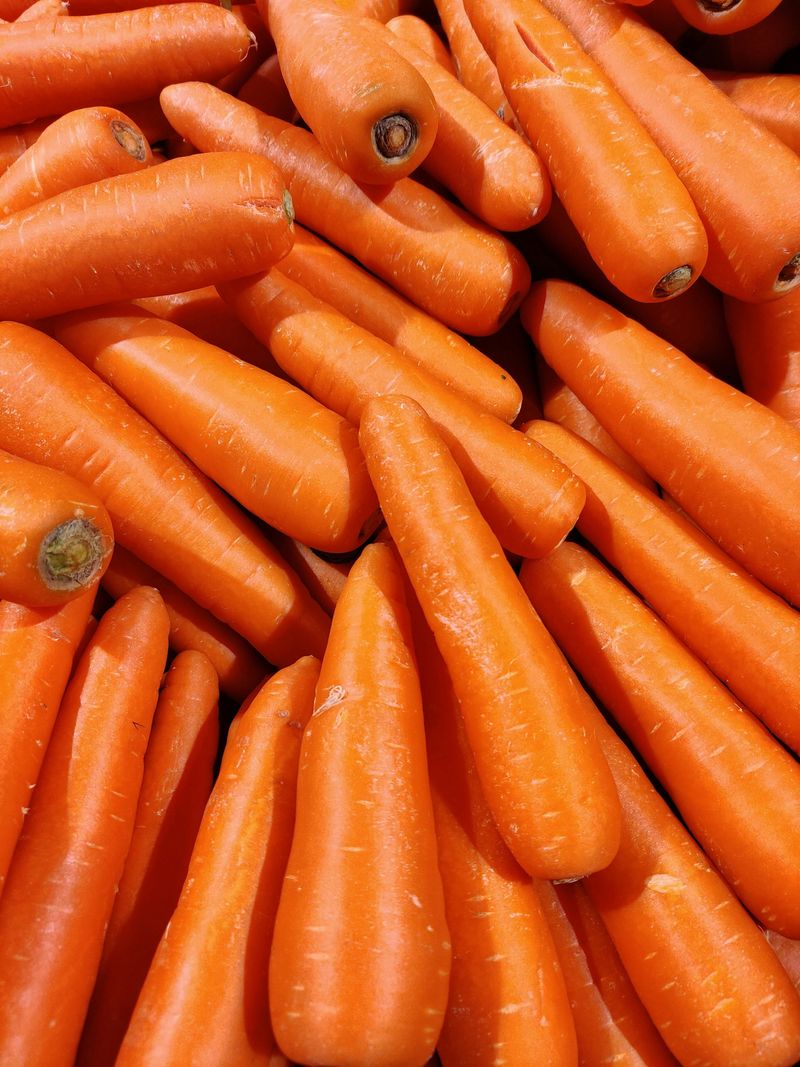
Orange carrots are loaded with beta-carotene, which your body converts to vitamin A for healthy eyes and skin.
Frozen carrots match fresh ones nutritionally and come pre-sliced, saving you peeling and chopping time.
Fresh carrots can get rubbery or develop a white film when they sit too long.
Pre-cut frozen carrots work beautifully in roasted vegetable medleys, soups, and stews.
They cook evenly since they’re all the same size, unlike when you chop them yourself.
You can even thaw them for cold dishes like pasta salad once they’re cooked.
Dietitians point out that frozen carrots help reduce kitchen prep time while delivering the same nutritional benefits.
8. Green Beans
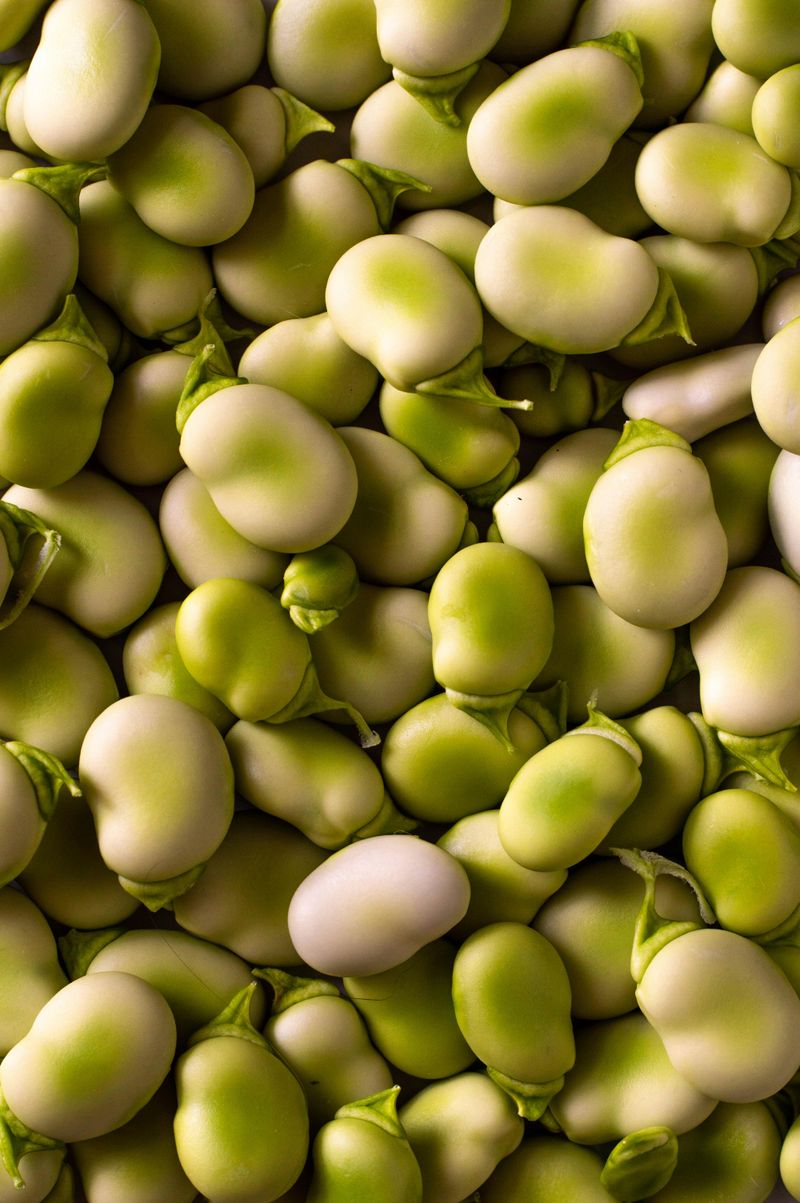
Crisp green beans keep their nutrients remarkably well when frozen, holding onto vitamin K, vitamin C, and fiber.
Fresh green beans require trimming the ends and washing before cooking, which takes extra time.
Frozen beans are ready to heat and eat within minutes.
Steam them, roast them with garlic, or add them to casseroles without any prep work.
They’re already cleaned and trimmed, so you skip the tedious kitchen tasks.
Green beans pair well with almost any main dish and kids often find them easy to eat.
Dietitians recommend them as a reliable vegetable option that’s hard to mess up and consistently nutritious throughout the year.
9. Butternut Squash
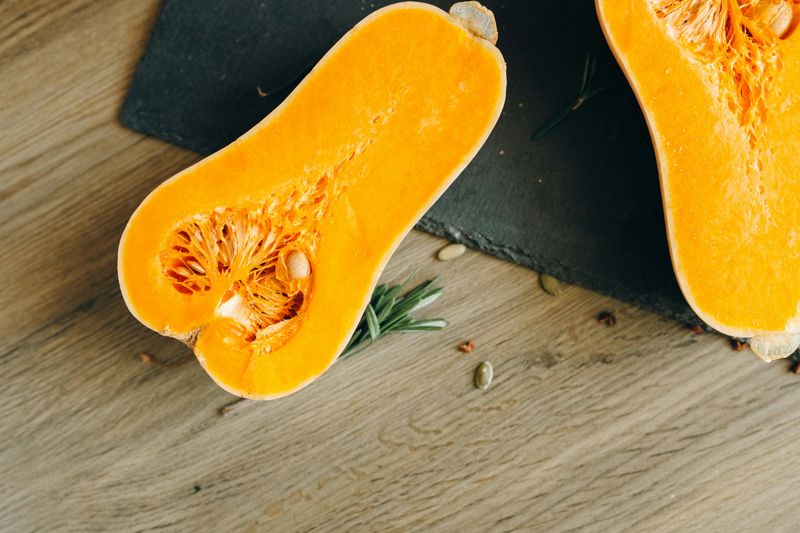
Have you ever tried peeling and cubing a fresh butternut squash?
It’s a workout that can take twenty minutes and risks cutting yourself.
Frozen butternut squash cubes give you all the nutrition without the dangerous knife work.
This orange vegetable is packed with vitamin A, potassium, and fiber.
Pre-cubed frozen squash is perfect for roasting, adding to soups, or making quick side dishes.
The cubes are uniform in size, so they cook evenly every time.
You can make butternut squash soup in half the time using the frozen version.
Dietitians often keep frozen squash on hand because it makes healthy eating so much easier.
10. Edamame
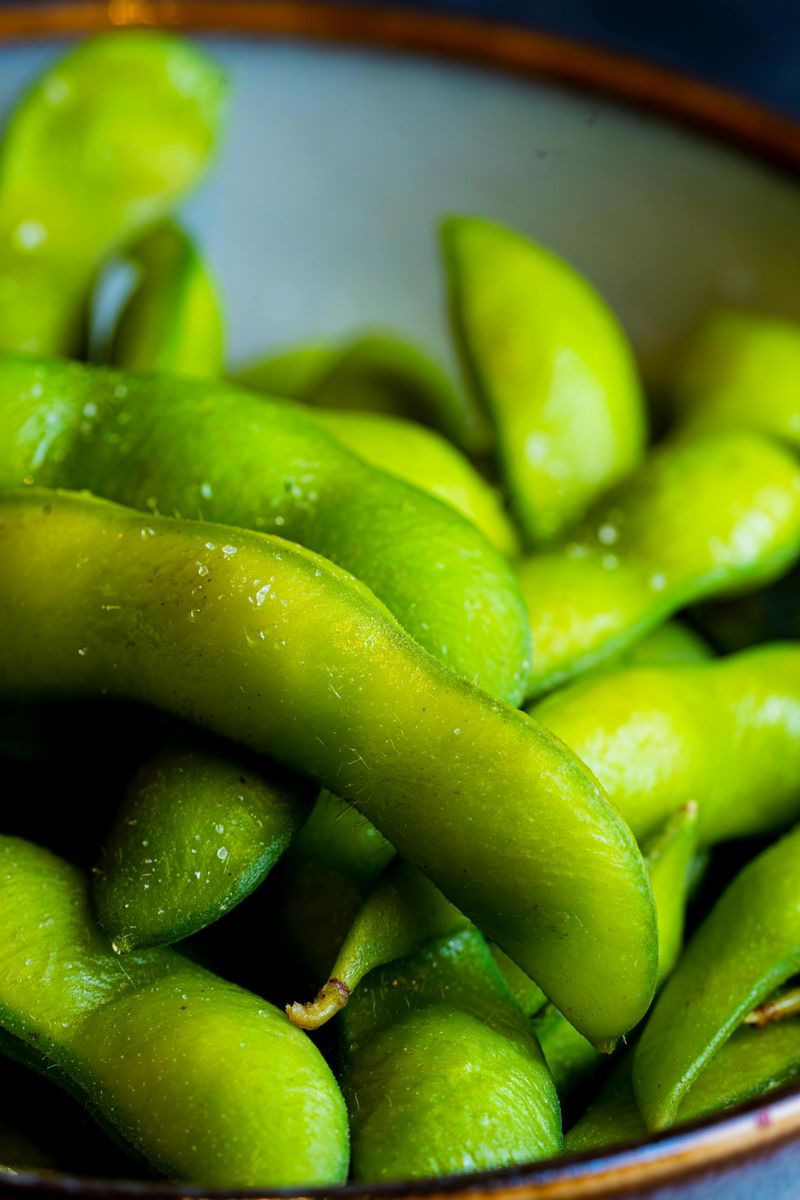
These bright green soybeans are a protein powerhouse that dietitians keep stocked in their own freezers.
Frozen shelled edamame delivers plant-based protein, fiber, and healthy fats in one simple package.
Fresh edamame in pods is harder to find and requires shelling before you can eat the beans inside.
Pre-shelled frozen edamame cooks in just five minutes and works great in salads, grain bowls, or as a snack.
You get about 17 grams of protein per cup, which is impressive for a vegetable.
Toss them into pasta dishes, stir-fries, or eat them plain with a little salt.
Their convenience and nutrition make them a dietitian-approved freezer staple for busy households.