 MomSkoop
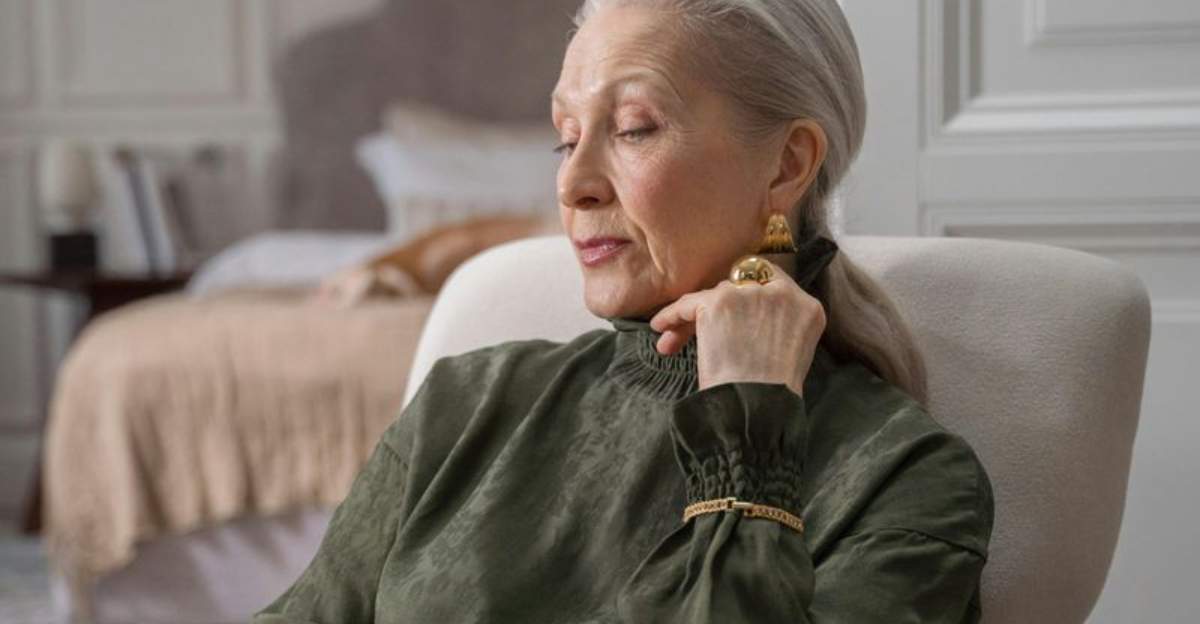
Many women look back after divorce and realize certain warning signs were there all along. They often wish they had paid closer attention to behaviors that seemed small at the time but grew into serious problems.
Learning from their experiences can help others recognize unhealthy patterns before it’s too late. Here are ten red flags divorced women say they should never have ignored.
1. Promises that never turned into actions

Words mean nothing without follow-through.
When someone repeatedly says they’ll change, help out more, or make things better but never does, that’s a major warning sign.
It shows they either don’t respect you enough to keep their word or lack the maturity to follow through on commitments.
Many divorced women remember hearing the same promises over and over again.
Their partners would apologize after arguments and swear things would be different next time.
But weeks would pass and nothing changed.
Actions always speak louder than words in relationships.
If someone truly cares, they’ll prove it through consistent behavior, not just empty promises that fade away.
2. Constant invalidation of their emotions

Having your feelings dismissed hurts deeply.
When partners say things like “you’re overreacting” or “you’re too sensitive,” they’re refusing to acknowledge your reality.
This pattern makes you question your own thoughts and feelings over time.
Women who’ve been through divorce often describe feeling like their emotions didn’t matter.
Every concern was brushed aside or turned into something wrong with them instead.
Healthy partners listen and try to understand, even when they disagree.
They don’t make you feel crazy for having normal human reactions.
Emotional validation is basic respect in any relationship, not something you should have to beg for constantly.
3. Constantly giving in to avoid conflict

Peace at any price becomes too expensive.
Some people find themselves saying yes to everything just to prevent arguments.
They stop voicing opinions, hide their preferences, and swallow their needs to keep things calm.
This pattern seems harmless at first but slowly erases who you are.
Divorced women often realize they spent years walking on eggshells around their partners.
They gave up hobbies, friendships, and dreams because disagreeing wasn’t worth the drama.
But relationships need healthy conflict to grow stronger.
Two people should be able to disagree respectfully without one person always surrendering.
Constant people-pleasing isn’t compromise—it’s losing yourself bit by bit.
4. Avoidance of important conversations

Serious topics shouldn’t be off-limits forever.
When partners refuse to discuss finances, future plans, or relationship problems, they’re building walls instead of bridges.
Important issues don’t disappear just because nobody talks about them—they usually get worse.
Looking back, many divorced women saw how their ex-husbands would change the subject or shut down whenever real conversations started.
Money problems piled up because nobody wanted to address spending habits.
Parenting disagreements never got resolved because discussing them felt too uncomfortable.
Strong relationships require honest communication about hard stuff.
If someone consistently dodges meaningful discussions, they’re showing they can’t handle the depth a lasting partnership needs.
5. Feeling lonely while being married

Being with someone shouldn’t feel like being alone.
Plenty of married women describe feeling more isolated than when they were single.
Their partners were physically present but emotionally absent, creating a painful kind of loneliness.
They’d sit together in silence with no real connection happening.
Attempts at conversation went nowhere because their spouse seemed checked out or uninterested.
This emotional distance made them feel invisible in their own homes.
After divorce, many women say the loneliness actually decreased because they stopped pretending the connection existed.
Marriage should bring companionship and warmth, not make you feel like a ghost in your own life.
Persistent loneliness signals something fundamentally broken.
6. Losing their essence to be accepted

You shouldn’t have to disappear to be loved.
Some women gradually changed everything about themselves to please their partners.
They stopped laughing too loudly, dressing how they liked, or sharing opinions that might cause friction.
Piece by piece, their authentic selves got buried under layers of what someone else wanted.
Divorced women often describe not recognizing themselves anymore during their marriages.
They’d become quiet, careful versions of who they used to be.
The right partner celebrates your quirks and encourages your growth.
They don’t require you to shrink or transform into someone else entirely.
When you’re constantly editing yourself for acceptance, you’re not in a healthy relationship—you’re performing a role.
7. Feeling the need to constantly justify themselves

Explaining every little thing gets exhausting fast.
When partners question your decisions, whereabouts, spending, and choices constantly, it creates an atmosphere of suspicion.
You end up defending perfectly reasonable actions like seeing friends or buying groceries.
Women who’ve been through this describe feeling like they were on trial every single day. Where were you?
Why did that take so long? Why do you need that?
The questions never stopped, making them second-guess normal activities.
Trust is essential in healthy relationships, and partners should assume good intentions.
If you’re constantly justifying innocent behavior, you’re dealing with control issues or insecurity that won’t magically improve with more explanations.
8. Lack of genuine interest in their inner world

Partners should care about what’s inside your heart and mind.
When someone never asks about your dreams, fears, thoughts, or feelings, they’re treating you like a convenience rather than a complex human being.
Surface-level conversations might work for acquaintances but not life partners.
Divorced women frequently mention how their exes never seemed curious about their inner lives.
They’d share something meaningful and get blank stares or quick topic changes in response.
Years passed with deep conversations happening only one direction or not at all.
Real intimacy requires genuine interest in each other’s emotional landscapes.
If someone doesn’t want to know what makes you tick, they don’t really want to know you.
9. Unequal emotional responsibility

One person shouldn’t carry all the emotional weight.
In many failed marriages, women found themselves managing everyone’s feelings, planning everything, remembering all important dates, and maintaining family relationships solo.
Their partners contributed little to the emotional work relationships require.
This imbalance creates resentment that builds slowly over years.
You’re constantly thinking ahead, smoothing things over, and keeping everything running while your partner coasts along obliviously.
After divorce, many women feel lighter because they’re only managing their own emotional needs now.
Partnerships mean sharing responsibilities, including the invisible emotional labor.
When one person checks out of that duty entirely, the relationship becomes another exhausting job.
10. Lack of support during difficult moments
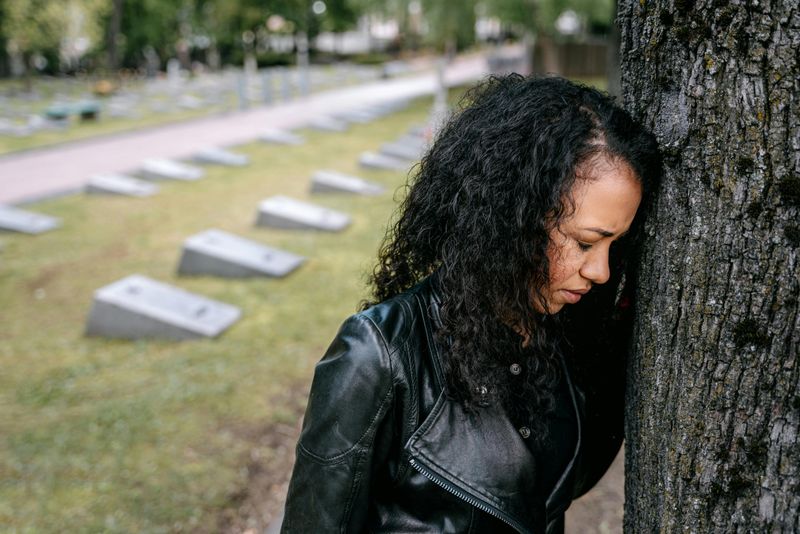
Hard times reveal who people really are.
When you’re facing job loss, family illness, or personal struggles, you need your partner beside you.
But some people disappear exactly when support matters most, leaving you to handle crises alone.
Divorced women often point to specific moments when they desperately needed help and got nothing.
Their partners minimized problems, changed the subject, or somehow made the situation about themselves instead.
These experiences showed them they were fundamentally on their own.
Marriage should mean having someone in your corner during storms, not fair-weather companionship that vanishes when things get rough.
Consistent absence during difficult moments proves someone isn’t truly committed to partnership.