 MomSkoop
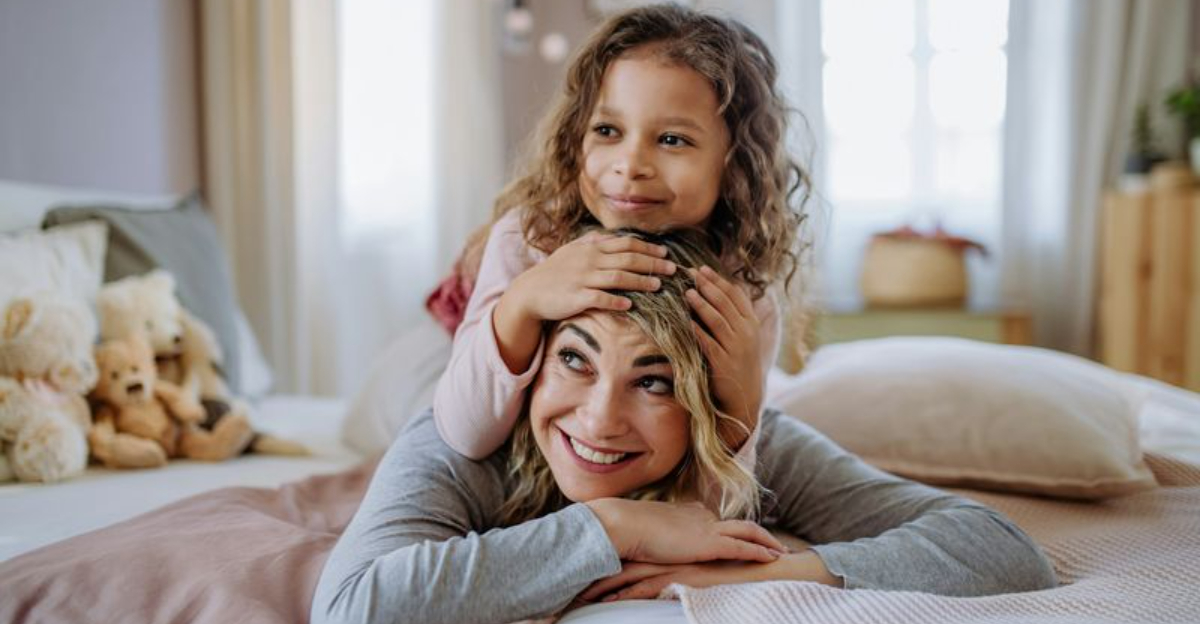
Parenting comes with plenty of moments that make you wonder if you’re doing it right. But here’s something reassuring: some of the behaviors that stress parents out the most are actually signs that you’re raising a healthy, confident child.
From meltdowns to messy rooms, certain kid behaviors can reflect strong emotional development and a safe home environment. Before you worry, read on—you might just find reasons to feel proud.
1. They Question the Rules
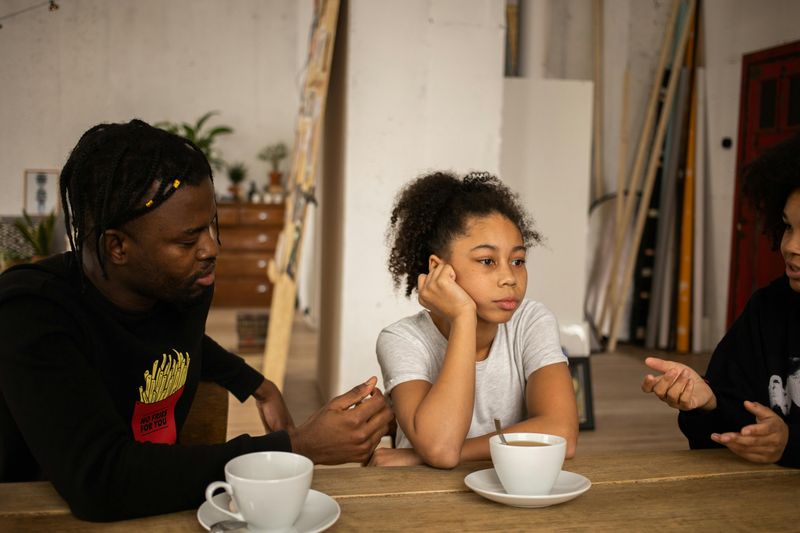
Ever feel like your child has a comeback for every rule you set?
That might actually be a good thing.
When kids question the rules, it shows they’re thinking critically rather than just going along with whatever they’re told.
Critical thinking is a skill that will serve them well in school, friendships, and life.
A child who asks “why” isn’t being disrespectful—they’re building the mental muscles to make smart decisions on their own.
Instead of shutting down the question, try explaining your reasoning.
You’ll be modeling respectful communication while encouraging their natural curiosity.
That’s a win for both of you.
2. They Say No and Push Back

Hearing “no” from your own kid can feel like a small rebellion—but it’s actually a healthy milestone.
When children push back, they’re developing a sense of self, learning to set limits, and discovering that their voice has value.
Kids who can say no at home are better equipped to say no to peer pressure later.
That independence isn’t defiance—it’s confidence in the making.
The key is teaching them how to express pushback respectfully.
Guide them toward using words and calm tones instead of tantrums.
You’re not raising a pushover, and that’s something worth celebrating rather than correcting away entirely.
3. They Have Big Emotional Outbursts

Tantrums and tears can be exhausting, but they often carry a hidden message: your child feels safe enough to fall apart around you.
That emotional honesty is a sign of real security, not poor behavior.
Children who bottle up their feelings are the ones parents should watch more closely.
When kids let it all out, they’re processing big emotions they don’t yet have the words for.
Your job isn’t to stop every meltdown—it’s to stay calm and present through it.
Over time, that steady response teaches them how to regulate their own emotions.
You’re building emotional intelligence, one messy moment at a time.
4. They Argue and Negotiate With You
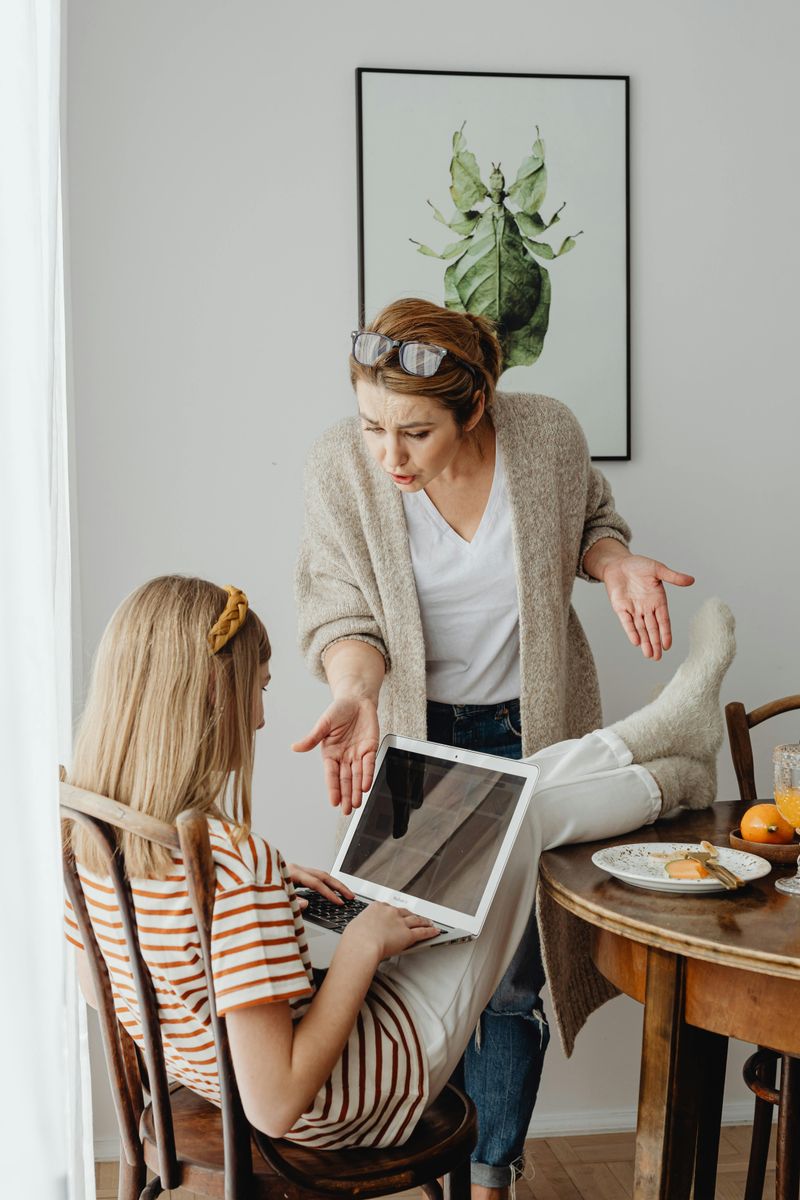
If your child argues like a tiny lawyer, you might be raising a future diplomat.
Negotiating and debating are actually advanced communication skills that reflect a home where kids feel heard.
Children who argue are practicing persuasion, logic, and self-expression.
These are tools they’ll use in classrooms, friendships, and eventually the workplace.
A child who stays quiet and never pushes back may not feel safe speaking up.
Of course, there’s a difference between healthy debate and disrespect.
Set clear expectations about tone while still leaving room for discussion.
When kids know their opinions matter, they grow into adults who communicate with confidence and clarity.
5. They Always Want Your Attention

“Watch me!
Look at this!
Can you play with me?” Sound familiar?
When your child constantly seeks your attention, it can feel overwhelming—but it actually signals something beautiful: a strong, secure attachment to you.
Attachment theory tells us that children who feel closely bonded to a caregiver are more confident, more socially capable, and emotionally healthier overall.
Your child isn’t being clingy for no reason—they trust you completely.
Try carving out small pockets of focused one-on-one time each day.
Even 15 minutes of undivided attention can fill their emotional cup and reduce attention-seeking behavior.
You’re their safe haven, and that’s an incredibly important role to play.
6. They Make Giant Messes While Playing
Glitter on the carpet.
Legos in every corner.
Mud tracked across the kitchen floor.
If this sounds like your home, congratulations—your child is thriving creatively.
Messy play is actually one of the most powerful forms of learning.
When kids are free to explore without worrying about making a mess, they develop imagination, problem-solving skills, and a willingness to take creative risks.
That kind of freedom doesn’t happen in fearful environments.
Rather than dreading the cleanup, try seeing the mess as evidence of a mind at work.
Set up easy-to-clean zones where mess is welcome.
The habits of creativity you’re nurturing now will last a lifetime.
7. They Get Bored Easily

“I’m bored!” — three words that can send any parent scrambling for activities.
But boredom isn’t always a problem to solve.
Sometimes it’s actually a sign that your child has a well-stimulated mind that’s hungry for more.
Research suggests that boredom pushes kids to think for themselves, sparking creativity and independent thought.
A child who gets bored easily may simply be used to engaging experiences and is learning to generate their own ideas when none are handed to them.
Resist the urge to immediately fix their boredom.
Give them some unstructured time and see what they come up with.
You might be surprised by the inventive games, stories, or projects they create on their own.
8. They Occasionally Challenge Authority
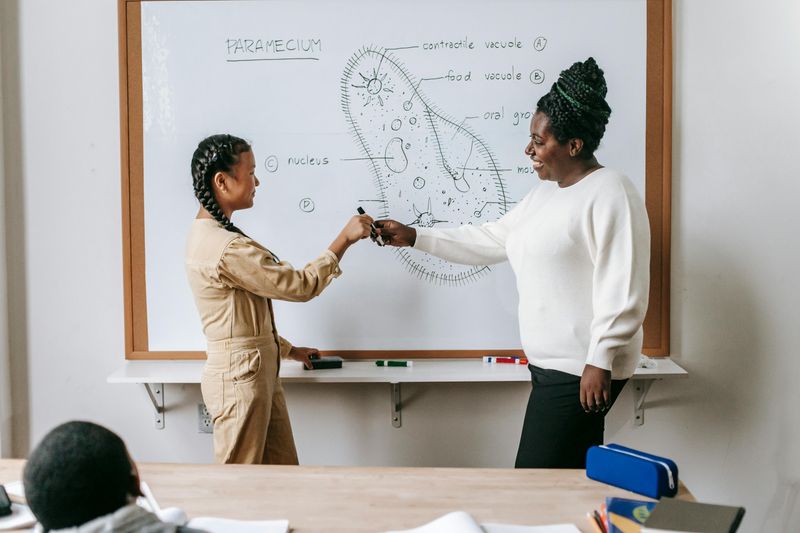
A child who occasionally pushes back against authority figures isn’t a troublemaker—they’re a boundary-tester, and that’s developmentally healthy.
Learning where the lines are is how kids build a moral compass and understand the world around them.
Children raised in homes with consistent, loving guidance learn to question authority thoughtfully rather than blindly obeying or recklessly rebelling.
They understand the difference between rules that make sense and rules that deserve a second look.
The goal isn’t a child who never questions anyone—it’s a child who knows how to respect authority while still thinking independently.
That balance is something most adults spend years trying to find.
9. They Are Loud and Full of Energy
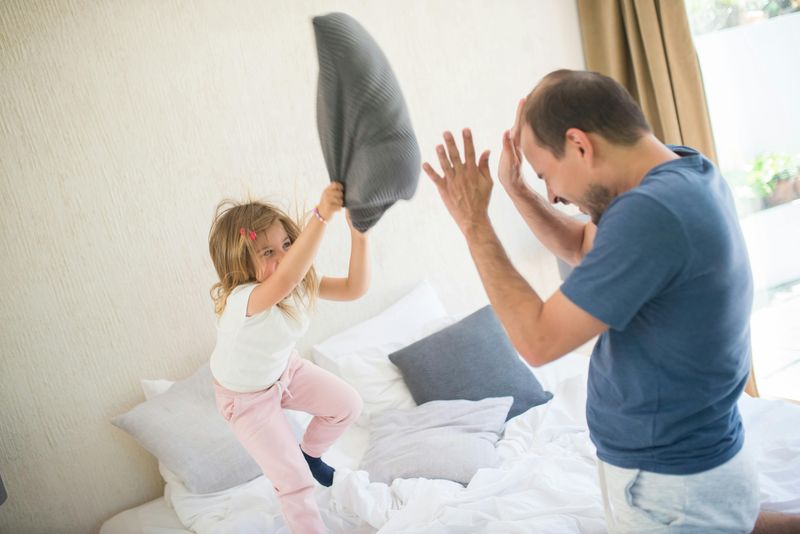
Some kids arrive in a room like a thunderstorm—loud, fast, and impossible to ignore.
While it can be a lot to handle, that boundless energy often signals something deeply positive: your child feels completely safe being themselves around you.
Kids who suppress their energy and volume in their own home may be doing so out of anxiety or fear of disapproval.
A child who is unapologetically loud and lively at home has been given the gift of security and self-acceptance.
Channel that energy into sports, creative play, or outdoor adventures rather than shutting it down entirely.
A child who knows their full self is accepted grows into an adult with unshakeable self-worth.
10. They Tell the Truth Even When It’s Hard
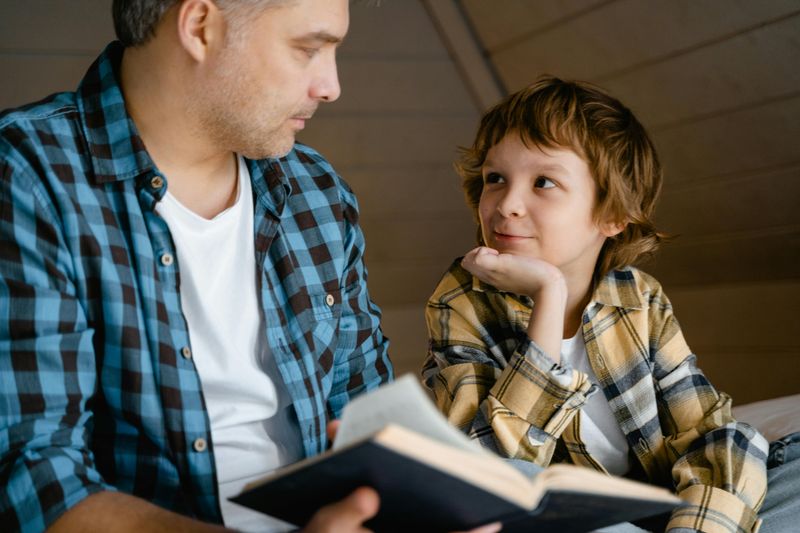
When a child admits they broke the vase, told a fib, or made a mistake—even knowing they might get in trouble—that’s one of the most powerful signs of healthy parenting there is.
Honesty rooted in trust, not fear, is rare and worth protecting.
Children who feel safe telling the truth have learned that their relationship with you is stronger than any single mistake.
They believe you’ll respond with fairness rather than rage, and that belief took consistent, loving effort to build.
Always acknowledge the courage it takes to come clean.
A simple “I appreciate you telling me the truth” goes a long way.
You’re raising a person of integrity, and that starts right here at home.