 MomSkoop
Europe hides some of the world’s most breathtaking valleys, places so stunning they seem like they belong in a painting rather than reality.
These secret spots offer travelers a chance to escape crowded tourist trails and discover landscapes that feel untouched by time.
From misty meadows to towering cliffs, each valley tells its own story through colors and shapes that nature carefully arranged over millions of years. Ready to explore these masterpieces?
1. Val di Mello – Italy
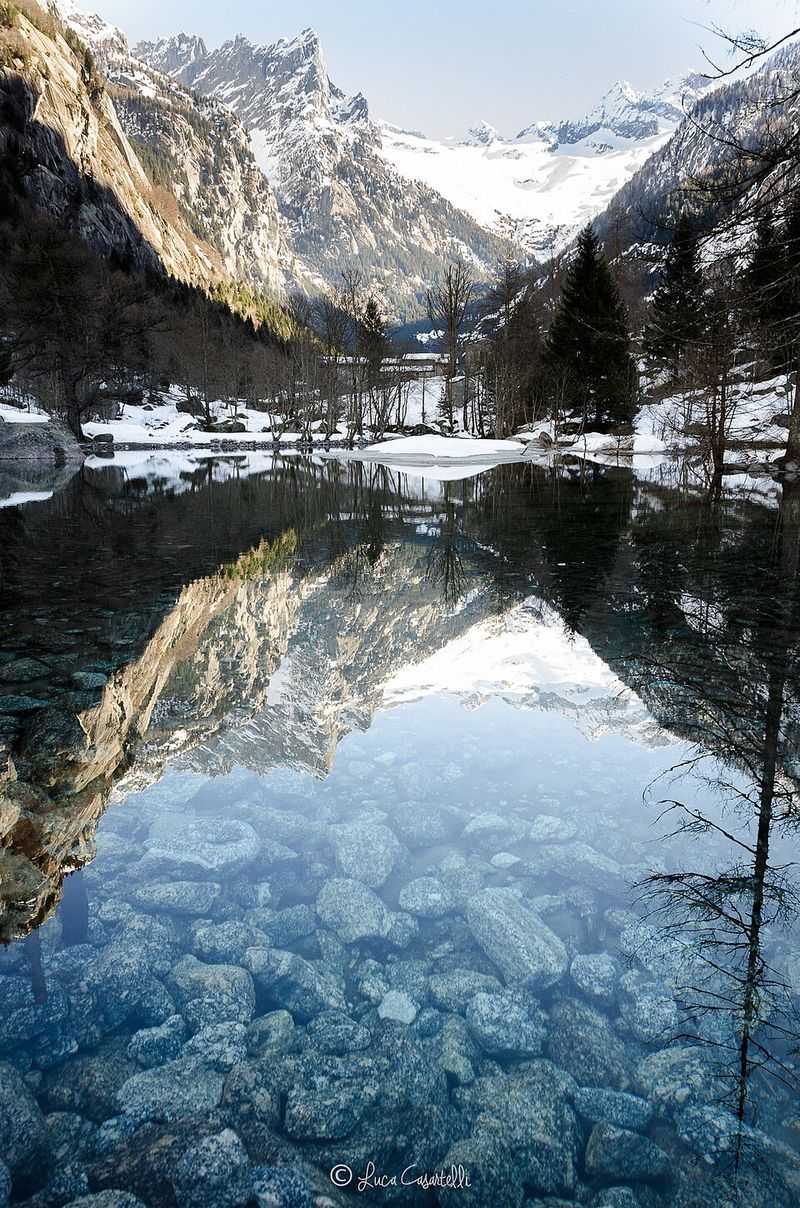
Granite walls rise like ancient sentinels in this Italian gem, where every turn reveals another jaw-dropping view. The Mello River carves through the valley floor, its water so clear and green it looks like liquid emerald.
Climbers travel from around the globe to scale these famous rock faces, but you don’t need ropes to enjoy the magic here. Wildflower meadows stretch beneath towering peaks, creating a carpet of color every spring and summer.
Local shepherds still graze their animals here, just as families have done for centuries. The absence of roads keeps the valley peaceful, making it perfect for anyone seeking genuine wilderness without the noise of modern life.
2. Val Fiscalina (Fischleintal) – Italy
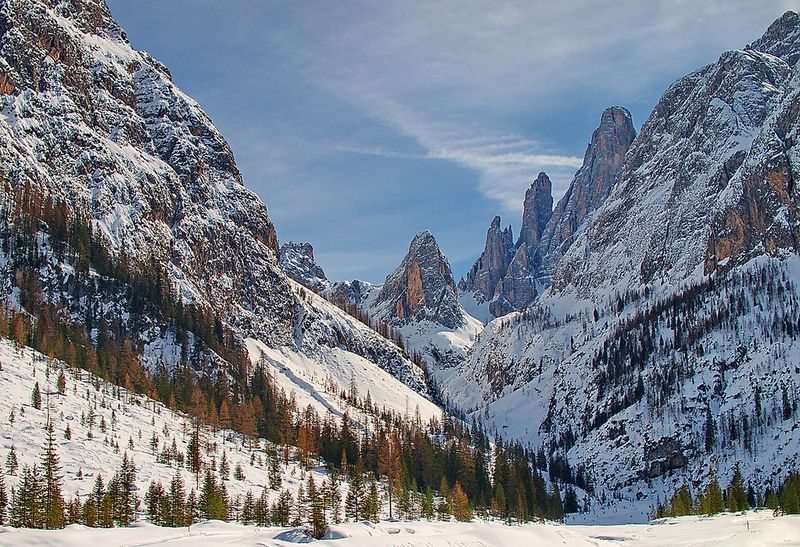
Pastel-toned peaks frame this quiet corner of the Dolomites, where morning light paints the mountains in shades of pink and gold. Unlike busier valleys nearby, Fiscalina maintains an almost sacred stillness that calms even the most restless minds.
Traditional wooden huts dot the landscape, their weathered timber blending perfectly with the surrounding forest. Hikers discover crystal-clear streams and hidden waterfalls tucked between ancient rock formations that seem sculpted by an artist’s hand.
Winter transforms the valley into a snow-covered wonderland, while summer brings endless wildflower displays. Few places on Earth combine dramatic geology with such peaceful solitude, making every visit feel like stepping into a forgotten world.
3. Valley of the Five Lakes (Dolina Pięciu Stawów) – Poland
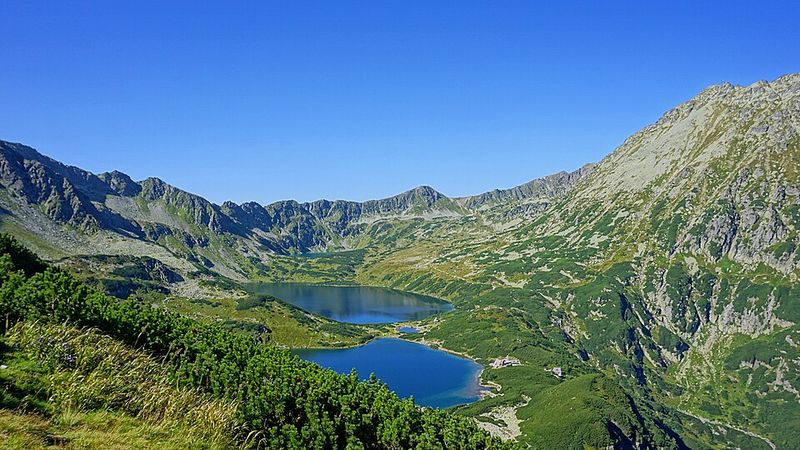
Five glacial lakes shimmer like scattered jewels across this Polish treasure, each reflecting the sky in its own unique shade of blue. Ancient ice carved these basins thousands of years ago, leaving behind a landscape that seems almost too perfect to be real.
Reaching the valley requires a solid hike through the High Tatras, but the effort rewards visitors with views that belong on postcards. Rocky ridges tower above the water, their jagged silhouettes creating dramatic contrasts against soft clouds.
Photographers camp here overnight to capture sunrise reflections dancing across the lake surfaces. The crisp mountain air and total silence make you feel like you’ve discovered Earth’s last untouched corner.
4. Val di Funes (Villnöß) – Italy
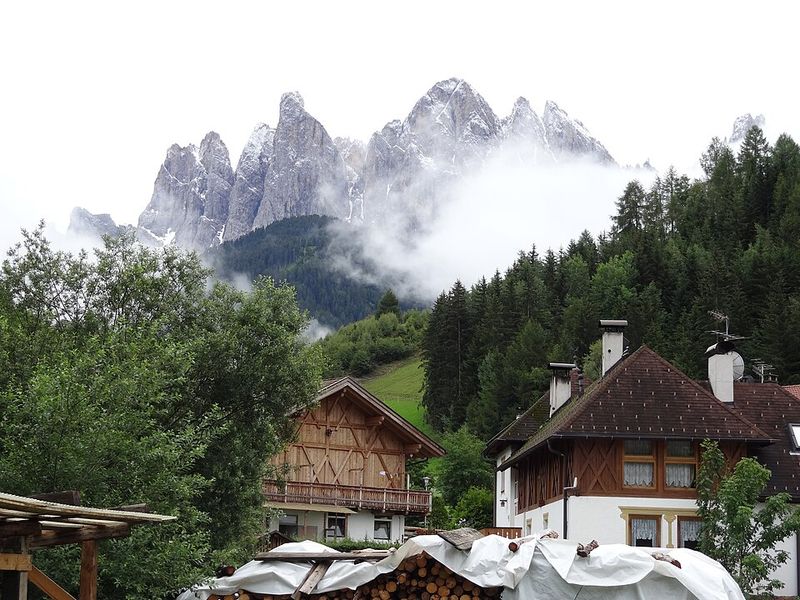
A slender church spire pierces the sky against a backdrop of jagged Dolomite peaks in what might be Europe’s most photographed valley. St. Johann church stands like something from a fairy tale, its white walls glowing against the dramatic mountain wall behind it.
Rolling green meadows surround traditional farmhouses where families have lived for generations. Cows graze peacefully while their bells create a gentle symphony that echoes through the valley.
Autumn brings spectacular color changes as the forests turn gold and amber. Whether you visit in fresh spring green or under winter’s white blanket, Val di Funes never fails to take your breath away with its storybook beauty.
5. Val Bregaglia – Switzerland/Italy
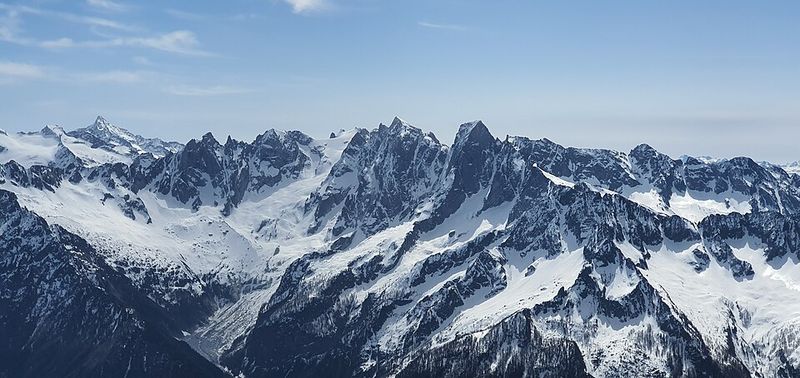
Stone villages cling to mountainsides in this border valley where Switzerland meets Italy, their granite walls blending seamlessly with the rocky landscape. Chestnut forests carpet the lower slopes, providing shade for ancient footpaths that connect isolated hamlets.
Artists have long been drawn here by the special quality of light that filters through the peaks. The valley’s unique position creates microclimates where Mediterranean plants grow alongside alpine species, resulting in surprising botanical diversity.
Cascading waterfalls thunder down cliff faces after spring snowmelt, their mist creating rainbow displays on sunny afternoons. Time moves slower here, measured not by clocks but by seasons and the patient rhythm of mountain life unchanged for centuries.
6. Val Ferret – Switzerland/Italy
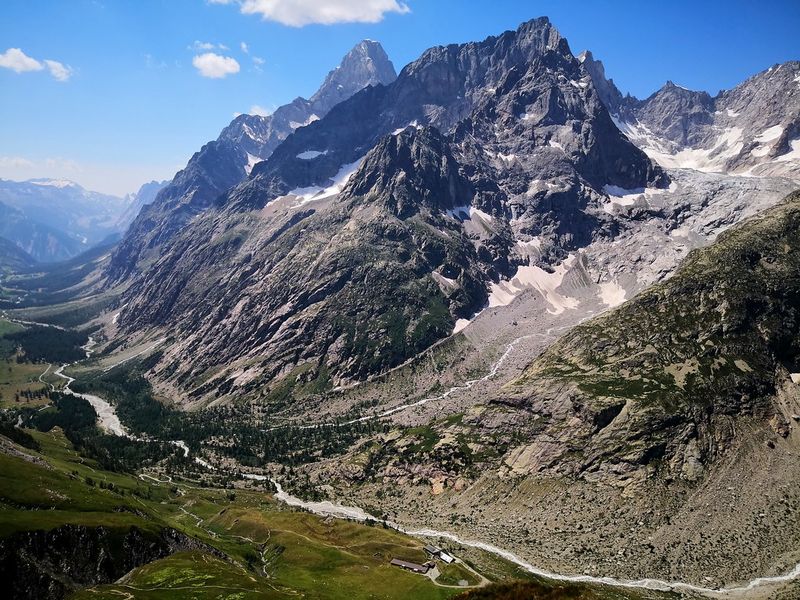
While tourists crowd the main Mont Blanc routes, this parallel valley offers the same spectacular mountain views without the chaos. Gentle trails wind through flower-filled meadows where the only sounds come from babbling brooks and birdsong.
Traditional chalets serve homemade cheese and local specialties to hikers who discover this quieter alternative. The Italian and Swiss sides of the valley each have distinct character, connected by high mountain passes that challenge adventurous trekkers.
Glaciers gleam white against blue sky, visible from nearly every vantage point. Families find Val Ferret perfect for introducing children to mountain hiking, with easy paths offering big rewards and none of the intimidating crowds found elsewhere.
7. Val Mora – Switzerland
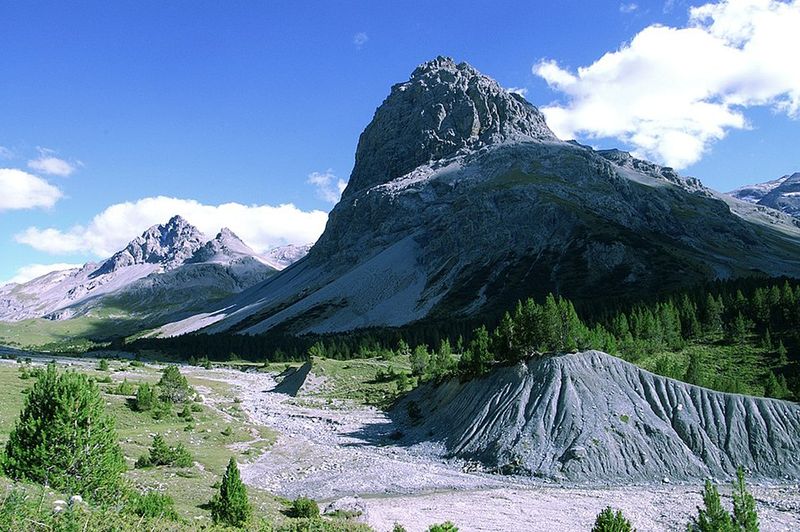
Remote doesn’t begin to describe this Swiss wilderness, where hikers might go days without seeing another soul. Soft, rolling terrain creates watercolor effects as morning mist drifts across the landscape, blurring the lines between earth and sky.
A single mountain hut provides basic shelter for those brave enough to venture this far from civilization. The valley floor spreads wide and gentle, quite different from the dramatic cliffs found in neighboring regions.
Wildlife thrives in this protected space, with ibex and chamois grazing fearlessly in the distance. Reaching Val Mora requires serious commitment, but those who make the journey discover a landscape that feels more like a dream than a destination.
8. Val d’Aran – Spain
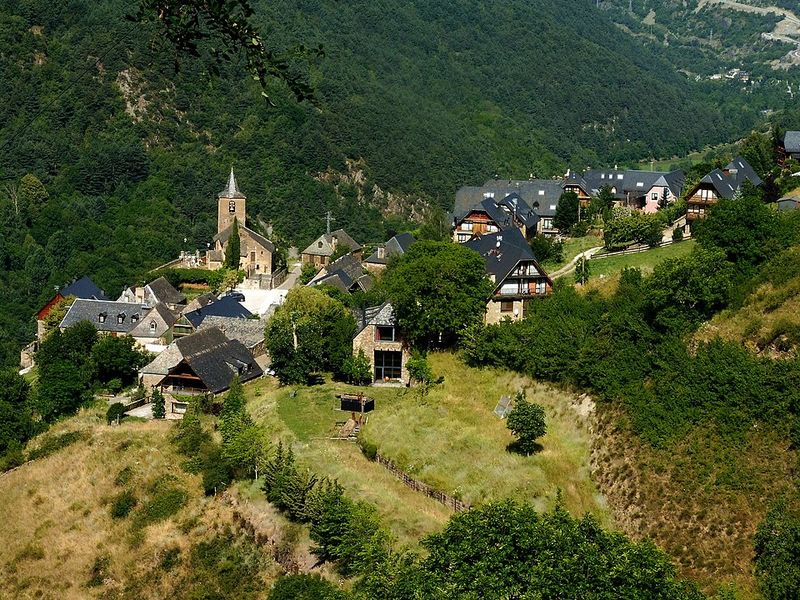
Tucked into Spain’s Pyrenean corner, this valley maintains its own language and culture, distinct from the rest of the country. Stone villages with slate roofs nestle into hillsides, their architecture perfectly adapted to heavy mountain winters.
Morning fog rolls through the forests, creating mysterious atmospheres that inspired countless local legends. Green slopes rise gradually toward snow-capped peaks, offering hiking trails for every skill level from gentle walks to challenging climbs.
Did you know? Val d’Aran faces north, making it feel more like France than Spain in climate and character. Local restaurants serve hearty mountain cuisine that warms you from the inside out after days spent exploring these enchanting landscapes.
9. Lauterbrunnen Valley – Switzerland
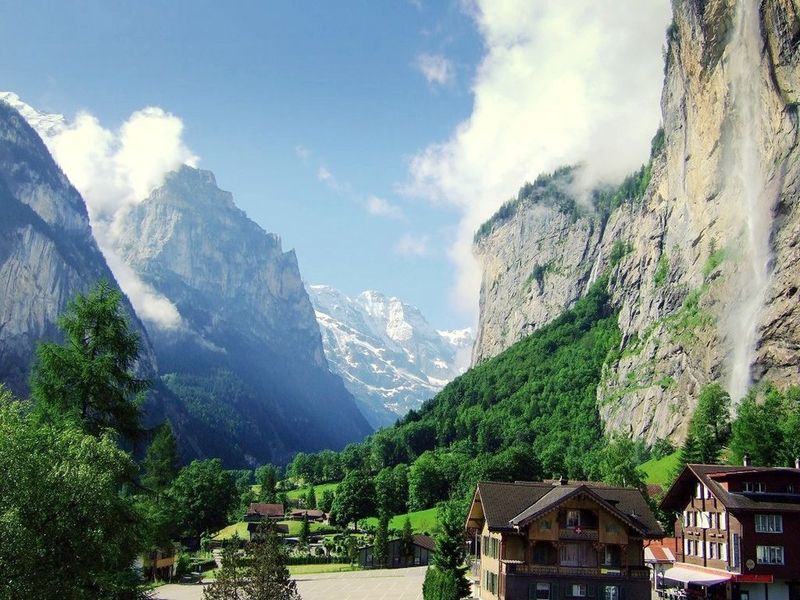
Seventy-two waterfalls thunder down sheer limestone cliffs in this jaw-dropping Swiss wonderland. Lauterbrunnen translates to “many fountains,” and the name barely does justice to the spectacle unfolding here. Staubbach Falls plunges nearly 1,000 feet in a delicate ribbon that inspired poets and painters for centuries.
Traditional wooden chalets dot the valley floor like scattered toys beneath towering rock walls. Cows graze peacefully on impossibly green meadows while mist from distant waterfalls creates rainbows on sunny afternoons. The valley stretches for miles, revealing new cascades around every bend.
Hiking trails wind through flower-filled pastures and past roaring streams fed by glacial melt. Summer brings wildflower explosions that carpet the landscape in purple, yellow, and white blooms.
10. Gjáin Valley – Iceland
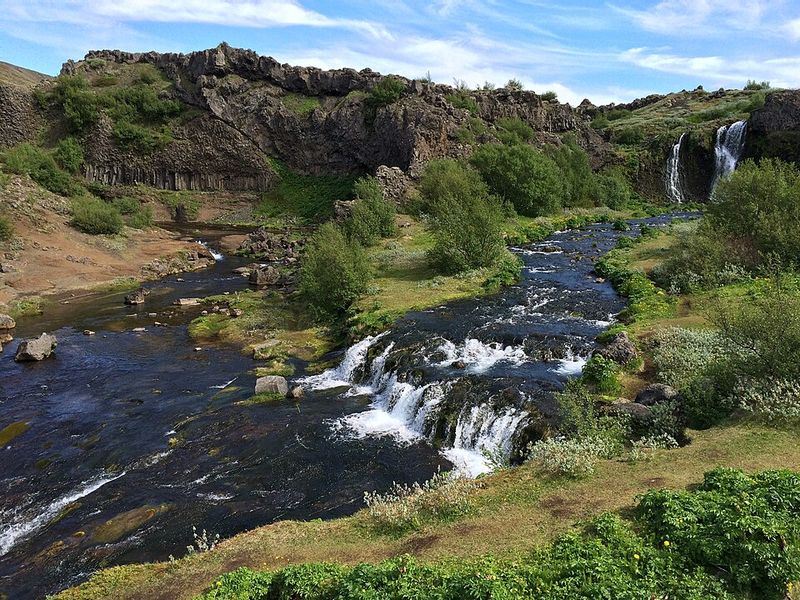
Volcanic rock formations create a fairy-tale landscape where emerald moss carpets every surface like velvet. Gjáin sits tucked away in Iceland’s highlands, where most tourists never venture. Multiple small waterfalls tumble over ancient lava flows, creating pools that glow turquoise against the dark stone.
The entire valley feels like a secret garden carved by fire and water over thousands of years. Twisted rock formations rise from the moss-covered ground like sculptures placed by unseen hands. Steam sometimes rises from hidden geothermal vents, adding mystery to the already magical atmosphere.
Photographers flock here during summer when the midnight sun bathes everything in golden light for hours. Winter transforms the valley into a frozen wonderland where ice formations dangle from every ledge.
11. Ordesa Valley – Spain
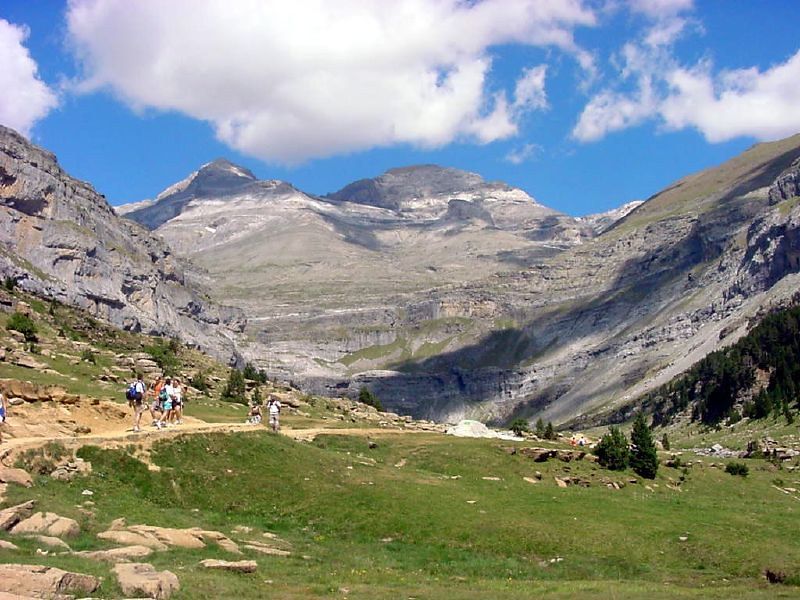
Towering limestone walls rise over 3,000 feet on either side of this Spanish Pyrenees treasure. Ordesa remains surprisingly quiet despite its stunning beauty, offering solitude that’s hard to find elsewhere in Europe. Ancient beech forests blanket the lower slopes while dramatic waterfalls carve through layered rock faces above.
The valley floor follows a crystal-clear river that rushes over smooth boulders and creates natural swimming holes. Wildflowers bloom in waves throughout spring and summer, painting the meadows in constantly changing colors. Griffon vultures soar overhead, their massive wingspans casting shadows on hikers below.
Autumn transforms the beech forests into a golden spectacle that rivals any painting. Snow-capped peaks provide a stunning backdrop year-round, creating perfect reflections in calm river pools.
12. Logarska Dolina – Slovenia
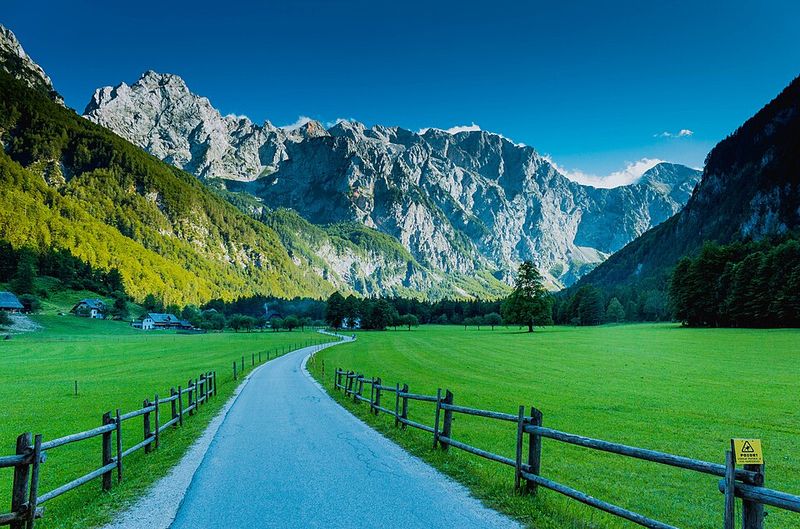
Glaciers carved this Slovenian masterpiece into a textbook example of alpine perfection. Logarska Dolina stretches for nearly five miles, ending dramatically at Rinka Falls, which plunges 300 feet down a horseshoe-shaped amphitheater of rock. Traditional farms dot the valley floor, maintaining centuries-old agricultural practices that keep the landscape pristine.
Mountain ridges rise steeply on both sides, creating a protected microclimate where rare plants thrive. Wooden barns and farmhouses look exactly as they did generations ago, with flower boxes overflowing in summer. The valley remains largely car-free, preserving the peaceful atmosphere that makes it feel timeless.
Cycling paths wind through meadows where cowbells provide a constant gentle soundtrack. Winter brings cross-country skiers gliding through snow-covered forests beneath peaks that pierce the clouds.
13. Tara River Canyon – Montenegro
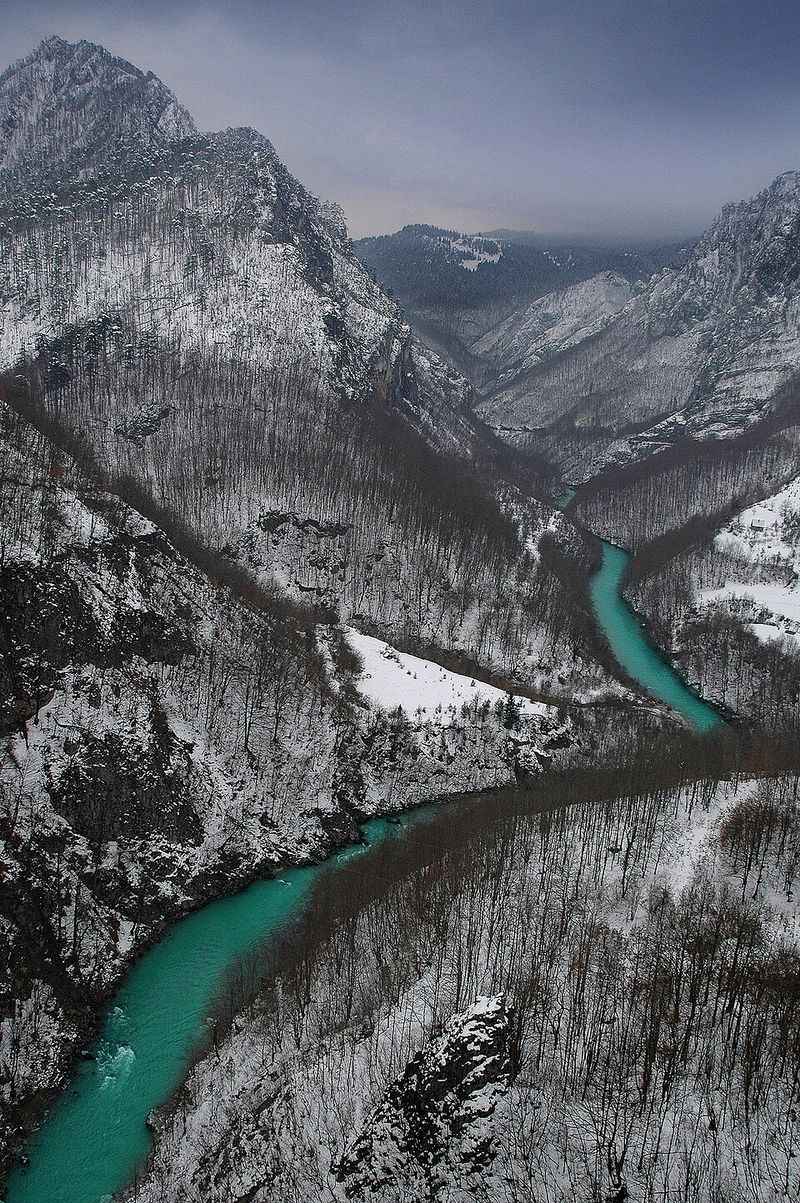
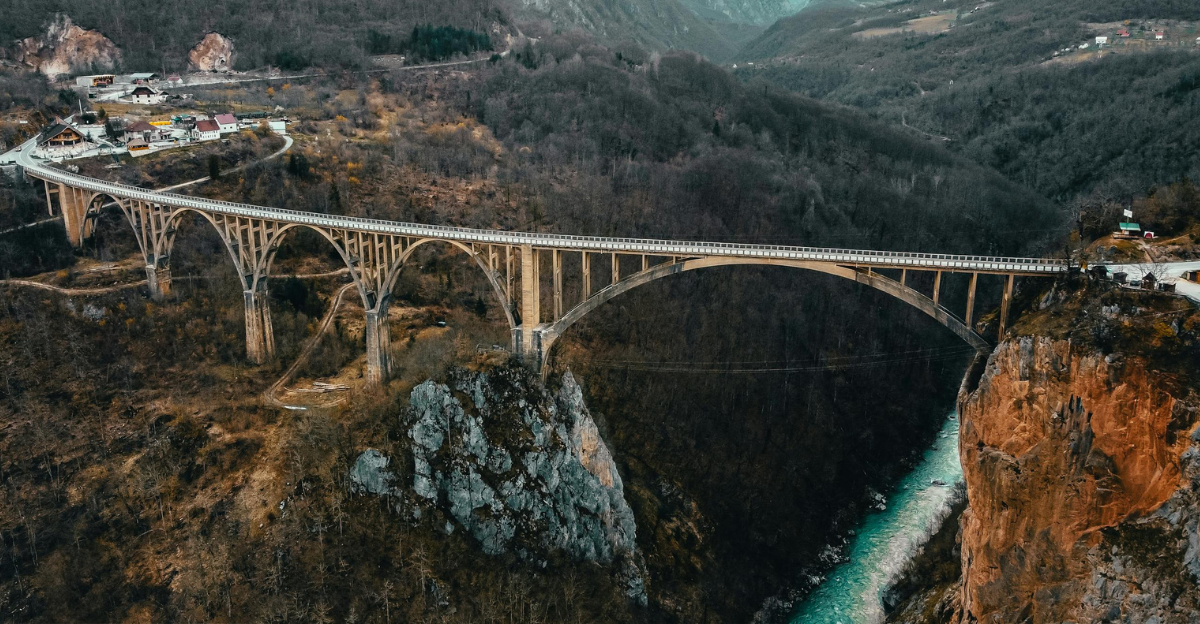
Europe’s deepest canyon slices through Montenegro’s wilderness like a brushstroke of turquoise paint. The Tara River runs impossibly blue-green between vertical limestone walls that plunge over 4,000 feet in places. Dense pine forests cling to slopes so steep they seem to defy gravity, creating a patchwork of green against pale rock.
Ancient stone bridges arch over the churning water, looking too delicate to support modern traffic yet standing strong for centuries. Eagles nest on high ledges, and the river teems with trout in waters so clear you can see the rocky bottom from dizzying heights above.
Rafting through the canyon offers thrilling rapids surrounded by scenery that stops paddlers mid-stroke. Viewpoints along the rim provide perspectives that make visitors question whether they’re looking at reality or artwork.