 MomSkoop
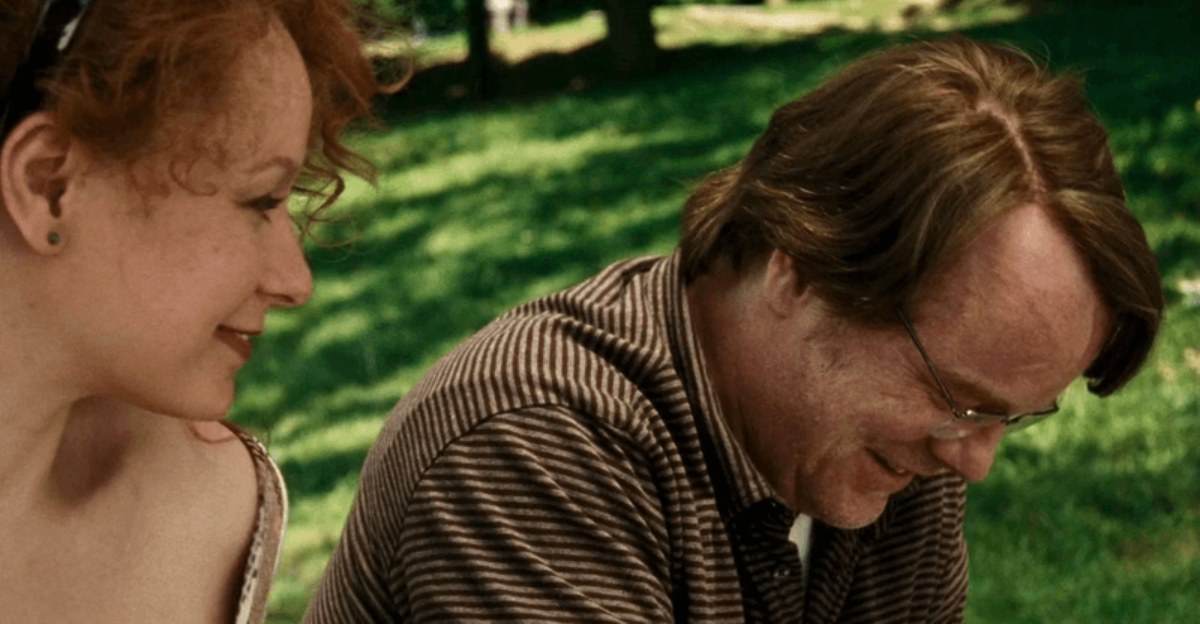
Some movies are celebrated as masterpieces, yet even the most passionate film lovers find them genuinely difficult to watch from start to finish. These films push boundaries with extreme runtimes, slow pacing, or emotionally heavy content that demands real patience and focus.
They aren’t bad movies — in fact, many sit at the very top of critics’ lists. But sitting through them is a challenge that even dedicated movie buffs openly admit.
1. Jeanne Dielman, 23 quai du Commerce, 1080 Bruxelles (1975)
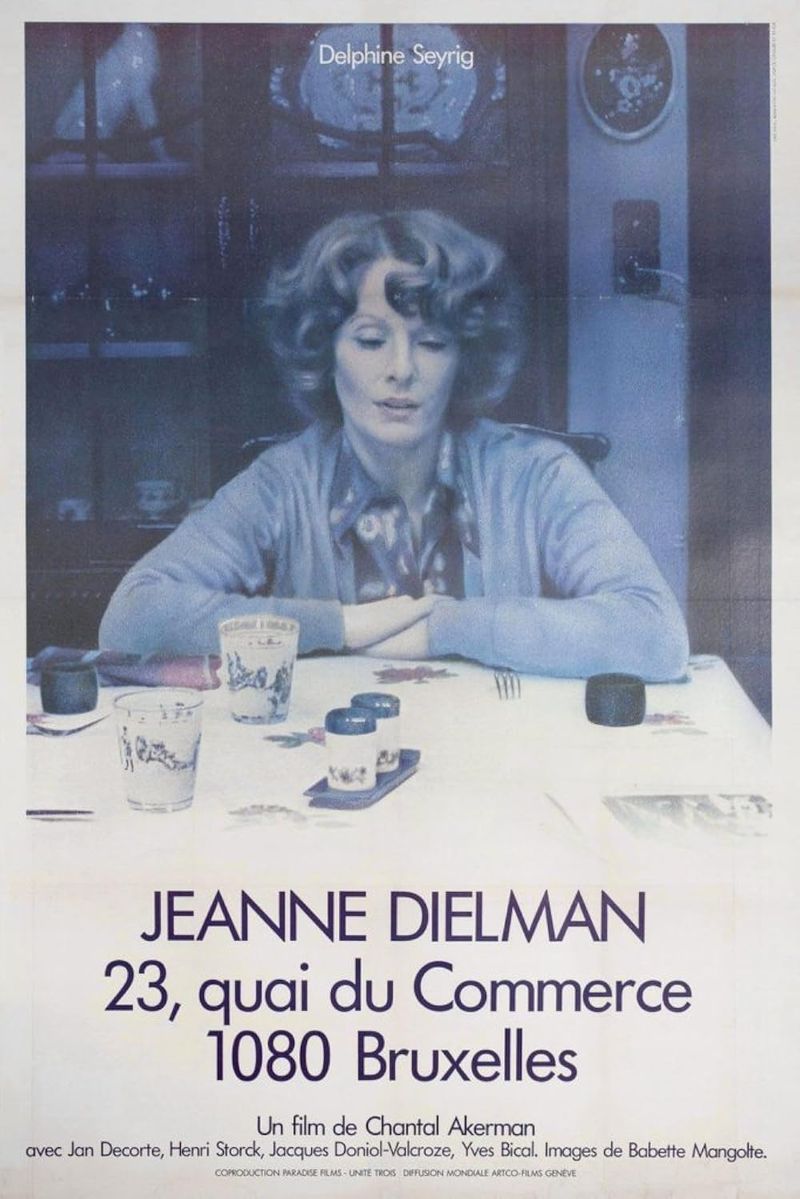
Chantal Akerman’s landmark drama holds a rare spot at the top of the Sight & Sound greatest films list, yet many viewers find themselves fidgeting within the first hour.
The film follows a widowed mother through three days of household routines — cooking, cleaning, and running errands — in real time.
Nothing is rushed.
Nothing is dramatized.
That’s exactly the point.
Akerman wanted audiences to feel the weight of repetitive domestic life, and she succeeds almost uncomfortably well.
Scenes stretch on for minutes without any dialogue or action beyond the mundane.
For some, that’s hypnotic.
For others, it’s a serious test of endurance.
Respect for this film often grows long after the credits roll.
2. Satantango (1994)
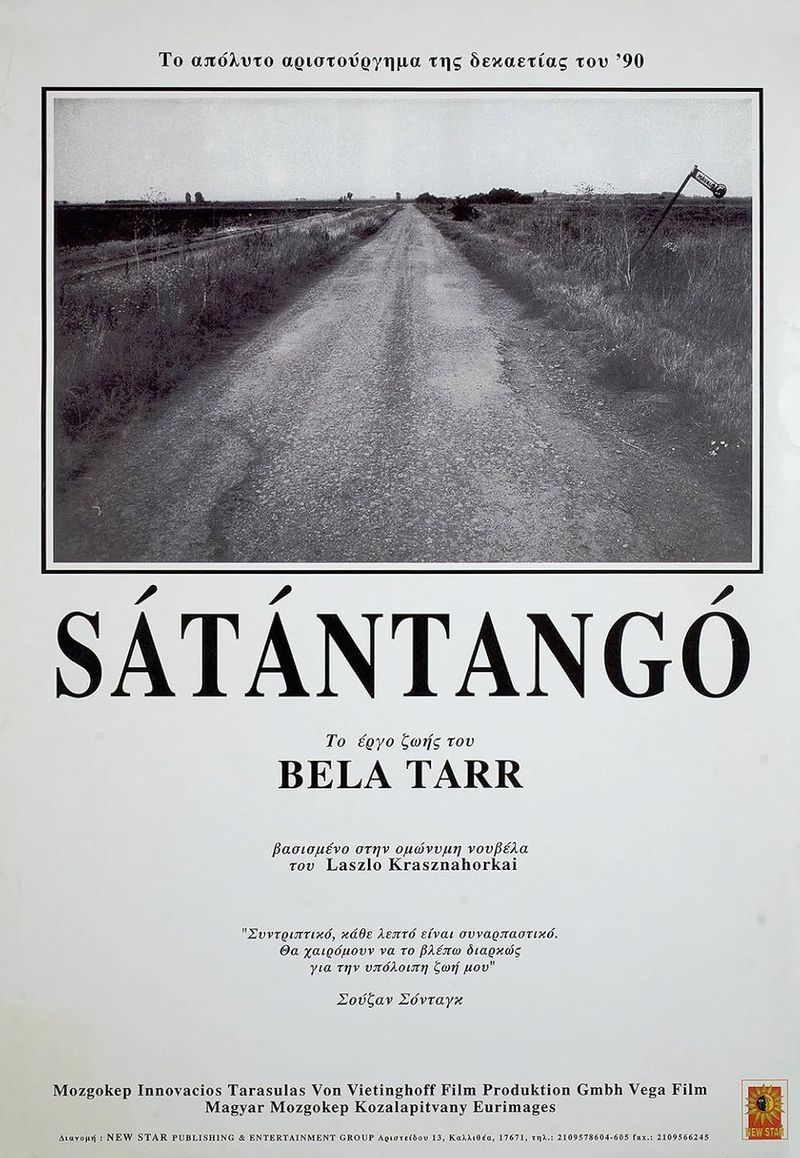
Seven hours and eighteen minutes.
That’s what Béla Tarr asks of you before Satantango ends.
Shot in gorgeous, hypnotic black and white, the film follows a group of villagers in post-communist Hungary as they wait, argue, and slowly unravel.
The long, unbroken shots are stunning but deliberately exhausting.
Famously, film critic Susan Sontag once said she would be happy to watch it every year.
Not everyone feels that way.
Many viewers plan multi-day viewing sessions just to get through it.
The pacing isn’t a flaw — it’s a feature designed to mirror the characters’ hopelessness.
Still, finishing Satantango feels like completing an ultramarathon.
It’s an achievement in itself.
3. The Tree of Life (2011)
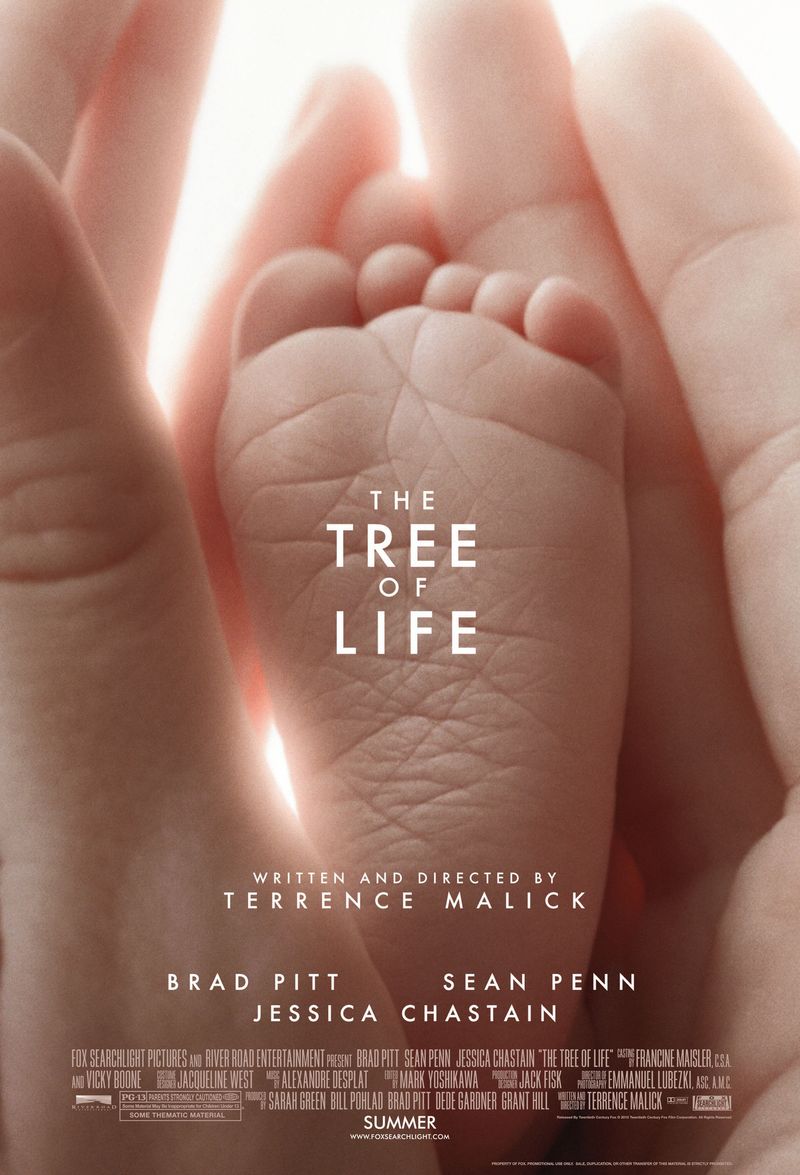
Terrence Malick’s The Tree of Life opens with dinosaurs, shifts to the Big Bang, and eventually settles into a quiet Texas childhood in the 1950s.
If that sounds unusual, the experience of watching it is even more so.
There’s no traditional plot to follow, no clear story arc to hold onto.
Instead, Malick offers whispered voiceovers, philosophical questions, and breathtaking imagery stitched together like a visual poem.
Many viewers left theaters confused or frustrated when it was released.
Others wept.
The film won the Palme d’Or at Cannes, so clearly someone understood it.
But admiring The Tree of Life and actually enjoying it are two very different things, and most viewers will tell you that honestly.
4. 2001: A Space Odyssey (1968)
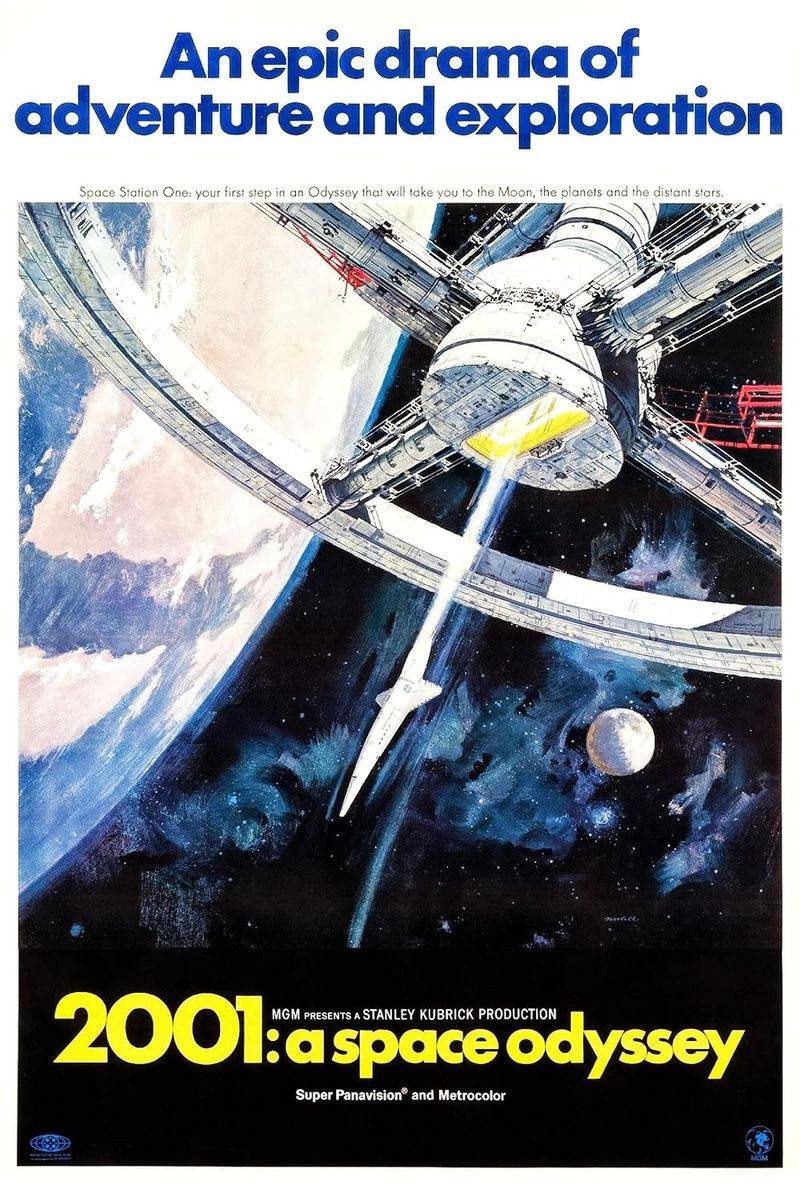
Stanley Kubrick’s 2001 is regularly named one of the greatest films ever made, and the special effects still hold up more than fifty years later.
But here’s the honest truth: the first thirty minutes feature prehistoric apes, no dialogue, and a bone being thrown into the air.
That’s before the real story even starts.
The film moves at a pace that feels almost geological.
Long sequences pass with only ambient sound and floating spacecraft.
HAL 9000 is genuinely unsettling, and the final twenty minutes are unlike anything else in cinema.
But first-time viewers expecting a fast-paced sci-fi adventure often feel blindsided.
Kubrick wasn’t making a blockbuster — he was making a philosophical statement, and it demands your full attention.
5. Stalker (1979)
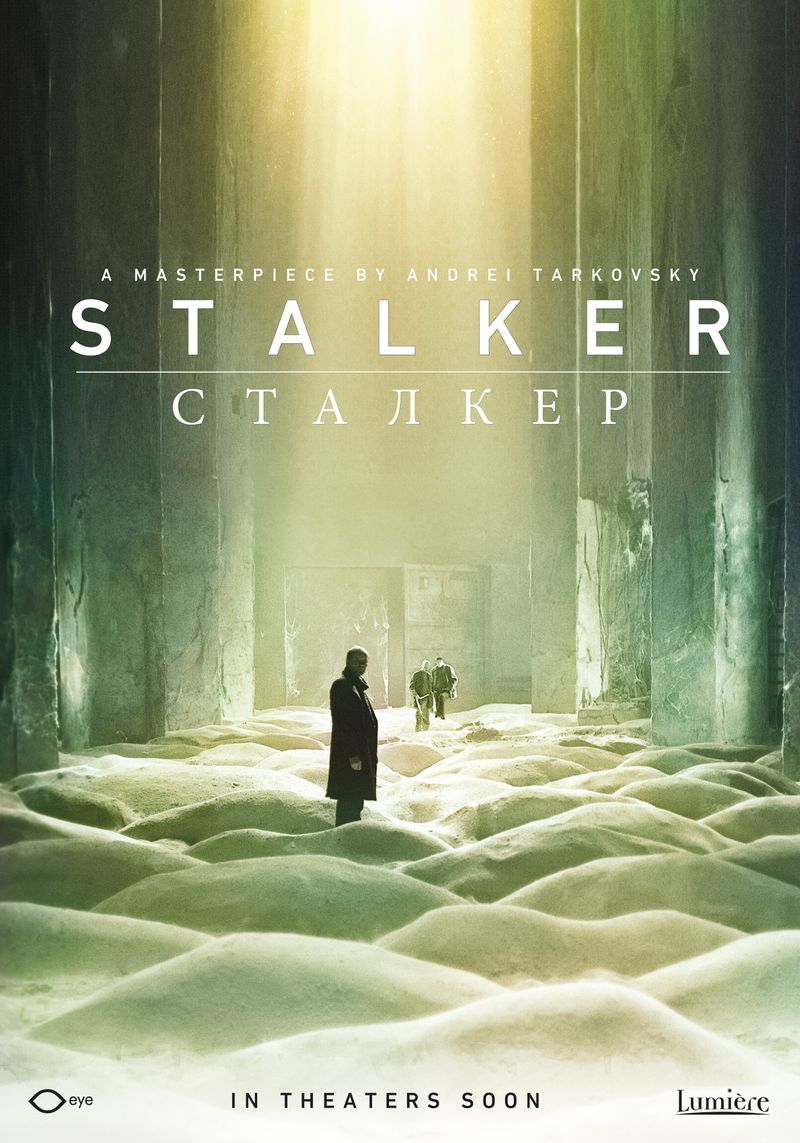
Andrei Tarkovsky made films the way some people meditate — slowly, deliberately, and with deep spiritual intention.
Stalker follows three men journeying through a forbidden, mysterious zone rumored to grant wishes.
It sounds like an adventure.
It is not an adventure in any traditional sense.
Conversations stretch for many minutes.
Characters sit in shallow water and stare at nothing.
The camera barely moves.
Tarkovsky believed cinema should feel like a dream, and Stalker absolutely does.
The problem is that dreams aren’t always easy to stay awake through.
Fans of the film describe it as life-changing.
Others describe falling asleep more than once.
Both reactions are completely understandable, and neither makes you a bad film lover.
6. The Irishman (2019)
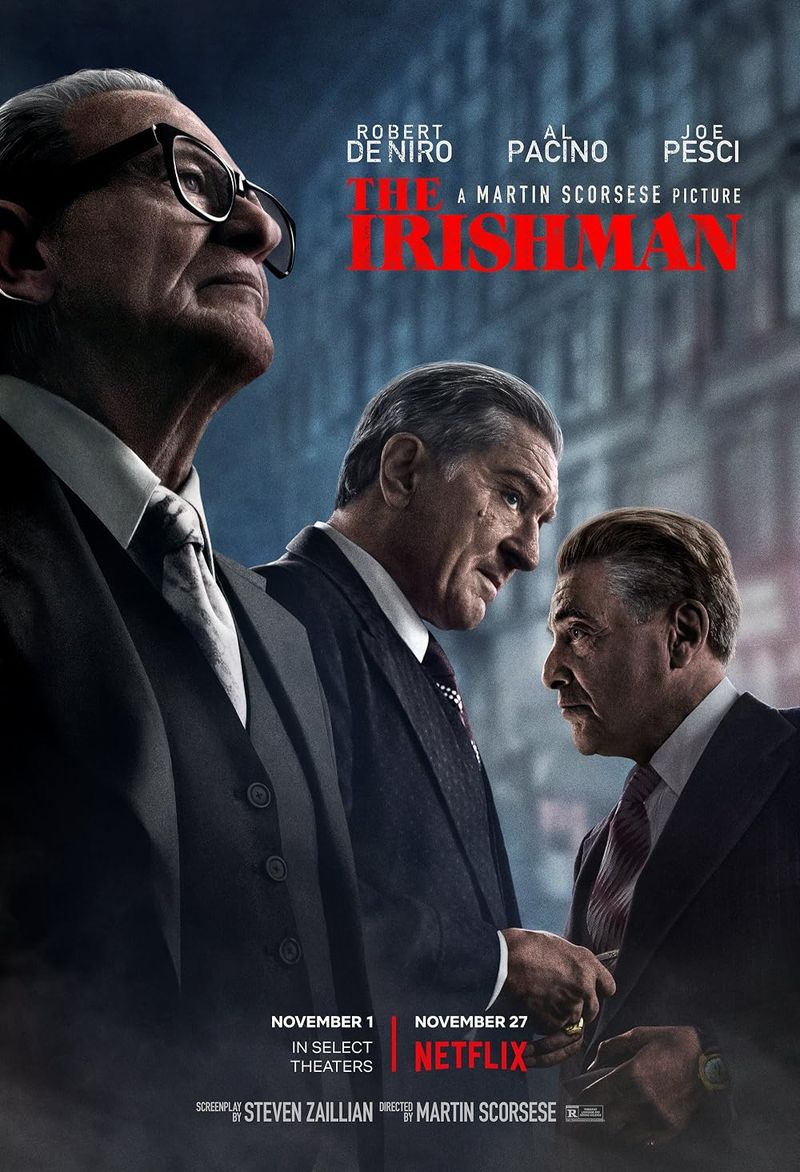
Martin Scorsese’s The Irishman arrives with every possible credential: Robert De Niro, Al Pacino, Joe Pesci, and one of cinema’s greatest directors.
Critics adored it.
Awards followed.
And at three hours and twenty-nine minutes, it asks a lot from its audience — even fans who love long crime dramas.
The film covers decades of mob history through the eyes of hitman Frank Sheeran.
Digital de-aging technology keeps the cast looking younger in flashbacks, though the effect occasionally distracts.
The final hour slows considerably as Sheeran ages and isolates himself.
That quieter ending divides viewers sharply.
Some call it Scorsese’s most mature work.
Others admit they paused it twice just to finish.
Either way, commitment is required before the credits arrive.
7. The Thin Red Line (1998)
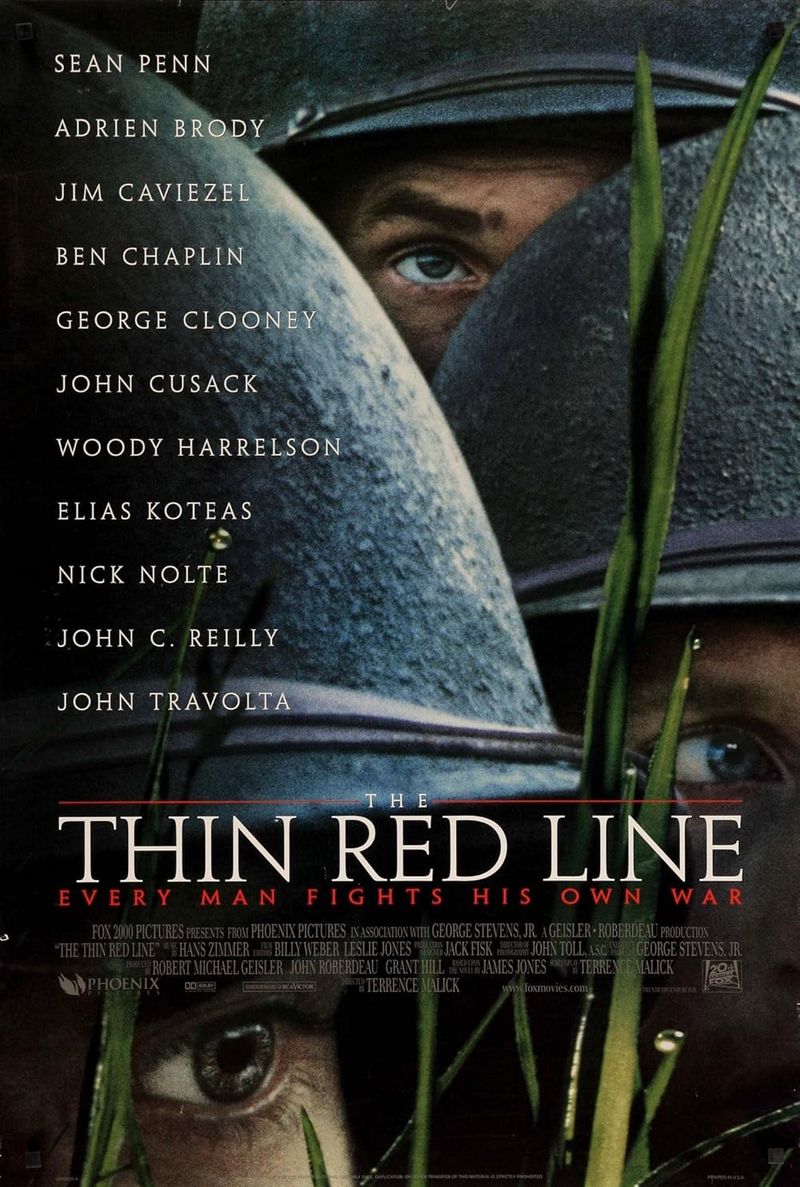
Released the same year as Saving Private Ryan, Terrence Malick’s return to filmmaking after a twenty-year absence was always going to be compared to Spielberg’s war epic.
The Thin Red Line covers the Battle of Guadalcanal but spends far more time inside its characters’ heads than on the battlefield itself.
Voiceovers from multiple soldiers blend together into a kind of philosophical chorus.
Questions about nature, death, and human cruelty float over images of birds and swaying grass.
Action sequences do appear, and they’re powerful.
But viewers expecting a war movie in the traditional sense often feel lost in the poetry.
The film has passionate defenders, yet many honest admirers admit they find it easier to respect than to revisit.
8. Synecdoche, New York (2008)
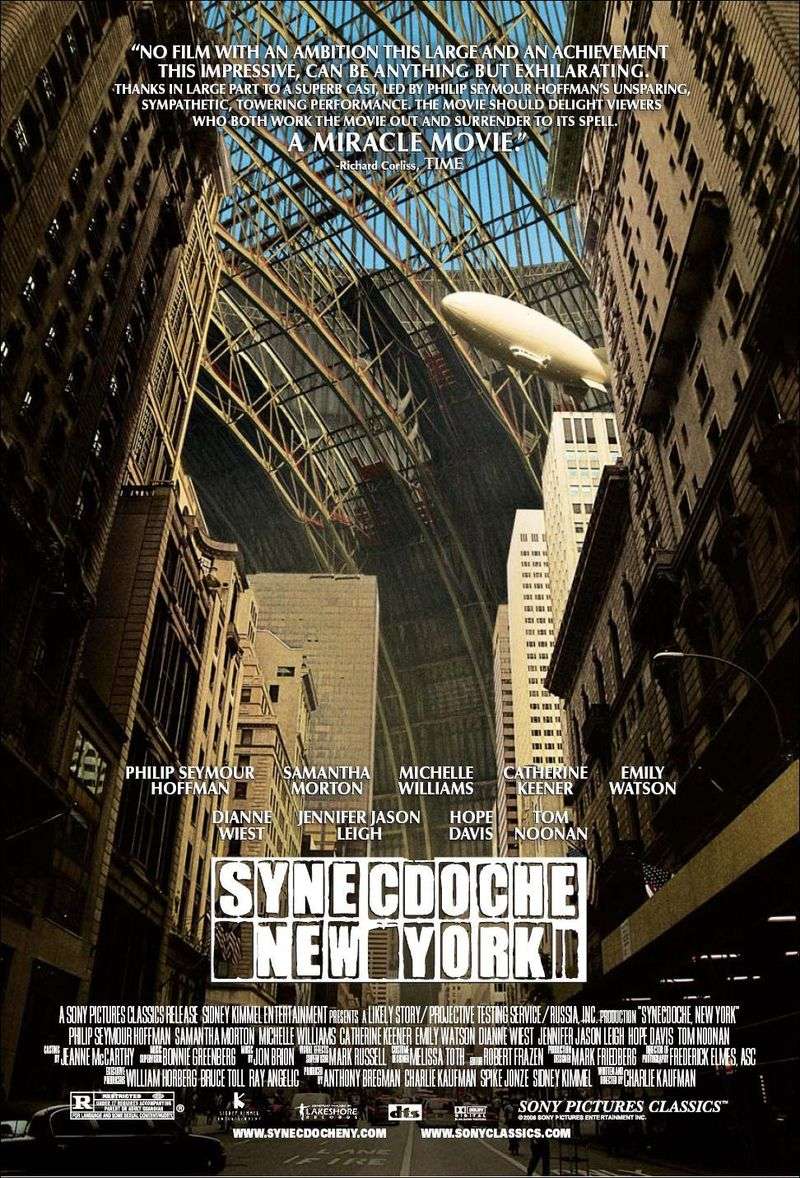
Charlie Kaufman’s directorial debut is a film about grief, time, identity, and the impossibility of capturing real life through art.
That description barely scratches the surface.
Synecdoche, New York follows a theater director who builds an ever-expanding replica of New York City inside a warehouse, casting actors to play himself and everyone he’s ever known.
The layers pile up relentlessly.
Time passes in strange, lurching ways.
Characters multiply.
Metaphors become literal.
By the halfway point, many viewers feel genuinely overwhelmed, unsure whether they’re watching genius or madness — possibly both.
Philip Seymour Hoffman’s performance is extraordinary.
The film’s emotional weight is crushing.
It rewards repeat viewings, but surviving the first one takes real mental fortitude.
9. A Hidden Life (2019)
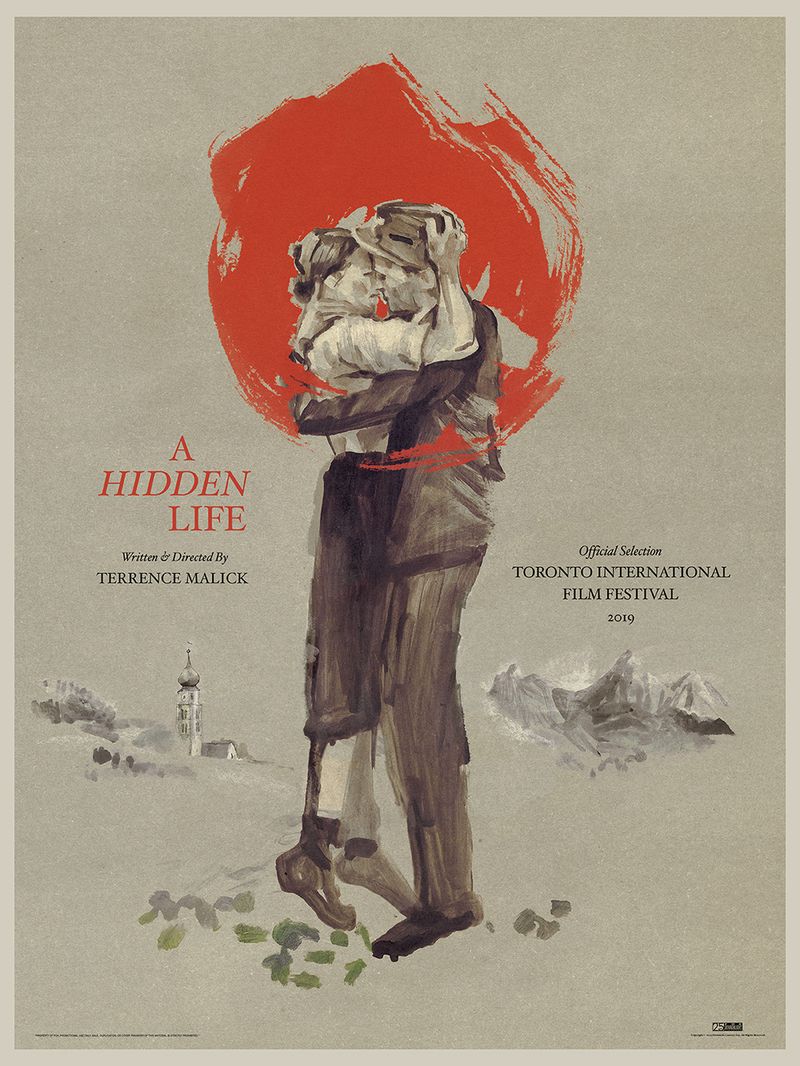
Based on the true story of Austrian farmer Franz Jagerstatter, who refused to fight for the Nazi army and paid with his life, A Hidden Life is one of the most visually stunning films of the past decade.
Malick shoots the Austrian mountains like a living painting.
Every frame feels sacred.
But at nearly three hours, the film tests patience in ways even devoted Malick fans acknowledge.
Long stretches pass with few words spoken.
The camera drifts across fields and faces while characters reflect silently.
The emotional payoff is real and devastating, but getting there requires full surrender to Malick’s unhurried rhythm.
Viewers who connect with the film often describe it as one of the most moving experiences they’ve had in a cinema.
10. The Turin Horse (2011)
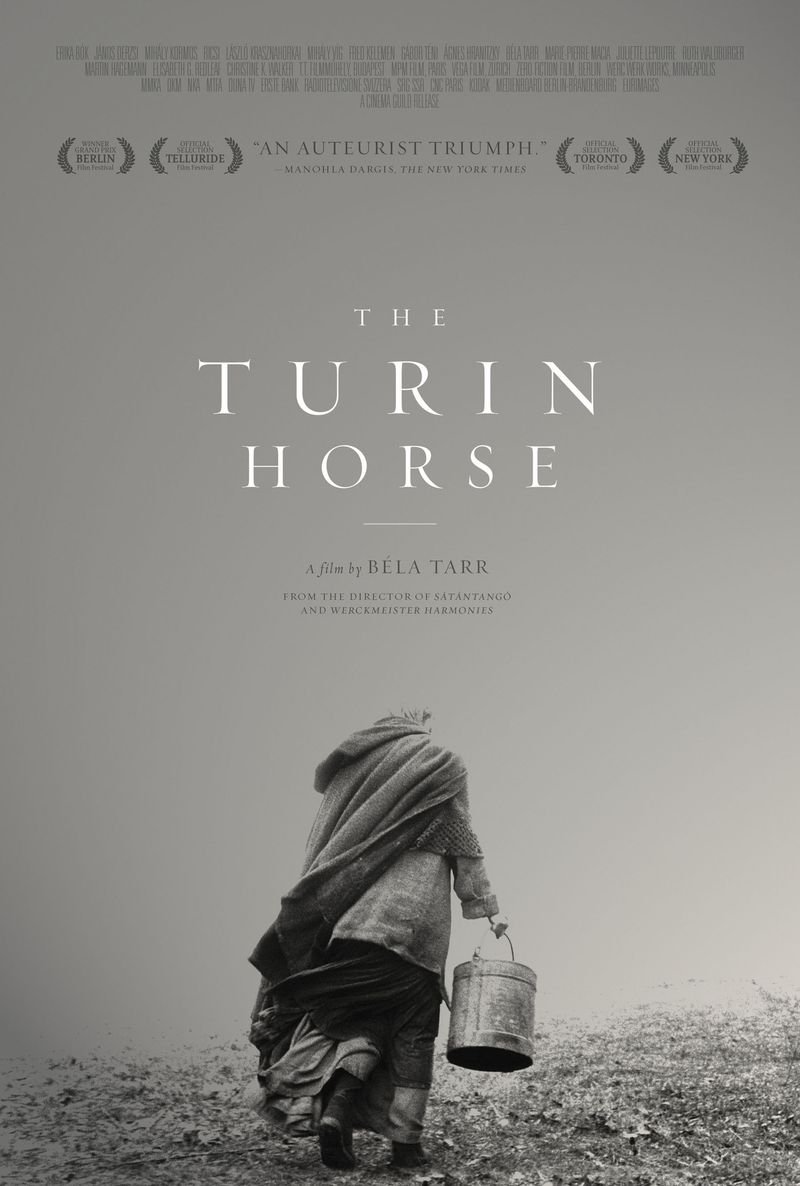
Béla Tarr announced that The Turin Horse would be his final film, and he closed out his career with something almost aggressively minimalist.
The story begins with the famous anecdote of Friedrich Nietzsche collapsing in tears after witnessing a horse being beaten in Turin.
Then Tarr follows the horse’s owner and daughter through six days of brutal, repetitive existence.
The same tasks repeat daily — dressing, eating boiled potatoes, fetching water — while a howling wind never stops outside.
Long takes capture everything without cuts or relief.
The film is extraordinary in its commitment to its own vision, but it is genuinely hard to sit through.
Even devoted Tarr fans use phrases like “punishing” and “relentless” when recommending it to others.
11. Shoah (1985)
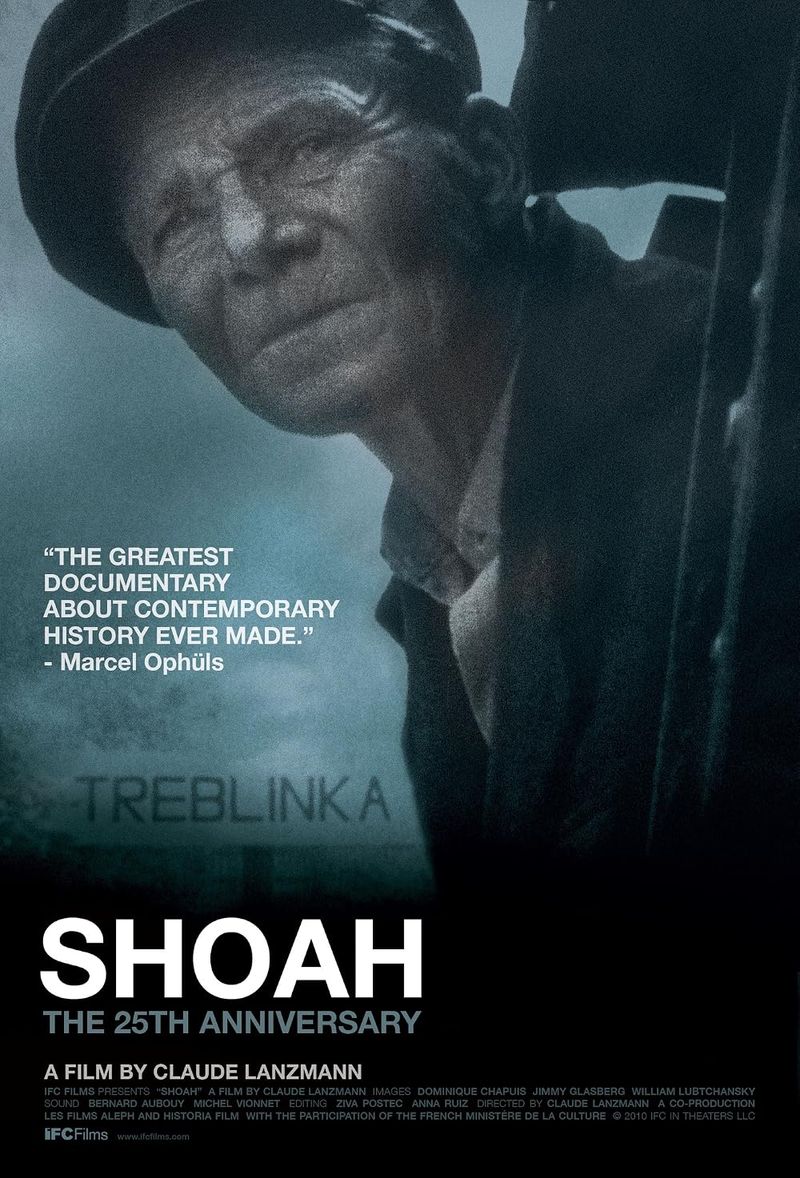
Claude Lanzmann spent eleven years creating Shoah, a documentary about the Holocaust that runs nine hours and twenty-six minutes.
There is no archival footage from the war.
Instead, Lanzmann interviews survivors, perpetrators, and bystanders, letting their words carry the full weight of history.
The result is staggering.
Shoah is not entertainment.
It was never meant to be.
Watching it feels like a moral obligation more than a cinematic experience, and the cumulative emotional toll is immense.
Many viewers schedule it over several days, treating each session as something closer to a memorial than a movie night.
Film scholars consistently rank it among the most important documentaries ever created.
But calling it difficult to watch is a significant understatement — it is genuinely harrowing.
12. Barry Lyndon (1975)
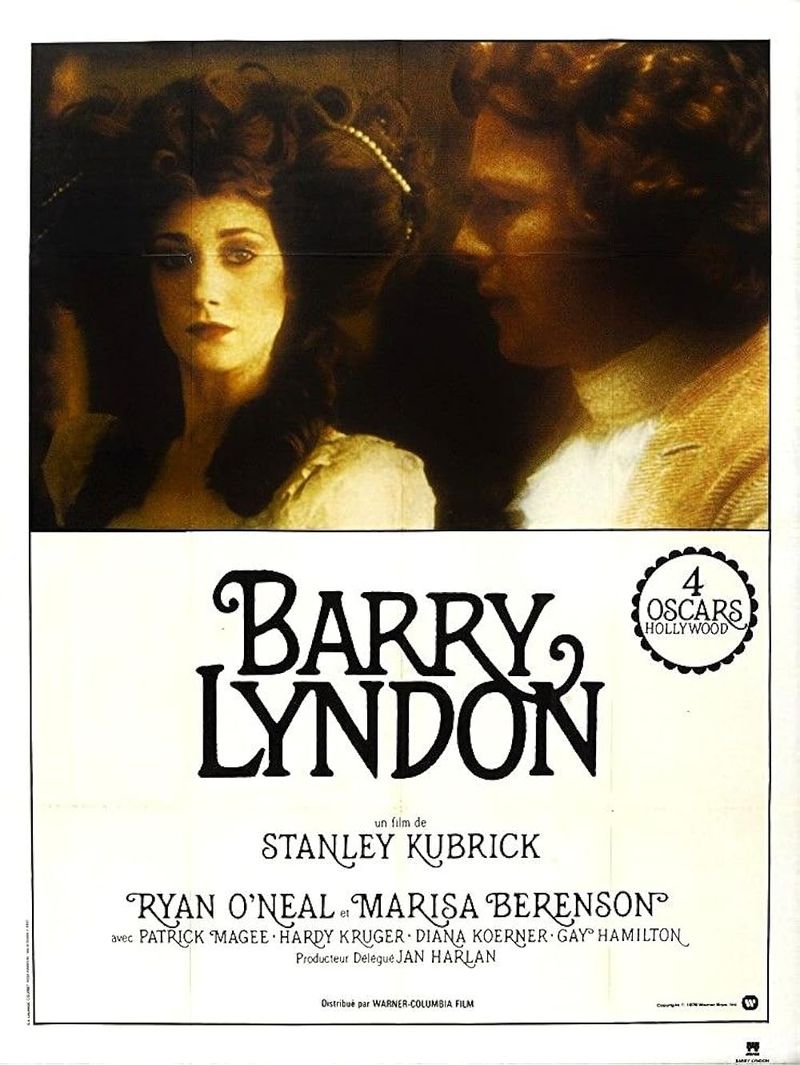
Stanley Kubrick used specially designed NASA lenses to film Barry Lyndon entirely by candlelight and natural light.
The result is a film that looks exactly like a series of animated 18th-century oil paintings.
Visually, it may be the most beautiful film Kubrick ever made.
Narratively, it moves at the pace of a glacier.
The film follows an Irish rogue’s rise and fall through European aristocratic society, narrated with dry detachment by a voice that never seems particularly invested in the outcome.
Scenes linger.
Duels happen slowly.
Conversations meander.
Many viewers find themselves admiring the images while struggling to stay engaged with the story.
Barry Lyndon is the kind of film that’s much easier to love on a second or third viewing.
13. The Assassination of Jesse James by the Coward Robert Ford (2007)
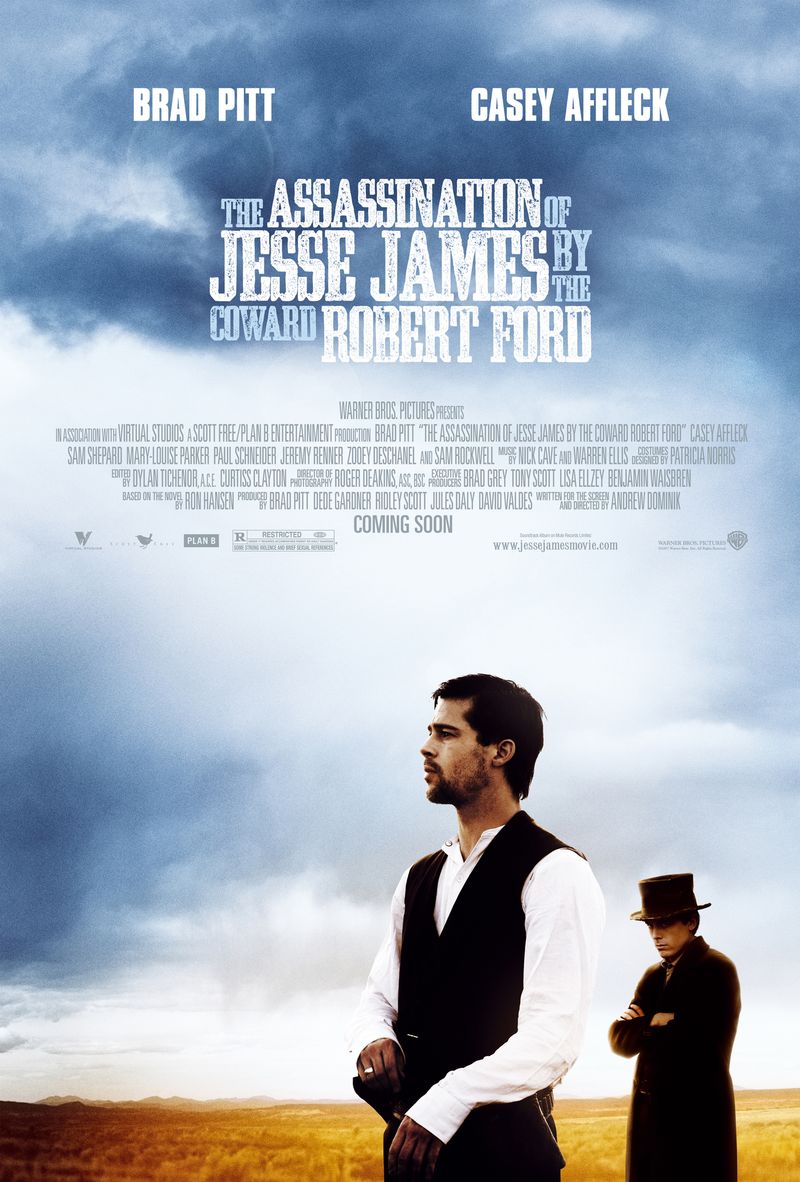
Roger Deakins’ cinematography in this film is so breathtaking that stills from it regularly appear on photography websites as examples of perfect composition and light.
Brad Pitt as Jesse James is magnetic and unpredictable.
Casey Affleck’s Robert Ford is one of the most quietly haunting performances in modern American cinema.
And yet — the film is nearly two hours and forty minutes long, and it spends most of that time on mood, silence, and psychological tension rather than action.
The title already tells you how it ends.
What unfolds is a slow meditation on fame, obsession, and betrayal.
Audiences who appreciate character studies over plot tend to love it.
Those wanting a classic Western often find the pacing deeply frustrating despite its obvious craftsmanship.
14. An Elephant Sitting Still (2018)
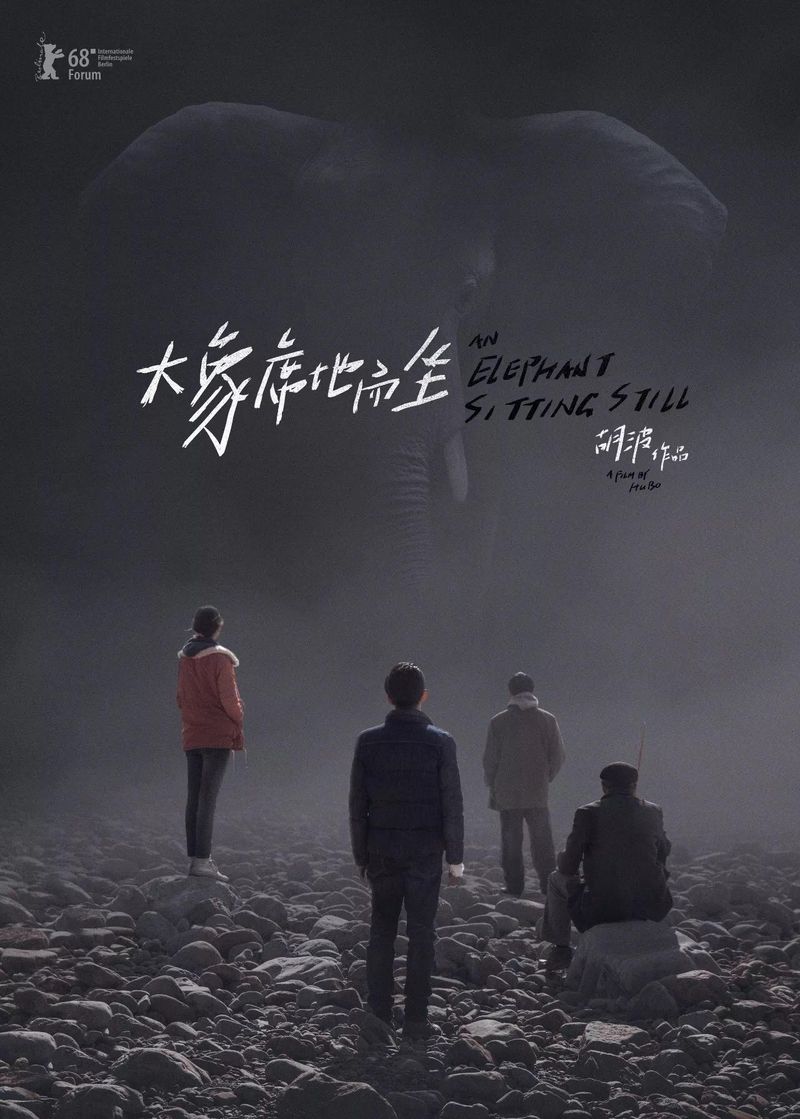
Hu Bo completed An Elephant Sitting Still and then, tragically, took his own life at age 29.
The film he left behind runs three hours and fifty-four minutes and follows four characters in a single day across a cold, crumbling Chinese city.
Every shot is long.
Every moment feels suffocating with quiet despair.
Somewhere in the distance, there’s a story of an elephant in a zoo that simply sits and refuses to move, indifferent to everything around it.
That image haunts the entire film.
The characters drift toward it like a myth they need to believe in.
An Elephant Sitting Still is genuinely powerful and genuinely painful to watch.
Its emotional weight accumulates slowly and doesn’t lift when the screen goes dark.
15. The English Patient (1996)
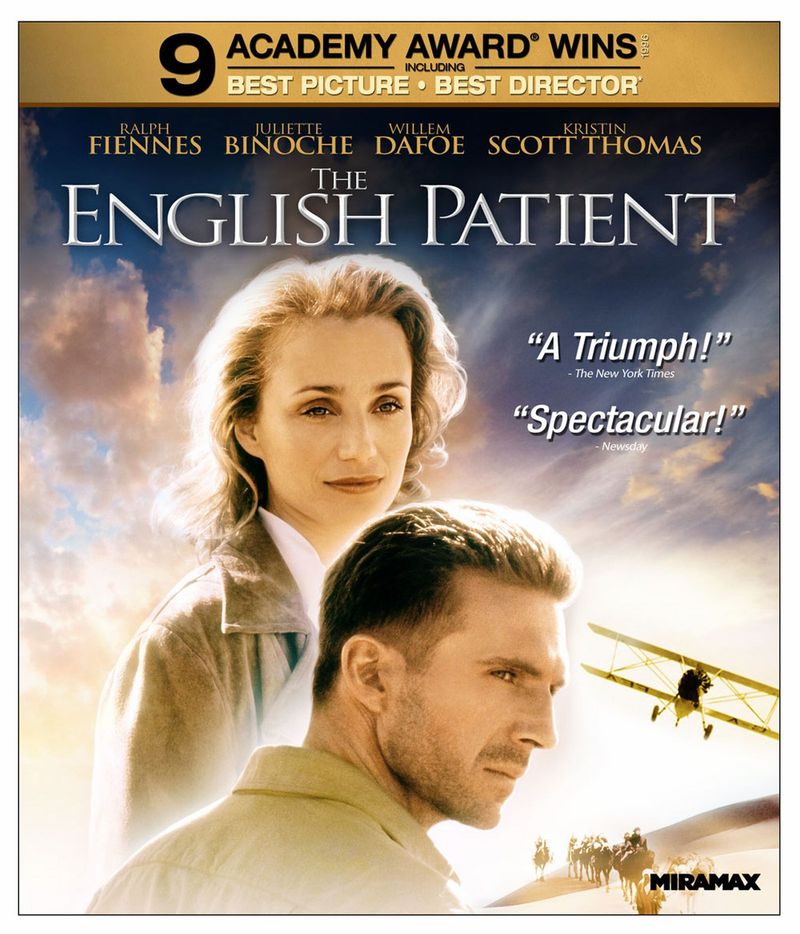
Winner of nine Academy Awards including Best Picture, The English Patient arrived with enormous prestige and even inspired a famous Seinfeld episode where Elaine refuses to admit she finds it boring.
That cultural moment captured something real.
The film is undeniably beautiful, acted with great skill, and crafted with obvious care.
But at over two and a half hours, the film’s leisurely unfolding of its wartime romance and mystery tests viewers who aren’t fully swept up in its emotional world.
Flashbacks within flashbacks can blur the timeline.
The tone stays mournful throughout without much variation.
Fans adore its sweeping, old-fashioned romanticism.
Critics who find it self-indulgent aren’t entirely wrong either.
It’s the rare Best Picture winner that divides audiences so cleanly between devotion and mild impatience.