 MomSkoop

Most moms are amazing, and it’s natural to feel incredibly close to yours.
But there’s a big difference between having a loving, supportive mom and treating her like your best friend.
Experts in child development and family psychology say that blurring this line can actually cause problems for both kids and parents.
Understanding why healthy boundaries matter can help your family grow stronger and healthier.
1. Parents Need to Set Boundaries

Imagine if your best friend grounded you for missing curfew.
Sounds weird, right?
That is exactly why a mom cannot fully play both roles at once.
Boundaries are a natural and necessary part of parenting.
When a mom sets rules and limits, she is doing her job.
Friends do not discipline each other, but parents must.
Without clear boundaries, kids can feel confused about what behavior is acceptable.
A structured home environment helps children feel safe and secure.
Knowing where the lines are actually gives kids confidence to make better choices every day.
2. Authority Matters for Proper Guidance
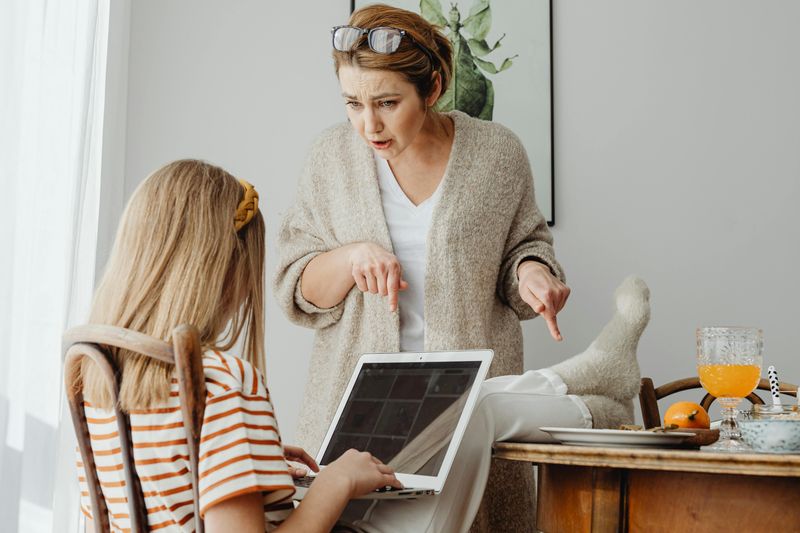
Here is something worth thinking about: when a parent acts more like a buddy than a caregiver, enforcing rules becomes almost impossible.
Authority is not about being scary.
It is about being respected.
Children need someone who can make tough calls, even when those decisions are unpopular.
A best friend would never tell you that you cannot go to a party or take away your phone.
But a good parent sometimes has to do exactly that.
Maintaining parental authority helps guide children through life’s harder moments.
That kind of steady leadership is something a peer friendship simply cannot offer.
3. Kids Need Space to Grow Independently
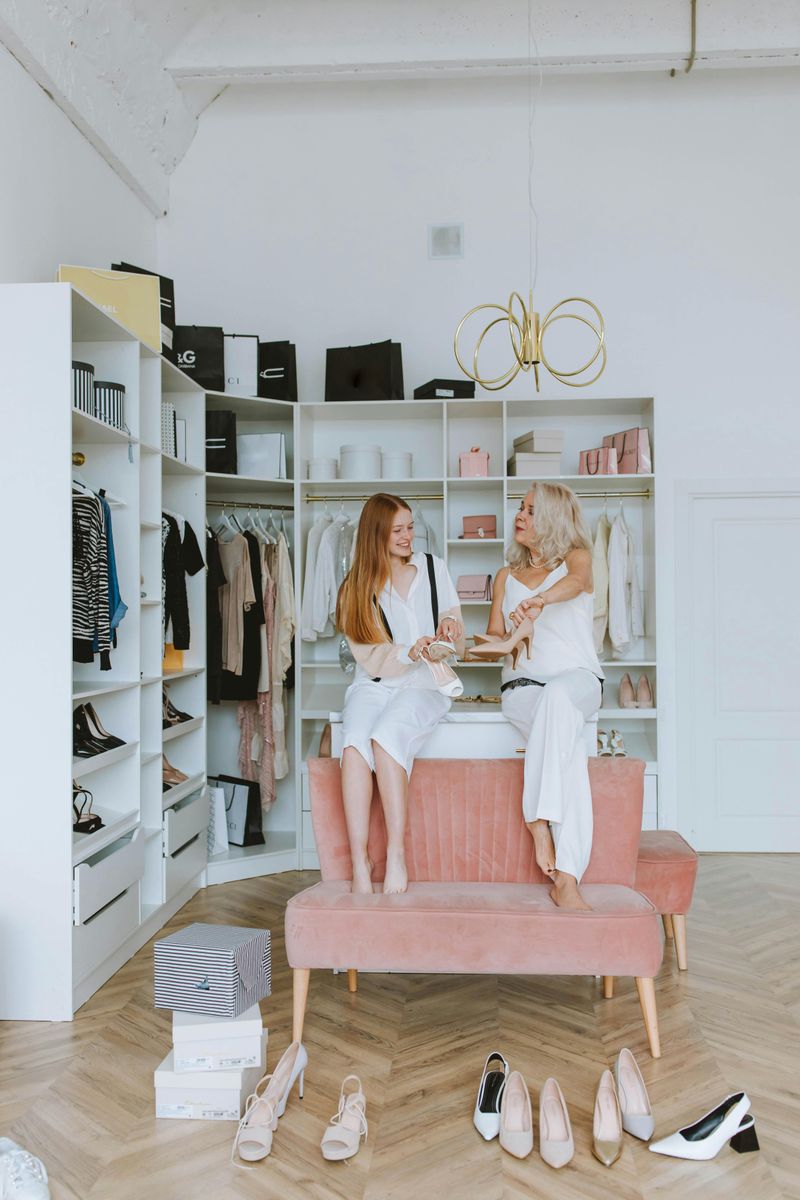
Growing up means gradually figuring out who you are, separate from your parents.
When a mom positions herself as her child’s best friend, that natural process of becoming your own person can get complicated fast.
Children need room to explore friendships, make mistakes, and develop their own identity.
Leaning too heavily on a parent for social connection can slow that growth down significantly.
Psychologists consistently point out that healthy separation between parent and child is a sign of a thriving relationship, not a broken one.
Encouraging independence is one of the most loving things a parent can do.
4. Emotional Roles Should Stay Different

Best friends lean on each other equally when life gets hard.
But that kind of equal emotional exchange is not healthy between a parent and child.
The roles are simply meant to be different.
When a mom treats her child like an emotional support partner, the child can start feeling responsible for mom’s happiness or stress.
That weight is too heavy for a young person to carry.
Children deserve the freedom to focus on their own emotional development.
A parent’s job is to provide support, not seek it from someone who is still learning how to manage their own feelings.
5. Parents Must Make Tough Choices
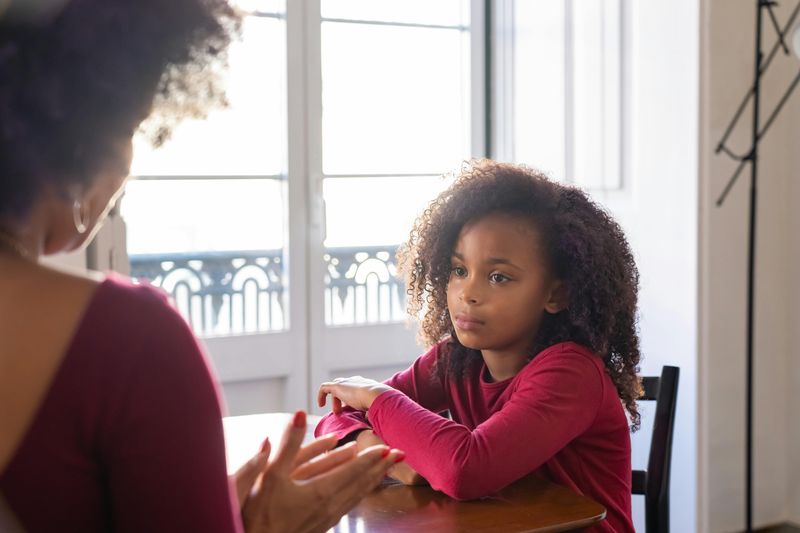
No one likes hearing the word no, especially from someone they love.
But a parent’s willingness to say it is actually one of the greatest gifts they can give.
Best friends rarely say no to each other, and that is precisely the problem.
Enforcing consequences, setting curfews, and prioritizing a child’s safety over their temporary happiness are all part of responsible parenting.
A friend would never take on that role without it feeling strange or controlling.
Children who grow up with parents who make firm, loving decisions tend to develop stronger decision-making skills themselves.
Tough choices now lead to better outcomes later.
6. Friendship Expectations Can Blur Important Roles

True best friendships are built on equality.
Both people share, both people listen, and both people hold similar levels of responsibility in the relationship.
A parent-child relationship simply does not work that way, and it should not.
When a mom tries to meet best-friend expectations, she may start oversharing, seeking validation, or avoiding necessary conflict to keep the peace.
That shift can quietly undermine her parenting effectiveness.
Role clarity actually strengthens the bond between parent and child.
Knowing that mom is the parent first creates a foundation of trust that no peer friendship can fully replicate or replace.
7. It Can Hold Back Outside Friendships

Social skills are built through practice, and the best practice ground is peer relationships.
When a child relies on their mom as their go-to best friend, they may miss out on developing those critical social muscles.
Making and keeping friends requires navigating disagreements, building trust over time, and learning how to communicate with people your own age.
Those lessons cannot be fully learned from a parent, no matter how wonderful she is.
Experts in adolescent development emphasize that peer friendships are essential for emotional growth.
Encouraging kids to invest in those connections helps them build a social life that extends far beyond home.
8. Oversharing Adult Problems Burdens Children

There is a term therapists use called “emotional parentification,” and it happens when a child is put in the position of managing or absorbing a parent’s adult struggles.
It is more common than most people realize.
When a mom overshares relationship problems, financial stress, or personal fears with her child, even with the best intentions, it places an unfair emotional load on young shoulders.
Kids are not equipped to process adult-level worries.
Protecting a child’s emotional space is a form of love.
Keeping age-appropriate boundaries around what is shared helps children feel safe rather than anxious, responsible, or confused about things beyond their control.
9. Healthy Structure Helps Children Thrive
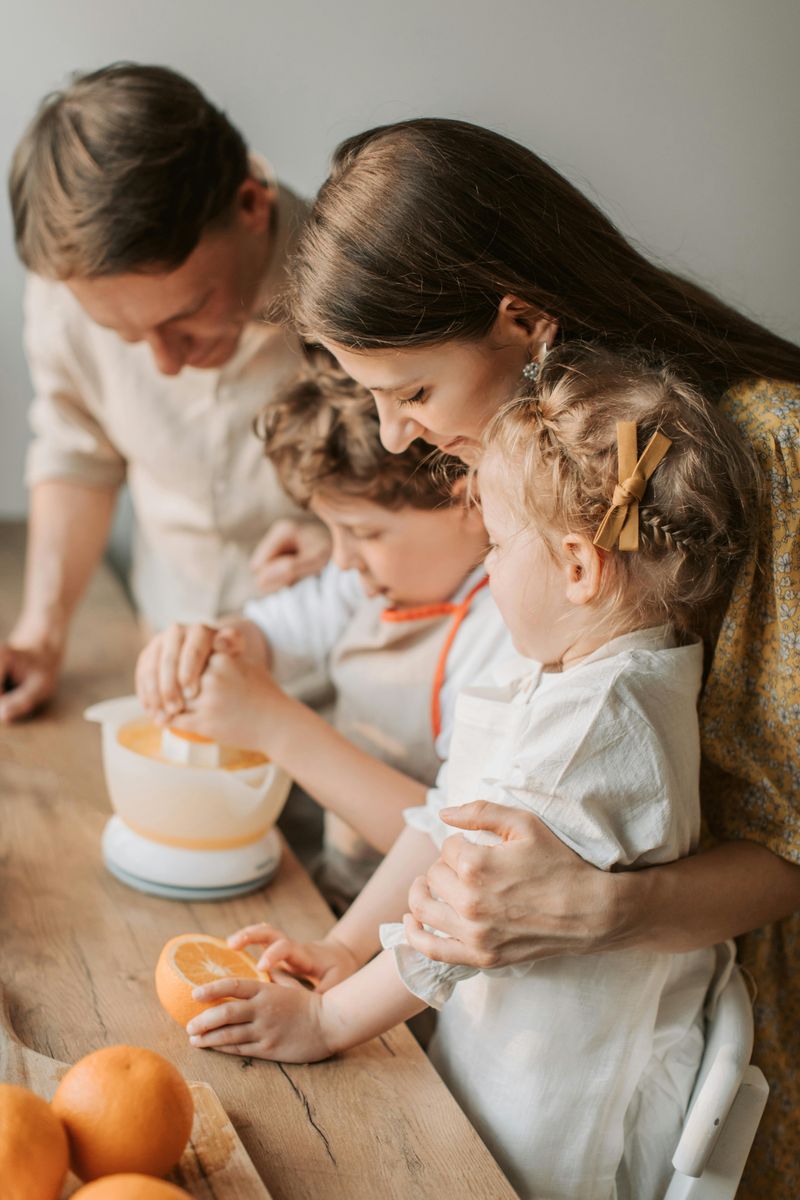
Structure is not the opposite of warmth.
In fact, research in developmental psychology shows that children who grow up with clear family structures tend to feel more emotionally secure and perform better academically.
When the parent-child relationship is defined by mutual respect and clear roles rather than peer-style equality, kids have a stable foundation to grow from.
They know what to expect, and that predictability is incredibly reassuring.
A home with healthy structure does not feel cold or rigid.
It feels safe.
Children can take risks, make mistakes, and learn from them because they trust that a caring, steady parent has their back.
10. You Can Be Close Without Being Best Friends
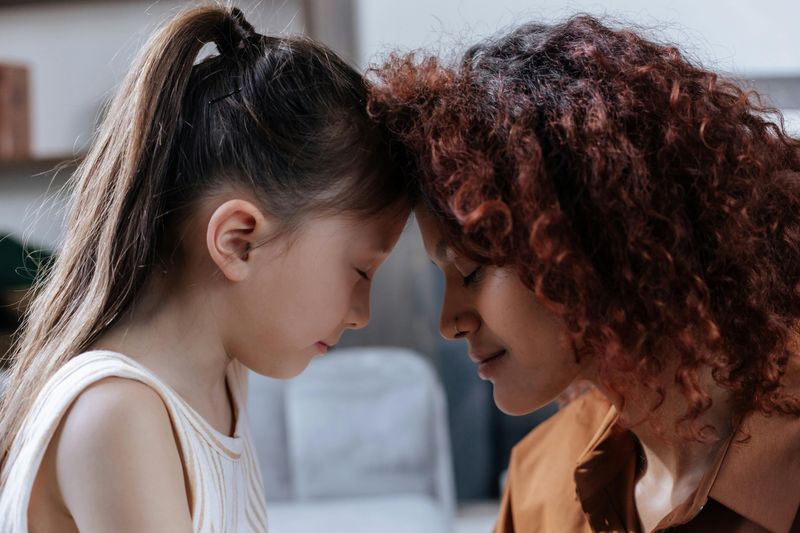
Here is the good news: choosing not to be your child’s best friend does not mean choosing distance.
Some of the most beautiful parent-child relationships are built on deep love, mutual respect, and healthy boundaries all at once.
Many family therapists describe the ideal arc as “parent first, friend later.”
As children grow into adults, the relationship naturally evolves, and real friendship between parent and child can flourish in a healthy way.
The foundation built during childhood through structure, guidance, and boundaries is exactly what makes that adult friendship so meaningful.
Getting the order right early makes everything that follows even better.