 MomSkoop
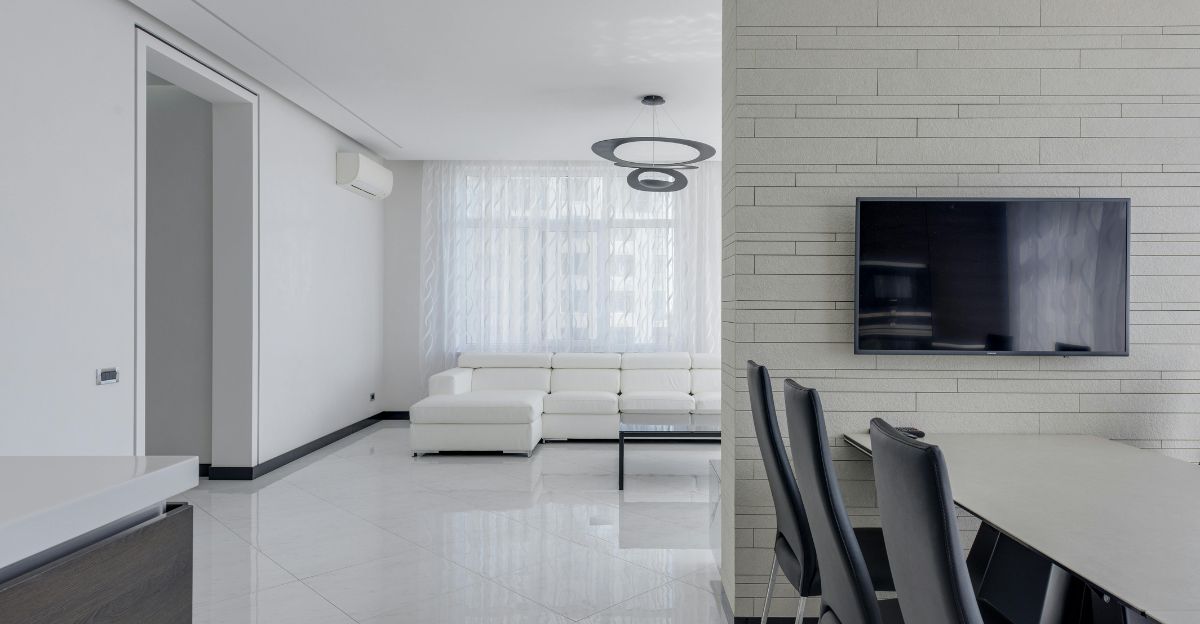
Your dining room should be a welcoming space where family and friends gather to share meals and create memories. However, many of us unknowingly fill this important room with items that clash with its purpose or make it feel cluttered and uncomfortable.
Interior designers and home experts have identified common everyday objects that can actually hurt the look and function of your dining area. Learning what doesn’t belong can help you create a more inviting and beautiful space for everyone to enjoy.
1. Ultra Precious Area Rugs
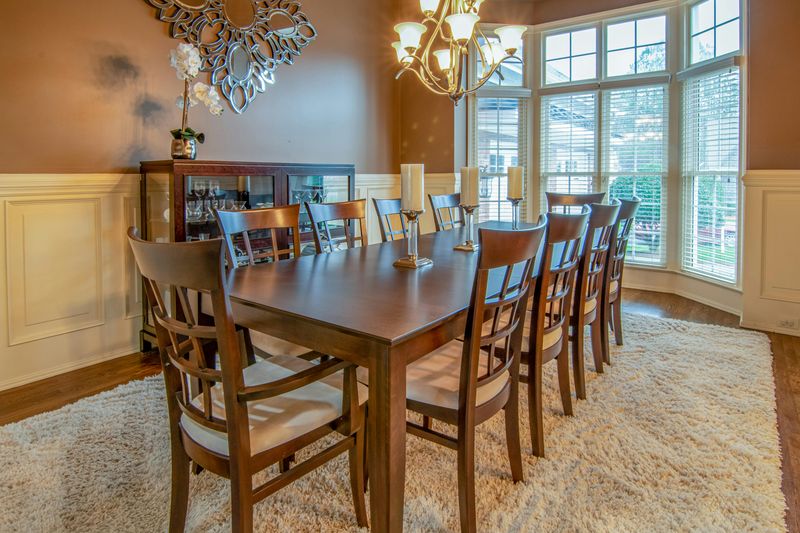
Placing a pricey heirloom or delicate area rug beneath your dining table might seem like a sophisticated choice, but designers warn against it. Food spills happen constantly during meals, from dropped sauces to wine accidents that can permanently stain valuable fibers.
Chair legs scraping back and forth wear down even the toughest materials over time. Crumbs get ground into the weave, attracting pests and creating cleaning nightmares.
Instead of risking your treasured rug, choose durable, easy-to-clean options made specifically for high-traffic dining areas. Save those precious rugs for bedrooms or living rooms where they’ll stay pristine and beautiful for years to come.
2. Harsh Overhead Lighting
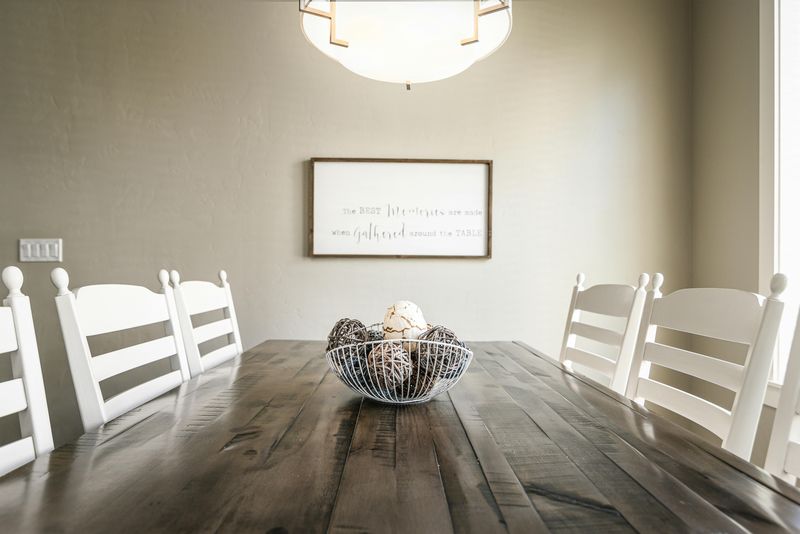
Bright, glaring lights overhead can transform your dining room from cozy gathering spot to interrogation room in seconds. Nobody wants to squint through dinner or feel like they’re eating under stadium lights.
Harsh fluorescent or ultra-bright LED fixtures wash out skin tones and make food look less appetizing. They also create an uncomfortable, sterile environment that discourages relaxation and conversation.
Designers recommend warm, dimmable lighting that you can adjust based on the occasion. Softer illumination helps everyone feel more comfortable and creates the perfect ambiance for both casual family dinners and special celebrations. Your guests will appreciate the thoughtful atmosphere.
3. A Television
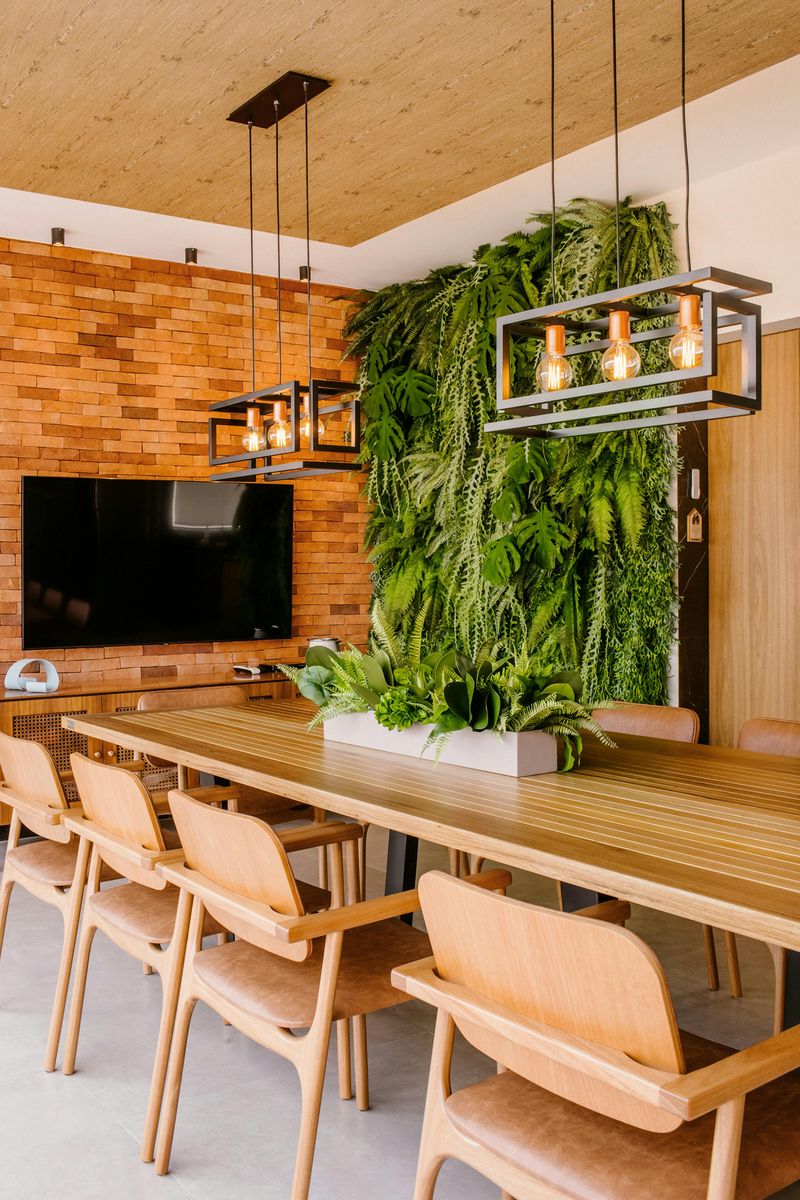
Mounting a TV in your dining room might seem convenient, but it fundamentally changes the purpose of the space. Television screens naturally draw everyone’s attention away from each other, killing conversation before it even starts.
Meals become silent affairs with everyone staring at whatever show is playing. The dining experience shifts from interactive gathering to passive entertainment consumption, which defeats the entire point of having a dedicated eating area.
Experts emphasize that dining rooms should encourage face-to-face connection and meaningful discussion. Keep televisions in family rooms or bedrooms where they belong, allowing your dining space to fulfill its true social function.
4. Children’s Toys and Games
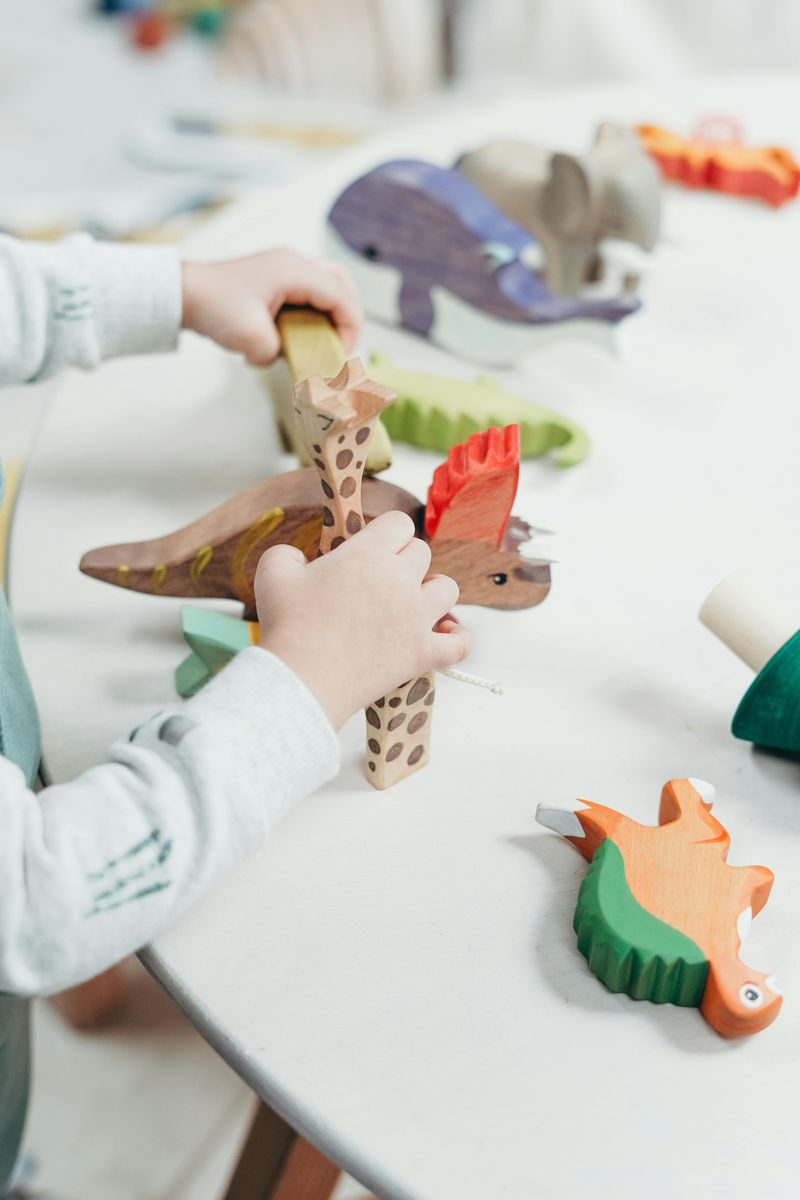
When toys start piling up on your dining table and chairs, the room loses its identity as a gathering place. What should be a space for meals becomes just another play zone, making it nearly impossible to use for its intended purpose.
Constantly clearing away action figures, building blocks, and board games before every meal gets exhausting fast. The clutter also makes the room look disorganized and unwelcoming to guests who visit.
Establish clear boundaries by designating playrooms, bedrooms, or specific living room areas for toys. Teaching kids that the dining room stays toy-free helps maintain order and preserves the space for family meals and entertaining.
5. Plastic Storage Bins
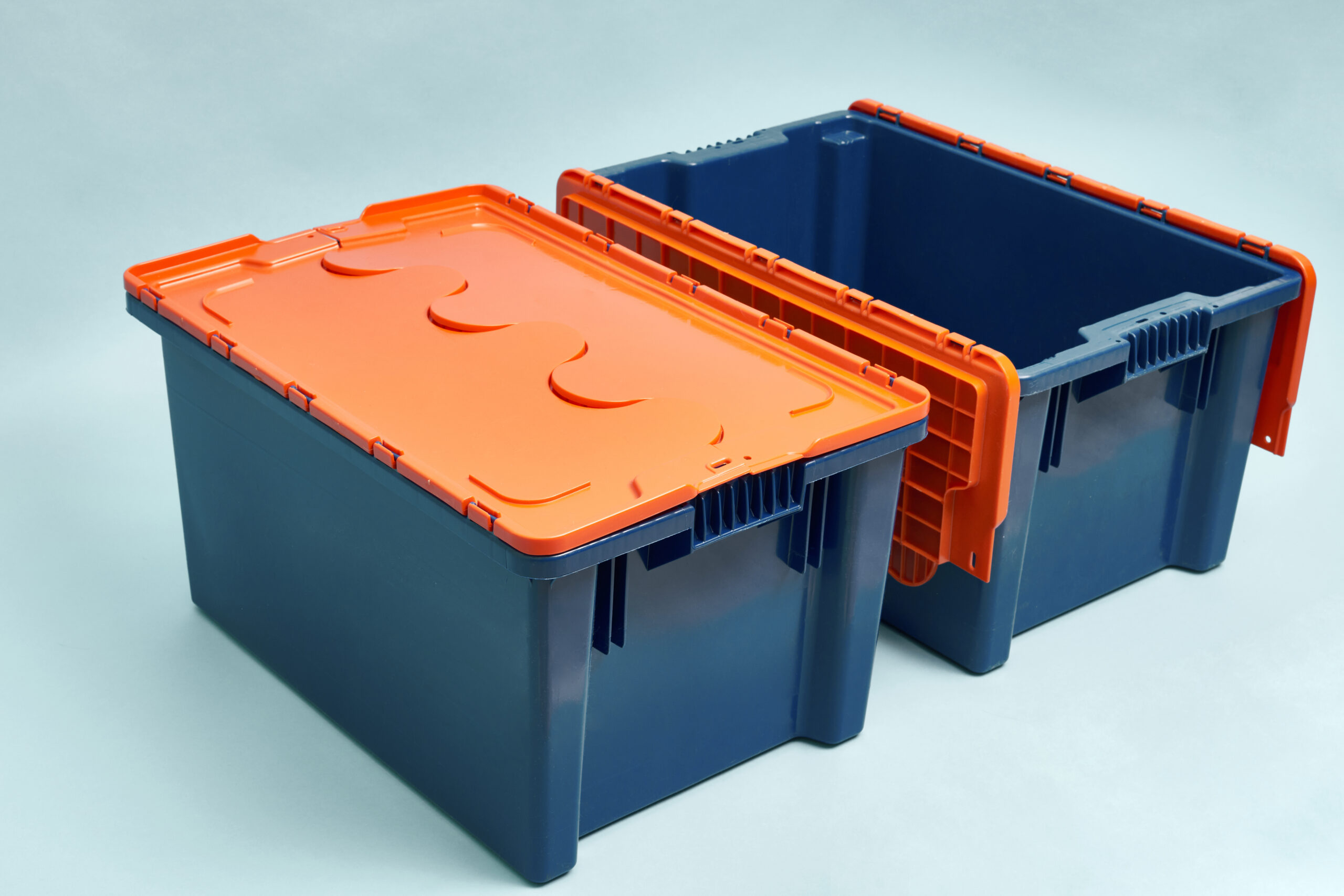
Bulky plastic bins might be practical for garages and closets, but they have no business occupying your dining room. These utilitarian containers immediately make any space feel like a storage area rather than an elegant gathering spot.
Their bright colors and industrial appearance clash with nearly every decorating style. They broadcast that you’re using your dining room as a dumping ground for overflow items that don’t have proper homes elsewhere.
If you absolutely need dining room storage, invest in attractive cabinets, sideboards, or buffets that serve the same function while maintaining visual appeal. These furniture pieces add style while keeping necessary items neatly hidden behind beautiful doors.
6. Stray China
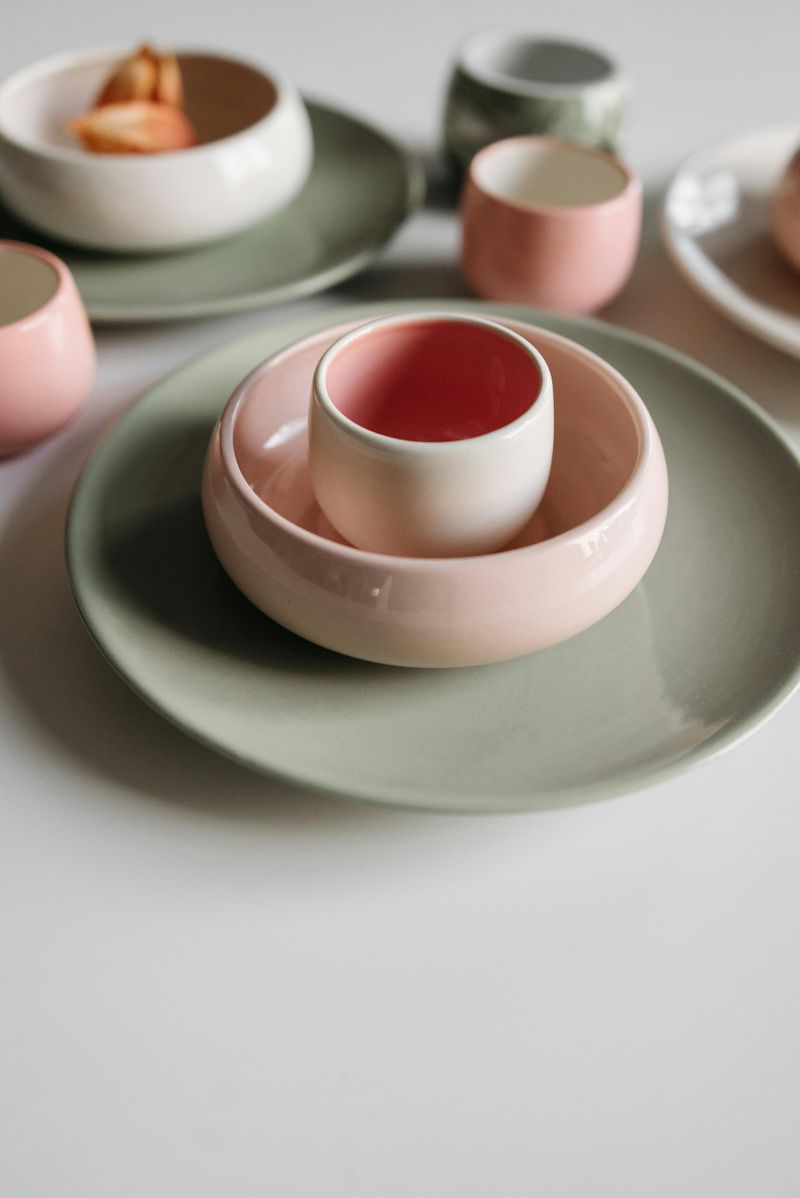
Leaving random plates, teacups, and serving pieces scattered across your dining room surfaces creates visual chaos. What might have started as temporary placement becomes permanent clutter that makes the entire room feel disorganized.
Mismatched china sitting out looks especially messy, suggesting you couldn’t be bothered to put things away properly. Even nice pieces lose their appeal when they’re randomly displayed without intention or arrangement.
Store your china properly in cabinets or hutches where it stays protected and dust-free. When you want to showcase special pieces, create deliberate, curated displays rather than leaving things wherever they land. Your dining room will instantly look more polished and purposeful.
7. Pet Crates
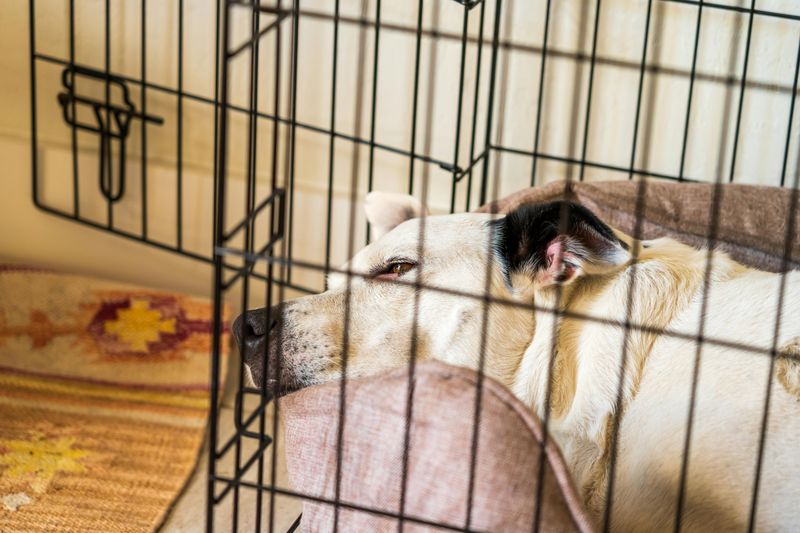
Your furry friends deserve comfortable spaces, but their crates shouldn’t occupy your dining room. Designers point out that pet crates immediately signal that the room serves multiple functions rather than being a dedicated entertaining area.
Guests may feel uncomfortable eating near pet enclosures, especially if they have allergies or simply prefer separation between dining and pet areas. The crates also take up valuable floor space and rarely match your decor.
Find alternative locations like mudrooms, laundry rooms, or even spacious closets for pet crates. Your dining room will feel more cohesive and intentional, while your pets still have their safe spaces in more appropriate areas of your home.
8. Family Photos
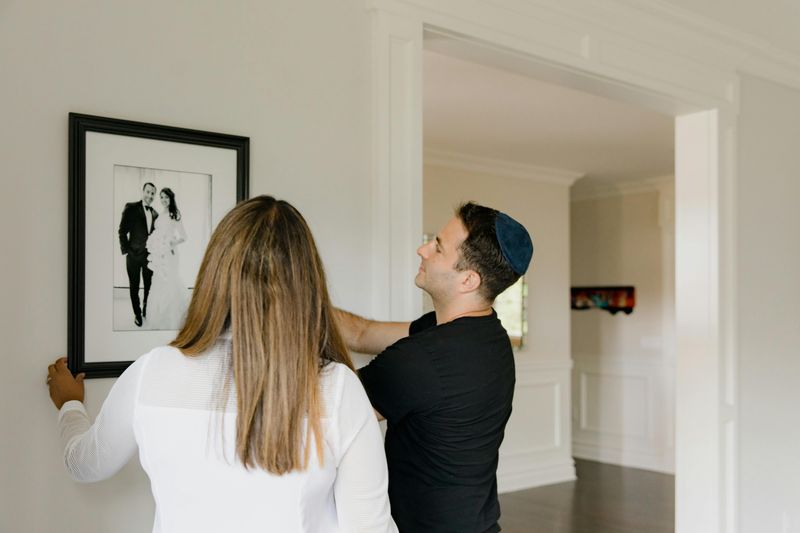
While family photos hold precious memories, clustering them in your dining room can actually work against your design goals. Personal snapshots often clash with the polished, cohesive aesthetic that makes dining spaces feel special and sophisticated.
Too many photos draw attention away from your carefully chosen furniture, lighting, and table settings. Guests may feel like they’re eating in someone’s memory lane rather than a thoughtfully designed entertaining space.
Hallways, stairwells, and family rooms make better homes for photo galleries where they can be appreciated without competing with your dining room’s atmosphere. If you must include photos, limit yourself to one or two elegant frames that complement your overall design scheme.
9. Backless Benches
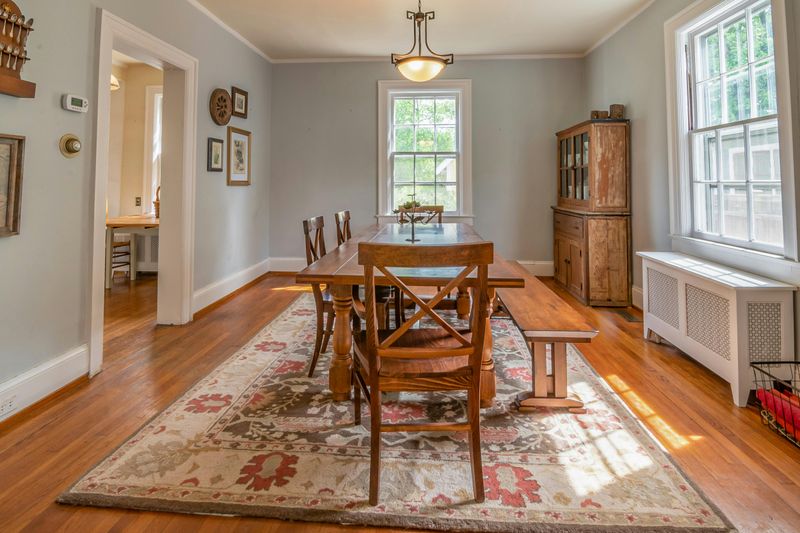
Backless benches have become trendy in dining room design, but they sacrifice comfort for style. Sitting upright without back support for an entire meal leaves guests fidgeting and uncomfortable, especially during longer dinners or holiday gatherings.
Older family members and anyone with back issues will particularly struggle with these seating options. People end up cutting meals short or avoiding your dining room altogether because they know they’ll be uncomfortable.
Traditional chairs with supportive backs encourage guests to relax and linger over meals and conversation. If you love the bench look, at least choose one with a back or reserve backless versions for short breakfast counter seating rather than main dining areas.
10. Fake Greenery
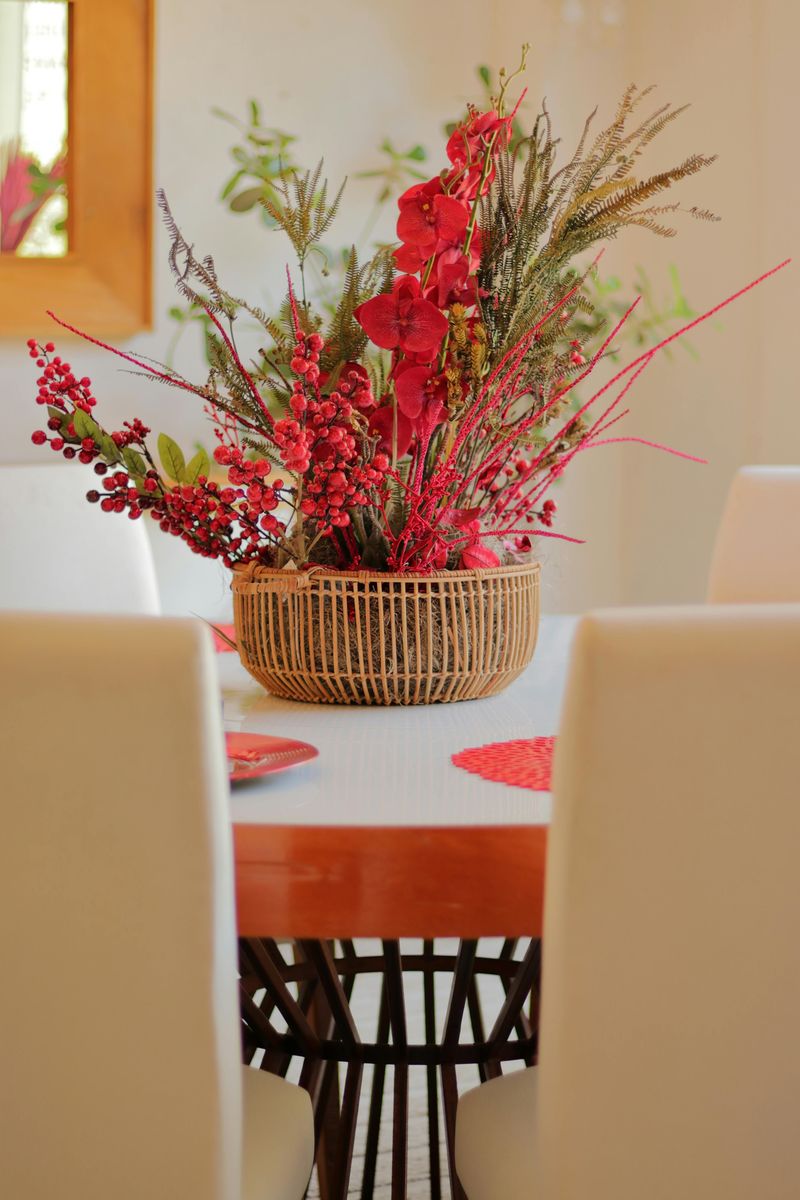
Artificial plants might seem like a low-maintenance solution, but designers agree they often make spaces feel cheaper and less authentic. Fake greenery lacks the texture, depth, and subtle color variations that make real plants so appealing and life-giving.
Dust accumulates on plastic leaves, making them look even more obviously artificial over time. The flat, unchanging appearance can make your entire dining room feel staged rather than lived-in and welcoming.
Real plants don’t have to be high-maintenance either. Hardy options like pothos, snake plants, or even fresh herb pots require minimal care while bringing genuine life and freshness to your dining space. The small extra effort pays off in authenticity and warmth.