 MomSkoop
Some remakes do more than disappoint – they erase everything fans loved in the first place. When a studio revisits a classic, you expect a fresh angle, not a hollow copy with bigger budgets and less soul.
These 14 films still spark eye rolls, angry rewatches, and endless debates about how badly Hollywood can miss the point. If you’ve ever left a remake wondering who exactly it was made for, this list will feel painfully familiar.
1. Psycho (1998)
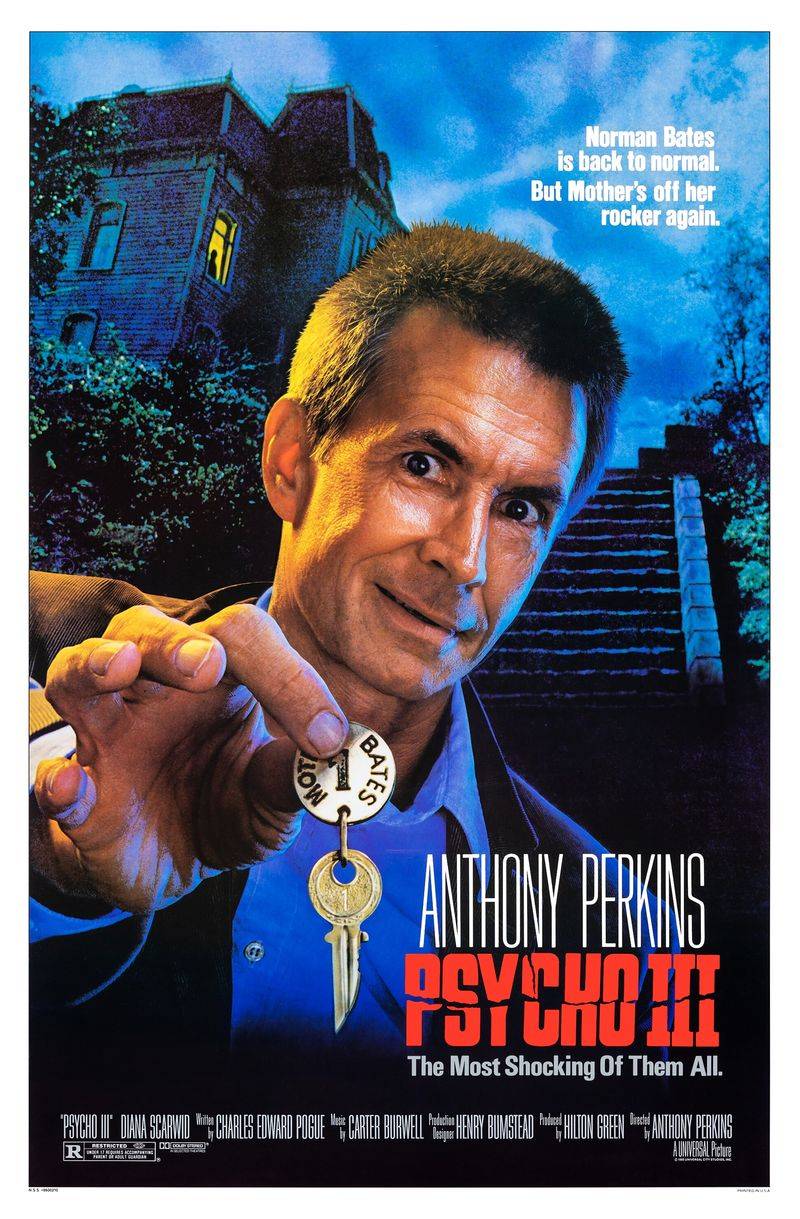
You can almost feel the collective confusion that followed this remake, because it copied the original so closely while somehow losing all its power.
A shot-for-shot approach sounded daring on paper, but on screen it felt like a sterile experiment with none of the tension, mystery, or creeping menace fans wanted.
Even people open to new interpretations were left asking why this existed at all.
What made the 1960 classic unforgettable was its precision, its mood, and that uneasy feeling crawling under your skin.
Here, the performances, color palette, and modernized style only highlighted what was missing instead of adding anything worthwhile.
When a remake brings nothing new and weakens what came before, you know viewers are not going to forgive it.
2. The Wicker Man (2006)
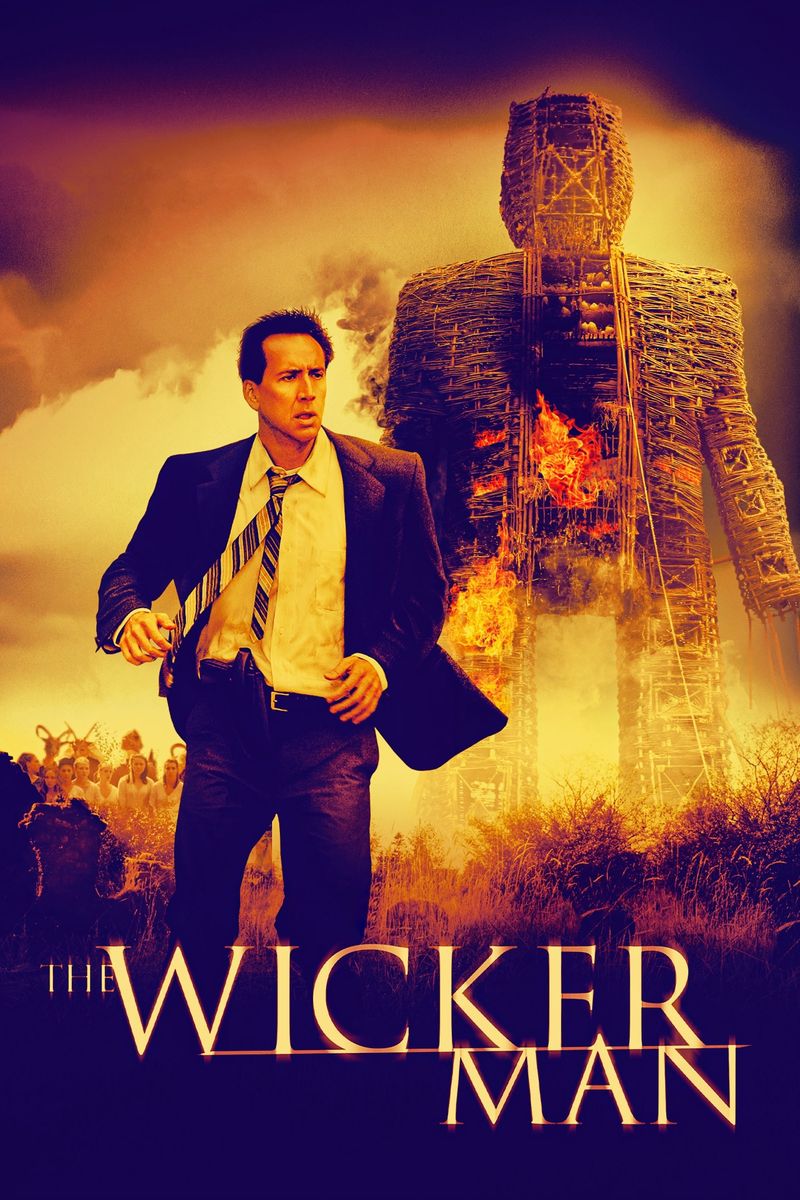
This remake is remembered less as effective horror and more as an accidental comedy, which is probably the worst fate for a story built on dread.
The original unsettled viewers with slow-burning menace and strange rituals, but this version turned that eerie tension into loud, baffling chaos.
You watch it hoping the tone will eventually click, and it never really does.
Fans especially hated how the mystery was flattened into something clumsy and over-explained, with scenes that became internet punchlines instead of nightmare fuel.
The atmosphere should have been hypnotic and sinister, yet it felt cartoonish and strangely desperate.
When a remake becomes famous for memes instead of scares, you can understand why audiences still refuse to let it off the hook.
3. Ben-Hur (2016)
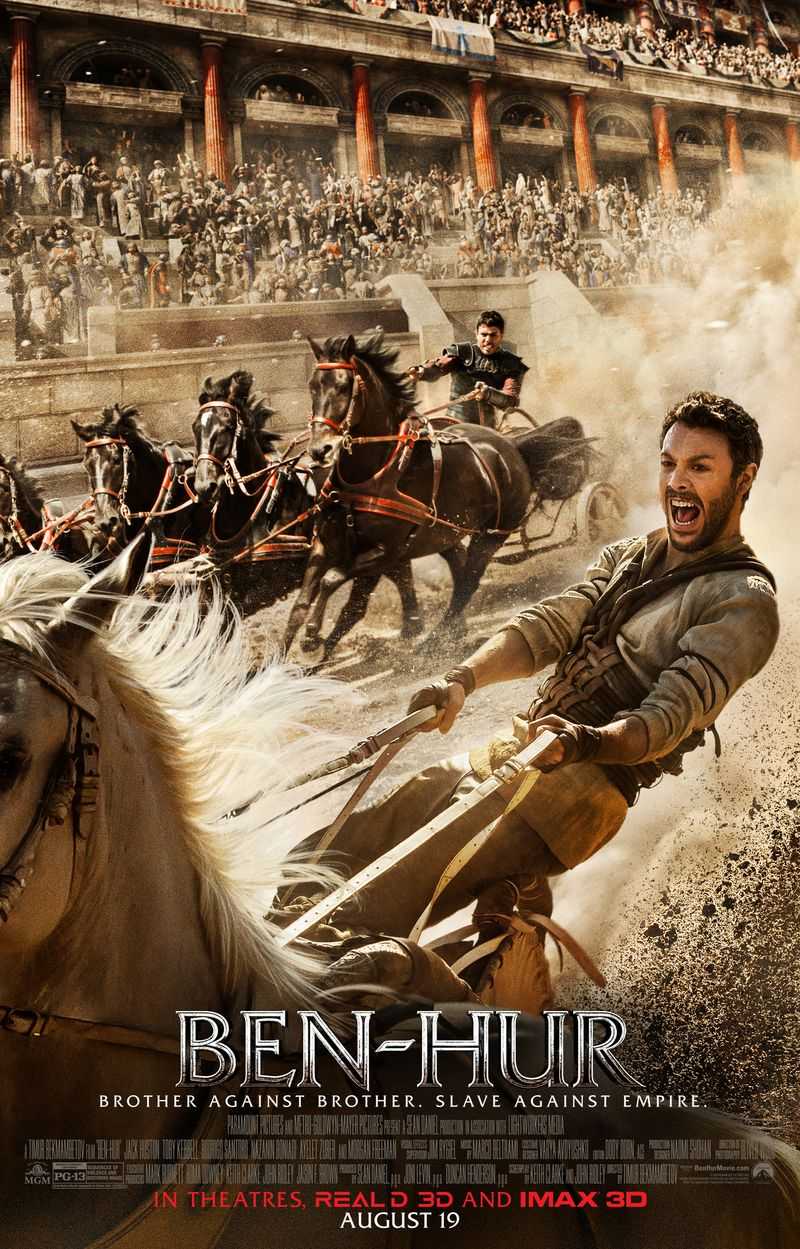
Remaking Ben-Hur was always going to invite impossible comparisons, but fans still expected a film with grandeur, emotional weight, and a reason to exist.
Instead, this version felt rushed, glossy, and far smaller than a story of betrayal, faith, and vengeance should ever feel.
Even the famous chariot race, while energetic, could not carry the burden of everything else missing.
The original had spectacle, yes, but it also had soul and patience, letting its characters earn every triumph and heartbreak.
This remake trimmed the story into something flatter and more generic, as if it were checking off boxes rather than telling an epic.
You can update a classic, but when the scale shrinks and the emotion evaporates, audiences notice immediately.
4. The Mummy (2017)
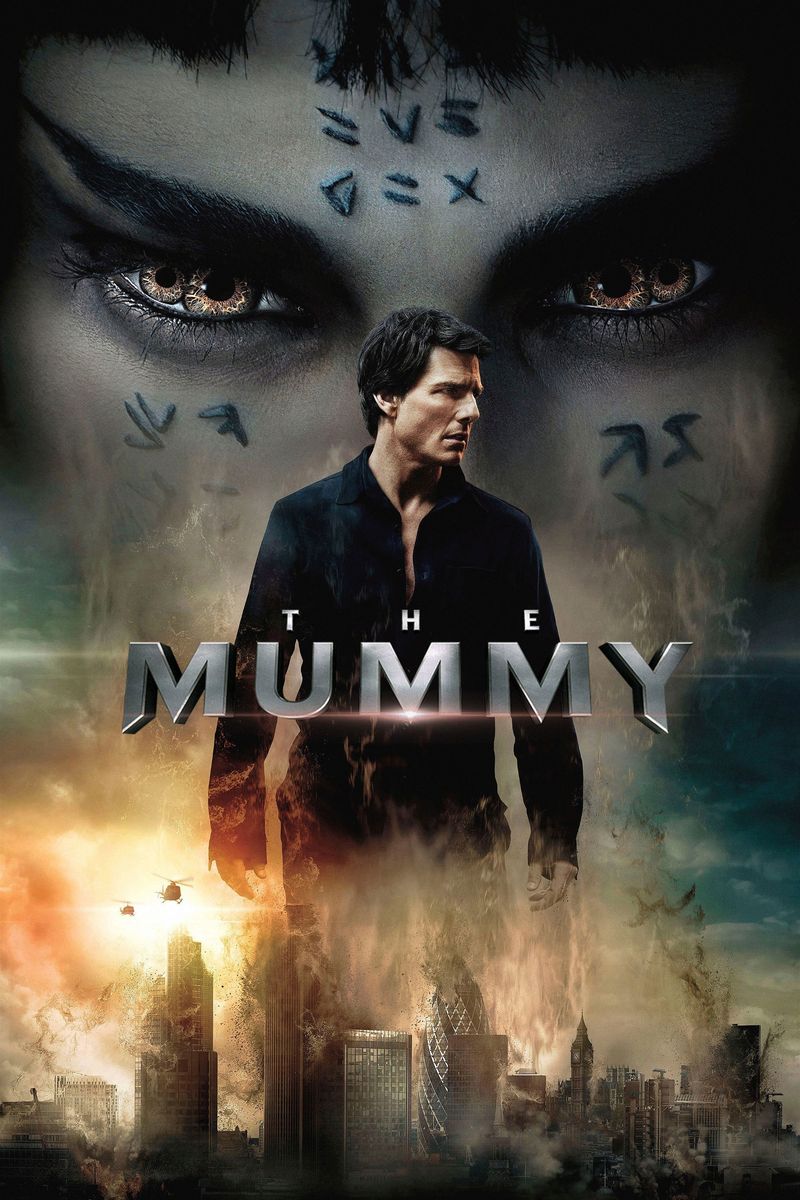
Fans did not just dislike this remake – they could sense it trying to launch a franchise before earning a single ounce of goodwill.
Instead of balancing horror, adventure, and fun, the movie felt stitched together from studio plans, franchise teases, and a desperate need to build a cinematic universe.
You could almost hear the boardroom decisions rattling around inside every scene.
What people wanted was a thrilling monster movie with charm and momentum, not a gloomy brand-management exercise pretending to be one.
The tone was all over the place, the characters never clicked, and the villain deserved a better movie around her.
When audiences feel like they’re watching a pitch deck instead of a story, resentment tends to last for years.
5. Total Recall (2012)
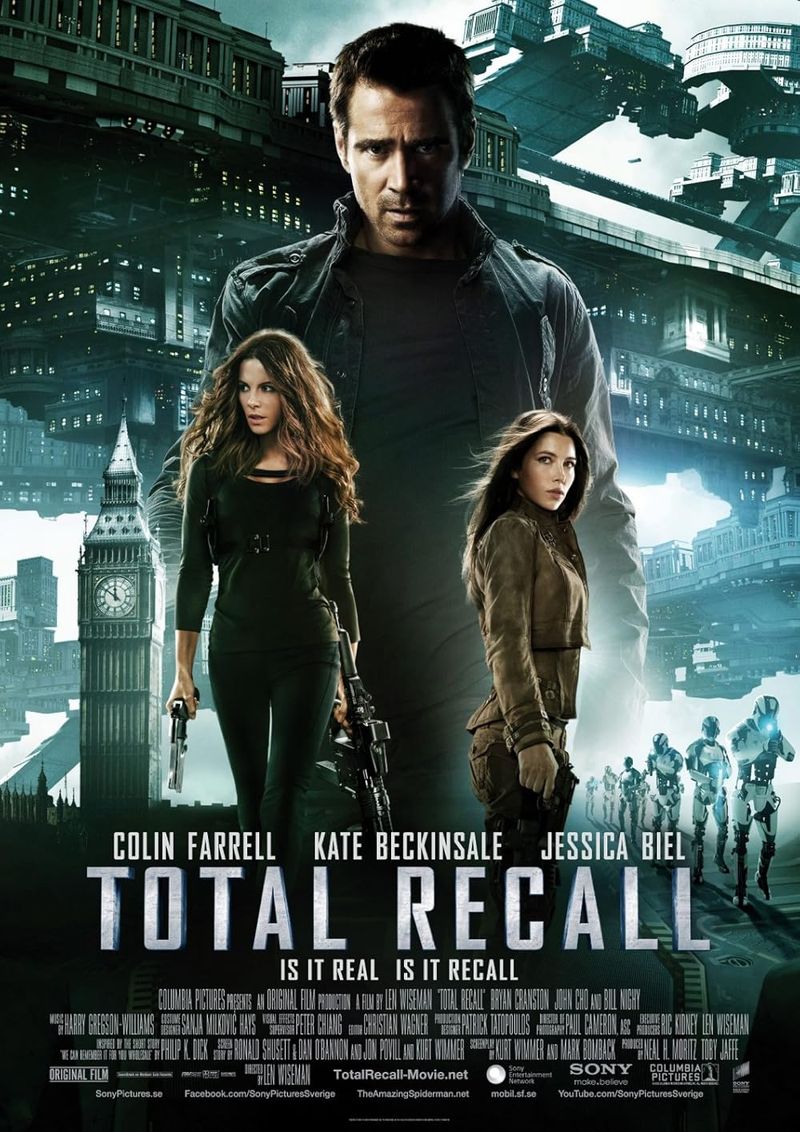
This remake looked expensive, polished, and busy, yet somehow felt emptier the longer it went on.
The original mixed wild action with weirdness, satire, and genuine uncertainty about reality, but this version traded that distinctive identity for a safer, more generic sci-fi chase.
You keep waiting for the fun to arrive, and it mostly never does.
Fans especially missed the offbeat edge that made the first film memorable beyond its explosions and one-liners.
Here, everything was streamlined, serious, and visually slick in a way that sanded down the story’s strange personality.
A remake does not need to copy every beat, but it does need to understand why people cared in the first place, and this one never seemed to.
6. Point Break (2015)
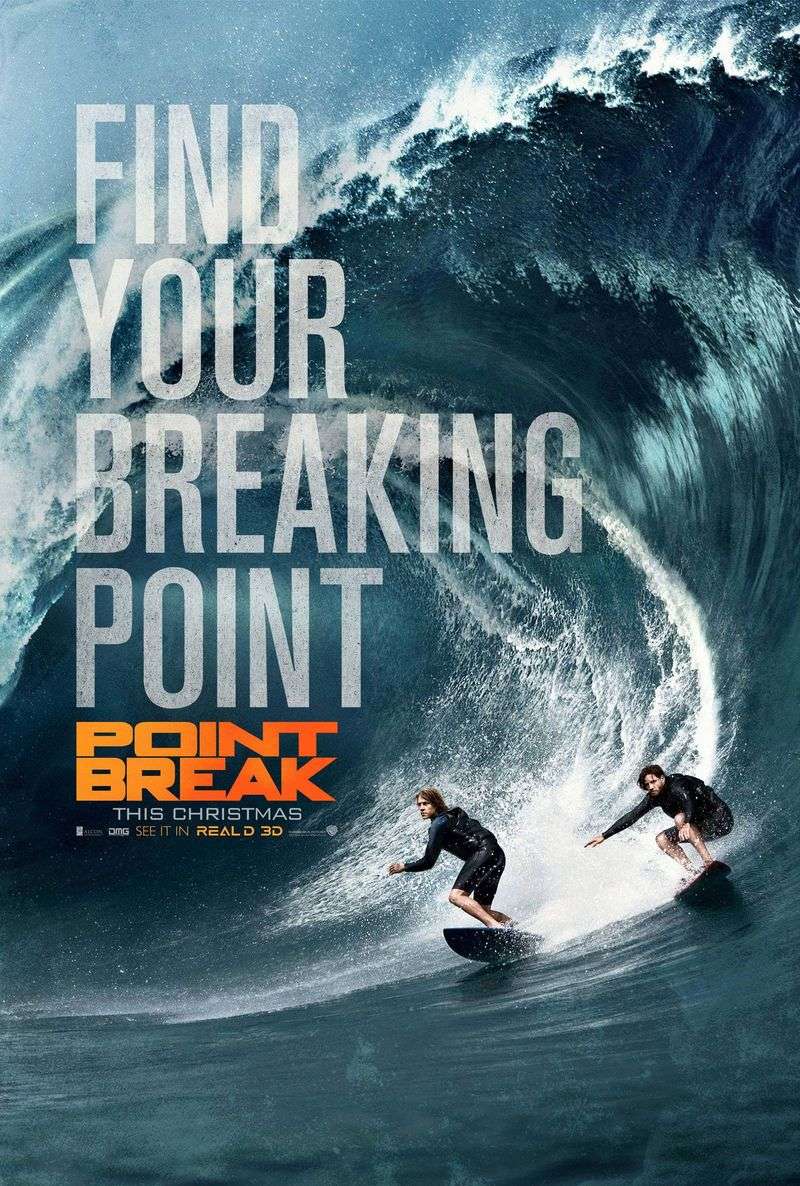
On the surface, this remake seemed to have all the ingredients for a crowd-pleaser: stunts, speed, danger, and gorgeous locations.
What it lacked was the reckless charisma and weird emotional pull that made the original such a cult favorite.
You can throw people off mountains and into giant waves, but that does not replace chemistry.
The 1991 film thrived on the bond between its leads, mixing surfer philosophy, criminal thrills, and pure movie-star energy into something strangely sincere.
This version focused so hard on extreme sports spectacle that the characters became little more than moving parts in a highlight reel.
Fans were not asking for realism – they wanted personality, and this remake had almost none to spare.
7. The Day the Earth Stood Still (2008)
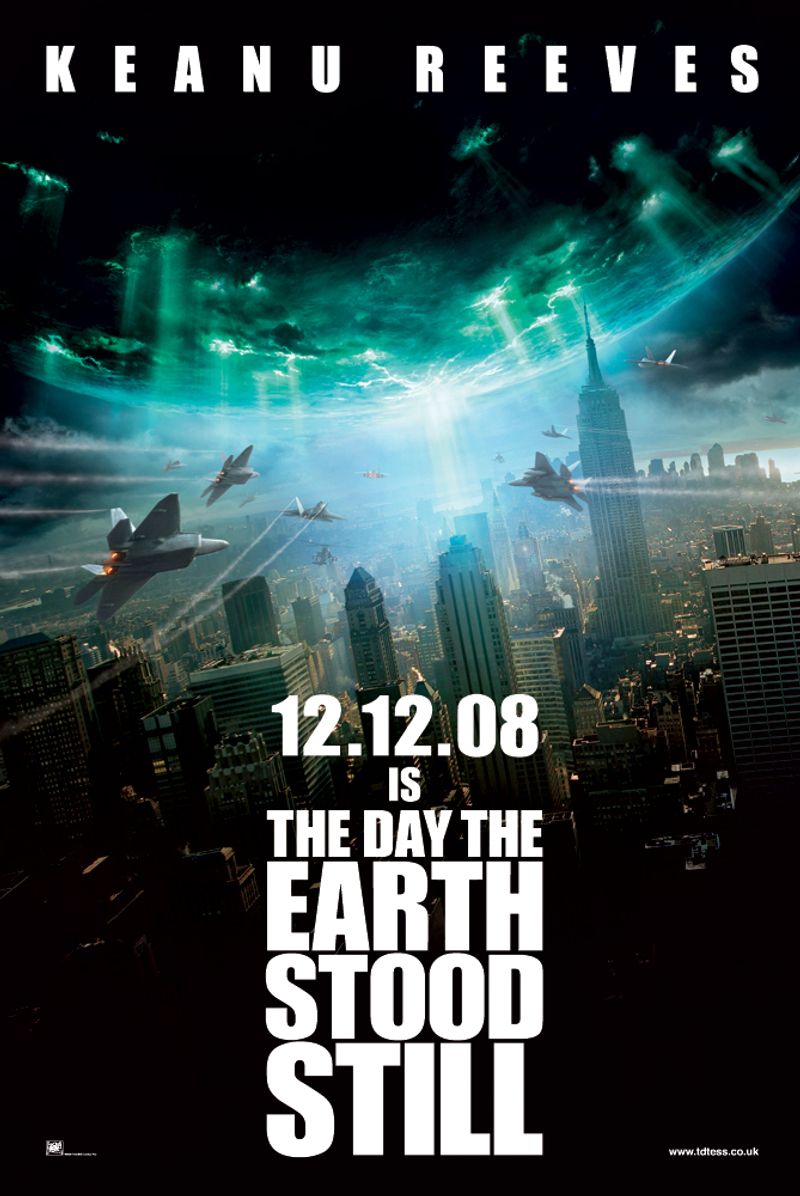
This remake took a thoughtful science fiction classic and turned it into a much louder, duller warning siren.
The original relied on calm menace and big ideas, inviting you to think about humanity from an outsider’s perspective, while the new version buried that under effects and blunt messaging.
Fans were not against updating the story, but they wanted more than a heavy-handed lecture.
What really stings is that the premise still had huge potential in a modern setting, especially with environmental themes in play.
Instead, the film felt emotionally distant, dramatically flat, and strangely joyless despite its massive scale.
When a remake replaces elegant tension with generic destruction, it usually ends up proving why the original mattered so much.
8. Oldboy (2013)
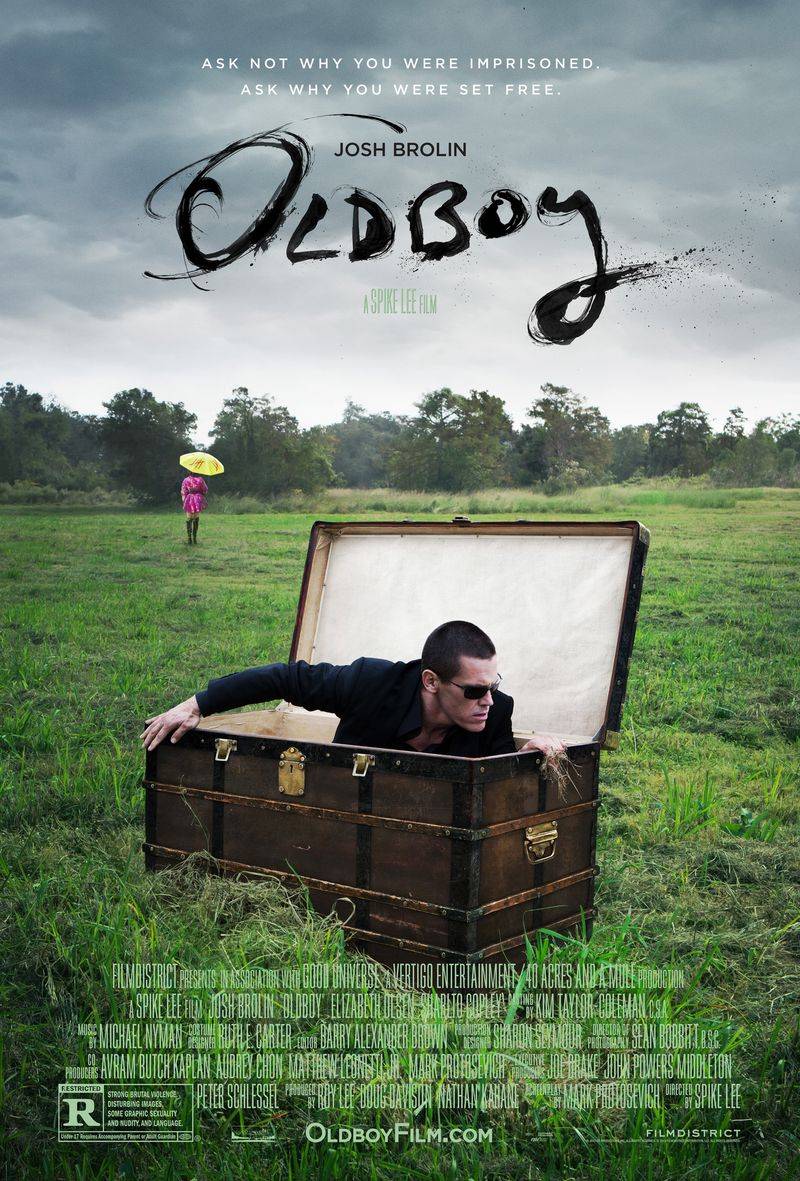
Remaking Oldboy was always risky, because the original hit viewers like a thunderbolt and left a lasting scar.
This version was not just unnecessary in the eyes of many fans – it felt like it misunderstood the savage intensity, emotional devastation, and moral ugliness that gave the story its punch.
You can retell a dark tale, but you cannot water it down and expect the same impact.
The remake had capable actors and moments of style, yet it still landed with a thud because it felt too calculated and far less haunting.
Fans compared every choice to a film that already pushed boundaries with shocking confidence.
When a remake follows a masterpiece and comes away feeling tame, the backlash is practically built into the release date.
9. A Nightmare on Elm Street (2010)
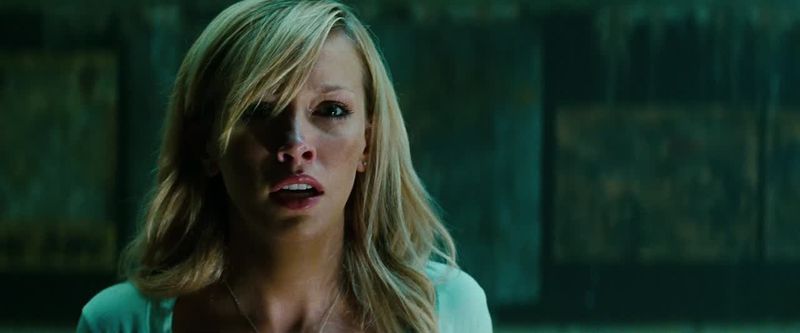
Fans wanted a fresh nightmare, but this remake mostly delivered a joyless copy stripped of the original’s twisted fun.
The classic balanced genuine terror with a wicked sense of play, creating a villain you feared and remembered, while the remake drowned everything in grim seriousness.
You can feel it trying to be darker, but darker does not automatically mean better.
The dream sequences should have been the place to get inventive, surreal, and deeply unsettling, yet many of them felt oddly flat and conventional.
Viewers also struggled with a version of Freddy that lacked the electric personality needed to dominate the screen.
When a horror remake forgets imagination and replaces it with generic gloom, fans tend to hold that grudge forever.
10. Rollerball (2002)
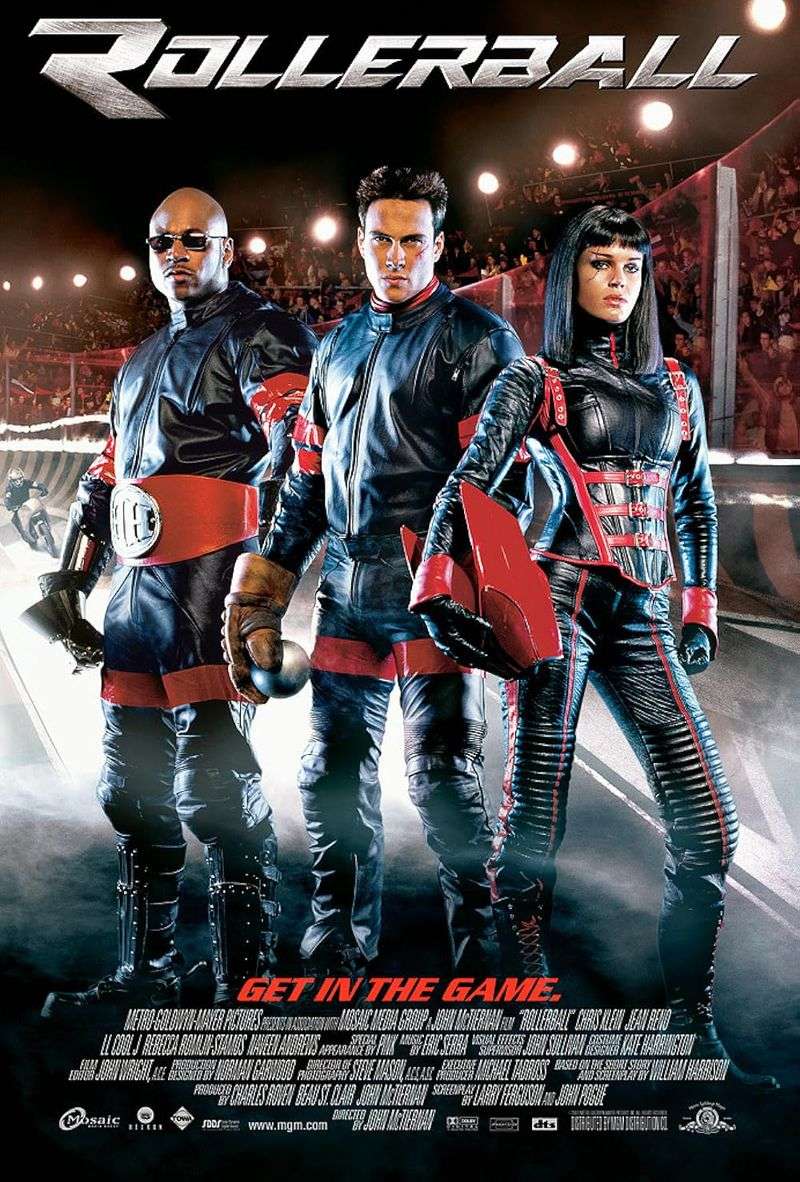
This remake took a sharp dystopian concept and buried it under noise, chaos, and style choices that made it harder to watch than enjoy.
The original used its brutal sport to comment on violence, media, and control, but the remake seemed far more interested in relentless editing and hollow aggression.
You could sense a story in there somewhere, but the movie never gave it room to breathe.
Fans were especially frustrated because the material had real potential for a smart modern update.
Instead, they got a loud, murky spectacle with little suspense, thin characters, and almost none of the social bite that made the concept matter.
When a remake removes both the brains and the thrills, people do not just dislike it – they resent the wasted opportunity.
11. The Fog (2005)
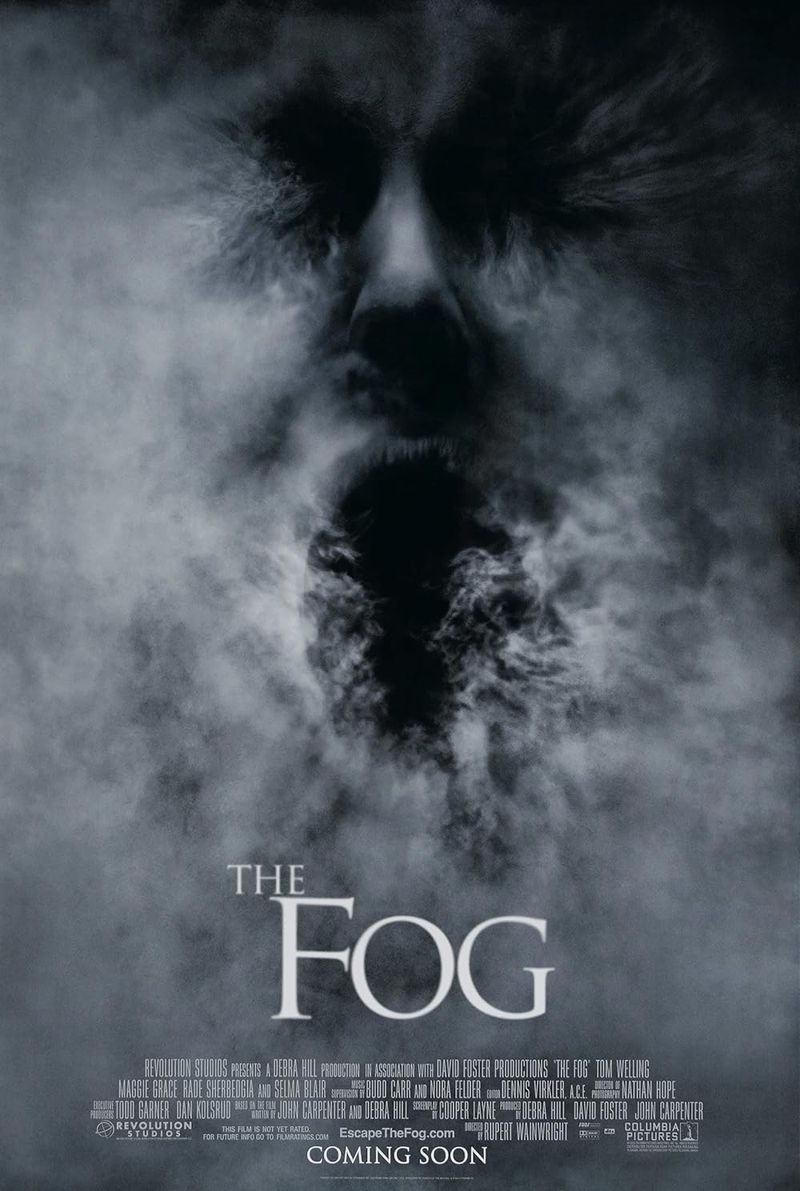
The original film worked because it understood atmosphere, letting dread drift in slowly like the title itself.
This remake swapped that careful mood for glossy jump scares and a polished look that felt too clean for a ghost story rooted in guilt and vengeance.
You can update visuals, but once the mystery and unease disappear, the whole thing starts to feel weightless.
Fans never really connected with the characters, which made the haunting feel more mechanical than tragic or frightening.
The story also overexplained things that were better left murky, draining the premise of its eerie power.
When horror depends on mood and your remake delivers mostly bland shocks, viewers remember the disappointment far longer than any actual scare.
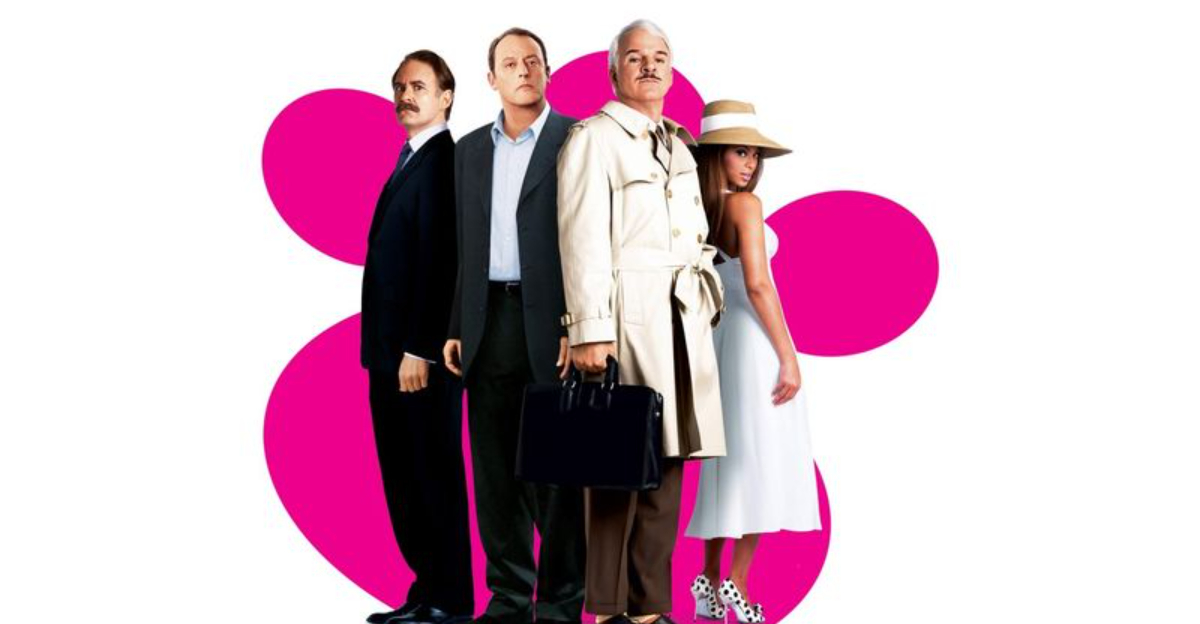
12. The Pink Panther (2006)
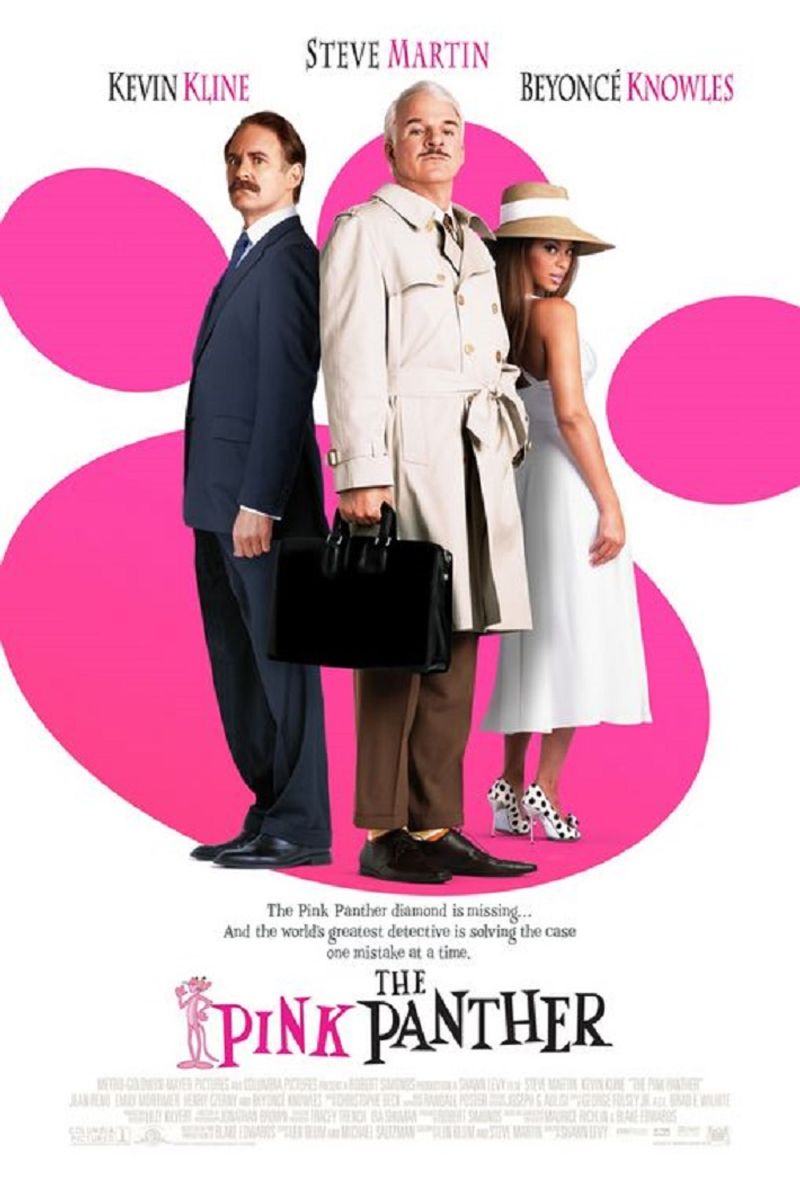
Comedy remakes are hard enough, but replacing a beloved screen persona is almost asking for trouble.
This version leaned heavily on broad gags and awkward repetition, yet never captured the effortless charm and comic rhythm that made the earlier films such durable favorites.
You can see the effort, but effort is not the same thing as magic.
What frustrated many fans was not just the different performance style, but the way the whole movie felt louder and more strained than genuinely funny.
The original series had elegance under the silliness, while this remake often pushed every joke too far and too hard.
When a comedy keeps reminding you how much funnier another version was, forgiveness becomes a very tough sell.
13. Arthur (2011)
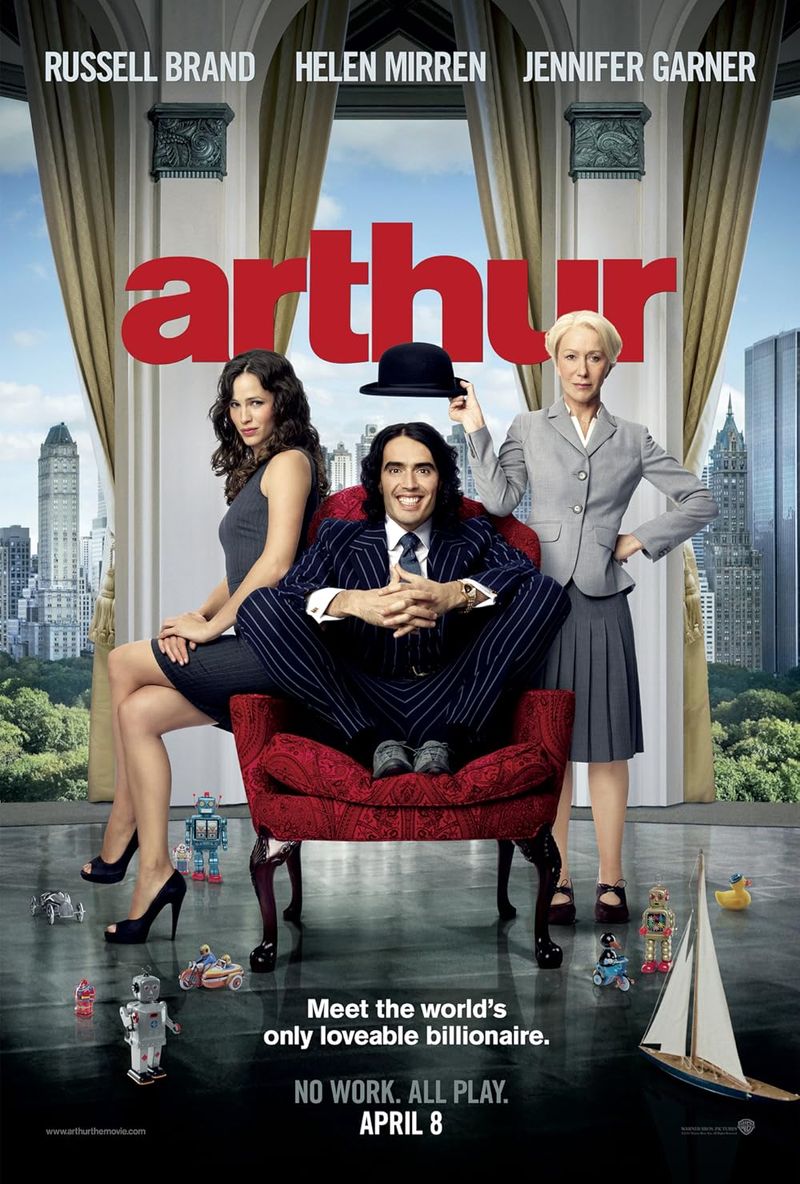
This remake had a cast that seemed promising, but it never found the breezy charm needed to justify revisiting the original.
The earlier film balanced mischief, vulnerability, and romance in a way that made its flawed lead strangely lovable, while the remake often felt more self-conscious and less naturally warm.
You are supposed to root for Arthur despite his messiness, not feel held at arm’s length.
Fans also missed the sparkling chemistry and emotional lightness that made the original more than just a story about a rich man growing up.
Here, the humor rarely landed with enough grace to carry the sentiment.
When a remake loses the charm that made an old favorite irresistible, audiences usually notice before the opening credits have even finished.
14. Jacob’s Ladder (2019)
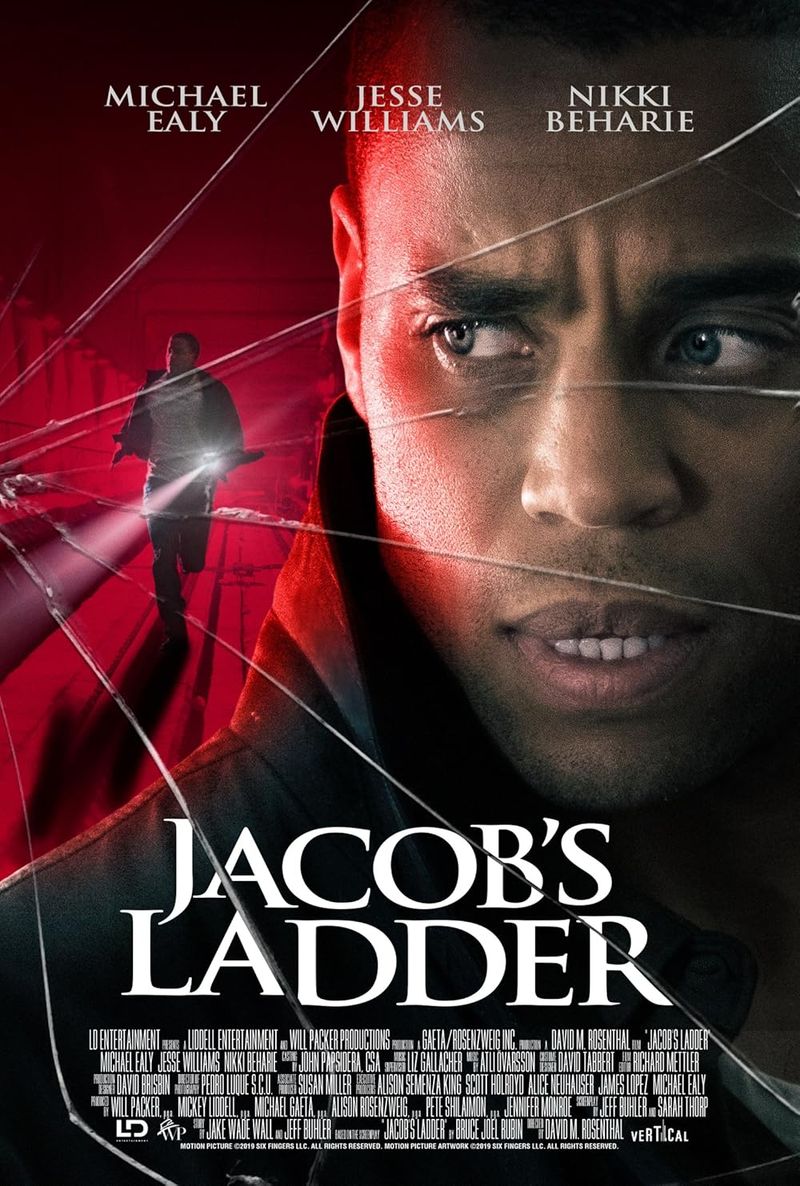
Some films are so tied to a specific mood and era that remaking them demands real vision, not just borrowed imagery.
This version of Jacob’s Ladder had the title and some familiar ideas, but fans felt it lacked the haunting psychological terror and emotional disorientation that made the original so devastating.
You watch it waiting for that slow spiral into dread, and it never fully takes hold.
The 1990 film left viewers shaken because its horror felt intimate, tragic, and deeply destabilizing.
The remake, by contrast, seemed flatter and more conventional, turning a nightmare of grief and confusion into something far less memorable.
When a story known for getting under your skin barely leaves a mark, fans are not likely to offer much mercy.