 MomSkoop

Meeting someone new can feel nerve-wracking, but did you know that people form opinions about you in just seconds? Your brain is wired to make quick judgments based on what it sees, hears, and feels right away.
Understanding what others notice first can help you put your best foot forward in any situation, whether it’s a job interview, a first date, or meeting new classmates.
1. Your Face

Before you even say a word, your face tells a story.
People scan facial features instantly, picking up on everything from your age to your mood.
Research shows that humans can read emotions from faces in less than a tenth of a second.
That means your expression matters more than you might think.
A relaxed, open face signals friendliness and approachability.
Tension in your jaw or forehead might suggest stress or anger, even if you don’t feel that way.
Try checking yourself in the mirror before important meetings.
Notice if you’re furrowing your brow or clenching your teeth without realizing it.
Small adjustments can make a big difference in how others perceive you right from the start.
2. Eye Contact

Looking someone in the eye shows confidence and honesty.
When you avoid eye contact, people might think you’re nervous, hiding something, or just not interested.
Good eye contact doesn’t mean staring without blinking, though.
That can actually make people uncomfortable.
Aim to hold eye contact for about three to five seconds at a time, then look away naturally before reconnecting.
This rhythm feels comfortable and shows you’re engaged.
Cultural differences matter here too.
In some cultures, prolonged eye contact is seen as disrespectful.
Pay attention to the other person’s comfort level and adjust accordingly.
Mastering this skill helps build trust and connection quickly.
3. Your Smile

Nothing breaks the ice quite like a genuine smile.
Scientists have discovered that smiling activates reward centers in other people’s brains, making them feel good around you.
Fake smiles don’t work the same magic, though.
People can spot the difference because real smiles involve muscles around your eyes, not just your mouth.
When you smile authentically, tiny wrinkles appear at the corners of your eyes—these are called “crow’s feet,” and they signal genuine happiness.
Practice smiling with your whole face in front of a mirror.
Think of something that truly makes you happy.
That warmth will shine through and help others feel comfortable and welcomed in your presence.
4. Your Posture
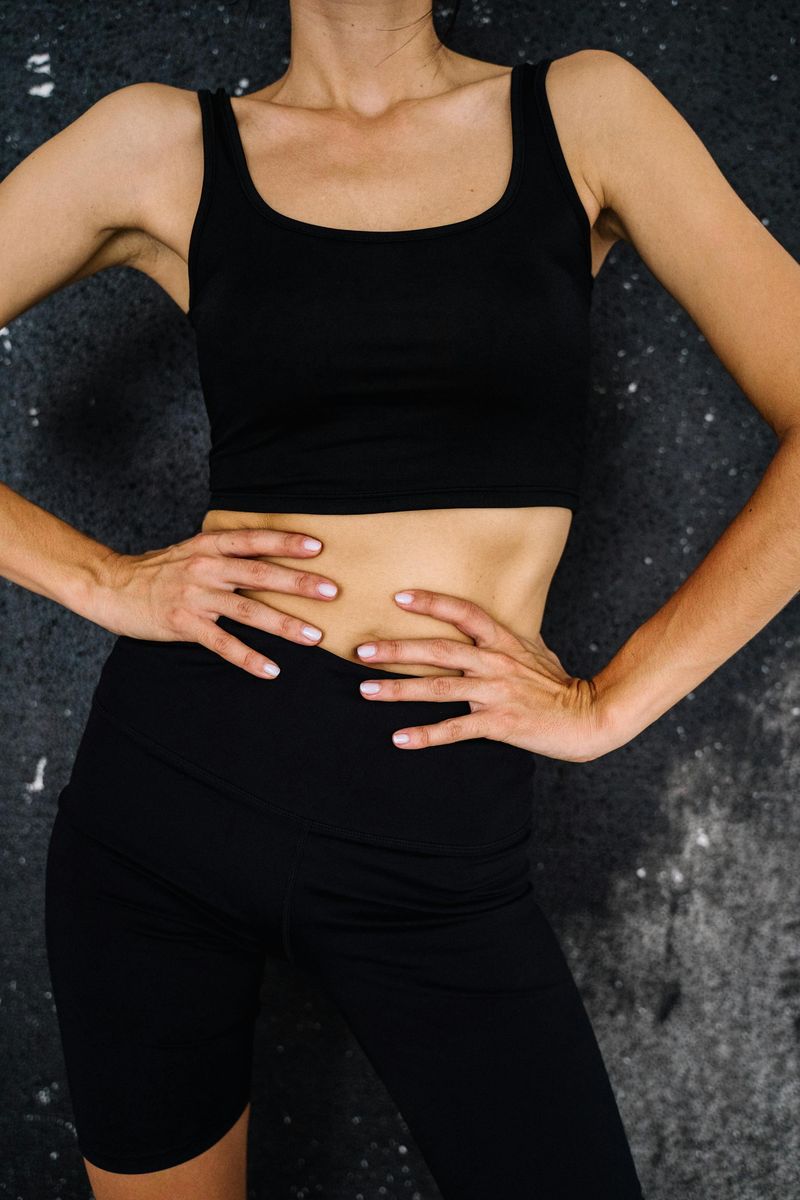
Stand tall, and the world treats you differently.
Slouching makes you appear less confident, less energetic, and even less trustworthy.
Your posture communicates your self-esteem before you open your mouth.
Shoulders back and spine straight signal that you’re comfortable in your own skin.
Good posture also affects how you feel internally.
Studies show that standing or sitting up straight can actually boost your mood and confidence levels.
Imagine a string pulling you up from the top of your head.
Keep your shoulders relaxed but not hunched.
This simple adjustment can transform how others perceive your authority and capability in any situation you encounter.
5. Your Handshake

That first grip says volumes about your personality.
A firm handshake conveys confidence and respect, while a limp one can make you seem uncertain or disinterested.
The perfect handshake strikes a balance—neither bone-crushing nor wimpy.
Web-to-web contact (the space between your thumb and index finger) ensures a proper connection.
Two to three pumps is ideal, paired with eye contact and a smile.
Sweaty palms happen to everyone, so keep a tissue handy if you get nervous.
Did you know?
A study found that people with firm handshakes are more likely to get hired.
Practice with friends or family until it feels natural and confident every time.
6. Your Tone of Voice

How you say something often matters more than what you actually say.
Your voice carries emotion, attitude, and energy that people pick up on immediately.
Speaking too softly might make you seem timid or unsure.
Talking too loudly can come across as aggressive or insensitive.
Pace matters too—rushing through your words suggests nervousness, while speaking too slowly might bore your listener.
Find a comfortable middle ground.
Varying your pitch keeps people engaged and shows enthusiasm.
Monotone voices can make even exciting topics sound dull.
Record yourself speaking and listen back.
You’ll discover habits you never noticed and can adjust to sound more confident and approachable.
7. Your Energy Level

Walk into a room with enthusiasm, and people naturally gravitate toward you.
Your energy is contagious, whether it’s positive or negative.
Low energy might signal disinterest, sadness, or exhaustion, even if you’re just having a quiet day.
High energy shows you’re engaged and excited to be there.
Body language plays a huge role here.
Animated gestures, an upright posture, and lively facial expressions all contribute to appearing energetic.
Getting enough sleep, staying hydrated, and eating well helps maintain consistent energy throughout the day.
Even if you’re naturally more reserved, you can learn to bring appropriate enthusiasm to social situations without feeling fake or exhausting yourself.
8. Your Clothing

Clothing choices reveal more about you than just your fashion sense.
People make assumptions about your professionalism, personality, and even your income based on what you wear.
Dressing appropriately for the situation shows respect and awareness.
Showing up underdressed to a formal event or overdressed for a casual gathering can create awkwardness.
Clean, well-fitted clothes always make a better impression than wrinkled or ill-fitting ones, regardless of brand or price.
Colors matter too—bright colors suggest creativity and energy, while neutral tones convey professionalism.
When in doubt, aim slightly more formal than you think necessary.
You can always remove a jacket or tie, but you can’t add formality if you’re underdressed.
9. Your Scent

Smell connects directly to memory and emotion in powerful ways.
A pleasant scent can make you memorable for all the right reasons, while bad odor creates an instant negative impression.
Basic hygiene should be your foundation—regular showers, clean clothes, and brushed teeth are non-negotiable.
Fresh breath matters especially during conversations.
If you wear cologne or perfume, less is more.
Strong fragrances can trigger headaches or allergies in others.
One or two light sprays is plenty.
Pay attention to scents from your environment too—cigarette smoke, cooking smells, or pet odors can cling to clothing.
Keep breath mints or gum handy for after meals to ensure you’re always ready for close conversations.
10. Your Facial Expressions

Your face is constantly communicating, even when you think it’s neutral.
Microexpressions—tiny, fleeting facial movements—reveal your true emotions before you can control them.
Rolling your eyes, raising your eyebrows, or pursing your lips all send specific messages.
These unconscious reactions can contradict your words and confuse people.
Awareness is the first step to improvement.
Notice what your face does when you’re stressed, bored, or concentrating.
Some people have a naturally serious resting face, which others might misinterpret as anger or unfriendliness.
Softening your expression slightly can help.
Practice expressing warmth and openness, especially during first meetings, to ensure your face matches the positive impression you want to create.
11. Your Hair
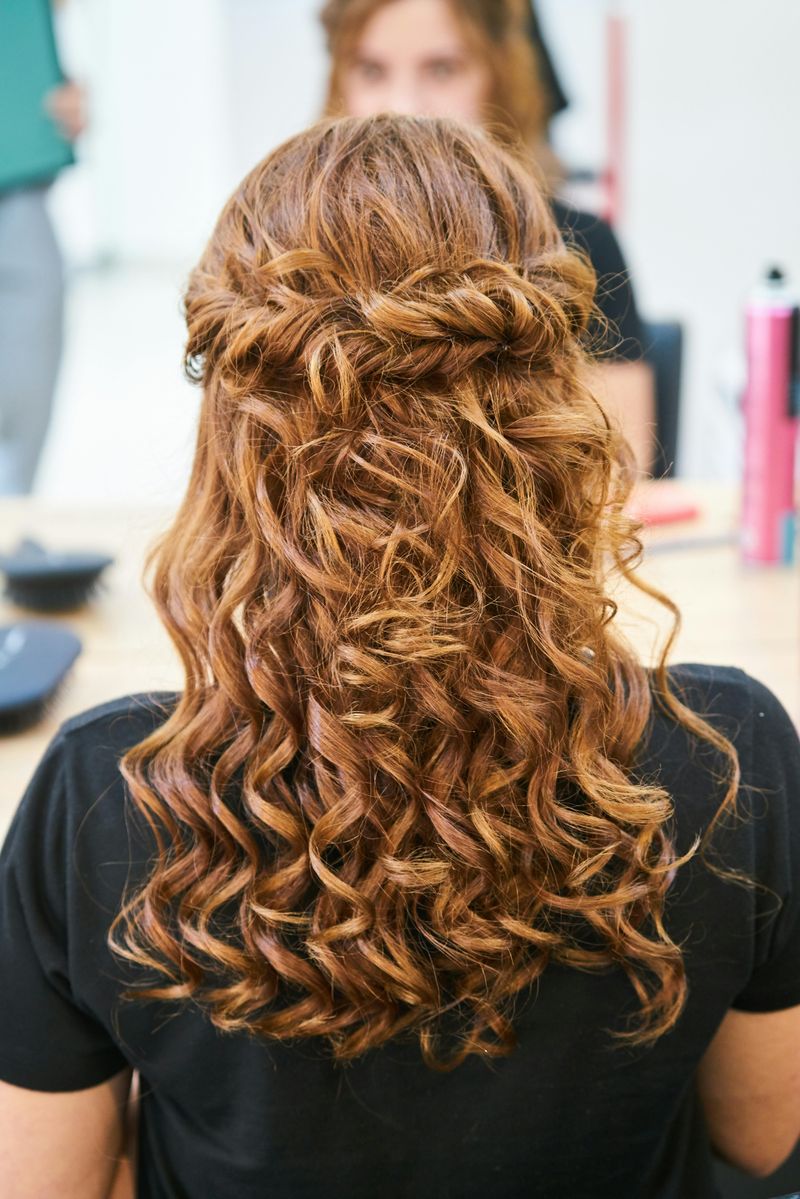
Well-groomed hair signals that you care about your appearance and pay attention to details.
Messy, unwashed, or unkempt hair can make people question your professionalism.
You don’t need an expensive haircut or trendy style to make a good impression.
Clean, neat, and appropriate for the setting is what matters most.
Hair that keeps falling in your face during conversation can be distracting for both you and others.
Consider tying it back or styling it away from your eyes.
Regular trims prevent split ends and keep your style looking fresh.
Even simple maintenance shows you respect yourself and the people you’re meeting.
Your hair is part of your overall presentation package that people notice within seconds.