 MomSkoop
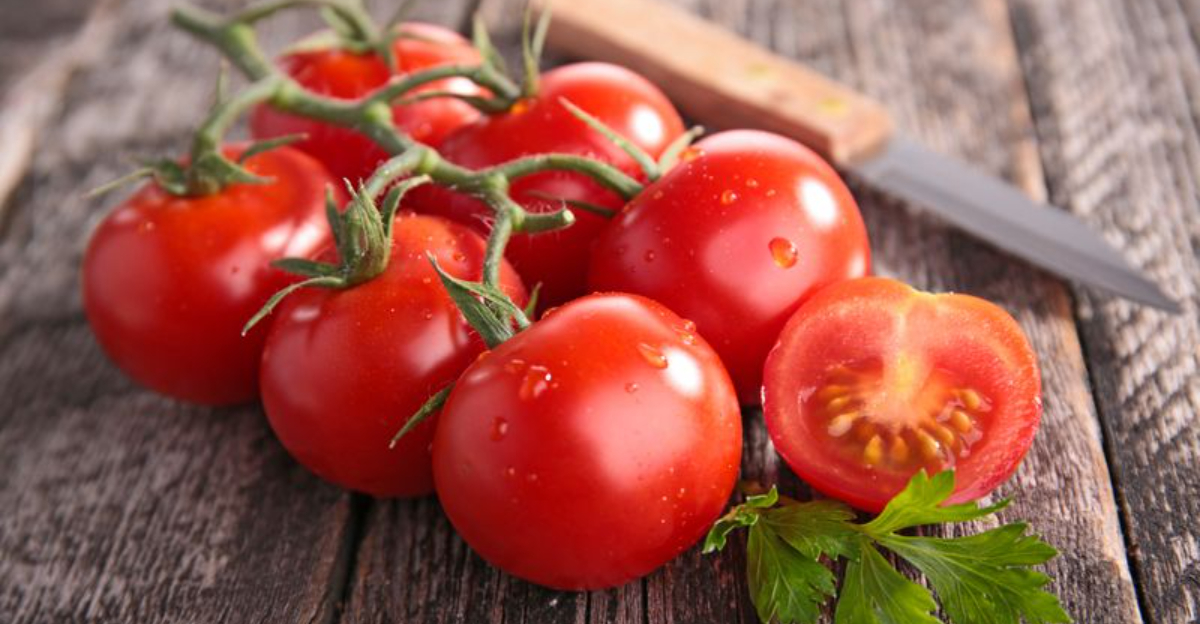
You might think the fridge is the safest place for all your groceries, but food experts have some surprising news. Certain foods actually lose their flavor, texture, and nutritional value when stored in cold temperatures.
Knowing which items to keep out of the refrigerator can help you enjoy fresher, tastier meals while reducing food waste. Here are twelve common foods that belong on your counter or in your pantry instead.
1. Tomatoes
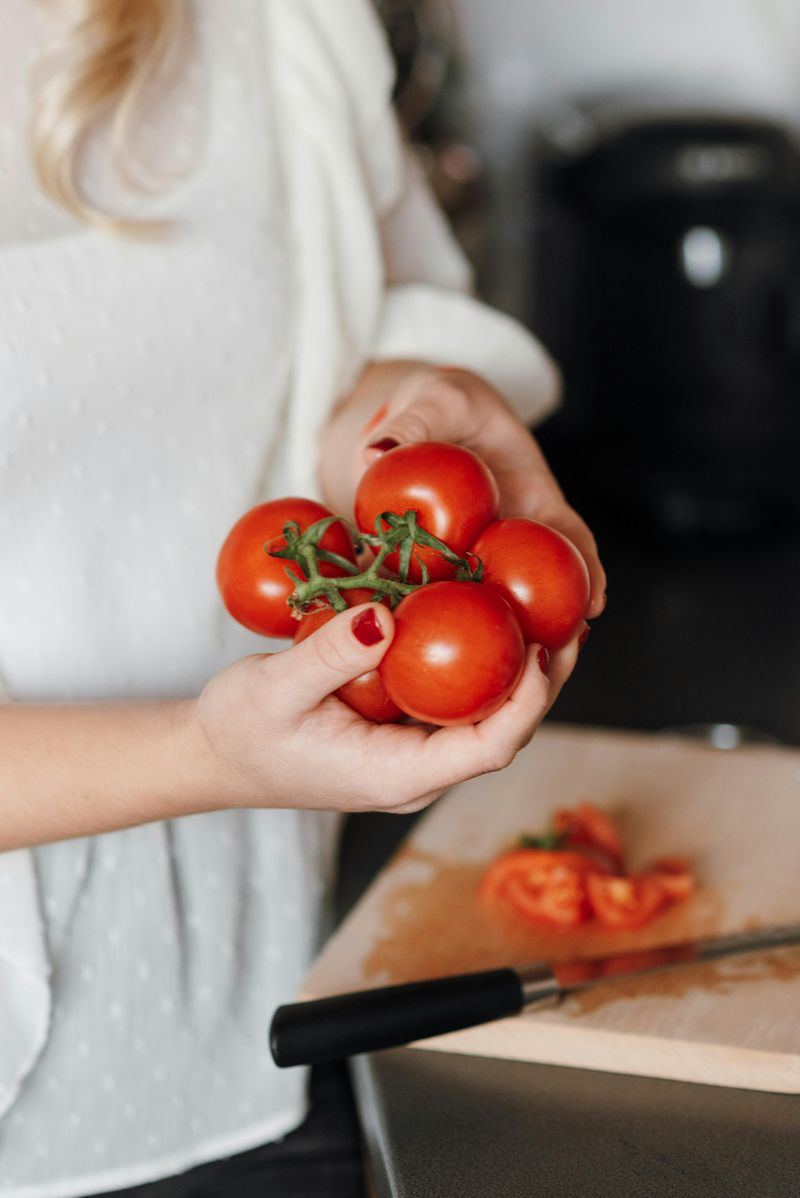
Cold temperatures turn tomatoes mealy and flavorless, destroying the delicate balance that makes them so delicious.
When you refrigerate tomatoes, the cold stops their natural ripening process and breaks down the membranes inside, creating that unpleasant mushy texture nobody likes.
Keep them stem-side down on your counter away from direct sunlight.
They’ll continue developing their sweet, tangy flavor and maintain that perfect firmness.
Once they’re fully ripe and you can’t eat them right away, only then should you consider refrigerating them to prevent spoilage.
Room temperature storage preserves those aromatic compounds that make fresh tomatoes smell and taste amazing in salads and sandwiches.
2. Bread

Refrigerating bread is one of the quickest ways to ruin its texture and turn it stale.
The cold environment causes the starch molecules to recrystallize, making your bread dry, hard, and crumbly in just a day or two.
Store your loaves in a bread box or paper bag at room temperature instead.
This keeps bread soft and fresh-tasting for several days without any weird moisture issues.
If you bought too much bread and won’t finish it soon, freezing is actually better than refrigerating.
Frozen bread maintains its quality and you can toast slices straight from the freezer whenever you need them for breakfast or sandwiches.
3. Honey
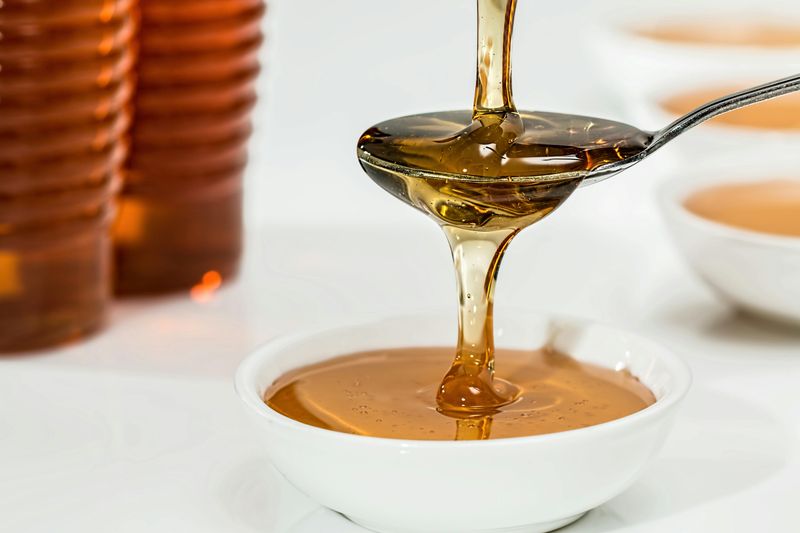
This golden sweetener has been found perfectly preserved in ancient Egyptian tombs thousands of years old.
Honey never spoils when stored properly, so refrigeration is completely unnecessary and actually harmful.
Cold temperatures cause honey to crystallize and become thick, grainy, and impossible to pour.
Keep your honey jar in the pantry where it stays smooth and spreadable.
The natural sugars and low moisture content create an environment where bacteria cannot grow.
If your honey does crystallize, simply place the jar in warm water for a few minutes to return it to its liquid, golden state without losing any nutritional benefits or flavor.
4. Onions
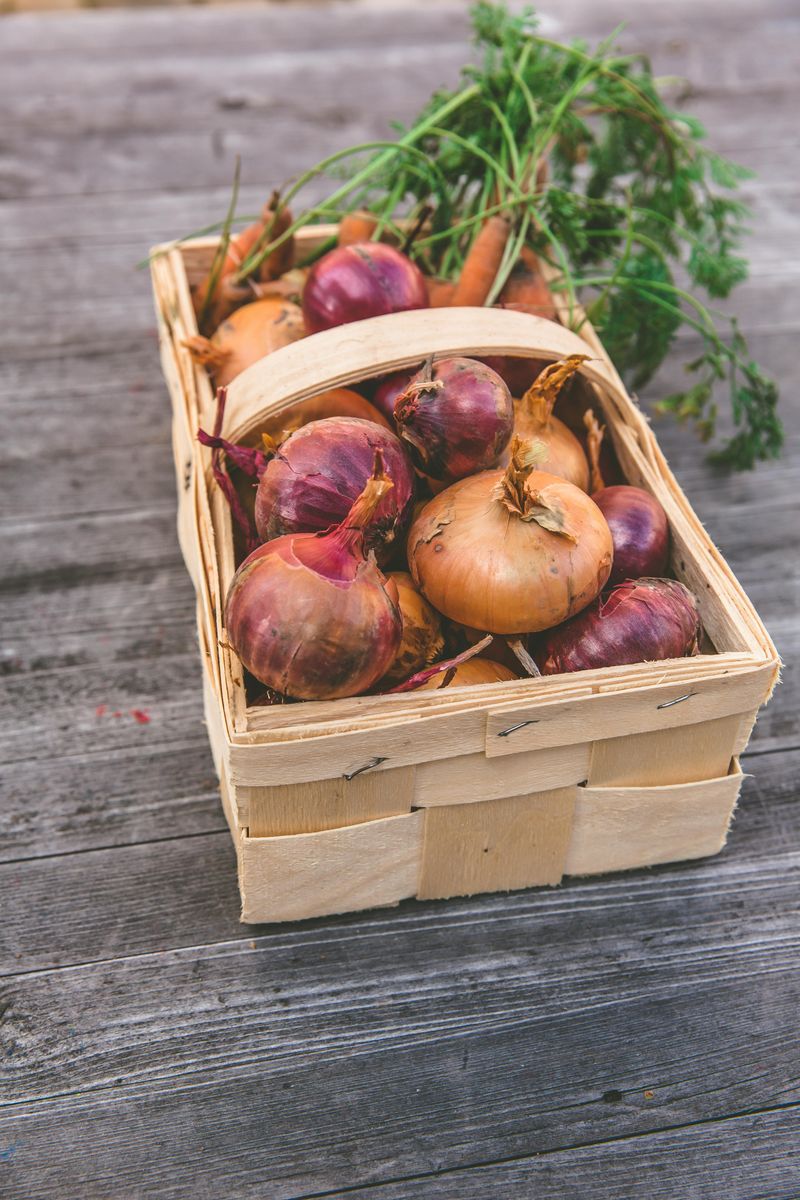
Storing onions in the fridge turns them soft and moldy much faster than you’d expect.
The moisture and cold temperature break down their firm texture and cause them to sprout or rot.
Whole, unpeeled onions need a cool, dry, well-ventilated spot like your pantry or a hanging basket.
Good air circulation prevents moisture buildup that leads to spoilage.
Keep them away from potatoes because onions release gases that make potatoes sprout faster.
Once you cut an onion, then you should store the leftover piece in an airtight container in the refrigerator, but whole onions stay freshest in dry, dark pantry conditions for weeks.
5. Potatoes
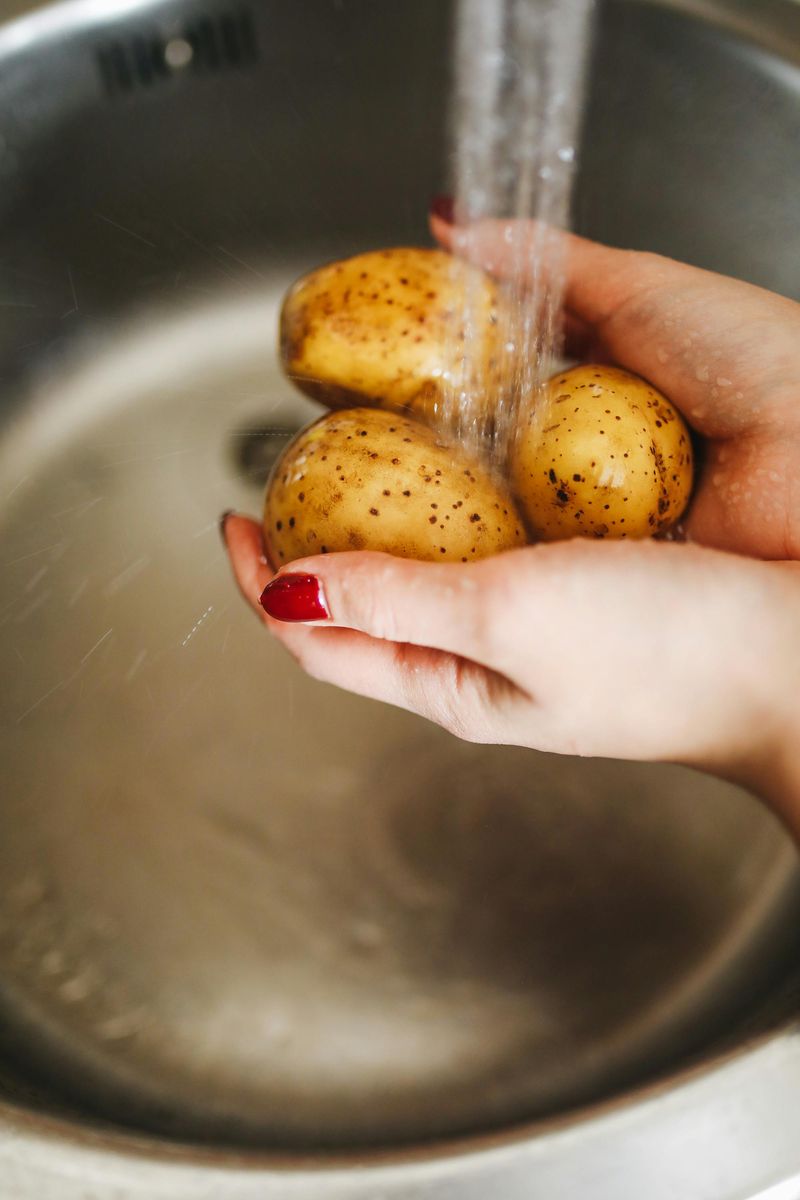
Ever notice your refrigerated potatoes taste oddly sweet and cook unevenly?
That happens because cold temperatures convert potato starch into sugar, changing both flavor and texture in unappetizing ways.
Refrigerated potatoes also develop dark spots when cooked and may contain higher levels of acrylamide, a potentially harmful chemical.
Store potatoes in a cool, dark place with good ventilation, like a pantry or cellar.
Paper bags or burlap sacks work better than plastic, which traps moisture and speeds up rotting.
Keep them away from light to prevent them from turning green and developing a bitter, toxic compound called solanine that can make you sick.
6. Garlic
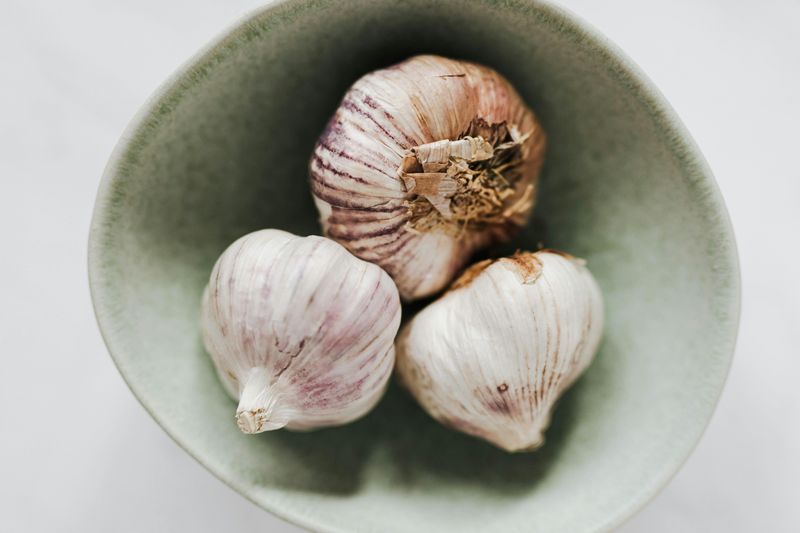
Garlic bulbs become rubbery and start sprouting when you store them in the refrigerator.
The moisture inside your fridge encourages mold growth and causes garlic to lose its pungent, spicy flavor that makes dishes so tasty.
Whole bulbs belong in a dry, dark spot with plenty of air circulation.
Many people use small wire baskets or mesh bags specifically designed for garlic storage.
This keeps the bulbs fresh and flavorful for months.
Individual unpeeled cloves can stay at room temperature for about a week, but once you peel or chop garlic, refrigerate it in an airtight container and use within a few days for best quality.
7. Coffee
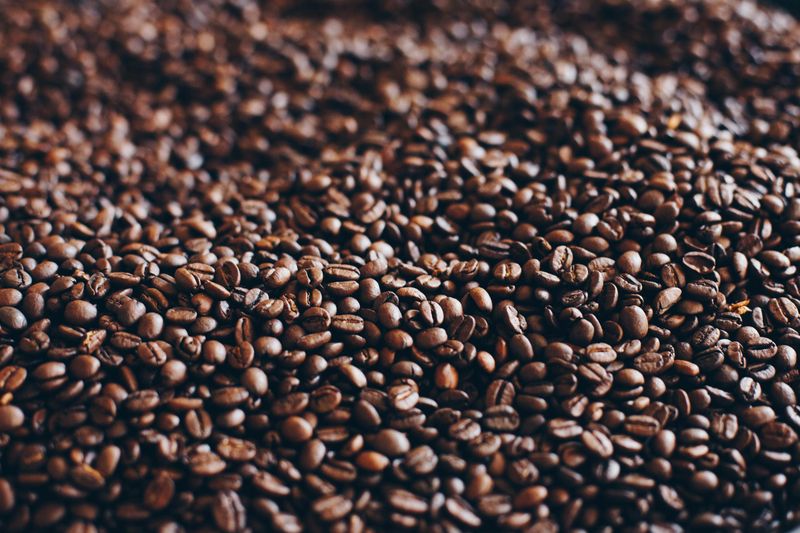
Coffee lovers beware: refrigerating your beans or grounds destroys their rich, complex flavors.
The fridge environment introduces moisture and allows coffee to absorb odors from other foods, resulting in a stale, weird-tasting brew.
Store coffee in an airtight container at room temperature, away from light, heat, and moisture.
A dark pantry or cabinet works perfectly for maintaining freshness and preserving those aromatic oils.
Freezing coffee is slightly better than refrigerating, but only if you’re storing it long-term and won’t be opening the container repeatedly.
For everyday use, room temperature storage keeps your morning cup tasting bold and delicious exactly as it should.
8. Basil
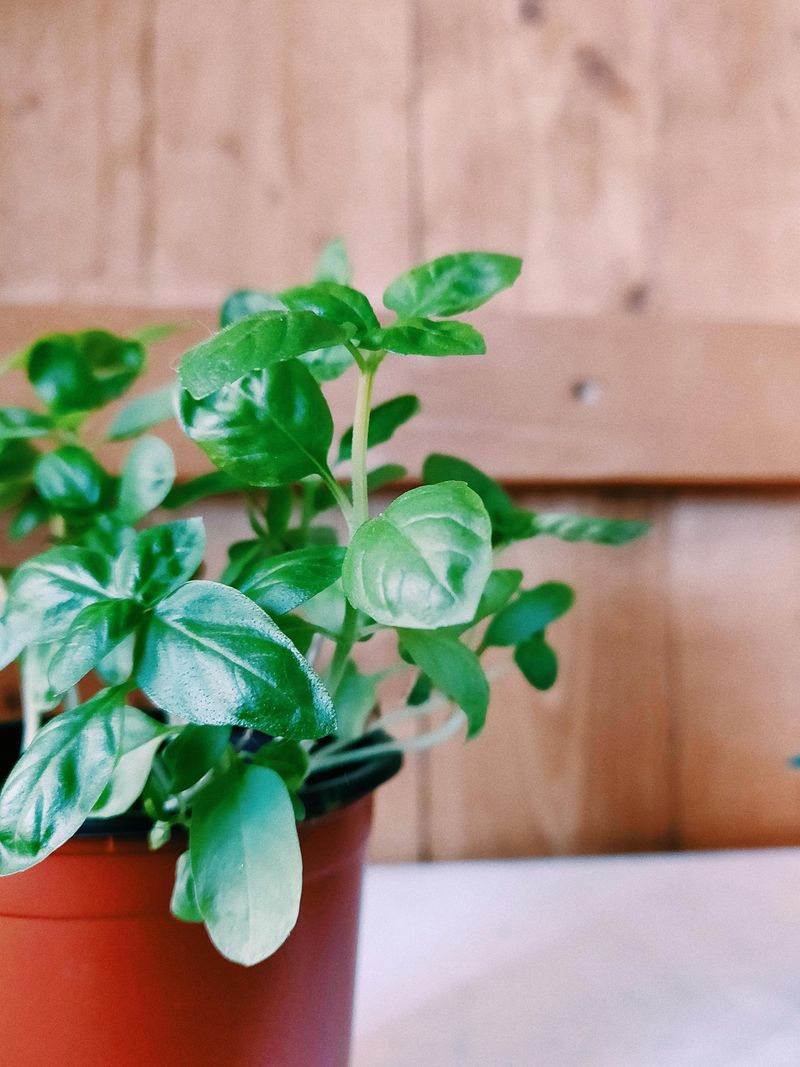
Fresh basil wilts and turns black almost immediately when exposed to cold refrigerator temperatures.
This delicate herb behaves more like cut flowers than typical produce.
Treat basil like a bouquet by trimming the stems and placing them in a glass of water on your counter, away from direct sunlight.
Cover the leaves loosely with a plastic bag if you want extra protection.
Change the water every couple of days to keep your basil fresh and fragrant for up to a week.
This method preserves the bright green color and peppery, sweet flavor that makes basil essential for pasta, pizza, and summer salads.
Your kitchen will smell amazing too!
9. Bananas
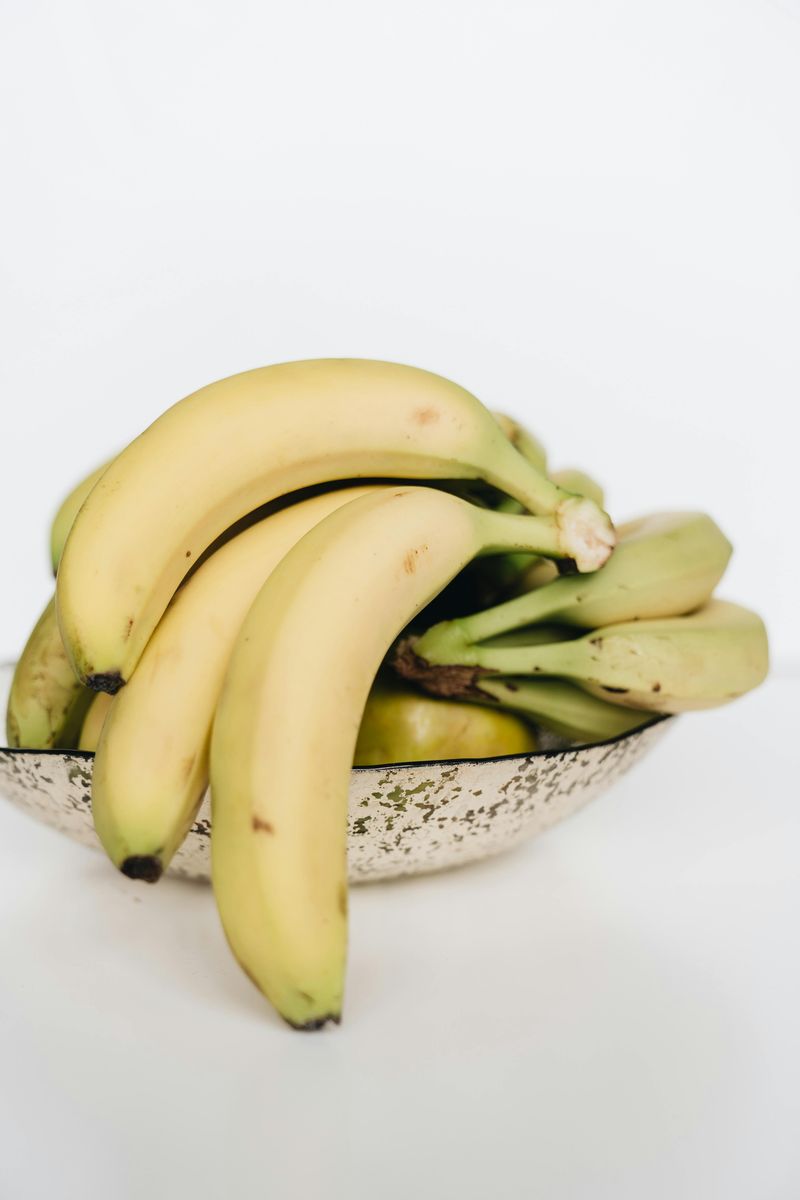
Bananas stop ripening properly when you put them in the refrigerator too early.
The cold damages the cell walls, turning the peel brown or black while the inside stays hard and flavorless.
Keep bananas at room temperature on your counter or hanging on a banana hook.
They’ll ripen naturally, developing that perfect sweet flavor and creamy texture.
If your bananas ripen faster than you can eat them, then you can refrigerate them to slow down further ripening.
The peel will darken, but the fruit inside stays good for several more days, perfect for smoothies or banana bread when you’re finally ready to use them.
10. Olive Oil
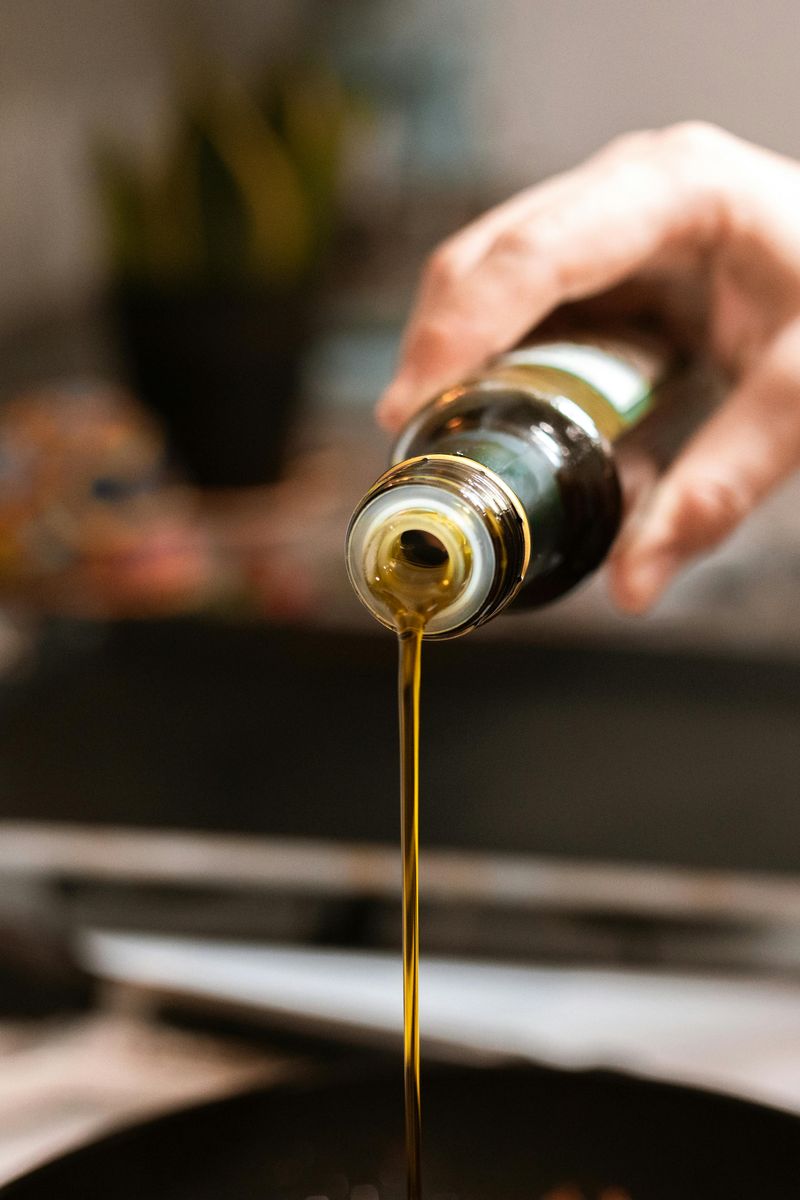
Refrigerating olive oil causes it to solidify and develop a cloudy, butter-like consistency that’s difficult to pour.
While this doesn’t damage the oil permanently, it’s annoying and unnecessary.
Store your olive oil in a cool, dark cabinet away from the stove and other heat sources.
Light and heat are the real enemies, causing oil to become rancid and lose its fruity, peppery flavor.
A dark glass bottle or tin container provides the best protection.
Keep the cap tightly sealed to prevent oxidation.
Properly stored olive oil maintains its quality and health benefits for many months, staying liquid and ready to drizzle over salads or use in cooking whenever you need it.
11. Hot Sauce

Most hot sauces contain enough vinegar and capsaicin to preserve themselves without refrigeration.
The high acidity creates an inhospitable environment for bacteria, keeping your favorite spicy condiments safe at room temperature.
Storing hot sauce in the pantry actually helps maintain its bold, fiery flavor better than cold storage.
Check the label, as some brands recommend refrigeration after opening, but most commercial hot sauces stay perfectly fine on the shelf for months.
Room temperature storage also means your hot sauce pours easily and doesn’t cool down your tacos or eggs.
Just keep the cap clean and tightly sealed between uses for maximum freshness and spiciness.
12. Avocados
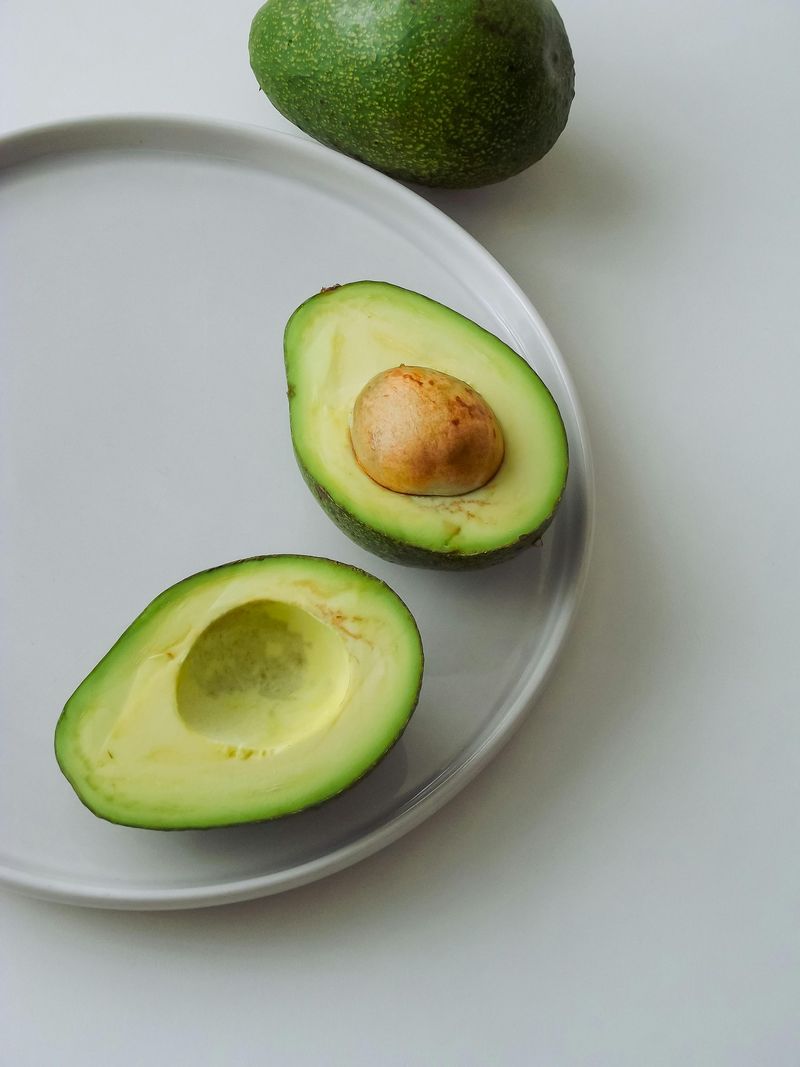
Putting unripe avocados in the fridge stops them from ripening properly, leaving you with hard, flavorless fruit.
Avocados need room temperature conditions to develop that buttery, creamy texture everyone loves.
Keep them on your counter until they yield to gentle pressure when squeezed.
This usually takes three to five days depending on how firm they were when purchased.
Once perfectly ripe, then you can refrigerate avocados to extend their life for a few extra days.
Placing them in a paper bag with a banana speeds up ripening thanks to ethylene gas.
Room temperature ripening ensures your guacamole and avocado toast turn out delicious every single time.