 MomSkoop
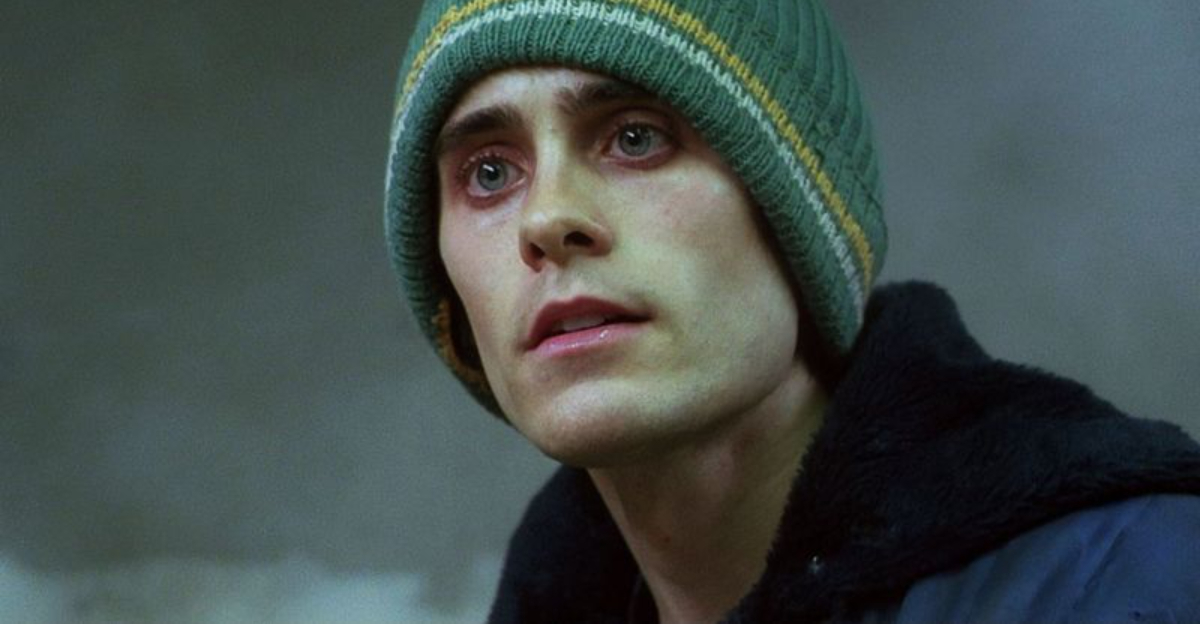
Not every terrifying movie relies on monsters, ghosts, or supernatural creatures to leave you shaken. Some of the most unsettling films draw their power from realistic situations, psychological tension, and the darker side of human nature—making them feel far more believable and unforgettable.
Whether it’s a slow-burning thriller, a disturbing true story, or a suspense-filled drama, these films prove that fear often comes from what could happen in real life. If you’re looking for movies that will stay with you long after the credits roll, these 18 picks deliver genuine, lasting chills.
1. Se7en (1995) — A Serial Killer Turns Human Sin Into Pure Psychological Horror
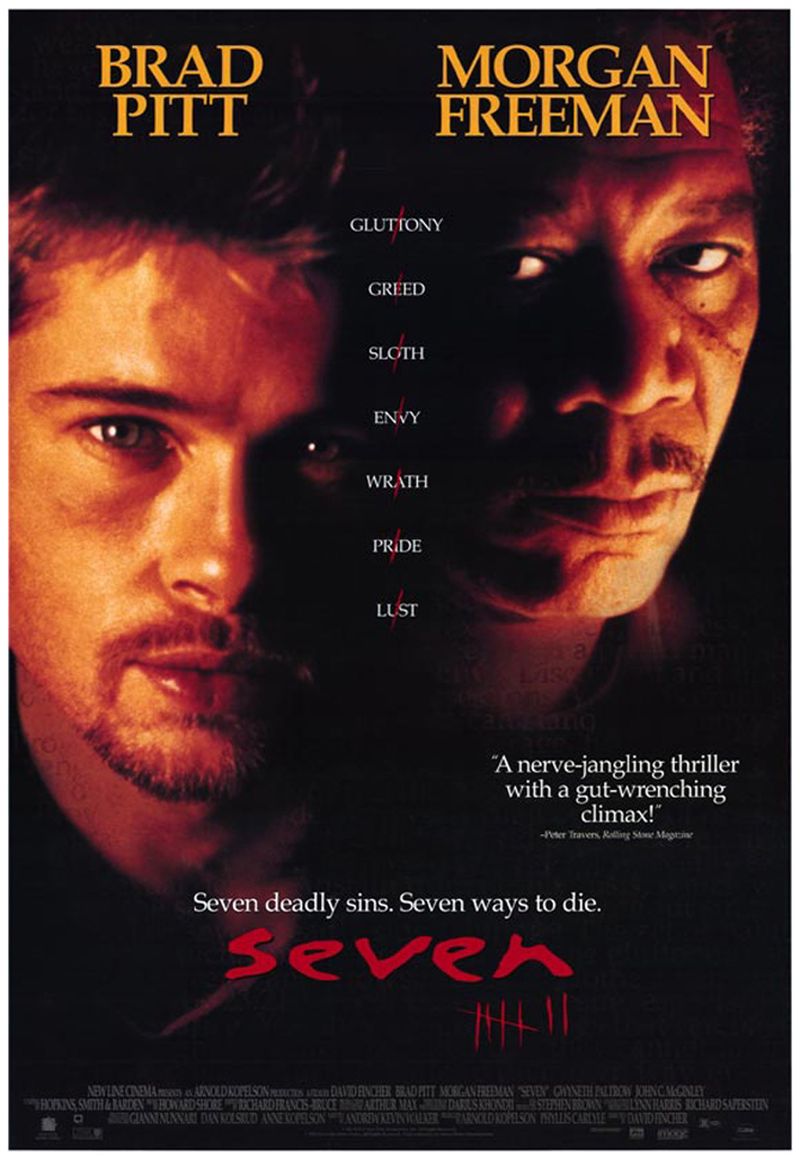
What if a killer used your worst moral failures as a weapon against you?
That is exactly the nightmare Se7en builds, scene by scene, with terrifying patience.
David Fincher directs this film with a suffocating atmosphere that never lets you breathe easy.
Two detectives — one weary and wise, one young and eager — hunt a killer who models each murder on the seven deadly sins.
The genius is that the killer always seems to be ten steps ahead.
You never feel safe watching it.
The ending is one of cinema’s most gut-punching moments, leaving audiences genuinely disturbed.
No monster needed — just the cold, calculated mind of someone who believes the world deserves punishment.
2. Funny Games (1997) — Two Polite Strangers Casually Torture a Family
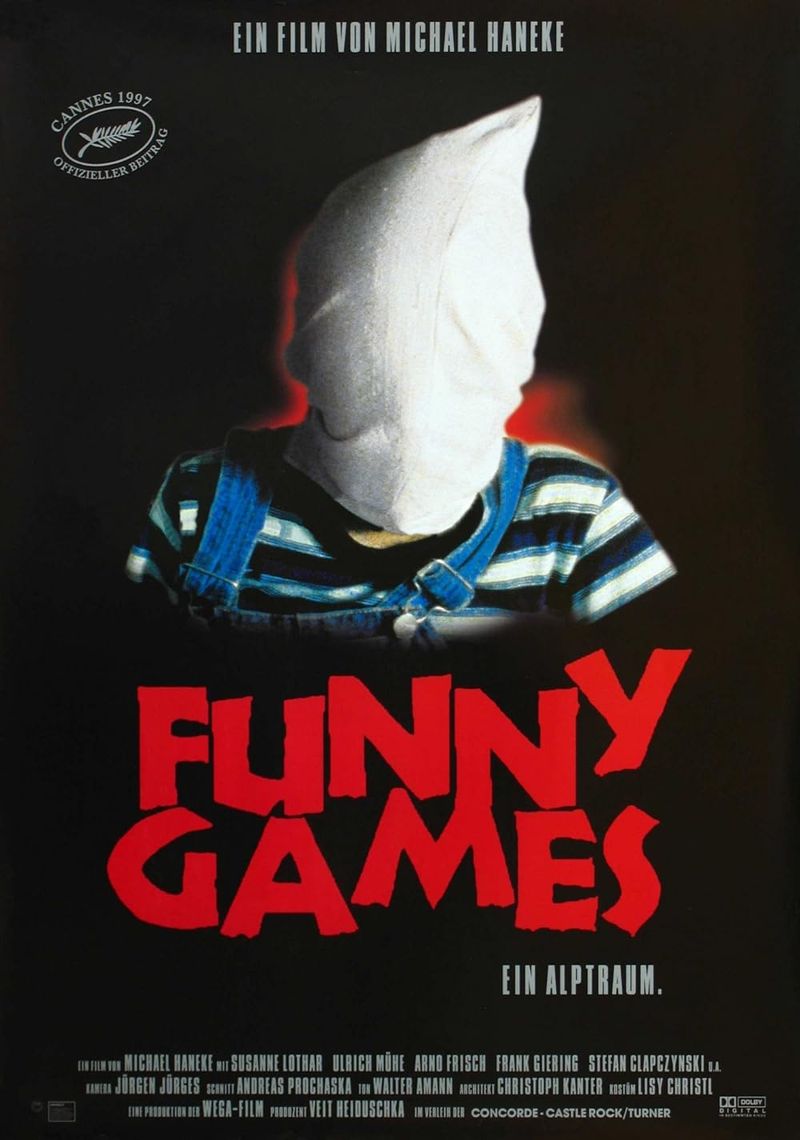
Funny Games opens like a normal family vacation film — until it doesn’t.
Two young men, perfectly polite and disturbingly cheerful, knock on a door and never truly leave.
Director Michael Haneke made this film as a deliberate challenge to audiences who enjoy watching violence for entertainment.
What makes it unbearable is the casualness.
The attackers joke, smile, and treat the family’s suffering like a game with rules only they understand.
There is no backstory, no reason, no monster logic to comfort you.
Haneke even breaks the fourth wall, making viewers feel complicit.
It is one of the most uncomfortable films ever made, and that discomfort is entirely the point.
You will question why you kept watching.
3. Prisoners (2013) — The Fear of Losing a Child Becomes Unbearable Obsession
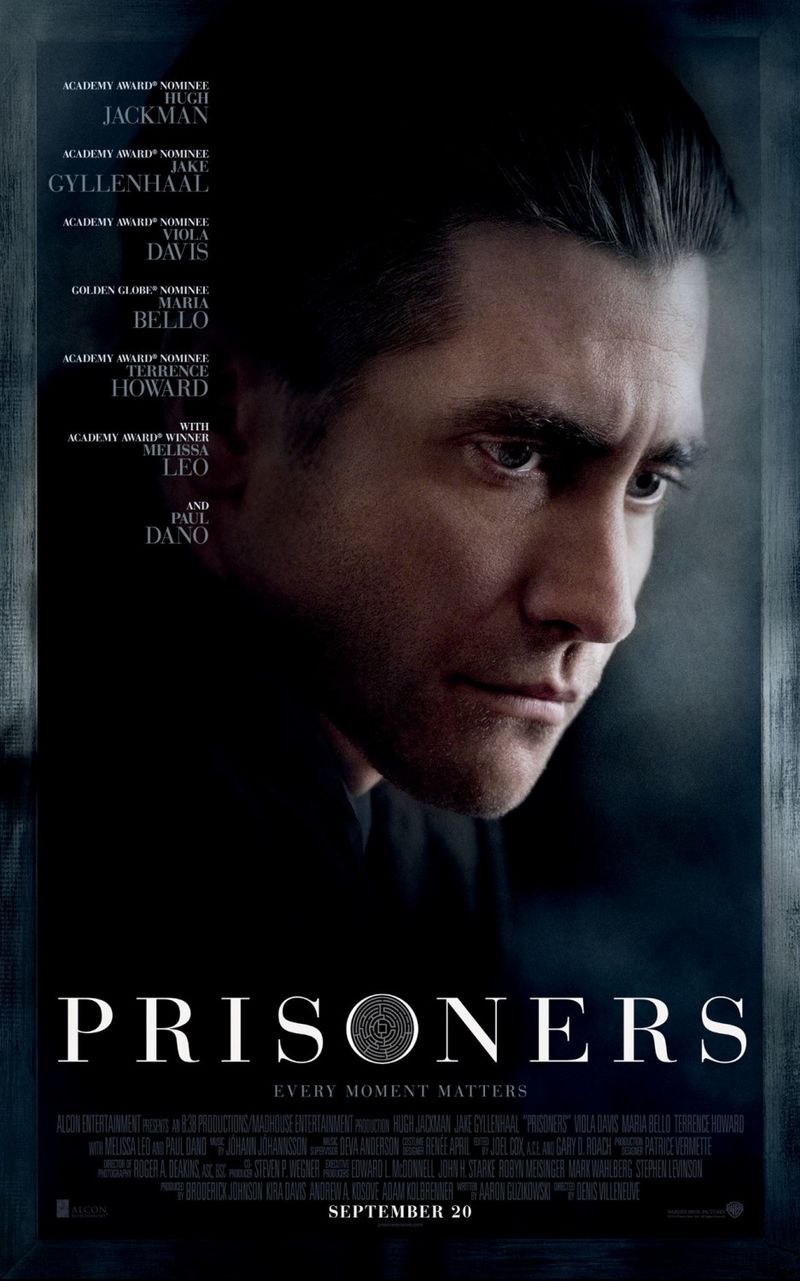
Every parent’s worst nightmare gets put on screen in Prisoners with relentless, suffocating intensity.
Two little girls go missing on Thanksgiving Day, and the investigation that follows tears two families completely apart.
Denis Villeneuve directs with a cold, grey palette that mirrors the emotional hopelessness on screen.
Hugh Jackman plays a father who refuses to wait for the police and takes terrifying matters into his own hands.
His desperation feels completely believable, which makes watching him spiral all the more disturbing.
You understand him even when his choices become truly horrifying.
The film forces you to ask how far you would go for someone you love.
The answer is scarier than any ghost story could ever be.
4. Black Swan (2010) — Perfectionism Slowly Mutates Into Paranoia and Madness
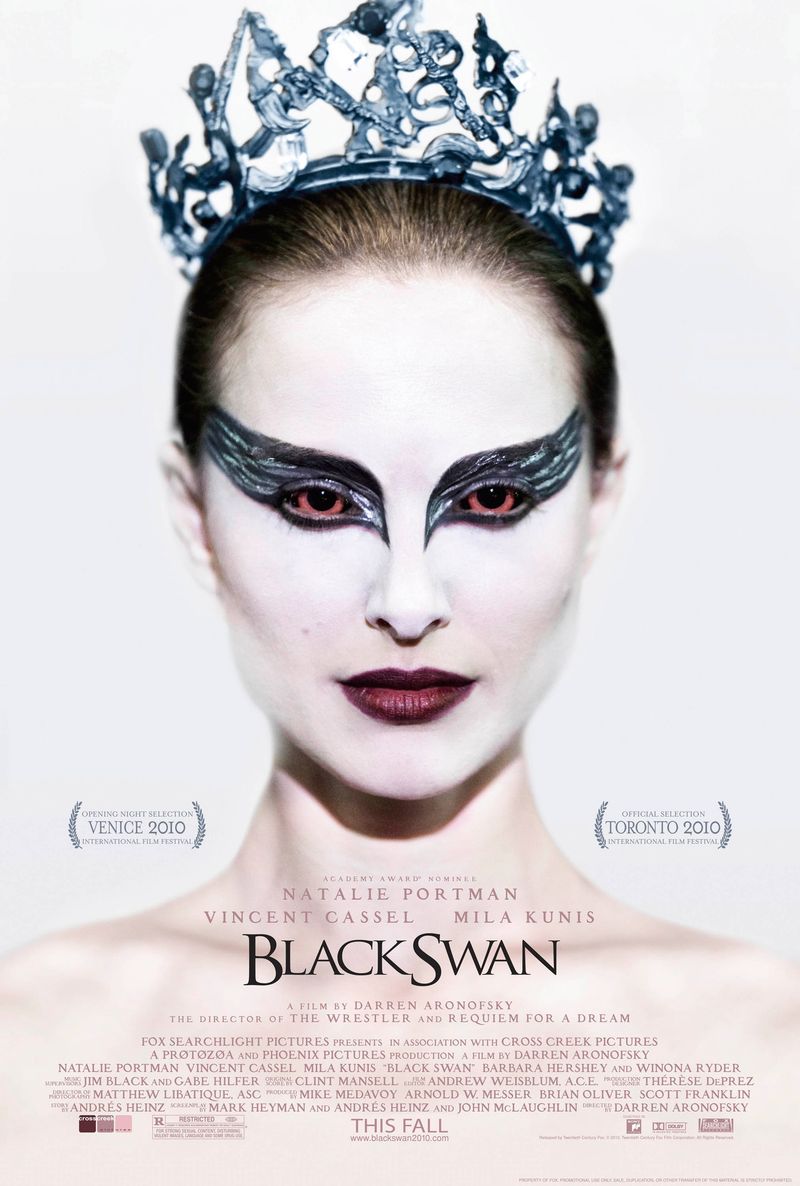
Darren Aronofsky turns the world of professional ballet into a psychological horror show that gets under your skin almost immediately.
Nina, a technically perfect dancer, is cast as the Swan Queen — a role requiring both purity and darkness she has never allowed herself to feel.
As opening night approaches, reality and delusion begin to blur in deeply unsettling ways.
The film uses body horror and paranoia to show how the pressure to be perfect can shatter a person completely.
Natalie Portman’s performance is raw, desperate, and genuinely frightening.
What makes Black Swan so effective is how recognizable the obsession feels.
Most people have experienced the fear of not being enough.
Aronofsky just pushes that feeling to its absolute, terrifying extreme.
5. No Country for Old Men (2007) — Anton Chigurh Proves a Calm Man Can Be Scarier Than Any Monster
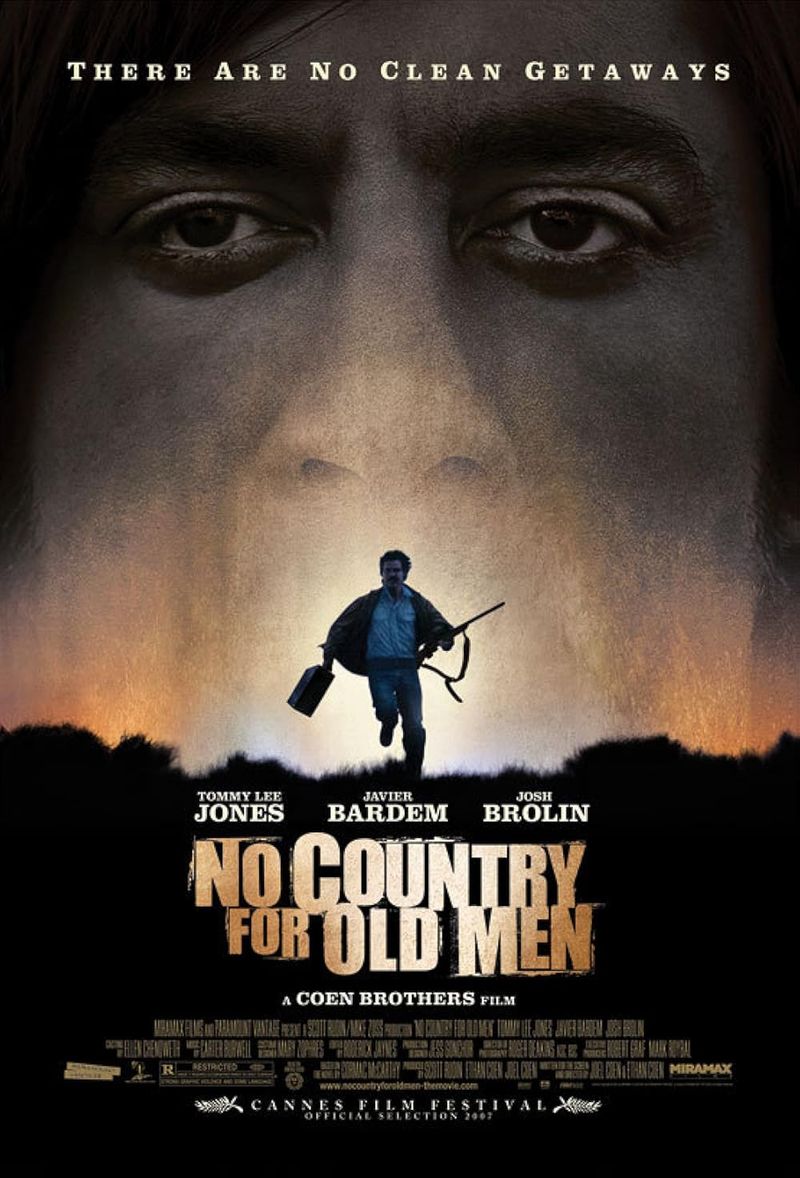
Anton Chigurh does not roar, does not chase, and does not panic.
He simply walks toward you with complete, unshakeable certainty — and that is exactly what makes him one of cinema’s most terrifying characters.
The Coen Brothers adapted Cormac McCarthy’s novel with stunning restraint and precision.
Chigurh operates by his own moral code, flipping coins to decide fates and treating death like a philosophical inevitability.
Javier Bardem won an Oscar for this role, and every second of his screen time is deeply unsettling.
You hold your breath whenever he appears.
The film also carries a quiet sadness about a world where evil moves freely and justice arrives too late.
That helplessness lingers far longer than any jump scare.
6. Zodiac (2007) — The Randomness and Realism of the Killer Make It Deeply Unsettling
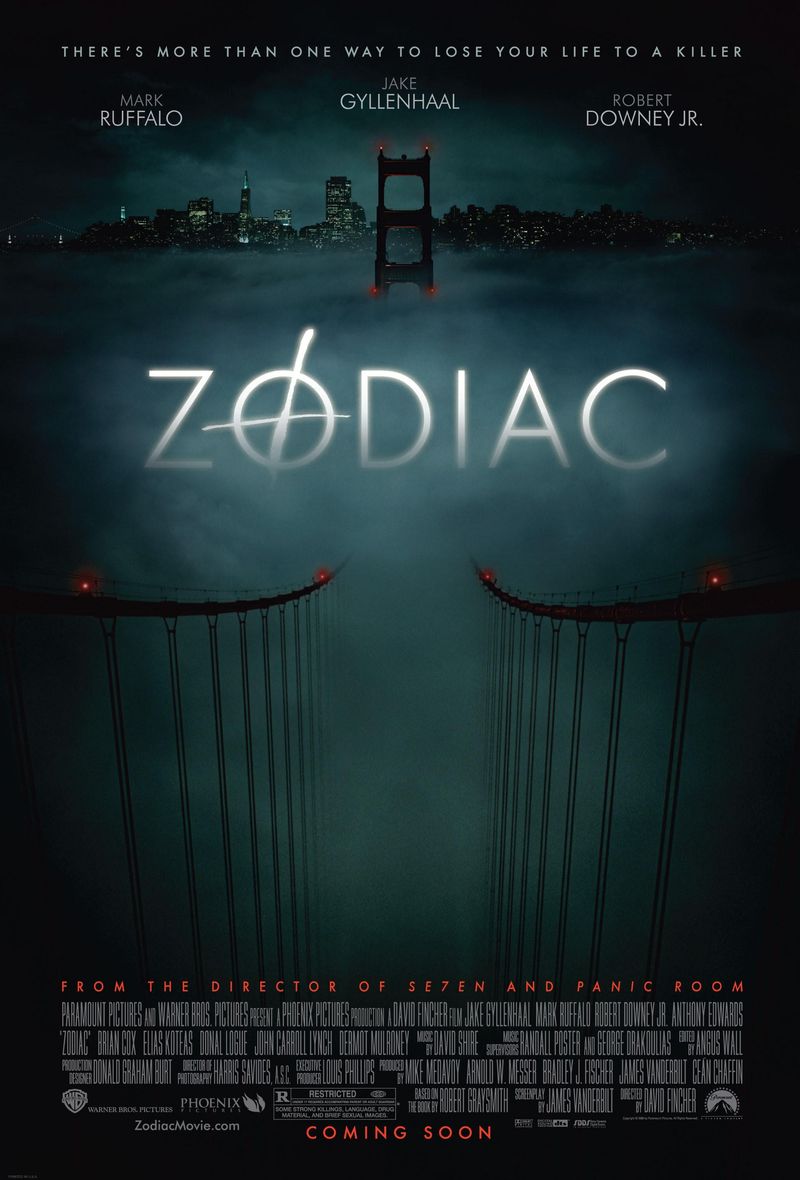
Based on real events, Zodiac follows the decades-long investigation into one of America’s most infamous uncaught killers.
David Fincher strips away all the glamour typically attached to serial killer stories and replaces it with something far more disturbing — the grinding, maddening reality of an unsolved case.
The Zodiac Killer targeted random people and sent coded messages to newspapers, turning his crimes into a public obsession.
Watching investigators slowly lose their grip on sanity and careers is more frightening than any fictional monster.
Jake Gyllenhaal plays a cartoonist who becomes consumed by the case long after everyone else has moved on.
His obsession mirrors the audience’s own — and that self-awareness makes the film genuinely haunting.
Some mysteries simply stay unsolved.
7. The Silence of the Lambs (1991) — Hannibal Lecter Barely Moves Yet Dominates Every Scene With Terror
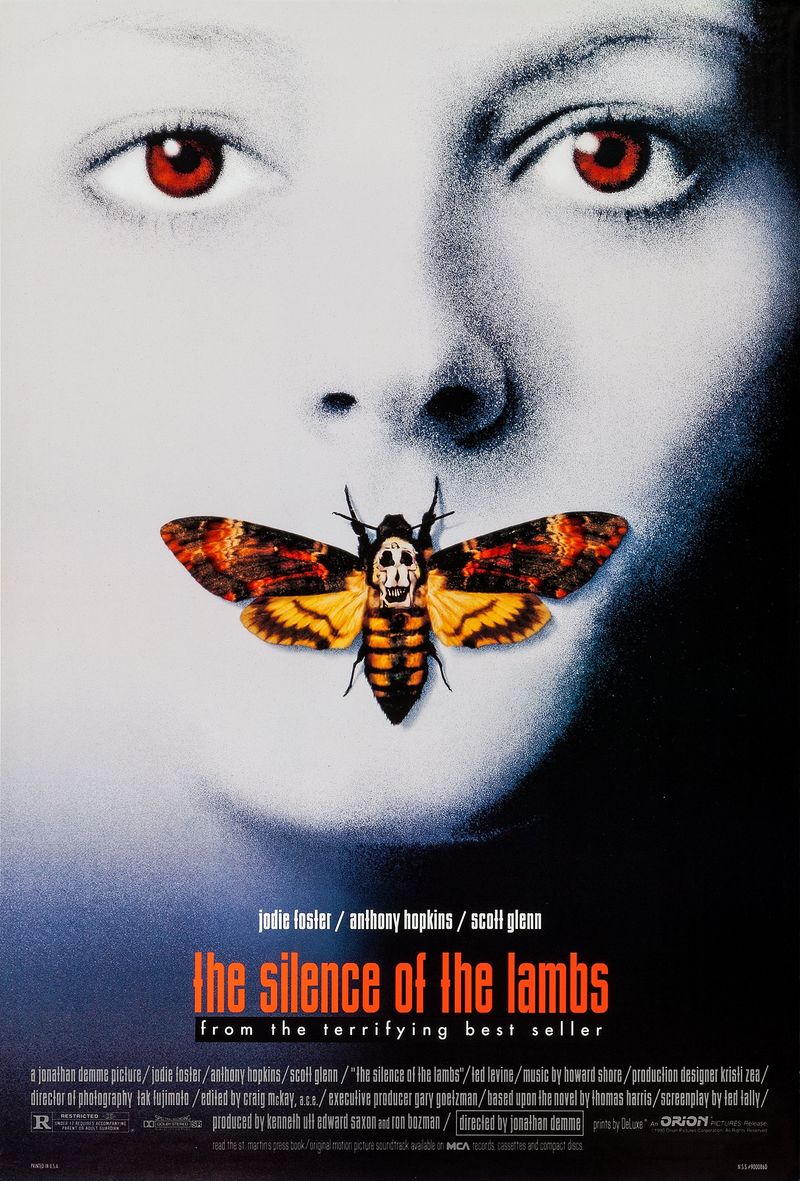
Anthony Hopkins appears in The Silence of the Lambs for fewer than 16 minutes of screen time, yet his presence fills every single frame of the film.
Hannibal Lecter never needs to shout or lunge — his voice alone makes your skin crawl.
That restraint is what makes him so uniquely terrifying.
FBI trainee Clarice Starling must consult Lecter to catch another serial killer, and their conversations crackle with psychological tension.
Jodie Foster matches Hopkins perfectly, giving Clarice intelligence and vulnerability in equal measure.
The film won all five major Academy Awards — a rare achievement — and it earned every one of them.
Decades later, Lecter remains the gold standard for cinematic evil.
No fangs required, no special effects needed.
8. Misery (1990) — A Superfan Traps Her Favorite Author in a Nightmare With No Escape
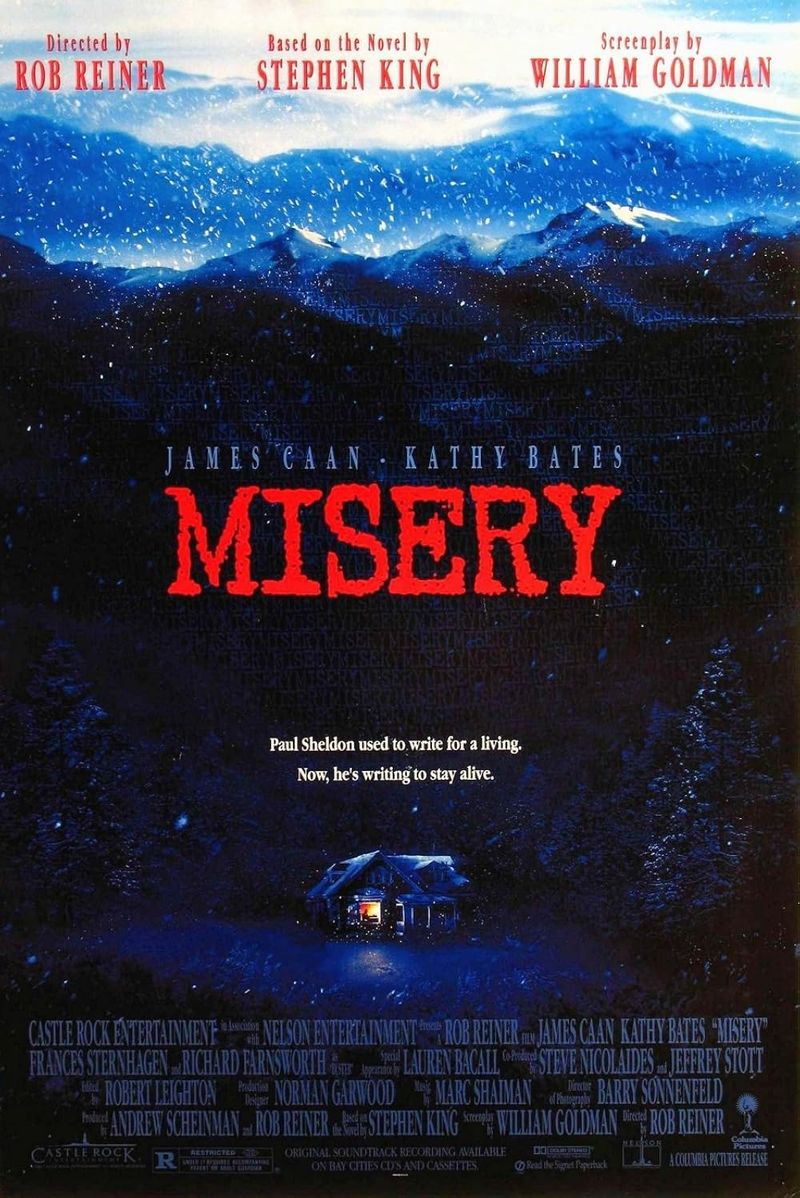
Stephen King wrote the novel, but Rob Reiner’s film adaptation of Misery turned it into something even more viscerally terrifying.
Paul Sheldon, a bestselling novelist, crashes his car in a blizzard and is rescued by Annie Wilkes — his self-described number-one fan.
At first it seems like luck.
It is absolutely not.
Annie’s admiration curdles quickly into obsession and control, and James Caan’s helplessness as Paul feels horrifyingly real.
Kathy Bates won an Oscar for her portrayal of Annie, delivering a performance that swings between warmth and absolute menace without warning.
The terror here is claustrophobic — one house, one captor, no way out.
Misery taps into the universal fear of being completely powerless, and it does so with relentless, suffocating effectiveness.
9. Requiem for a Dream (2000) — Addiction Becomes the Most Horrifying Force Imaginable
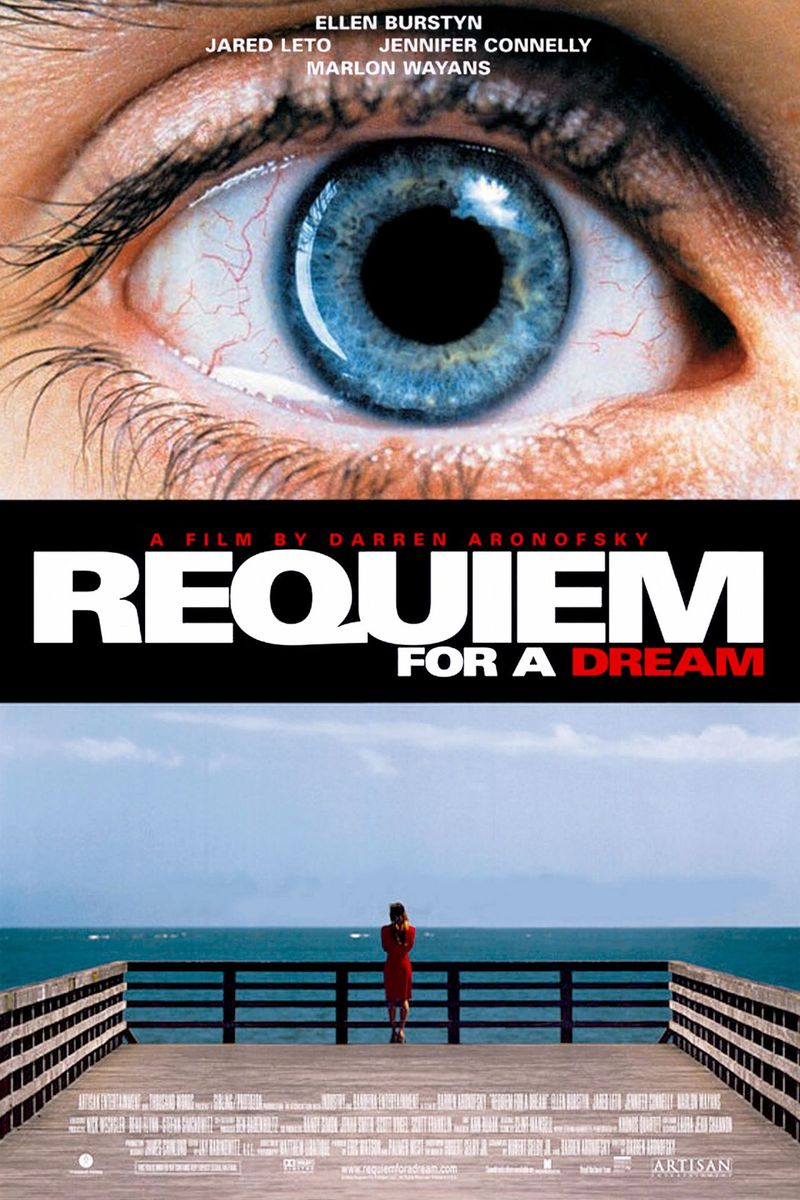
Darren Aronofsky does not make addiction look glamorous in Requiem for a Dream.
He makes it look like a slow, inevitable collapse — and he films it with such relentless intensity that watching becomes genuinely painful.
Four characters chase their dreams and lose everything in the process.
An elderly woman becomes addicted to diet pills while dreaming of appearing on television.
Her son and his friends spiral into heroin dependency, each downward step more devastating than the last.
The film uses split screens, rapid editing, and distorted sound to put you inside the experience.
By the final act, Requiem for a Dream has become one of the most harrowing films ever made.
No villain, no monster — just the terrifying power of human vulnerability and desire.
10. Nightcrawler (2014) — Watching a Sociopath Thrive in Modern Media Is Disturbingly Believable
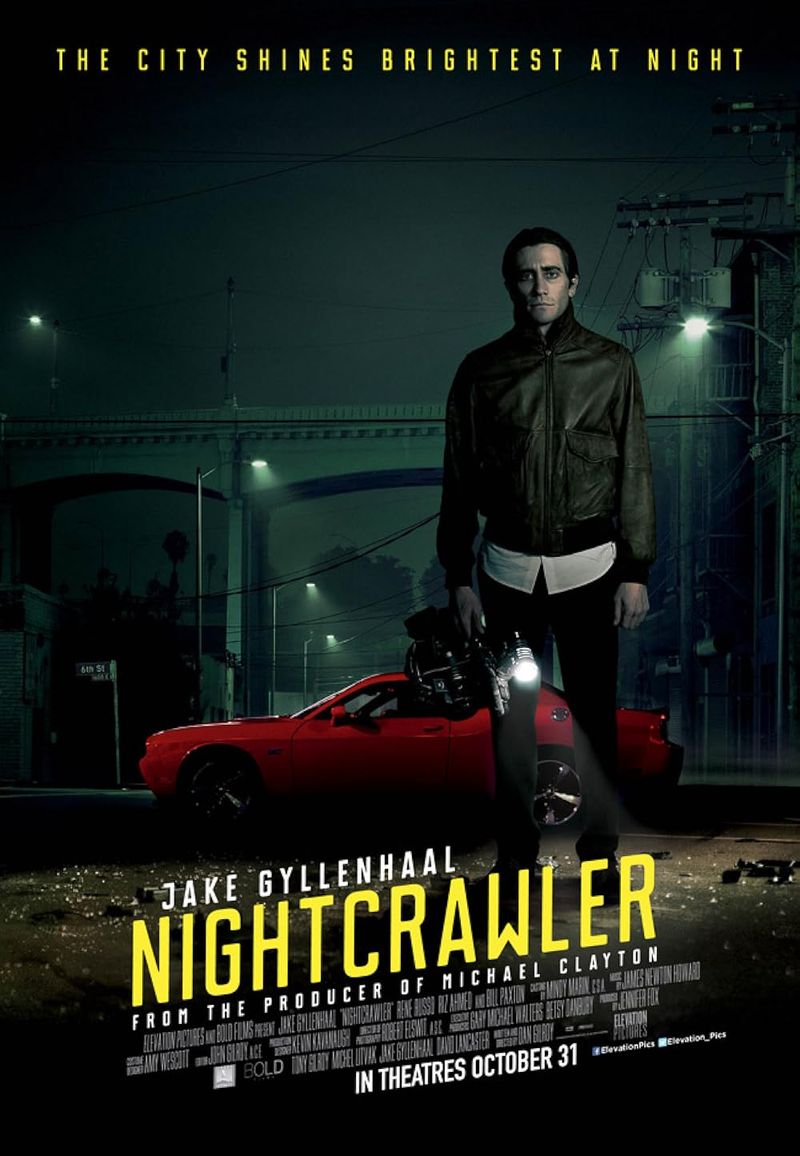
Lou Bloom does not seem dangerous at first.
He is ambitious, articulate, and eager to learn — the kind of person motivational posters were made for.
The terrifying twist is that Lou has absolutely no moral compass whatsoever, and modern television news rewards him for it.
Jake Gyllenhaal lost significant weight for the role, giving Lou a gaunt, predatory intensity that never lets you feel comfortable.
He films crime scenes for local news stations, pushing further and further past ethical limits because the ratings keep climbing.
Nightcrawler works as horror because it is essentially a success story.
Lou wins.
The system is designed to let people like him thrive, and that reality is far scarier than any fictional nightmare could manage.
11. The Invitation (2015) — Dinner-Party Tension Slowly Spirals Into Dread You Can Feel in Your Chest
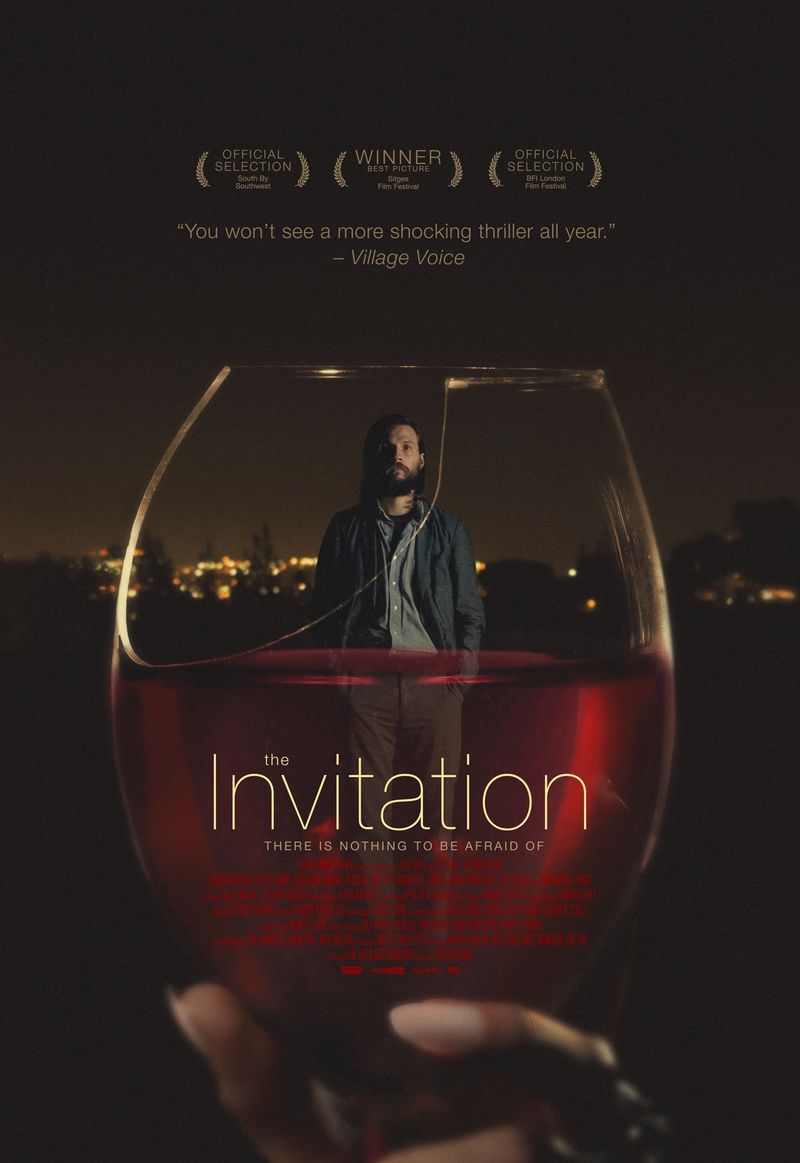
Few films weaponize social politeness as effectively as The Invitation.
Will attends a dinner party hosted by his ex-wife and her new partner in the Hollywood Hills, and something feels off from the moment he arrives.
But is the dread real, or is Will’s grief making him paranoid?
Director Karyn Kusama stretches that question across the entire film, making viewers second-guess their own instincts right alongside the main character.
Every polite conversation and forced smile carries a layer of threat that slowly builds to an unbearable pressure.
The film understands that real horror often hides behind normal social situations — the dinner party you cannot leave, the host you cannot offend.
That recognizable discomfort makes The Invitation genuinely terrifying in a way that feels too close to home.
12. Creep (2014) — Found-Footage Discomfort at Its Absolute Worst
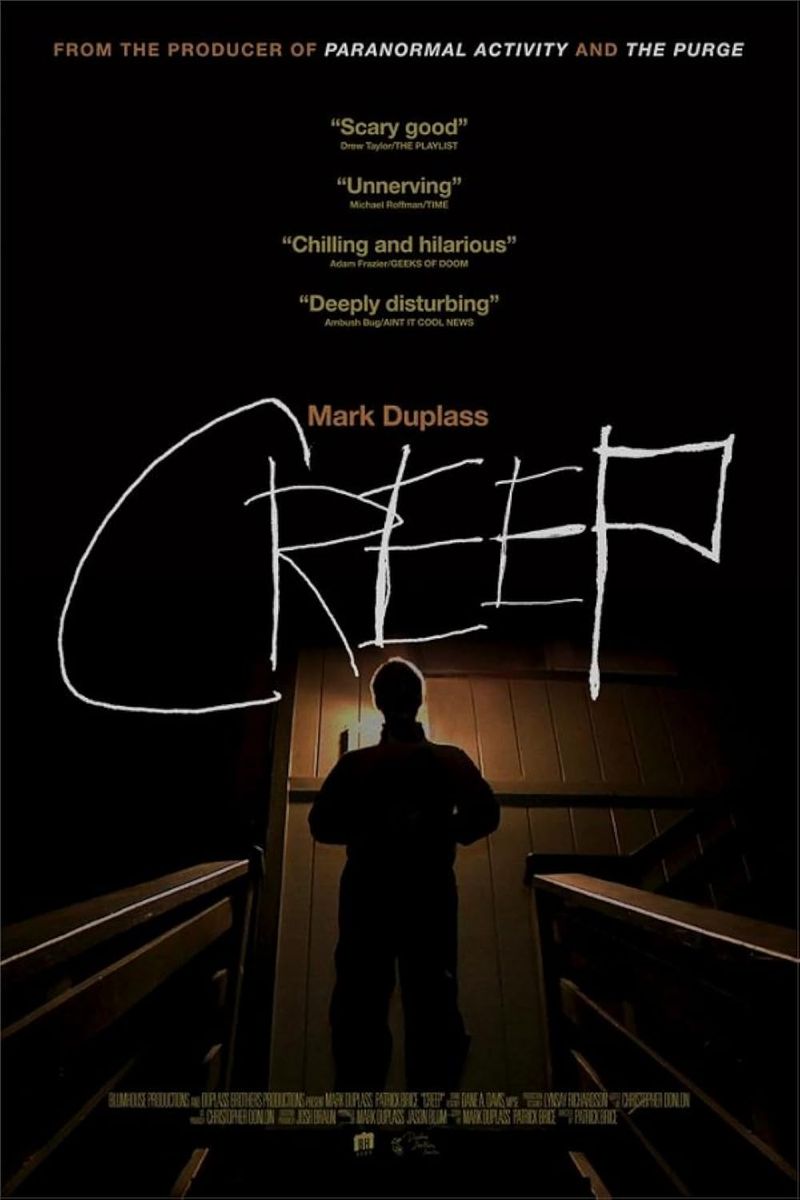
Mark Duplass stars in and co-wrote Creep, a found-footage film so uncomfortably believable that it feels less like watching a movie and more like witnessing a real mistake unfold in real time.
A videographer answers a Craigslist ad to film a stranger for the day — simple enough, until it really is not.
Josef, the client, behaves in ways that are strange but never quite explainable.
He is too friendly, too open, too intense in ways that feel socially wrong rather than obviously dangerous.
That ambiguity is exactly what makes Creep so effective and so hard to shake.
The film cost almost nothing to make but delivers a sustained dread that expensive productions rarely achieve.
It understands that the scariest people are the ones who are almost normal.
Almost.
13. Hereditary (2018) — Family Trauma and Grief Are What Really Destroy You
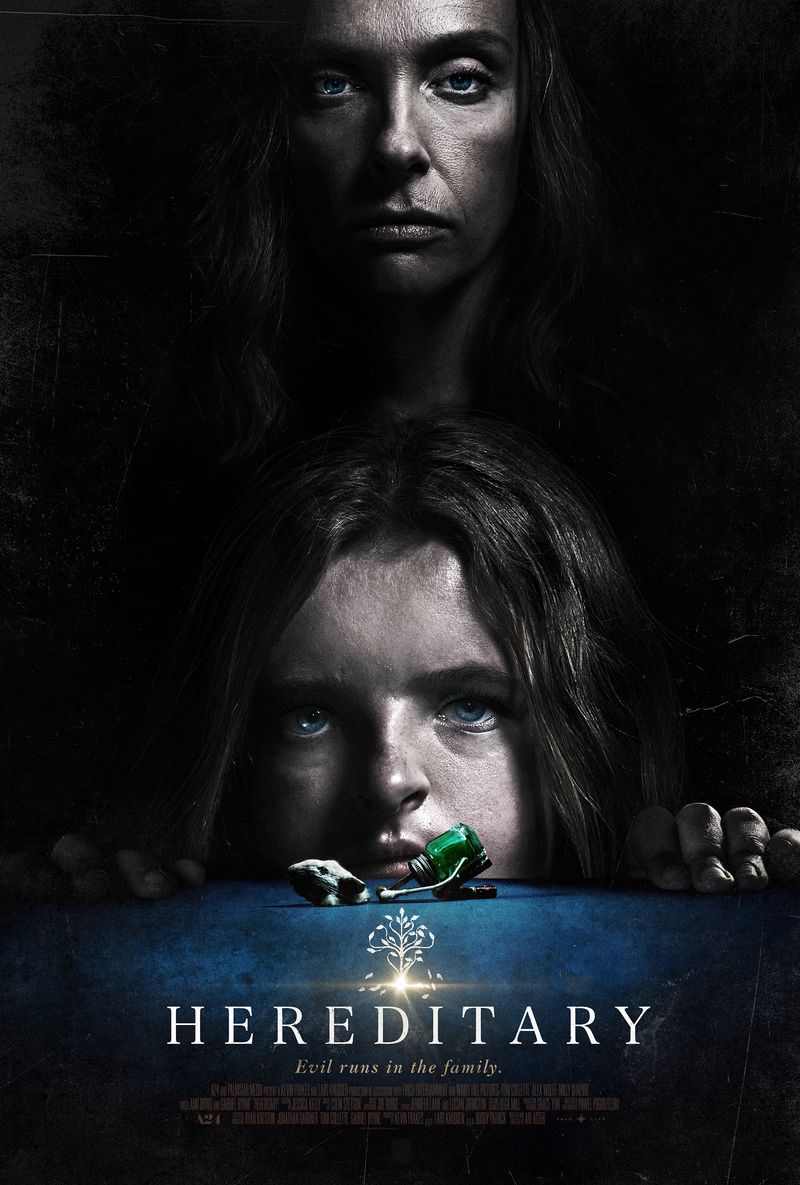
Hereditary begins as a grief film and slowly transforms into something far more disturbing, but the horror was always there — buried inside the family long before the story starts.
Toni Collette delivers one of the most raw, terrifying performances in modern cinema as a mother unraveling after loss.
Director Ari Aster uses the family home like a dollhouse — a place where people are manipulated by forces they cannot see or name.
The film is filled with images that burn themselves into your memory without permission.
You will not forget certain scenes no matter how hard you try.
What separates Hereditary from typical horror is its emotional core.
The supernatural elements are real, but the true horror is how trauma passes quietly from parent to child across generations.
14. Gone Girl (2014) — A Toxic Relationship Weaponized Into Psychological Warfare
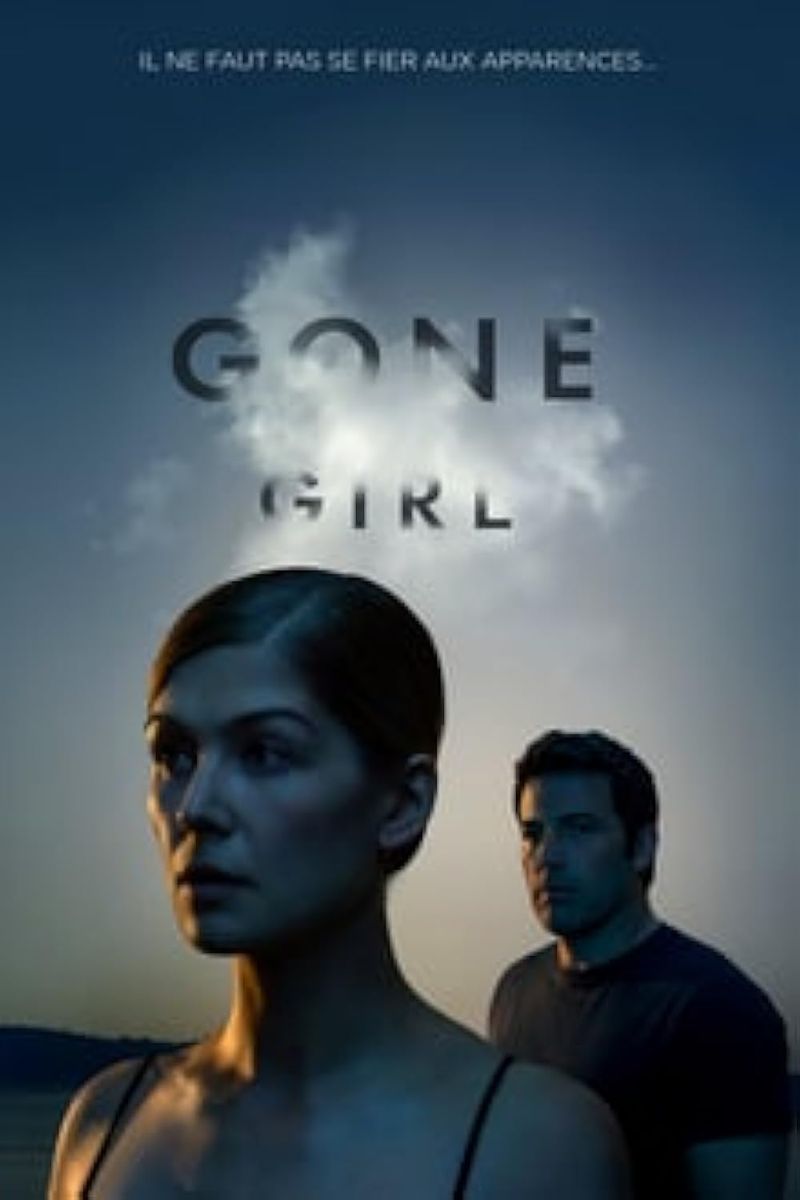
Gone Girl opens with a husband reporting his wife missing on their wedding anniversary — and then methodically dismantles every assumption you make about who is telling the truth.
David Fincher directs Gillian Flynn’s adaptation with cold precision, turning a missing-person story into a razor-sharp examination of marriage, media, and manipulation.
Rosamund Pike’s performance as Amy Dunne is one of cinema’s great achievements in controlled menace.
She smiles warmly and plans ruthlessly, revealing how intelligence can be turned into the ultimate weapon when someone feels backed into a corner.
Gone Girl is terrifying because its central anxiety — that you might never truly know the person you love — is completely universal.
Every couple watching it will feel at least a small, uncomfortable chill.
That is exactly the point.
15. We Need to Talk About Kevin (2011) — The Terrifying Idea That Evil Can Grow Quietly Inside a Family
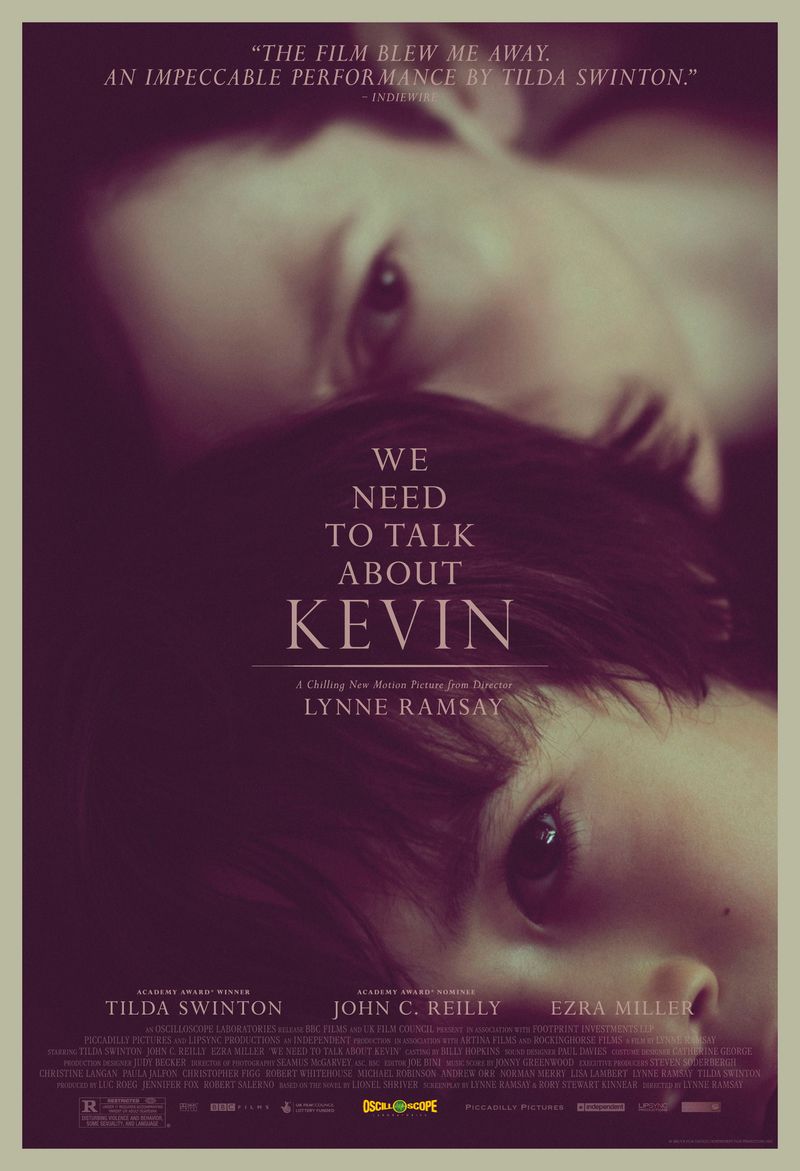
Lynne Ramsay’s film is one of the most emotionally devastating horror experiences in modern cinema — and it never once shows you a monster.
Eva, played brilliantly by Tilda Swinton, spends the film processing the unthinkable: her teenage son committed an act of mass violence, and she wonders if she ever truly knew him at all.
The film moves through time in fragmented, memory-like pieces, reflecting Eva’s fractured psychological state.
Kevin is shown as cold and calculating from early childhood, yet the film refuses to offer easy answers about nature versus nurture.
We Need to Talk About Kevin forces an unbearable question: what if love is not enough to save someone?
That quiet, creeping dread makes it one of the most haunting films ever committed to screen.
16. The Gift (2015) — A Man From the Past Returns to Quietly Unravel a Couple’s Entire Life
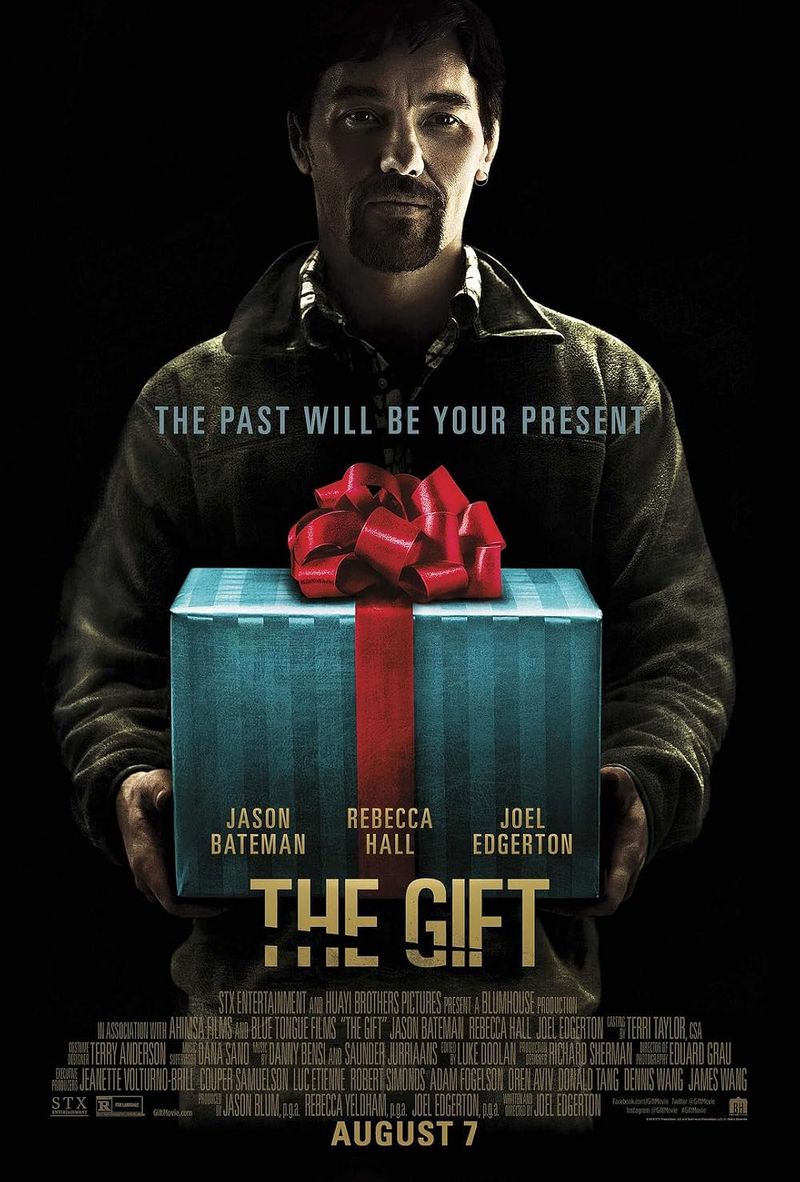
Joel Edgerton wrote, directed, and starred in this film — which tells you everything.
He plays Gordo, a soft-spoken former classmate who reappears in a couple’s life bearing gifts and unsettling smiles.
You keep waiting for him to snap, and he never does.
The film weaponizes social discomfort beautifully.
Every polite exchange hides something darker underneath, and Rebecca Hall’s quiet unease as the wife feels completely real.
What truly terrifies here is the final reveal.
Old cruelty, buried shame, and the question of whether we ever escape what we have done to others — that is the real monster.
17. Compliance (2012) — A Single Phone Call Convinces Ordinary People to Do Unthinkable Things
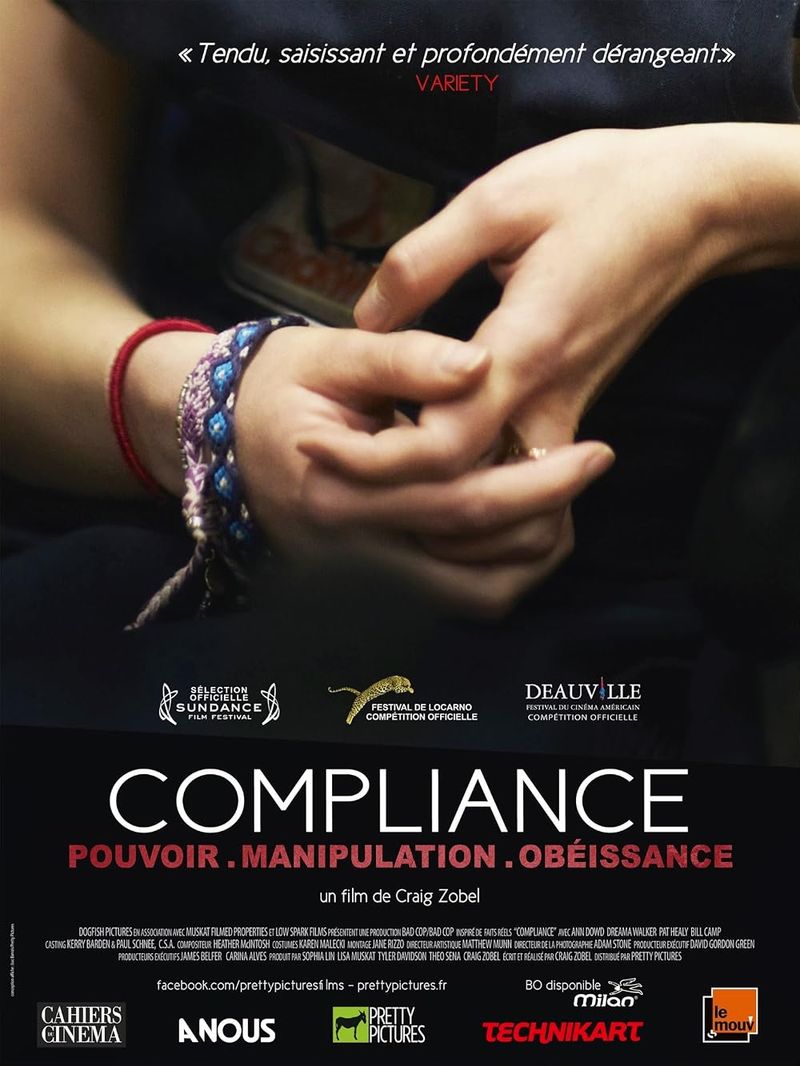
Based on a true story, and that fact alone will haunt you long after the credits roll.
A man calls a fast-food restaurant pretending to be a police officer and convinces the manager to hold a young employee captive.
No gun, no force — just a voice on the phone.
The film is deeply uncomfortable because you can understand, on some level, how it happened.
Authority and blind obedience can override common sense in ways most people never want to admit.
Compliance never lets the viewer feel superior.
It asks quietly, and without mercy: would you have done any differently?
18. Hard Candy (2005) — Predator Becomes Prey in the Most Unnerving Role Reversal
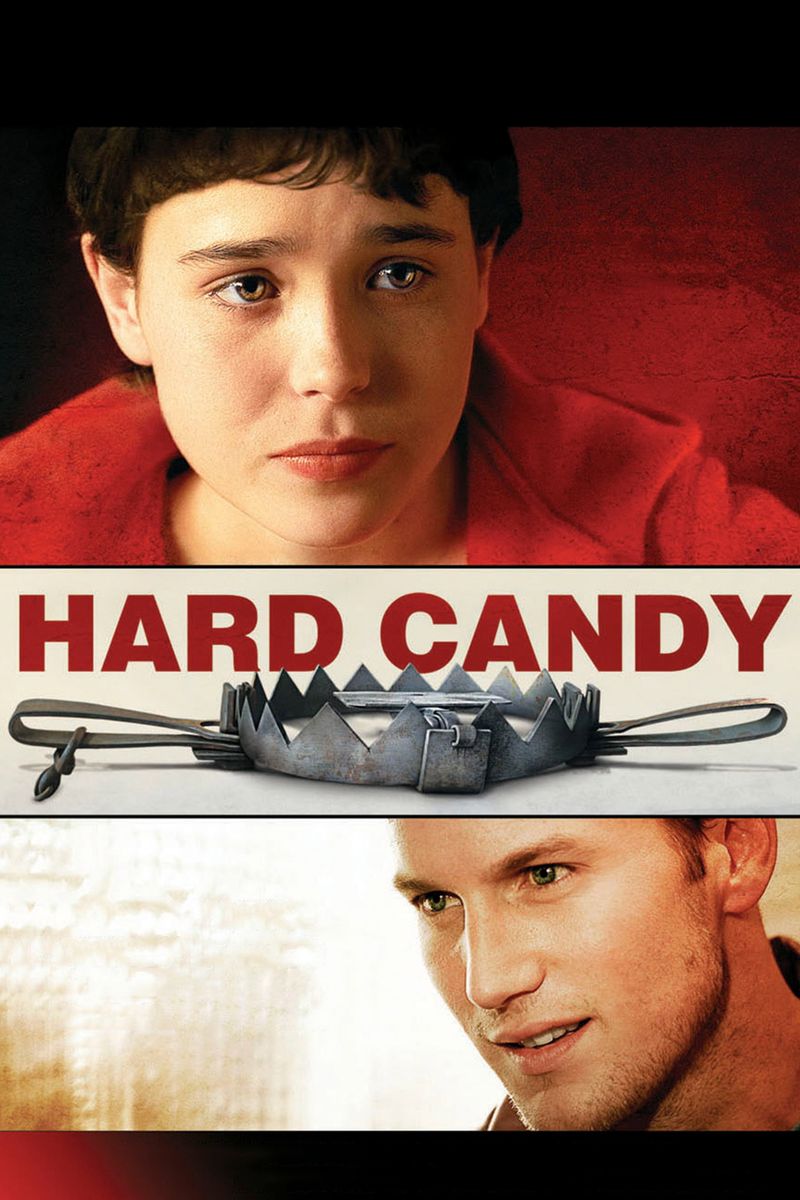
Most thrillers tell you who to root for within the first five minutes.
Hard Candy refuses.
It drops you into a conversation between a grown photographer and a 14-year-old girl he met online, and the discomfort starts immediately.
Then the film flips the script in ways nobody sees coming.
Elliot Page delivers a performance so controlled and unsettling that it rewires how you process the entire story.
The power shifts, and the tension becomes almost unbearable.
Hard Candy is a film with no safe corner to stand in.
You will question your own reactions the entire time.