 MomSkoop
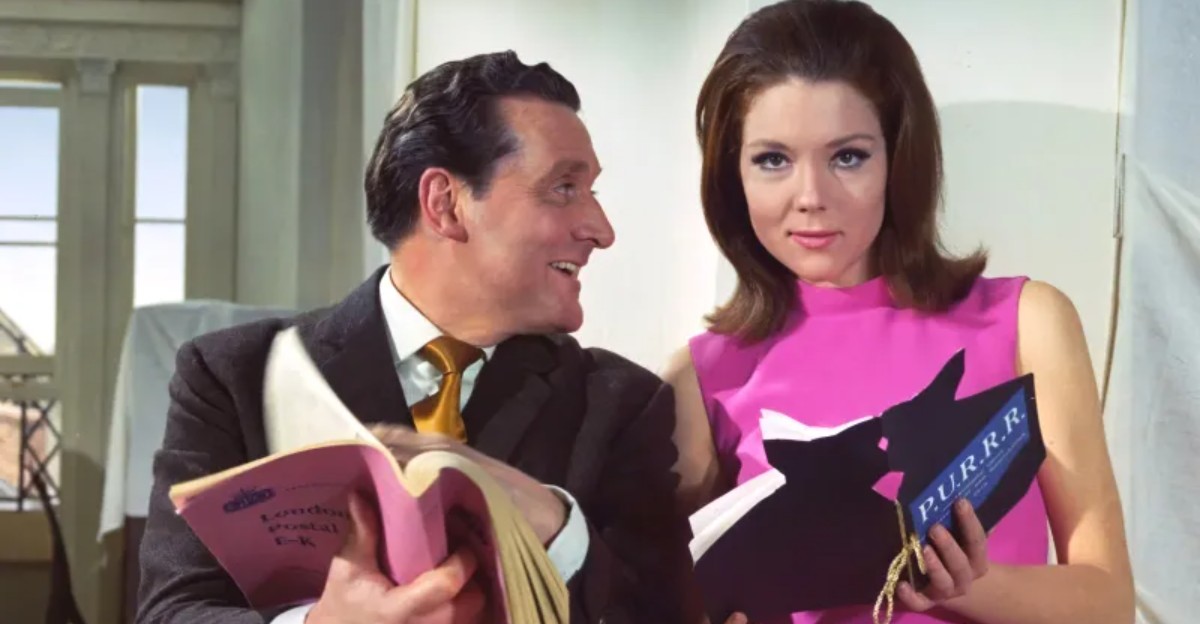
The Mod movement exploded out of London in the early 1960s, bringing with it bold colors, geometric patterns, mini skirts, and sharp tailoring that changed fashion forever. From cool scooter-riding teens to suave secret agents, the Mod look became a symbol of youth, rebellion, and style.
Filmmakers and TV producers quickly caught on, dressing their characters in outfits that made audiences stop and stare. Whether you love vintage fashion or just enjoy great storytelling, these 14 iconic characters prove that the Mod look never really goes out of style.
1. Jimmy Cooper – Quadrophenia (1979)
Few characters in cinema history wore the Mod look with as much raw desperation as Jimmy Cooper in the 1979 British film Quadrophenia.
Played by Phil Daniels, Jimmy is a working-class London teenager who lives and breathes the Mod lifestyle, right down to his badge-covered parka and beloved Vespa scooter.
His wardrobe is not just fashion – it is identity.
The sharp suits, button-down shirts, and army parka represent his fierce need to belong to something bigger than his dull daily life.
Quadrophenia remains one of the most authentic portrayals of Mod culture ever put on screen, and Jimmy Cooper sits at the very heart of it all.
2. Ace Face – Quadrophenia (1979)
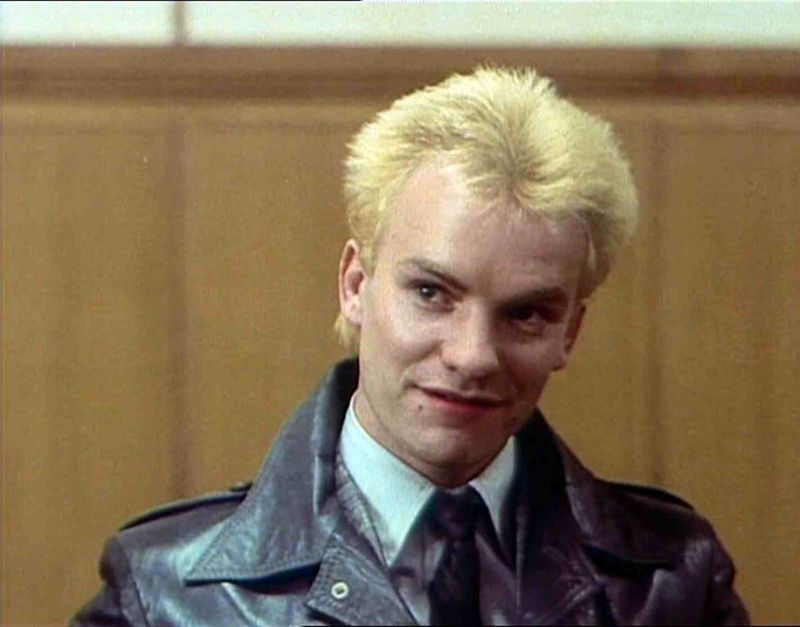
Ace Face is the coolest kid in the room, and he knows it.
Played by a very young Sting in Quadrophenia, this character is the undisputed leader of the Mod gang, and his clothing reflects every bit of that status.
His perfectly tailored suits, crisp shirts, and polished shoes make him look like he stepped out of a fashion magazine rather than the streets of Brighton.
Every other Mod in the film wants to dress like him, ride like him, and be him.
The twist at the film’s end makes Ace Face one of cinema’s most memorable style icons, proving that even the sharpest suit cannot hide a hollow life underneath.
3. Alfie Elkins – Alfie (1966)
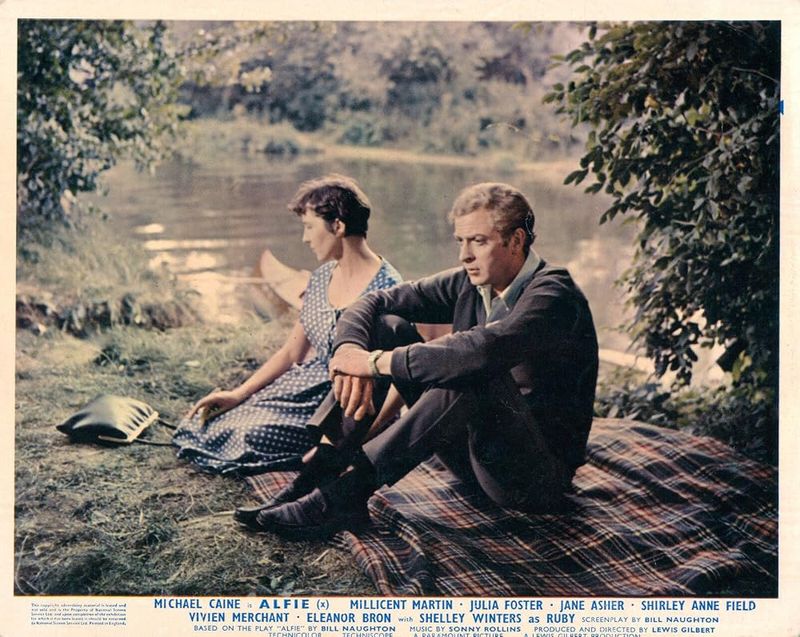
Michael Caine made Alfie Elkins one of the most charming and infuriating characters of the 1960s, and his wardrobe was a huge part of that appeal.
Slim-cut suits, stylish turtlenecks, and perfectly fitted trousers gave Alfie the look of a man who always had somewhere better to be.
His clothing told you everything about his personality before he even opened his mouth.
Alfie dresses like a man who believes the world owes him a good time, and somehow, people keep agreeing with him.
The film captured swinging London at its most fashionable peak, and Alfie’s Mod wardrobe became a blueprint for male style throughout the entire decade.
4. Thomas – Blow-Up (1966)
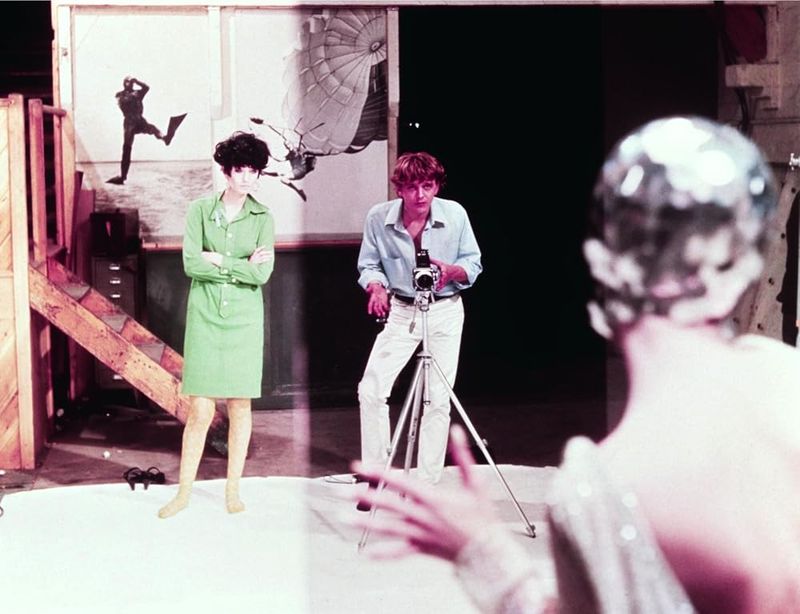
Michelangelo Antonioni’s Blow-Up dropped audiences right into the heart of swinging London, and Thomas, played by David Hemmings, was the perfect guide.
As a fashionable photographer riding high on success, Thomas wears the Mod look with effortless confidence.
Brightly colored fitted shirts, slim-cut trousers, and Chelsea boots paint a picture of a man completely absorbed in the glamorous, fast-moving world around him.
His wardrobe feels less like costume and more like a natural extension of his personality and profession.
Blow-Up remains a stunning time capsule of 1960s London style, and Thomas stands as one of the most visually striking Mod characters ever captured on film.
5. Austin Powers – Austin Powers Films
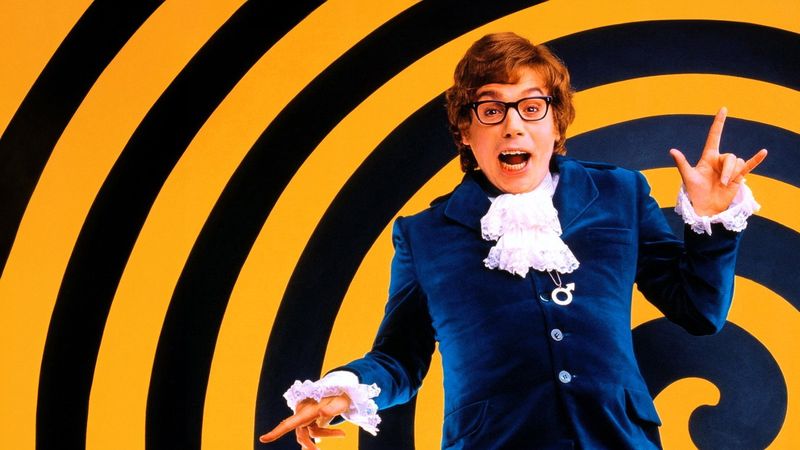
Nobody played the Mod look for laughs quite like Austin Powers, the groovy secret agent created by Mike Myers.
Velvet suits in wild colors, ruffled shirts, Union Jack prints, and oversized glasses turned Austin into a walking parody of everything the 1960s stood for in fashion.
What made it genius was how accurate the references actually were.
Myers clearly studied the era deeply, then cranked every detail up to maximum volume for comic effect.
Austin Powers introduced the Mod aesthetic to a whole new generation of fans in the 1990s and 2000s, proving that even when played for laughs, the bold, carefree spirit of the original Mod movement still had enormous cultural power.
6. Vanessa Kensington – Austin Powers: International Man of Mystery (1997)
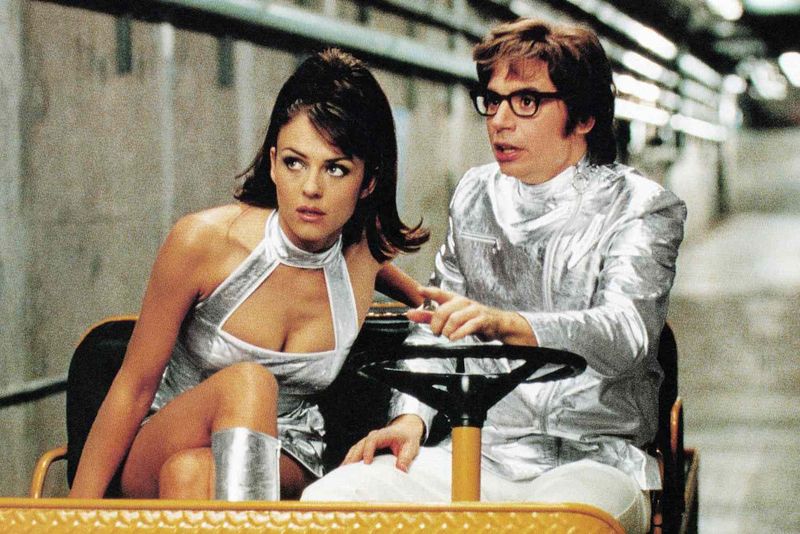
Elizabeth Hurley brought elegance and sharp comic timing to Vanessa Kensington, the sophisticated British agent who reluctantly partnered with Austin Powers.
Her wardrobe was a love letter to the glamorous female side of 1960s Mod fashion.
Geometric-patterned mini dresses, sleek go-go boots, and perfectly coordinated accessories gave Vanessa a look that felt both authentic to the era and genuinely chic.
She balanced the film’s wild comedy with a grounded, stylish presence that made her instantly memorable.
Vanessa proved that the Mod look was not just about being outrageous.
Sometimes, wearing the right shift dress with the right pair of boots is all it takes to completely own the room.
7. Felicity Shagwell – Austin Powers
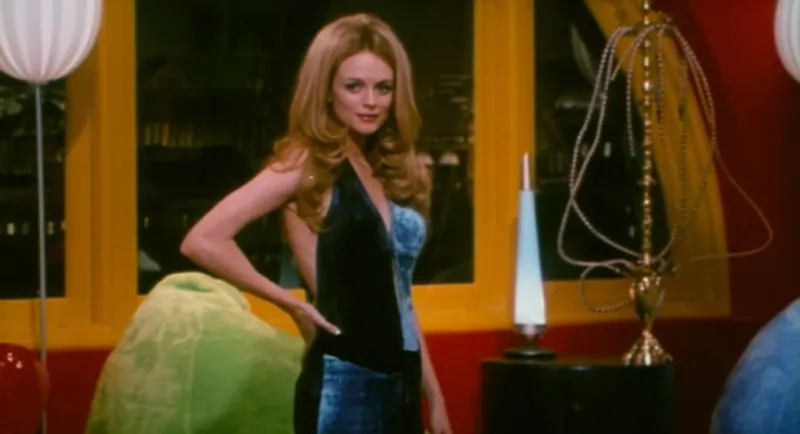
Felicity Shagwell, played by Heather Graham, brought an all-American twist to the Mod spy aesthetic in the second Austin Powers film.
Her outfits leaned into the playful, psychedelic side of late-1960s fashion with bold prints, vivid colors, and figure-hugging silhouettes.
Roller skates in one memorable scene added a fun, carefree energy that perfectly matched her cheerful, fearless personality.
Felicity’s wardrobe felt like the California sun had crashed into a London boutique and come out wearing something fabulous.
Her character showed how the Mod look had traveled across the Atlantic by the late 1960s, picking up new energy and confidence along the way before landing squarely on the big screen.
8. Emma Peel – The Avengers (1960s TV Series)
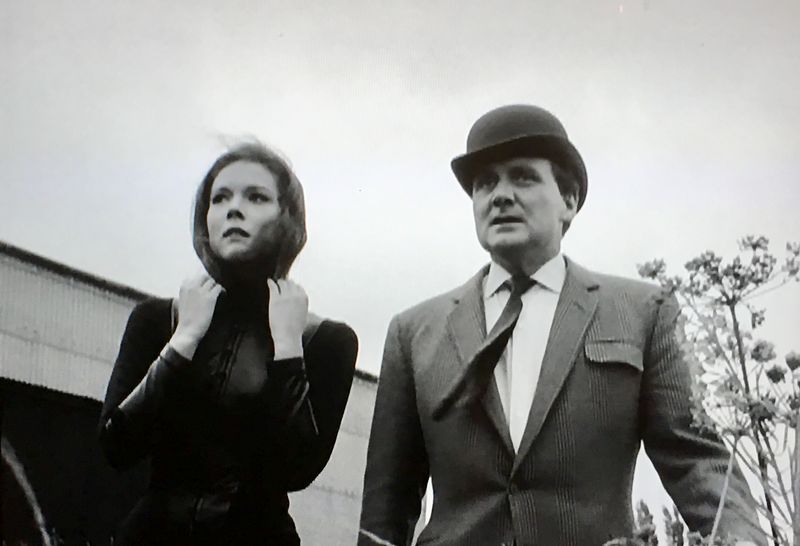
Emma Peel is arguably the most iconic female Mod style icon in television history.
Played by Diana Rigg in The Avengers, she wore leather catsuits, geometric jumpsuits, and bold-colored mini dresses that made her look as dangerous as she actually was.
Designer John Bates created many of her outfits specifically to allow her to perform her own fight scenes, which means her Mod wardrobe was as functional as it was stunning.
That combination of beauty and practicality felt genuinely revolutionary for television in the 1960s.
Decades later, fashion designers still reference Emma Peel when creating collections.
Her influence on how strong, stylish women are dressed on screen cannot be overstated.
9. John Steed – The Avengers (1960s TV Series)
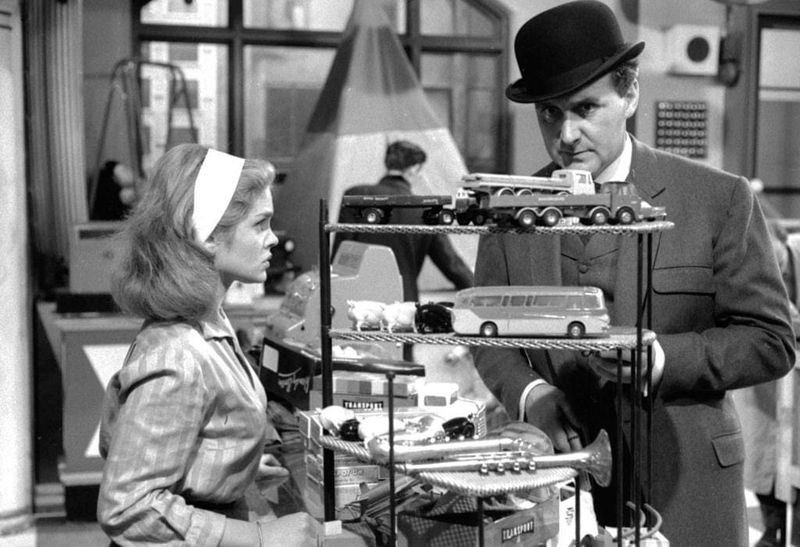
While Emma Peel grabbed most of the fashion headlines, John Steed – played by Patrick Macnee – had his own quietly brilliant Mod-influenced wardrobe that made him one of television’s sharpest-dressed men.
His look blended traditional British tailoring with the slim, precise silhouettes that defined the era.
Bowler hats, waistcoats, perfectly cut suits, and that ever-present rolled umbrella gave Steed a look that was both timeless and very much of its moment.
He made dressing impeccably look completely effortless.
Steed showed that the Mod movement was not only for the young and rebellious.
Sometimes, the most stylish person in the room is the one who knows exactly which rules to keep.
10. Number Six – The Prisoner (1967-68)
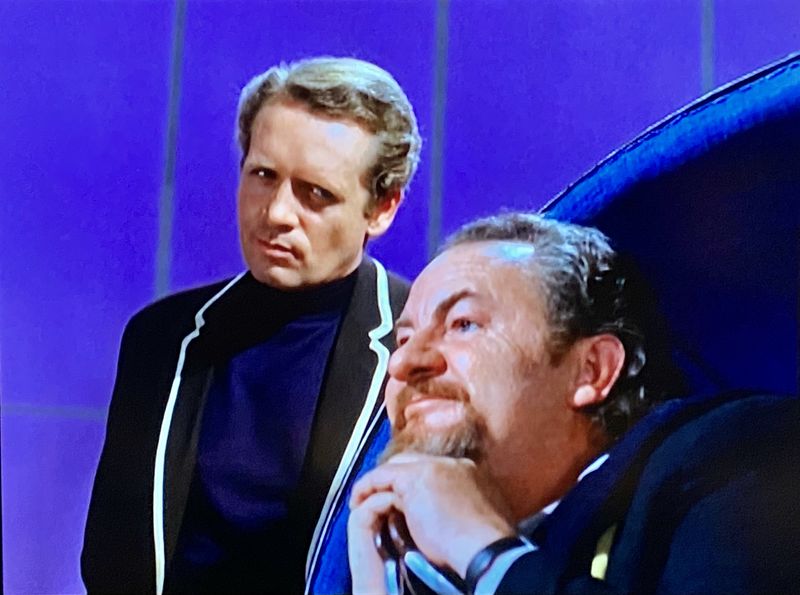
Patrick McGoohan’s Number Six in The Prisoner is one of television’s most fascinating style icons, wrapped inside one of its most mysterious stories.
His wardrobe centered on a distinctive blazer with black piping that became instantly recognizable around the world.
The look was clean, sharp, and slightly unusual – perfect for a character who refused to be categorized or controlled.
His clothing always felt like a quiet act of defiance, standing out even within the already strange world of the Village.
The Prisoner was ahead of its time in almost every way, and Number Six’s Mod-adjacent wardrobe was part of what made the show feel so bold.
The outfit became as iconic as the show’s famous catchphrase.
11. Georgy – Georgy Girl (1966)
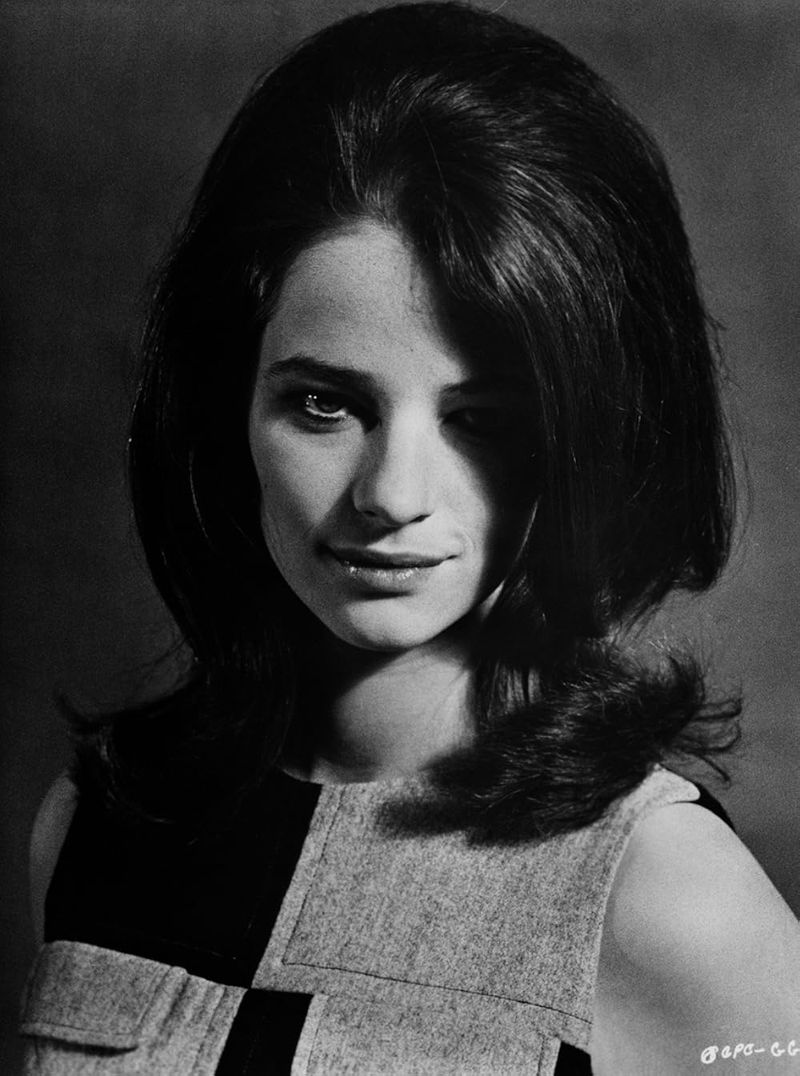
Charlotte Rampling and Lynn Redgrave both lit up Georgy Girl, but it was Redgrave’s Georgy who brought the most endearing and unconventional take on the Mod look to the screen.
Her wardrobe was not about being perfectly polished – it was about being joyfully, unapologetically herself.
Bold patterns, mini dresses, and a general sense of happy chaos defined her style.
Georgy wore the Mod aesthetic like someone who discovered fashion and decided to have the best possible time with it.
In a decade full of style icons who looked effortlessly cool, Georgy was refreshingly human.
Her fashion choices felt real, warm, and full of personality – a reminder that great style is really about confidence above all else.
12. Polly – Darling (1965)
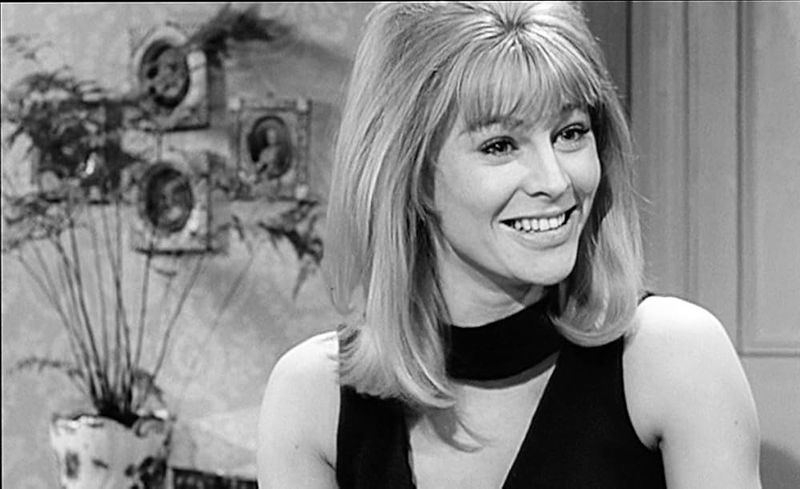
Julie Christie won an Academy Award for her role as Diana Scott in Darling, but the film also featured striking Mod fashion that defined the era’s glamorous, restless spirit.
Polly’s world in the film is one of beautiful surfaces and complicated choices, and the wardrobe reflects every bit of that tension.
Sleek shift dresses, tailored coats, and chic accessories gave the characters a look that felt aspirational and slightly cold at the same time.
The fashion in Darling was not just decoration – it was storytelling.
The film remains a brilliant portrait of what the swinging 1960s actually felt like for women navigating ambition, desire, and identity, all while looking absolutely stunning.
13. Susan – Desperately Seeking Susan (1985)
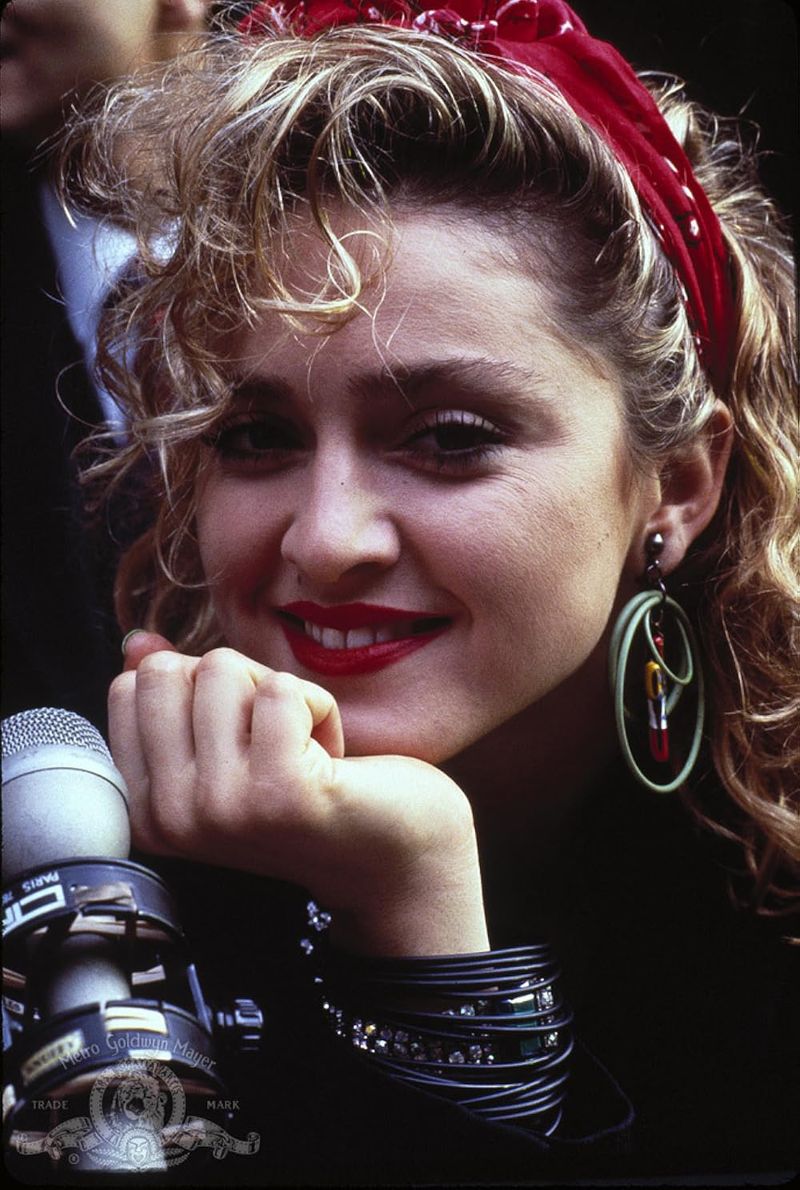
Madonna turned Susan in Desperately Seeking Susan into one of the most talked-about style moments of the entire 1980s.
Her look pulled heavily from the Mod revival movement that was sweeping through youth culture at the time, mixing vintage pieces with street-level attitude.
Layered lace, studded leather, chunky jewelry, and thrift-store finds created an aesthetic that felt both chaotic and completely intentional.
Susan dressed like someone who had raided every cool vintage shop in New York and made it all work perfectly.
The film sparked a genuine fashion craze, with teenagers across the world copying the look almost immediately.
Susan proved that Mod-inspired style could be reinvented for every new generation willing to embrace its rebellious, creative spirit.
14. Jenny Mellor – An Education (2009)
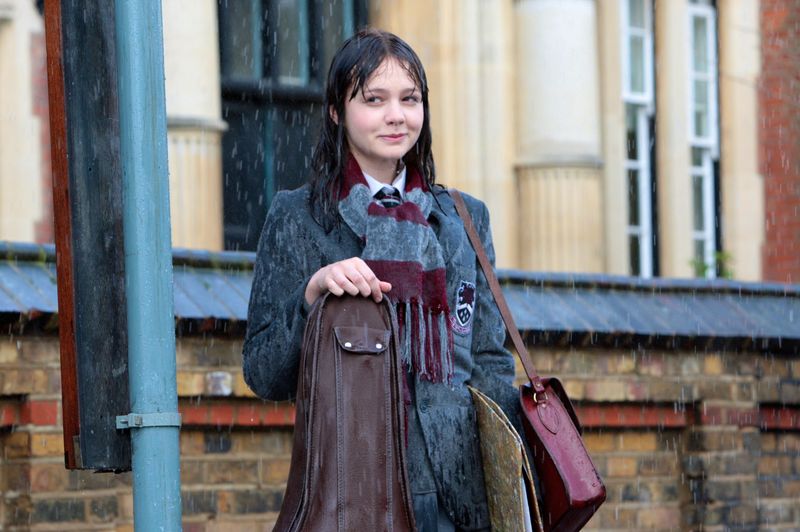
Carey Mulligan’s Jenny Mellor in An Education is a character on the edge of discovering who she wants to be, and her wardrobe reflects exactly that beautiful in-between moment.
Set in early 1960s suburban London, her clothing begins neatly conservative before gradually shifting toward something more fashionable and free.
A-line skirts, fitted coats, and carefully chosen accessories placed Jenny right at the dawn of the Mod era, just as its energy was beginning to ripple through British society.
Her style evolution across the film mirrors her emotional journey in quietly powerful ways.
An Education is a reminder that fashion has always been tied to personal freedom.
The moment Jenny starts dressing differently is the moment she truly starts becoming herself.