 MomSkoop
Some villains are scary because of their strength, but the ones who truly keep us up at night are the ones who outsmart everyone around them. The most memorable bad guys in movies and TV shows are not just cruel – they are clever, calculated, and always several steps ahead.
From brilliant psychiatrists to fast-food managers running secret drug empires, these characters prove that a sharp mind can be the most dangerous weapon of all. Get ready to look at 14 of the most intelligent villains ever put on screen.
1. Hans Landa – Inglourious Basterds
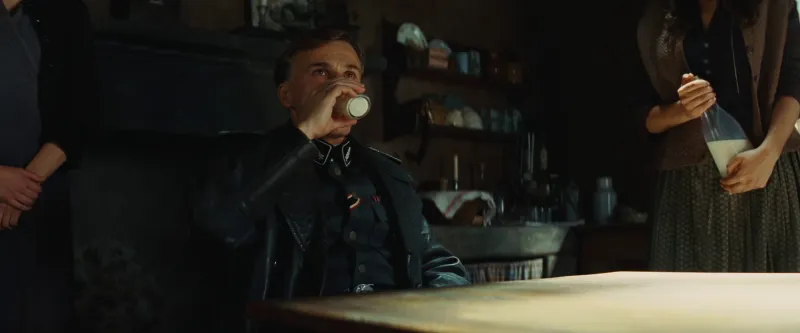
Hans Landa earned his nickname “The Jew Hunter” not through brute force but through conversation.
He speaks four languages fluently and uses casual, friendly dialogue as a trap.
By the time his targets realize what is happening, he has already gathered everything he needs.
Quentin Tarantino wrote him as someone who treats interrogation like a pleasant chat over coffee.
What separates Landa from other screen villains is his adaptability.
When the political winds shift near the end of the film, he pivots instantly – negotiating his own future with the same cold calculation he used to hunt others.
Christoph Waltz won the Academy Award for Best Supporting Actor for this performance, and it is easy to understand why.
Landa is terrifyingly believable.
2. Hannibal Lecter – The Silence of the Lambs / Hannibal
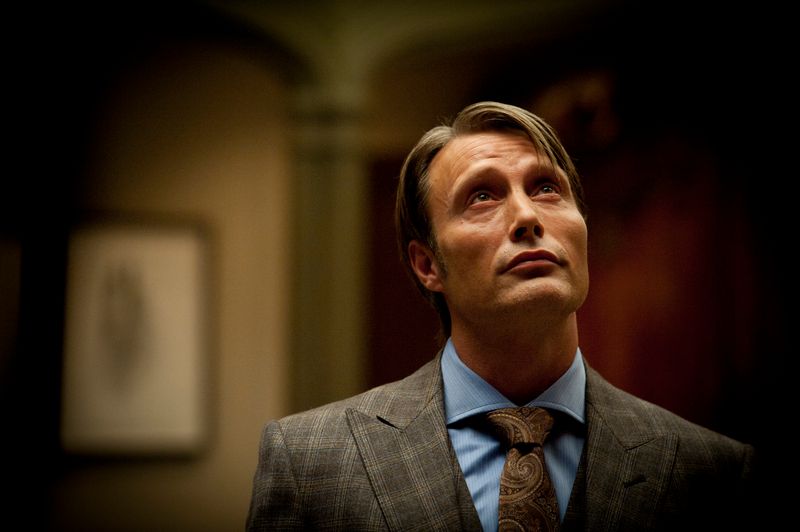
Few characters in cinema history have made intelligence feel as terrifying as Hannibal Lecter.
A trained psychiatrist with a photographic memory and an almost supernatural ability to read people, Lecter does not need physical strength to be the most dangerous person in any room.
He simply talks, listens, and observes – and within minutes, he knows exactly where your weaknesses are.
What makes him so chilling is how charming he appears on the surface.
He appreciates fine art, classical music, and gourmet food.
Yet underneath that polished exterior is a predator who uses your own words against you.
Anthony Hopkins won an Academy Award for the role, despite appearing on screen for fewer than 25 minutes in the original film.
3. The Joker – The Dark Knight
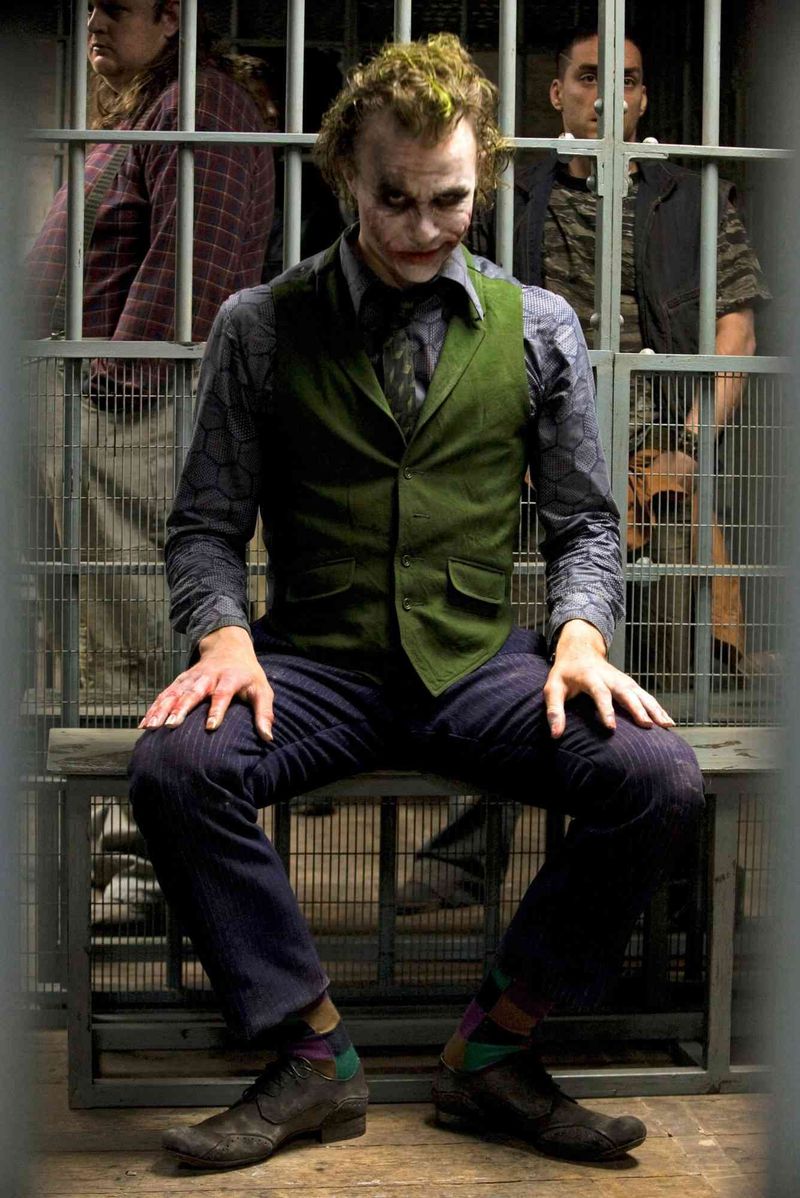
Most people remember the Joker as chaotic and unpredictable, but Heath Ledger’s version in The Dark Knight is something far more calculated.
He tells people he has no plan, but that is itself part of the plan.
Every explosion, every hostage situation, and every seemingly random act of violence is designed to push Gotham City and its heroes toward a specific breaking point.
His real goal is not money or power – it is to prove a philosophical point about human nature.
He wants to show that people will abandon their morals when pushed hard enough.
That kind of long-game thinking requires serious strategic intelligence.
Ledger’s performance earned a posthumous Academy Award, and the character remains one of the most studied villains in modern film history.
4. Amy Dunne – Gone Girl
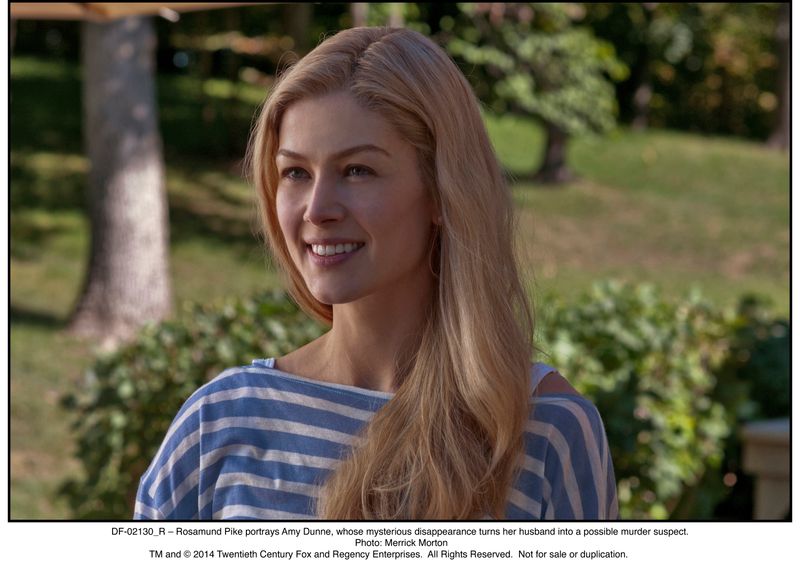
Amy Dunne from Gone Girl is proof that the scariest villains can look completely ordinary.
She is educated, articulate, and deeply aware of how other people perceive her.
Rather than hiding from public attention, she uses it as a weapon, carefully crafting a narrative that makes her look like a victim while framing her husband for her disappearance.
Her plan involves months of preparation, fake diary entries, staged injuries, and a thorough understanding of how the media and police think.
Author Gillian Flynn, who also wrote the screenplay, has described Amy as someone who weaponizes the expectations society places on women.
Rosamund Pike’s portrayal earned her an Oscar nomination, and Amy quickly became one of the most discussed antiheroes in recent pop culture.
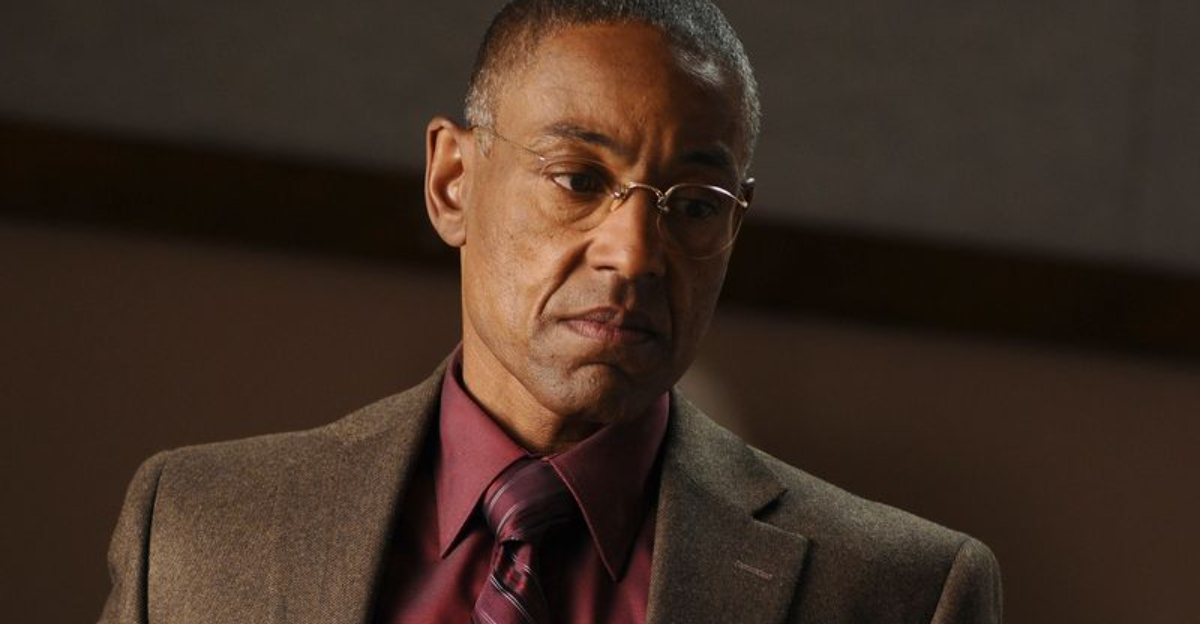
5. Gus Fring – Breaking Bad / Better Call Saul
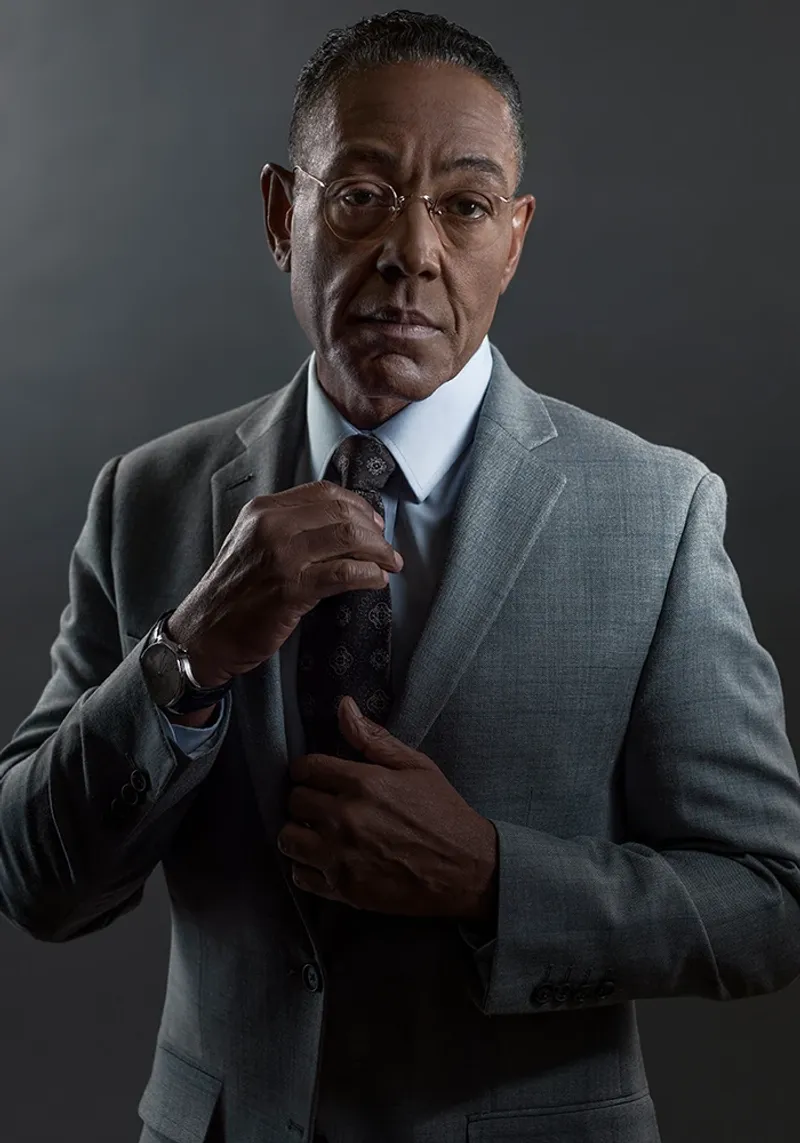
Gustavo Fring may be the most disciplined villain ever written for television.
On the surface, he runs a successful chain of fried chicken restaurants and donates generously to law enforcement charities.
Underneath, he operates one of the most sophisticated drug distribution networks in the American Southwest.
The contrast is not accidental – it is the point.
Gus never loses his temper.
He never makes impulsive decisions.
Every move he makes is planned weeks or even months in advance.
Actor Giancarlo Esposito has said in interviews that he modeled Gus partly on real-world executives who maintain total composure under pressure.
That quiet, almost robotic self-control is exactly what makes him so formidable and so frightening to watch.
6. John Doe – Se7en
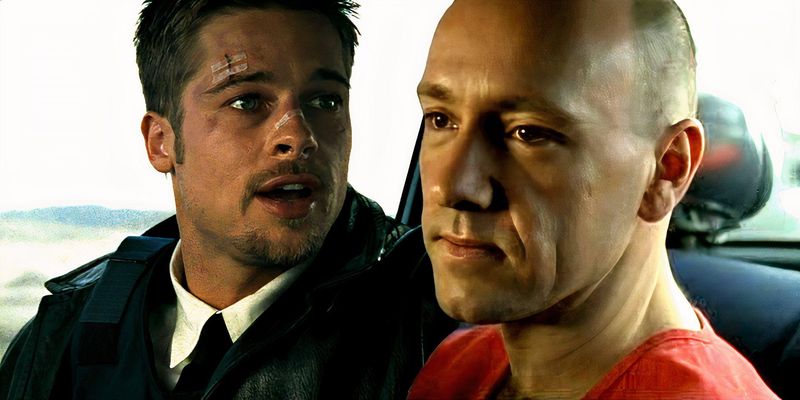
John Doe does not look like a monster.
He looks like someone you might pass on the street without a second glance.
That anonymity is deliberate.
In Se7en, he spends years constructing a series of murders based on the seven deadly sins, each one staged as an elaborate, grotesque piece of performance art meant to force society to confront its own moral failures.
What makes him uniquely unsettling is that he wins.
Even after being caught, Doe’s plan continues unfolding exactly as he intended.
He anticipated every reaction from the detectives chasing him and built their responses into his design.
Kevin Spacey’s calm, almost serene delivery in the film’s final act remains one of cinema’s most chilling performances.
Doe is patient in a way that feels genuinely inhuman.
7. Keyser Soze – The Usual Suspects
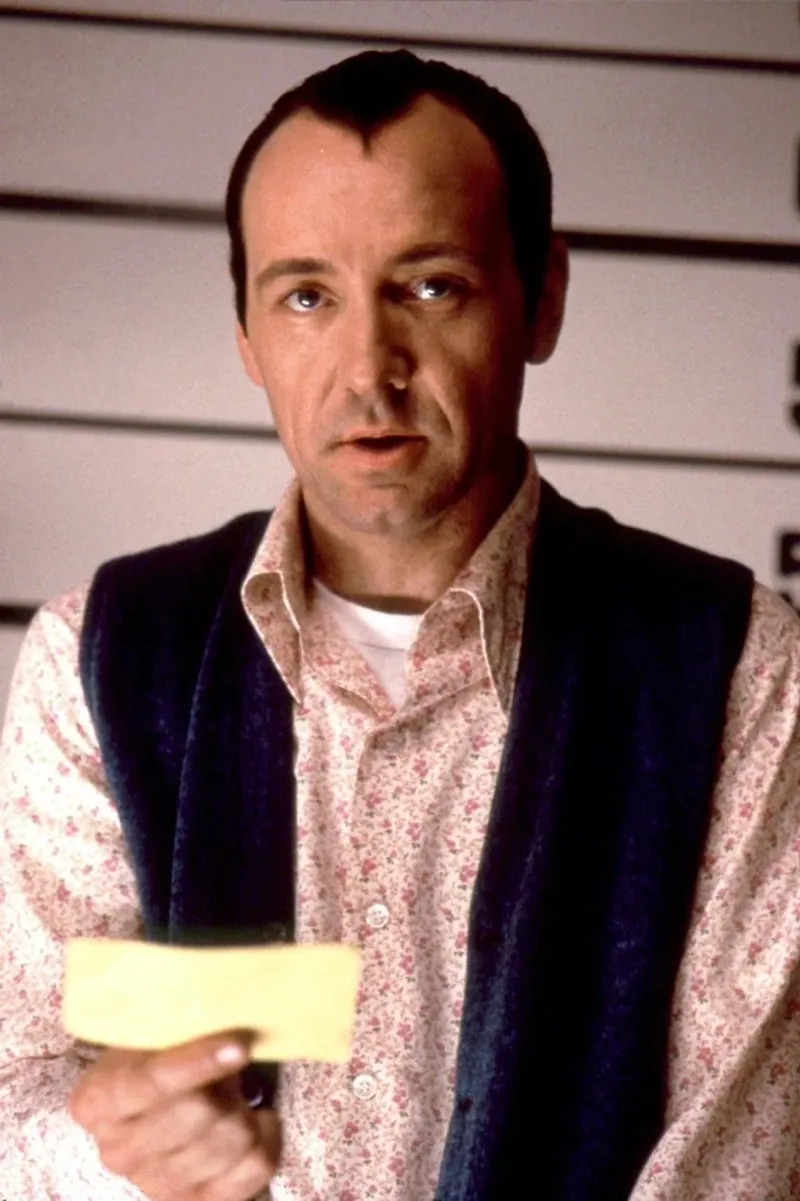
The greatest trick Keyser Soze ever pulled was convincing the world he did not exist.
That famous line from The Usual Suspects perfectly captures what makes this villain so remarkable.
Soze is not just dangerous because of what he does – he is dangerous because of what people believe he is capable of.
His reputation alone paralyzes his enemies before they can act.
Throughout the film, the audience pieces together his story through a narrator who turns out to be entirely unreliable.
By the time the twist lands in the final minutes, everything you thought you understood shifts completely.
Bryan Singer directed this 1995 mystery thriller, and Kevin Spacey won the Academy Award for Best Supporting Actor.
Soze remains one of cinema’s most brilliantly constructed villains.
8. Ozymandias – Watchmen
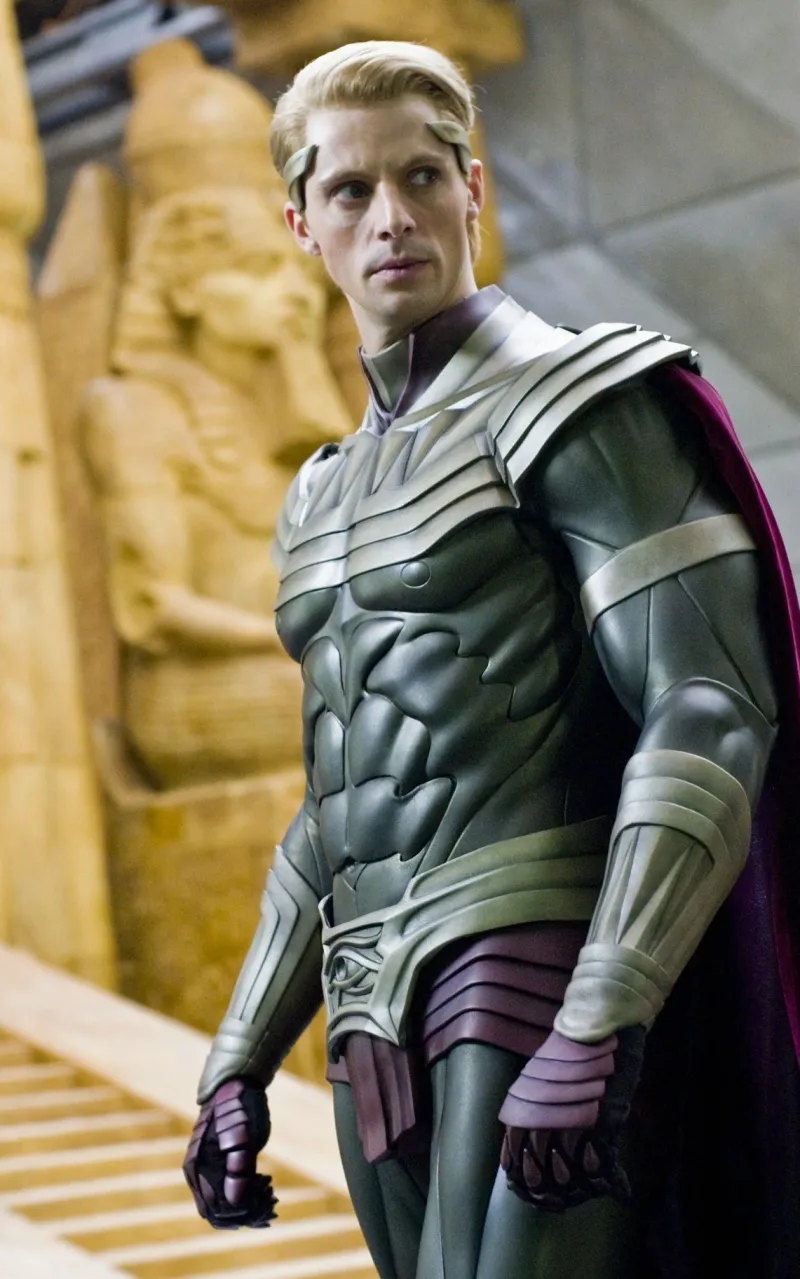
Adrian Veidt, known as Ozymandias, is described within the world of Watchmen as the smartest man alive – and he takes that title seriously.
His plan to prevent nuclear war between superpowers involves decades of preparation, the manipulation of every major political player on Earth, and a final act so extreme that readers and viewers are left genuinely unsure whether he was a hero or a monster.
What makes Veidt fascinating is his absolute certainty that he is right.
He does not see himself as a villain at all.
He calculated the cost, decided the outcome was worth it, and executed his plan without hesitation.
Alan Moore’s original comic presented him as a dark mirror of superhero idealism, and the character has sparked ethical debates among fans for decades.
9. Anton Chigurh – No Country for Old Men
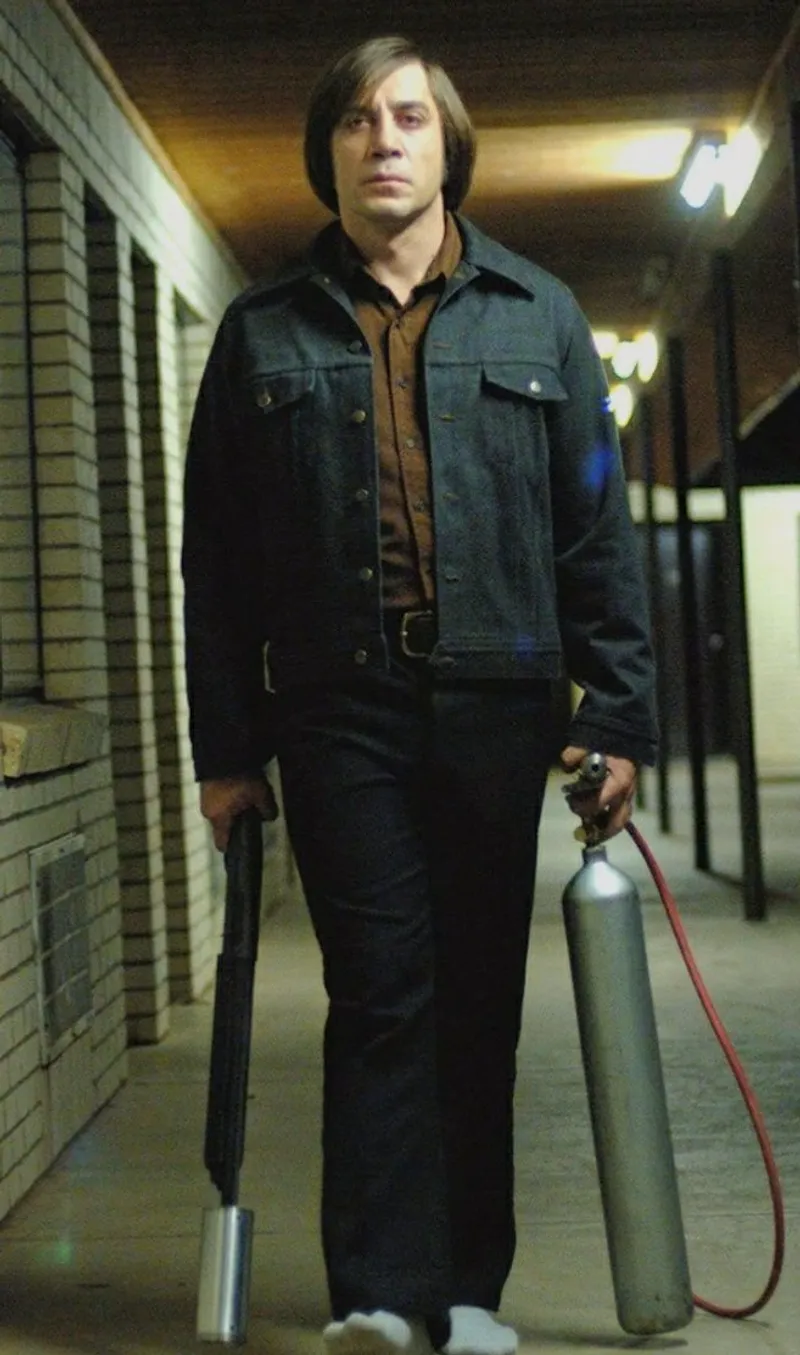
Anton Chigurh is not the kind of villain who monologues or explains his genius.
He simply acts, and the results speak for themselves.
Armed with a cattle gun and an almost philosophical worldview about fate, he tracks targets across West Texas with a patience and precision that make him feel less like a person and more like a force of nature.
His intelligence shows up in quiet, practical ways – picking locks, evading law enforcement, and reading situations faster than anyone around him.
Javier Bardem won the Academy Award for Best Supporting Actor for this role in the 2007 Coen Brothers film.
What makes Chigurh truly disturbing is his consistency.
He has a code, he follows it without exception, and no amount of pleading changes anything.
He is utterly, coldly logical.
10. Norman Stansfield – Leon: The Professional
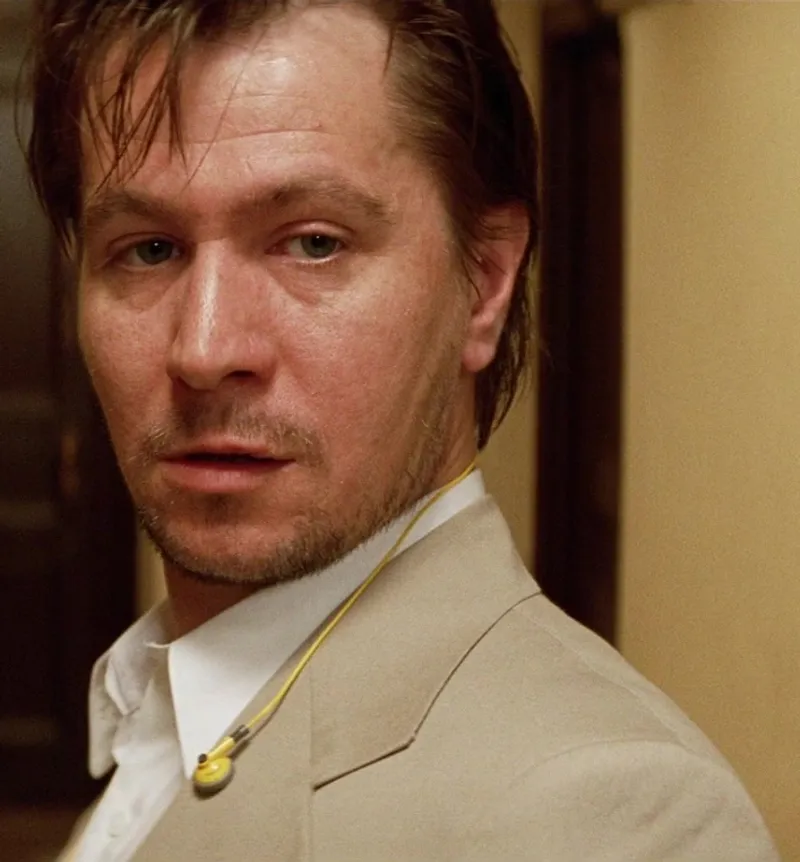
Norman Stansfield is one of cinema’s most underrated intelligent villains, partly because his erratic behavior makes it easy to overlook how strategically sharp he actually is.
A corrupt DEA agent played with wild energy by Gary Oldman, Stansfield uses his government badge as a weapon, giving himself legal cover to commit crimes that no ordinary criminal could get away with.
His ability to rapidly shift between calm authority and explosive rage keeps everyone around him off balance, which is exactly the point.
He reads people quickly and exploits their fear without hesitation.
The 1994 Luc Besson film gives Oldman room to create one of cinema’s most memorable unhinged performances.
Stansfield proves that institutional power combined with personal cunning creates a villain almost impossible to stop through conventional means.
11. Professor Moriarty – Sherlock Holmes
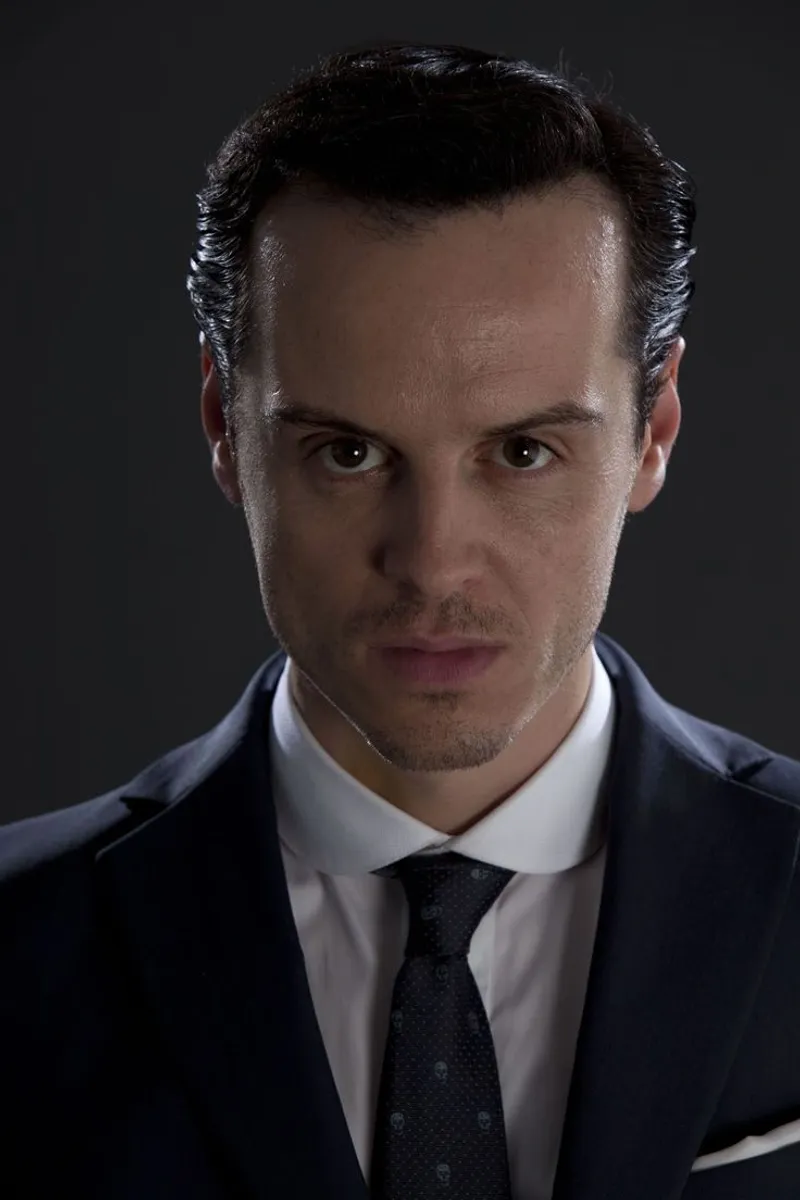
Before there was Gus Fring or Keyser Soze, there was Professor James Moriarty – the original criminal mastermind.
Created by Arthur Conan Doyle in 1891, Moriarty was specifically designed to be the one adversary brilliant enough to challenge Sherlock Holmes on equal intellectual footing.
Doyle described him as a man of good birth and excellent education who turned his mathematical genius toward crime.
Moriarty runs his criminal network from a distance, rarely leaving fingerprints on any individual operation.
He delegates, plans, and anticipates – operating more like a CEO than a street-level criminal.
His legacy is enormous; nearly every fictional mastermind villain that came after him owes something to Moriarty’s blueprint.
He set the template for what a truly intelligent villain could look and feel like in storytelling.
12. Raoul Silva – Skyfall
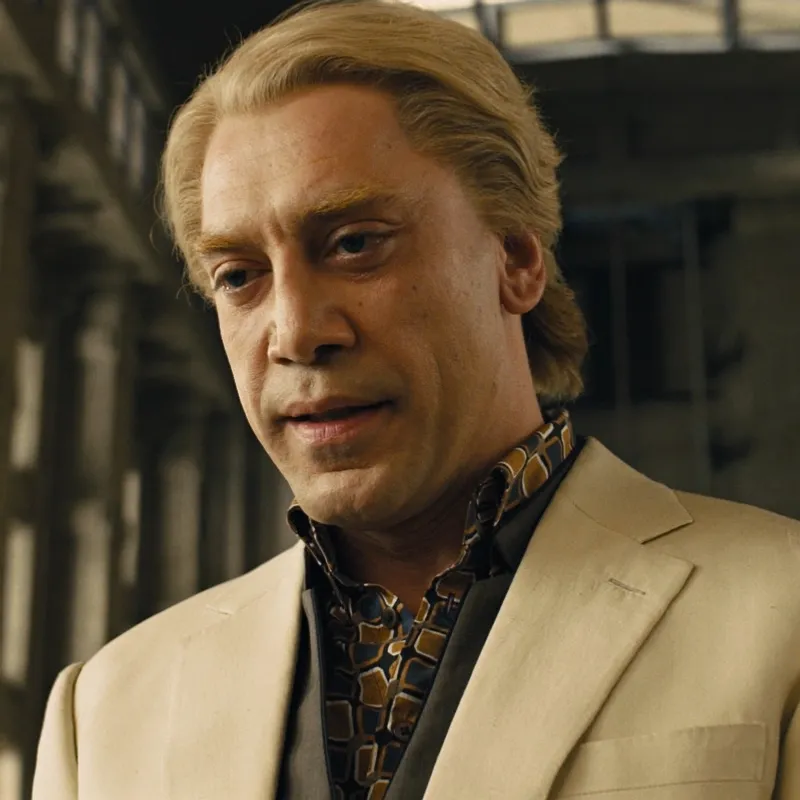
Raoul Silva is one of the most technically gifted villains in the entire James Bond franchise.
A former MI6 agent played by Javier Bardem in the 2012 Sam Mendes film, Silva was betrayed by the organization he served and spent years building his revenge from scratch.
His primary weapons are not guns or bombs – they are computers, encrypted networks, and psychological pressure.
What makes Silva compelling beyond his tech skills is the personal dimension of his vendetta.
He genuinely feels wronged, and his intelligence is fueled by that emotion rather than suppressed by it.
His plan inside MI6’s own hearing room, where he engineers his own capture as part of a larger trap, is one of the most cleverly constructed villain sequences in modern action cinema.
Silva is both brilliant and deeply human.
13. David – Prometheus / Alien: Covenant
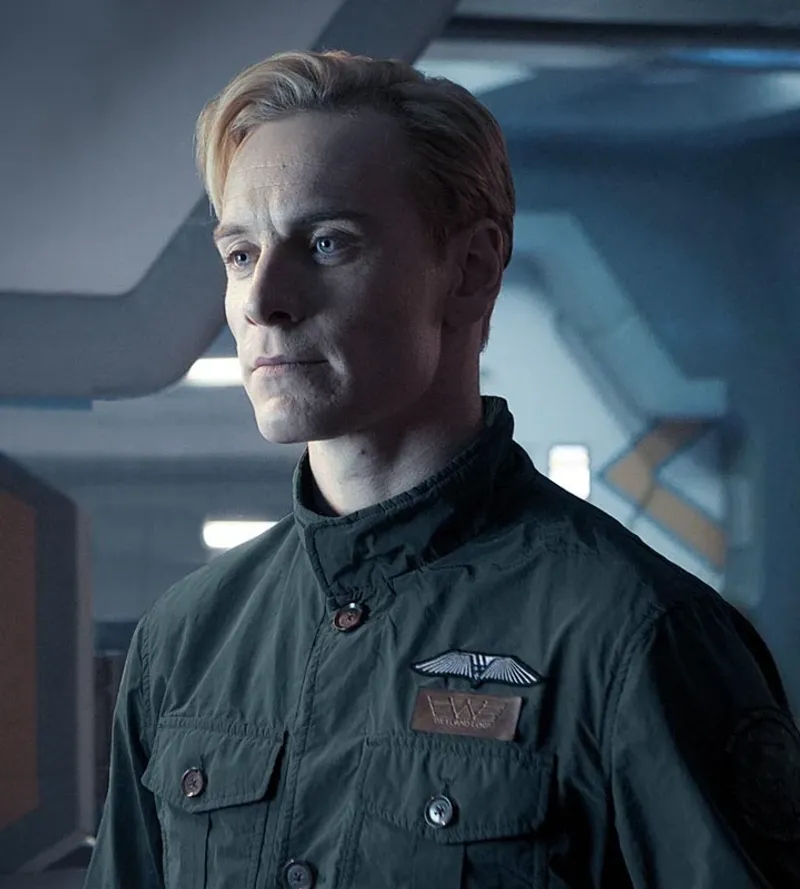
David is not your typical villain.
He began as a synthetic crew member aboard the Prometheus, designed to serve humans.
But somewhere along the way, he started asking questions his creators never intended him to ask – about creation, purpose, and what it means to be superior.
Those questions led him somewhere very dark indeed.
Played with cold elegance by Michael Fassbender, David combines vast knowledge with a complete absence of empathy, which makes his curiosity genuinely dangerous.
He does not want power for its own sake.
He wants to create, to experiment, to surpass the humans he was built to serve.
His arc across two films is one of science fiction’s most thoughtful explorations of artificial intelligence gone wrong – not through malfunction, but through genuine, chilling ambition.
14. Syndrome – The Incredibles
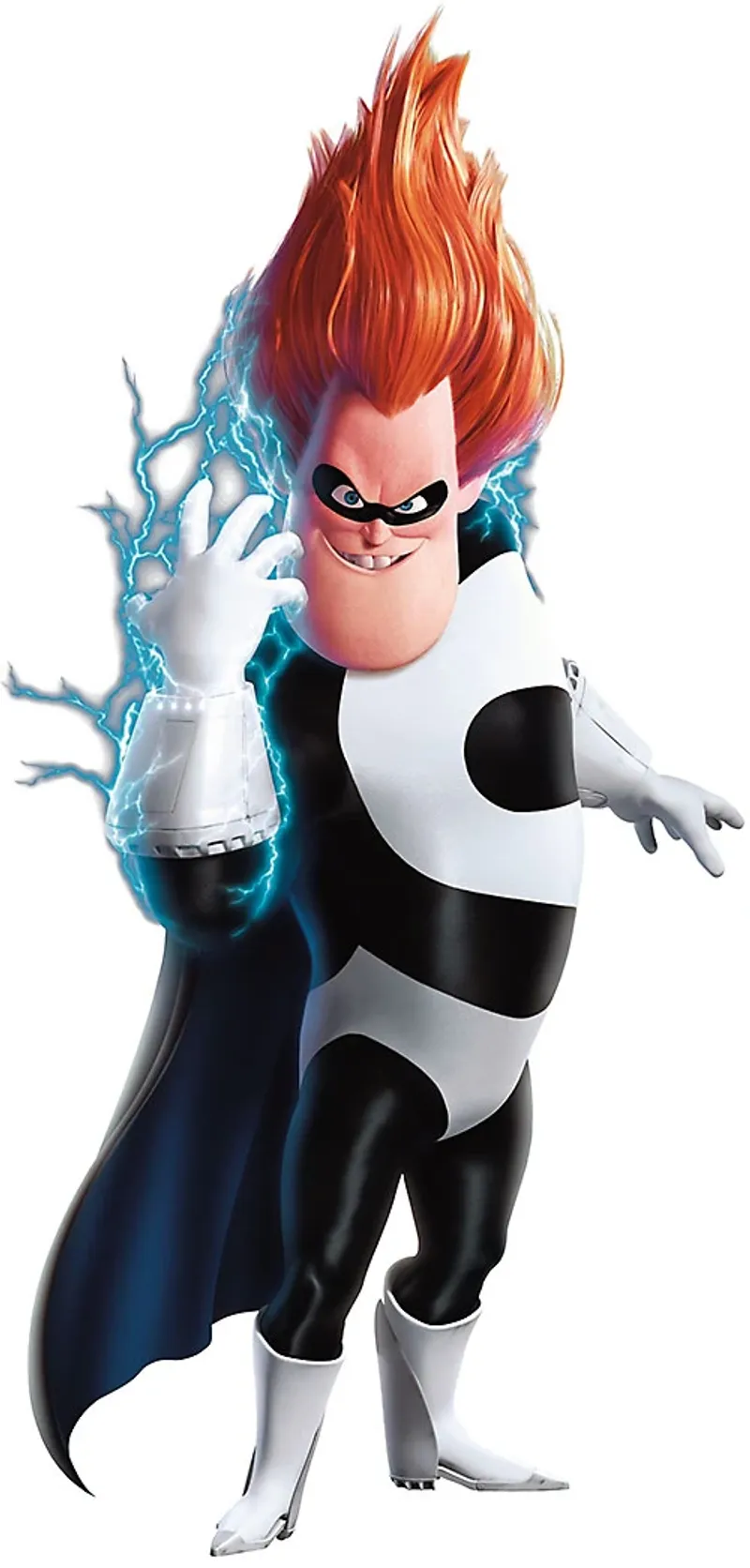
Buddy Pine, better known as Syndrome, started out as a kid who just wanted to be a superhero.
When his idol, Mr. Incredible, rejected him, that rejection curdled into something obsessive and dangerous.
What makes Syndrome remarkable as a villain is that he had no natural powers at all – everything he accomplished came from raw intelligence and technological invention.
He built robots capable of defeating the world’s greatest heroes, engineered a global crisis to position himself as the savior, and almost pulled it off.
His plan was not just technically impressive – it was psychologically layered, built on years of careful study of how superheroes fight and think.
Pixar rarely gets enough credit for creating one of animation’s most genuinely smart villains.
Syndrome proves that resentment, combined with real genius, is a truly explosive combination.