 MomSkoop
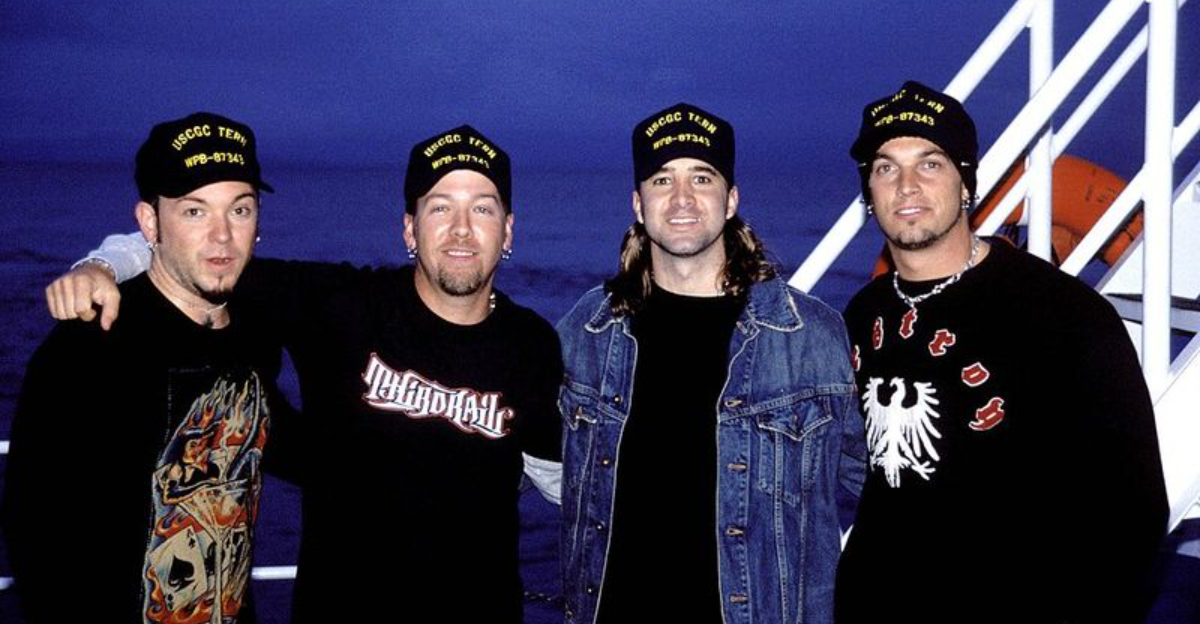
Some artists sell millions of albums and pack massive stadiums, yet they still spark fierce debates wherever their names come up.
Music tastes differ wildly from person to person, which means certain musicians become lightning rods for strong opinions on both sides.
The following fifteen acts have achieved incredible commercial success while simultaneously becoming some of the most polarizing figures in modern music history.
1. Nickelback
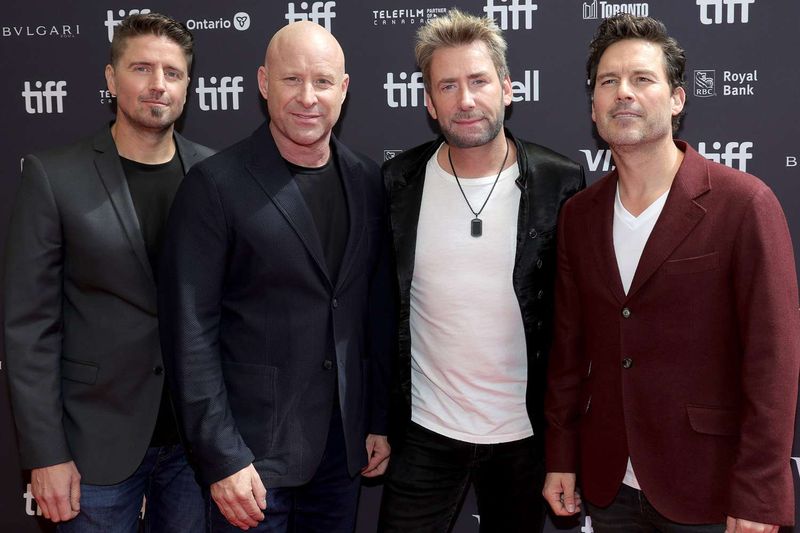
Chad Kroeger’s gravelly voice became synonymous with post-grunge radio rock throughout the 2000s, yet Nickelback somehow became the internet’s favorite punching bag.
Their songs dominated airwaves with catchy hooks and arena-ready choruses that millions loved singing along to during road trips.
Critics and music snobs relentlessly mocked their formulaic approach to songwriting and what they considered generic lyrics.
Despite selling over 50 million albums worldwide, the Canadian rockers faced constant ridicule online.
The hatred became so widespread that hating Nickelback turned into a cultural meme itself, overshadowing their undeniable commercial achievements and devoted fanbase who genuinely enjoyed their straightforward rock anthems.
2. Chris Brown
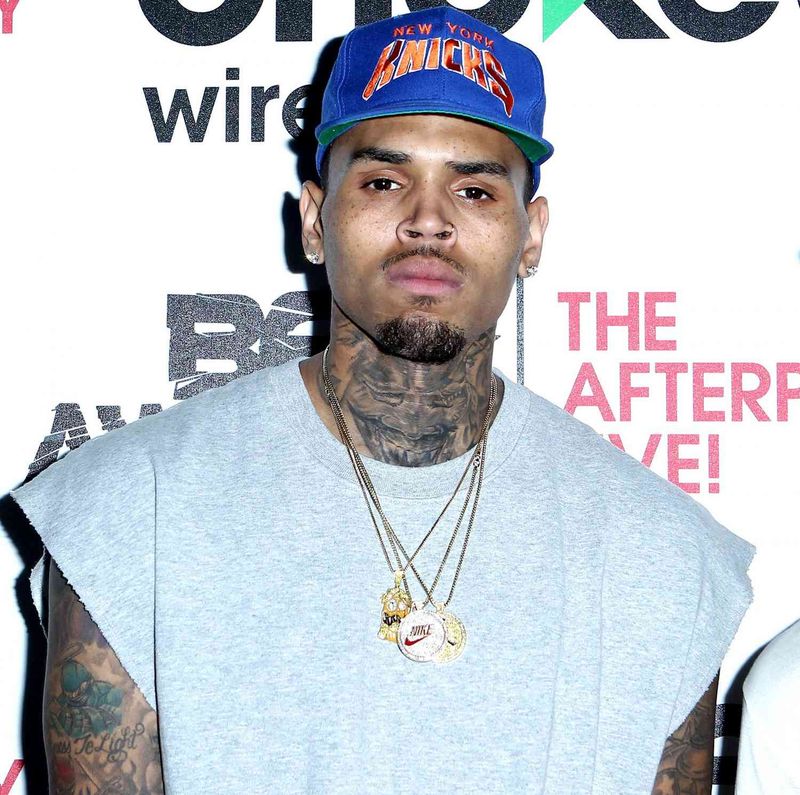
Incredible dancing ability and smooth vocals launched Chris Brown into superstardom as a teenager, earning comparisons to Michael Jackson himself.
His early hits like “Run It!” and “Kiss Kiss” showcased undeniable talent that had fans and industry insiders predicting legendary status ahead.
Everything changed in 2009 following his assault conviction involving Rihanna, which permanently divided public opinion about supporting his music.
Some fans separate the art from the artist and continue celebrating his musical contributions and electrifying performances.
Others refuse to stream his songs or attend concerts, viewing financial support as endorsement of his actions.
This split has persisted for over a decade, making him perhaps the most contentious figure in contemporary R&B.
3. Kanye West
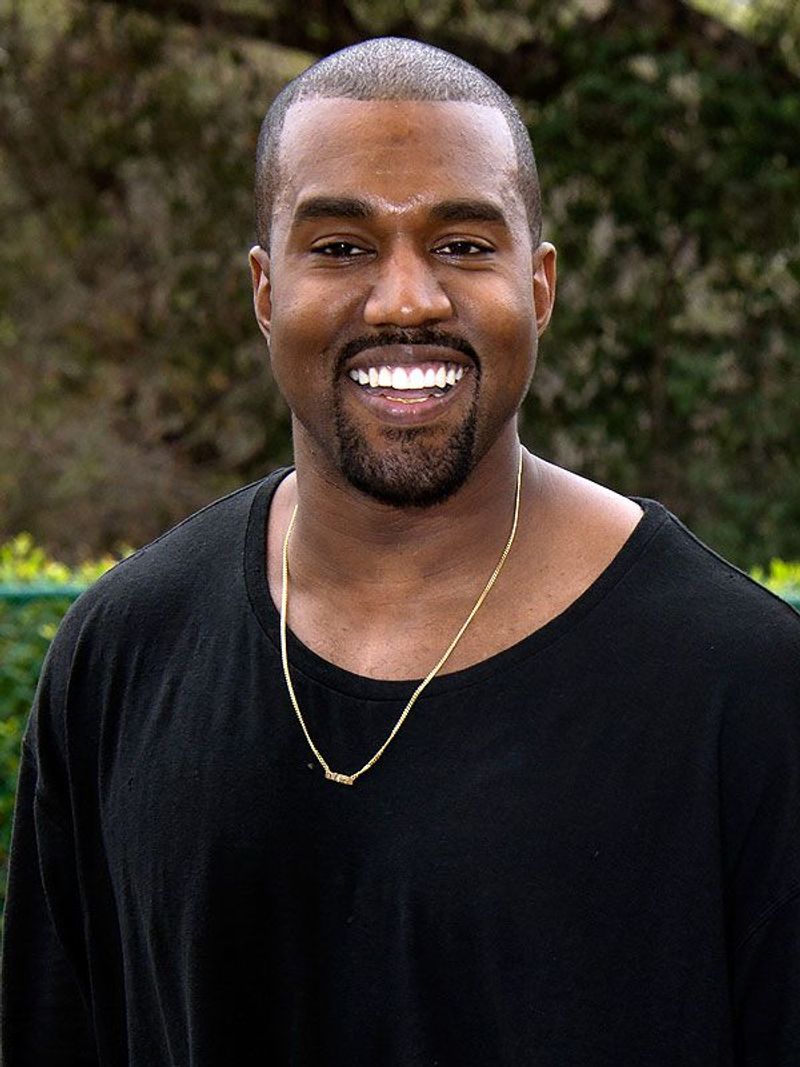
Few artists have matched Kanye’s revolutionary impact on hip-hop production and his fearless approach to pushing musical boundaries.
Albums like “My Beautiful Dark Twisted Fantasy” earned nearly universal critical acclaim, cementing his genius status among music journalists and fellow artists alike.
His public behavior, however, has consistently overshadowed his artistic achievements and alienated massive portions of his audience.
From interrupting award shows to controversial political statements and antisemitic remarks, Kanye repeatedly sparked outrage.
Defenders point to mental health struggles and artistic vision, while critics see an ego-driven celebrity who refuses accountability.
The debate intensified dramatically in recent years, with former supporters publicly distancing themselves while others maintain he remains misunderstood.
4. Justin Bieber

Discovered on YouTube as a baby-faced twelve-year-old, Justin Bieber became a teen idol virtually overnight with infectious pop songs.
His early fanbase, nicknamed “Beliebers,” defended him with passionate intensity while others dismissed his music as manufactured bubblegum pop for screaming tweens.
Teenage fame brought reckless behavior including arrests, vandalism accusations, and generally bratty public conduct that turned casual dislike into genuine contempt.
His 2015 comeback album “Purpose” showcased artistic maturity and earned begrudging respect from some previous haters.
Nevertheless, many still cannot separate the troubled young adult from his earlier music, while devoted fans celebrate his personal growth journey and evolved sound that incorporated R&B influences.
5. R. Kelly
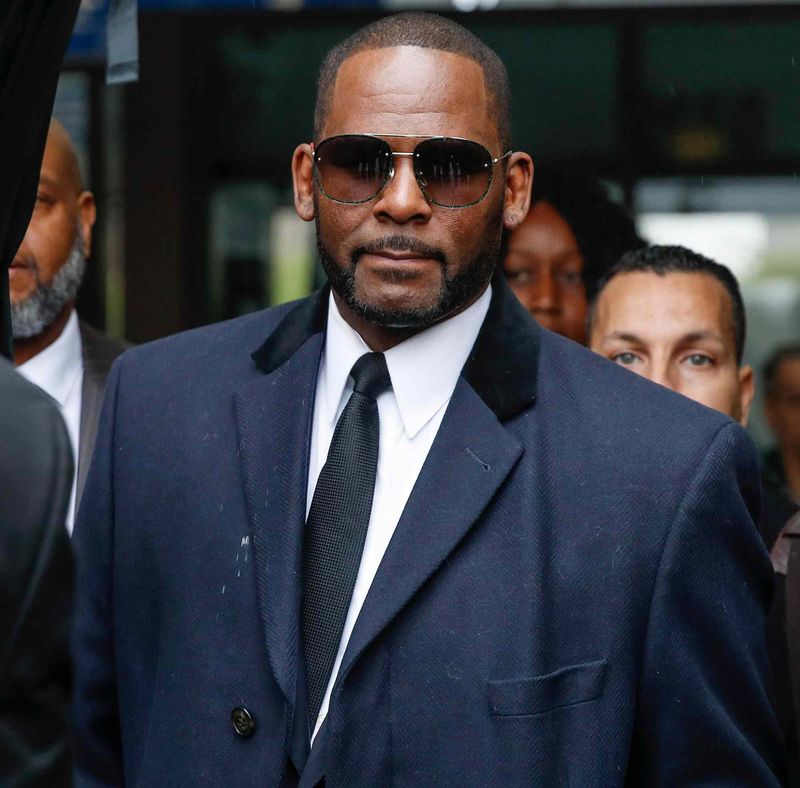
“I Believe I Can Fly” became an inspirational anthem played at graduations and sporting events worldwide, showcasing R.
Kelly’s gift for emotional songwriting.
His influence on 1990s R&B remains undeniable, with silky vocals and innovative production techniques that inspired countless artists who followed.
Disturbing allegations of sexual misconduct with minors surfaced repeatedly throughout his career, creating an impossible ethical dilemma for listeners.
Some fans insisted on separating his musical contributions from personal behavior, while others found his songs completely unlistenable given the accusations.
His 2021 conviction on racketeering and sex trafficking charges effectively ended any remaining debate, though discussions continue about whether his music should be completely erased from history.
6. P. Diddy
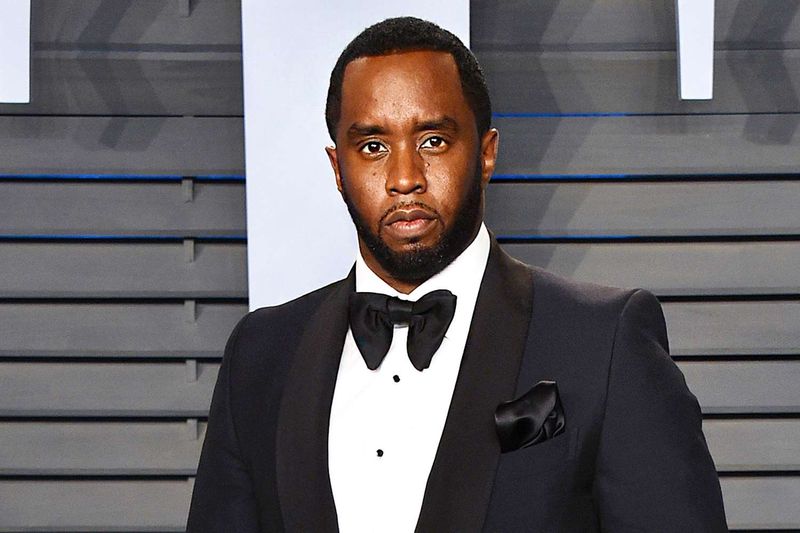
Sean Combs built an entertainment empire spanning music, fashion, and spirits while producing countless hits throughout the 1990s and 2000s.
His business acumen impressed industry observers, and Bad Boy Records launched the careers of Notorious B.I.G., Mase, and numerous other successful artists.
Critics accused him of excessive self-promotion, appearing in music videos where he contributed little musically beyond ad-libs and dancing.
His tendency to sample heavily from classic songs rather than creating original material frustrated purists who questioned his actual musical talent.
Recent serious legal allegations have further complicated his legacy, with former supporters reconsidering their admiration.
Meanwhile, some still credit him with shaping modern hip-hop’s commercial landscape and entrepreneurial spirit.
7. One Direction
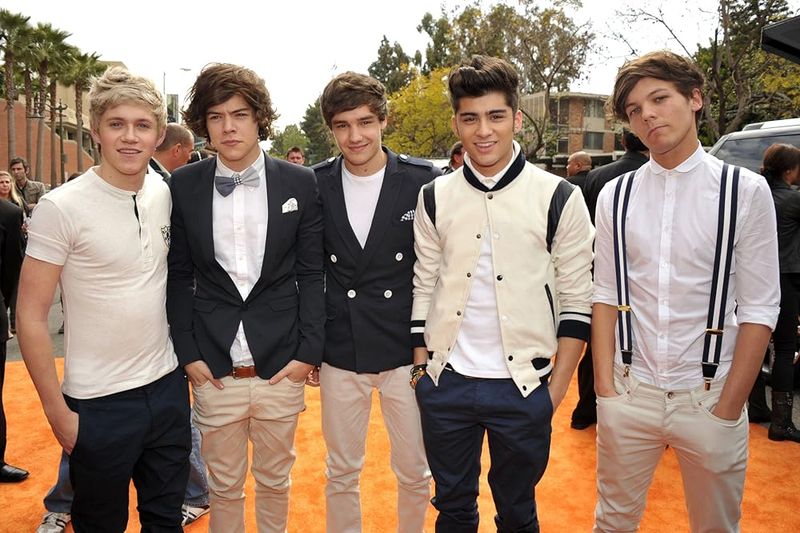
Assembled on a British talent show, these five teenagers became a global phenomenon that generated absolutely hysterical fan devotion and record-breaking sales.
Their catchy pop songs and charming personalities created a modern Beatlemania effect, with screaming crowds following them everywhere they traveled.
Music critics and older listeners dismissed them as a manufactured product designed to extract money from young girls with disposable income.
The “boy band” label carried negative connotations suggesting lack of authenticity or real musical talent despite their undeniable vocal abilities.
Fans fiercely defended their idols against accusations of being corporate puppets, pointing to genuine chemistry and songwriting contributions.
The generational divide became obvious, with younger listeners embracing them wholeheartedly while parents rolled their eyes.
8. Yoko Ono
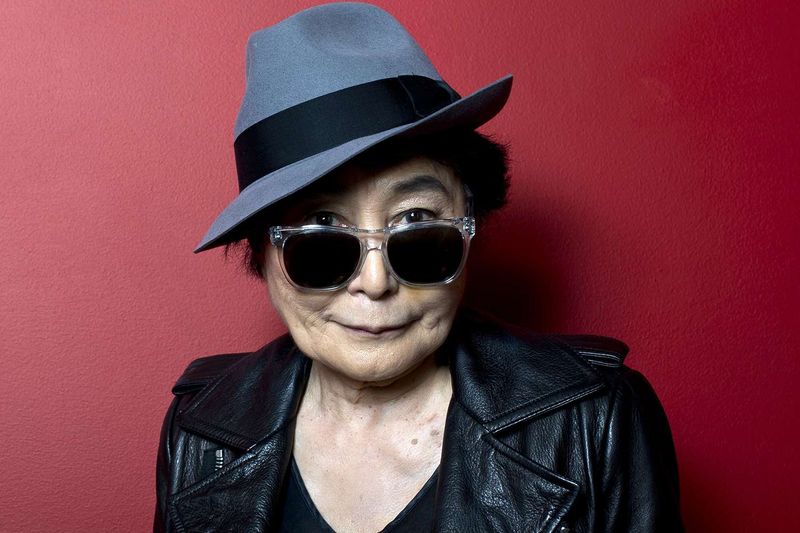
Blaming one woman for breaking up the most beloved band in history seems unfair, yet Yoko Ono has endured exactly that accusation for over fifty years.
Her experimental art and unconventional musical approach clashed dramatically with mainstream tastes, making her an easy target for frustrated Beatles fans seeking someone to blame.
Defenders highlight her pioneering work in conceptual art and feminist activism that predated her relationship with John Lennon by years.
Her avant-garde performances challenged traditional definitions of music, though most casual listeners found her vocal stylings genuinely unpleasant.
The debate continues between those who appreciate her artistic vision and those who simply cannot forgive her perceived role in ending Beatlemania.
9. Limp Bizkit
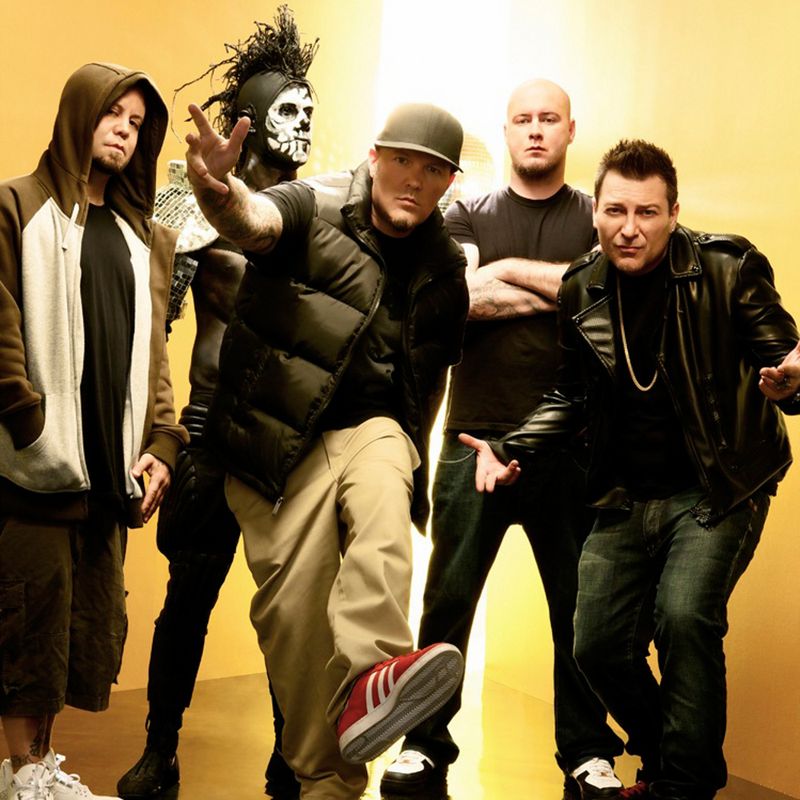
Fred Durst’s backwards red cap became an iconic symbol of late-90s nu-metal, a genre that fused hip-hop attitudes with heavy guitar riffs.
Teenage angst found perfect expression in aggressive songs like “Break Stuff,” which resonated powerfully with disaffected youth seeking musical outlets for frustration.
Critics savaged them as the worst example of rap-rock excess, with simplistic lyrics and macho posturing that aged poorly almost immediately.
The Woodstock 1999 violence during their set became symbolic of everything wrong with aggressive male-dominated rock culture.
Fans who grew up with their music feel nostalgic affection, while others view Limp Bizkit as an embarrassing cultural low point.
The band’s recent resurgence as ironic favorites complicates the conversation further.
10. Creed
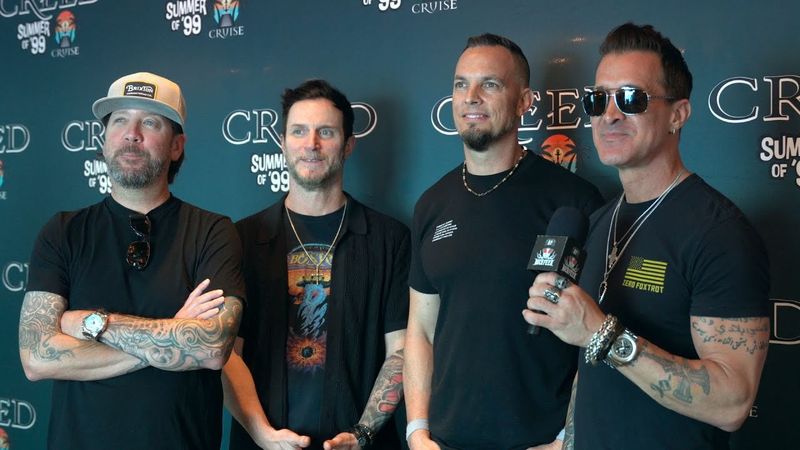
Scott Stapp’s baritone vocals and spiritual lyrics propelled Creed to massive commercial success, selling millions of albums during the late 1990s and early 2000s.
Their anthemic rock sound filled arenas with fans singing along passionately to songs about struggle, faith, and redemption.
Music journalists ruthlessly mocked their perceived pretentiousness and Eddie Vedder imitation vocals, making them a punchline among critics despite platinum sales.
The debate over whether they qualified as a Christian rock band or mainstream rock created additional controversy and confusion.
Stapp’s personal struggles and erratic behavior further damaged their reputation among casual listeners.
Devoted fans insist their music provided genuine emotional connection, while detractors hear only derivative, overwrought stadium rock lacking originality or authenticity.
11. Coldplay
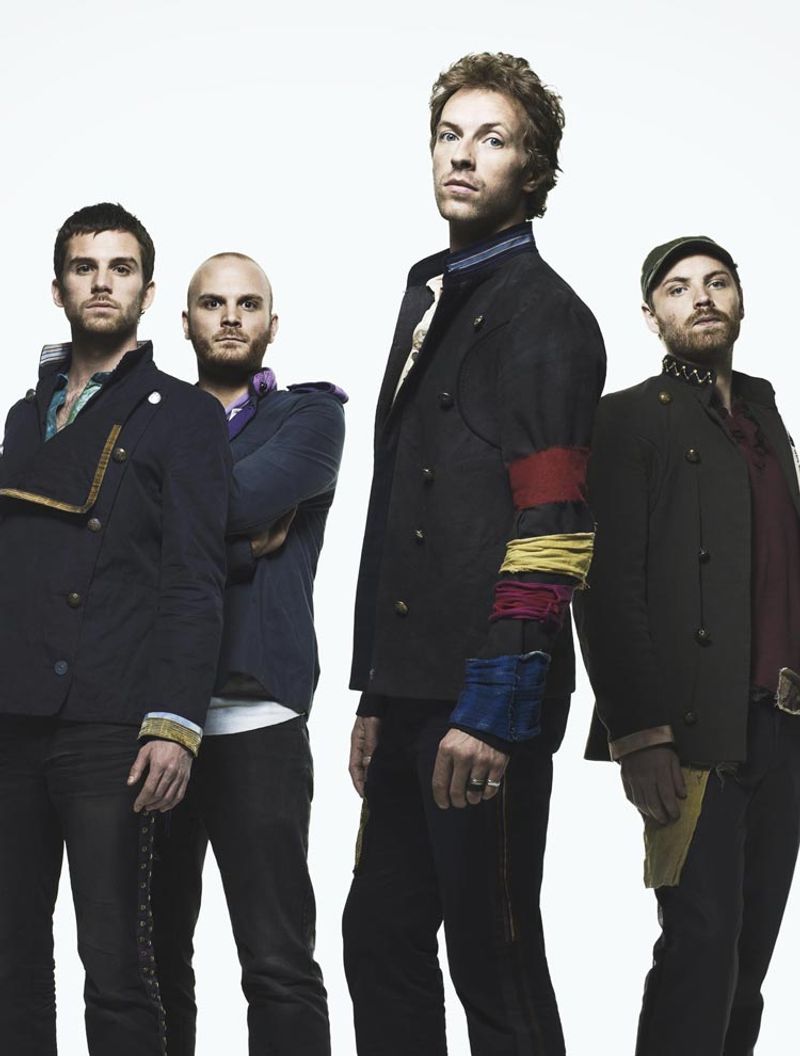
Chris Martin’s soaring vocals and the band’s atmospheric soundscapes created some of the biggest anthems of the 2000s and 2010s.
Songs like “Yellow” and “Fix You” provided soundtrack moments for countless weddings, funerals, and emotional life events for millions of listeners worldwide.
Detractors find their music bland, overly safe, and designed for maximum commercial appeal rather than artistic risk-taking or innovation.
The term “dad rock” gets thrown around frequently, suggesting their appeal skews toward older, less adventurous listeners.
Critics accuse them of stealing from better artists while watering down interesting ideas into digestible pop.
Fans counter that emotional accessibility shouldn’t be dismissed as weakness, and their stadium-filling success speaks for itself regarding their cultural impact and songwriting quality.
12. U2
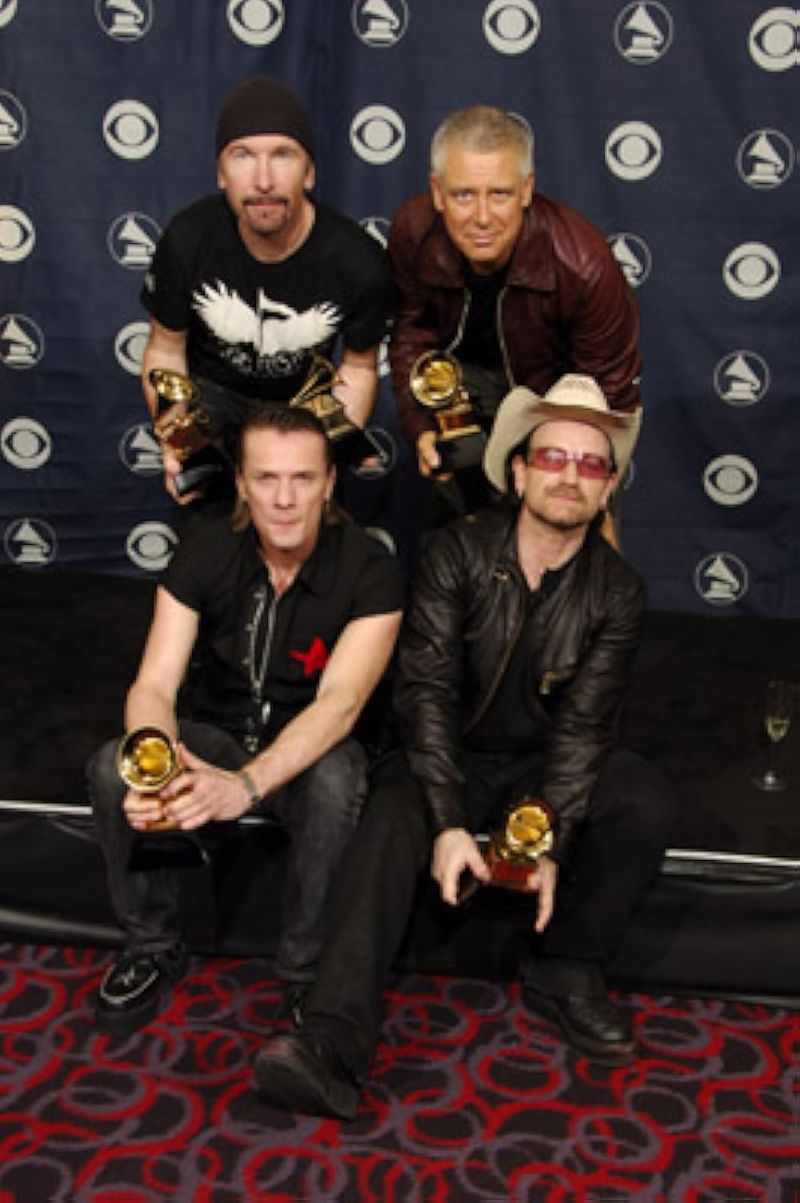
Bono’s activism and U2’s anthemic rock created a legacy of socially conscious music that inspired generations of musicians and fans.
Their 1980s albums revolutionized arena rock, while songs like “With or Without You” remain timeless classics that showcase genuine songwriting craft.
The 2014 iTunes album controversy, where Apple automatically added their new release to millions of users’ libraries without permission, sparked widespread backlash.
Many found Bono’s humanitarian work admirable but his delivery preachy and self-righteous, creating resentment toward his public persona.
Critics question whether their recent output justifies their continued massive tours and ticket prices.
Longtime fans defend their charitable contributions and musical evolution, while younger listeners often view them as out-of-touch legacy acts clinging to past glory.
13. Miley Cyrus
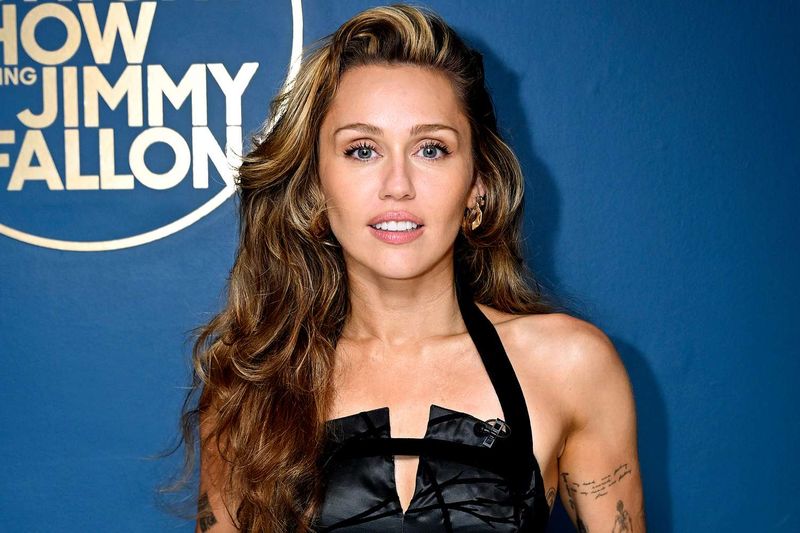
Disney Channel fame as Hannah Montana created unrealistic expectations for wholesome behavior that Miley deliberately shattered with shocking performances and provocative imagery.
Her 2013 VMA performance became a cultural flashpoint, with parents horrified and young adults defending her right to control her own image.
Critics viewed her rebellious phase as calculated attention-seeking rather than genuine artistic evolution or personal growth.
The twerking, tongue-wagging persona seemed designed specifically to distance herself from childhood innocence and generate headlines.
Her vocal talent often gets overlooked amid controversy, though songs like “Wrecking Ball” showcase genuine emotional power.
Supporters celebrate her refusal to be defined by childhood roles, while others wish she had transitioned to adulthood with more grace and less desperation.
14. Iggy Azalea

An Australian white woman rapping with an exaggerated Southern American accent created immediate authenticity questions and cultural appropriation accusations.
Her hit “Fancy” dominated radio in 2014, showcasing catchy hooks and undeniable commercial appeal that connected with mainstream pop audiences.
Hip-hop purists rejected her as an outsider exploiting Black culture for profit without understanding or respecting the genre’s roots.
Problematic old tweets and questionable statements about race further damaged her credibility within communities she claimed to represent musically.
Some fans appreciated her confidence and pop-rap fusion regardless of background, arguing music should transcend racial boundaries.
The debate highlighted ongoing tensions about who gets to participate in hip-hop culture and whether commercial success validates artistic legitimacy or simply proves marketing effectiveness.
15. Katy Perry
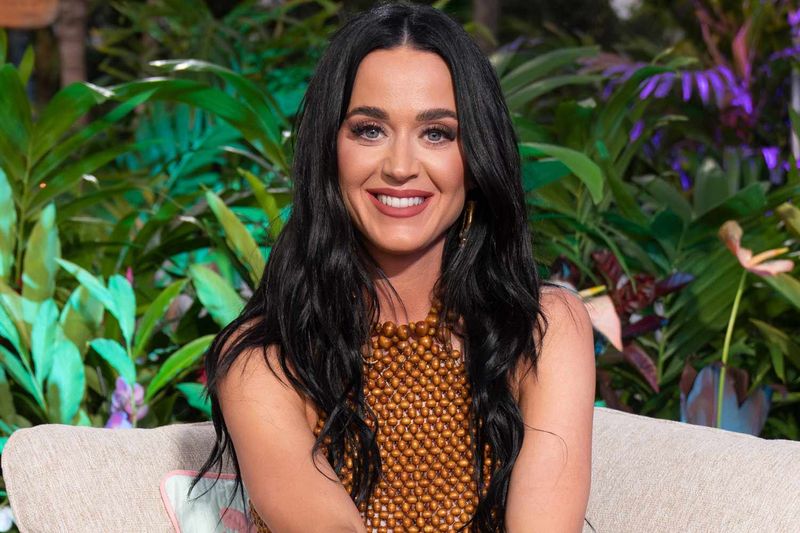
Candy-colored aesthetics and infectious pop hooks made Katy Perry one of the biggest stars of the 2010s, with “Teenage Dream” becoming the first album by a female artist to produce five number-one singles.
Her Super Bowl halftime show drew massive viewership, cementing her status as a mainstream pop powerhouse.
Critics dismissed her as manufactured corporate pop lacking depth or artistic vision beyond catchy choruses and memorable music videos.
Accusations of appropriating various cultures in her imagery and performances created additional controversy among more socially conscious listeners.
Some found her empowerment anthems like “Roar” inspiring, while others heard empty platitudes designed for maximum radio play.
The debate often splits along lines of whether pure entertainment value matters more than lyrical substance or cultural sensitivity.