 MomSkoop

Younger generations love to poke fun at habits from their parents and grandparents, calling them old-fashioned or out of touch.
But here’s the twist: many of those so-called outdated Boomer behaviors are quietly sneaking back into everyday life.
From handwritten notes to home-cooked meals, these once-mocked practices are proving they have real value in our fast-paced, screen-filled world.
1. Eating Dinner Together at the Table
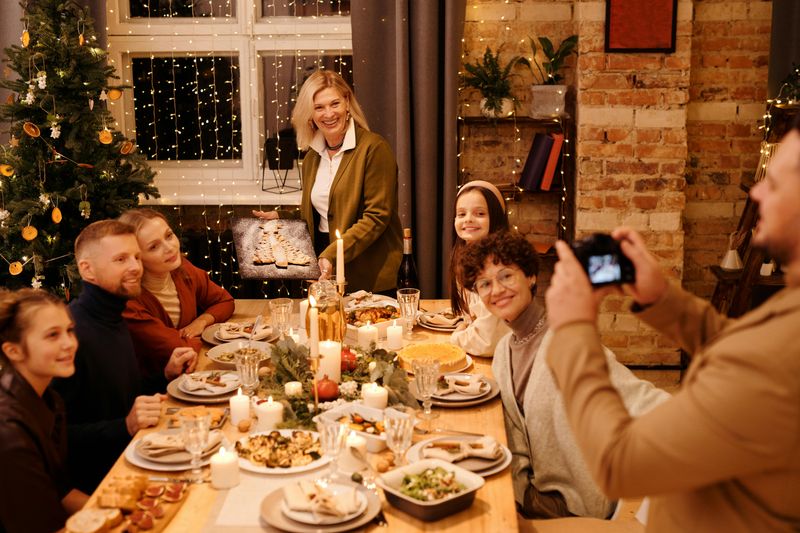
Remember when families actually sat down together without phones buzzing every two seconds?
That tradition is making a serious comeback.
Sharing a meal screen-free creates space for real conversations, helping everyone feel more connected and less isolated.
Studies show that kids who eat regular family dinners tend to have better nutrition and stronger emotional bonds with their parents.
Plus, putting away devices during mealtime teaches mindful eating habits that can last a lifetime.
It’s not just about the food—it’s about building memories and trust around the dinner table, one bite at a time.
2. Going to Bed Early and Honoring a Set Sleep Schedule

Late-night scrolling used to be the norm, but now more young people are embracing the early-to-bed routine their grandparents swore by.
Consistent sleep schedules aren’t just for “old folks”—they’re backed by science.
Your body thrives on routine, and sticking to regular bedtimes helps regulate mood, energy, and even immune function.
Missing out on quality sleep affects everything from focus in school to emotional stability.
When you honor a sleep schedule, you’re giving your brain the rest it desperately needs to process information and recharge.
Turns out, Boomers were onto something when they said nothing good happens after midnight.
3. Visiting the Library Regularly

Libraries aren’t just dusty book warehouses anymore—they’re community hubs offering way more than novels.
From free Wi-Fi and computer access to resume workshops and language classes, libraries provide resources that support lifelong learning without draining your wallet.
Younger generations are rediscovering these spaces as quiet retreats from the chaos of daily life.
You can borrow everything from books and movies to musical instruments and baking pans in some locations.
Plus, libraries host events that bring neighbors together, creating real-world connections that social media can’t replace.
Who knew the library card would become cool again?
4. Writing Things by Hand

Typing is faster, sure, but there’s something powerful about putting pen to paper.
Handwriting activates different parts of your brain compared to typing, which can boost memory retention and sharpen focus.
Whether it’s journaling your thoughts, jotting down grocery lists, or taking class notes the old-school way, this habit helps information stick.
Many people find that writing by hand slows them down in a good way, forcing them to think more carefully about what they’re recording.
It’s also a break from screens, which our eyes desperately need.
Boomers carried notebooks everywhere—and now planners and bullet journals are flying off shelves again.
5. Cooking Meals from Scratch
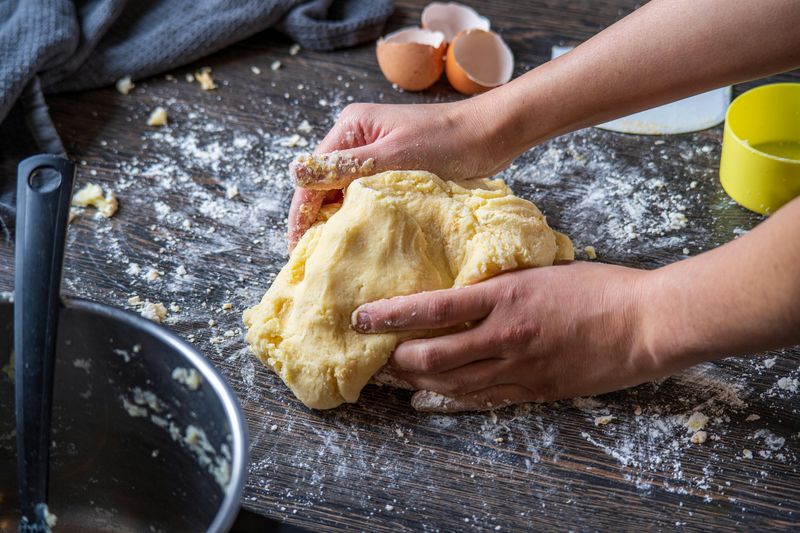
Takeout and meal kits are convenient, but cooking from scratch is staging a major comeback.
When you make your own meals, you control exactly what goes into your body—no mystery ingredients or excessive sodium.
Home cooking tends to be healthier and often costs way less than eating out or ordering delivery multiple times a week.
There’s also something satisfying about creating a dish with your own hands.
The process can be meditative and stress-relieving, turning meal prep into self-care rather than a chore.
Plus, you develop practical skills that serve you for life.
Grandma’s recipes are suddenly trending again for good reason.
6. Gardening and Growing Your Own Food
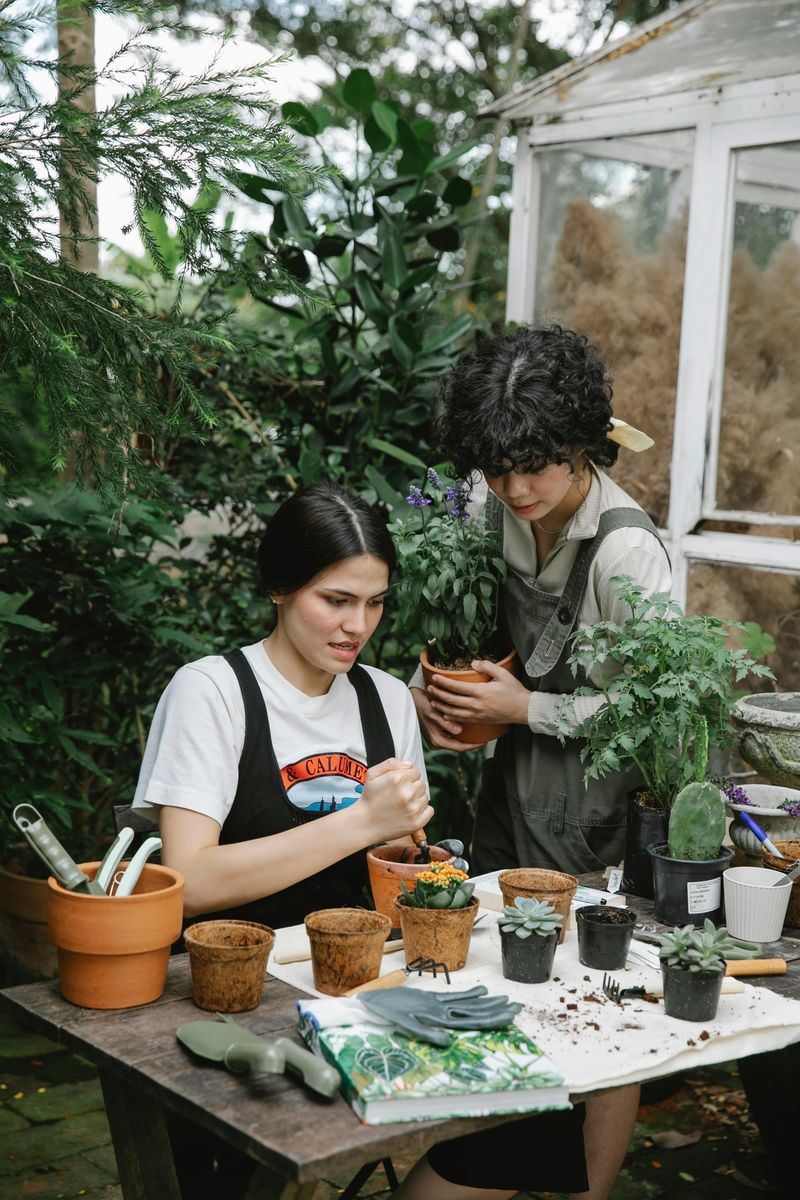
Getting your hands dirty in the garden might sound like pure Boomer territory, but urban farming and backyard veggie patches are exploding in popularity.
Growing your own food offers triple benefits: it’s a form of exercise, a proven stress reliever, and a source of fresh produce you know hasn’t been doused in chemicals.
Even small-space dwellers are joining in with container gardens on balconies or windowsill herb boxes.
Watching seeds sprout and plants thrive gives you a sense of accomplishment that’s hard to find scrolling through apps.
Plus, homegrown tomatoes actually taste like tomatoes—not like crunchy water.
7. Saving Money Regularly

Automatic transfers to savings accounts are becoming trendy again, echoing the disciplined habits Boomers practiced for decades.
Building an emergency fund or saving for future goals provides a financial cushion that reduces anxiety and opens up opportunities.
Even small amounts add up over time when you’re consistent.
Many young adults are realizing that living paycheck to paycheck creates constant stress, and regular saving—even just twenty dollars a week—can break that cycle.
Apps make it easier now, but the principle remains the same as when grandparents stashed cash in envelopes.
Financial security isn’t boring; it’s freedom to make choices without panic when unexpected expenses pop up.
8. Using Cash or Budgeting Manually

Swiping cards makes spending feel invisible, which is exactly the problem.
Cash envelopes and manual budgeting force you to physically see where your money goes, making overspending much harder.
When you hand over actual bills, the transaction feels more real, encouraging mindful choices about purchases.
This method helps people stick to spending limits without relying on apps or complex systems.
You allocate cash for different categories—groceries, entertainment, gas—and when an envelope is empty, you’re done spending in that area until next payday.
It’s simple, effective, and exactly what older generations did before credit cards took over.
Old-school doesn’t mean outdated when it comes to staying on budget.
9. Sending Handwritten Cards and Letters

Texts are quick, but they lack the personal touch that makes someone feel truly valued.
Handwritten cards and letters are experiencing a renaissance because they show effort and thoughtfulness in ways digital messages simply can’t match.
Receiving actual mail that isn’t a bill or advertisement feels special and rare these days.
Taking time to write out your thoughts, choose stationery, and mail something creates a tangible keepsake the recipient can hold onto forever.
It’s a small gesture that carries huge emotional weight, strengthening connections across distances.
Birthday cards from Grandma suddenly seem less corny and more meaningful when you realize how much intentionality goes into them.
10. Reading Physical Books Instead of Screens

E-readers and tablets are convenient, but physical books are making a comeback for good reason.
Staring at screens all day strains your eyes and disrupts sleep patterns, especially before bed.
Paper books give your eyes a break while still letting you enjoy stories and learn new information.
Research suggests that people retain information better when reading from physical pages compared to digital text.
There’s something about turning actual pages and seeing your progress that enhances comprehension and enjoyment.
Plus, building a home library creates a cozy atmosphere that a tablet collection just can’t replicate.
Bookstores and used book sales are thriving again as people rediscover this simple pleasure.
11. Maintaining Face-to-Face Social Etiquette

Video calls and texts have their place, but nothing beats in-person interaction for building genuine relationships.
Making eye contact, reading body language, and having uninterrupted conversations develop social skills that translate to success in work and personal life.
These abilities don’t come naturally from screen time alone.
Simple practices like greeting neighbors, making phone calls instead of only texting, and having coffee dates strengthen your ability to connect authentically.
Awkward silences and real-time responses teach you to navigate social situations with confidence.
Boomers prioritized face-to-face communication because it works—relationships built in person tend to run deeper and last longer than purely digital ones.
12. Doing Routine Household Maintenance and DIY Fixes
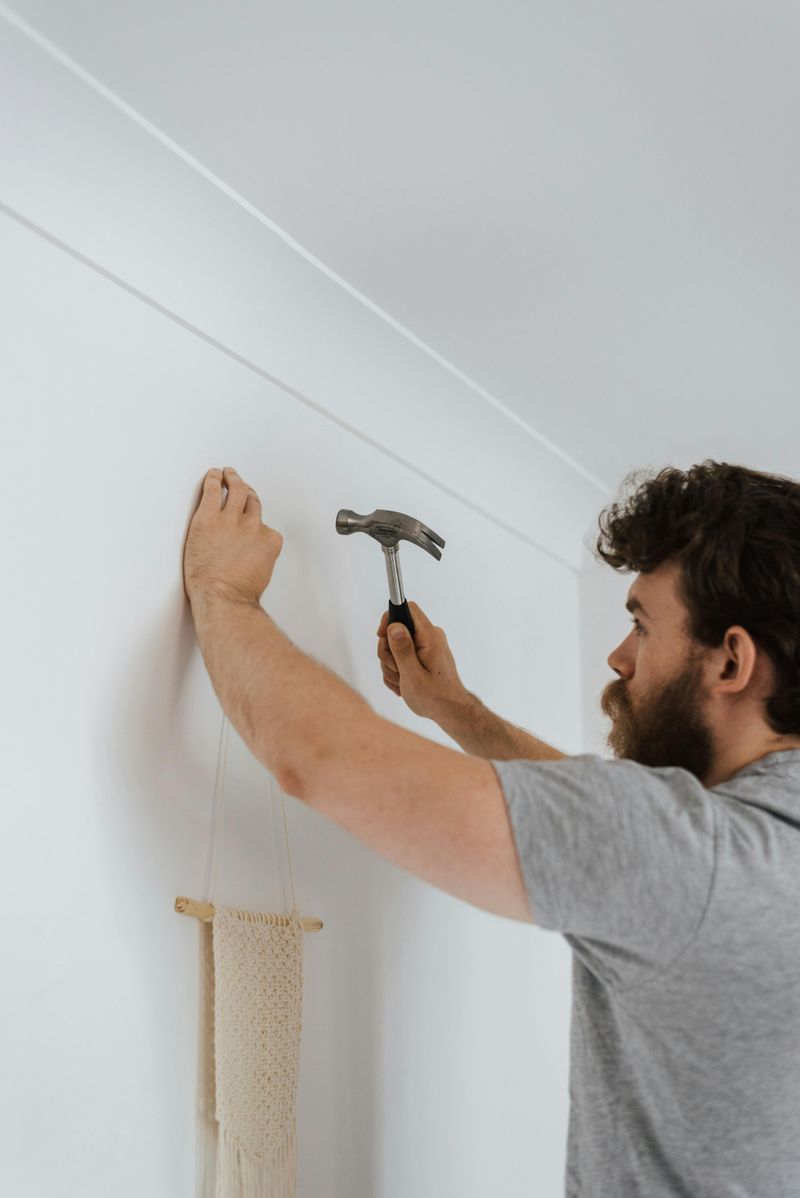
Calling a professional for every little problem gets expensive fast.
Learning basic household maintenance—like unclogging drains, changing air filters, or patching drywall—saves serious money and builds practical confidence.
These skills were standard knowledge for previous generations, and they’re worth reclaiming.
YouTube tutorials make DIY learning easier than ever, and tackling small fixes yourself creates a sense of accomplishment.
Plus, when you understand how things work, you’re less likely to panic when something breaks.
Regular maintenance prevents bigger, costlier problems down the road.
Turns out, being handy around the house isn’t just a Boomer thing—it’s a smart life skill that reduces stress and keeps more cash in your pocket.