 MomSkoop
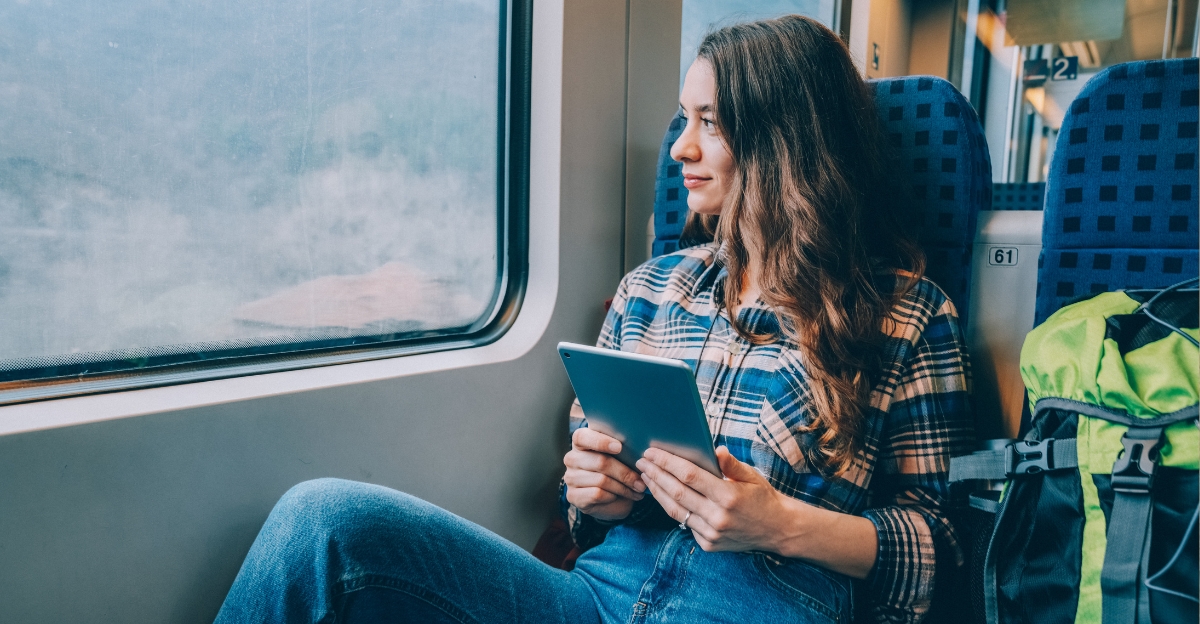
Solo travel sounds exciting until you’re sitting alone at a restaurant and everyone seems to be staring.
Those awkward moments can make even confident travelers feel out of place.
But here’s the good news: a few simple habits can transform those uncomfortable situations into confident, enjoyable experiences.
These ten practical strategies will help you feel at ease wherever your solo adventure takes you.
1. Anchor Your Day with a Small Ritual
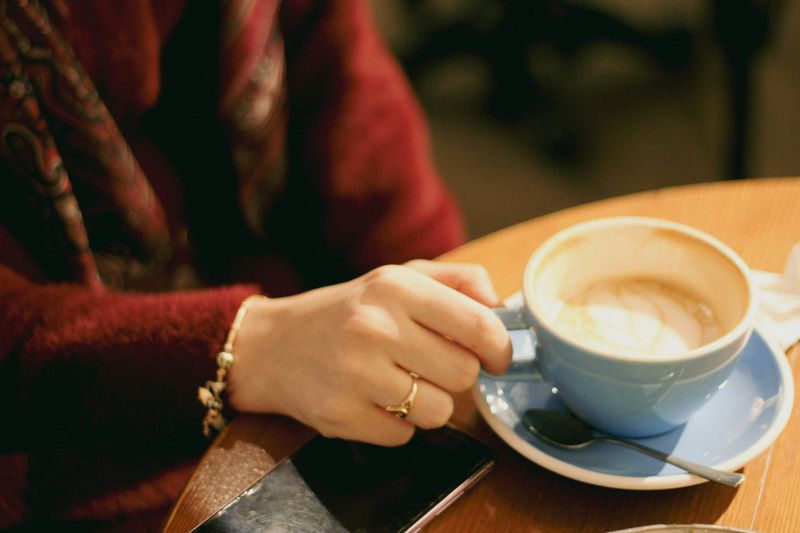
Returning to the same café each morning or taking an evening walk along the same route creates a comforting sense of familiarity in unfamiliar places.
Your brain craves predictability, especially when everything else around you is new and strange.
Building these tiny anchors into your routine makes you feel less like a tourist and more like a temporary local.
When the barista starts recognizing your face or you know exactly which bench has the best sunset view, awkwardness melts away.
You’ve claimed a small piece of the place as yours.
This grounding effect reduces social anxiety and helps you feel more confident exploring the rest of your destination with curiosity instead of nervousness.
2. Book One Intentional Social Touchpoint Per Day

Hoping that meaningful connections will magically happen rarely works out.
Instead, schedule at least one activity designed for interaction—a walking tour, cooking class, or coworking space visit.
These structured settings remove the pressure of forced small talk because you’re doing something together, not just talking.
You’ll find it much easier to chat with someone while kneading pasta dough or admiring architecture than approaching a stranger cold.
The shared experience gives you instant common ground.
Plus, when you know social time is built into your day, you won’t feel guilty about spending other hours happily alone with your thoughts and observations.
3. Practice Confident Body Language on Purpose

Awkwardness feeds on slouched shoulders and uncertain movements.
When you walk into a room like you belong there, something shifts—not just in how others see you, but in how you see yourself.
Stand tall, make eye contact when ordering, and claim your space without apologizing for existing.
This isn’t about faking confidence; it’s about training your body to send different signals to your brain.
Research shows that powerful postures actually reduce stress hormones and increase feelings of confidence.
Start small: walk to your table with purpose, sit without hunching, speak clearly when asking questions.
Within days, these deliberate choices become natural habits that make solo moments feel completely normal.
4. Carry a Permission Activity Everywhere
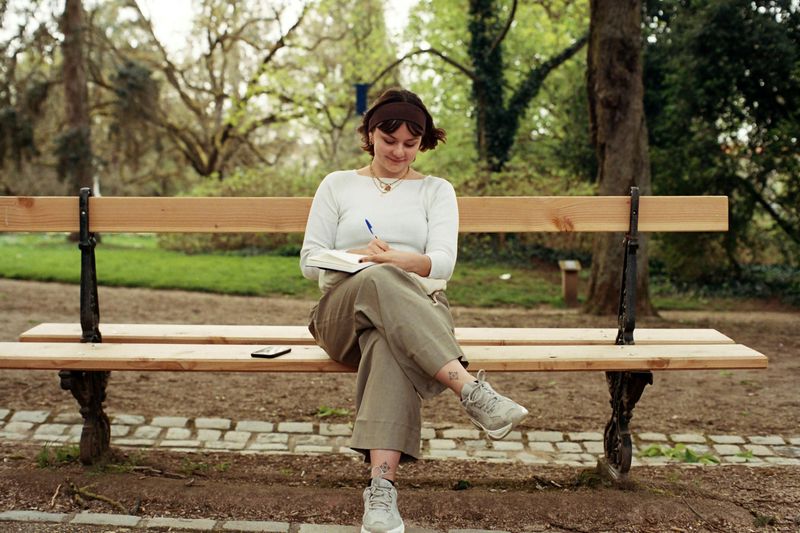
A journal, camera, or Kindle transforms sitting alone from looking awkward to looking intentional.
When you’re absorbed in sketching the fountain across the plaza or reading a chapter, you’re not the lonely person waiting for company—you’re someone enjoying their chosen activity.
That mental shift changes everything.
These props give your hands and eyes something to do, which reduces self-consciousness dramatically.
You’re no longer wondering what to do with your face or where to look.
Better yet, they often spark genuine conversations with curious locals or fellow travelers who want to know what you’re reading or photographing, turning your solo comfort tool into an unexpected social bridge.
5. Learn Three to Five Local Phrases Beyond Hello
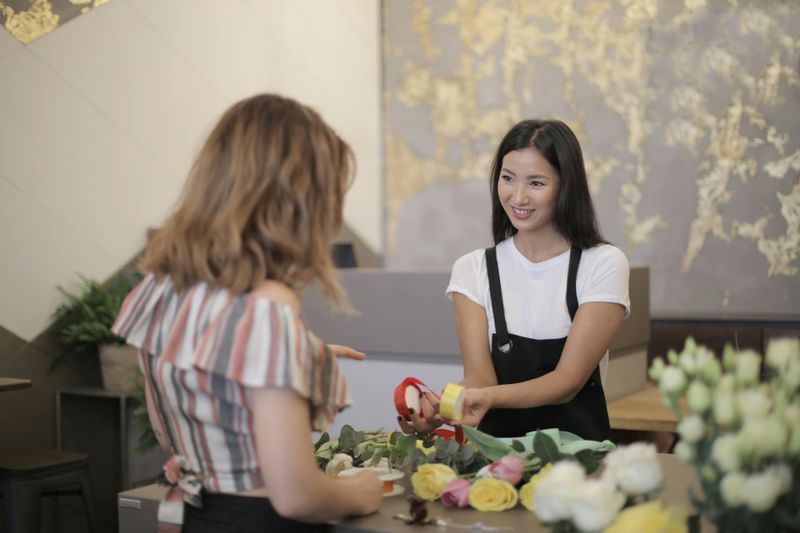
Mastering just a handful of phrases—thank you, excuse me, where is, delicious, good morning—creates instant warmth in daily interactions.
Locals appreciate the effort, even if your pronunciation is terrible, and those micro-connections reduce the friction that makes solo travel feel isolating.
You’re participating, not just observing.
These small linguistic bridges also boost your confidence when navigating markets, asking directions, or ordering food.
Instead of feeling like an outsider who can’t communicate, you become someone making an honest attempt to respect the local culture.
That shift from passive tourist to active participant dissolves awkwardness faster than almost any other habit you can develop.
6. Eat at Off-Peak Hours to Avoid the Spotlight

Dining solo during the dinner rush can feel like performing under stage lights, with couples and groups at every table.
Shifting your meal times by just an hour eliminates that spotlight sensation completely.
Lunch at 2 PM or dinner at 5:30 PM means quieter restaurants, more attentive service, and zero awkwardness about taking up a table alone.
You’ll also discover that staff have more time to chat and offer recommendations when they’re not slammed with orders.
The relaxed atmosphere helps you actually enjoy your meal instead of rushing through it to escape imagined judgment.
Plus, off-peak dining often means better people-watching opportunities without the noise and chaos of peak hours.
7. Choose Accommodation with Shared-But-Optional Spaces
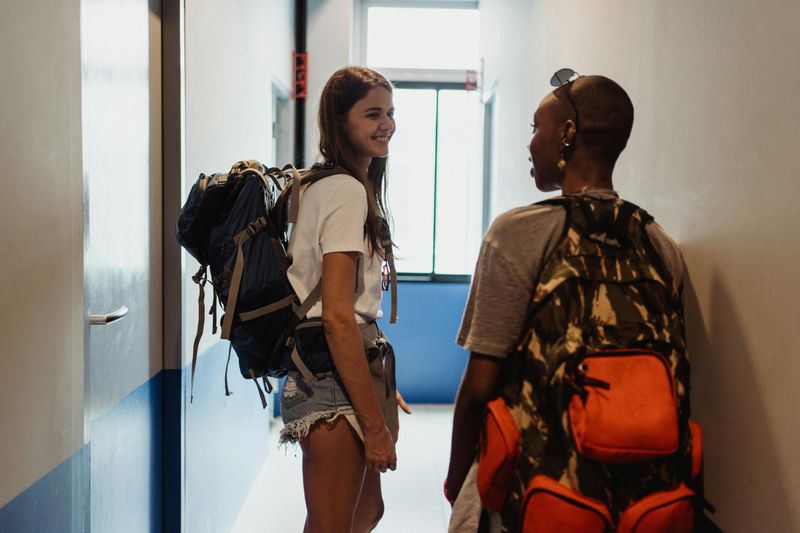
Hostels with private rooms or boutique hotels with communal lounges give you the best of both worlds.
You can retreat to your own space when you need solitude, but social opportunities exist whenever you’re ready for them.
This flexibility removes the all-or-nothing pressure of purely social hostels or isolating hotel rooms.
Walking into a shared kitchen or lounge area feels natural and low-stakes—you can join a conversation or simply make tea and nod hello.
There’s no forced interaction, but connection is available on your terms.
This setup dramatically reduces the loneliness that sometimes hits solo travelers at night while still protecting your privacy and personal space when you need to recharge alone.
8. Document the Trip for Yourself, Not Social Media
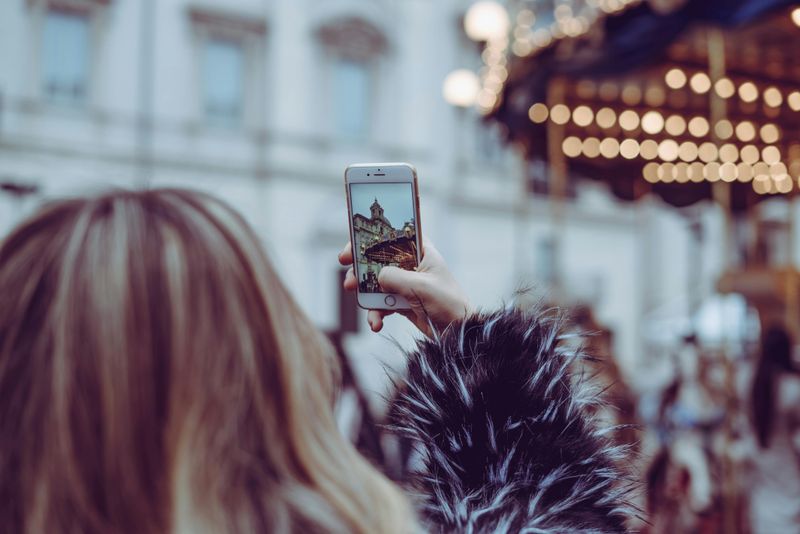
Constantly thinking about how moments will look online pulls you out of the experience and amplifies self-consciousness.
When you photograph or write for your own memory instead of audience approval, you stay present and engaged with what’s actually happening around you.
That presence naturally reduces awkward feelings because you’re focused outward, not inward.
Taking notes about flavors you tasted, conversations you had, or how the light looked at sunset creates deeper memories than any Instagram post.
You’re traveling for the richness of the experience, not the validation of likes.
This mindset shift helps you stop performing your trip and start actually living it, which makes every solo moment feel more authentic and less staged.
9. Normalize Solo Moments by Reframing Them as Freedom
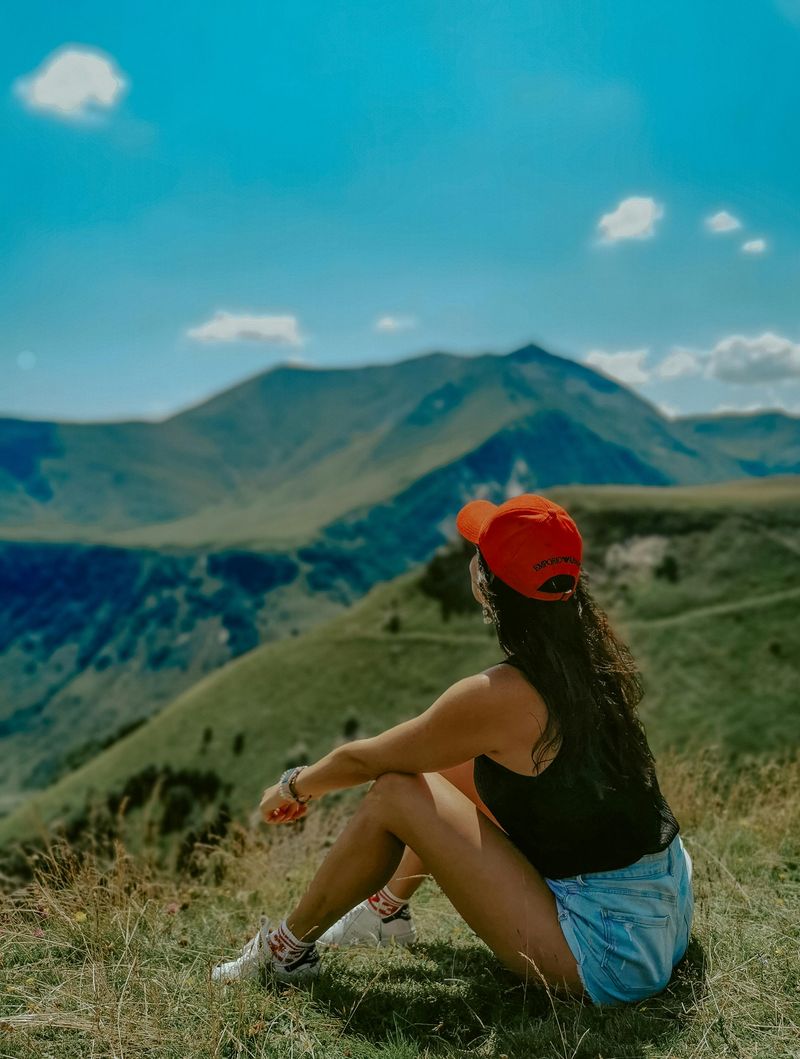
Language shapes reality more than we realize.
When you catch yourself thinking “I’m alone,” immediately reframe it to “I can change plans anytime I want.”
That mental switch transforms a potential negative into an empowering positive.
You’re not missing out on companionship; you’re gaining complete autonomy over your experience.
Want to spend three hours in a museum?
Done.
Feel like skipping the famous monument to explore a random neighborhood?
Go for it.
This freedom is the entire point of solo travel, not a consolation prize.
The more you consciously celebrate this flexibility, the faster awkwardness fades.
You’ll start seeing other travelers in groups and feeling grateful for your independence rather than envious of their company.
10. End Each Day by Noting One Tiny Win

Before bed, write down one small positive moment from the day—a friendly chat with a barista, discovering a hidden courtyard, or eating an amazing pastry.
This practice retrains your brain to scan for wins instead of awkward moments.
Over time, you’ll naturally focus more on what went right than what felt uncomfortable.
Our brains have a negativity bias that makes us remember awkward moments more vividly than pleasant ones.
Deliberately recording daily wins counteracts that tendency and builds confidence for the next day.
After a week of this habit, you’ll notice your entire perspective shifting.
Solo travel stops feeling like something to endure and becomes an adventure you’re genuinely excited to continue.