 MomSkoop
Being a grandparent is one of life’s greatest joys, but even the most loving grandparents can sometimes fall into habits that create tension with their children and grandchildren.
Small actions, like ignoring house rules or overstepping during family decisions, can chip away at trust and harmony over time. The good news is that awareness goes a long way. Recognizing these common habits can help grandparents build stronger, healthier relationships with the whole family.
1. Ignoring Parents’ Rules
Every household runs on a set of rules, and those rules exist for good reasons.
When grandparents brush them aside, even with the best intentions, it sends a confusing message to children.
Kids thrive on consistency, and mixed signals can make it harder for parents to maintain boundaries.
Grandma might think an extra cookie never hurt anyone, but repeatedly going around the rules can quietly undermine parental authority.
Children are smart, and they notice when one adult overrules another.
Over time, this can lead to kids testing limits at home.
A simple conversation with the parents about house rules can prevent a lot of friction.
Showing respect for those rules is one of the kindest things a grandparent can do.
2. Criticizing Parenting Choices
Parenting styles have changed a lot over the generations, and what worked decades ago does not always match today’s research or values.
When grandparents openly criticize how their adult children are raising kids, it stings deeply.
It can feel less like helpful advice and more like a personal attack.
Comments about screen time, diet, sleep schedules, or discipline can quickly turn a pleasant visit into a stressful one.
Parents already carry a heavy load of self-doubt, and outside criticism only adds to that weight.
Grandparents who hold back unsolicited opinions tend to have warmer relationships with their adult children.
Offering support instead of judgment keeps the door open for real, honest conversations when they truly matter.
3. Giving Children Unlimited Treats
Few things say “I love you” like a grandparent slipping a child their favorite treat.
But when sweets and snacks become unlimited and unchecked, it stops being a special gesture and starts becoming a problem.
Too much sugar affects mood, sleep, and long-term health habits.
Children who learn that grandma’s house means endless junk food can start associating love with indulgence.
That mindset can be tricky to unlearn as they grow older.
Parents are often left dealing with the sugar crashes and meltdowns that follow a visit.
Grandparents can still be the fun ones without going overboard.
Choosing one special treat per visit keeps it meaningful and shows kids that moderation is part of caring for yourself.
4. Comparing Grandchildren with One Another
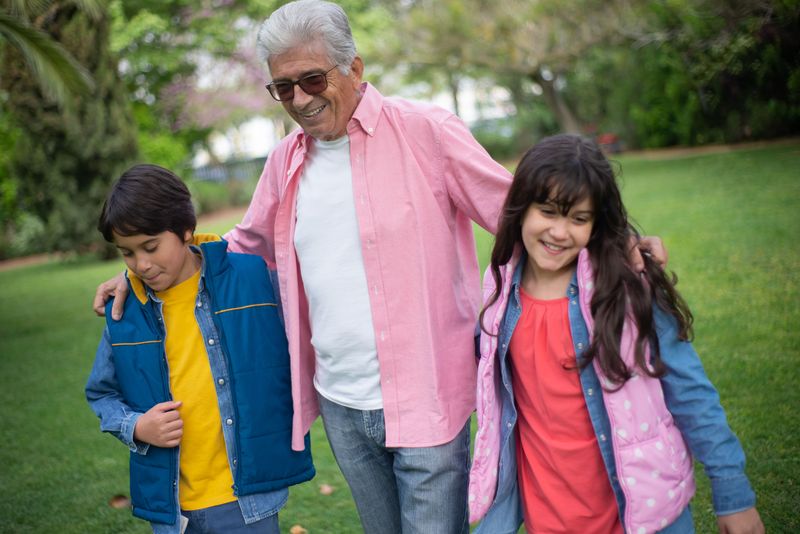
“Your brother learned to ride a bike much faster” is the kind of sentence that can stick with a child for years.
Comparisons between grandchildren, even casual ones, plant seeds of doubt and competition where there should only be encouragement.
Every child develops at their own pace and in their own unique way.
Grandparents often make comparisons without realizing how much weight those words carry.
To a young child, hearing that a sibling or cousin did something better can feel like a direct message that they are not good enough.
Celebrating each grandchild as an individual, with their own strengths and quirks, builds genuine confidence.
Specific praise like “I love how creative you are” goes much further than any comparison ever could.
5. Playing Favorites
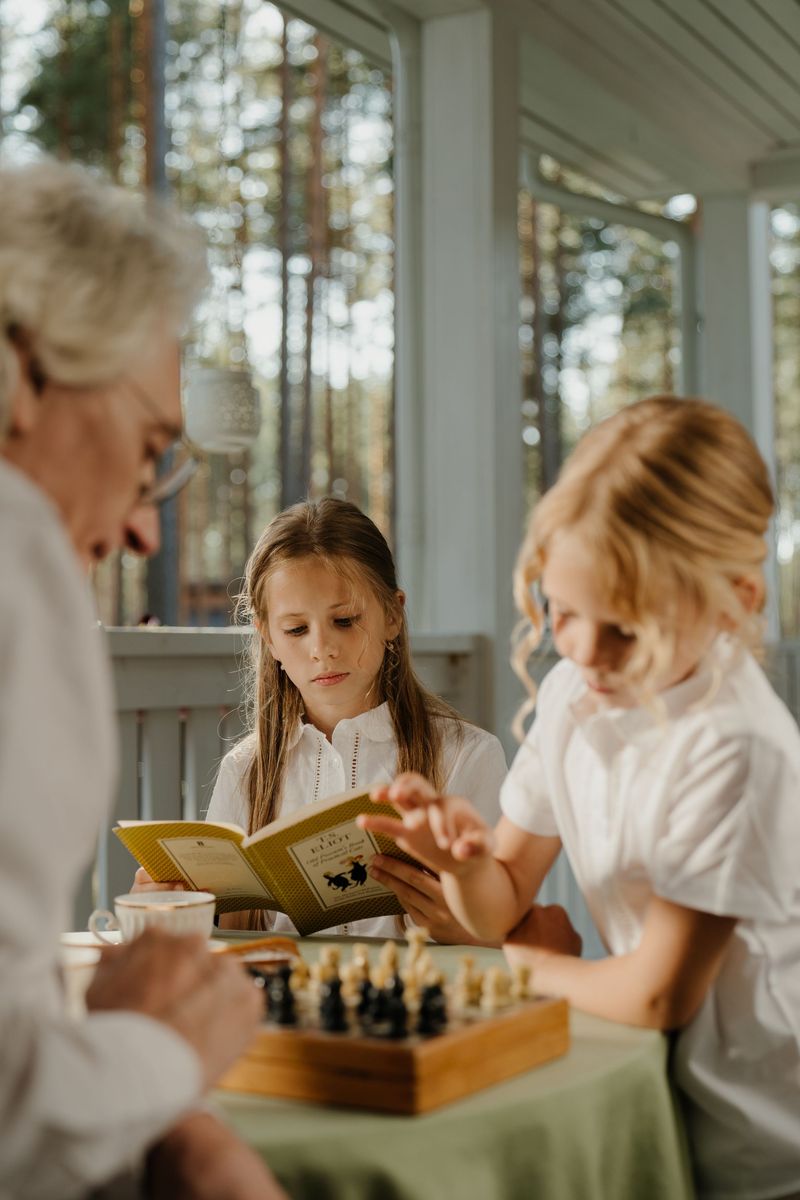
Favoritism in families is rarely announced out loud, but children pick up on it instantly.
A grandparent who consistently spends more time with one grandchild, buys them bigger gifts, or praises them more openly creates a quiet but painful divide.
The kids on the receiving end of less attention feel it deeply.
Sometimes favoritism happens unintentionally.
A grandparent might naturally connect more with a grandchild who shares their interests or lives nearby.
But without awareness, those natural preferences can turn into patterns that hurt.
Making a deliberate effort to connect with each grandchild individually, learning what makes each one tick, goes a long way.
Equal does not have to mean identical, but every child deserves to feel genuinely valued and loved.
6. Sharing Private Family Matters
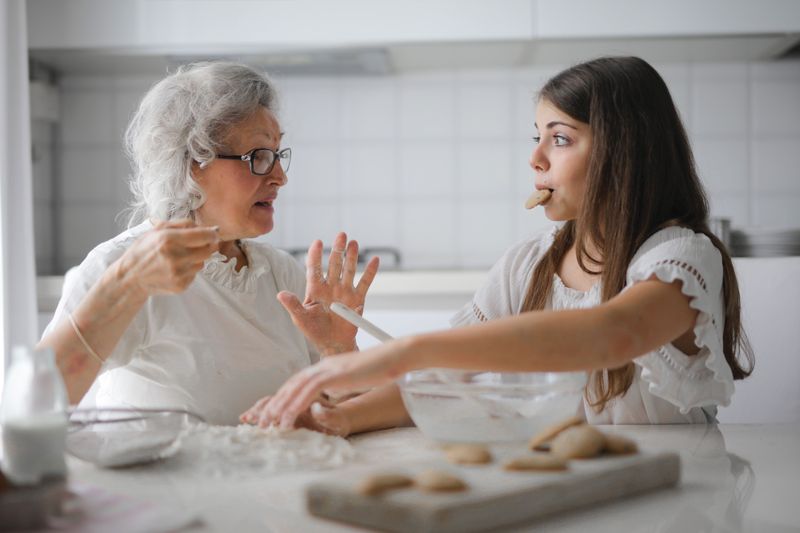
Family life comes with private struggles, disagreements, and personal details that are not meant for public consumption.
When grandparents share those details with extended family, neighbors, or friends, it can feel like a serious betrayal of trust.
Even well-meaning sharing can cause real damage.
A grandparent who mentions a couple’s financial stress or a child’s behavioral challenges to others, however casually, puts the whole family in an uncomfortable spotlight.
The people whose lives are being discussed rarely get a say in what is shared or how it is framed.
Keeping family matters within the family is a form of respect.
When grandparents treat private information with care, they become someone their adult children feel safe confiding in, which strengthens the whole relationship.
7. Posting Photos Without Permission

Social media has made it easier than ever to share life’s sweet moments, but not every parent wants their child’s face posted online for the world to see.
Many families have thoughtful reasons for keeping their children off social media, ranging from privacy concerns to safety considerations.
When grandparents post photos of grandchildren without asking first, it removes the parents’ ability to make that choice for their own family.
Even a sweet birthday photo can cross a line if it goes up without permission.
This is especially sensitive for families with specific safety concerns.
A quick “is it okay if I post this?” takes five seconds and shows enormous respect.
That small habit of asking first can prevent a lot of hurt feelings and broken trust between generations.
8. Buying Excessive Gifts
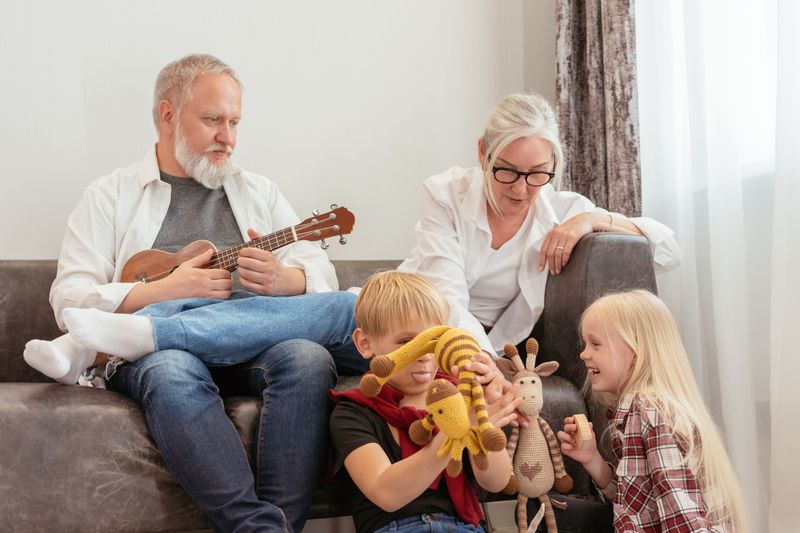
Generous grandparents are wonderful, but there is a point where gift-giving tips from loving to overwhelming.
When every visit comes with a mountain of presents, children can start to expect material things as the main event rather than the time spent together.
That shift quietly changes what family visits mean to them.
Excessive gifting can also put parents in an awkward position.
They may be trying to teach kids about gratitude and the value of things, only to have those lessons buried under piles of new toys every few weeks.
Experiences often make better memories than things anyway.
A trip to a museum, a baking afternoon, or a special outing can create lasting bonds that no amount of gifts can replicate.
Quality time is always the best present.
9. Using Guilt to Request More Visits
“You never come to see me anymore” might feel like an honest expression of loneliness, but when it becomes a regular refrain, it starts to feel like emotional pressure.
Guilt-tripping adult children about visit frequency puts them in a no-win situation and often creates dread around family time instead of joy.
Busy parents are already juggling work, school schedules, finances, and household responsibilities.
Adding a layer of guilt on top of that load does not make them more likely to visit.
If anything, it makes the idea of visiting feel heavy and stressful.
Expressing a genuine desire to spend time together in a warm, open way works far better.
Something like “I would love to see you all soon” invites connection without putting anyone on the defensive.
10. Dismissing Children’s Feelings

“You’re fine, stop crying” might seem like a quick way to move past a meltdown, but dismissing a child’s emotions teaches them that their feelings do not matter.
Children who are told not to feel what they feel often grow up struggling to express or manage their emotions in healthy ways.
Grandparents from older generations sometimes grew up in homes where emotions were not openly discussed or validated.
That background can make it feel natural to tell kids to toughen up.
But emotional intelligence is now understood to be just as important as any other skill.
Acknowledging a child’s feelings, even briefly, makes a big difference.
Saying “I can see you’re upset” before anything else helps children feel seen and understood, which is exactly what they need.
11. Making Negative Comments About a Parent

Saying something critical about a parent in front of their own child is one of the most damaging habits a grandparent can fall into.
Children are deeply loyal to their parents, and hearing negative comments about mom or dad from someone they also love puts them in an impossible emotional position.
Even offhand remarks like “your dad was always so stubborn” or “your mom worries too much” plant seeds of doubt and confusion.
Kids are not equipped to process adult conflicts, and they should never be used as sounding boards for family frustrations.
Grandparents who keep their personal grievances away from the grandchildren protect those children’s sense of security.
Healthy family dynamics depend on adults working out their differences directly, not through the kids.
12. Overstepping During Family Decisions
There is a real difference between offering wisdom and taking over.
When grandparents insert themselves into major family decisions, whether about schooling, healthcare, finances, or where the family lives, it signals a lack of trust in the parents’ judgment.
That can create lasting friction.
Adult children need the space to make their own choices, even imperfect ones.
Being a supportive presence means offering perspective when asked, not stepping in uninvited.
Grandparents who consistently overstep can find themselves slowly pushed out of the inner circle.
The most respected grandparents tend to be the ones who give their adult children room to lead their own families.
Offering a listening ear and a steady, calm presence is far more valuable than trying to steer every decision from the sidelines.