 MomSkoop
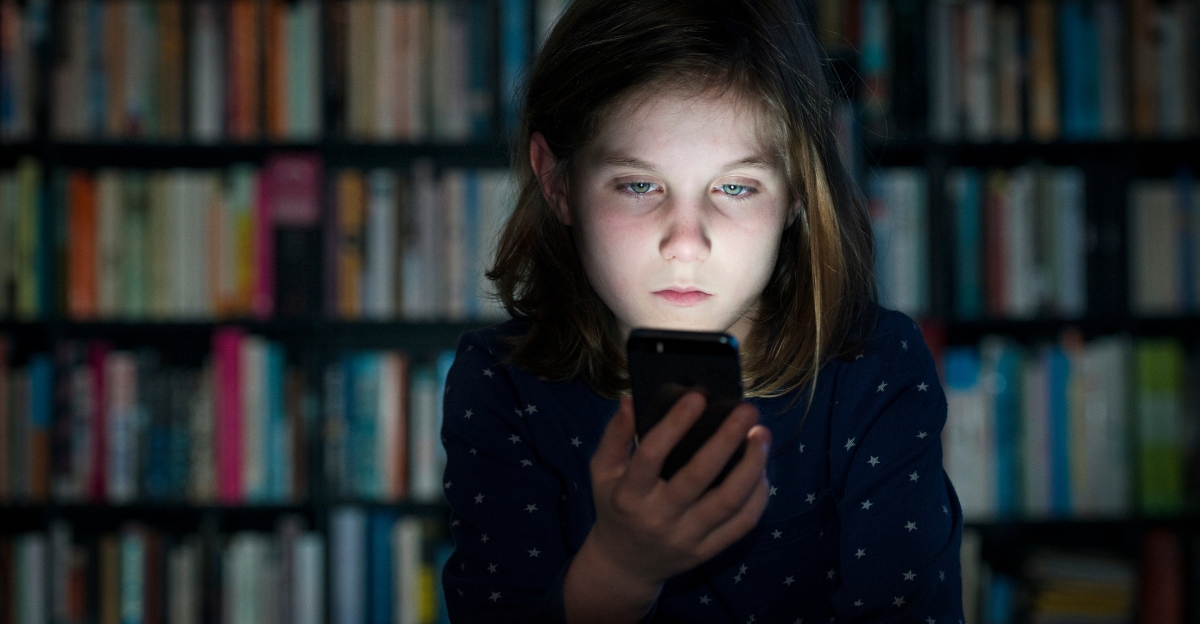
Growing up with online bullying can leave marks that go far deeper than a deleted post or a closed browser tab.
The hurtful words, public humiliation, and constant targeting that happen online can shape the way a person thinks, feels, and connects with others — even years later.
Many adults who were cyberbullied as kids carry invisible wounds they may not even recognize as connected to those experiences.
Understanding these patterns is the first step toward healing and reclaiming your confidence.
1. Hypervigilance: Always Waiting for the Next Attack

Some people never fully relax online — and there is a real reason for that.
If you were bullied on the internet as a kid, your brain learned to stay on high alert to protect you.
That survival habit can stick around long after the bullying stopped.
As an adult, this might look like obsessively checking who liked your post, reading every comment for hidden insults, or feeling your stomach drop when your phone buzzes.
Your nervous system got trained to expect danger.
Recognizing this pattern is powerful, because awareness is the very first tool for rewiring old fear responses.
2. Avoiding the Spotlight Online

Posting a photo, sharing an opinion, or even commenting on someone else’s content can feel terrifying when your past taught you that visibility equals vulnerability.
Many adult survivors of cyberbullying become digital ghosts — lurking quietly, never engaging, hiding behind maximum privacy settings.
There is nothing wrong with protecting your space online.
But when fear is the only thing driving that choice, it can slowly shrink your world.
You deserve to take up space, share your voice, and connect with others without dread.
Small, safe steps toward online participation can gradually rebuild a sense of control and confidence.
3. Social Withdrawal and the Comfort of a Tiny Circle

After being humiliated in front of a crowd — even a digital one — shrinking your social world feels like the smartest move.
Keeping only one or two close friends, skipping group events, or avoiding new people altogether can feel protective rather than lonely.
Over time, though, isolation can quietly deepen feelings of sadness and disconnection.
Humans are wired for community, and cutting yourself off too much can feed the very hopelessness the bullying planted.
Pushing yourself just slightly outside your comfort zone — even a short coffee with a new acquaintance — can slowly rebuild your trust in people again.
4. Low Self-Esteem and the Habit of Harsh Self-Judgment

Words typed in cruelty have a stubborn way of becoming the voice inside your own head.
If people online called you ugly, stupid, or worthless, there is a real chance some part of you started to believe it — even if you never wanted to.
Shame-proneness, or the habit of blaming yourself harshly when things go wrong, is one of the most common lasting effects of cyberbullying.
You might catch yourself thinking you are too much or not enough.
Challenging those thoughts gently, perhaps with therapy or journaling, can help you separate the cruel lies you were told from your actual worth.
5. Persistent Anxiety, Especially Around Other People

Social anxiety after cyberbullying is incredibly common, and it makes complete sense.
When you learned early that groups of people could turn on you without warning, your brain started treating social situations like minefields.
Walking into a party, speaking up in a meeting, or even sending a text and waiting for a reply can trigger that familiar dread of being laughed at or rejected.
Your body might sweat, your heart might race, your mind might spiral.
Gradual exposure — paired with self-compassion — is one of the most effective ways to teach your nervous system that not every social situation ends in humiliation.
6. Depressive Symptoms That Linger Quietly

Depression does not always look like crying every day.
Sometimes it is more like a fog — low motivation, a flat mood, difficulty finding pleasure in things you used to enjoy, or a quiet voice that says things will never really get better.
Research consistently links childhood and adolescent cyberbullying to higher rates of depression in adulthood.
The repeated public humiliation and helplessness that come with being bullied online can train the brain toward hopelessness.
If these feelings sound familiar, reaching out to a counselor or therapist is not a sign of weakness — it is one of the strongest, most self-respecting choices you can make.
7. Sleep Disruption and the Nights That Won’t Quiet Down

Did you know that stress and trauma directly interfere with the brain’s ability to wind down at night?
For people who experienced ongoing online bullying, bedtime can become the loudest part of the day — when anxious thoughts replay without distraction.
Nightmares, difficulty falling asleep, waking up exhausted even after a full night in bed — these are real physical symptoms tied to unresolved emotional stress.
Building a calming nighttime routine, limiting screen time before bed, and addressing underlying anxiety with professional support can all make a meaningful difference.
Your body genuinely needs rest to heal, process, and move forward.
8. Difficulty Trusting People and Letting Anyone Close

Betrayal hits differently when it happens publicly.
Being mocked, exposed, or ganged up on online — especially by people you thought were friends — teaches a painful lesson: closeness is risky.
Carrying that lesson into adulthood can make friendships and romantic relationships feel like emotional minefields.
You might keep people at arm’s length, struggle to open up, or assume that anyone who gets too close will eventually use what they know against you.
Healing this pattern usually takes time and patience.
Therapy, honest communication, and allowing yourself to experience small moments of safe connection can slowly rebuild your capacity for trust.
9. Unhealthy Coping Habits That Numb the Pain

When emotional pain feels too big to face, the mind looks for shortcuts to relief.
Binge-watching shows for hours, overeating, drinking too much, or turning to substances can all become go-to escape hatches for people carrying unprocessed trauma from online bullying.
These behaviors are not signs of weakness or bad character — they are signs that something inside still needs care and attention.
The tricky part is that numbing strategies tend to delay healing rather than create it, and some carry serious health risks over time.
Recognizing the pattern honestly, without shame, opens the door to finding healthier ways to soothe a nervous system that has been through a lot.
10. Emotional Reactivity: When Small Things Hit Like Big Things

Ever snapped at someone over a small comment and then felt confused by your own reaction?
For survivors of cyberbullying, even mild criticism or conflict can trigger an outsized emotional response — because the nervous system has been conditioned to treat social threats as emergencies.
Irritability, sudden anger, or feeling deeply wounded by an offhand remark are all signs of emotional reactivity rooted in past hurt.
The good news is that this response can be relearned.
Mindfulness practices, therapy focused on emotional regulation, and building self-awareness around your triggers can help you respond to the present rather than reacting to the past.