 MomSkoop
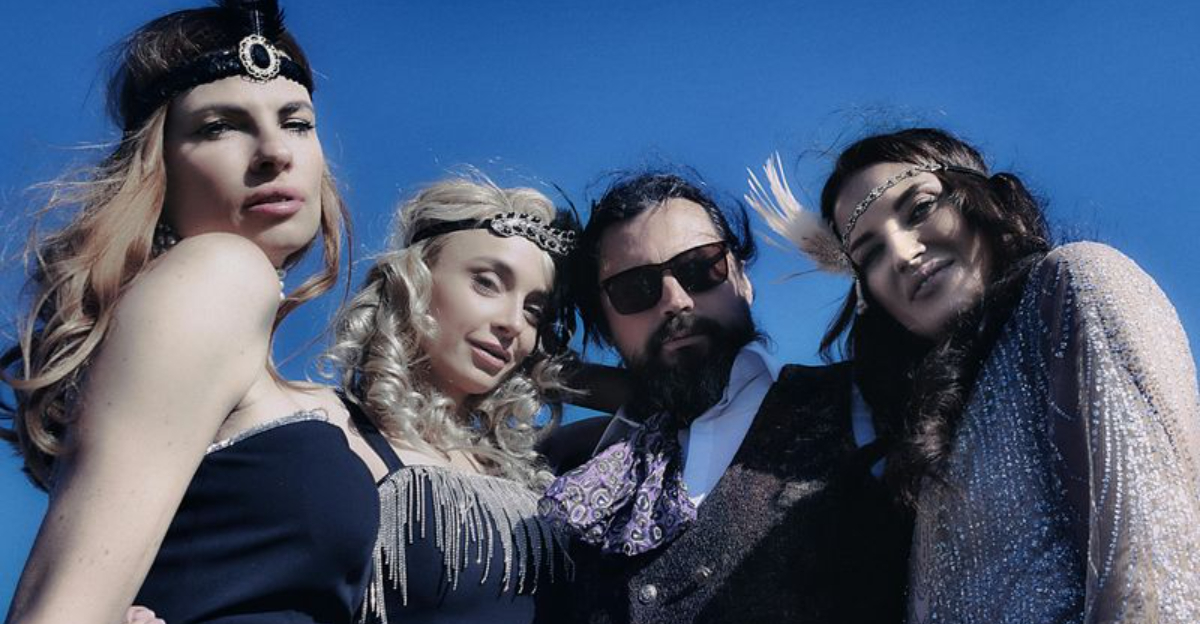
Wedding dress codes are supposed to make planning easier, but sometimes they end up causing more stress than excitement for guests. From confusing instructions to expensive requirements, some dress codes leave people scratching their heads before they even RSVP.
Guests want to celebrate the couple, not spend hours hunting for the perfect outfit that fits a very specific theme. Here are 13 wedding dress codes that guests are honestly tired of dealing with.
1. White Tie Only
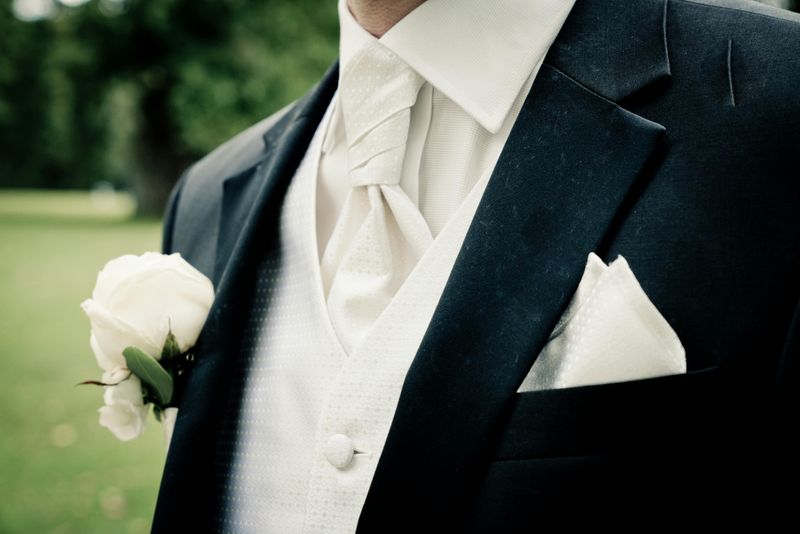
Nothing signals a stressful RSVP quite like seeing “White Tie Only” on a wedding invitation.
This is the most formal dress code in existence, requiring floor-length gowns for women and full tailcoats for men.
Most people simply do not own these items.
Renting or buying white tie attire can cost hundreds of dollars for a single evening.
Guests who rarely attend luxury events may feel completely out of their element.
The pressure to look perfectly polished can overshadow the joy of celebrating the couple.
Many guests quietly wish couples would consider their comfort and budget before choosing this level of formality.
A beautiful wedding does not require the most expensive dress code on the planet.
2. Black Tie Mandatory
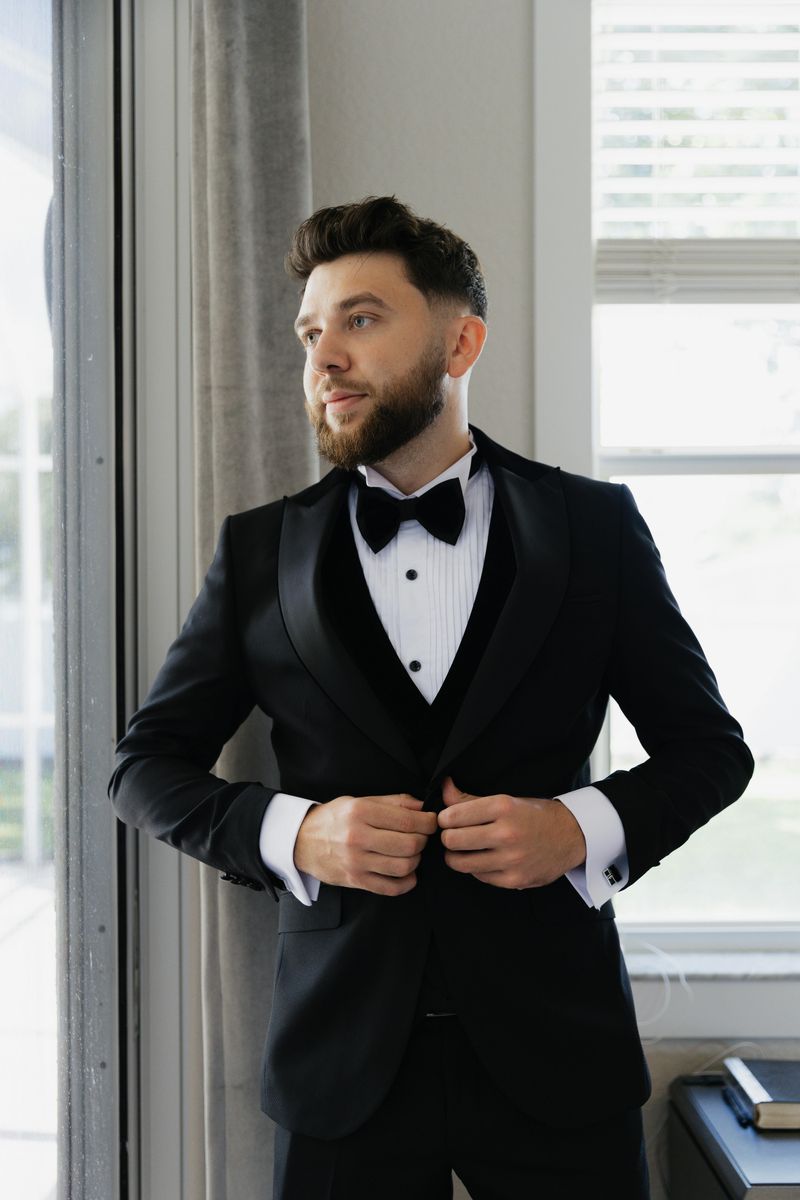
There is a big difference between “Black Tie Preferred” and “Black Tie Mandatory,” and guests absolutely feel it.
When an invitation makes formalwear non-negotiable, the pressure to comply kicks in immediately.
Not everyone has a tuxedo or floor-length gown just sitting in their closet.
Renting formalwear adds unexpected costs to attending a wedding that already involves travel, gifts, and hotel stays.
For guests who live far away, transporting formal attire without wrinkling it becomes its own mini adventure.
The logistics alone can make people consider skipping the event altogether.
Couples who choose this dress code may not realize how much financial strain it places on their guests.
A little flexibility goes a long way in making everyone feel welcome and relaxed.
3. Dress to Impress
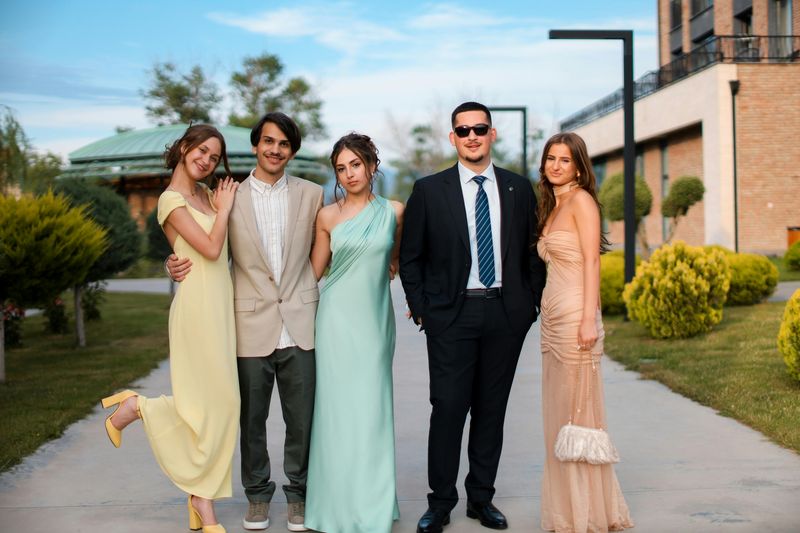
“Dress to Impress” sounds exciting until you realize it tells you absolutely nothing useful.
Is it cocktail?
Semi-formal?
Somewhere in between?
Guests are left guessing, and that uncertainty is genuinely exhausting.
Nobody wants to show up over-dressed or under-dressed at a wedding.
Vague dress codes create anxiety that can last right up until the moment guests walk through the venue doors.
People end up texting the couple, asking friends for opinions, or buying multiple outfits just to cover their bases.
That is a lot of stress for what should be a fun occasion.
Clear dress codes are a gift to guests.
Swapping “Dress to Impress” for something specific like “Cocktail Attire” would save everyone a whole lot of confusion and last-minute panic.
4. All-White Attire
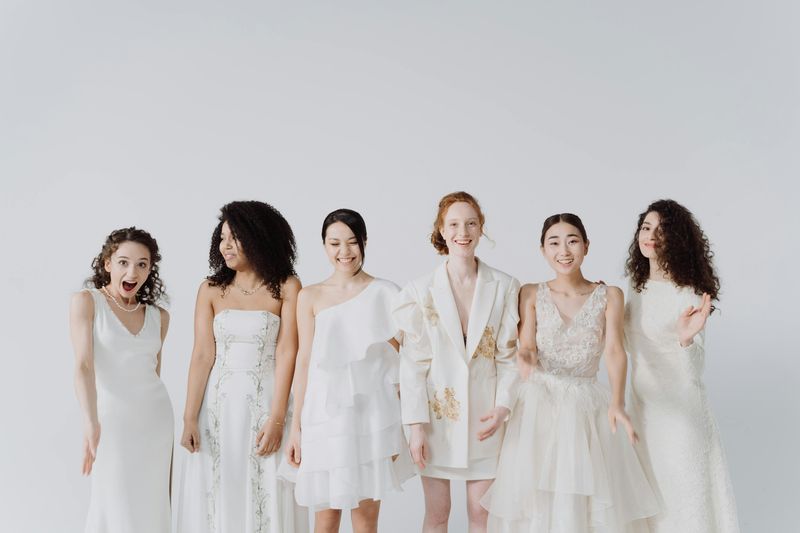
Wearing white to a wedding has been considered off-limits for decades, so asking guests to do exactly that feels genuinely strange.
All-white dress codes flip a deeply ingrained rule on its head, and many guests find it uncomfortable to embrace.
The bride traditionally owns white on her wedding day, full stop.
Even when couples specifically request it, some guests worry about accidentally upstaging the bride or simply feel awkward in the photos.
Finding the right shade of white that photographs well and fits the venue vibe adds another layer of difficulty.
White clothing also shows every stain, which makes a reception involving food and drinks a risky situation.
This dress code tends to create more confusion than elegance.
Most guests would much rather wear a color they already feel confident in.
5. Strict Color Palettes
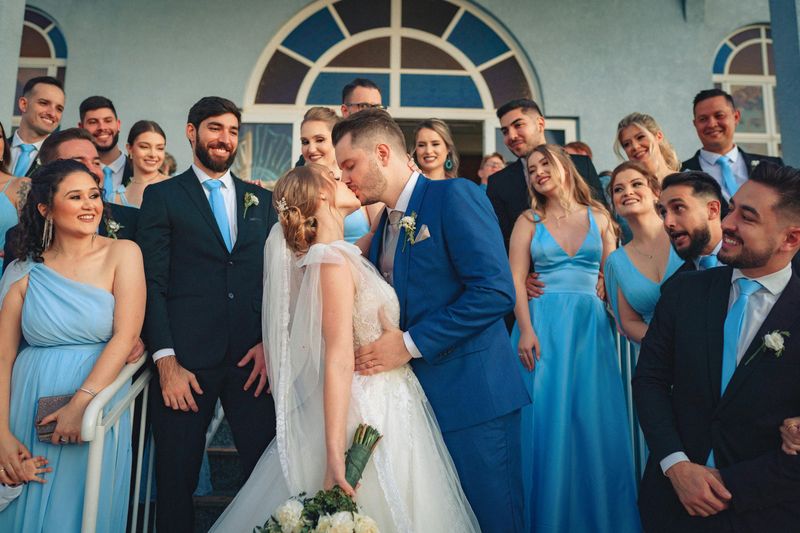
Asking guests to wear a specific color is one thing, but demanding an exact shade like “dusty mauve” or “sage green only” takes things to another level entirely.
Not every store carries niche color palettes, and matching a specific tone can feel like an impossible mission.
Shopping suddenly becomes a scavenger hunt.
Guests who already own something close to the requested color may feel guilty wearing it if it is slightly off.
Some people end up ordering online and crossing their fingers that the screen color matches real life, which it often does not.
The whole process costs time, energy, and sometimes a lot of money.
Color coordination can look stunning in photos, but the stress it creates for guests rarely seems worth it.
Giving a general color family rather than a specific shade makes everyone’s life much easier.
6. Costume-Themed Weddings

Themed weddings can be magical for the couple, but asking guests to show up in full costume is a big ask.
Not everyone has the creativity, budget, or enthusiasm to pull together an elaborate character look for a wedding.
Some guests are just there to eat cake and celebrate love.
Costume-themed dress codes often require significant planning, shopping, or even crafting.
Wearing a full costume for four to six hours while mingling, dancing, and eating is not exactly comfortable.
Masks, wigs, and bulky accessories can make a long evening feel much longer than it actually is.
The couple might envision a whimsical, unforgettable celebration, but many guests spend the night wishing they could just wear a nice blazer.
Fun themes work best when they are optional rather than mandatory.
7. No Heels Allowed
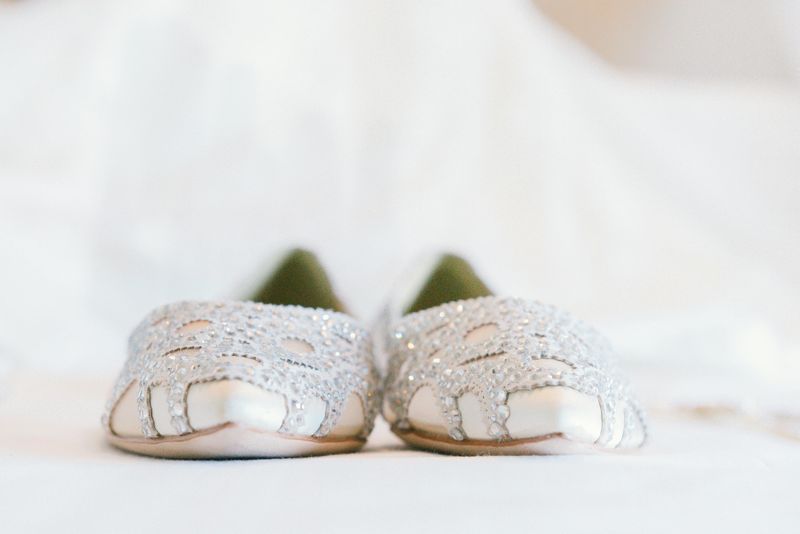
Footwear restrictions might seem like a small detail, but telling guests exactly what they cannot wear on their feet can feel surprisingly controlling.
No-heels policies often exist for practical reasons, like protecting wooden floors or navigating grassy venues.
That makes sense, but the delivery matters a lot.
Many women plan their entire outfit around their shoes, so a last-minute heel ban throws off a carefully planned look.
Finding dressy flat shoes that work with a formal gown is not always easy or affordable.
Some guests end up feeling underdressed as a result of scrambling for alternatives.
A thoughtful heads-up well in advance would soften this restriction considerably.
Letting guests know early gives them time to plan an outfit that still feels polished, comfortable, and appropriate for the occasion.
8. Beach Formal
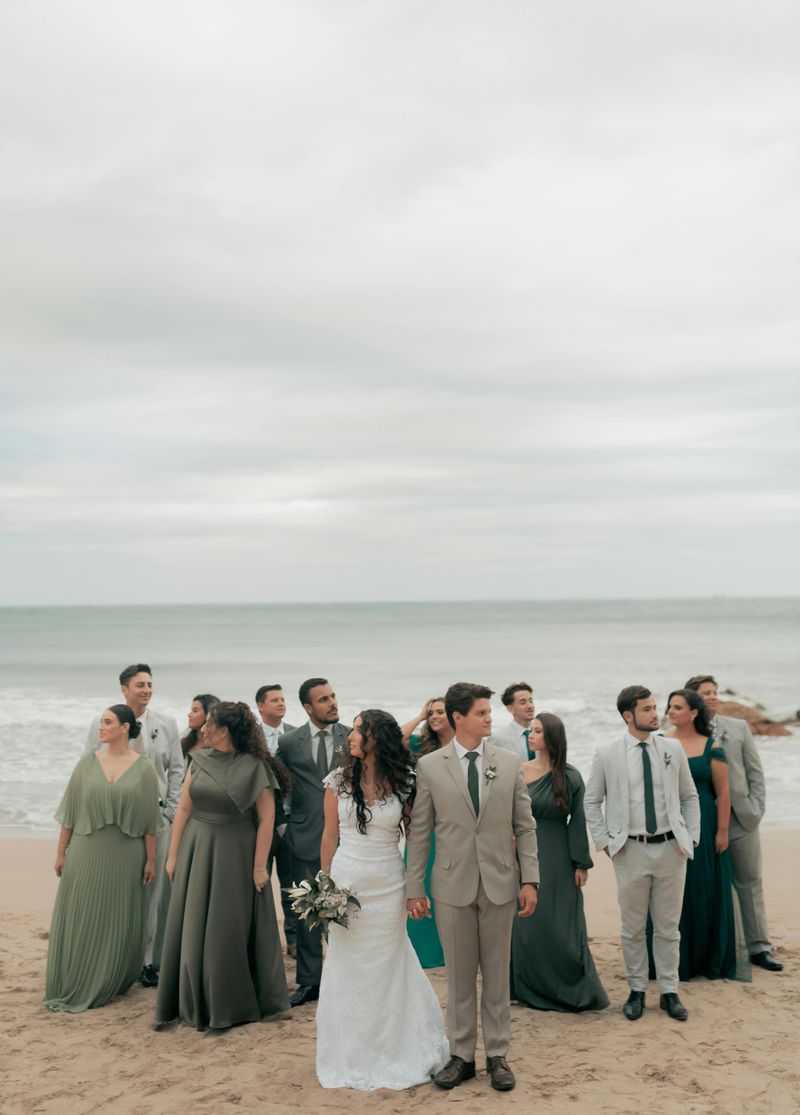
“Beach Formal” sounds like an oxymoron because, honestly, it kind of is.
Guests are left wondering whether to prioritize the beach part or the formal part, and neither answer feels completely right.
A ball gown in the sand?
A tuxedo in the heat?
Neither sounds appealing.
Beyond the confusion, there are real practical challenges.
Heels sink into sand, long gowns drag on the ground, and formal fabrics do not breathe well in warm coastal weather.
Guests end up uncomfortable before the ceremony even begins.
The aesthetic vision behind beach formal is understandable, but clearer guidance would help enormously.
Suggesting specific items like linen suits, flowy midi dresses, or strappy sandals gives guests a real direction instead of leaving them stranded between two completely different dress codes.
9. Multiple Outfit Changes

Packing for a wedding is already an effort, but packing for multiple outfit changes at a single event is on another level.
Some couples plan a ceremony look, a cocktail hour look, and a reception look, expecting guests to keep up with every transition.
That is a lot to coordinate.
Guests traveling from out of town have to pack extra bags, find places to change, and manage the logistics of switching outfits mid-event.
The whole process can feel more like a fashion production than a celebration.
Most people just want to arrive, look great, and enjoy the day without changing in a cramped bathroom stall.
One polished outfit should be more than enough for any wedding guest.
Keeping things simple is always a crowd-pleaser, and guests will genuinely thank you for it.
10. Designer-Only Expectations

Some wedding invitations do not say “designer only” outright, but the vibe makes it crystal clear.
When a dress code leans heavily into luxury brand territory, guests who cannot afford high-end fashion start to feel excluded before the event even begins.
That is never a welcoming feeling.
Designer clothing carries enormous price tags, and not everyone has a Chanel blazer or Gucci loafers hanging in their wardrobe.
Guests who do attend may feel self-conscious about their non-designer choices all evening long.
Fashion should bring people together at a celebration, not create a visible class divide.
A wedding is about love, not labels.
Dress codes that subtly pressure guests to spend beyond their means can leave people feeling more stressed than celebrated, which defeats the entire purpose of the invitation.
11. Matching Guest Aesthetics
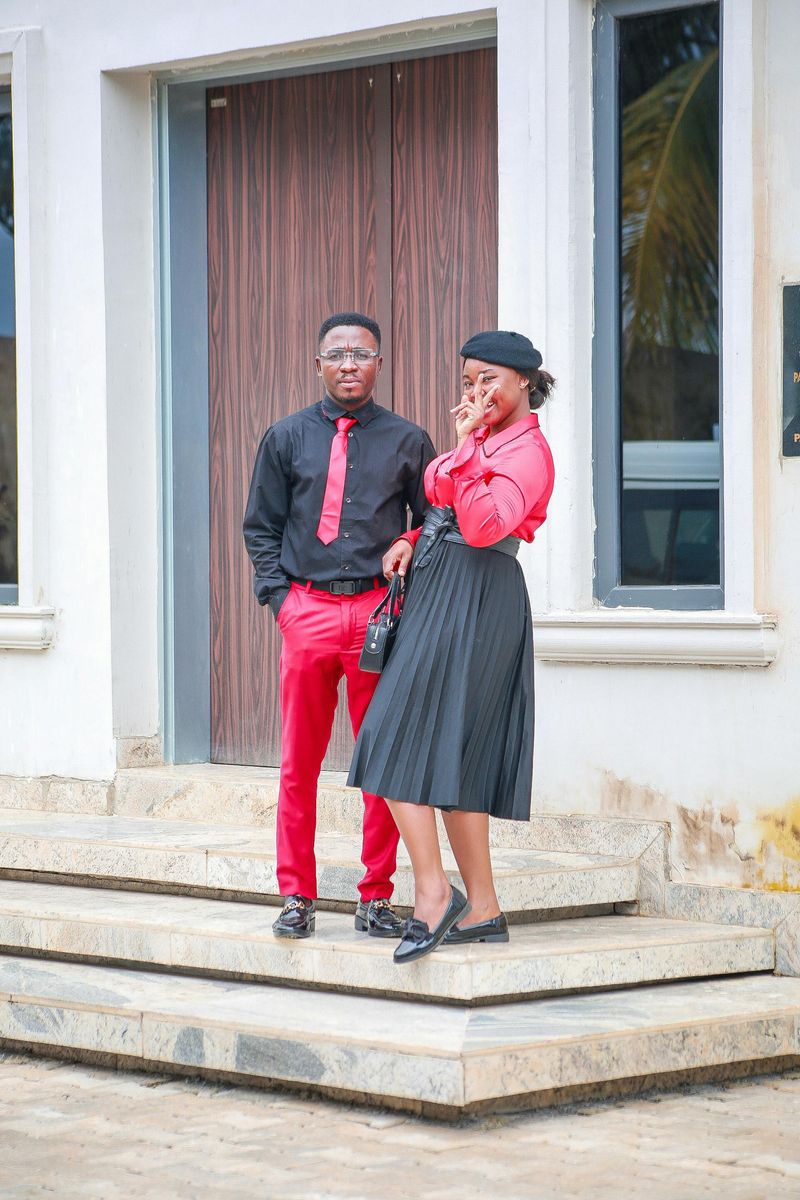
Coordinating guest outfits for wedding photos sounds dreamy on a Pinterest board, but the reality is far more complicated.
When couples ask guests to match a specific aesthetic, it starts to feel less like a celebration and more like a photo shoot that everyone else is paying for.
Guests have different body types, budgets, and personal styles.
What looks cohesive on a mood board can feel deeply uncomfortable when people are forced into looks that do not suit them.
The pressure to fit a curated visual can overshadow the actual joy of being there.
There is a fine line between a thoughtful dress code and micromanaging your guests’ wardrobes.
Most people are happy to follow reasonable guidelines, but being treated like a prop in someone else’s aesthetic vision is where many guests draw the line.
12. Decade or Era Themes
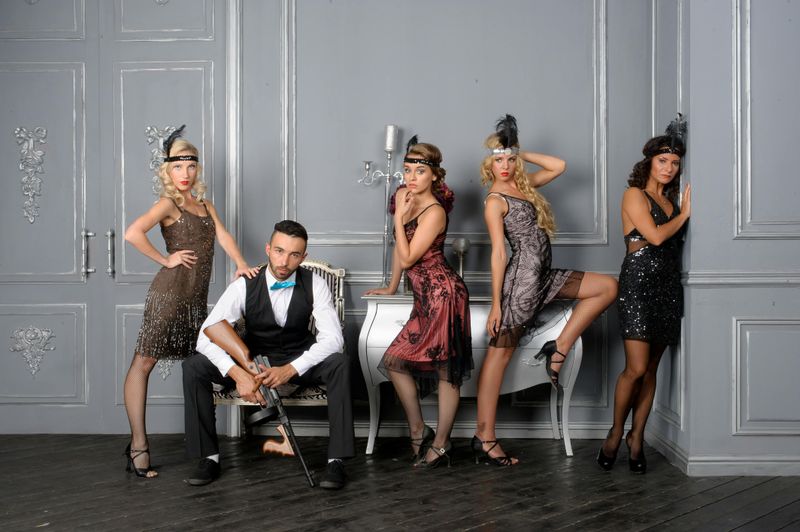
A decade-themed wedding sounds like a blast during the planning phase, but reality hits guests pretty hard when they start searching for era-appropriate outfits.
Most people do not own authentic 1920s flapper dresses or 1970s disco suits.
Thrift stores can only do so much.
Pulling together a convincing decade look often requires research, creativity, and a fair amount of money.
Guests who are not into costume hunting may find the whole process more exhausting than exciting.
There is also the risk of getting it wrong and feeling embarrassed at the event.
Era themes work brilliantly when they are treated as optional fun rather than strict requirements.
Letting guests choose their level of participation means everyone shows up in a good mood, ready to celebrate rather than stressed about their historical accuracy.