 MomSkoop
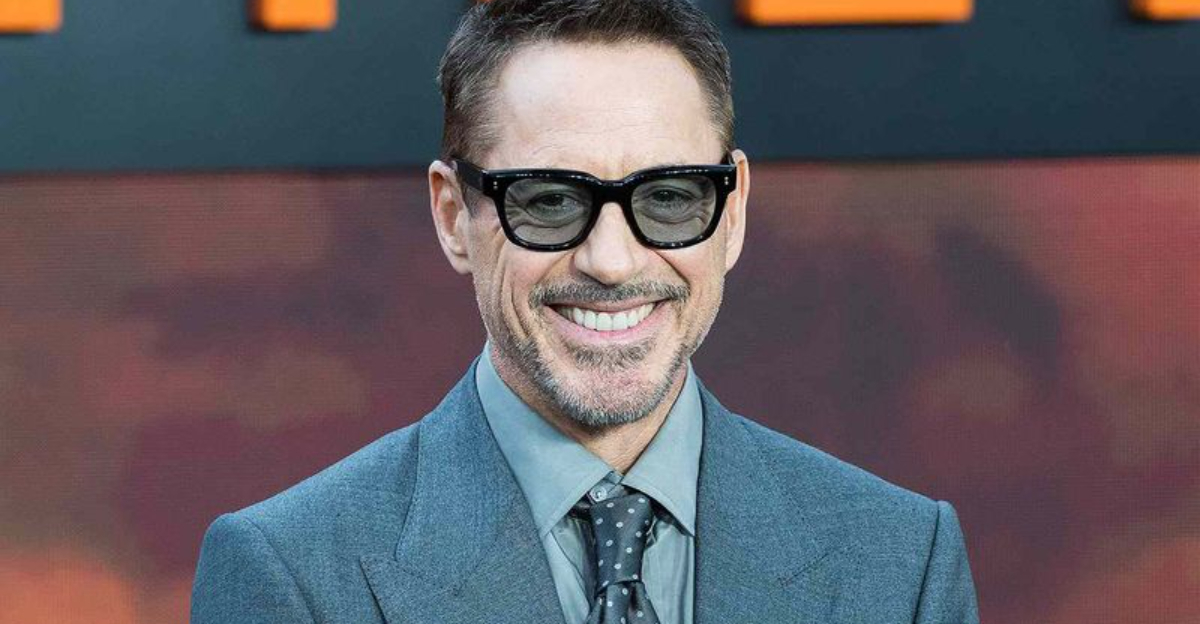
Hollywood has always been a tough crowd, quick to judge and even quicker to dismiss. Some of today’s biggest stars were once told they didn’t have what it takes — too old, too rough, too unconventional.
But these actors refused to give up, grinding through rejection after rejection until they finally broke through. Their stories are proof that talent and determination will always outlast a closed door.
1. Harrison Ford
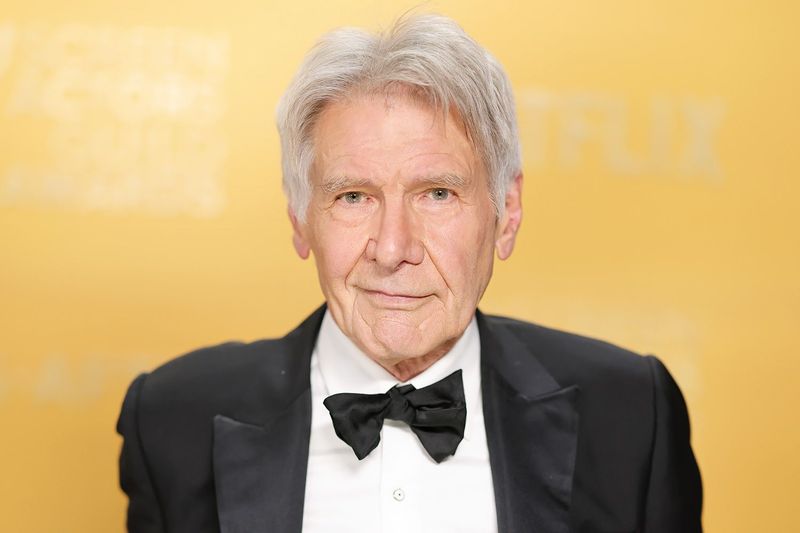
Before Han Solo and Indiana Jones, Harrison Ford was just a carpenter fixing a door at a Hollywood studio.
A producer spotted him and gave him a shot — but it wasn’t an overnight success story.
Ford had been rejected by major studios who told him he simply didn’t have the look of a leading man.
He kept showing up anyway, taking small roles and odd jobs to stay in the industry.
When George Lucas cast him in Star Wars in 1977, everything changed overnight.
Ford proved that persistence and raw authenticity beat a polished Hollywood image every single time.
Sometimes the most iconic stars are hiding in plain sight, waiting for one brave casting call.
2. Gary Oldman
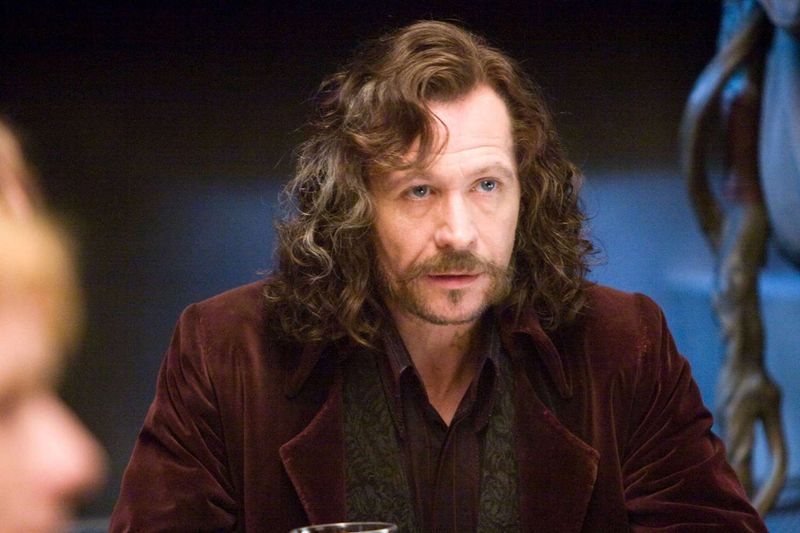
Gary Oldman is the kind of actor who disappears so completely into his roles that audiences sometimes forget it’s even him.
Growing up working-class in London, he had no connections, no money, and no obvious path into film.
Early in his career, Hollywood studios weren’t sure what to do with him — he was too intense, too chameleonic.
He played villains, politicians, rock legends, and wizards with equal brilliance, building a reputation as one of cinema’s greatest chameleons.
It took decades before he finally won an Oscar for Darkest Hour in 2018.
Oldman’s career is a masterclass in patience, craft, and refusing to shrink yourself to fit someone else’s expectations.
3. Sylvester Stallone
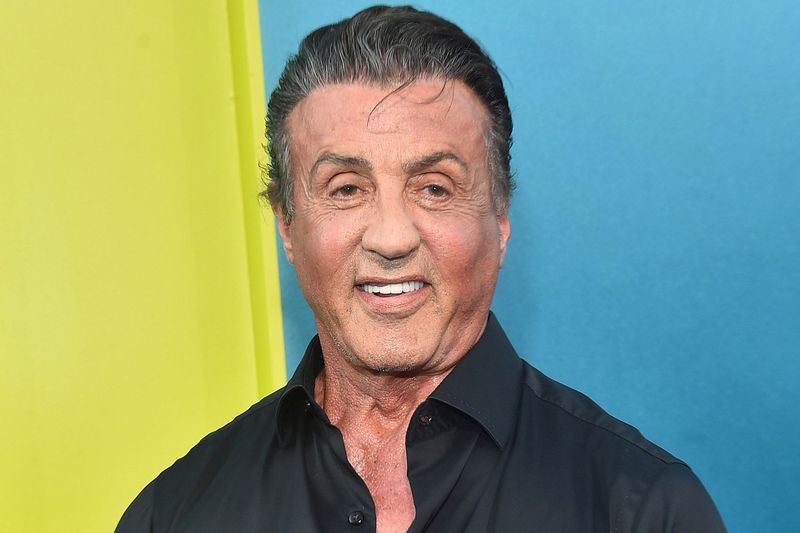
Sylvester Stallone was so broke at one point that he sold his dog just to buy food.
He had been rejected by nearly every agent and studio in Hollywood, with many telling him his face was too droopy and his speech too slurred to be a leading man.
Rather than give up, Stallone wrote the script for Rocky himself, refusing to sell it unless he could star in it.
Studios offered big money for the script without him — he turned them all down flat.
Rocky won the Academy Award for Best Picture in 1977, and Stallone became a legend.
His story is arguably one of the greatest real-life underdog tales Hollywood has ever produced.
4. Bryan Cranston
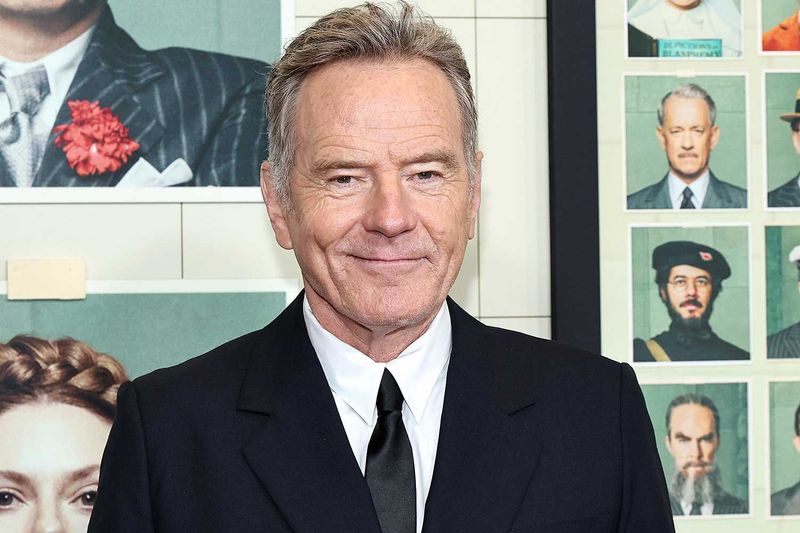
For most of his career, Bryan Cranston was known as the goofy dad on Malcolm in the Middle — a lovable sitcom role, but hardly the stuff of legend.
Hollywood insiders doubted he had the range for serious dramatic work, and casting directors largely overlooked him for weighty roles.
Then came Breaking Bad, and everything shifted.
His portrayal of Walter White — a mild-mannered chemistry teacher turned ruthless drug lord — stunned critics and audiences alike.
Cranston won four Emmy Awards for the role, rewriting his entire career narrative in the process.
His transformation proved that late-blooming talent is still talent, and second acts in Hollywood can be more powerful than first ones.
5. Samuel L. Jackson
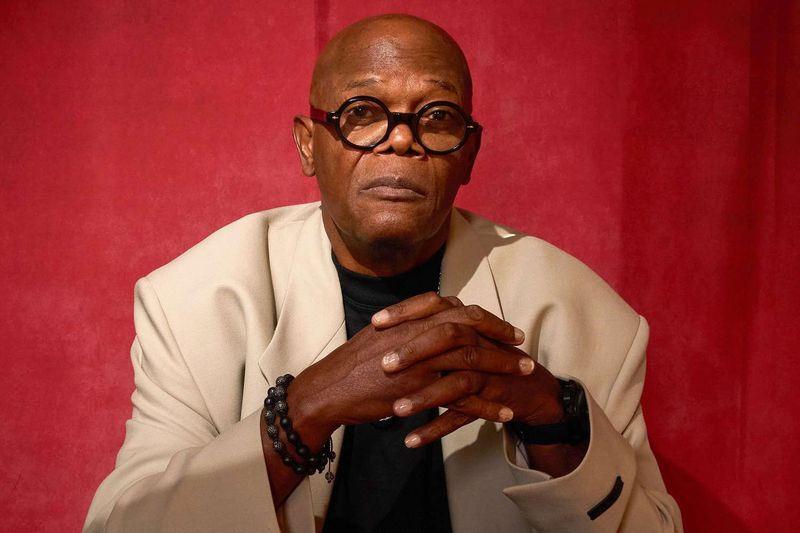
Samuel L. Jackson didn’t land his first major film role until he was well into his 40s — an age when many actors feel the industry has already moved on without them.
He battled addiction for years, nearly losing everything before getting sober and refocusing on his craft.
Quentin Tarantino cast him in Pulp Fiction in 1994, and Jackson’s electric performance as Jules Winnfield made the world stop and pay attention.
Since then, he has become one of the highest-grossing actors in box office history.
Jackson’s journey is a testament to resilience — proof that rock bottom doesn’t have to be the final chapter.
He turned his hardest years into fuel for an extraordinary second act.
6. Charlize Theron
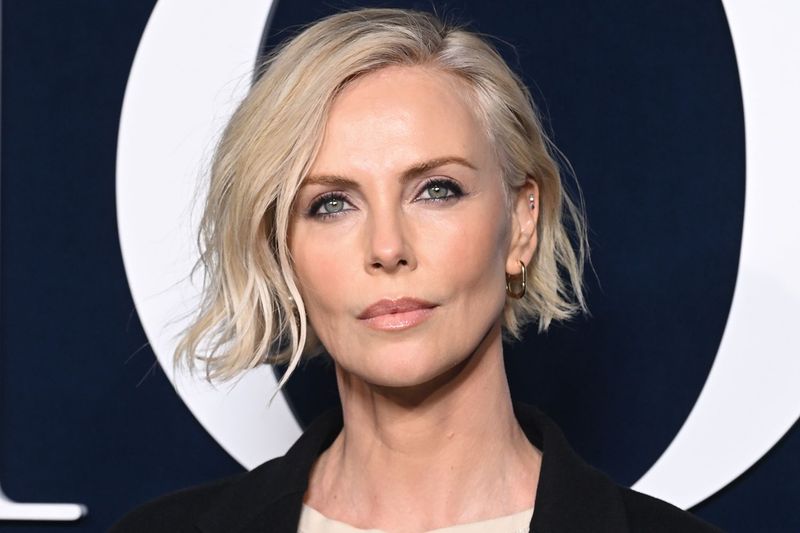
Charlize Theron arrived in Hollywood from South Africa with a one-way ticket, a dream, and very little else.
Early casting directors saw a beautiful face and assumed she couldn’t carry dramatic weight — a bias she was determined to shatter.
She took a calculated risk by completely transforming herself for Monster in 2003, gaining weight and wearing prosthetics to play serial killer Aileen Wuornos.
The gamble paid off spectacularly — Theron won the Academy Award for Best Actress, silencing every doubter in the room.
What makes her story remarkable is how deliberately she engineered her own reinvention.
She didn’t wait for Hollywood to change its mind about her — she forced the conversation entirely on her own terms.
7. Danny Trejo
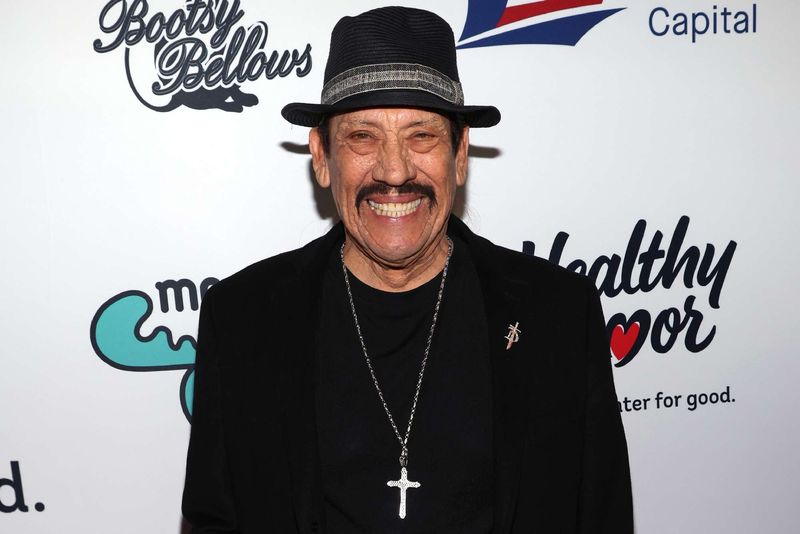
Danny Trejo spent years in and out of prison before he ever set foot on a film set.
He was working as a drug counselor on the set of Runaway Train in 1985 when a director noticed his striking appearance and asked if he wanted a small role.
That random moment launched one of Hollywood’s most unconventional careers.
With his tattooed face and intimidating presence, studios initially typecast him as background muscle — never the lead, never the hero.
Eventually, Robert Rodriguez gave him the starring role in Machete, and Trejo became a cult action icon.
His story is a powerful reminder that reinvention is possible at any age, from any starting point.
8. Jon Hamm
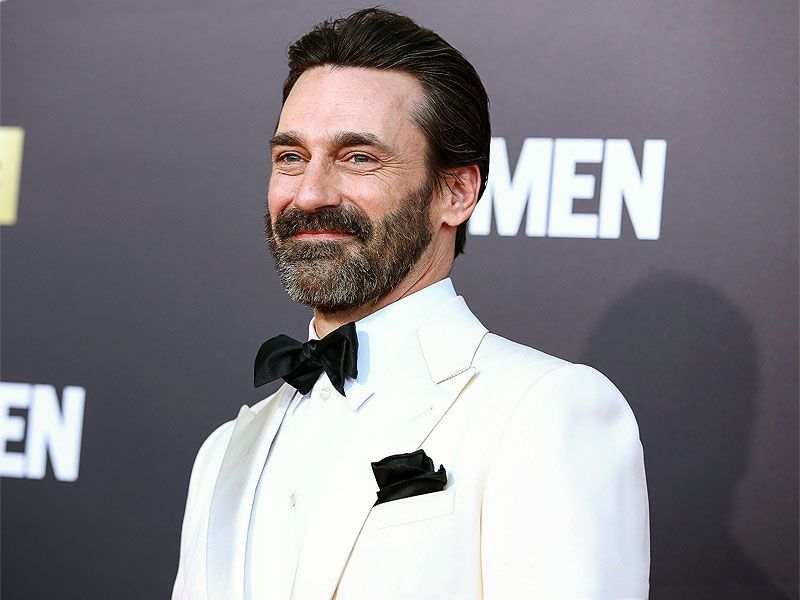
Jon Hamm spent years being turned away from auditions, working as a set dresser just to pay rent in Los Angeles.
He came close to quitting acting entirely at age 30, setting himself a personal deadline to make it or move on.
Luckily, he gave it one more shot — and landed the role of Don Draper in Mad Men just in time.
The show became a cultural phenomenon, and Hamm’s brooding, magnetic performance earned him an Emmy and worldwide recognition.
What’s striking about his story is how close Hollywood came to losing him entirely.
A single year’s difference could have meant no Don Draper — and that would have been a genuine loss for television history.
9. Clint Eastwood
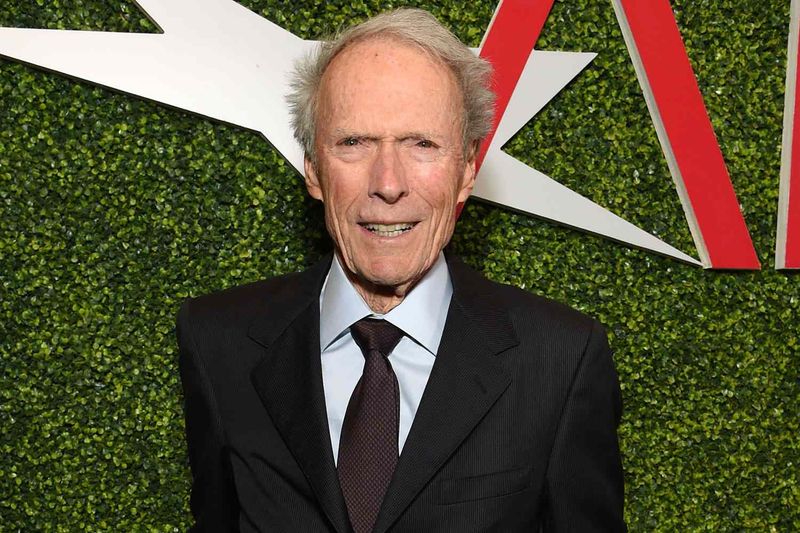
When Clint Eastwood first signed with Universal Pictures in the 1950s, studio executives told him his teeth were too crooked, his Adam’s apple too prominent, and his speaking style too slow.
They dropped him after just a handful of forgettable roles, convinced he lacked star quality.
Eastwood headed to Italy and made a string of spaghetti westerns with director Sergio Leone — films that turned him into an international icon almost overnight.
He returned to Hollywood on his own terms, eventually winning Best Picture and Best Director Oscars for Unforgiven and Million Dollar Baby.
The studio that once dismissed him could only watch as he became one of cinema’s most enduring legends.
10. Renée Zellweger
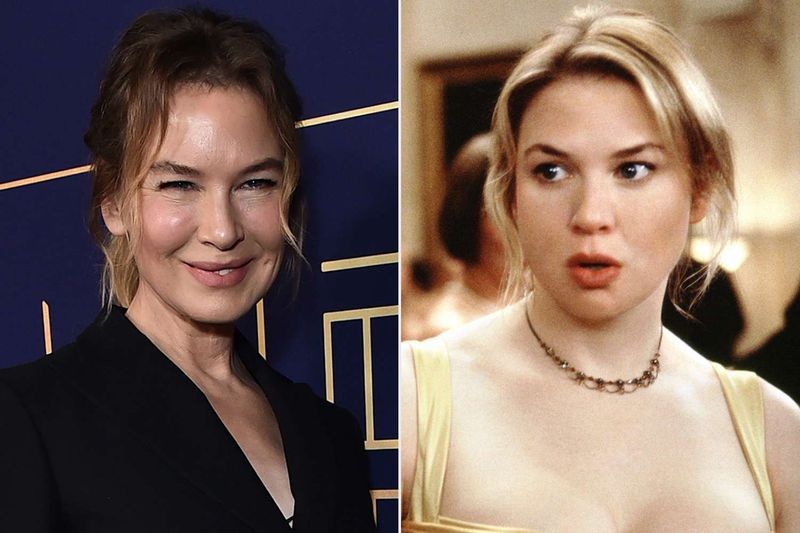
Renée Zellweger was told repeatedly in her early career that she wasn’t conventionally pretty enough for Hollywood’s leading lady standard.
Casting directors passed on her for role after role, citing her squinting eyes and unconventional features as liabilities rather than assets.
She pushed through the rejection and landed Bridget Jones’s Diary, a role that required her to gain weight and adopt a British accent — both moves that skeptics called career suicide.
The film was a massive hit, and audiences adored her instantly.
Years later, she returned from a long hiatus to win the Academy Award for Best Actress for Judy in 2020.
Zellweger’s career arc is one of quiet, determined resilience rather than loud, dramatic reinvention.
11. Michael Keaton
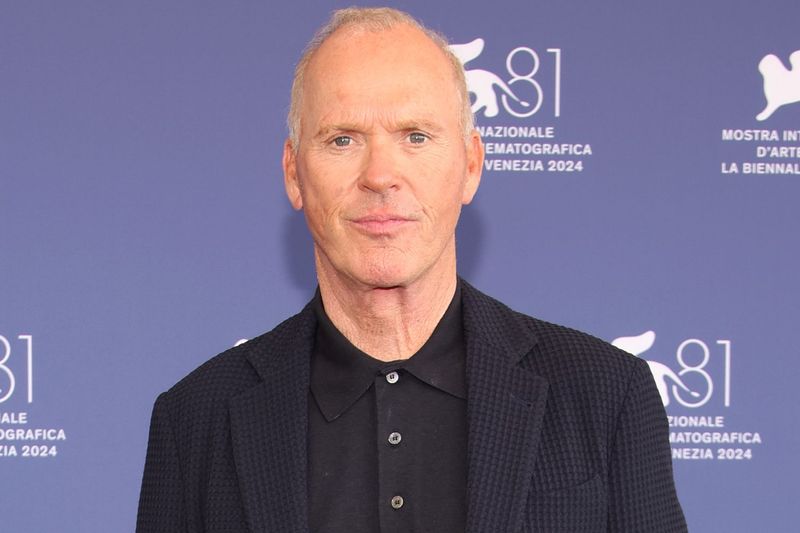
Michael Keaton’s career is practically a case study in Hollywood’s short memory — and one actor’s refusal to be forgotten.
After his iconic turn as Batman in 1989, his career cooled significantly through the 1990s and 2000s, with fewer and fewer major offers coming his way.
Many in the industry quietly wrote him off as a relic of a different era.
Then came Birdman in 2014, a darkly funny film about a faded superhero actor trying to reclaim relevance — a role that felt almost autobiographical.
Keaton’s performance was raw, electric, and utterly unforgettable, earning him a Golden Globe win and an Oscar nomination.
Hollywood had forgotten him once — it would not make that mistake again.
12. Keanu Reeves
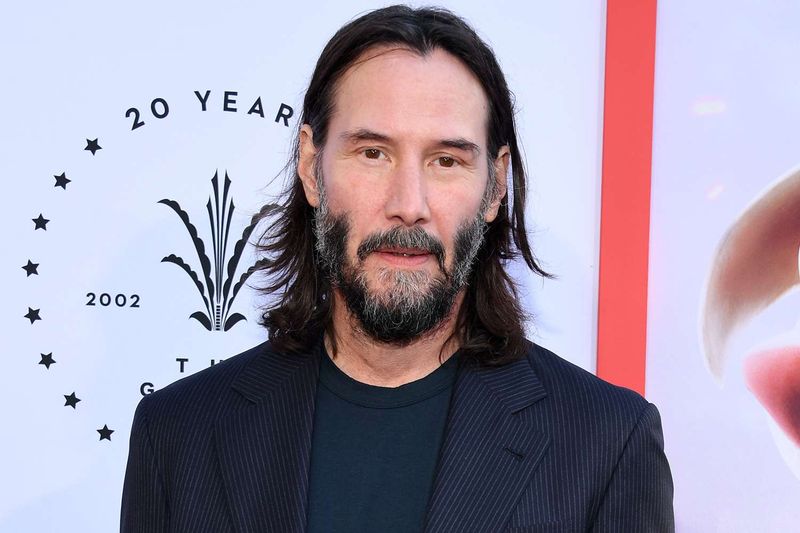
Few actors in Hollywood history have been underestimated as consistently — and as wrongly — as Keanu Reeves.
Critics spent the better part of the 1990s mocking his acting style as wooden and emotionally flat, and industry insiders treated him like a running joke.
Then The Matrix arrived in 1999, and suddenly his quiet intensity felt less like a limitation and more like a superpower.
He redefined the action hero genre and became a global phenomenon practically overnight.
Years later, the John Wick franchise gave him a second wave of massive cultural relevance in his 50s.
Off-screen, his genuine kindness and humility have made him one of Hollywood’s most beloved figures — no small feat in that town.
13. Meryl Streep
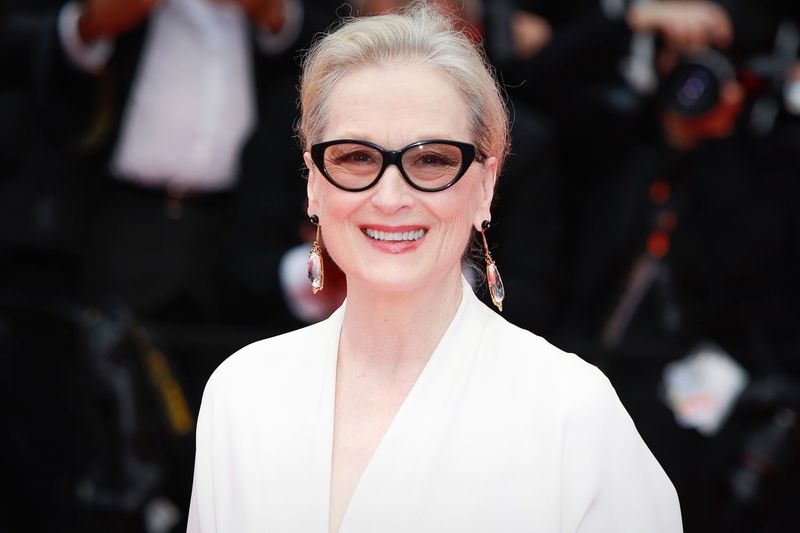
It’s almost impossible to imagine anyone ever doubting Meryl Streep — yet early in her career, a producer famously told her she was too ugly for a particular film role.
Rather than crumble, she reportedly laughed it off and kept working with fierce dedication.
Streep went on to earn a record 21 Academy Award nominations, winning three times — a feat unmatched in Oscar history.
What separates her is not just raw talent but an obsessive commitment to preparation, often learning new languages, accents, and skills for individual roles.
She turned every dismissal into motivation and every setback into fuel.
Streep didn’t just prove the doubters wrong — she redefined what it means to be a great screen actor.
14. Robert Downey Jr.
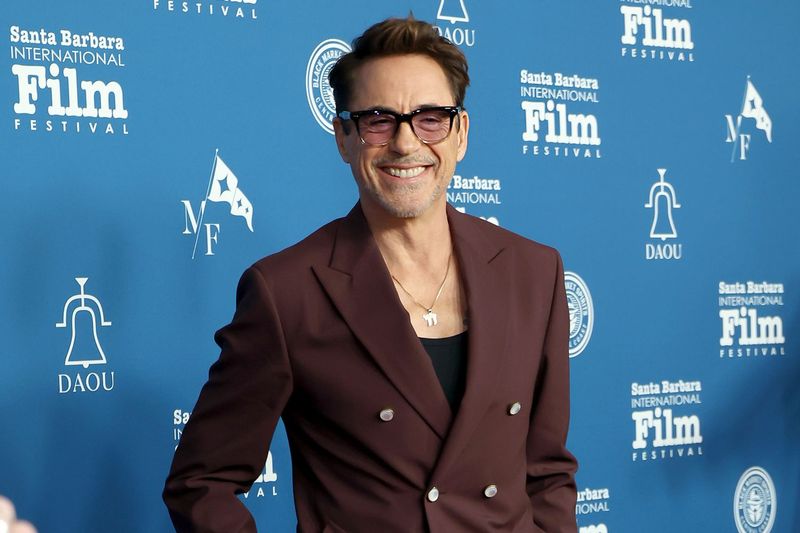
Robert Downey Jr.’s fall from grace in the late 1990s was as public and painful as Hollywood gets — repeated arrests, prison time, and a reputation that made studios deeply reluctant to insure him on any production.
For years, the industry treated him as too much of a liability to trust with a major role.
Then producer Joel Silver and director Jon Favreau took a chance, casting him as Tony Stark in Iron Man in 2008.
The film launched the Marvel Cinematic Universe and made Downey one of the most bankable stars on the planet.
His comeback is perhaps the most spectacular redemption arc in modern Hollywood history.
He didn’t just rebuild his career — he built an entirely new one from scratch.
15. Jessica Chastain
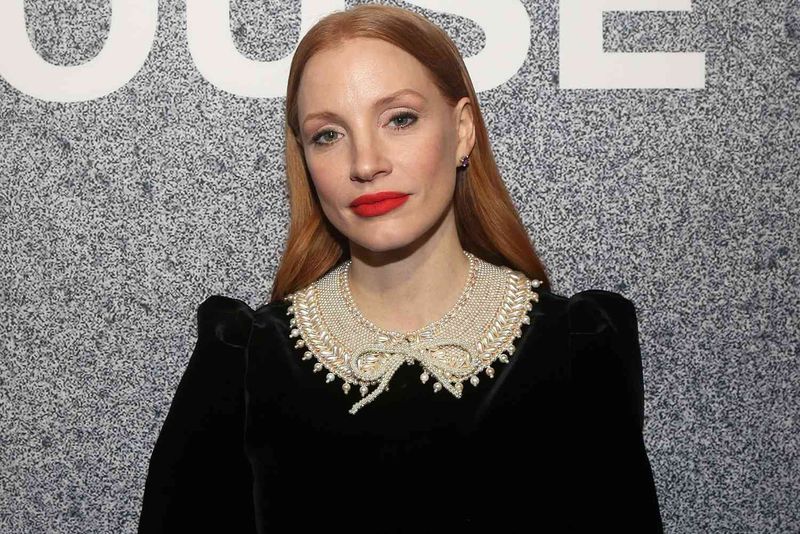
Jessica Chastain graduated from Juilliard — one of the most prestigious drama schools in the world — and still struggled to find meaningful work in Hollywood for years afterward.
Casting directors frequently told her that her red hair and pale complexion made her difficult to cast, a frustrating catch-22 for a classically trained actress.
She finally broke through in 2011 when five different films featuring her performances hit theaters in the same year, earning her an Oscar nomination for The Help.
Chastain followed that with a Best Actress win for The Eyes of Tammy Faye in 2022.
Her story is proof that formal training and raw determination are a combination Hollywood eventually can’t ignore.
16. Mark Ruffalo
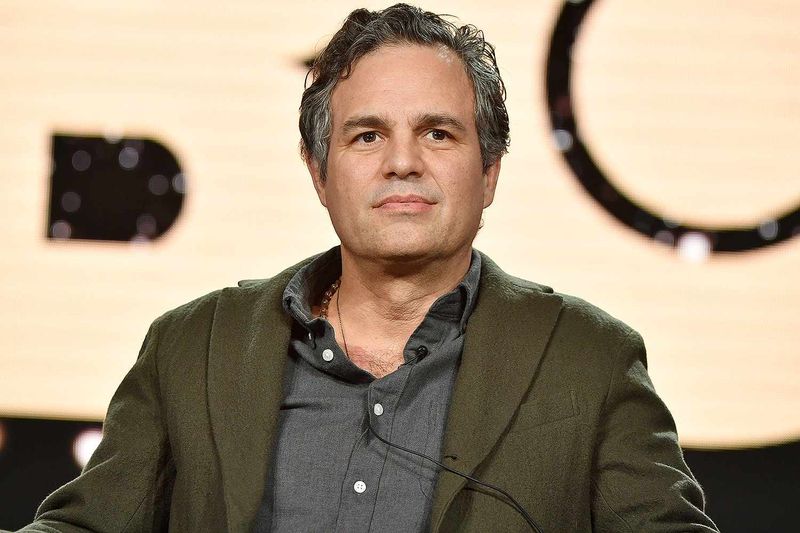
Mark Ruffalo auditioned for nearly 600 roles before landing his first significant film part — a number that would break most aspiring actors long before they reached triple digits.
Studios saw him as too ordinary, too everyman, lacking the sharp edges Hollywood typically associates with leading men.
He kept auditioning, kept refining his craft, and eventually earned his first Oscar nomination for You Can Count on Me in 2001.
His career took another leap when he stepped into the role of Bruce Banner in the Marvel universe, bringing a quiet, soulful vulnerability to the character that audiences immediately connected with.
Ruffalo’s persistence through nearly 600 rejections is the kind of story that should be required reading for anyone chasing a dream.
17. Tom Cruise
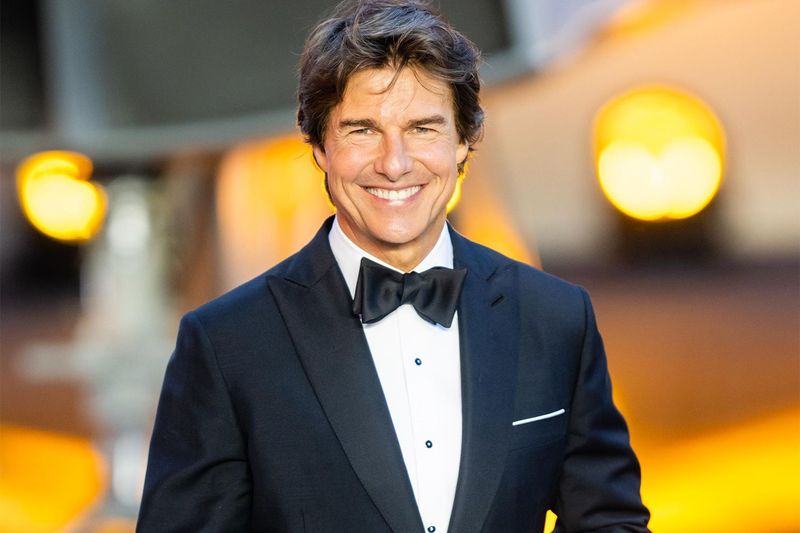
Tom Cruise grew up with dyslexia, moving between schools constantly as a child, feeling like an outsider wherever he landed.
When he arrived in Hollywood as a teenager, he had no industry connections and no formal training — just an overwhelming drive to succeed.
Early roles were small and forgettable, and several casting directors suggested he was too short and too intense to carry a major film.
Risky Business in 1983 changed the conversation entirely, and Top Gun in 1986 turned him into a full-blown global superstar.
Decades later, he’s still doing his own death-defying stunts, still commanding box offices worldwide.
Cruise turned every perceived disadvantage into a defining characteristic — and Hollywood has never quite caught up with his relentless energy.
18. Sigourney Weaver
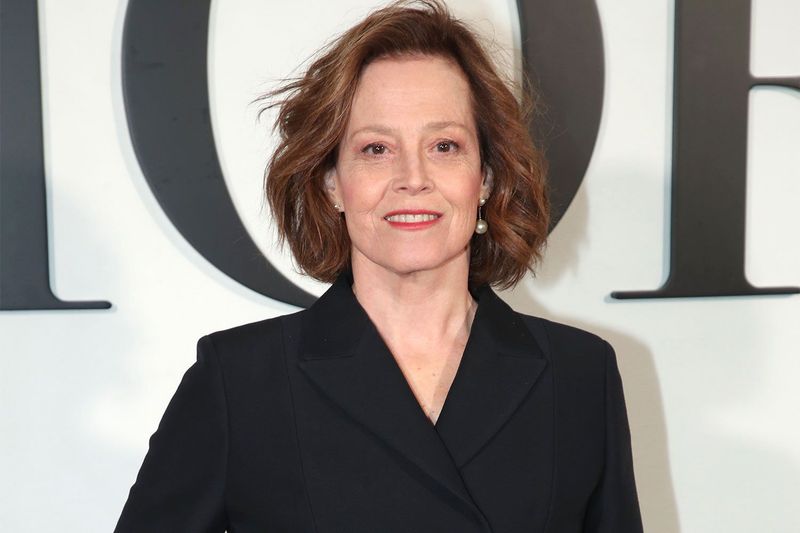
Standing at nearly six feet tall, Sigourney Weaver was told by Yale drama school faculty that she was too tall and too awkward to have a real future in acting — a crushing verdict from an institution that was supposed to nurture talent.
Hollywood initially agreed, offering her little more than minor supporting parts after she graduated.
Then Ridley Scott cast her as Ellen Ripley in Alien in 1979, creating one of cinema’s first and most powerful female action heroes.
The role didn’t just launch her career — it redefined what a female protagonist could be on the big screen.
Weaver’s Ripley shattered a glass ceiling in science fiction that had been firmly in place for decades.
19. Jason Momoa
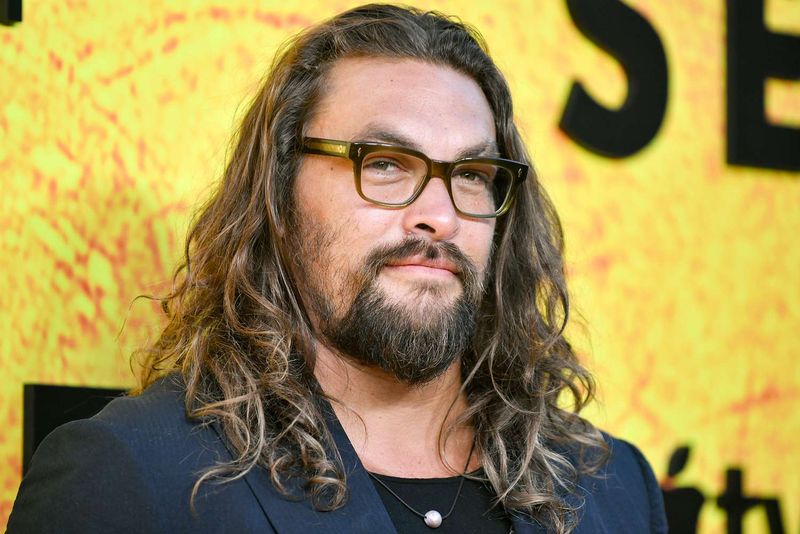
Jason Momoa’s early Hollywood experience was defined more by closed doors than open ones.
After his role on Baywatch Hawaii, he spent years struggling to land meaningful work, with casting directors unsure how to place his mixed Native Hawaiian heritage and unconventional physicality within standard Hollywood categories.
He took whatever roles came his way, including Conan the Barbarian in 2011 — a film that flopped commercially but kept him visible in the industry.
Warner Bros. then cast him as Aquaman, a character long mocked as one of DC’s least intimidating superheroes.
Momoa transformed the role completely, and the 2018 Aquaman film grossed over a billion dollars worldwide.
Sometimes the best revenge is turning a joke character into a global box office phenomenon.
20. Viola Davis
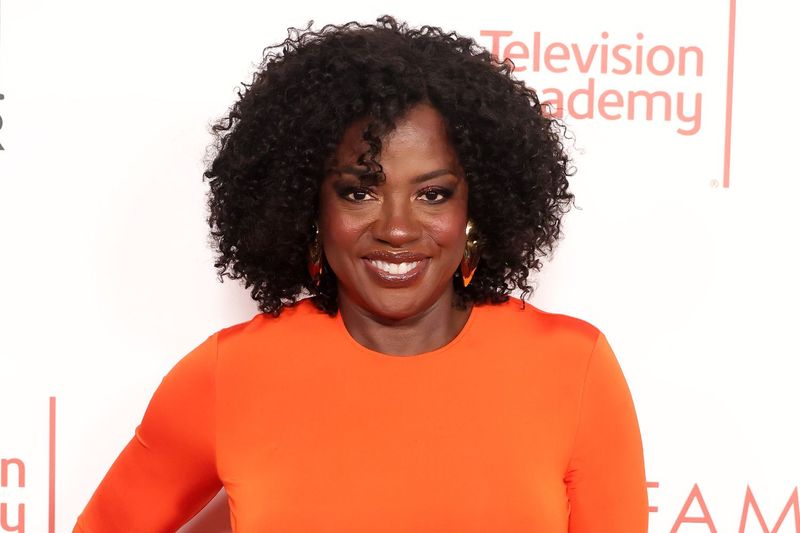
Viola Davis grew up in extreme poverty in Central Falls, Rhode Island, sometimes going to school hungry and wearing donated clothes.
Hollywood, when she finally reached it, presented a different kind of obstacle — an industry that consistently offered Black women limited roles, limited budgets, and limited respect.
Davis refused to accept those limitations quietly, choosing roles that demanded full emotional range and fighting publicly for equal pay and equal opportunity.
She became the first Black woman to win the Emmy, Tony, and Oscar acting triple crown — a historic achievement that no amount of industry gatekeeping could prevent.
Her famous 2015 Emmy speech — declaring that the only thing separating women of color from opportunity is a chance — still echoes through Hollywood today.