 MomSkoop
Hollywood has a long history of betting big on certain actors, pouring millions into marketing campaigns and blockbuster roles to turn them into household names. Sometimes it works perfectly, but other times, no amount of studio muscle can convince audiences to show up.
These 15 actors were positioned for superstardom, yet something always seemed to fall just short of the finish line. Their stories are a fascinating reminder that talent alone doesn’t guarantee a ticket to the A-list.
1. Taylor Kitsch
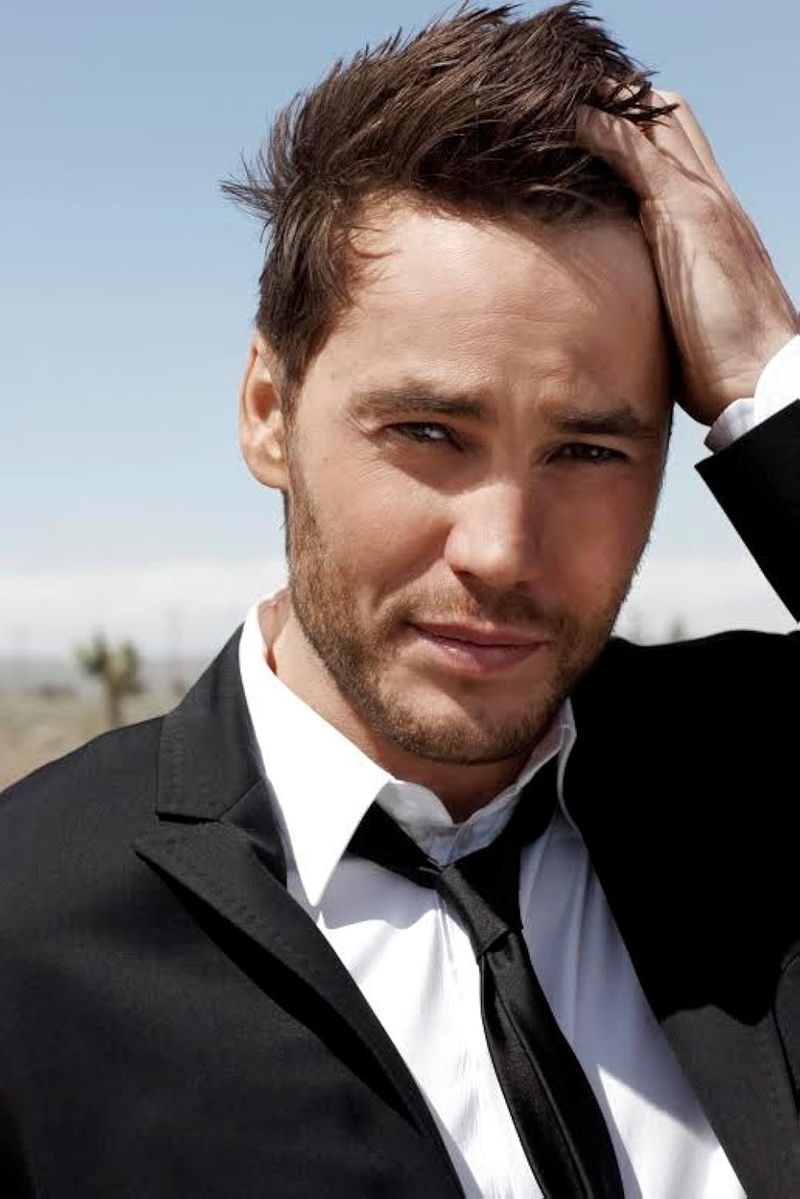
Friday Night Lights made Taylor Kitsch look like the next big action hero.
Studios agreed, fast-tracking him into two massive blockbusters back-to-back.
John Carter and Battleship both arrived in 2012 with enormous budgets and equally enormous expectations—neither delivered at the box office.
Kitsch took the blame publicly, even though both films had deeper structural problems beyond any single actor’s control.
The back-to-back flops were brutal for his leading-man momentum.
Hollywood quietly moved on, leaving him without another major franchise opportunity.
He later earned genuine praise for his work in True Detective Season 2, proving real acting range.
The big-screen spotlight, though, never quite found its way back to him.
2. Armie Hammer
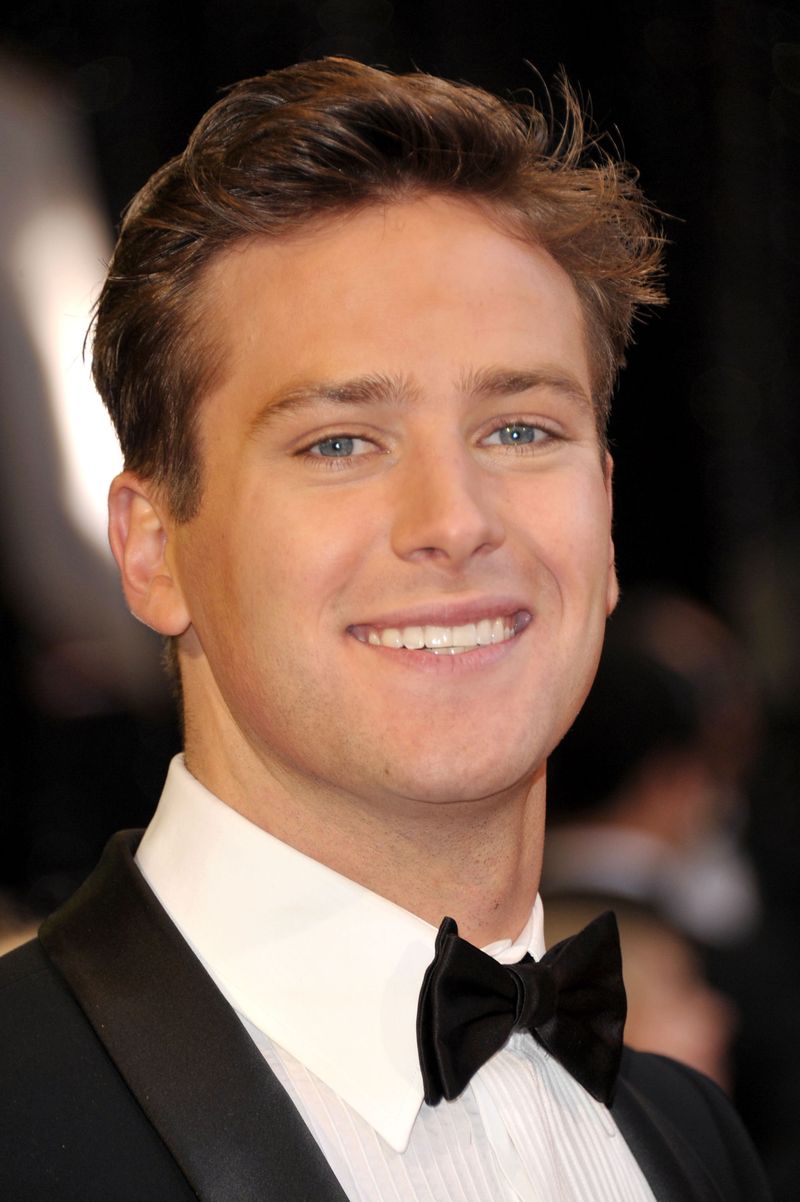
After stealing scenes in The Social Network, Armie Hammer seemed destined for genuine stardom.
He had the looks, the height, and an undeniable screen presence that made studios confident they had found their next leading man.
The Lone Ranger bombed spectacularly in 2013, costing Disney hundreds of millions.
The Man from U.N.C.L.E. fared better critically but still underperformed commercially.
Each stumble chipped away at the momentum he had built so carefully.
Personal controversies that emerged later made a comeback conversation nearly impossible.
His story is one of Hollywood’s most dramatic rises followed by an equally dramatic collapse, serving as a cautionary tale about how quickly fortunes can change.
3. Jai Courtney
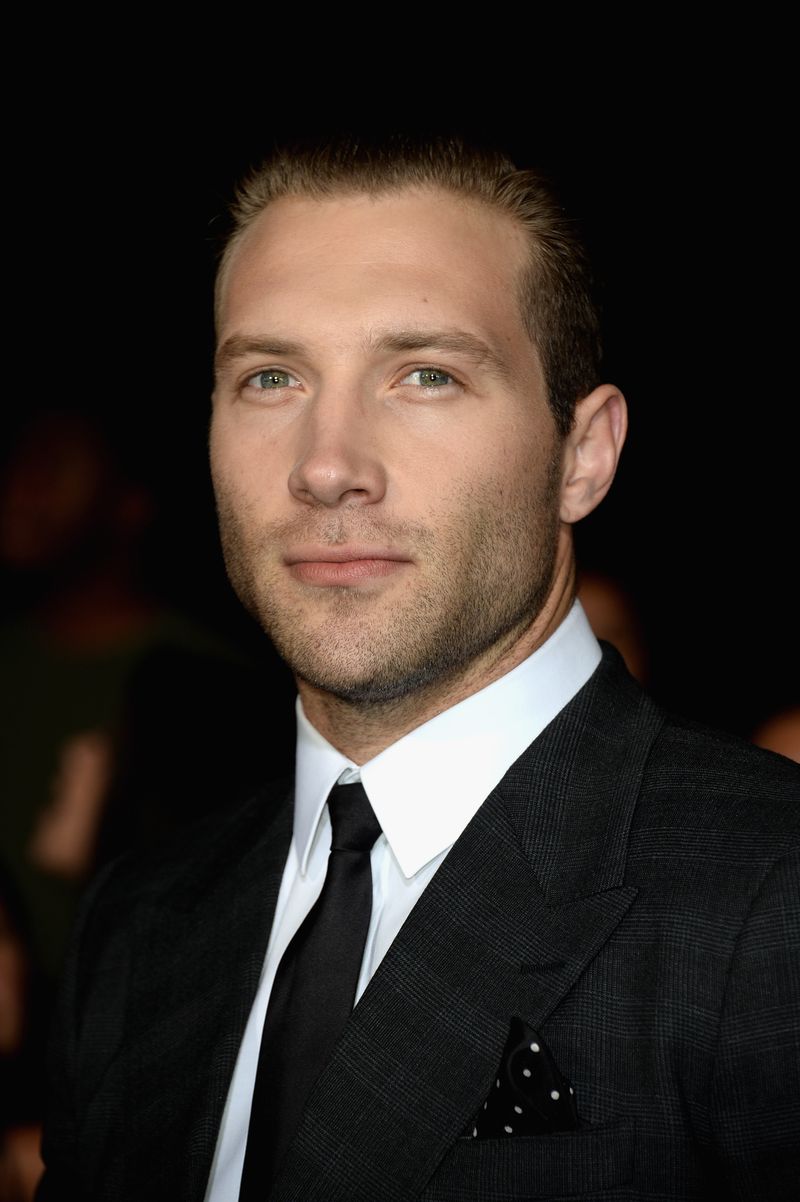
Studios clearly saw something bankable in Jai Courtney.
Why else would they cast him in Terminator Genisys, the Divergent series, and a Die Hard sequel all within a few years of each other?
The problem was that none of those franchises caught fire the way producers hoped.
Terminator Genisys confused longtime fans, Divergent stalled before finishing its planned series, and A Good Day to Die Hard is often called the weakest entry in that franchise.
Courtney was present for all of it.
He wasn’t necessarily the cause of those failures, but his name became associated with underperforming projects.
Solid work in smaller roles later helped rehabilitate his reputation somewhat, but leading-man status never materialized.
4. Sam Worthington
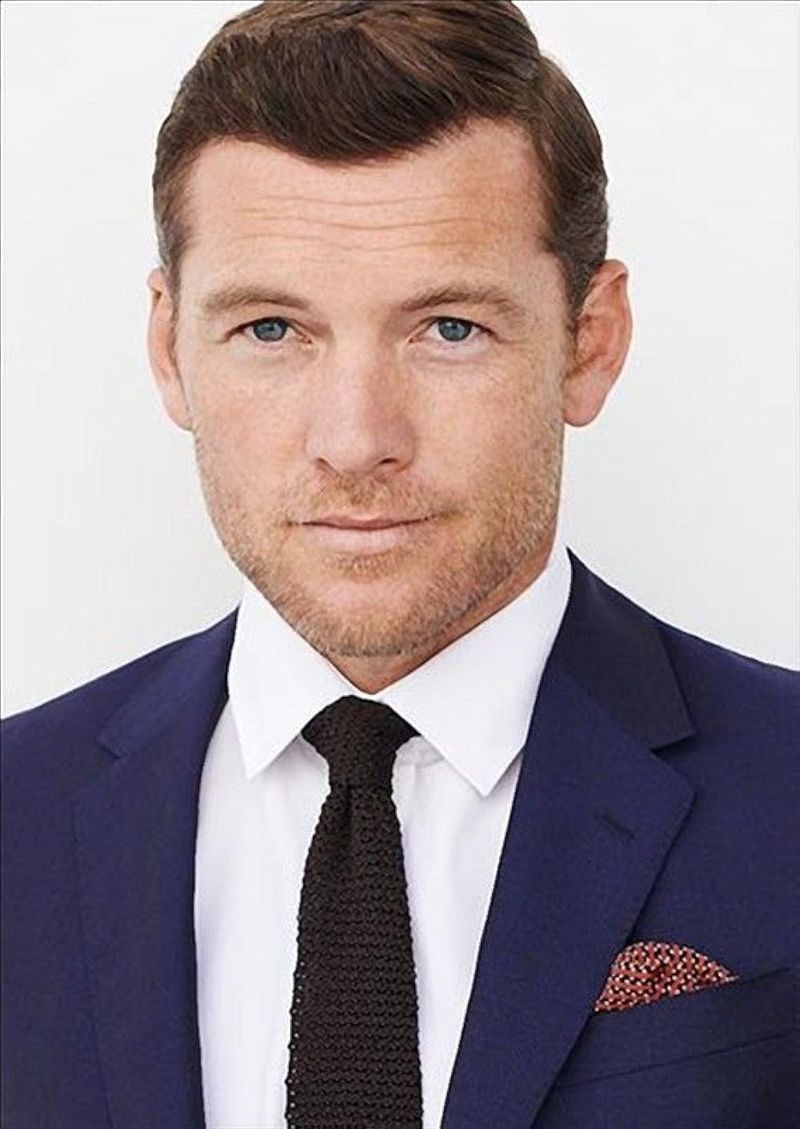
When Avatar became the highest-grossing film in history, Sam Worthington’s face was plastered everywhere.
Studios scrambled to cast him, landing him roles in Clash of the Titans and Terminator Salvation almost immediately.
Here’s the thing about Avatar’s success—it was James Cameron’s achievement first, and the world-building carried the story more than any single actor.
Worthington’s subsequent films struggled to replicate that magic, and audiences didn’t rush to theaters simply because he was attached.
Clash of the Titans got a sequel that performed even worse.
By the mid-2010s, his leading-man window had narrowed considerably.
He returned for Avatar sequels, but outside that franchise, standalone stardom remained frustratingly out of reach.
5. Cara Delevingne

Cara Delevingne’s eyebrows were more famous than most actors’ entire careers before she ever stepped in front of a movie camera.
As one of the world’s top models, the transition to acting seemed like a natural next chapter.
Paper Towns gave her a genuine leading role, and Suicide Squad put her inside a major superhero blockbuster.
Critics weren’t particularly kind to either performance, though, and audiences didn’t rally around her as a must-see movie presence.
Her fashion career continued thriving regardless, which perhaps softened the blow of Hollywood’s lukewarm reception.
Acting wasn’t a total loss—she kept working—but the blockbuster stardom studios seemed to envision for her never quite materialized the way everyone expected.
6. Megan Fox
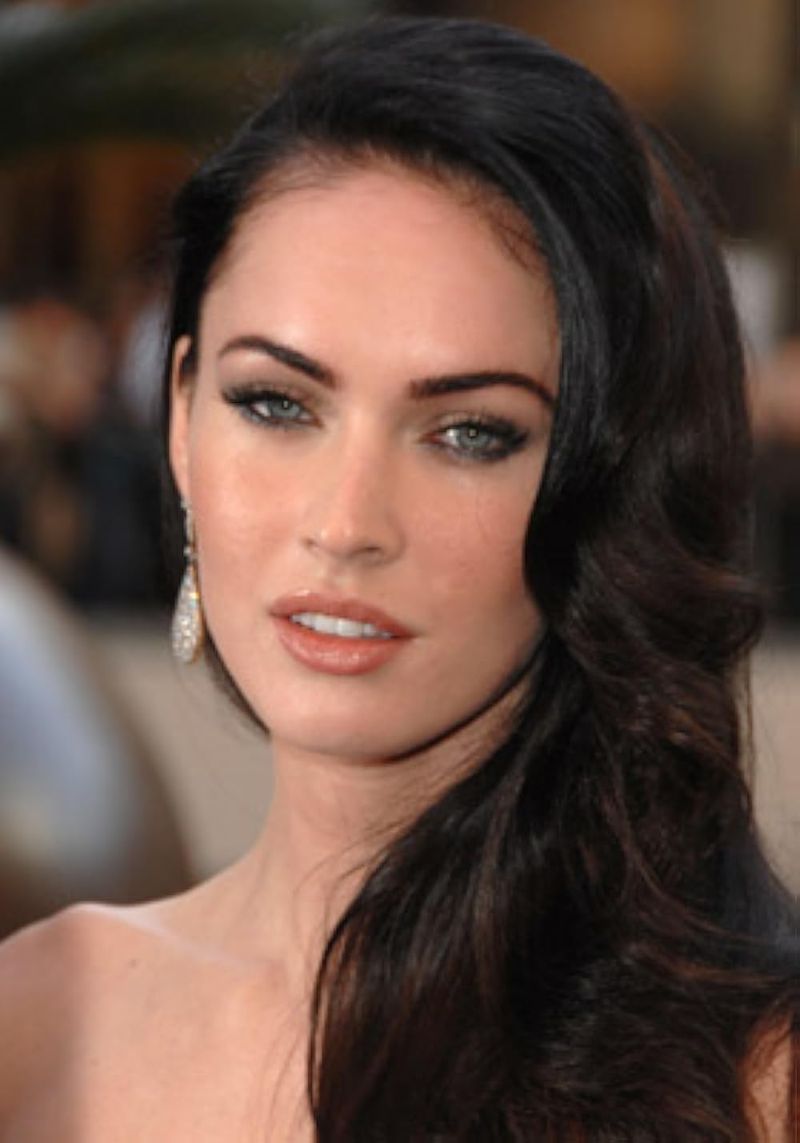
Few actors have had a hotter introduction to Hollywood than Megan Fox in Transformers.
Almost overnight, she became one of the most talked-about faces in entertainment, and a sequel role seemed to guarantee even bigger things ahead.
Behind-the-scenes tensions with director Michael Bay reportedly led to her exit from the franchise before the third film.
What followed was a string of projects—Jennifer’s Body, Jonah Hex—that failed to replicate Transformers-level attention or box office performance.
Her name recognition never disappeared entirely, but the blockbuster momentum stalled in a way that seemed almost impossible given how electric her arrival had been.
She remained a pop culture fixture, just not the franchise-carrying star studios originally envisioned.
7. Katherine Heigl
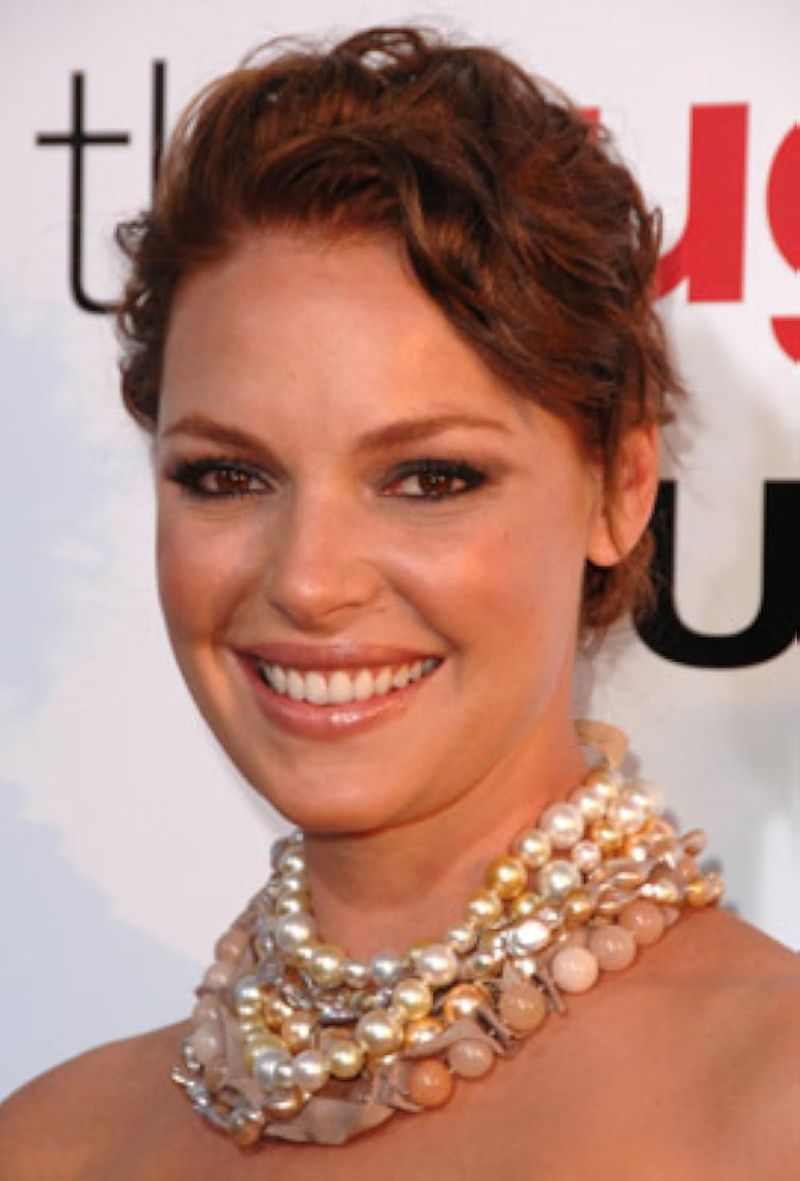
Katherine Heigl had the rom-com formula down perfectly.
Knocked Up made her a comedy star almost accidentally, and 27 Dresses confirmed she could carry a lighthearted film entirely on her own charm and likability.
Then came a series of choices—both professional and public—that complicated her Hollywood standing.
Publicly withdrawing herself from Emmy consideration and making candid comments about Knocked Up’s script didn’t exactly endear her to the industry machine.
Films like The Ugly Truth and Killers underperformed, and the goodwill began evaporating faster than studios could replace it.
Television became her more reliable home, where Grey’s Anatomy had originally launched her.
She found steadier footing there, but her film career never recaptured that early momentum.
8. January Jones
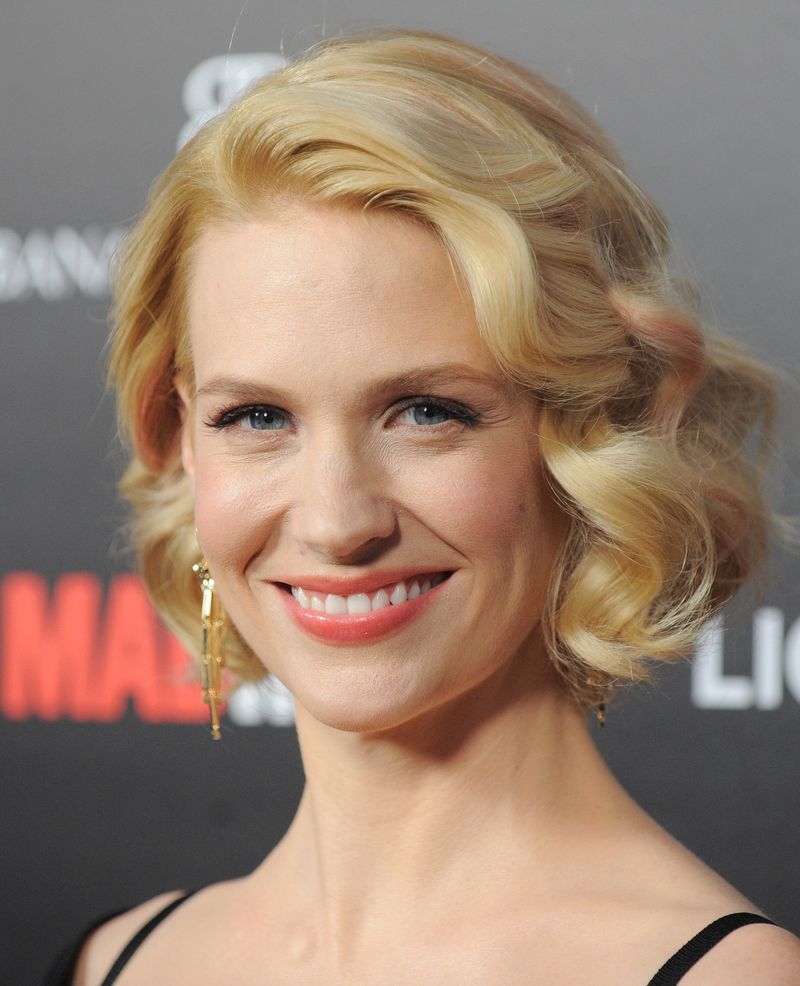
Playing Betty Draper on Mad Men required a specific kind of icy, controlled performance—and January Jones delivered it brilliantly for years.
That success made her an obvious candidate for bigger film opportunities.
X-Men: First Class cast her as Emma Frost, a visually striking role that placed her inside one of Marvel’s biggest franchises.
Reviews of her performance were polite at best, with many critics noting that the role didn’t quite allow her strengths to shine through.
The film career simply never gained traction the way her television work had.
She remained a respected TV presence, but the crossover to major film stardom that studios seemed to expect from her Mad Men profile never happened in any meaningful way.
9. Amber Heard
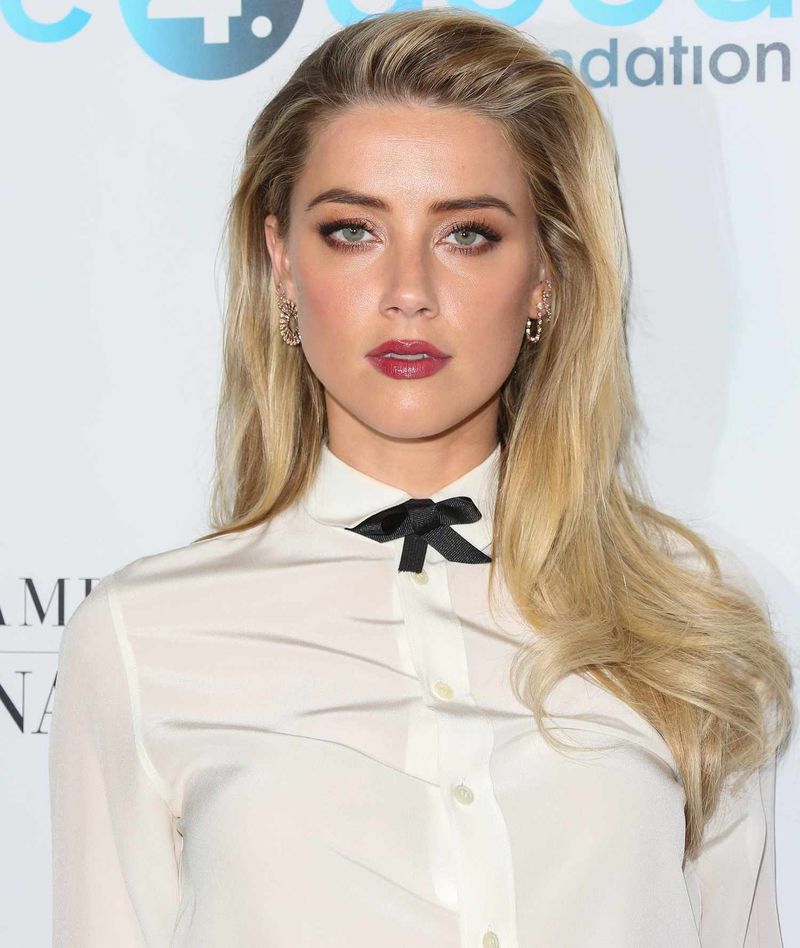
Amber Heard worked consistently through the 2010s, appearing in everything from indie films to major studio productions.
Landing a role in the DC Extended Universe as Mera in Aquaman felt like a genuine breakthrough moment for her career.
Aquaman became a massive commercial hit in 2018, yet somehow the spotlight didn’t land on Heard the way supporting roles in billion-dollar films usually help an actor’s profile.
Then came the highly publicized legal battles that consumed media attention for years.
Regardless of how audiences viewed the legal proceedings, her acting career became nearly impossible to separate from the controversy.
Future projects dried up considerably, and the trajectory she had been building quietly collapsed under the weight of relentless public scrutiny.
10. Lily Collins
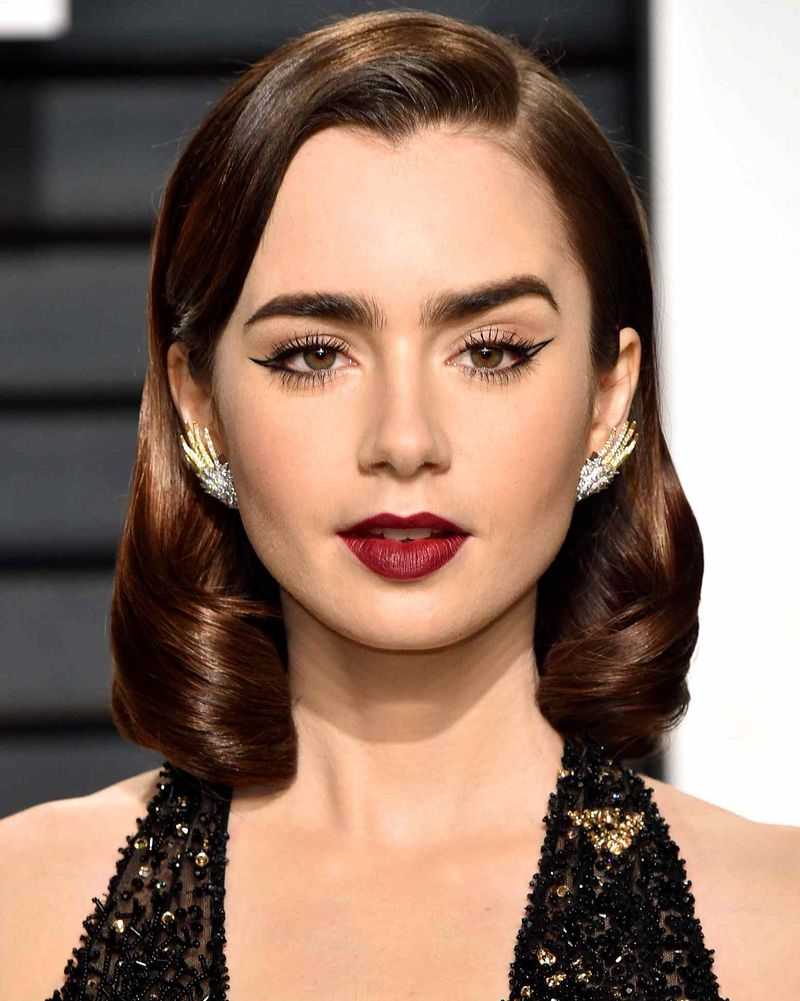
Being the daughter of Phil Collins gave Lily Collins an industry connection, but she clearly wanted to build something on her own terms.
Mirror Mirror in 2012 cast her as Snow White opposite Julia Roberts, a high-profile opportunity by any measure.
The Mortal Instruments: City of Bones followed in 2013, another attempt at launching a young-adult fantasy franchise with Collins at the center.
Neither film performed strongly enough to generate sequels or establish her as a go-to film lead.
What’s genuinely interesting is what came next.
Emily in Paris on Netflix turned her into a massive global star, proving the talent was always there.
Sometimes the right medium matters more than the right movie, and streaming gave her the platform films never quite could.
11. Teresa Palmer

Teresa Palmer genuinely had everything studios look for when building a leading lady—natural charisma, screen presence, and the ability to anchor both action and dramatic scenes with equal ease.
I Am Number Four gave her a high-concept sci-fi franchise to work with, and Warm Bodies positioned her inside a quirky romantic zombie story with real crossover appeal.
Both films landed with a soft thud at the box office, failing to generate the franchise momentum their studios had planned.
Palmer kept working steadily in smaller and mid-budget projects, earning respect within the industry even as the blockbuster door quietly closed.
Her career took a quieter path than expected, but she never stopped working with genuine commitment and craft.
12. Alice Eve
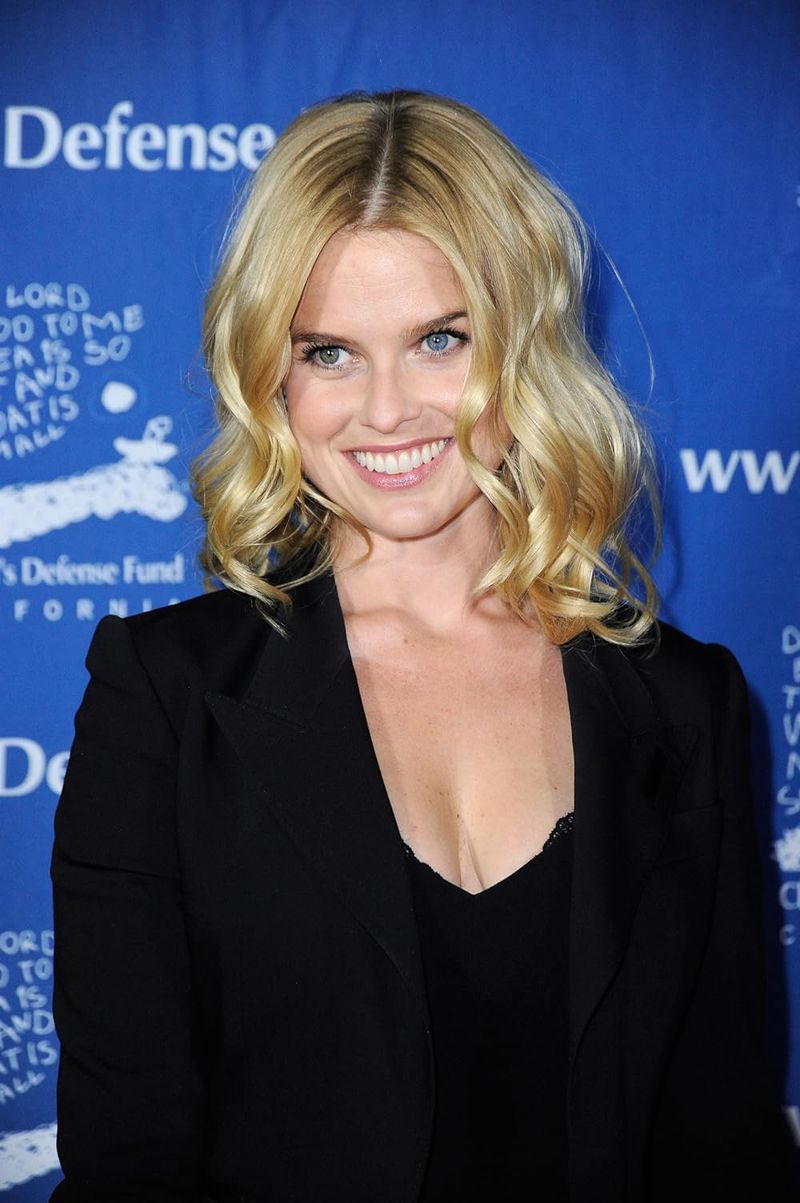
British actress Alice Eve had a sharp comedic turn in She’s Out of My League before landing one of the most talked-about roles in Star Trek Into Darkness.
A scene that generated enormous internet buzz seemed to guarantee she’d be everywhere afterward.
The attention, however, was largely focused on one specific moment rather than her performance as a whole.
Critics pointed out that her character felt underdeveloped, which made it harder to build genuine fan investment in her as a franchise presence.
She continued acting in various projects without ever recapturing that level of mainstream visibility.
It’s a case where a high-profile credit didn’t automatically translate into lasting momentum, a frustrating reality many actors quietly understand all too well.
13. Emmy Rossum
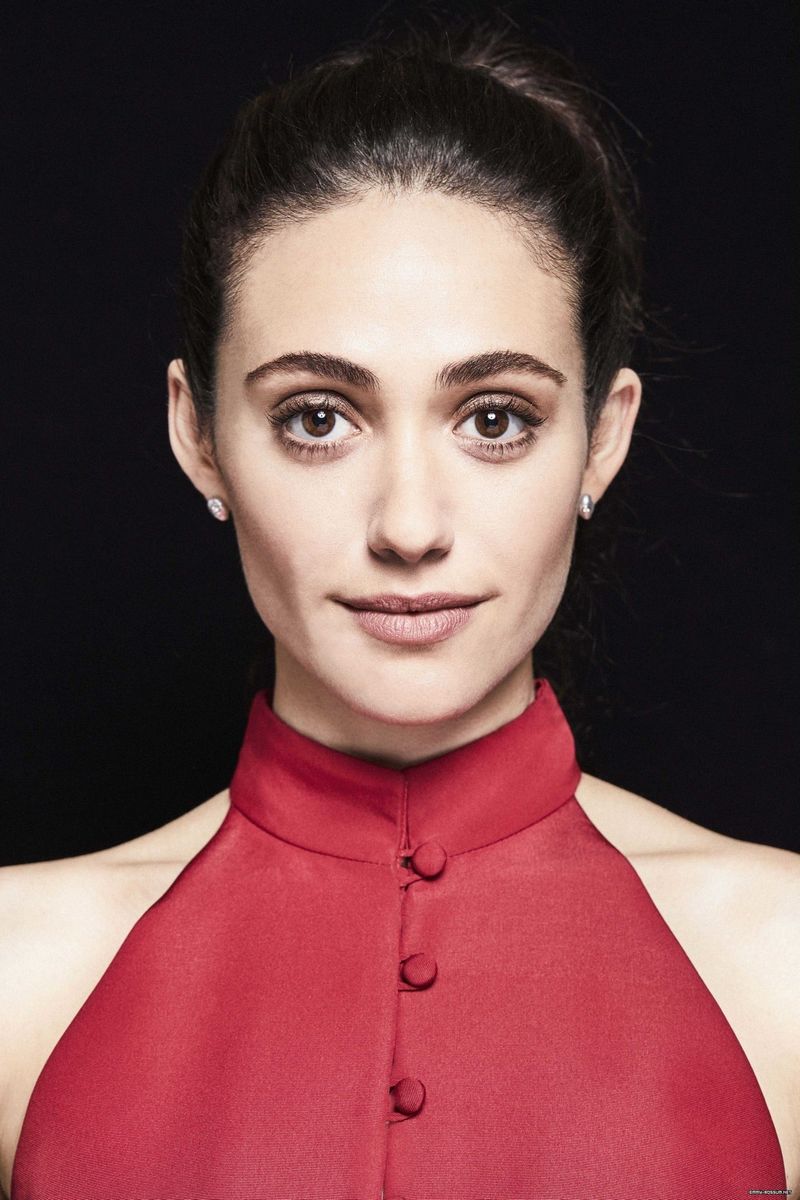
Emmy Rossum was just 16 when she filmed The Phantom of the Opera, and her performance genuinely stunned people.
Her voice was extraordinary, and the film seemed like the beginning of a remarkable Hollywood journey for someone that young and that talented.
What followed in film was surprisingly quiet.
A handful of roles came and went without establishing her as a major box office draw.
The big dramatic film career that Phantom seemed to promise simply didn’t materialize the way industry observers expected.
Television changed everything.
Shameless ran for eleven seasons on Showtime, with Rossum delivering consistently powerful work that earned critical admiration and a devoted audience.
Sometimes a smaller screen is the right stage, and for her, it absolutely was.
14. Blake Lively
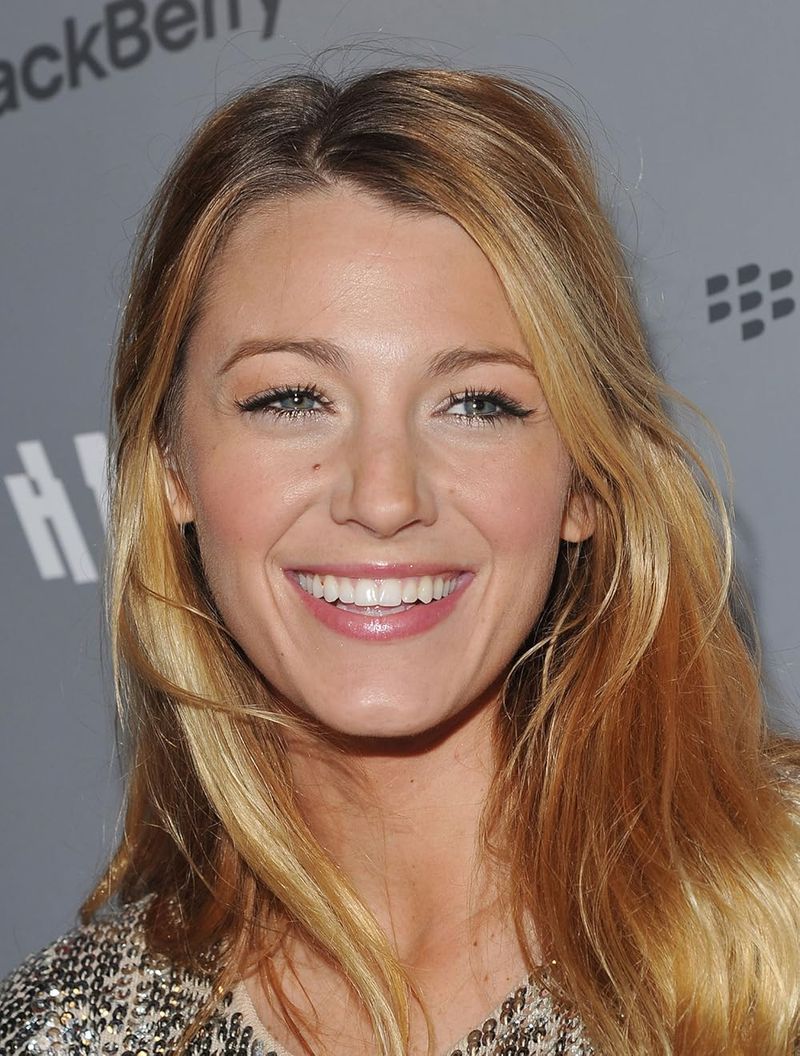
Gossip Girl made Blake Lively a style icon and a household name before she had truly established herself as a film actress.
The natural next step seemed obvious—take that visibility and translate it into movie stardom.
Green Lantern in 2011 was meant to be a launching pad, but the film was critically panned and commercially disappointing.
A few more uneven film efforts followed, creating a stretch that didn’t quite showcase what she was capable of delivering.
Then something shifted.
The Shallows proved she could carry a tense thriller almost entirely alone, and A Simple Favor showed genuine comedic and dramatic range.
Her film career found real footing eventually—it just took longer and a different path than anyone originally mapped out.
15. Hayden Christensen
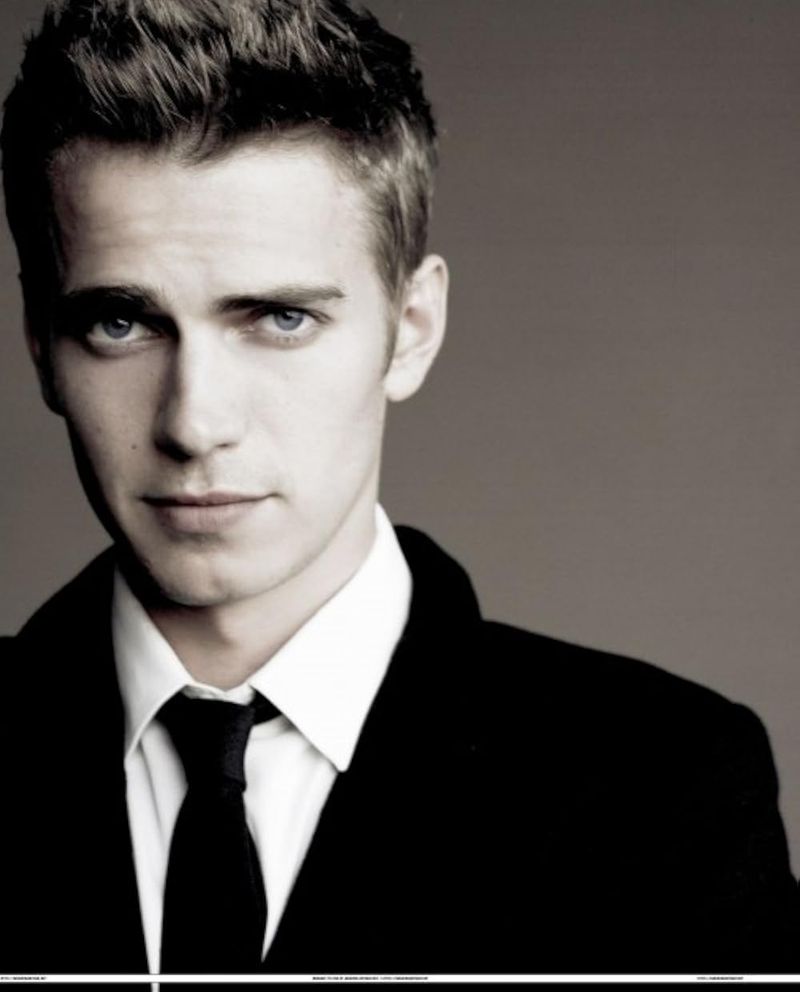
Playing Anakin Skywalker across two Star Wars prequels should have been the ultimate career launchpad.
Hayden Christensen had the role, the franchise, and a global audience watching his every move in one of cinema’s most beloved universes.
The prequel films received a complicated reception—beloved by some, criticized heavily by others—and Christensen’s performance became a frequent target for frustrated fans.
Whether fair or not, that association made Hollywood hesitant to place him at the center of new major projects.
He stepped away from mainstream filmmaking for several years, living a quieter life before the Star Wars universe called him back for Obi-Wan Kenobi.
Fan reception was warm and forgiving, suggesting audiences simply needed time and the right story to reconnect with him.