 MomSkoop

After twenty-five years of marriage, I thought I knew what went wrong. But it wasn’t the big fights or dramatic moments that broke us apart.
It was the small, everyday habits we repeated without thinking—tiny patterns that slowly chipped away at our connection until there was nothing left to hold onto.
1. Hiding Behind Our Screens

Dinner time became silent scrolling sessions instead of conversations about our day.
We’d sit next to each other on the couch, inches apart physically but miles away mentally.
Our phones became shields we held up whenever things felt uncomfortable or boring.
Instead of talking through awkward silences, we filled them with notifications and newsfeeds.
Technology gave us an easy escape from the hard work of actually connecting.
Over time, checking our devices became more automatic than checking in with each other, and we lost the muscle memory of genuine presence.
2. Making Our Kids the Only Bridge Between Us

Somewhere along the way, our children became the main topic we discussed.
Soccer schedules, homework help, and permission slips filled every conversation.
We convinced ourselves that being busy meant we were doing marriage right.
The family calendar became more important than our relationship calendar, and we forgot we were partners before we became parents.
When the kids left for college, we looked at each other like strangers.
All those years, we’d been co-parenting instead of co-existing as a couple, and suddenly we had nothing left to talk about except memories.
3. Letting Small Wounds Fester

A forgotten anniversary turned into a week of cold shoulders.
A dismissive comment at dinner got swept under the rug because we were too tired to address it.
We thought we were being mature by not making a big deal out of little things.
But those unresolved moments piled up like unpaid bills, and eventually the interest became crushing.
Each small hurt we ignored created a tiny crack in our foundation.
Years later, we couldn’t figure out why everything felt so broken, forgetting that we’d never bothered to patch the small holes as they appeared.
4. Walking Past Each Other Like Roommates

Remember when coming home meant a hug and a kiss at the door?
Those rituals disappeared so gradually we barely noticed.
We’d walk in from work, grunt a hello, and head straight to our separate corners.
No eye contact, no warm welcome, no acknowledgment that this person mattered more than anyone else in the world.
This daily neglect taught us both that we weren’t priorities anymore.
When someone stops greeting you with warmth, you eventually stop expecting it, and before long you stop missing it entirely.
5. Dodging Difficult Topics to Avoid Conflict

Did you notice the credit card bill?
Let’s not talk about it.
Feeling disconnected lately?
Maybe it’ll pass on its own.
We became experts at changing the subject whenever something uncomfortable came up.
We told ourselves we were protecting the relationship, but really we were just protecting ourselves from temporary discomfort.
All those avoided conversations didn’t disappear—they just went underground and grew into resentment.
Peace kept at the cost of honesty isn’t really peace at all; it’s just postponed explosion waiting to happen.
6. Becoming Each Other’s Constant Critic

You’re loading the dishwasher wrong.
That’s not how you fold towels.
Why would you take that route to the store?
Somewhere between year five and year ten, we stopped being teammates and became each other’s quality control manager.
Every small mistake became an opportunity to correct rather than an opportunity to show grace.
This constant nitpicking made us both feel like failures in our own home.
Nobody wants to live with someone who treats everyday tasks like performance reviews, and eventually we both stopped trying to please someone who couldn’t be pleased.
7. Forgetting to Say Thank You
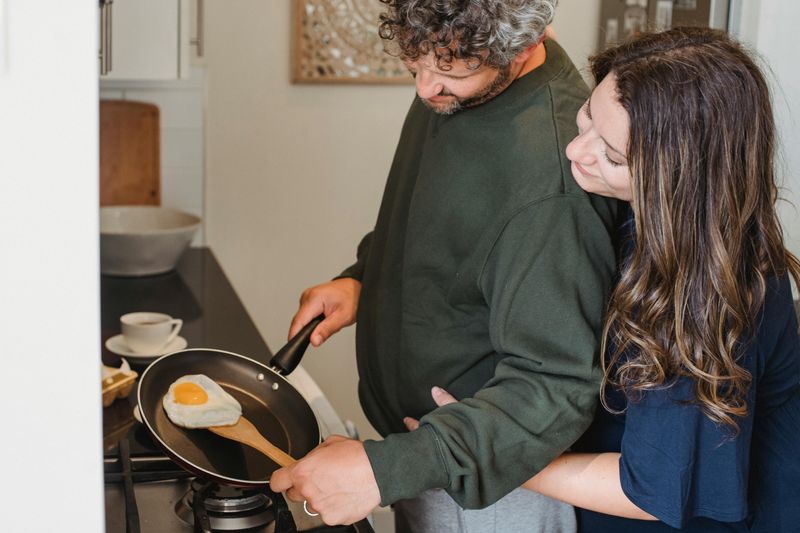
He took out the trash every week for twenty-five years without a single acknowledgment.
She made dinner six nights a week and heard complaints more often than compliments.
We assumed our contributions would be noticed and appreciated automatically.
But appreciation doesn’t work on autopilot—it requires intention and words spoken out loud.
When you stop expressing gratitude, your partner starts feeling taken for granted.
Eventually they stop doing the extra things that once made your life easier, not out of spite but because invisible effort feels pointless.
8. Eliminating Physical Affection from Daily Life

We used to hold hands while watching TV.
A hand on the shoulder while passing in the kitchen.
A quick hug before bed.
Those small, casual touches disappeared so slowly we didn’t realize they were gone until we couldn’t remember the last time we’d touched at all outside of obligation.
Touch is how humans communicate safety and belonging without words.
When casual affection stops, emotional distance grows faster than you’d think possible.
Our bodies forgot how to be comfortable near each other, and eventually even sitting close felt awkward and forced.
9. Accepting Loneliness as Normal

I’d lie next to him every night feeling completely alone, and I convinced myself this was just what long-term marriage looked like.
Surely everyone felt this hollow, right?
We stopped talking about our inner worlds—our fears, dreams, and vulnerabilities stayed locked inside.
Surface-level conversations about logistics replaced the deep talks that once made us feel truly known.
The tragedy wasn’t the loneliness itself but our acceptance of it.
We normalized emotional isolation instead of fighting for connection, teaching ourselves that this emptiness was simply the price of staying together.
10. Tracking Who Did More Instead of Supporting Each Other

I washed dishes three times this week and you only did it once.
I got up with the kids more nights than you did last month.
We kept mental tallies of every contribution and every failure, always ready to prove we were pulling more weight.
Marriage became a competition instead of a collaboration, with both of us determined not to lose.
This scorekeeping poisoned our generosity toward each other.
We stopped doing kind things freely because we were too busy calculating whether we’d done enough to earn kindness in return.
11. Using Cutting Humor as Our Default Language

What started as playful teasing gradually turned meaner over the years.
We’d make jokes at each other’s expense in front of friends, then claim the other person was too sensitive when feelings got hurt.
Sarcasm became our primary communication style because it felt safer than vulnerability.
We could say hurtful things and hide behind humor if anyone called us out.
This constant mockery eroded our respect for each other bit by bit.
Eventually neither of us felt safe being genuine or admitting weakness, because we knew it would just become ammunition for the next sarcastic jab.