 MomSkoop

Some men do not reveal their toxicity through big dramatic moments – they reveal it in the small sentences they repeat until your confidence starts to crack. The most damaging phrases often sound casual, familiar, and easy to dismiss at first.
But when you hear them often, they can slowly train you to doubt your feelings, needs, and reality. If any of these lines sound painfully familiar, it may be time to look more closely at what you are really being asked to tolerate.
1. You’re overreacting.

When a man says “you’re overreacting,” he is not trying to understand your feelings – he is trying to shrink them.
It sends the message that your emotional response is the real problem, not the behavior that caused it.
Over time, that kind of dismissal can make you question whether you are allowed to feel upset at all.
Healthy partners may disagree with your reaction, but they still stay curious about why you are hurting.
A toxic man uses this phrase to end the conversation before accountability enters the room.
If you leave talks feeling embarrassed for having emotions instead of supported while processing them, that sentence is doing more damage than it may seem at first.
2. I’m just being honest – you’re too sensitive.

“I’m just being honest – you’re too sensitive” is a favorite line of someone who wants credit for cruelty.
He gets to say something sharp, then blames you for bleeding from it.
That is not honesty – it is hostility wearing a respectable mask.
Real honesty can be direct and still kind, thoughtful, and grounded in care.
Toxic honesty is often just unfiltered criticism designed to make you feel weak for reacting like any human would.
If every hurtful comment is followed by a lecture about your sensitivity, you are not being invited into growth.
You are being trained to accept disrespect while apologizing for your pain, and that emotional bargain gets expensive fast.
3. No one else would put up with you.

When he says, “No one else would put up with you,” he is trying to make himself sound generous while making you feel fundamentally unlovable.
It is not a statement about your worth – it is a strategy to lower it in your own mind.
The goal is simple: if you believe no one else would want you, leaving feels impossible.
This phrase is deeply manipulative because it attacks your confidence and your options at the same time.
A loving partner does not position himself as your last chance at companionship.
He does not want you feeling trapped, indebted, or afraid of being alone forever.
If someone keeps reminding you that you are hard to love, he may be working very hard to keep you dependent.
4. If you really loved me, you would…

“If you really loved me, you would…” sounds romantic on the surface, but it usually hides pressure, guilt, or control.
Instead of respecting your boundaries, he turns love into a test you have to keep passing.
Suddenly, saying no becomes proof that you do not care enough.
That is not love – it is emotional leverage.
Healthy relationships allow space for limits, hesitation, and honest disagreement without treating them like betrayal.
A toxic man uses affection as currency and then demands payment on his terms.
If you often feel cornered into doing things just to prove your loyalty, pay attention.
Love should feel like safety and choice, not a constant exam where your boundaries are graded and usually failed.
5. Everything is always your fault.

This is what blame sounds like when it has stopped pretending to be fair.
He may say it outright, or imply it so often that you begin walking into every conflict already preparing your apology.
That constant shifting of responsibility keeps him protected and keeps you emotionally overloaded.
In real partnership, both people can own mistakes, repair damage, and talk about patterns without turning one person into the permanent villain.
A toxic man avoids self-reflection by making you carry the entire emotional debt of the relationship.
If every argument somehow circles back to your tone, your timing, your needs, or your flaws, the issue may not be your behavior.
It may be his refusal to be accountable for anything.
6. I don’t need to apologize for who I am.

“I don’t need to apologize for who I am” can sound like confidence, but in toxic hands it becomes an excuse for selfishness.
He is not defending authenticity – he is defending harmful behavior from criticism.
It lets him act carelessly and then frame your pain as an attack on his identity.
There is a huge difference between self-acceptance and refusing accountability.
Healthy people can say, “This is who I am,” while still admitting when they have been rude, dismissive, or cruel.
A toxic man treats any request for change like oppression because he does not want to do the uncomfortable work of growth.
If apologies are always replaced with speeches about his personality, you are likely dealing with ego, not emotional maturity or strength.
7. You’re lucky I stay with you.

When he says, “You’re lucky I stay with you,” he is trying to make his presence feel like a prize you have not earned.
It is meant to put you beneath him and make you grateful for crumbs.
Underneath the arrogance is a clear message: he believes your value depends on his approval.
That phrase is especially toxic because it mixes humiliation with dependency.
Instead of building mutual appreciation, he creates a hierarchy where he is the chooser and you are the one who should feel relieved not to be abandoned.
Loving partners do not make you feel selected under protest.
They make you feel cherished, respected, and secure.
If someone keeps reminding you he could leave at any time, fear may be part of his relationship strategy.
8. Stop acting crazy.

“Stop acting crazy” is not just insulting – it is a fast way to discredit everything you are trying to say.
Instead of engaging your concern, he attacks your stability.
That move shifts the focus from his behavior to your supposed irrationality, which is exactly why toxic people use it.
Even if he says it casually, the impact can be serious.
Hearing your emotions labeled as crazy enough times can make you second-guess your instincts, minimize valid concerns, and stay silent to avoid being mocked.
A healthy partner may say a conversation is getting heated, but he will not weaponize mental health language to control the outcome.
If you often leave conflicts feeling confused, ashamed, or dramatic for simply raising an issue, take that phrase very seriously.
9. I was only joking – can’t you take a joke?

“I was only joking – can’t you take a joke?” is often what happens when cruelty gets caught and needs a quick costume change.
He says something hurtful, watches it land, then blames you for not receiving it correctly.
That way, he avoids responsibility while painting you as humorless or dramatic.
Real jokes do not require one person to feel small so the other can feel clever.
In healthy relationships, teasing has warmth, consent, and mutual ease behind it.
Toxic humor usually punches in one direction and then hides behind laughter when challenged.
If you often feel embarrassed, belittled, or exposed after his “jokes,” your discomfort is telling you something important.
A joke that repeatedly hurts you is no longer a joke – it is a delivery system for disrespect.
10. You’re imagining things.

“You’re imagining things” is a classic gaslighting phrase because it attacks your trust in your own perception.
He is not just disagreeing with you – he is suggesting your mind cannot be trusted.
That can be incredibly destabilizing when you are already trying to make sense of confusing behavior.
In a healthy relationship, someone can remember things differently without making you feel detached from reality.
A toxic man uses denial as a power tool, especially when the truth would expose his lies, flirting, broken promises, or emotional distance.
If you find yourself replaying conversations, checking messages, or needing proof for things you clearly experienced, this phrase may be part of a larger pattern.
Once your reality feels negotiable, control becomes much easier for him to maintain.
11. I do whatever I want, and nobody controls me.

“I do whatever I want, and nobody controls me” may sound independent, but in a relationship it often translates to selfishness without accountability.
He is framing consideration, compromise, and respect as threats to his freedom.
That tells you he sees partnership not as teamwork, but as a battle for dominance.
Healthy adults keep autonomy while still caring how their choices affect the person they love.
A toxic man uses exaggerated independence to excuse secrecy, boundary crossing, impulsive behavior, and refusal to communicate.
He wants the benefits of closeness without any of the responsibility that makes closeness safe.
If every request for mutual respect is treated like control, notice what is really being defended.
It is usually not freedom – it is the right to act without consequences.
12. You always make me do this.
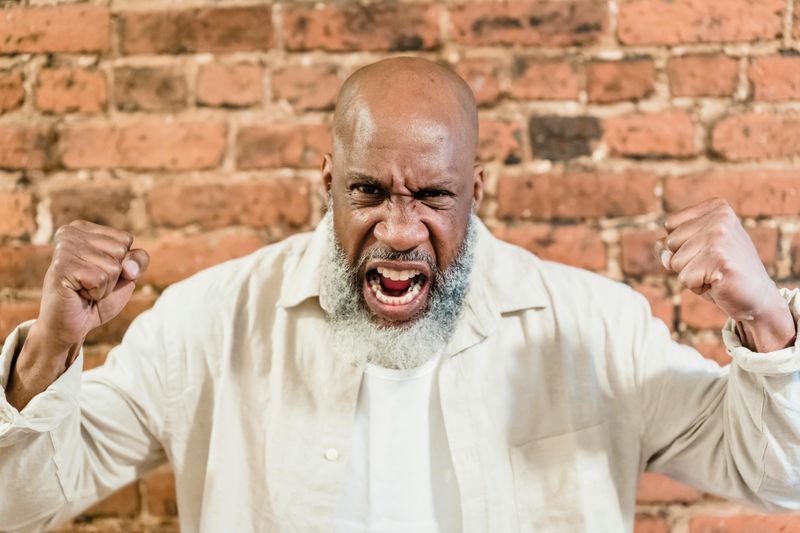
When a man says “You always make me do this,” he is dodging responsibility and placing his behavior at your feet.
It reframes his choices as your fault, even when you did nothing wrong.
That kind of logic can leave you feeling guilty for reactions you did not cause.
In toxic dynamics, this phrase becomes a shortcut for intimidation, blame, and emotional confusion.
Instead of owning anger, cruelty, or manipulation, he acts as if you forced his hand.
After hearing it enough, you may start working overtime to keep the peace, while he keeps excusing the harm.
13. Nobody will believe you.

When a man says “Nobody will believe you,” he is not just being cruel – he is trying to isolate you.
The threat underneath the words is clear: your truth does not matter, and speaking up will only make things worse.
That can make silence feel safer than honesty.
Toxic people rely on fear because fear keeps control in place without much effort.
If he convinces you that no one will support you, he gets to keep rewriting reality unchecked.
Healthy love never depends on intimidation, and it never asks you to doubt your own voice before you have even used it.