 MomSkoop

Relationships can be complicated, and sometimes feelings develop in unexpected ways. When a married woman starts showing interest in someone outside her marriage, certain patterns often emerge that reveal what’s happening beneath the surface. Recognizing these signs can help you understand relationship dynamics better, whether you’re observing from the outside or reflecting on your own situation.
1. She Gives Extra Attention to One Person

Watch how she lights up when a particular person enters the room. Her whole demeanor changes—suddenly she’s more animated, laughing louder, and focusing entirely on what he says. While she might be polite to everyone else, there’s something different about how she engages with him.
This extra effort shows itself in small ways. She remembers details he mentioned weeks ago, asks follow-up questions about his life, and makes sure to include him in group activities. Her body naturally turns toward him during conversations, even when others are speaking.
The difference becomes obvious when you compare her interactions. With most people, she’s friendly but measured. With him, there’s an energy that suggests something deeper is developing beneath surface-level friendliness.
2. She Frequently Brings Him Up in Conversation

His name keeps popping up everywhere. Whether she’s talking about work, a funny story, or something she saw online, somehow the conversation circles back to him. “Oh, that reminds me of what David said the other day…” becomes a common phrase you hear.
This constant mentioning reveals where her thoughts naturally wander. Even during unrelated discussions, she finds ways to weave him into the narrative. She might quote his opinions, share his jokes, or reference things he’s doing—all signs he occupies significant mental space.
Pay attention to how often his name comes up compared to other friends or colleagues. If she mentions him more than anyone else and seems eager to talk about their interactions, it indicates he’s become unusually important to her.
3. She Prioritizes Looking Good Around Him
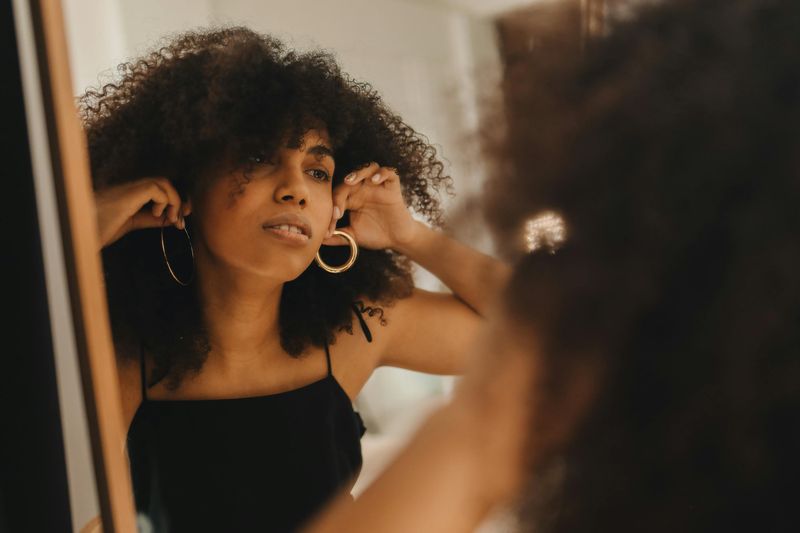
Suddenly, casual errands require a full makeup routine if there’s a chance she’ll run into him. She picks outfits more carefully, styles her hair differently, and maybe even buys new clothes when she knows they’ll cross paths. This extra grooming goes beyond normal self-care.
The contrast becomes telling. On regular days at home, she’s comfortable and relaxed. But when there’s potential to see this particular person, preparation time triples. She checks mirrors repeatedly, adjusts her clothing, and ensures everything looks perfect.
Physical attraction often drives this behavior. Deep down, she wants him to notice her, to see her at her best. This investment in appearance signals that his opinion matters significantly more than it should for just a friend or acquaintance.
4. She Becomes More Secretive With Her Phone

Her phone used to sit openly on tables, screen-up without concern. Now she keeps it face-down, carries it everywhere—even to the bathroom—and quickly switches screens when someone approaches. These sudden privacy measures often indicate hidden communication.
Deleting messages becomes routine, or she sets up special notification settings so certain names don’t appear. She might angle her body away while texting or wait until she’s alone to respond to messages. Password changes happen without explanation.
This secretiveness creates emotional distance. When questioned about the behavior, responses might be defensive or dismissive. The phone transforms from a neutral device into a protected gateway to conversations she doesn’t want discovered, suggesting emotional closeness with someone outside the marriage.
5. She Seems Emotionally Distant at Home

Emotional availability starts evaporating at home. Conversations become surface-level, lacking the depth they once had. She seems physically present but mentally elsewhere, going through motions without genuine engagement. The warmth that characterized the relationship feels noticeably cooler.
Her spouse might try initiating meaningful discussions or planning activities together, only to encounter indifference or distraction. She no longer shares frustrations, dreams, or daily experiences the way she used to. That emotional intimacy has quietly relocated elsewhere.
This distance creates a hollow feeling in the relationship. When affection gets redirected toward someone new, there’s less left for the marriage. She might still perform relationship duties, but the emotional investment—the heart of connection—has shifted focus to another person.
6. She Goes Out of Her Way To Be Around Him

Suddenly she volunteers for projects he’s involved in, despite having no previous interest. She changes her routine—shopping at different stores, joining new activities, or taking different routes—all happening to place her where he’ll be. These aren’t coincidences; they’re calculated opportunities.
She manufactures reasons to help him with tasks, offer advice, or collaborate on work. Group events become must-attend occasions if she knows he’s coming. She might even adjust her schedule significantly, canceling other plans to ensure their paths cross.
This pursuit reveals intentionality. People naturally gravitate toward those they’re attracted to, but going significantly out of your way demonstrates active interest. The effort she invests in creating proximity shows how much she values time spent in his presence.
7. She Shares Personal Details With Him
Intimate conversations start happening between them. She opens up about marriage frustrations, personal dreams, childhood memories, and feelings she hasn’t shared with others—including her spouse. This vulnerability creates a bond that feels special and exclusive.
Emotional intimacy often precedes or accompanies physical attraction. By confiding in him, she builds a connection that rivals or exceeds what exists in her marriage. He becomes her confidant, the person who “really understands” her in ways she feels others don’t.
This sharing crosses important boundaries. Marriage should be the primary relationship for such deep disclosure. When another person becomes the recipient of her innermost thoughts and feelings, it signals emotional investment that threatens the marital bond and suggests developing romantic interest.
8. She Acts Nervous or Excited Around Him

Body language rarely lies. Around him, she transforms—fidgeting with jewelry, playing with her hair, laughing at things that aren’t particularly funny. Her voice might change pitch, becoming softer or more animated. Blushing happens when he compliments her or gives attention.
Nervous energy radiates from her presence near him. She might stumble over words, become unusually clumsy, or act uncharacteristically shy. These reactions mirror teenage crushes—the physical manifestation of attraction and the desire to make good impressions.
Contrast this with her typical composure around others. If she’s normally confident but becomes flustered specifically around one person, attraction is likely the cause. These involuntary responses reveal what words might hide—that his presence affects her emotionally and physically.
9. She Compares Her Spouse to Him

Comparisons start slipping into conversations: “Why can’t you be more like…” or “He would never…” These statements pit her spouse against this other person, with the spouse typically coming up short. Whether about appearance, career success, sense of humor, or emotional availability, the comparisons reveal admiration.
Such evaluations indicate she’s measuring her current relationship against a fantasy of what could be. She notices qualities in the other person that she wishes her spouse possessed. This mental exercise creates dissatisfaction at home while elevating someone else to an idealized status.
Repeated comparisons damage marriages and signal emotional drift. When someone becomes the standard against which a spouse is measured, it shows that person has become romantically significant. The grass looks greener because she’s watering someone else’s lawn.
10. She Gets Defensive When Asked About Him

Simple questions about their relationship trigger disproportionate reactions. “Why do you keep asking about him?” or “We’re just friends—why are you being so jealous?” The defensiveness reveals awareness that something inappropriate is developing, even if she won’t admit it outright.
Overreactions happen because the questions hit too close to truth. She might minimize the relationship, insist it’s innocent, or turn accusations back on the questioner. Anger or frustration emerge because deep down, she knows her feelings have crossed lines.
Healthy friendships don’t require defensive protection. When someone reacts strongly to reasonable inquiries, it typically means boundaries have blurred. This emotional response serves as both denial and admission—protecting something she’s not ready to acknowledge or give up.