 MomSkoop

When a marriage starts to crumble, the signs often show up quietly in everyday life.
Your home, once filled with warmth and shared efforts, begins to feel different.
If your wife has emotionally checked out, you’ll notice subtle but powerful changes in how she interacts with the space you both share.
1. Personal Touches Vanish from Shared Spaces
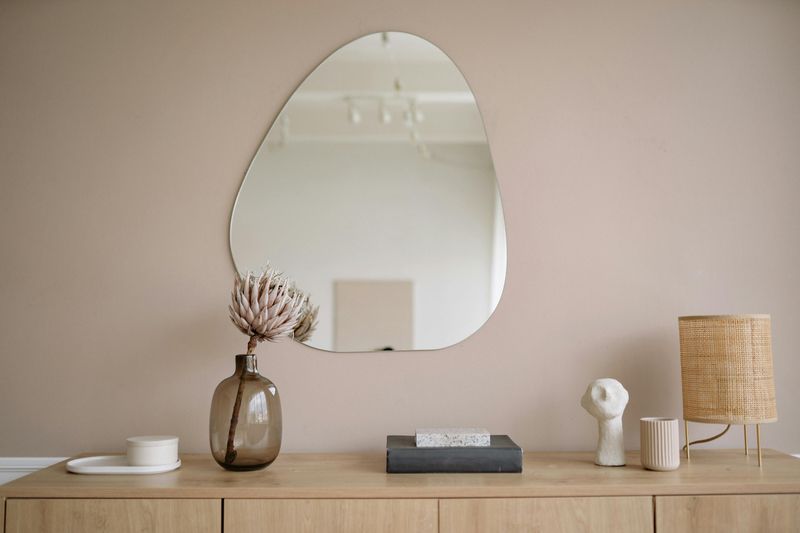
Picture frames collecting dust, decorative pillows disappearing, and fresh flowers nowhere to be seen.
When she stops caring, the little details that made your house feel like home start fading away.
She used to rearrange furniture seasonally or add cozy blankets to the couch.
Now, walls stay bare and surfaces remain plain.
These personal touches reflected her investment in creating a welcoming environment for both of you.
The absence of these efforts signals a deeper emotional withdrawal.
She’s no longer trying to beautify spaces meant for togetherness.
This shift often happens gradually, making it easy to miss until you realize months have passed without any updates or care.
2. Communication Turns Purely Transactional

Remember when you’d chat about weekend plans over breakfast or discuss paint colors for the bedroom?
Those conversations have been replaced with short texts about picking up milk or sticky notes reminding you about bills.
Every interaction now serves a functional purpose only.
There’s no warmth, no curiosity, no connection.
She’s not asking how your day went or sharing funny stories anymore.
This shift from emotional to purely logistical communication creates a business-like atmosphere at home.
You’ve become roommates managing a household rather than partners building a life together.
The emotional intimacy that once flowed naturally through everyday conversations has completely dried up.
3. Solo Decisions Replace Shared Planning

She used to ask your opinion on everything from new curtains to appliance purchases.
Now she makes choices without consulting you at all.
A new coffee maker appears, or the bathroom gets restocked with different products, and you had no idea it was happening.
This independence isn’t about confidence or efficiency.
It’s about disconnection.
She’s stopped viewing household decisions as joint responsibilities requiring both perspectives.
When someone stops seeking your input, they’ve mentally separated their life from yours.
She’s managing her environment independently because she no longer sees you as a true partner in creating the home.
Your preferences and opinions simply don’t matter to her anymore.
4. Her Things Migrate to Separate Territories

Slowly but surely, her belongings start clustering in specific areas away from you.
Her clothes move to a different closet, her toiletries relocate to the guest bathroom, and personal items disappear from common spaces.
This physical separation mirrors the emotional distance growing between you.
She’s creating her own independent zones within the home, carving out space that feels entirely hers.
You might not notice the shift immediately, but eventually it becomes clear that she’s establishing boundaries through belongings.
She’s mentally dividing the house into separate living areas, preparing herself emotionally for a life that doesn’t revolve around togetherness.
It’s a quiet form of claiming independence.
5. Cleaning Becomes Selective and Personal
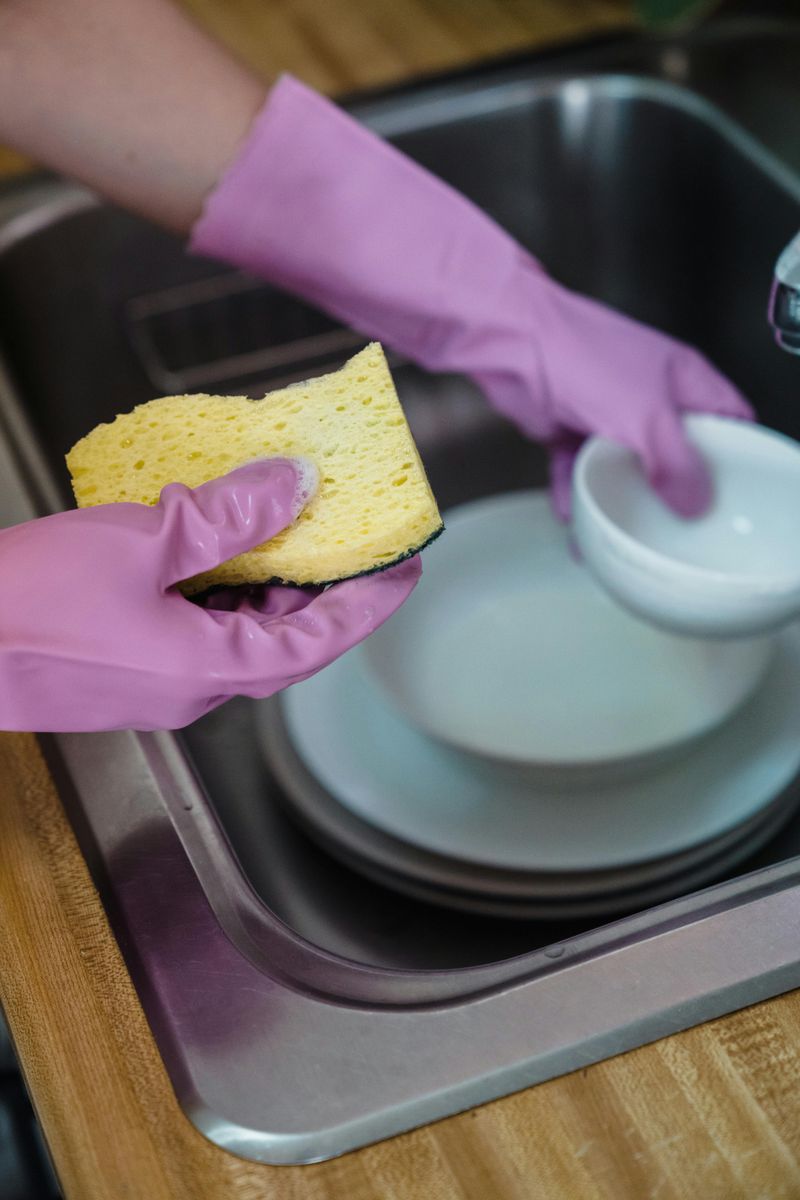
She still keeps the kitchen tidy and the kids’ rooms organized, but your messes stay untouched.
Dishes you leave in the sink remain there for days.
Laundry she once folded for everyone now only includes her clothes and the children’s.
This selective cleaning sends a clear message: she’s taking care of herself and those who depend on her, but not you.
You’re expected to manage your own space now.
It’s not about being petty or mean.
She’s simply stopped viewing your shared life as something requiring her constant maintenance.
The shift from cleaning for “us” to cleaning for “me” reflects a fundamental change in how she sees the relationship and her role within it.
6. Shared Spaces Feel Emotionally Hollow

The living room where you used to watch movies together now feels like a waiting area.
The TV plays, but there’s no laughter or conversation.
Evening routines that once brought you together have dissolved into separate activities.
She might be physically present, but emotionally she’s miles away.
There’s no cozying up on the couch, no spontaneous conversations, no warmth filling the room.
Common areas become spaces you simply occupy rather than share.
The atmosphere feels heavy with silence and disconnection.
Even when you’re both home, it feels lonely.
This emptiness in rooms once filled with togetherness clearly shows that her emotional investment has completely disappeared from your shared life.
7. Indifference Replaces Frustration with Your Mess

There was a time when leaving your socks on the floor or dirty dishes around would spark an argument.
She’d express frustration, hoping you’d change.
Now?
Nothing.
Complete silence.
This indifference is actually more alarming than anger.
When someone stops reacting to your behavior, they’ve stopped caring about changing it or about you.
Your mess no longer bothers her because your actions no longer affect her emotionally.
She’s mentally detached from the relationship to the point where what you do doesn’t register anymore.
The absence of complaints isn’t peace—it’s apathy.
She’s given up on expecting anything different, which means she’s given up on the relationship itself.
Silence speaks volumes here.
8. Bedroom Dynamics Shift Dramatically

Maybe she’s going to bed much earlier or staying up significantly later than you.
Perhaps she’s claimed the guest room for better sleep.
The bedroom, once your most intimate shared space, has become another area of separation.
Physical proximity has decreased noticeably.
Even when you’re both in bed, there’s a clear divide.
She stays on her side, facing away, creating an invisible barrier.
These changes reflect deep emotional distance that’s manifesting physically.
The bedroom should be a place of connection and vulnerability, but it’s become just another room where you coexist separately.
Altered sleep schedules and physical avoidance clearly communicate that intimacy—emotional and physical—has left the relationship entirely.
9. Household Conversations Die Completely

When was the last time she mentioned needing to fix the leaky faucet or suggested repainting the hallway?
These conversations have stopped entirely.
She’s no longer initiating discussions about home improvements, repairs, or future plans.
This silence isn’t because everything’s perfect.
It’s because she’s stopped thinking about the home as a long-term shared investment.
Why discuss future improvements when she doesn’t see a future here?
Her withdrawal from household planning conversations signals that she’s mentally checking out.
She’s not thinking about making this space better for both of you anymore.
The home has become a temporary place rather than a forever investment, and her silence about its future reflects her feelings about the relationship’s future.
10. Joint Projects Become Nonexistent

Remember planning the backyard garden together or talking about building that deck?
Those shared dreams and projects have completely vanished.
There’s no more brainstorming about DIY renovations or discussing long-term home goals.
Couples who are invested in their relationship naturally create shared projects.
These activities build connection and demonstrate commitment to a future together.
When they disappear, so has her vision of that future.
She’s stopped imagining ways to improve your shared space because she doesn’t see herself there long-term.
Joint projects require teamwork, communication, and shared goals—all things that have dissolved.
The absence of these forward-looking plans clearly shows her heart has already started moving on.
11. Private Retreats Become Her Sanctuary

She’s spending increasing amounts of time in one particular spot—maybe the home office, bedroom, or even just curled up with her phone.
This private space has become her emotional refuge from the relationship.
When you approach, she seems guarded or annoyed by the interruption.
She’s built an invisible wall around herself, using books, screens, or closed doors to maintain separation.
This retreat isn’t about needing alone time, which is healthy. It’s about escaping from you and the relationship.
She’s finding comfort and connection elsewhere—through friends online, books, or simply solitude—because being present with you feels draining.
Her physical withdrawal into private spaces mirrors her complete emotional withdrawal from the marriage.
12. Functional but Lifeless Home Environment

Everything still works.
Bills get paid, meals get made, and the house stays reasonably clean.
On the surface, life continues normally.
But something fundamental is missing—the warmth, the life, the connection that makes a house a home.
You can feel the difference even if you can’t always name it.
The home functions like a well-oiled machine but feels emotionally cold and disconnected.
She’s maintaining the household out of responsibility or habit, not love or partnership.
The house operates efficiently, but it’s become an empty shell.
This disconnect between functional success and emotional emptiness perfectly captures a relationship where someone is physically present but emotionally gone.
Maintenance continues, but the heart has left.