 MomSkoop

Words reveal a lot about how someone thinks and treats the people around them. Certain phrases, when said repeatedly, can signal a pattern of behavior that is worth paying attention to. Recognizing these patterns early can help you protect your emotional health and make smarter choices in your relationships. Here are 11 phrases that, when used often, may be a warning sign.
1. ‘I Don’t Have Time for This’

Brushing off serious conversations with this phrase is more than just being busy — it signals that someone may not value your feelings or concerns.
Everyone has a packed schedule sometimes, but relationships require moments of real attention.
When this line becomes a go-to response, it shuts down communication before it even starts.
Over time, feeling constantly dismissed can wear down your confidence and make you feel like your needs don’t matter.
Pay attention to whether this phrase shows up every time a tough topic comes up.
That pattern tells you something important about how much space you actually have in that relationship.
2. ‘You Sound Jealous’

Pulling out the jealousy card can be a sneaky way to avoid accountability.
Instead of addressing a valid concern, it reframes the conversation so that you become the problem.
Sure, jealousy is real and can cloud judgment sometimes.
But not every concern is rooted in insecurity — sometimes people raise issues because something genuinely feels off.
When this phrase gets used to dodge honest conversations repeatedly, it becomes a deflection tool.
It puts you on the defensive and shifts attention away from the actual issue.
If your concerns are constantly labeled as jealousy, your feelings may be getting manipulated rather than heard.
3. ‘I’m Just Brutally Honest’

Honesty is a great quality — but “brutally honest” can sometimes be code for “I say hurtful things and refuse to apologize for them.”
There is a real difference between speaking truth with kindness and using honesty as an excuse to be cruel.
When someone constantly hides behind this phrase, it often means they are unwilling to consider how their words land on others.
Healthy communication includes both truth and empathy.
Repeatedly hurting people and then saying “I’m just being honest” removes all responsibility from the speaker.
Kindness and honesty are not opposites — they can and should coexist in any respectful relationship.
4. ‘Not My Problem’

Caring about the people close to you means sometimes stepping up even when something is not technically your responsibility. “Not my problem” signals a deep lack of empathy.
When said occasionally about strangers or distant situations, it might just be a boundary.
But in a close relationship, using this phrase often reveals a self-centered mindset that can leave partners, friends, or family feeling completely alone.
Relationships thrive on mutual support.
Someone who consistently refuses to engage with your struggles is unlikely to be a reliable partner during tough times.
Watch how often this phrase comes up — it may reveal more about someone’s character than they realize.
5. ‘This Always Happens to Me’
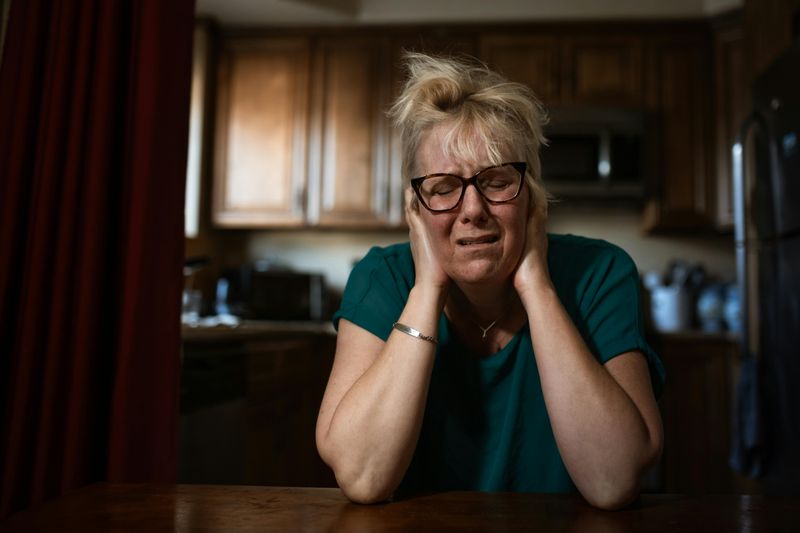
Playing the victim occasionally is human — life really does throw unfair curveballs sometimes.
But when every story ends with “this always happens to me,” it starts to signal a pattern of avoiding personal responsibility.
People who see themselves as constant victims often struggle to recognize their own role in the situations they find themselves in.
This mindset can make it nearly impossible to grow or resolve conflicts constructively.
In a relationship, this attitude can become exhausting and one-sided.
You may find yourself constantly comforting someone who never looks inward.
Over time, that imbalance can drain your energy and create frustration that quietly builds between you both.
6. ‘I Don’t Owe You Anything’

Technically, this phrase can be true in certain situations.
But when it becomes a regular response to reasonable expectations, it is a major red flag worth taking seriously.
Healthy relationships are built on a sense of mutual respect and care — not legal contracts, but emotional agreements that both people honor.
Frequently saying “I don’t owe you anything” suggests someone may not feel invested in maintaining that emotional bond.
It can also be used to justify hurtful behavior or avoid accountability.
If someone regularly uses this line to sidestep basic kindness or decency, it may be time to ask whether the relationship is actually working in your favor.
7. ‘You’re So Obsessed With Me’

Wanting attention, quality time, or clear communication from someone you care about is completely normal.
Labeling that as obsession is a way of making you feel like your needs are too much.
This phrase can be a classic tactic used to gaslight someone into doubting their own feelings.
Once you start believing your normal expectations are excessive, you may begin asking for less and accepting far less than you deserve.
Healthy partners do not mock each other for expressing needs.
If your reasonable requests are consistently framed as obsessive or clingy behavior, that says far more about the other person’s avoidance than it does about you.
8. ‘Girls Are So Dramatic’

Here is something worth thinking about: when a woman constantly puts down other women using broad generalizations, it often reflects internalized bias rather than actual self-confidence.
Labeling all women as “dramatic” dismisses valid emotions and creates an us-versus-them mindset.
It can also be a sign that someone struggles to handle emotional conversations, whether from others or within themselves.
In friendships and romantic relationships, this attitude can make it hard to have genuine, vulnerable moments.
Someone who mocks emotional expression in others is unlikely to be a safe space for your own feelings.
Empathy starts with taking emotions seriously — not dismissing them with a sweeping label.
9. ‘You’re So Sensitive’

Feelings are not flaws.
When someone responds to your emotions with “you’re so sensitive,” they are essentially telling you that your emotional responses are the problem — not their behavior.
This phrase is often used to shut down conversations before any real reflection can happen.
It places all the blame on the person expressing hurt, while the one who caused it walks away without any accountability.
Over time, being told you are too sensitive can make you second-guess your own reactions and stop speaking up altogether.
That silence benefits only the person who never wants to examine their own actions.
Your feelings deserve to be taken seriously, not minimized.
10. ‘If You Loved Me, You Would’
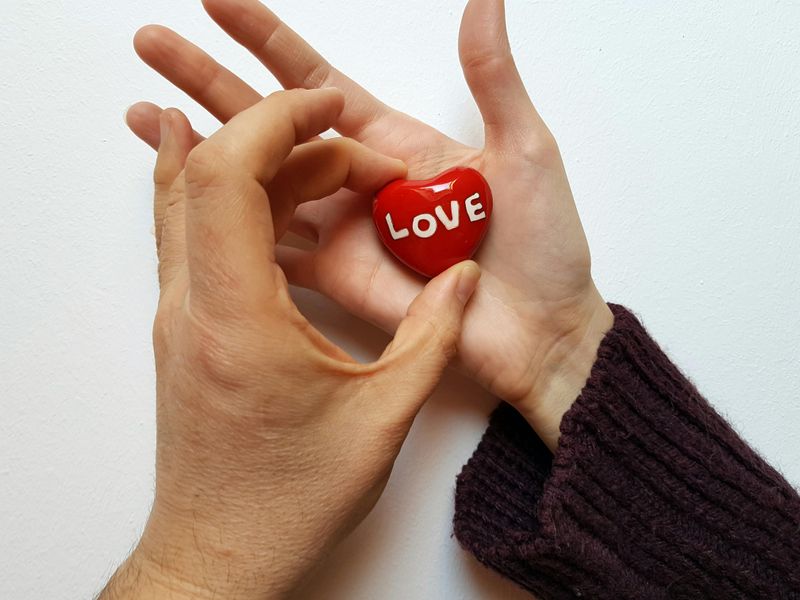
Few phrases are as emotionally loaded as this one.
Tying love to compliance is a form of emotional manipulation that puts unfair pressure on the other person in the relationship.
Real love does not come with ultimatums disguised as affection.
When someone regularly uses this phrase, they are essentially saying your love is only valid if you do what they want — and that is not a healthy foundation for anything.
This tactic can make you feel guilty for having boundaries, personal values, or limits.
Over time, it erodes your sense of self.
Love should feel like a safe space, not a test you are constantly at risk of failing.
11. ‘I Deserve It’

Confidence is wonderful.
Entitlement, however, is a completely different thing — and the line between them matters a great deal in relationships.
Believing you deserve good things is healthy self-worth.
But constantly declaring “I deserve it” in ways that dismiss others’ needs or justify selfish behavior is a warning sign of entitlement.
It often leads to one-sided dynamics where one person’s comfort always comes first.
In a balanced relationship, both people’s needs are considered equally.
Someone who repeatedly uses this phrase to excuse demanding or inconsiderate behavior may have difficulty seeing beyond their own perspective.
That kind of imbalance tends to grow — not shrink — over time.