 MomSkoop

Staying in an unhappy relationship can feel like being trapped in a cage with the door wide open. Many people know they’re miserable but still can’t bring themselves to walk away.
The reasons are more complicated than just love or commitment—they involve fear, guilt, hope, and deep emotional ties that make leaving feel impossible. Understanding these reasons can help you see why someone might stay, even when their happiness is slipping away.
1. Fear of being alone

Being alone can feel scarier than being unhappy with someone else.
Many people worry that they won’t know how to fill their days without a partner by their side.
The idea of eating dinner solo or spending weekends without company creates a knot of anxiety in their chest.
This fear often comes from believing that being single means being lonely forever.
But solitude and loneliness aren’t the same thing.
Learning to enjoy your own company takes time, yet it’s one of the most valuable skills you can develop.
Sometimes staying in a bad relationship feels safer than facing the unknown of being on your own, even when that relationship drains your happiness daily.
2. Emotional or financial dependence

Image Credit: © Vodafone x Rankin everyone.connected / Pexels
Money matters can chain people to relationships they desperately want to escape.
When one partner controls the finances or earns significantly more, leaving becomes a logistical nightmare.
Rent, bills, groceries—these everyday expenses suddenly feel overwhelming without shared income.
Emotional dependence works similarly but targets your feelings instead of your wallet.
You might rely on your partner for validation, comfort, or a sense of identity.
Over time, you forget who you were before the relationship started.
Breaking free requires rebuilding both your financial independence and your emotional self-reliance, which can feel like climbing a mountain without proper gear or training.
3. Hope the partner will change

Image Credit: © Tuğba Sarıtaş / Pexels
Everyone loves a good comeback story, and sometimes you cast your partner as the main character.
You remember the person they were when you first met—kind, attentive, fun—and believe that version still exists somewhere underneath.
Each small gesture or apology reignites your hope that things will finally improve.
This waiting game can stretch for months or even years.
You make excuses for their behavior and convince yourself that next week, next month, or after this stressful period ends, they’ll transform back into the person you fell for.
But hope without action from both sides becomes a trap that keeps you stuck in misery.
4. Low self-esteem or self-worth

Image Credit: © Antoni Shkraba Studio / Pexels
When you don’t value yourself, staying in a painful relationship makes twisted sense.
You might think you don’t deserve better treatment or that no one else would want you anyway.
These thoughts become background noise in your mind, playing on repeat until you believe them completely.
Your partner might reinforce these beliefs through criticism or subtle put-downs that chip away at your confidence.
Eventually, you convince yourself that this unhappy relationship is the best you’ll ever get.
Building self-worth takes intentional effort—therapy, supportive friendships, and small daily reminders that you matter.
Without it, leaving feels impossible because you can’t imagine anyone treating you better than this.
5. Trauma bonding or emotional attachment

Image Credit: © Eric Moura / Pexels
Intense emotional highs and lows can create powerful bonds that feel like love but aren’t healthy.
Trauma bonding happens when someone hurts you, then comforts you, creating a confusing cycle your brain struggles to process.
You become addicted to the relief you feel when things briefly get better after a fight or painful incident.
This attachment feels deeper than regular love because it’s wrapped up with survival instincts and emotional intensity.
Your body releases chemicals during these cycles that make you crave your partner even when they harm you.
Breaking a trauma bond requires recognizing the pattern and understanding that real love shouldn’t feel like an emotional rollercoaster.
6. Social, family, or cultural pressure

Image Credit: © Tima Miroshnichenko / Pexels
Sometimes the voices in your head telling you to stay aren’t even your own.
Family members might ask when you’re getting married or having kids, making leaving feel like letting everyone down.
Cultural or religious beliefs might teach that relationships should last forever, no matter what happens.
Friends might say you’re being too picky or that every relationship requires sacrifice.
These external pressures pile up until they feel heavier than your own unhappiness.
You imagine the disappointed looks, the uncomfortable conversations, or even being excluded from community events.
Pleasing others becomes more important than protecting your own peace, trapping you in a relationship that drains your spirit daily.
7. Shared history or sunk-cost fallacy
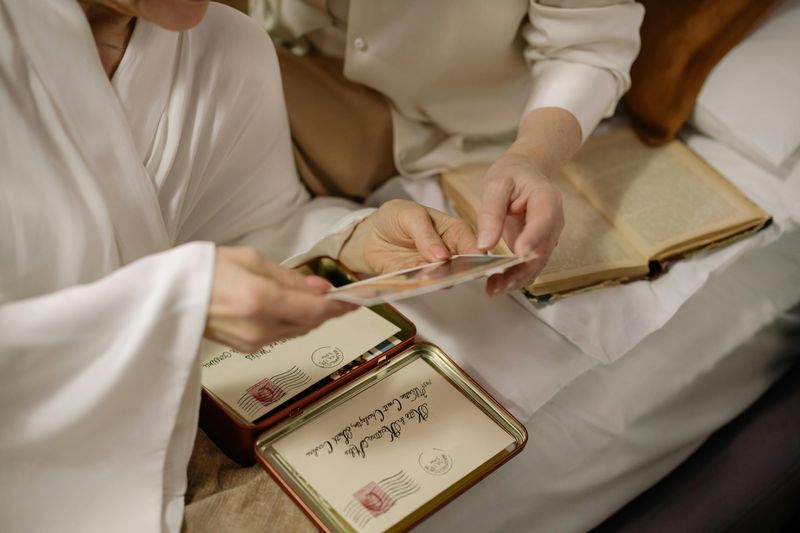
Image Credit: © cottonbro studio / Pexels
Years of memories can feel too valuable to throw away, even when they’re mixed with pain.
You’ve invested so much time, energy, and emotion into this relationship that starting over feels wasteful.
You remember the vacations, the inside jokes, the challenges you overcame together, and think all that effort should mean something.
This thinking trap is called the sunk-cost fallacy—continuing something because you’ve already invested in it, not because it’s good for you.
But time already spent isn’t a good reason to waste more time being miserable.
Your past doesn’t obligate your future.
Those memories will always exist, but they shouldn’t sentence you to continued unhappiness.
8. Fear of conflict or the breakup process

Image Credit: © Antoni Shkraba Studio / Pexels
Ending a relationship means having one of the hardest conversations you’ll ever face.
You imagine your partner crying, getting angry, or begging you to stay, and your stomach ties itself in knots.
The logistics feel overwhelming too—who keeps the apartment, how do you split belongings, what do you tell mutual friends?
Avoiding this discomfort keeps you stuck in daily misery that feels more manageable than one intense confrontation.
You tell yourself you’ll do it next month, after the holidays, or when things calm down.
But there’s never a perfect time for difficult conversations.
Sometimes you have to walk through the fire to reach the other side where peace waits.
9. Guilt or responsibility for the partner’s feelings

Image Credit: © RDNE Stock project / Pexels
Carrying someone else’s emotional weight can become your full-time job without you realizing it.
Your partner might have mental health struggles, few friends, or depend on you for happiness, making you feel like leaving would destroy them.
They might say things like they can’t live without you or that you’re all they have.
This guilt becomes a invisible rope tying you to the relationship.
You sacrifice your own happiness trying to maintain theirs, even though that’s an impossible and unfair burden.
Everyone is responsible for their own emotional wellbeing.
You can care about someone without setting yourself on fire to keep them warm, though learning this boundary takes courage and practice.
10. Uncertainty about life after the relationship

Image Credit: © Ron Lach / Pexels
The unknown future can feel more terrifying than a known painful present.
You wonder where you’ll live, whether you’ll find love again, or if you’re making the biggest mistake of your life.
Your relationship might be unhappy, but at least it’s familiar—you know what to expect each day.
Stepping into uncertainty means accepting that you can’t predict or control what happens next.
That vulnerability feels dangerous when you’re already emotionally exhausted.
But staying in misery because you fear the unknown is like refusing to leave a burning building because you’re not sure what’s outside.
Sometimes you have to trust that almost anything is better than continued unhappiness.