 MomSkoop

Some people just make the world feel a little warmer wherever they go. They say “please” without thinking, hold the door for strangers, and genuinely listen when you talk.
These habits did not appear out of nowhere – they were shaped by upbringing, values, and the simple belief that kindness matters. If you were raised to treat people well, chances are you will recognize yourself in the habits below.
1. Saying Please and Thank You Without Thinking About It

Courtesy has a funny way of becoming muscle memory.
For people raised with good manners, “please” and “thank you” slip out naturally, the same way breathing does.
There is no pause to calculate whether it is worth saying – it just happens.
This automatic politeness signals something deeper than etiquette.
It shows that you were taught to acknowledge others as people, not just as background characters in your own day.
A cashier, a teacher, a bus driver – everyone gets the same warm response.
Over time, this habit builds trust and goodwill without any extra effort.
People around you feel seen and respected, and that small daily kindness ripples outward in ways you may never fully realize.
2. Being Kind to Service Workers Without a Second Thought

There is an old saying that you can judge a person’s character by how they treat someone who can do nothing for them.
People raised to be genuinely kind never needed to hear that quote – they already live it.
Servers, cleaners, delivery drivers, and cashiers receive the same respect as a boss or a close friend.
It is not about being formal or overly cheerful.
It is simply about recognizing that every person doing a job deserves basic human dignity.
This habit often surprises people who are not used to it.
But for those who grew up in households where everyone was treated equally, it feels completely natural and honestly, the only way to move through the world.
3. Letting People Finish Before You Speak

Jumping into someone’s sentence before they finish it is a surprisingly common habit – and one that quietly signals you value your own thoughts more than theirs.
People raised to truly respect others learned early that listening is an act of generosity.
Waiting your turn to speak is not passive.
It takes real focus and patience, especially when you are excited to share your own point of view.
But holding back creates space for the other person to feel genuinely heard.
Conversations feel different when someone actually waits for you to finish.
They feel safer and more connected.
If you naturally do this without being reminded, it likely reflects a childhood full of being listened to yourself.
4. Returning Borrowed Items Promptly and in Good Condition
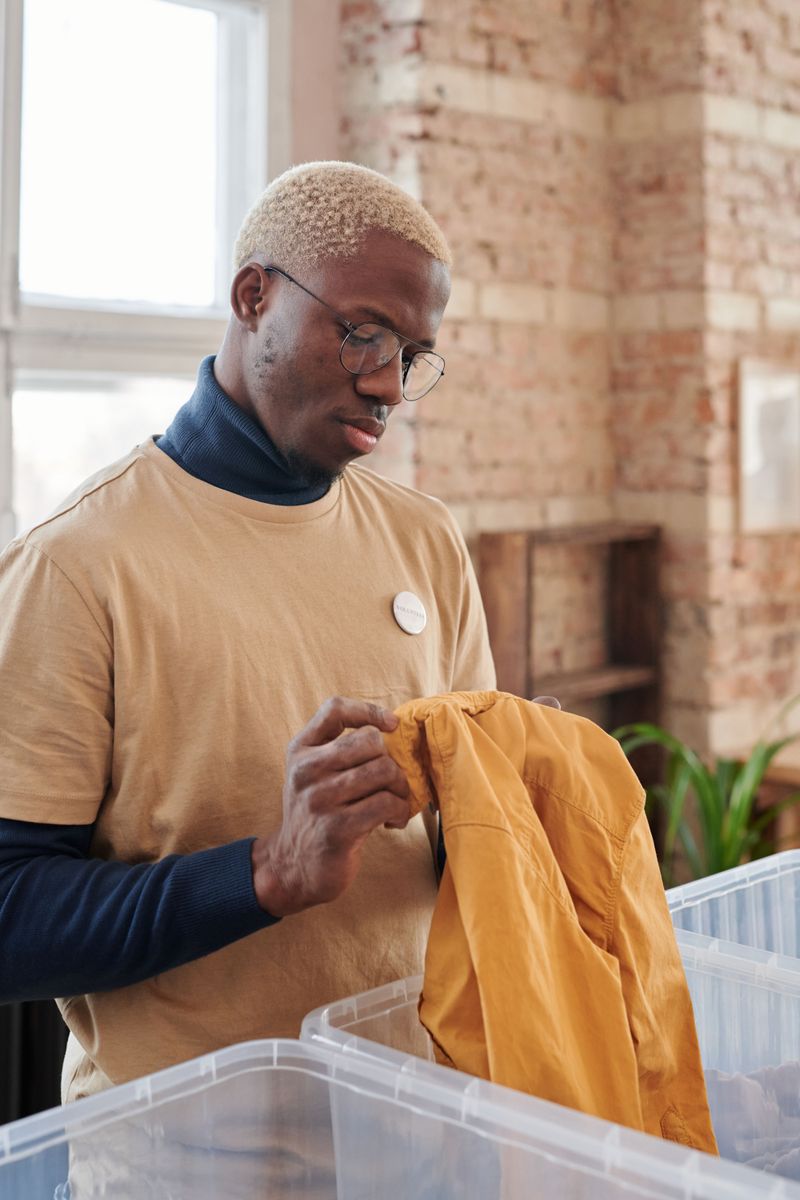
Borrowing something and returning it late, damaged, or never at all is a small but telling habit.
People raised with a strong sense of responsibility treat borrowed items like they are on loan from someone they genuinely care about – because they are.
Returning things promptly shows that you value the other person’s trust.
Taking care of what is not yours shows that you understand ownership and boundaries.
These are not complicated concepts, but they require a consistent level of thoughtfulness.
Whether it is a book, a tool, a car, or a charger, the principle stays the same.
You borrowed it, so you treat it well and give it back.
Simple as that – and yet it says everything about how you were raised.
5. Cleaning Up After Yourself in Shared Spaces
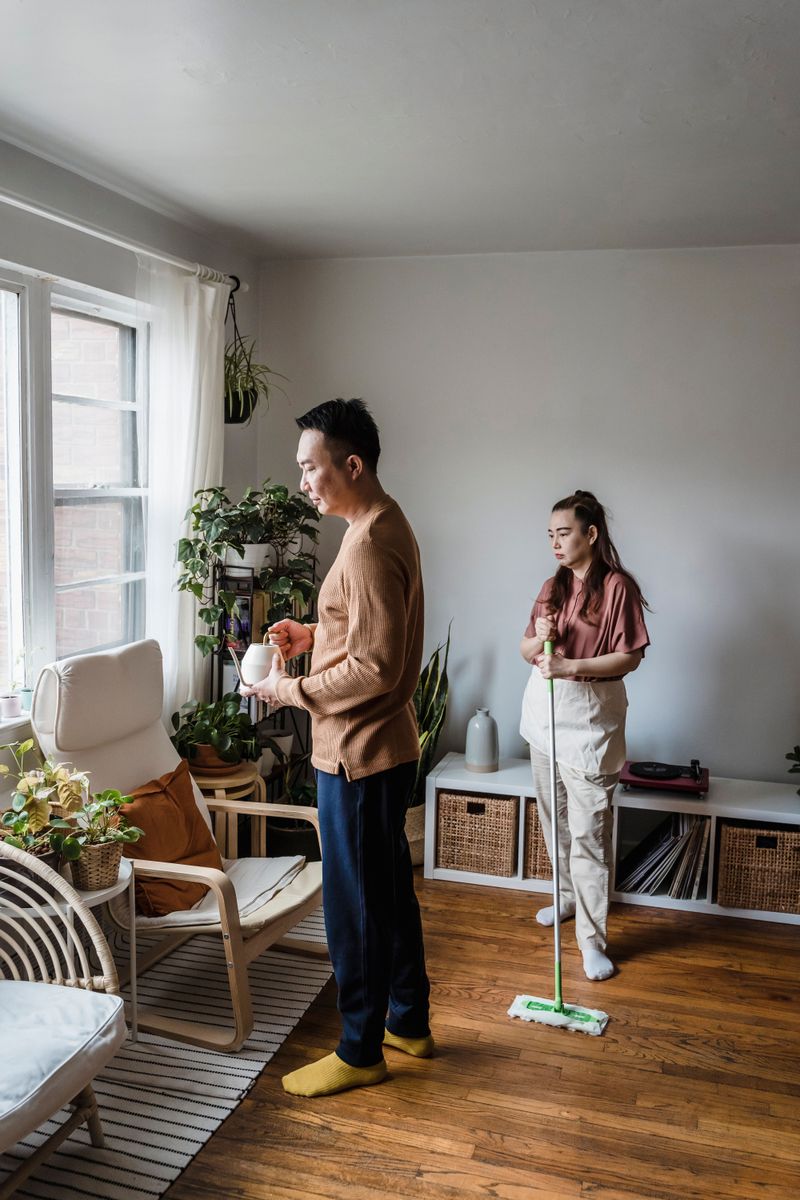
Leaving a mess for someone else to deal with is one of those habits that sneaks up on people who were never taught otherwise.
But for those raised to be considerate, cleaning up after yourself in shared spaces is just part of the deal.
It is not about being a neat freak.
It is about understanding that shared spaces belong to everyone, and no one should have to clean up after a fully capable adult.
Leaving a break room, bathroom, or kitchen the way you found it – or better – is a quiet act of respect.
People who do this consistently rarely make a big deal about it.
They just do it because they were taught that their comfort should not come at someone else’s inconvenience.
6. Respecting Other People’s Time by Being Punctual

Chronically running late sends a message, whether you intend it or not.
It tells the person waiting that your schedule matters more than theirs.
People raised with a deep respect for others tend to feel genuinely uncomfortable making someone wait.
Being on time is a form of consideration.
It says, “I planned ahead because I value your time as much as my own.” And when life happens and you are running late, a quick message to let someone know costs almost nothing but means a great deal.
This habit reflects a broader awareness that other people have full, busy lives too.
Punctuality is not about being rigid – it is about showing up in a way that communicates care and reliability to the people counting on you.
7. Holding Doors and Making Small Considerate Gestures
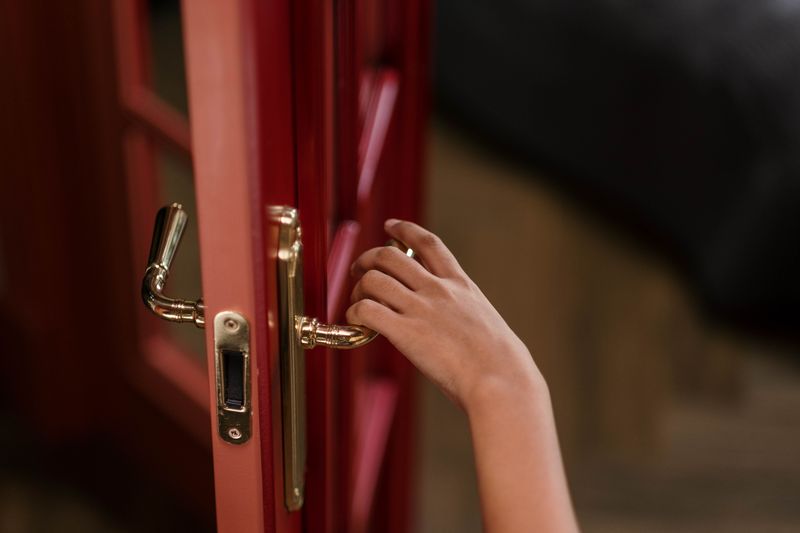
Nobody taught you to hold a door by reciting a rule from a book.
You learned it by watching someone in your family do it without fanfare, over and over again.
Small gestures like this come from noticing the people around you.
It is not about grand displays of chivalry or performing good manners for an audience.
It is simply that when you see someone carrying heavy bags, you help.
When someone is close behind you, you hold the door.
Your awareness of others kicks in automatically.
These micro-moments of consideration add up.
They make public spaces feel a little less cold and impersonal.
And for people raised to be thoughtful, they are not even a conscious choice – they are just who you are.
8. Apologizing Genuinely When You Are Wrong

A real apology is harder than it sounds.
It requires admitting fault without immediately following up with “but” or a list of reasons why the other person also shares the blame.
People raised with emotional maturity understand that a genuine apology stands on its own.
Saying sorry without excuses is a sign of inner confidence, not weakness.
It means you care more about the relationship and the other person’s feelings than about protecting your ego.
That kind of accountability is rare and deeply respected.
Growing up in a home where adults modeled real apologies – without drama or deflection – teaches you that owning your mistakes is not shameful.
It is actually one of the most trustworthy things a person can do.
9. Correcting Mistakes Privately Instead of Calling People Out

Public embarrassment has a way of sticking with people far longer than the original mistake ever would.
Those raised with genuine empathy understand this instinctively – they pull someone aside rather than pointing out an error in front of a crowd.
Correcting someone privately shows respect for their dignity.
It separates the mistake from the person making it, and gives them a chance to fix things without feeling small or humiliated.
That kind of grace is a gift, even when the correction itself is hard to hear.
This habit also tends to make feedback more effective.
People are far more open to hearing difficult truths when they do not feel attacked or shamed.
Choosing the quiet conversation over the public call-out is a choice that reflects real emotional intelligence.
10. Including People Who Seem Left Out

Most people have felt invisible in a room at some point – standing at the edge of a group, unsure whether to speak up or quietly leave.
People raised with a warm, inclusive spirit tend to notice that feeling in others and do something about it.
Including someone who seems left out does not require a grand gesture.
It can be as simple as making eye contact, asking a question, or shifting slightly to open up the circle.
That small movement sends a powerful message: you belong here too.
This habit often goes unnoticed by the person doing it, but it is never forgotten by the person who needed it.
Being raised to look out for the people at the edges of the room is a truly generous way to move through life.
11. Respecting Boundaries and Accepting No Without Pressure

Hearing “no” gracefully is a skill that not everyone has.
Pressuring someone to explain or justify a refusal turns a simple boundary into a negotiation – and that dynamic can feel exhausting and disrespectful for the person on the receiving end.
People raised to genuinely respect others understand that “no” is a complete sentence.
You do not need to know the reason behind it.
Whether someone declines an invitation, a favor, or a request, accepting that answer without pushing back is a form of deep respect.
This habit protects relationships and builds trust over time.
When people know they can say no to you without drama or guilt, they feel safe around you.
And feeling safe around someone is one of the greatest gifts you can offer.
12. Helping Others Without Expecting Recognition
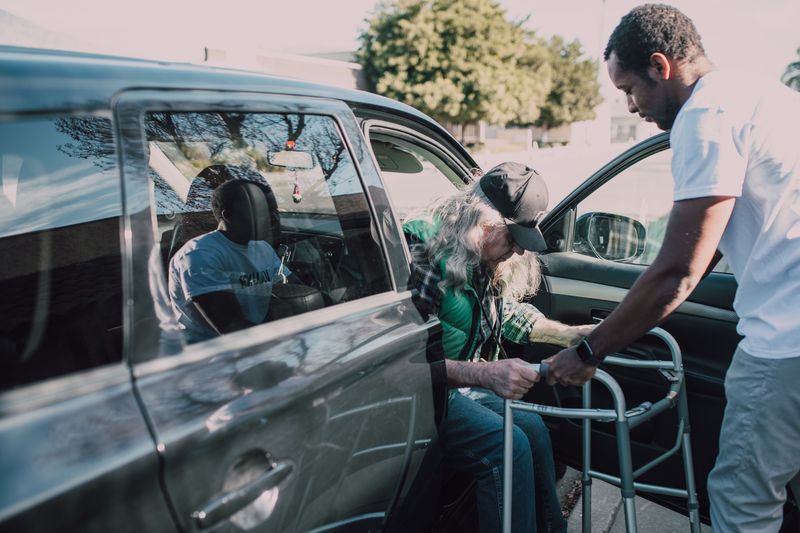
There is a big difference between helping someone and helping someone while waiting for applause.
People raised with a genuine spirit of service do kind things simply because they can – not because they are building up credit or hoping to be noticed.
Grabbing something heavy for a stranger, covering a coworker’s forgotten task, or quietly checking on a friend going through a rough time – these actions happen in the background of everyday life.
No announcement required.
This quiet generosity often goes unrecognized, and that is exactly the point.
When the reward you are looking for is the act itself – the ease it brings someone else – you have landed on one of the most grounded and beautiful habits a person can carry forward from childhood.