 MomSkoop
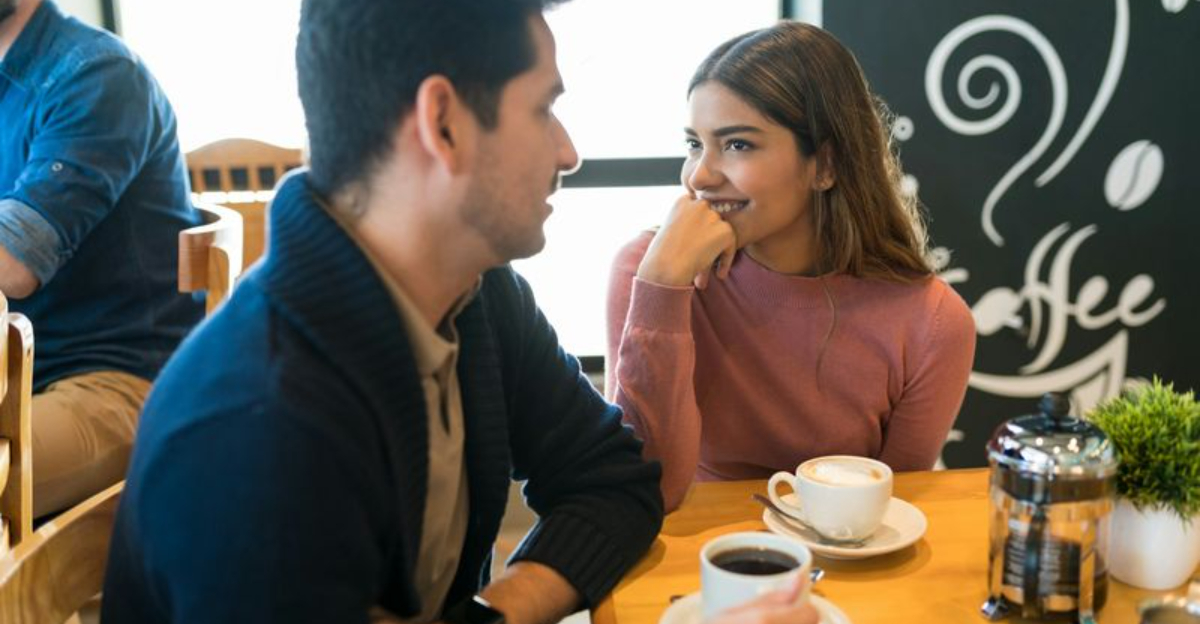
Not every desire for love means you are actually ready for it. Sometimes what feels like chemistry, urgency, or hope is really unhealed pain wearing a romantic disguise.
If these signs hit a little too close to home, that is not a reason for shame – it is a chance to pause, reflect, and protect your heart. The more honestly you can recognize these patterns, the more likely you are to build something healthy when the time is right.
1. You’re Still Obsessed With Your Ex

If your ex still takes up most of your mental space, your heart may still be tied to a chapter that has not fully closed.
You might replay old conversations, check their social media, or imagine getting another chance.
That kind of emotional attachment makes it hard to meet someone new with openness and curiosity.
When you are still emotionally orbiting a past relationship, new connections often become rebounds, distractions, or unfair comparisons.
The issue is not that you once loved deeply – it is that part of you is still living there.
Real readiness usually shows up when memories no longer control your mood, your choices, or your sense of what love should feel like now.
2. You Want a Relationship to Fix Your Happiness

It is easy to believe a relationship will finally make you feel complete, secure, or worthy.
When life feels empty, romance can seem like the missing piece that will brighten everything overnight.
But expecting a partner to rescue your happiness places pressure on them and disappointment on you.
Healthy love adds joy, support, and companionship, yet it cannot build your self-worth for you.
If you are chasing a relationship as a cure for boredom, sadness, or insecurity, the foundation is already shaky.
Emotional readiness often means you can enjoy your own life first, so love becomes a meaningful complement instead of an emotional life raft you desperately need to stay afloat.
3. You Compare Everyone to Your Last Partner
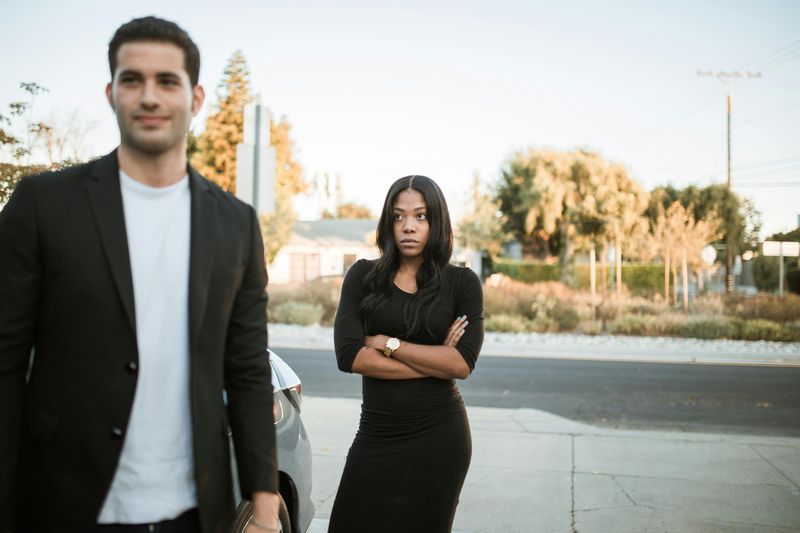
When every new person gets measured against your last partner, you are not really seeing who is in front of you.
You are filtering them through old memories, old wounds, and old expectations that belong to someone else.
Even a promising connection can feel wrong when you keep using the past as the standard.
Comparison can show up in obvious ways, like noticing what they lack, or subtle ones, like expecting the same chemistry by date two.
Either way, it blocks genuine discovery and keeps you emotionally stuck in familiar territory.
Being ready for a relationship means allowing someone to be different, not better or worse, and giving yourself permission to experience love without constantly revisiting an old scorecard.
4. You’re Afraid of Being Alone

If being single feels unbearable, you may be chasing partnership for relief rather than true connection.
Loneliness can make almost any attention feel meaningful, which raises the risk of ignoring red flags and settling too quickly.
In that mindset, the goal becomes escaping solitude instead of choosing someone who genuinely fits your life.
Being alone is not always comfortable, but it teaches you what you need, value, and refuse to accept.
When you cannot tolerate your own company, relationships can become emotional shelters instead of healthy bonds.
Readiness often looks like knowing you want love without needing it to save you from quiet nights, difficult feelings, or the work of building a satisfying life on your own.
5. You Haven’t Processed Past Hurt

Unhealed pain does not disappear just because time has passed or someone new has arrived.
Heartbreak, betrayal, rejection, and resentment often linger beneath the surface, shaping how you interpret texts, conflict, and closeness.
If small things trigger outsized fear or defensiveness, your past may still be speaking louder than the present.
Processing hurt means more than saying you are over it.
It means understanding what happened, grieving what was lost, and noticing how those experiences affect your trust and behavior now.
Without that work, emotional walls can harden and intimacy starts to feel dangerous.
A healthier relationship usually becomes possible when you can face old pain honestly instead of asking new love to quietly absorb it.
6. You Crave Validation More Than Connection
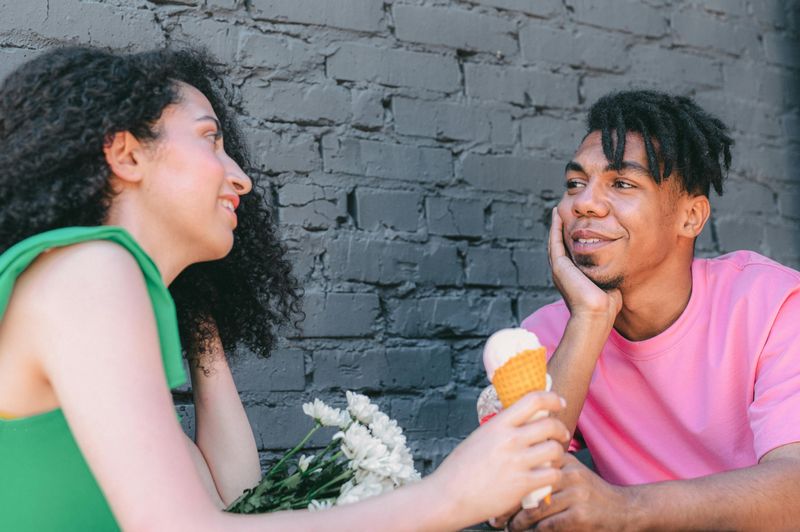
If attention feels more important than genuine compatibility, you may be seeking proof of worth instead of real intimacy.
Compliments, texts, and romantic interest can give a quick emotional high, especially when confidence feels shaky.
The problem starts when being chosen matters more than how you actually feel around the person choosing you.
Validation can be addictive because it temporarily quiets insecurity, but it rarely creates the depth you truly want.
You might ignore mismatches, push for reassurance, or stay invested mainly because someone desires you.
Emotional readiness tends to involve a shift from needing approval to valuing mutual understanding, safety, and honesty.
That is when connection becomes less about performing your worth and more about sharing your real self.
7. You Repeat the Same Toxic Patterns
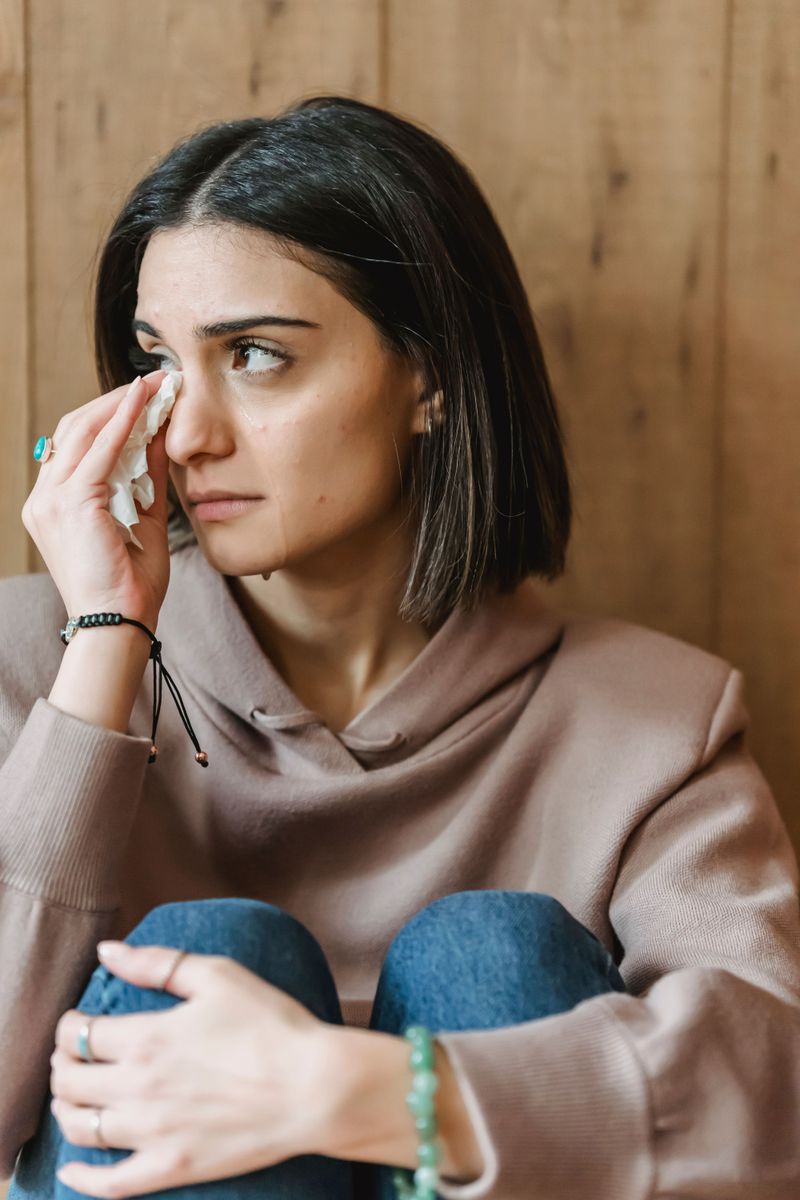
When your dating history feels like the same story with different faces, it is worth paying attention.
Maybe you keep choosing emotionally unavailable people, confusing chaos with passion, or staying too long where your needs are ignored.
Repetition usually signals an unresolved lesson, not bad luck alone.
Toxic patterns often feel familiar, and familiar can be mistaken for chemistry.
Without reflection, you can keep recreating dynamics that hurt you because some part of them feels normal or strangely comforting.
Becoming ready for a healthier relationship means noticing your role in the cycle without shaming yourself.
Once you understand what you are repeating and why, you can choose differently instead of hoping a new person will magically create a different ending.
8. You Avoid Emotional Vulnerability

Real closeness requires honesty, but vulnerability can feel terrifying when you are protecting an old wound.
If you shut down, joke away serious conversations, or keep people at a safe emotional distance, connection stays shallow even when attraction is strong.
You might want intimacy in theory while resisting the very openness that creates it.
Avoiding vulnerability does not mean you are cold or incapable of love.
It often means you learned that openness could lead to rejection, judgment, or pain.
Still, lasting relationships need more than chemistry and convenience.
They need truth, tenderness, and the courage to be known.
Emotional readiness usually grows when you can share your needs, fears, and feelings without treating closeness like a threat you must constantly control.
9. You’re Constantly Looking for an Escape

If commitment makes you feel trapped, you may find yourself mentally keeping one foot out the door.
Maybe you fantasize about other options, pull away when things get serious, or look for flaws as soon as someone gets close.
That constant urge to escape usually signals fear, ambivalence, or emotional unreadiness.
Healthy relationships require presence, not perfection.
You do not need certainty about every future detail, but you do need willingness to stay engaged when vulnerability deepens and choices become real.
When part of you is always scanning for exits, it becomes difficult to build trust or momentum with anyone.
Being ready often means you can tolerate the discomfort of commitment without immediately treating freedom, distance, or distraction as safer than connection.
10. You’re Rushing Into Something New

Moving fast after a breakup can feel exciting, hopeful, and even healing at first.
New attention distracts from grief, and fresh chemistry can make it easy to believe you are ready again.
But speed is not the same thing as emotional readiness, especially when your heart has barely had time to catch up.
Rushing into something new often masks pain rather than resolving it.
You may cling to possibility, overshare too soon, or commit before you have processed what the last relationship taught you.
That can create confusion for both people involved.
Readiness usually includes space to reflect, recalibrate, and reconnect with yourself before building with someone else.
Slowing down does not ruin real love – it gives it a better chance to grow on solid ground.