 MomSkoop

Introversion is more than just preferring quiet nights at home. Psychology shows that certain everyday situations trigger unique frustrations in introverted people that others might not even notice.
If you find yourself annoyed by specific social demands or environmental pressures, your brain might be wired differently than extroverts. Understanding these triggers can help you embrace your personality and communicate your needs more effectively.
1. Open-Plan Workspaces Without Quiet Corners

Open offices promise collaboration, yet they often steal focus and energy.
Constant motion, stray conversations, and visual clutter tug at your attention until your brain feels overclocked.
If your productivity drops and your shoulders tense, you are not imagining it.
Introverts typically think deeply, so background noise becomes mental static.
You might crave a door to shut, a nook with soft light, or noise canceling headphones.
Request quiet hours, book a meeting room for solo work, or cluster deep tasks early.
You will feel calmer, think clearer, and deliver better work.
Quiet is not indulgence.
It is fuel.
2. Constant Social Obligations

When your calendar fills up with back-to-back events, your energy drains faster than a phone battery on low power mode.
Introverts recharge through solitude, so having endless parties, meetings, and gatherings feels exhausting rather than exciting.
Your brain processes social interactions deeply, which requires significant mental resources.
Each conversation and social exchange takes effort that extroverts might not experience the same way.
Setting boundaries around your schedule helps preserve your energy for activities that truly matter.
Learning to say no without guilt allows you to protect your well-being.
Remember that declining invitations doesn’t make you antisocial—it makes you self-aware and honest about your limits.
3. Loud and Chaotic Environments

Blaring music, shouting voices, and constant commotion make your nervous system feel like it’s under attack.
Research shows that introverts have higher sensitivity to external stimulation, meaning loud spaces genuinely feel more intense to your brain.
Your sensory processing works differently, picking up more details from your surroundings.
Crowded restaurants, bustling shopping malls, or noisy offices can quickly become overwhelming rather than energizing.
This isn’t weakness or pickiness—it’s how your neurological system functions.
Finding quieter spaces or using noise-canceling headphones provides relief when escape isn’t possible.
Honoring your need for calm environments helps you think clearly and feel more comfortable throughout your day.
4. Prolonged Small Talk

Conversations about weather, traffic, or weekend plans feel like running on a treadmill going nowhere.
Introverts crave meaningful dialogue that explores ideas, feelings, and genuine connection.
Surface-level chitchat drains your energy without providing the depth your mind naturally seeks.
Psychology suggests that introverts prefer quality over quantity in conversations, finding fulfillment in discussing topics that matter.
Forced pleasantries at networking events or awkward elevator exchanges might make you feel trapped.
You’re not rude for wanting substance—your brain simply processes conversations differently.
Steering discussions toward more interesting subjects or politely excusing yourself preserves your mental energy for interactions that truly engage you.
5. Pressure to Respond Immediately

Text messages, emails, and questions demanding instant answers create unnecessary stress in your daily life.
Introverts naturally need time to process information and formulate thoughtful responses.
Your brain works through ideas internally before expressing them, which takes more time than spontaneous reactions.
Being rushed to answer questions or make decisions on the spot feels uncomfortable and unfair.
This processing style leads to more carefully considered responses, but others might misinterpret your pause as disinterest.
Communicating your need for reflection time helps manage expectations.
Phrases like “Let me think about that” or “I’ll get back to you” give you the space your mind requires without apologizing for your natural thinking process.
6. Being Interrupted While Thinking

Someone breaking your concentration feels like shattering glass—your carefully constructed thoughts scatter everywhere.
Introverts engage in deep focus and internal processing, making interruptions particularly jarring.
Your mind builds complex ideas layer by layer, and disruptions force you to rebuild from scratch.
Whether you’re reading, working, or simply reflecting, unexpected intrusions derail your mental flow.
Studies show that introverts need more uninterrupted time to reach their peak productivity and creativity.
Creating boundaries around your thinking time isn’t selfish—it’s essential.
Using signals like closed doors, headphones, or scheduled quiet hours helps others understand when you need uninterrupted space to process your thoughts effectively.
7. Intense Emotional Conflicts

Heated arguments and dramatic confrontations drain every ounce of your energy, leaving you emotionally exhausted.
Introverts typically prefer calm, rational discussions over explosive emotional exchanges.
Your nervous system reacts strongly to conflict, triggering stress responses that linger long after the argument ends.
While everyone dislikes fighting, introverts experience heightened sensitivity to emotional intensity.
You might replay conflicts repeatedly in your mind, analyzing every word and searching for resolution.
Preferring peaceful communication doesn’t mean avoiding necessary conversations—it means choosing constructive approaches.
Requesting time to cool down before discussing difficult topics helps you engage more effectively without the overwhelming emotional overload that derails productive conversation.
8. Sharing Emotions Without Preparation

Being asked “How do you feel?” without warning can freeze you like a deer in headlights.
Introverts process emotions internally before verbalizing them, needing time to understand their own feelings first.
Your emotional awareness develops through quiet reflection rather than immediate external expression.
Pressure to share feelings on demand feels invasive and uncomfortable, like being asked to perform without rehearsal.
This doesn’t mean you lack emotions—quite the opposite.
You experience feelings deeply but require space to sort through them privately.
Letting trusted people know you need time before emotional discussions helps them support you better while respecting your natural processing style and emotional boundaries.
9. Having to Justify Needing Solitude

Explaining why you need alone time shouldn’t require a dissertation, yet people often demand detailed justifications.
Introverts require solitude like extroverts need social interaction—it’s fundamental to your well-being, not optional.
Your energy restoration happens through quiet time, making it a legitimate psychological need.
Friends or family might take your need for space personally, interpreting it as rejection.
Constantly defending your boundaries becomes exhausting and frustrating.
You’re not antisocial, depressed, or angry—you’re simply recharging.
Setting clear expectations about your alone time needs and consistently maintaining those boundaries teaches others to respect your requirements without treating them as problems that need solving or personality flaws requiring correction.
10. Social Gatherings Without Purpose

Parties that exist solely “for fun” without deeper meaning or connection feel pointless and draining.
Introverts appreciate social events with clear purposes—celebrating achievements, meaningful conversations, or shared interests.
Random gatherings where people mingle aimlessly don’t provide enough value to justify the energy expenditure.
You’d rather attend a small book club discussion than a large party with superficial interactions.
This preference reflects how your brain seeks meaningful engagement over simple stimulation.
Quality matters more than quantity in your social life.
Choosing events that align with your values and interests ensures your limited social energy goes toward experiences that genuinely enrich your life rather than leaving you depleted and questioning why you attended.
11. Constant Exposure on Social Media
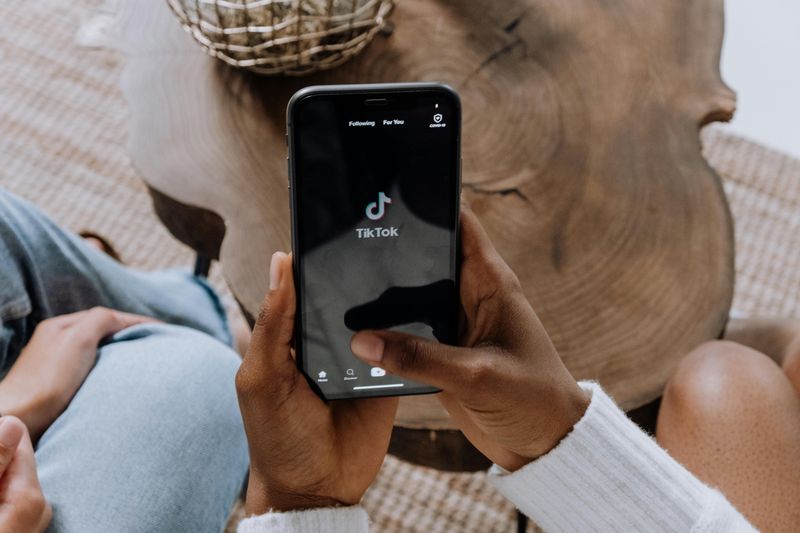
Sharing every meal, thought, and activity online feels exhausting rather than exciting or rewarding.
Introverts value privacy and prefer keeping personal experiences intimate rather than broadcasting them publicly.
The pressure to maintain an online presence, respond to comments, and curate a perfect image creates unnecessary stress.
Your authentic self exists beyond likes, shares, and follower counts.
Social media’s constant demands for attention and engagement conflict with your need for private reflection.
You might enjoy observing from the sidelines without feeling obligated to participate constantly.
Limiting your social media use or choosing platforms that align with your comfort level protects your mental health and honors your natural preference for deeper, more private connections.